
Reviewed · KOREAN FOLK VILLAGE TOURS
Korean Folk Village and Suwon Hwaseong Fortress Day Tour(EG Tour)
History comes alive outside Seoul. This full-day outing pairs the reconstructed Korean Folk Village with Suwon Hwaseong Fortress, then adds time at Suwon Nammun Market. I like the mix of live performances and historic sights, and I like having round-trip transport for destinations that are not quick city-center stops. The main tradeoff is pace: with three stops, traffic, and a group of up to 43 people, some time at each place can feel tightly managed.
The tour costs about $69.52 per person and runs roughly 10 to 11 hours. Guides such as Joon, Cecilia, Gina, Laura, Jonathan, Stella, Julie, and Sally have earned especially warm praise for clear explanations, patience, and help with food or photos. Plan for walking, changing weather, and a long day. If you want a relaxed visit with lots of time to wander alone, this may feel too structured.
In This Review
- Key points at a glance
- Why this makes a good day trip from Seoul
- Three hours among Joseon-era houses
- What the village gets right, and where expectations matter
- Suwon Hwaseong, walls built for a king
- Suwon Nammun Market and the case for staying late
- The guides can make or break the day
- Value at $69.52 per person
- Practical advice for a smoother day
- Should you book the Korean Folk Village and Suwon tour?
- FAQ
- How long does the Korean Folk Village and Suwon tour last?
- What is included in the tour price?
- Is the Korean Folk Village a real residential village?
- What can I see at the Korean Folk Village?
- How much of Suwon Hwaseong Fortress will I see?
- Can I cancel for a refund?
Key points at a glance
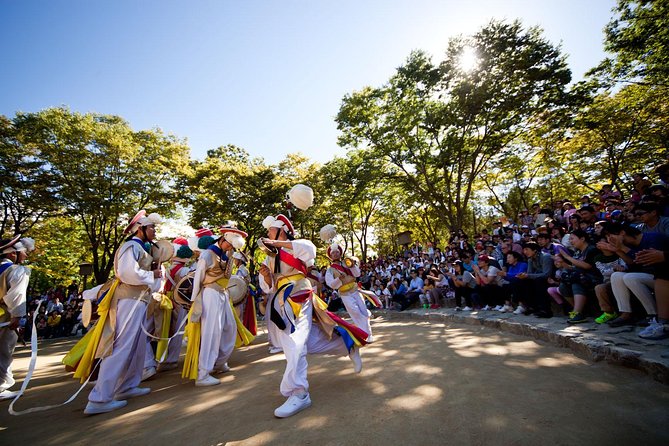
- Horseback martial arts and traditional ceremonies: The Korean Folk Village offers live cultural shows, including traditional music, a wedding ceremony, and horseback martial arts.
- A reconstructed Joseon-era setting: The village is a tourist attraction rather than a modern residential village, but its buildings and displays make daily life easier to picture.
- A short but worthwhile fortress walk: Suwon Hwaseong’s walls, gates, and watchtowers provide the day’s grandest views, though one and a half hours only covers part of the site.
- A useful food stop at Nammun Market: You have free time to try local snacks such as hotteok, spicy fishcake, sausage, and sweet rice drink.
- Strong guiding is central to the experience: Guides including Joon, Cecilia, Gina, Laura, Jonathan, Stella, Julie, and Sally are praised for history, organization, and personal stories.
- Good value for a full day out: Transport and admission are included, while meals and personal spending are not.
Why this makes a good day trip from Seoul
Seoul can fill every hour with palaces, shopping streets, cafés, and museums. This tour gives you a full day beyond the city, with a useful contrast between rural-style Joseon buildings, a royal fortress, and a working traditional market.
I like that the stops are not simply three versions of the same attraction. The folk village focuses on customs and everyday life. Hwaseong shows military planning and royal ambition. The market brings you back to present-day Suwon through food and local commerce.
The day is also practical for anyone who does not want to work out several train and bus connections. Round-trip transportation is included, along with admission fees and English or Chinese-speaking staff. At $69.52, the price is fair if you value convenience and guiding. It is less attractive if you prefer independent travel and would rather spend the day at one site.
The advertised length is about 10 to 11 hours, although the actual time at the three stops adds up to about five and a half hours. The remaining time goes to transport, meeting the group, and moving between locations. Traffic and weather can change the schedule.
More Korean Folk Village visits:
- Seoul: Suwon Hwaseong Fortress & Korean Folk Village Tour
★ 4.7 · 214 reviews - Seoul: Suwon Hwaseong, Folk Village, & Starfield Library
★ 4.8 · 55 reviews - Traditional Korean folk village Afternoon tour
★ 5.0 · 52 reviews
Three hours among Joseon-era houses
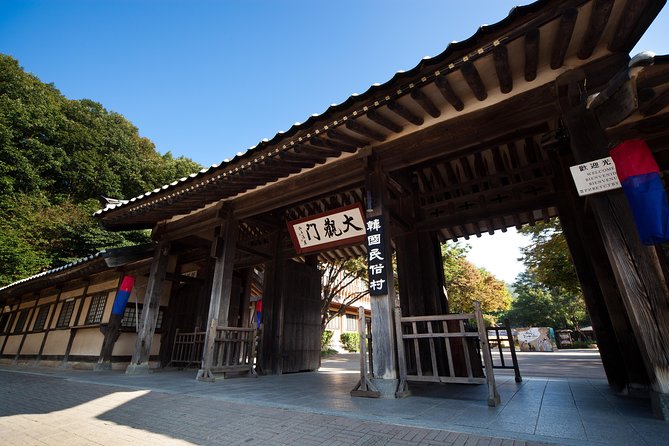
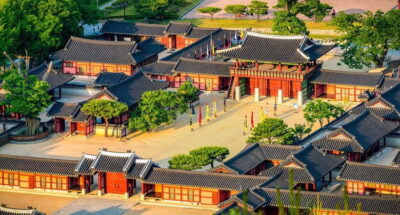
The Korean Folk Village is the first major stop, with about three hours inside. It presents traditional culture associated with the late Joseon period through buildings, customs, cultural classes, seasonal practices, and displays connected with shaman belief.
The setting is best understood as an open-air cultural park, not a village where ordinary families still live. That distinction matters. If you arrive expecting a quiet, untouched community, you may feel disappointed. The site includes shops and restaurants, and some of the buildings are reconstructed for visitors.
Still, I think the place works well as an introduction to traditional Korean life. You can walk through traditional houses and see displays showing how people lived and worked. One particularly worthwhile area is the museum with scenes of everyday life. It gives more meaning to the architecture than simply looking at tiled roofs and wooden gates.
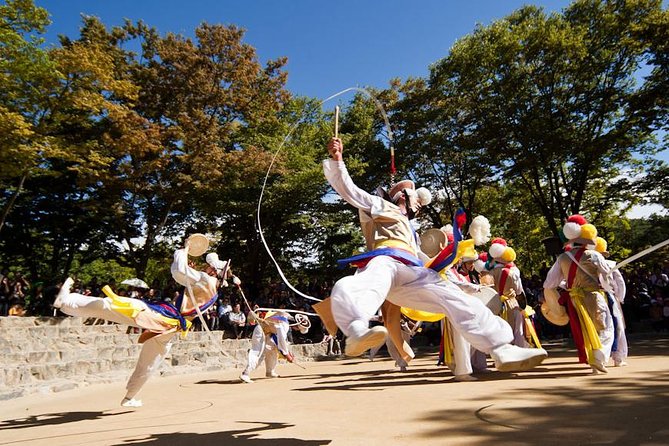
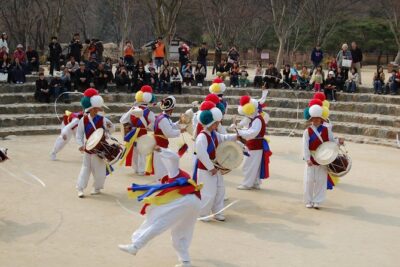
The scheduled performances are a major reason to go. Depending on the day and weather, you may see traditional music, a wedding ceremony, horseback martial arts, or other cultural presentations. One special addition praised by several people is traditional music combined with hanbok dress-up at the cultural center. Archery may also be available as an optional activity.
These shows give the visit energy and help explain customs that can seem distant when viewed only in a museum. The horseback martial arts performance, in particular, adds movement and spectacle to what could otherwise be a slow walk through old-style buildings.
You should watch the timing carefully. The village is larger than many people expect, and it is easy to spend too long at the first few courtyards. One person missed the first performance after delays at pickup points, while another felt there was not enough free time to explore independently. I suggest checking the show schedule early and treating the performances as fixed appointments.
The guide may lead you through key areas and explain customs, architecture, and the Joseon period. Some groups have used audio headphones so everyone can hear clearly. That can be helpful in a large group, especially near a performance or in a busy courtyard.
What the village gets right, and where expectations matter
The folk village is strongest when you want context. You get traditional buildings, staged customs, cultural performances, and a chance to connect Korean history with the settings often seen in dramas.
It is weaker if your goal is solitude or a purely authentic rural experience. The park is designed for tourism, with commercial areas and organized shows. I would describe it as an accessible cultural introduction, not a preserved town untouched by modern life.
That makes it a good fit for first-time visitors, families with older children, and anyone who enjoys seeing several kinds of activity in one place. Very young children may struggle with the walking, scheduled explanations, and time sitting still during transport. One family found that children had trouble staying with the group and keeping the audio earbuds in place.
The weather also changes the experience. Rain can make paths uncomfortable and may cancel an outdoor performance or light show later in the day. Heat can be tiring, too. Guides such as Laura and Cecilia received praise for keeping people comfortable in extreme heat, while Joon and Jonathan continued to explain the sites during heavy rain.
Suwon Hwaseong, walls built for a king
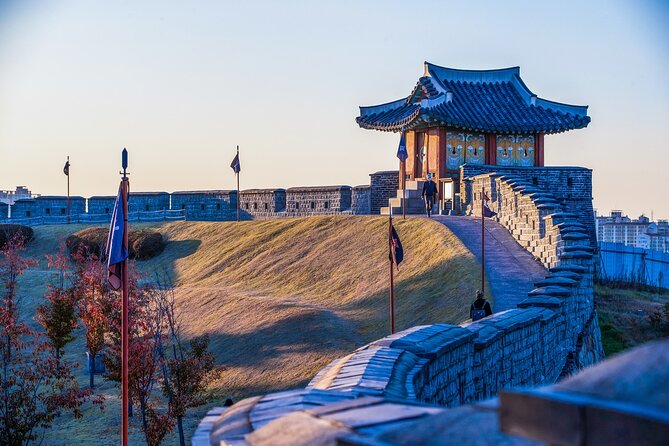
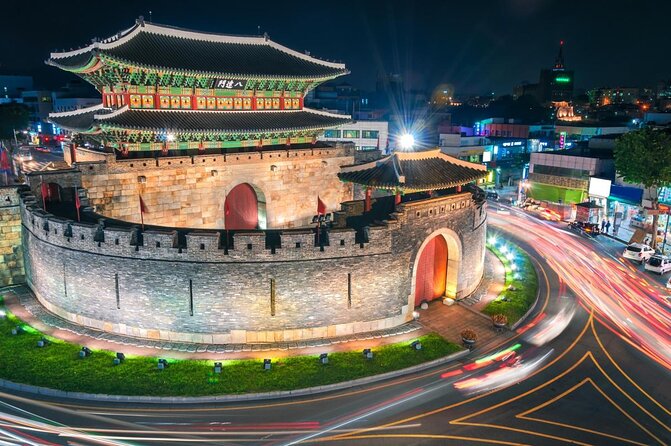
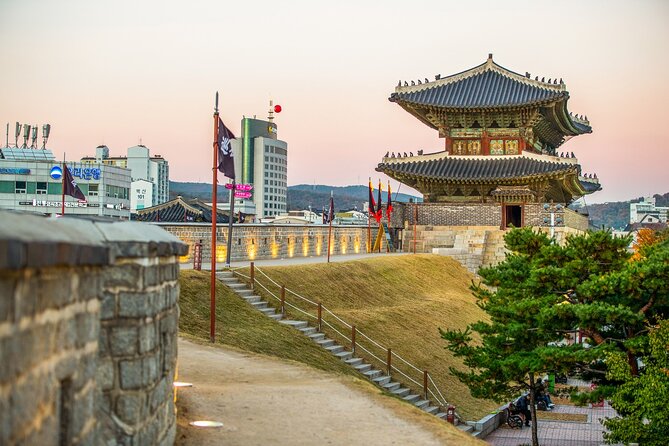
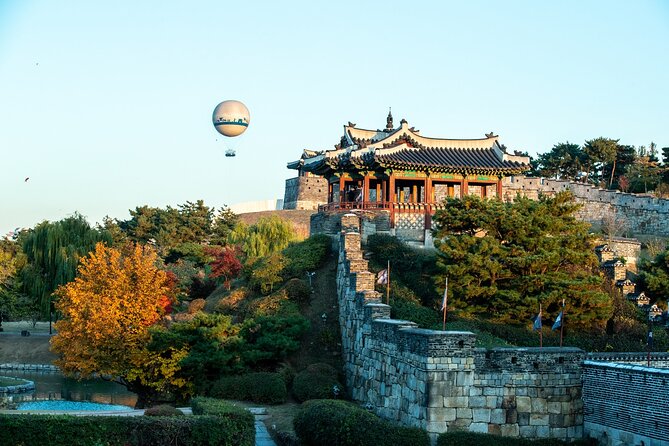
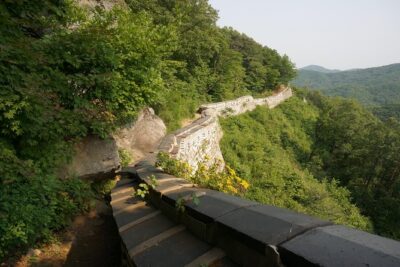
The second stop is Suwon Hwaseong Fortress, a UNESCO World Heritage site built in the late 18th century by King Jeongjo. The complex served as a fortress and palace setting, and its walls run for almost six kilometers.
You have about one hour and 30 minutes here. That is enough to walk along a section of the wall, see gates and watchtowers, and understand the scale of the fortifications. It is not enough to explore the entire circuit in depth.
This is the most visually impressive part of the day for many people. The wall gives you changing views as it rises and falls around Suwon, while the gates and watchtowers show how defense, ceremony, and movement were planned together. The site feels more open than the folk village, with room to look outward and appreciate the shape of the city.
I especially like the contrast between the first stop and this one. At the folk village, you focus on homes, work, dress, and custom. At Hwaseong, you think about royal power, defense, engineering, and the ambitions of King Jeongjo.
The short schedule is the main limitation. Some people find the fortress interesting but would not make a special trip just for it. Others wish they had covered more of the site. Your guide will likely focus on a representative section rather than lead you around all six kilometers.
Wear shoes suited to walking and expect some exposure to sun or rain. There may be places to rest, but the tour is not designed as a slow, private fortress visit. In bad weather, the outdoor portions may be shortened or adjusted.
More Suwon trips:
- Beyond Seoul: Starfield Library, Hwaseong Fortress & Cave Quest
★ 5.0 · 177 reviews - From Seoul: Suwon Hwaseong Fortress Tour
★ 5.0 · 108 reviews - Suwon Hwaseong+Gwangmyeong Cave+Starfield Library from Seoul
★ 5.0 · 104 reviews - From Seoul: Suwon Hwaseong Fortress Night Tour
★ 5.0 · 78 reviews
Suwon Nammun Market and the case for staying late
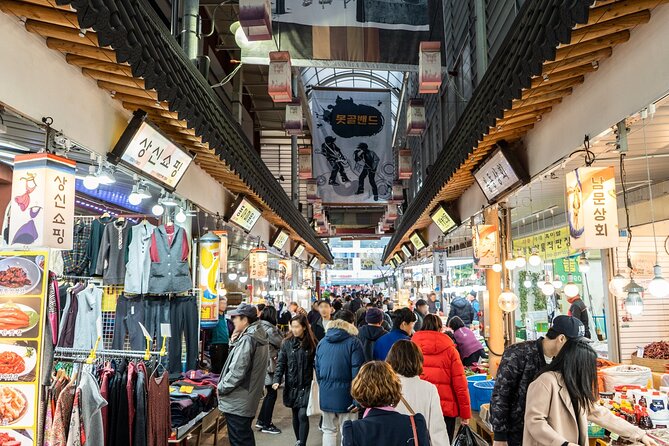
The final stop is Suwon Nammun Market, where you have about one hour of free time. The market dates back to the Joseon Dynasty and is one of the city’s older and larger traditional markets.
This is where the tour becomes less about monuments and more about eating. A guide such as Jonathan has helped people choose hotteok, spicy fishcake, sausage, and sweet rice drink. Meals are not included, so bring money for anything you want to sample.
I like this stop because it gives the day a more ordinary, lived-in ending. You are not only looking at historic buildings. You can browse food stalls, make your own choices, and see how a traditional market fits into modern Suwon.
Still, this is the most optional-feeling part of the route. If you have already visited several Seoul markets, Nammun may seem familiar. Some people would prefer to return to Seoul earlier or spend more time at the fortress. Others enjoy the chance to eat and wander without a formal explanation.
The market is therefore a question of priorities. Choose this tour for variety, not for maximum time at each landmark. The final hour works well if you enjoy trying small portions and browsing. It may feel unnecessary if you are tired or already have a full food itinerary in Seoul.
The guides can make or break the day
Because the tour covers several subjects, the guide matters a great deal. The strongest guiding praised across this experience combines historical explanation with practical help.
Joon is described as patient, informative, and clear in English. Cecilia is praised for explaining Joseon-era kings, including figures familiar from Korean television dramas, while keeping the mood friendly. Gina is credited with making the day welcoming and explaining both sites clearly.
Laura has handled heat and rain with care, and Jonathan is praised for personal stories, good food recommendations, photos, and keeping the group moving through a tight schedule. Stella is noted for personal anecdotes and detailed explanations at both the village and fortress. Julie receives praise for making the day fun for different ages, while Sally is appreciated for a gentler pace and regular chances to rest.
Guide quality can vary by departure, so you should not book solely because of one particular name. The pattern is still useful: this experience is much more than a bus ride between attractions when the guide is active and engaged.
Group size can reach 43 people. That is a sizeable group, and it explains the use of audio equipment and the need to keep to meeting times. You gain a lower price and shared transport, but you lose some flexibility.
Value at $69.52 per person
At $69.52, this tour offers solid value for a visitor who wants an organized day outside Seoul. Transportation, staff, and entrance fees are included. You also receive a guide’s interpretation at two major historic sites, which can add real value when the architecture and customs are unfamiliar.
The price does not cover meals, insurance, or personal purchases. Budget extra for market food and anything you buy at the folk village. The market stop is intentionally free time, so you can spend little or turn it into a tasting session.
The value is strongest for families, friend groups, and first-time visitors who cannot agree on one activity. The day offers shows, architecture, walking, history, food, and independent time. It is also useful if you are uneasy about navigating to Suwon alone.
Independent visitors may find the arrangement less appealing. You could prefer choosing one site, lingering over details, and avoiding the long transport day. The tour is not a bargain simply because it is busy. Its value comes from removing planning work and bringing several different experiences together.
Practical advice for a smoother day
Arrive at the meeting point early. Delays caused by late arrivals at multiple pickup points have reduced time at the folk village and caused people to miss a first performance.
Check the weather before you go. Rain can affect outdoor shows and fortress walking, while strong heat can make the open areas tiring. Carry water and rain protection according to the forecast, and wear comfortable shoes.
Keep the village performance schedule in mind from the start. You can explore more freely after you have seen the events you most want to catch.
At the fortress, accept that you will see only part of the complex. Use the time to follow your guide, enjoy the wall views, and notice the gates and watchtowers rather than trying to complete the full circuit.
At the market, ask the guide for food suggestions if you are unsure what to order. Small snacks make it easy to try several items without committing to a full meal.
The tour accepts mobile tickets, and confirmation is provided at booking. It is near public transportation, though the included transport is the point of choosing this outing. Most people can take part, but the walking and long day may not suit everyone.
Free cancellation is available up to 24 hours before the start time for a full refund. Changes or cancellations made within 24 hours are not accepted, based on local time.
Should you book the Korean Folk Village and Suwon tour?
I would book this tour if you want a broad, guided introduction to traditional Korean culture and Suwon in one day. The live performances, reconstructed houses, fortress walls, and market snacks create a varied route, and the included transport keeps the logistics simple.
I would skip it if you want a quiet visit, extensive free time, or a full exploration of Hwaseong Fortress. The folk village is a tourist park, the group may be large, and the schedule can feel rushed.
For most first-time visitors with one spare day in Seoul, the balance is good. Go with realistic expectations, arrive early, prepare for weather, and save enough energy for the market. You will see more than you could comfortably arrange alone, even if you cannot linger everywhere.
FAQ
How long does the Korean Folk Village and Suwon tour last?
The experience lasts approximately 10 to 11 hours. The listed time at the Korean Folk Village is about three hours, Suwon Hwaseong Fortress about one hour and 30 minutes, and Suwon Nammun Market about one hour.
What is included in the tour price?
Round-trip transportation, entrance fees, and English or Chinese-speaking staff are included. Meals, travel insurance, and personal expenses are not included.
Is the Korean Folk Village a real residential village?
No. It is a reconstructed cultural attraction designed to present traditional life from the late Joseon period. It includes traditional houses, cultural displays, performances, shops, and restaurants.
What can I see at the Korean Folk Village?
You can explore traditional houses and cultural displays, and you may see performances such as horseback martial arts, a traditional wedding ceremony, and traditional music. Cultural classes, seasonal customs, and shaman-related traditions are also part of its presentation.
How much of Suwon Hwaseong Fortress will I see?
The tour allows about one hour and 30 minutes at the fortress. You can walk along part of the walls and visit gates and watchtowers, but the schedule does not allow a complete exploration of the almost six-kilometer wall circuit.
Can I cancel for a refund?
Yes. You can cancel at least 24 hours before the experience start time for a full refund. Cancellations or changes made less than 24 hours before the start time are not accepted.
Just added in Seoul
- Seoul: Korean & English Language Exchange Global Party★ 5.0 · 28 reviews
- Your Personal Seoul Photographer!★ 4.1 · 15 reviews
- You’re Invited to Our Home in Seoul: The Only Cooking Class!★ 5.0 · 8 reviews
- From Seoul: Yongpyong Ski Day Tour with Transportation★ 4.9 · 40 reviews
- From Seoul: Hwacheon Ice Fishing and Lighting Festival Tour★ 4.5 · 4 reviews
- Seoul: Gangneung BTS K-Pop & K-Drama Filming Locations Tour★ 4.6 · 14 reviews
- Unique Native Experience : Han River Picnic, Board game, BBQ★ 5.0 · 3 reviews
- Seoul: Euljiro Gastroventure Tour★ 4.0 · 1 review
Korean Folk Village Tours, compared.
Suwon Hwaseong Fortress & Korean Folk Village Tour
Read our review →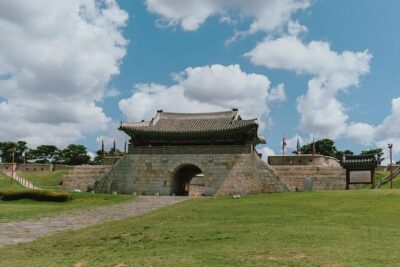
Hwaseong Fortress/Folk Village/Starfield Library Suwon
Read our review →
Suwon Hwaseong, Folk Village, & Starfield Library
Read our review →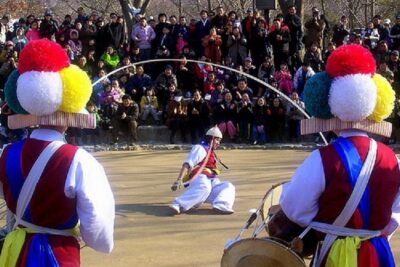
Namhansanseong UNESCO Historical Sites and Korean Folk Village-Private Tour
Read our review →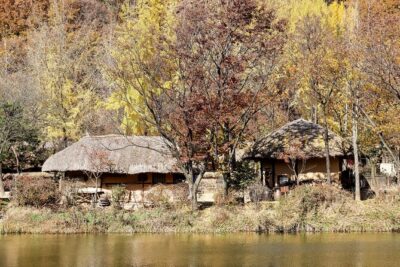
Private Day Trip to Korean Folk Village and Hwaseong Fortress
Read our review →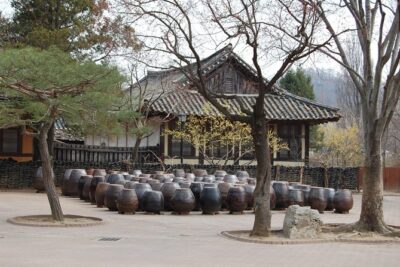
Suwon Hwaseong Fortress and Korean Folk Village Day Tour from Seoul
Read our review →Browse the lists this tour appears in