
Reviewed · COOKING CLASSES
You’re Invited to Our Home in Seoul: The Only Cooking Class!
Come hungry, leave with a Korean recipe box. This two-hour cooking class brings you into a real Seoul home, where you prepare assorted jeon, doenjang-jjigae, and Korean sweets while looking across the Han River. I especially like the small group size of four and the chance to ask David and Hanna about food, customs, and daily life. The class feels more personal than a standard studio lesson.
I also like the home setting and optional Han River walk, which turn a cooking class into a wider introduction to Seoul. The main consideration is practical: this takes place in a private home, so it is not suitable for wheelchair users, and you must arrange your own transportation to the meeting point.
In This Review
- Key details that shape the experience
- Entering a Korean home above the Han River
- Why jeon makes such a good Korean cooking lesson
- What you cook and eat during the two hours
- Dietary needs and spice levels
- Cooking, conversation, and practical Seoul advice
- The Han River walk after the meal
- Is $110 a fair price?
- Who will enjoy this most?
- Should you book this Seoul cooking class?
- FAQ
- How long does the cooking class last?
- What food is included?
- Can the menu accommodate dietary restrictions?
- How many people are in the group?
- Is transportation included?
- Is the experience accessible for wheelchair users?
Key details that shape the experience
- You cook inside a real Korean home: This is a family-style setting, not a commercial cooking school.
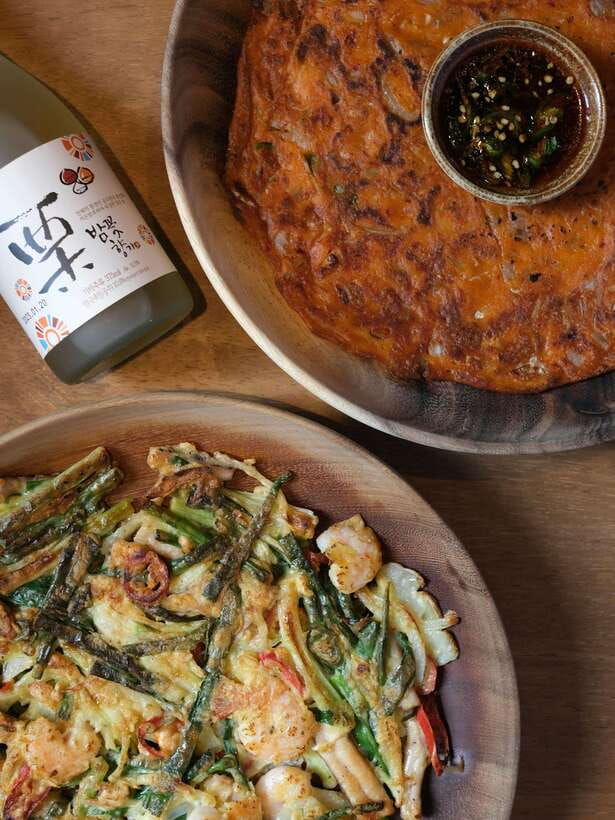
- Jeon is the main lesson: You may prepare several varieties, including scallion, zucchini, tofu, mushroom, beef, seafood, and skewered jeon.
- The group is limited to four people: That gives you more direct help and room for questions.
- The Han River view adds a memorable setting: You can enjoy views of the river and downtown Seoul while cooking and eating.
- The menu can be adjusted: Vegan, vegetarian, allergy-related, and low-spice requests should be shared ahead of time.
- You can extend the afternoon with a free walk: The optional local area and Han River tour lasts about one hour after the meal.
Entering a Korean home above the Han River
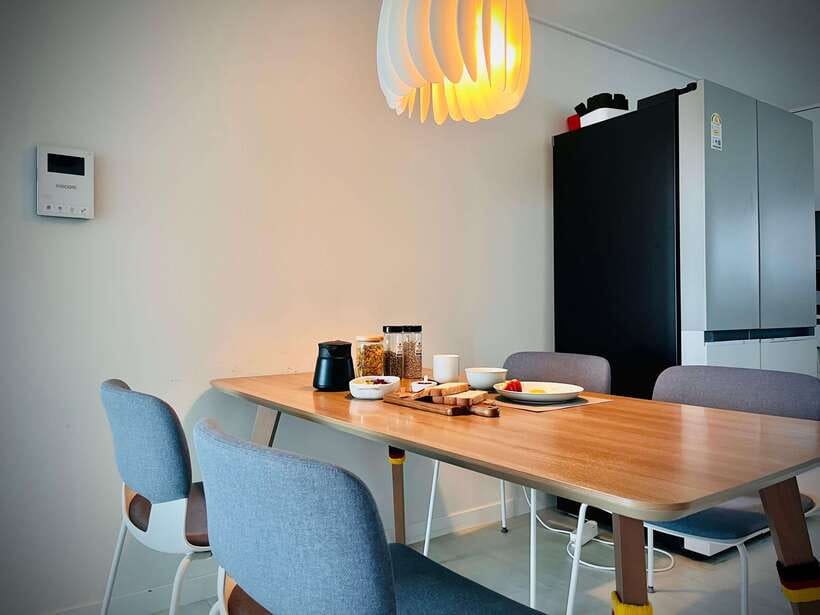
The setting is the first thing that separates this from most Seoul food classes. You are invited into a private Korean home, with a view toward the Han River and downtown Seoul. That changes the tone at once. Instead of moving through a shop or restaurant kitchen, you are sharing a domestic space and seeing how food fits into everyday Korean life.
The class is hosted in English and Korean by David and Hanna. One detailed account describes meeting David and his family during the activity, with David helping afterward with bus directions and suggestions for food and sightseeing. That kind of personal help can be useful early in a Seoul visit, when the city’s transport system and huge menu choices can feel like a lot to sort out.
The small group limit matters here. With no more than four participants, you should have a real chance to handle ingredients, ask questions, and get help at the stove. A larger class can leave you watching someone else chop or fry. This format is better suited to you if you want to cook rather than simply observe.
The home environment also asks for a little flexibility. You should expect a friendly, informal setting rather than a polished culinary studio. Comfortable shoes are recommended, and pets and smoking are not allowed.
More Cooking Classes in Seoul:
- Local Home Korean Cooking Class & Market Adventure in Seoul
★ 5.0 · 1,024 reviews - Master Korean traditional cooking with a Kimchi chef
★ 5.0 · 385 reviews - Seoul: Korean Cooking Class at a Local Home and Market Tour
★ 5.0 · 348 reviews
Why jeon makes such a good Korean cooking lesson
Jeon is often translated as Korean pancake, but that simple label does not tell the whole story. The word covers a broad family of pan-fried dishes made with ingredients such as vegetables, meat, seafood, tofu, or mushrooms. The pieces can be small and delicate, and the cooking depends on steady heat, careful flipping, and a light coating.
This is a useful dish to learn because you can repeat it at home without needing a long list of specialist equipment. The lesson focuses on patience and precision. You learn how different ingredients behave in the pan, how to make pieces evenly, and how to create several textures from one basic cooking idea.
The cultural background gives the food more meaning. Jeon has been part of Korean royal banquets, ancestral ceremonies, holiday meals, and family gatherings. The class presents it as food connected with celebration and care, not just a quick snack. That context helps you understand why making jeon together remains a social activity in Korean homes.
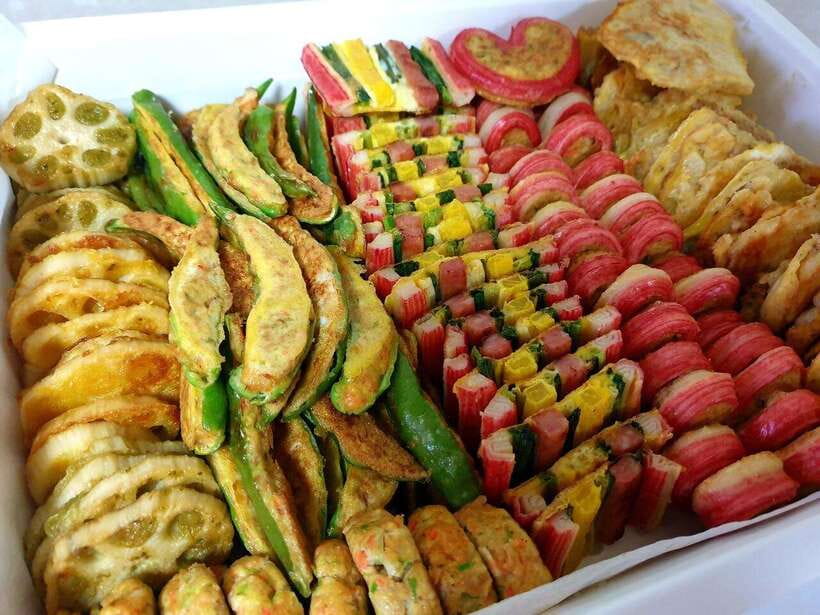
The exact selection depends on ingredient availability. You might work with:
- Donggeurangttaeng, a small meatball pancake
- Pajeon, made with scallions
- Hobakjeon, made with zucchini
- Beoseotjeon, made with mushrooms
- Dubujeon, made with tofu
- Yukjeon, made with beef
- Kkochi-jeon, made with skewered ingredients
- Haemuljeon, made with seafood
Do not expect every item on this list at every class. Seasonal ingredients and dietary needs can change the menu. That variation is reasonable in a home kitchen, but you should contact the host in advance if a particular dish matters to you.
What you cook and eat during the two hours
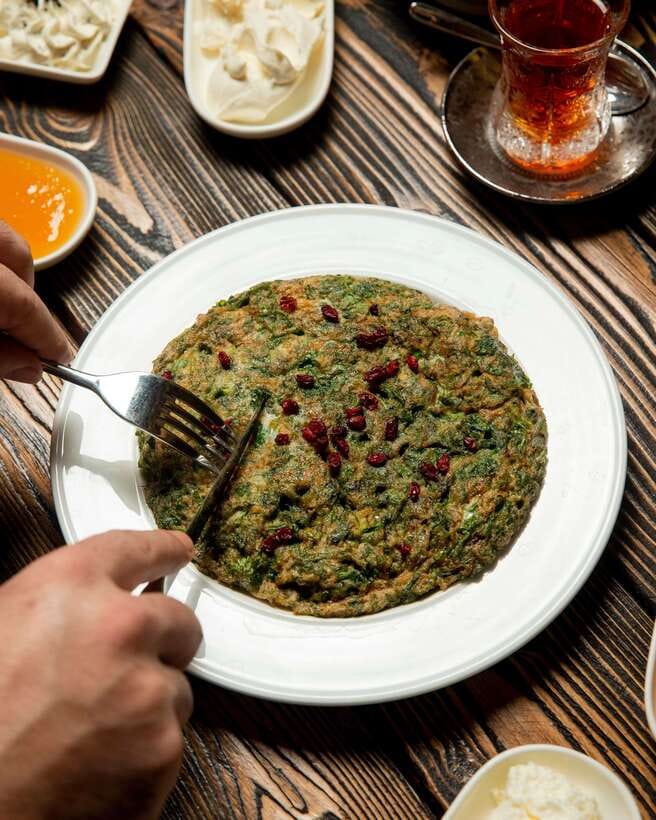
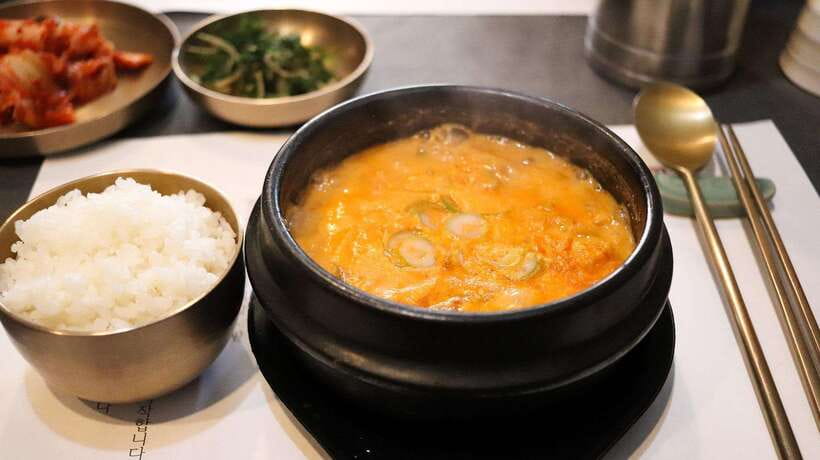
The class includes a full meal, three main dishes, seasonal banchan, Korean tea, and desserts. The menu centers on assorted jeon and doenjang-jjigae, a soybean paste stew with a savory, fermented flavor. Sikhye, a sweet rice punch, and hotteok, a sweet Korean pancake, complete the meal.
You begin with Korean traditional tea and have tea and snacks available during the class. That gives the session a relaxed start while the host explains the plan and introduces the ingredients. Water is included as well, though bringing a small snack and your own water is listed as useful.
The main cooking work is hands-on. You prepare the ingredients, form the pieces, and pan-fry them under guidance. Doenjang-jjigae adds a different skill from jeon, since stew depends more on building a balanced broth and seasoning than on careful frying.
The meal is not only a final reward. Sitting down to eat what you have made is part of the lesson. You can compare the different jeon styles and see how the same cooking method changes with tofu, vegetables, meat, mushrooms, or seafood.
The dessert portion keeps things distinctly Korean. Sikhye is a sweet rice drink often served chilled, while hotteok is a filled sweet pancake. The provided information lists hotteok with an asterisk, so it is sensible to confirm the exact dessert plan when booking if that course is important to you.
One past menu included gimbap, Korean pancakes, octopus ramen, tea, and a sweet pastry. That tells you the meal can sometimes differ from the standard outline. You should think of the listed dishes as the framework, not a fixed restaurant menu.
Dietary needs and spice levels

The host can adjust the menu for vegan, vegetarian, and specific dietary requirements. Spice levels can also be reduced or changed. This is especially useful for Korean food, since some familiar dishes may include seafood, meat, fermented ingredients, or chili.
You must tell the host about allergies and restrictions in advance. One person with a shellfish allergy found the ability to eat Korean food without worry particularly valuable. That is a good reason to communicate clearly before arriving, rather than trying to explain a serious allergy while ingredients are already on the table.
The menu is not automatically vegetarian or vegan. Jeon can be made with many ingredients, but the standard selection may include beef, meat, seafood, or shellfish. Ask about the planned dishes before booking if you need strict separation or have a serious allergy.
The host can also adapt heat, but that does not mean every Korean flavor will be removed. Doenjang, tea, and fermented seasonings may still taste unfamiliar if Korean food is new to you. That is part of the point, and the host can explain what you are tasting.
More workshops in Seoul:
- Yongpyong Ski Resort from Seoul with Optional Lesson and Packages
★ 5.0 · 217 reviews - Korean Cooking Class with Grocery Shopping at Seoul Local Market
★ 5.0 · 107 reviews - Royal Seoul Cooking Class in a 100-Year-Old Hanok
★ 5.0 · 81 reviews - Seoul : Taste of Korea, Authentic Home-Style Cooking Class
★ 5.0 · 64 reviews
Cooking, conversation, and practical Seoul advice

The strongest part of this activity is the conversation around the food. You can ask David about Korean traditions, local restaurants, daily routines, and places to visit in Seoul. One participant received a set of personal recommendations, while another was shown how to catch the bus after the class.
That help has real value. A cooking lesson gives you a natural setting to ask the questions that do not always fit into a formal sightseeing tour. You can ask what to eat next, which sights deserve your time, or how to handle the local transport system.
The class also gives you a look at how Korean food connects people. Jeon is commonly prepared for holidays and special occasions, often with several family members working together. Chopping, shaping, frying, and sharing the finished food create an easy rhythm for conversation.
Do not expect a lecture on Korean history. The cultural information is built into the cooking, the dishes, and the host’s stories. If you ask questions, you are likely to get more from the social side of the class than from simply following the recipe steps.
A DSLR photography session is included. Photos are taken during the class and provided afterward, which is a nice bonus if you want a record of the home setting and your cooking attempts. You should still bring your own camera if you want photos from your own point of view.
The Han River walk after the meal
After eating, you can join a free one-hour walk through the local area and along the Han River. It is optional, so you can leave after the meal if you have evening plans or need a rest.
The walk makes sense as an extension of the class. You begin with Korean home life and food, then see a little of the surrounding Seoul area. The river and downtown views give you a different way to understand the city than a palace, market, or shopping street.
The phrase optional matters. The total cooking experience lasts two hours, while the walk adds about an hour if you choose it. Leave extra time in your schedule if you want both parts. The activity does not include transportation to or from the home, so plan your route before arrival and allow time for finding the meeting point.
Is $110 a fair price?
At $110 per person, this is not a budget meal or a quick market snack class. You are paying for a two-hour private-home experience, a small group capped at four, a full meal, ingredients, equipment, recipes, tea, desserts, photography, and personal guidance.
The value is strongest if you care about contact with local life. A restaurant meal might cost much less, and a basic cooking lesson may also be cheaper. Neither option gives you the same combination of a Korean home, direct conversation with the hosts, a skyline view, a cooked meal, and a possible local walk.
The price makes less sense if your main goal is simply to learn one fast recipe. The menu may change, and the session includes cultural conversation as well as cooking. You are paying for the setting and the welcome as much as for the food.
The recipes help justify the cost for people who want to continue the experience at home. Ingredients for cooking at home are not included, but the recipes are provided. You leave with a practical way to recreate at least some of the flavors rather than only a memory of lunch.
Who will enjoy this most?
I would recommend this for couples, solo visitors, families with older children, and small groups who want a calm cultural activity. It also suits anyone who prefers conversation and home cooking to a large, tightly scheduled tour.
Food lovers will get the most from the range of jeon. You can taste how one basic method works with different ingredients, then ask about Korean holiday meals and family customs.
It is also a good pick for a first visit to Seoul. David’s local suggestions and transport help can give you useful direction for the rest of your stay. If you are already comfortable in Seoul, the home setting still offers a side of the city that ordinary sightseeing does not.
This is not suitable for wheelchair users. Smoking and pets are not allowed, and transportation is not included. The group is small, but the home format means you should be comfortable entering a private residence and taking part in a social meal.
Free cancellation is available up to 24 hours before the activity, and you can reserve now and pay later. Starting times depend on availability, so check the schedule before building the rest of your day around it.
Should you book this Seoul cooking class?

Book it if you want more than a recipe demonstration. The best reasons are the private home, the small group, the chance to ask David and Hanna about Korean life, and the Han River setting. The jeon lesson is practical, and the recipes give you something useful to take home.
I would skip it if you want a low-cost meal, a strictly fixed menu, or a fully accessible venue. I would also confirm allergy and dietary details before paying.
For most people seeking a personal Seoul memory, this is a strong choice. You cook, eat, talk, take home recipes, and can finish with a river walk. That is a generous two hours, especially for anyone who wants to see how Korean food works beyond the restaurant table.
FAQ
How long does the cooking class last?
The cooking class lasts two hours. An optional local area and Han River walk adds about one hour after the meal.
What food is included?
The experience includes assorted jeon, doenjang-jjigae, seasonal banchan, traditional Korean tea, Sikhye, and hotteok. The exact jeon selection can change with ingredient availability.
Can the menu accommodate dietary restrictions?
Yes. Vegan, vegetarian, allergy-related, and other dietary requests can be accommodated if you inform the host in advance. Spice levels can also be adjusted.
How many people are in the group?
The class is limited to four participants, making it a small-group activity with personalized guidance.
Is transportation included?
No. Transportation to and from the Korean home is not included. A local area and Han River walk after the meal is included at no extra cost, but it is optional.
Is the experience accessible for wheelchair users?
No. The experience is listed as unsuitable for wheelchair users. Comfortable shoes are recommended, and pets and smoking are not allowed.
Just added in Seoul
- Your Personal Seoul Photographer!★ 4.1 · 15 reviews
- Seoul: Korean & English Language Exchange Global Party★ 5.0 · 28 reviews
- From Seoul: Yongpyong Ski Day Tour with Transportation★ 4.9 · 40 reviews
- From Seoul: Hwacheon Ice Fishing and Lighting Festival Tour★ 4.5 · 4 reviews
- Seoul: Gangneung BTS K-Pop & K-Drama Filming Locations Tour★ 4.6 · 14 reviews
- Unique Native Experience : Han River Picnic, Board game, BBQ★ 5.0 · 3 reviews
- Seoul: Euljiro Gastroventure Tour★ 4.0 · 1 review
- Yun Korean Cooking Class in Seoul★ 5.0 · 6 reviews
Cooking Classes, compared.
Local Home Korean Cooking Class & Market Adventure in Seoul
Read our review →
Master Korean traditional cooking with a Kimchi chef
Read our review →
Korean Cooking Class at a Local Home and Market Tour
Read our review →
Korean Cooking Class with Grocery Shopping at Seoul Local Market
Read our review →
Korean Kimchi Making Day Experience with a Local Market Tour
Read our review →
Browse the lists this tour appears in