
Reviewed · K-BEAUTY EXPERIENCES
Make your K-scent perfume: Modern oneday class in Seoul
Bring Seoul home in a bottle. This two-hour perfume class at Casamu, near Apgujeong’s stylish shopping streets, gives you a creative souvenir instead of another shop-bought trinket. I like the opening Korean tea and snack ritual, and I like that you do the actual blending yourself. The one concern is the $96 price, which is fair for a small-group class and a 50ml bottle, but high if you only want a quick souvenir.
The session is capped at four people, so you receive plenty of help while testing scents. English-speaking instructors guide you through top, heart, and base notes, including Korean-inspired choices such as green tea. You should arrive on time: a 30-minute no-show rule applies, and the scent selection can take longer than expected if you enjoy experimenting.
In This Review
- Key points at a glance
- Why this class makes a better souvenir than another shopping bag
- Da-gwa time: tea, sweets, and the first scent ideas
- Learning the perfume pyramid without a chemistry lecture
- Forty accords, Korean notes, and the art of choosing
- Three trial blends before the final bottle
- Measuring and naming your personal K-scent
- The value of $96 for two hours
- Who will enjoy the Casamu studio most
- Practical advice before you go
- Should you book this perfume class?
- FAQ
- Where does the perfume class take place?
- How long does the experience last?
- How many people can join the class?
- What do I make during the class?
- Are Korean scents included?
- Can I cancel for a full refund?
Key points at a glance
- Taste Korean tea and snacks first: Da-gwa time gives the class a gentle cultural start and may help you think about familiar memories and aromas.
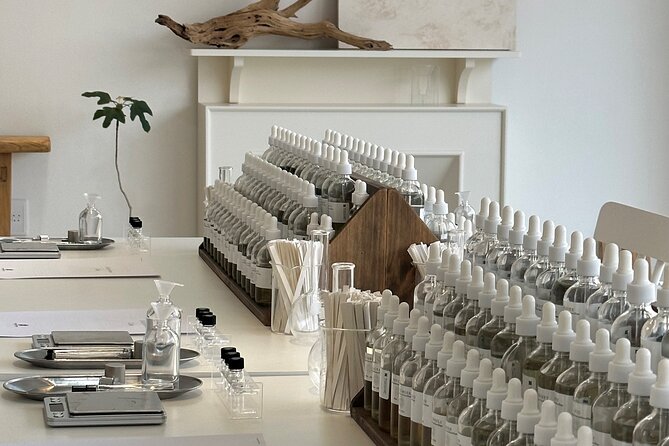
- Choose from 40 selected accords: Casamu works from a larger collection of about 250 fragrances, narrowing the class selection to a manageable set of accords and natural raw materials.
- Create three trial perfumes: You can test different combinations in 5ml trial bottles before settling on your final formula.
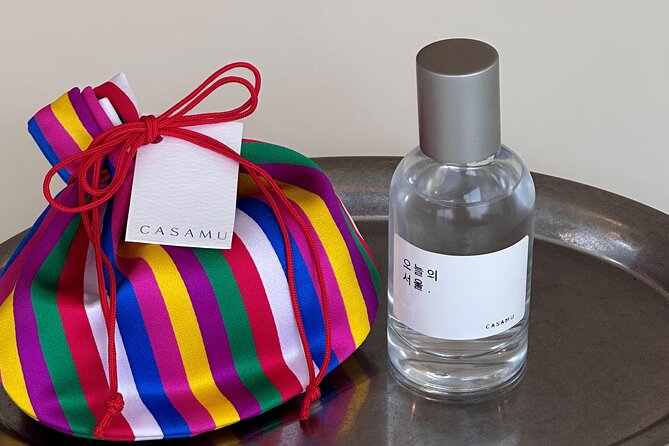
- Take home a 50ml personal scent: Your finished perfume is packed in a Korean blessing pouch, with a small gift included.
- Small groups make the class personal: With a maximum of four people, the instructor can help when your nose, and your indecision, need support.
- Korean scents add a sense of place: Green tea and other Korean-style fragrance notes can give your perfume a stronger connection to Seoul than a standard perfume workshop.
Why this class makes a better souvenir than another shopping bag
Perfume is a useful travel keepsake because it carries memory well. A whiff of tea, woods, citrus, or a soft floral note can bring back a street, a meal, or an afternoon in Seoul long after the trip ends.
Casamu builds the class around that idea. You begin by thinking about a favorite moment or feeling, then use scent to turn it into a personal blend. That gives the activity a little more purpose than simply picking pleasant smells from a shelf.
The experience takes place in Apgujeong, a central Seoul area known for fashion, beauty, and current trends. You are not being sent to a remote workshop with a long transfer. Casamu is at 32 Eonju-ro 164-gil, on the second floor, and the location is near public transportation. The activity begins and ends there, so you can plan another Gangnam-area stop afterward.
I especially like the connection between modern Seoul and traditional Korean details. The studio setup is described as bright and attractive, while the tea, sweets, and Korean scent choices give the class a local touch. It is a good fit if you want something that feels Korean without being a standard palace visit, cooking lesson, or shopping stop.
More K-Beauty sessions in Seoul:
- Seoul: Personal Color, Fashion, and Make-up Analysis Session
★ 4.9 · 297 reviews - Seoul: Create Your Own Natural Perfume with a Perfumer
★ 4.9 · 109 reviews - Seoul: Traditional Korean Hair and Scalp Care Beauty Tour
★ 4.6 · 41 reviews
Da-gwa time: tea, sweets, and the first scent ideas
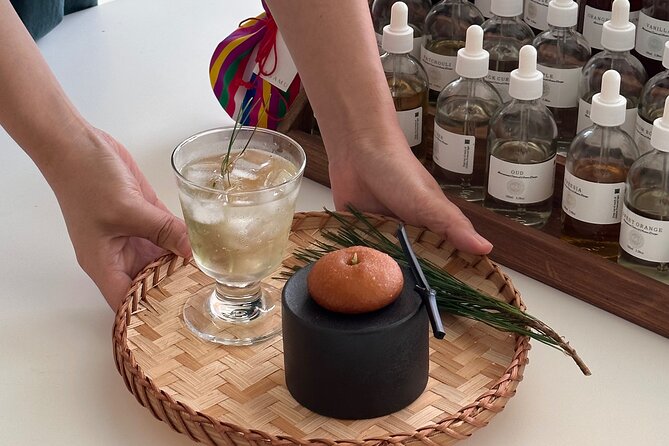
The class opens with Da-gwa time, a chance to taste seasonal Korean tea and snacks. This is not just a free drink before the main event. It helps set the mood and gives you a way to start thinking through scent and memory.
Tea is especially useful here because taste and smell are closely linked. You might notice a roasted, grassy, floral, or lightly sweet quality in the tea, then carry that idea into the fragrance session. The snacks add another layer, and several participants found this opening one of the most enjoyable parts of the afternoon.
I would not book this class expecting a full Korean food experience. The tea and snacks are a small part of a two-hour workshop, not a meal. Still, they make the session feel more thoughtful and less like a technical mixing appointment.
The opening also gives you time to meet the instructor and explain what you like. If strong scents bother you, or if you normally prefer clean, sweet, woody, or floral perfumes, say so early. That helps narrow the choices before the scent table becomes crowded with possibilities.
Learning the perfume pyramid without a chemistry lecture
Before you mix anything, the instructor explains basic perfume structure. You learn about top, heart, and base notes, often called the olfactory pyramid.
Top notes are the first smells you notice. They tend to make the opening impression of a perfume. Heart notes form the middle character, while base notes last longer and provide weight. You do not need previous perfume knowledge, and the class is designed to make the basic idea easy to use.
This short lesson matters because a perfume can smell wonderful on a paper strip but feel unbalanced once the notes are combined. A bright top note may disappear quickly. A heavy base can overpower delicate ingredients. The instructor helps you see why a pleasing perfume usually needs more than one kind of scent.
The teaching seems to be one of Casamu’s strongest points. People praised the clear explanations, patience, and support when they could not decide on a final note. Instructor Henny was singled out by name for being personable and helpful, while other sessions were also described as friendly and flexible.
The tone appears relaxed rather than formal. One person compared the process to making potions, which is a fair description of the hands-on feel. You learn enough to make informed choices, but you are not expected to become a professional perfumer in two hours.
Forty accords, Korean notes, and the art of choosing
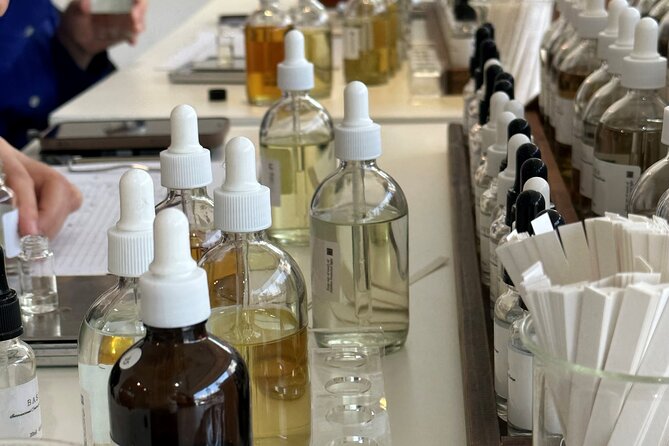
Casamu has about 250 fragrances in its wider collection, but the class uses a selected group of 40 accords and natural raw materials. This is a smart limit. Hundreds of bottles would sound exciting, but too many choices can turn a creative class into a fog of indecision.
You smell the materials at an individual perfume organ, the traditional arrangement of scent bottles used by perfumers. You test, compare, and return to the choices that hold your attention. The point is not to identify every ingredient perfectly. It is to notice what you like, what you dislike, and how the smells change when combined.
The Korean-inspired materials are the most distinctive part. Green tea was a favorite for one participant, while others enjoyed using Korean scents alongside familiar perfume notes. These choices can give the final bottle a link to the country, even if you also choose citrus, floral, musk, wood, or other more widely used perfume styles.
I would keep an open mind here. A scent you dislike on its own may work well as a small part of a blend. The reverse is also true. A fragrance that smells wonderful from the bottle may dominate the finished formula. Your instructor can help you adjust the balance, but your own nose remains the final judge.
This is also where the class becomes personal for families and pairs. A parent and adult child can compare preferences, while teenagers can take the process seriously or treat it as a playful experiment. The activity has worked well for mother-daughter outings, family groups, birthday plans, and people creating a scent for a life event or wedding.
More workshops in Seoul:
- Local Home Korean Cooking Class & Market Adventure in Seoul
★ 5.0 · 1,024 reviews - Seoul: Korean Cooking Class at a Local Home and Market Tour
★ 5.0 · 348 reviews - Yongpyong Ski Resort from Seoul with Optional Lesson and Packages
★ 5.0 · 217 reviews - Korean Cooking Class with Grocery Shopping at Seoul Local Market
★ 5.0 · 107 reviews
Three trial blends before the final bottle
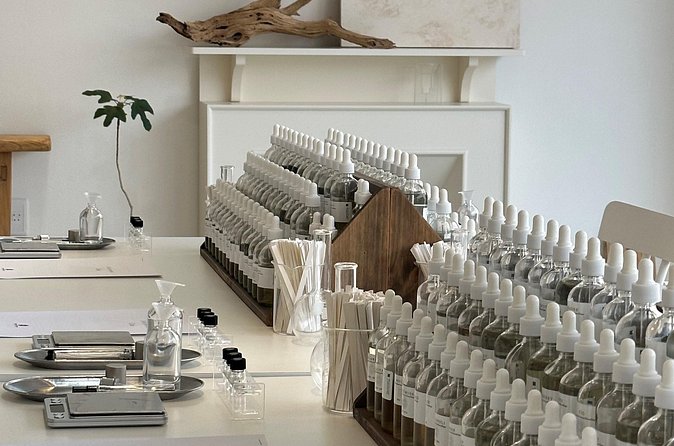
You do not have to get the formula right on the first attempt. The class includes three trial perfumes in 5ml amounts, giving you room to test different combinations before committing.
This is a major advantage over workshops that let you choose a few scents and then handle the final blending for you. At Casamu, you can participate in measuring, dropping the essences into the bottle, and adjusting the blend. That creates a stronger feeling of ownership.
The trial stage is also the most useful learning period. You may find that a scent you expected to love does not work with your other choices. You may discover that a small change in the amount of one note makes the whole perfume feel softer, fresher, or more substantial.
The process can be hard if you dislike making decisions. Several notes may appeal to you, and the final choice can become surprisingly difficult. That is not a flaw in the class, but you should allow yourself time to smell, pause, and compare rather than rushing to the first pleasant combination.
A good practical habit is to keep your early favorites in separate groups. Note the scents you like immediately, the ones you want to test with others, and the ones you would rather avoid. If you try every option without a plan, your sense of smell may become tired before the final blend.
Measuring and naming your personal K-scent
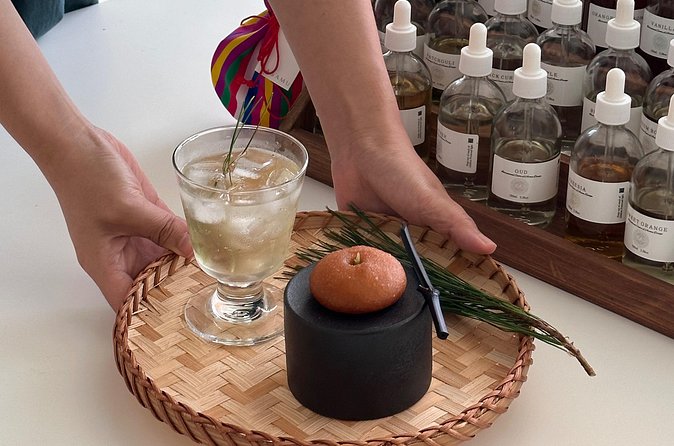
Once you have tested the options, you finalize your 50ml perfume. You are involved in the actual formula rather than simply handing over your selections to someone else.
That hands-on step is important. You get to see how each ingredient enters the bottle and how the separate notes become one finished scent. You also have the satisfaction of knowing that the formula reflects your choices, not a standard recipe prepared for everyone in the room.
The experience encourages you to give the perfume its own identity. You can think of the final bottle as a scent portrait of your time in Seoul, a memory of Korean tea, or simply a fragrance built around the notes you enjoy most.
The package adds to the sense of occasion. Your 50ml bottle is packed in a Korean blessing pouch, and a small gift is included to help you experience the perfume properly. The provided information does not specify the exact gift, so do not book expecting a particular item.
You also receive a 10ml travel-sized bottle, while the class description refers to three 5ml trials. The practical takeaway is that you have small amounts for testing or carrying and a larger 50ml bottle for home. If the exact packaging matters to you, confirm the current details before booking.
The value of $96 for two hours
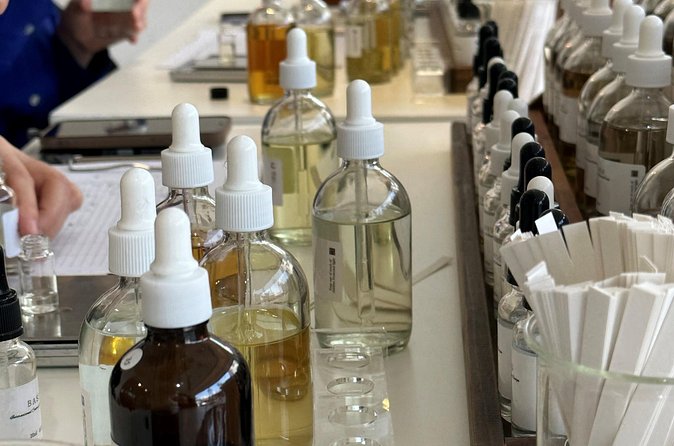
At $96 per person, this is not a budget activity. You are paying for more than liquid in a bottle, though. The fee covers a two-hour guided class, Korean tea and snacks, instruction on perfume structure, access to selected accords and raw materials, three trial blends, a 50ml final perfume, a 10ml travel bottle, packaging, and a small gift.
The maximum group size of four improves the value. You are not trying to attract an instructor’s attention in a large room. Help is available when you need to balance a formula or decide between two notes.
The price makes the most sense if you care about fragrance, enjoy creative activities, or want a souvenir that cannot be duplicated in a department store. It is also easier to justify for a birthday, a mother-daughter outing, or a family activity that gives everyone something personal to take home.
It is less convincing if you mainly want a cheap introduction to perfume. You could spend less on a ready-made Korean fragrance, and the class requires a full two hours. You are paying for the process and the memory as much as the product.
The small group and personalized guidance are the main reasons the fee feels reasonable. If Casamu offered a large class with little help, I would judge the price more harshly. Here, the format appears designed around individual attention.
Who will enjoy the Casamu studio most
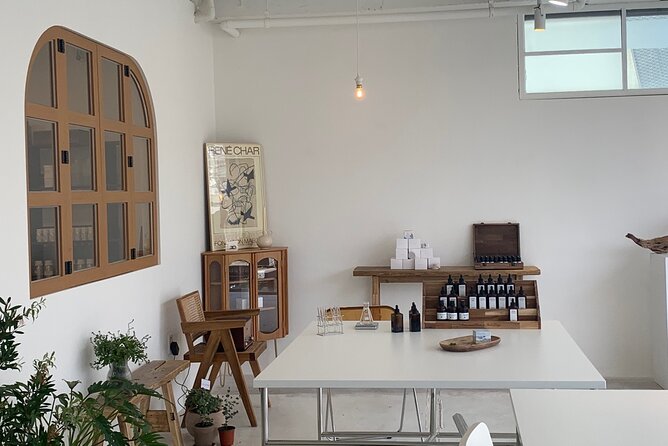
I would recommend this class to:
- Perfume fans: You get to learn how fragrance is structured and test several formulas.
- Families with teenagers: The activity is creative, social, and not limited to one age group.
- Couples and friends: You can compare scent preferences while making separate perfumes.
- People seeking a Seoul-specific souvenir: Korean tea and scent materials add a local connection.
- Visitors marking a special occasion: A personal formula works well for birthdays, weddings, or other milestones.
- Anyone wanting a quieter afternoon: The class provides a calm change from busy shopping streets and packed sightseeing stops.
It is not ideal for someone who dislikes scented products or gets tired from comparing many smells. It may also disappoint you if you expect a formal professional certification course. The class teaches useful basics, but its main goal is enjoyment and personal creation.
The experience also appears suitable for solo participation. One session went ahead with only one person, and the personal format allowed the instructor to focus closely on that individual. That can be a pleasant option if you are exploring Seoul alone.
Practical advice before you go
Casamu is near public transportation in Seoul’s Gangnam District. Give yourself enough time to find the second-floor studio, especially if you are unfamiliar with the side streets around Apgujeong. The meeting point and ending point are the same.
Arrive before your scheduled start. A 30-minute no-show policy applies, and a late arrival can make the opening tea, explanations, and blending stages feel rushed. The class is only about two hours, so every part has a purpose.
Wear a relaxed attitude toward the final scent. You may arrive with one idea and leave with something quite different. The best result may come from combining a Korean note with a scent you already know you enjoy.
If you are booking with family or friends, remember that each person will be making an individual perfume. You can share ideas, but do not assume the whole group will want the same scent style. That difference is part of the fun.
The experience is confirmed at booking, accepts mobile tickets, and allows free cancellation up to 24 hours before the start time. Cancellations made less than 24 hours ahead are not refunded, and changes inside that period are not accepted. These cutoffs use Seoul local time.
Should you book this perfume class?
I would book Casamu if you want a personal, hands-on Seoul souvenir and enjoy making choices rather than simply buying something. The strongest reasons are the small four-person limit, the Korean tea and snack welcome, the Korean-inspired scent materials, and the chance to test three formulas before filling your 50ml bottle.
I would skip it if you have little interest in perfume, need a very cheap activity, or prefer a quick drop-in souvenir stop. The $96 price is easier to defend when you value the instruction, the creative process, and the finished keepsake.
For most visitors who want a different kind of Seoul experience, this is a smart two-hour addition to a Gangnam day. You leave with more than a bottle. You leave with a scent you helped build, which is exactly the sort of small memory that can bring a trip back to life.
FAQ
Where does the perfume class take place?
The class takes place at Casamu, 32 Eonju-ro 164-gil, second floor, in Gangnam District, Seoul. It is near public transportation.
How long does the experience last?
The class lasts approximately two hours.
How many people can join the class?
The activity has a maximum of four people.
What do I make during the class?
You create three trial perfumes in 5ml amounts, receive a 10ml travel-sized bottle, and finalize a personalized 50ml perfume.
Are Korean scents included?
Yes. The class includes selected Korean-inspired scents and natural raw materials among its 40 chosen accords.
Can I cancel for a full refund?
Yes, if you cancel at least 24 hours before the experience start time. Cancellations made less than 24 hours in advance are not refunded.
Just added in Seoul
- Seoul: Korean & English Language Exchange Global Party★ 5.0 · 28 reviews
- Your Personal Seoul Photographer!★ 4.1 · 15 reviews
- You’re Invited to Our Home in Seoul: The Only Cooking Class!★ 5.0 · 8 reviews
- From Seoul: Yongpyong Ski Day Tour with Transportation★ 4.9 · 40 reviews
- From Seoul: Hwacheon Ice Fishing and Lighting Festival Tour★ 4.5 · 4 reviews
- Seoul: Gangneung BTS K-Pop & K-Drama Filming Locations Tour★ 4.6 · 14 reviews
- Unique Native Experience : Han River Picnic, Board game, BBQ★ 5.0 · 3 reviews
- Seoul: Euljiro Gastroventure Tour★ 4.0 · 1 review
K-Beauty Experiences, compared.

Personal Color, Fashion, and Make-up Analysis Session
Read our review →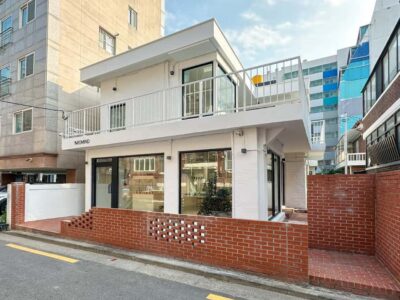
Create Your Own Natural Perfume with a Perfumer
Read our review →
Traditional Korean Hair and Scalp Care Beauty Tour
Read our review →
K-Pop Dance Class & idol short Video shooting&Hair/Makeup Styling
Read our review →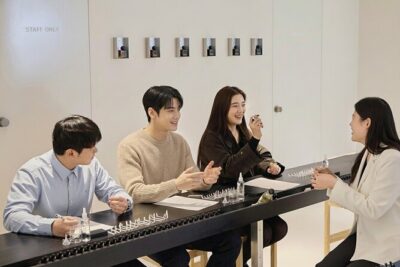
Premium Head Spa Scalp and Body Treatments Haesol Beauty Busan
Read our review →
K-Style Photoshoot in Seoul | Hair and Makeup Optional
Read our review →Browse the lists this tour appears in