
Reviewed · DMZ TOURS
Best DMZ Tour Korea from Seoul (Red Suspension Bridge Optional)
History feels close here. This DMZ tour from Seoul combines the Third Tunnel, Dora Observatory, Imjingak Park, and the Bridge of Freedom in one well-planned day. I like the round-trip transport and the no-forced-shopping policy, which keeps the focus on Korea’s divided past. The main drawback is the physical effort of the Third Tunnel, especially for anyone who dislikes steep walks or long underground passages.
At $29.75 per person, the tour offers strong value for a seven-and-a-half-hour outing. Admission to the DMZ sites and museums is included, English or Chinese guiding is available, and pickup takes place at a main subway station or downtown hotel area. You will need your passport, and military restrictions can change the schedule at short notice.
In This Review
- Key things to know before booking
- Why this Seoul DMZ tour is worth your time
- Pickup from Seoul and the ride north
- Imjingak Pyeonghwa-Nuri Park sets the tone
- The Bridge of Freedom and its wartime meaning
- DMZ Theater and Exhibition Hall explain the conflict
- Walking the Third Tunnel of Aggression
- Dora Observatory looks across the border
- Choosing the Gamaksan Red Suspension Bridge
- Majang Lake, JSA Museum, and strawberry picking
- The guides are the strongest part
- What the $29.75 price really buys
- Practical advice for a smoother day
- Who should book this DMZ experience?
- Should you book it?
- FAQ
- How long does the DMZ tour from Seoul last?
- What attractions are included in the standard DMZ tour?
- Is hotel pickup available?
- Do I need to bring my passport?
- Is lunch included?
- Is the Gamaksan Red Suspension Bridge included?
- Can I visit Majang Lake or the JSA Museum?
- Can the tour schedule change?
Key things to know before booking
- The Third Tunnel requires real effort: The route slopes downward and back up, so wear sensible shoes and expect a workout.
- Dora Observatory gives you a direct view north: High-powered binoculars let you look toward Kijong-dong, Kaesong City, and the surrounding border area.
- The guide makes the difference: Guides such as Emily, Lina, Ray, Jenny, Alex, and Diane receive repeated praise for clear explanations and personal stories.
- The red suspension bridge is optional: Gamaksan Chulleong Bridge adds an hour of scenery and a little nerve to the standard DMZ visit.
- No shopping stops keep the day focused: Your time goes toward memorials, museums, military sites, and the border.
- Bring your passport: A passport, military ID card, or Alien Registration Card is required on tour day.
Why this Seoul DMZ tour is worth your time
The Korean Demilitarized Zone is not simply a photo stop near a border. It is a place where war, family separation, military tension, and everyday life meet. You will see memorials and museum displays, but you will also look across the line into North Korea.
That combination gives the day its force. At one moment, you are reading about prisoners returning home. Soon after, you are walking through a tunnel built for a possible invasion. Later, binoculars bring villages and roads on the northern side into view.
I like that the schedule gives each major site enough time to make sense. You are not rushed off a bus for five minutes, then hurried away before you understand what you are seeing. The full outing lasts about seven hours and thirty minutes, so this is not a quick morning diversion. It is a major day trip from Seoul.
The tour has a very strong rating of 4.9 from more than 41,000 ratings, with 99 percent recommending it. That does not remove the normal limits of a group tour, but it does point to a consistently well-run experience, especially in guiding and organization.
More DMZ tours:
- DMZ Tour: 3rd Tunnel, Option(Suspension Bridge, Boat) from Seoul
★ 5.0 · 21,373 reviews - DMZ tour south Korea from Seoul (NK experience hall, defector)
★ 5.0 · 20,599 reviews - Seoul: DMZ Tour with Optional Suspension Bridge
★ 4.8 · 5,277 reviews
Pickup from Seoul and the ride north
Pickup is offered from a main subway station near your hotel or from a downtown area. The exact meeting point and time can vary by location, so read the confirmation carefully and contact the operator if you book through Agoda, Booking.com, or Expedia.
Round-trip transport matters here. The DMZ is outside central Seoul, and the day includes several separated sites. Having a vehicle means you can save your energy for the tunnel and walking stops rather than managing several connections.
The group can include up to 200 people, which is a large possible maximum. The actual feel of the day will depend on the departure, guide, and vehicle arrangement. In a large group, stay close to your guide and listen for meeting instructions. The site entrances and military procedures can make timing less flexible than on an ordinary sightseeing day.
Military conditions can also change the tour time. This is not a normal museum visit where every room opens on a fixed schedule. Access near the border is controlled, and your itinerary may be adjusted for military reasons.
Imjingak Pyeonghwa-Nuri Park sets the tone
Imjingak Pyeonghwa-Nuri Park is an appropriate opening stop. It was created as a place of comfort for people displaced by the Korean War, and its memorial setting gives you an early sense of the human cost of division.
Look for the old Iron Horse train, linked to the railway severed between North and South Korea. It is a simple but powerful object. A railway normally suggests movement and connection. Here, it points to a route interrupted by war and politics.
You have about thirty minutes at the park. That is enough for the principal memorials and photographs, though not enough for a slow wander through every corner. I would pay attention to the guide’s explanation rather than treating this as a scenic photo break.
The park also helps you understand that the DMZ is not only about soldiers and fences. Families were separated, homes were lost, and the possibility of reunion remains part of Korean public life.
The Bridge of Freedom and its wartime meaning
The Bridge of Freedom crosses the Imjin River and is associated with 12,773 prisoners of war who crossed back into South Korea in 1953. Walking there gives the history a physical setting that a classroom cannot provide.
The bridge is short enough to visit comfortably during the twenty-minute stop, but the emotional weight is greater than the time suggests. Your guide may explain how the bridge became a symbol of return, separation, and the hope of eventual reunification.
This is also one of the more photographic parts of the day. The river and surrounding countryside provide a calmer view than the military facilities that follow. Still, the setting is not just scenic. The point is the people who crossed here and those who could not.
If you prefer quiet reflection, this may be one of the best stops on the tour. The visit is brief, so take a moment before reaching for your phone.
More suspension bridge walks:
- Signature DMZ Tour: Exclusive Defector Talk & Suspension Bridge
★ 5.0 · 4,459 reviews - Ultimate Korea DMZ Tour from Seoul (Gondola & Suspension Bridge)
★ 5.0 · 2,396 reviews - DMZ; NK Defector, 3rd Tunnel, Suspension Bridge,Hotel pickup
★ 4.9 · 2,055 reviews - DMZ Tour from Seoul – Optional Suspension Bridge Experience
★ 5.0 · 1,918 reviews
DMZ Theater and Exhibition Hall explain the conflict
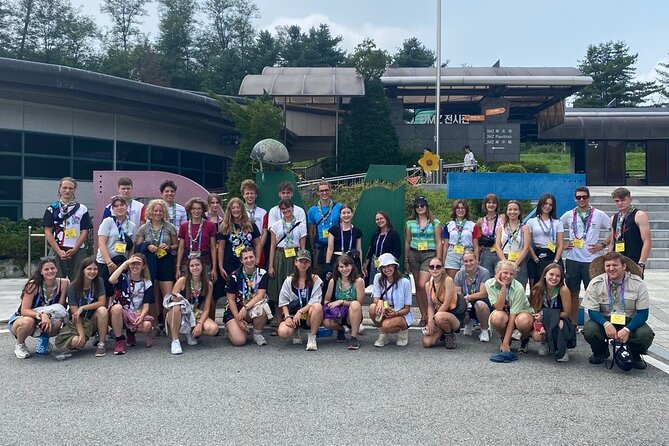
The DMZ visit includes a theater and exhibition hall where you can learn about the Korean War and the creation of the border. The material presents a South Korean perspective, which is important to recognize. This is not a neutral international museum, and the displays reflect the country’s own experience and security concerns.
That does not make the information unhelpful. It gives you a clear introduction to the war, the armistice, the division of the peninsula, and the continuing importance of the DMZ. Your guide fills in the wider context and answers questions that a display panel cannot.
The museum portion lasts about an hour. I like having this explanation before the Third Tunnel and Dora Observatory. Without it, you might see a concrete passage or a distant village without understanding why it matters.
Several guides receive especially warm praise for making difficult material accessible. Emily is described as attentive and strong on Korean War history. Ray is praised for clear speaking and a good balance of detail. Alex is noted for answering questions, while Jenny adds personal family history connected to the war. Those personal connections can make the subject feel less remote.
Walking the Third Tunnel of Aggression
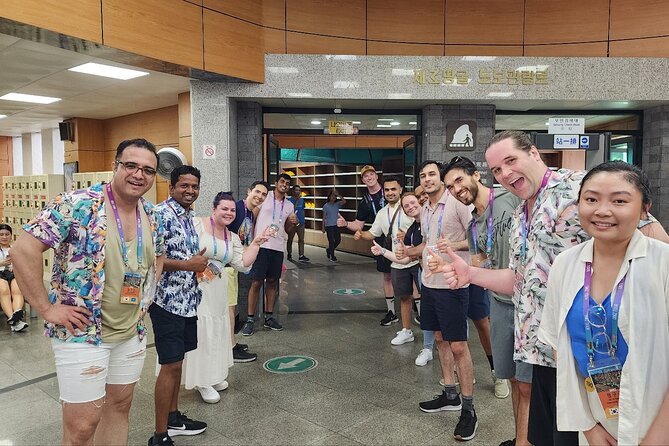
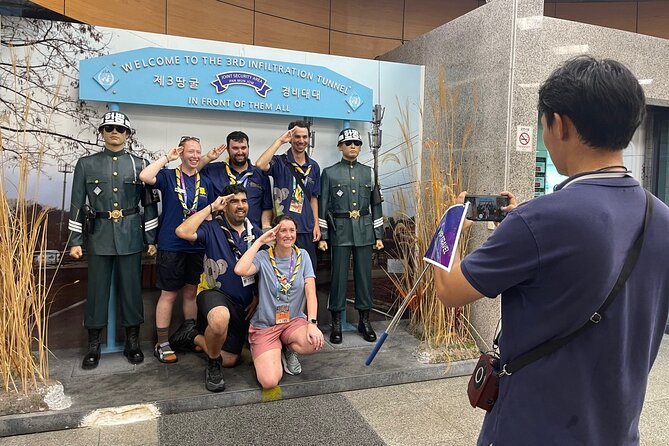
The Third Tunnel is the most physical and, for many people, the most memorable stop. It was discovered in 1978 and is understood to have been intended as a route for an invasion from North Korea. The tunnel is about twelve kilometers from Munsan and fifty-two kilometers from Seoul.
You will walk down into the tunnel and then return uphill. The route can be demanding, and you should not underestimate the return climb. One visitor specifically warned that it can be physically strenuous, while another described it as a welcome workout.
The tunnel is narrow and underground. If you are tall, you may need to watch your head. The provided information does not specify every restriction inside, so follow the guide and site instructions closely.
This stop works because it turns a political issue into a physical experience. The tunnel is not an abstract military plan on a map. You can see the scale of the work and imagine the fear caused by the discovery.
Plan your clothing carefully. Comfortable shoes are more important than fashionable ones. In winter, the DMZ area can be very cold, so add warm layers. The tunnel itself may feel different from the outdoor temperature, but you should prepare for the day as a whole.
Dora Observatory looks across the border
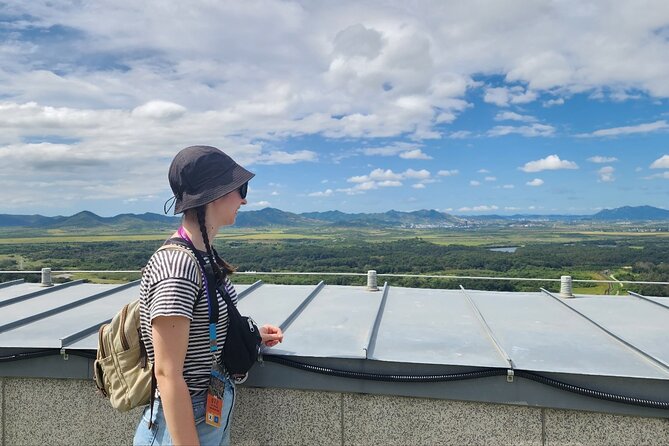
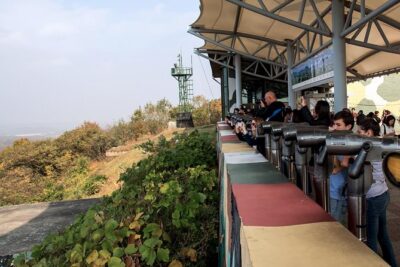
Dora Observatory offers the clearest visual encounter with North Korea on this route. The current building was rebuilt in 2018, and the third floor has high-powered binoculars for viewing the area across the border.
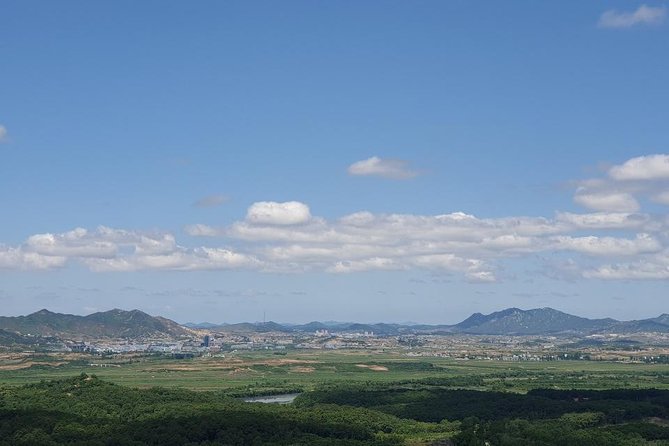
You may be able to see Kijong-dong, often called a propaganda village, along with Kaesong City and other distant features. The exact clarity depends on weather and visibility. Do not expect a dramatic close-up. The experience is about looking across a controlled frontier and trying to read a distant, largely unfamiliar place.
This is the stop where the division of Korea becomes visible in a different way. You are not studying a memorial or walking through a wartime structure. You are looking at the other side and, with luck, seeing signs of ordinary life.
A family with children aged ten and twelve found the day engaging, with the observatory as a highlight. That makes sense: the binoculars give younger visitors something active to do while the guide explains what they are seeing.
Give yourself time to listen. The view may appear quiet, but the guide can point out the village, city, flags, roads, and other details that are easy to miss.
Choosing the Gamaksan Red Suspension Bridge
The Gamaksan Chulleong Bridge is an optional extra and adds about an hour. It is also known as the Gloucester Heroes Bridge and honors Korean War service members connected with the area.
The bridge is described as South Korea’s wobbliest towerless suspension bridge. That tells you what kind of stop this is. It adds movement and scenery after a serious morning of memorials and military history. Some people will love the change of pace. Others may find the swaying walkway less appealing.
I would choose this option if you want a fuller day and enjoy heights, bridges, and outdoor views. It is not part of the basic DMZ-only package, so make sure you select it during checkout if it appeals to you.
The extra stop also gives the tour a more varied rhythm. The DMZ sites ask for attention and reflection. A suspension bridge gives you a chance to stretch your legs and enjoy a different side of the Korean countryside.
Majang Lake, JSA Museum, and strawberry picking
The itinerary can include other optional additions, depending on the package you choose. Majang Lake has a 220-meter suspension bridge crossing the reservoir. Like Gamaksan, it adds an outdoor activity rather than another military display.
The JSA Museum at Tongilchon-gil focuses on Panmunjom, the Korean War, and relations between North and South Korea. It is a useful choice if you want more historical material instead of a scenic bridge.
Strawberry picking is also listed as an optional selection. The supplied details do not specify the farm, season, or length of that activity, so check the exact package before paying for it.
These extras matter because the basic tour and expanded versions are not the same product. The DMZ-only option does not include Gamaksan Red Bridge, Majang Lake Bridge, the JSA Museum, or strawberry picking. Compare the choices at checkout rather than assuming the bridge is automatic.
The guides are the strongest part
A good guide is essential on a DMZ tour. Security rules, unfamiliar place names, and the emotional subject matter can make the day confusing without clear narration.
The strongest praise goes to guides who combine facts with personal connection. Jenny has shared family history related to the Korean War. Lina has been praised for adding humor and personal stories, including the way the division continues to affect South Korea. Emily is known for taking time with group members and explaining nearby villages and landmarks.
Other well-regarded guides include Kelly, Crystal, Hana, GoGo, Gabby, Alex, Ray, Diane, and Bella. The recurring qualities are clear English, patience, warmth, good pacing, and the ability to answer questions without turning the day into a lecture.
The guide also manages practical details. One guide checked on a visitor who felt unwell before the tunnel. That kind of attention matters when the schedule includes a strenuous walk and several fixed meeting times.
Your guide on the day will depend on the departure. You should book this tour for the overall structure and guiding service, not because you are guaranteed a particular person.
What the $29.75 price really buys
At $29.75, the price is low for a seven-and-a-half-hour guided day with transport from Seoul. Included admission to the museums and DMZ attractions improves the value, as does the absence of forced shopping stops.
You still need to pay for lunch, and hotel drop-off is not included. Pickup is provided, but the final return arrangement means you should expect to finish in Seoul without being delivered directly to your hotel.
The value is best for someone who wants the main DMZ sights in one organized outing. A private vehicle and private guide would cost much more, while independent access to controlled border sites is not a simple substitute.
The possible compromise is group size. The maximum is 200 people, so this is not an intimate custom tour. You gain a lower price and an established route, but you may have less flexibility and more waiting than on a private trip.
Practical advice for a smoother day
Bring your passport. A military ID card or Alien Registration Card can be used instead, but you need one of these documents on tour day.
Wear comfortable walking shoes for the Third Tunnel. The route goes down and back up, and the physical demand is the main practical issue raised about the experience.
Dress for the weather, especially in winter. The DMZ area can be colder than central Seoul, and you may spend time outdoors at Imjingak and Dora Observatory.
Pack money or a payment method for lunch, since food is not included. Keep your day flexible because military conditions can alter the schedule.
If you want the red bridge, select it during booking. The same applies to Majang Lake, the JSA Museum, and strawberry picking. The standard DMZ option does not include those stops.
Free cancellation is available up to twenty-four hours before the start time. Cancellations or changes made inside that window are not refunded or accepted.
Who should book this DMZ experience?
I would recommend it to first-time visitors to Seoul who want a clear introduction to the Korean War and the modern division of the peninsula. It also suits families with older children, as the observatory, train, museums, and tunnel provide different kinds of interest.
History fans will get the most from the guide commentary. The tour is also a good fit if you dislike shopping detours and want your day spent at meaningful sites.
I would be cautious if you have difficulty with steep walking, dislike enclosed spaces, or want a small private group. The Third Tunnel is the key physical challenge, and a possible group of up to 200 people may feel too large for some.
Should you book it?
Yes, if you want the main DMZ sights from Seoul at a low price and prefer a guided day with transport handled for you. The Third Tunnel and Dora Observatory provide the strongest reasons to go, while the Bridge of Freedom and Imjingak Park give the visit its human meaning.
Choose the red suspension bridge if you want an active finish and do not mind heights. Choose the JSA Museum instead if you want more historical explanation. Either way, bring your passport, wear good shoes, and treat the DMZ as more than a photo stop. It is a place where Korea’s past remains firmly present.
FAQ
How long does the DMZ tour from Seoul last?
The tour lasts approximately seven hours and thirty minutes.
What attractions are included in the standard DMZ tour?
The standard route includes the DMZ Theater and Exhibition Hall, Imjingak Pyeonghwa-Nuri Park, the Third Tunnel, the Bridge of Freedom, and Dora Observatory.
Is hotel pickup available?
Pickup is offered from a main subway station near your hotel or from a downtown area. Hotel drop-off is not included.
Do I need to bring my passport?
Yes. A passport is required on the tour day. A military ID card or Alien Registration Card can be used instead.
Is lunch included?
No. Lunch is not included in the tour price.
Is the Gamaksan Red Suspension Bridge included?
It is optional and must be selected during checkout. The DMZ-only option does not include it.
Can I visit Majang Lake or the JSA Museum?
These are optional selections. Majang Lake Bridge and the JSA Museum are not included in the basic DMZ-only package.
Can the tour schedule change?
Yes. The tour time or schedule can change because of military issues in the DMZ.
Just added in Seoul
- Your Personal Seoul Photographer!★ 4.1 · 15 reviews
- You’re Invited to Our Home in Seoul: The Only Cooking Class!★ 5.0 · 8 reviews
- Seoul: Korean & English Language Exchange Global Party★ 5.0 · 28 reviews
- From Seoul: Yongpyong Ski Day Tour with Transportation★ 4.9 · 40 reviews
- From Seoul: Hwacheon Ice Fishing and Lighting Festival Tour★ 4.5 · 4 reviews
- Seoul: Gangneung BTS K-Pop & K-Drama Filming Locations Tour★ 4.6 · 14 reviews
- Unique Native Experience : Han River Picnic, Board game, BBQ★ 5.0 · 3 reviews
- Seoul: Euljiro Gastroventure Tour★ 4.0 · 1 review
DMZ Tours, compared.
DMZ Tour: 3rd Tunnel, Option(Suspension Bridge, Boat) from Seoul
Read our review →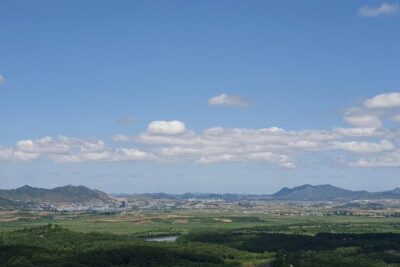
DMZ tour south Korea from Seoul (NK experience hall, defector)
Read our review →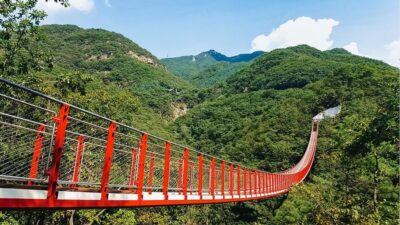
DMZ Insider Tour: 3rd Tunnel, NK Defector Meet & Red Bridge
Read our review →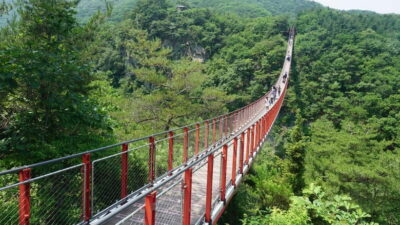
Signature DMZ Tour: Exclusive Defector Talk & Suspension Bridge
Read our review →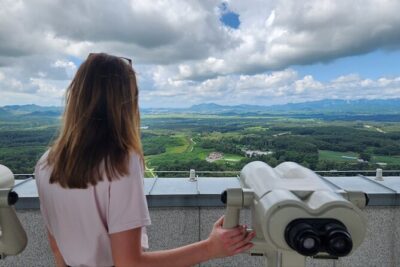
Thrilling Korean DMZ 3rd Tunnel Tour from Seoul + Red Bridge Rush
Read our review →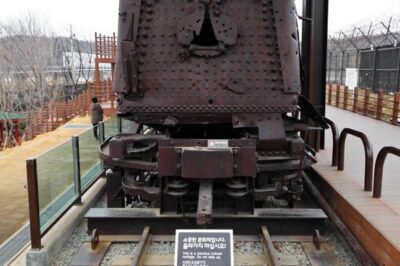
DMZ Past and Present: Korean Demilitarized Zone Tour from Seoul
Read our review →
Ultimate Korea DMZ Tour from Seoul (Gondola & Suspension Bridge)
Read our review →Browse the lists this tour appears in