
Reviewed · DMZ TOURS
Seoul: DMZ Tour with Optional Suspension Bridge
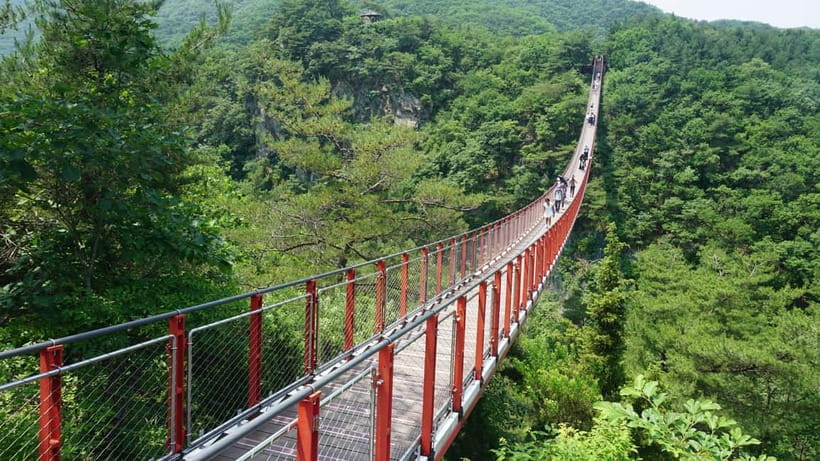
The border tells Korea’s story plainly. This full-day trip from Seoul takes you to Imjingak, the Third Infiltration Tunnel, and Dora Observatory, combining military history with striking views toward North Korea. I especially like the clear English commentary and the personal stories guides such as Kenny, Winnie, Sophie, and Henry bring to the day. The optional Gamaksan Suspension Bridge adds fresh air and mountain scenery, though it also adds a 40-minute hike after an already active tour.
I also like the price: about $45 per person for transport, entrance fees, and a licensed guide is strong value for a seven to nine-hour outing. The main caution is that this is not a relaxed sightseeing loop. The Third Tunnel has a steep return slope, the bridge option involves more walking, and the military can change or cancel the route without notice.
In This Review
- Key Points Before You Book
- Why Visit the DMZ From Seoul?
- The Ride North From Seoul
- Imjingak Park and the Bridge of Freedom
- Walking Into the Third Infiltration Tunnel
- Looking Toward North Korea at Dora Observatory
- Unification Village and the Border Community
- Adding the Gamaksan Suspension Bridge
- The Aegibong Observatory and Starbucks Option
- Guides Are the Heart of the Day
- Price, Timing, and What You Receive
- Who Should Book This Tour?
- Should You Book the Seoul DMZ Tour?
- FAQ
- How long does the Seoul DMZ tour take?
- What is included in the tour price?
- Is hotel pickup available?
- Do I need to bring my passport?
- Can I visit Panmunjom or the JSA on this tour?
- Is the Third Infiltration Tunnel difficult to walk through?
- Is the Gamaksan Suspension Bridge included in every tour?
- Can the DMZ tour be canceled or changed?
Key Points Before You Book
- The Third Infiltration Tunnel is the physical centerpiece: Expect a steep 30 to 40-minute walk, with the option to wait outside if needed.
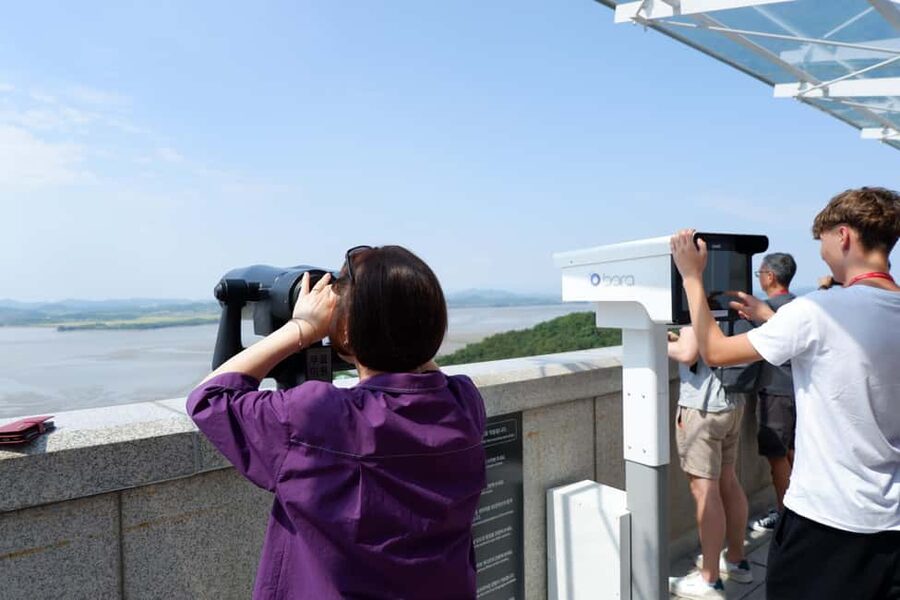
- Dora Observatory gives you a rare view toward North Korea: Clear weather matters, and binoculars or long-range viewing equipment can make the scene more rewarding.
- Guides make a major difference: Kenny, Winnie, Sophie, Henry, Grace, Sue, and others are praised for clear English, humor, organization, and personal stories.
- The Gamaksan option changes the pace: The suspension bridge requires a 40-minute hike but adds mountain views and Korean War history.
- This is a military-controlled destination: Bring your passport and expect possible route changes because of weather, government rules, or military decisions.
- The tour is good value but not fully door-to-door: Central Seoul pickup may be included, but hotel drop-off, food, drinks, insurance, and a JSA visit are not.
Why Visit the DMZ From Seoul?
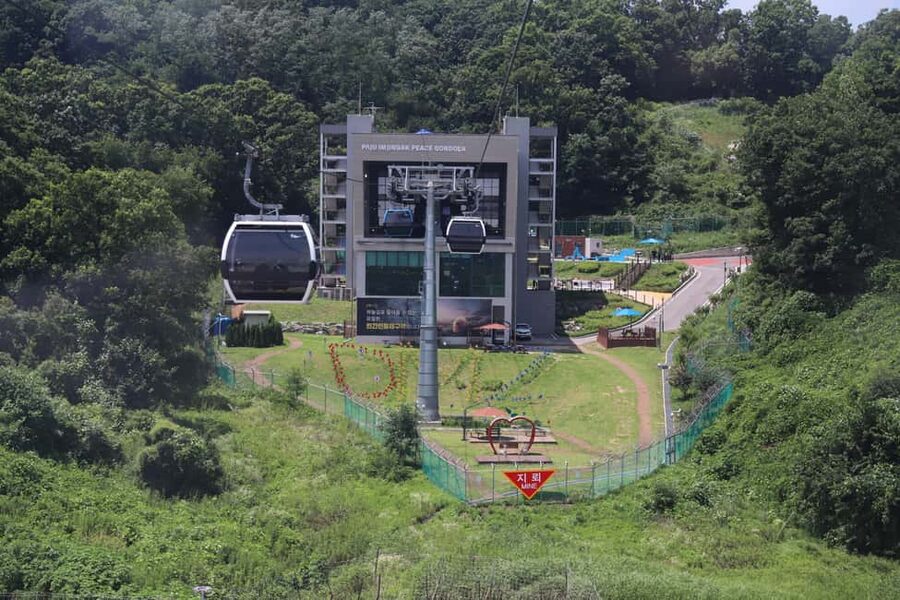
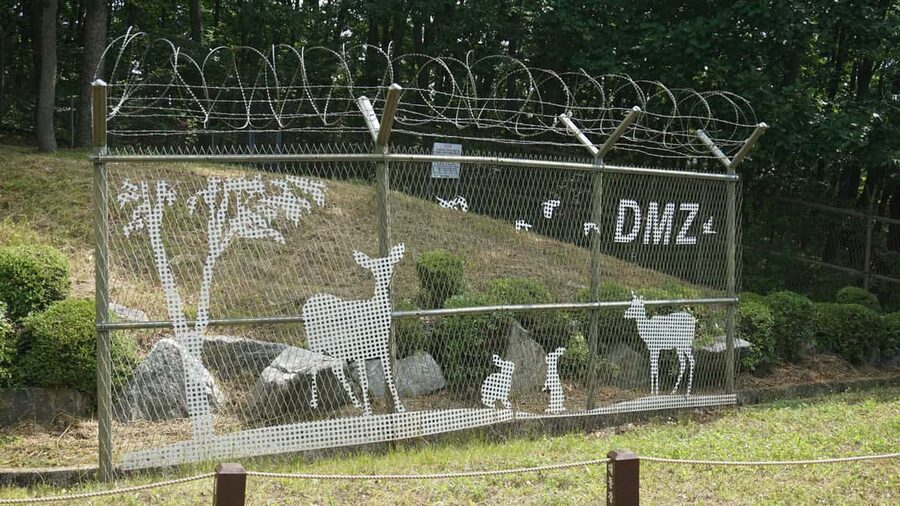
The Korean Demilitarized Zone is more than a line on a map. It is a four-kilometer-wide buffer created after the 1953 armistice, separating North and South Korea without ending the conflict through a formal peace treaty.
You will not simply look at fences and military posts. The day brings together the Korean War, separated families, divided villages, border security, and the continuing hope for reunification. That mix gives the tour its weight.
I think the DMZ works best for anyone who wants historical context alongside sightseeing. If you only want a mountain view or a quick photo stop, this outing may feel too long. If you want to understand why Korea remains divided, the long day makes sense.
The tour normally runs Tuesday through Sunday for the main DMZ route. The Aegibong Observatory and Starbucks option is available Monday through Sunday, so check the exact option and day before paying.
More DMZ tours:
- Best DMZ Tour Korea from Seoul (Red Suspension Bridge Optional)
★ 5.0 · 41,422 reviews - DMZ Tour: 3rd Tunnel, Option(Suspension Bridge, Boat) from Seoul
★ 5.0 · 21,373 reviews - DMZ tour south Korea from Seoul (NK experience hall, defector)
★ 5.0 · 20,599 reviews
The Ride North From Seoul
The journey begins with pickup or a central meeting point, depending on the option you choose. Pickup is offered from central areas such as Myeongdong, Gangnam, Gwanghwamun, Itaewon, and Dongdaemun. If your hotel or guesthouse is hard for a vehicle to reach, you may be asked to meet at a nearby central hotel or subway station.
The drive to the border area takes about an hour, though the full return to Seoul can vary with traffic and group size. The air-conditioned bus or minivan is an important part of the value here. Several guides use the ride to explain Korean history, show photographs and videos, and prepare you for the stops ahead.
Winnie is especially praised for using a screen on the bus, keeping the history clear without making the ride feel like dead time. The bus may also have charging ports, a small but welcome help on a long day.
If fewer than 30 people are in the vehicle, government policy may require a transfer to a DMZ shuttle bus. That extra change can affect timing, so listen closely to your guide’s instructions.
Imjingak Park and the Bridge of Freedom
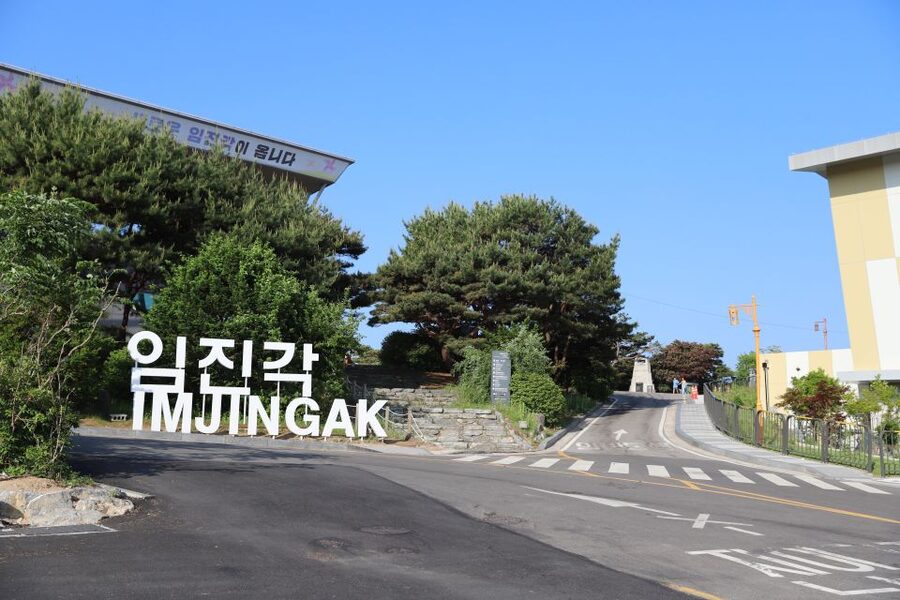
Imjingak is the emotional starting point. It was built as a place of remembrance and hope for people separated from relatives in North Korea. The park contains monuments, memorials, and the Bridge of Freedom, where prisoners of war and returning soldiers once crossed after the Korean War.
The bridge carries a simple but powerful meaning. For many Korean families, division was not an abstract political issue. It meant losing contact with parents, siblings, spouses, and children.
You will have time to walk around Imjingak and hear an introduction to the conflict. The DMZ Theater and Exhibition Hall add a short video and further explanation of the war, the armistice, and the continuing tension between the two countries.
This opening section helps you read the rest of the day. Without it, the tunnel and observatory could feel like isolated attractions. With it, the border becomes more human.
Walking Into the Third Infiltration Tunnel
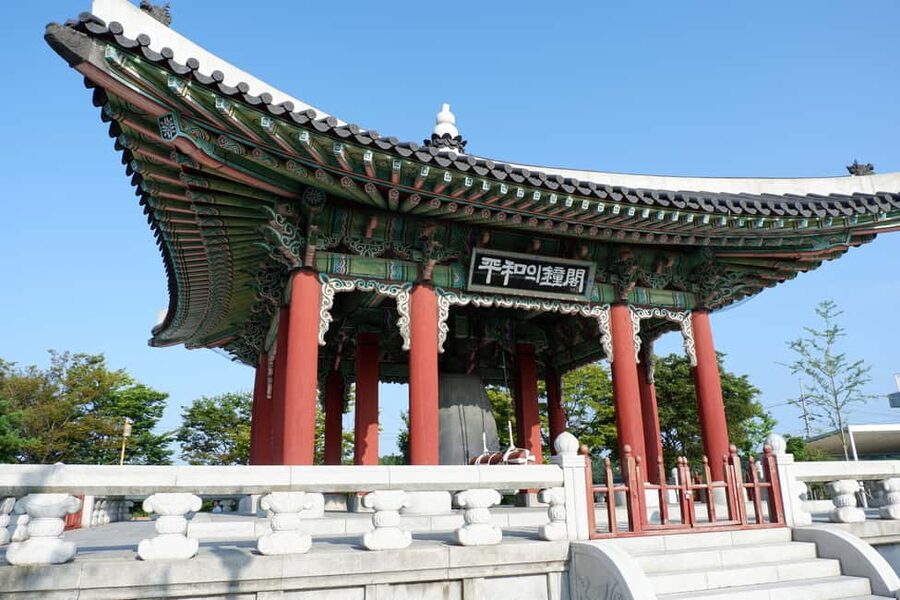
The Third Infiltration Tunnel is the most demanding stop and, for many people, the most memorable. North Korea dug the passage as a covert route beneath the border. It was later discovered and opened for public visits.
The route takes about 30 to 40 minutes on foot for the round trip. The tunnel’s return climb is steep, and the walk can be uncomfortable for anyone with heart problems, limited mobility, or poor footwear. Children and older adults may find it tiring, though waiting at the entrance is possible.
Do not wear flip-flops, slippers, or heels. Comfortable walking shoes are not just a nice idea here. They are the difference between a manageable visit and a miserable one.
The tunnel is not a long, gentle stroll. You will feel the slope in your calves, especially if you add the suspension bridge afterward. That physical effort is part of what makes the stop memorable, but it also means you should judge your fitness honestly.
The tour does not enter the Joint Security Area at Panmunjom. That is a separate experience, and this outing should not be booked if visiting the JSA is your main goal.
More suspension bridge walks:
- Signature DMZ Tour: Exclusive Defector Talk & Suspension Bridge
★ 5.0 · 4,459 reviews - Ultimate Korea DMZ Tour from Seoul (Gondola & Suspension Bridge)
★ 5.0 · 2,396 reviews - DMZ; NK Defector, 3rd Tunnel, Suspension Bridge,Hotel pickup
★ 4.9 · 2,055 reviews - DMZ Tour from Seoul – Optional Suspension Bridge Experience
★ 5.0 · 1,918 reviews
Looking Toward North Korea at Dora Observatory
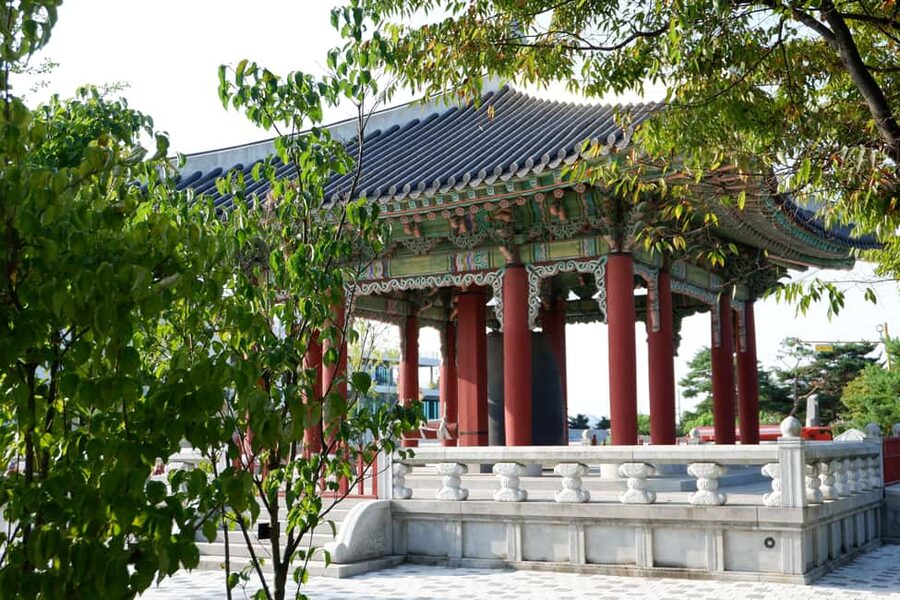
Dora Observatory sits on Mount Dora and provides the clearest visual link to North Korea on this route. From the viewing area, you can look across the buffer zone toward North Korean territory and see border villages when conditions allow.
The view depends heavily on weather. On a clear day, the sight of another country so close feels startling. On a hazy day, you may see less than expected, so keep your expectations sensible.
The observatory is valuable because the guide explains what you are looking at instead of leaving you with a distant horizon and a camera. You will learn about the border villages, the separation zone, and the meaning of the buildings and terrain in view.
Bring your passport. It is required for the tour, and military checkpoints are part of the process. Your guide will explain where you may stand and when photographs are allowed. Follow those instructions carefully.
Unification Village and the Border Community
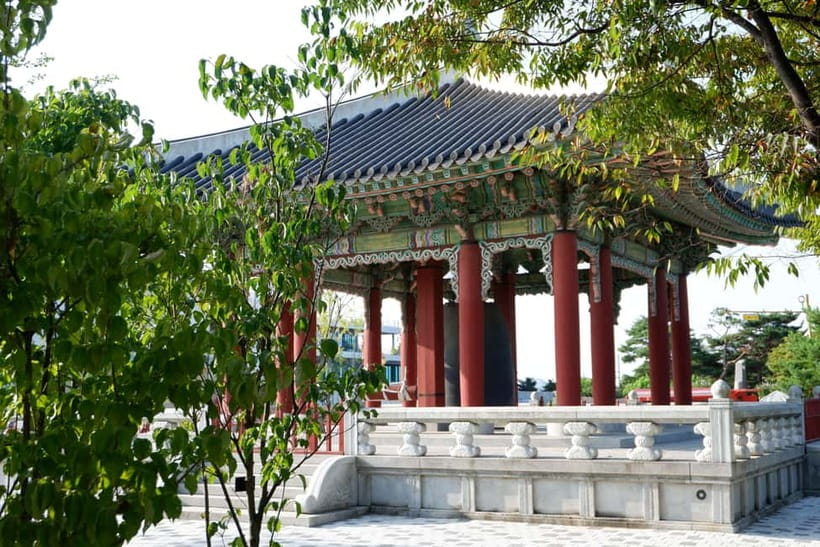
The visit to Unification Village adds a quieter note. This farming community sits close to the border, and you may have time to buy locally made products, symbolic souvenirs, and, on occasion, North Korean goods.
The stop is brief, about 30 minutes, so think of it as a chance to look around rather than a full shopping visit. It also shows that ordinary life continues near one of the world’s most watched borders.
I find this stop useful because it moves the day away from military structures. The DMZ is not only bunkers, tunnels, and observation posts. It also affects farmers, families, businesses, and communities living nearby.
Adding the Gamaksan Suspension Bridge
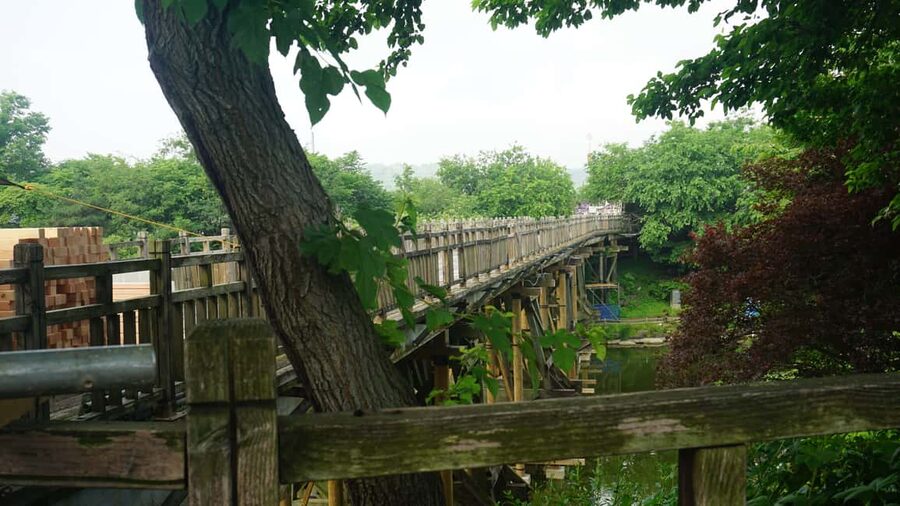
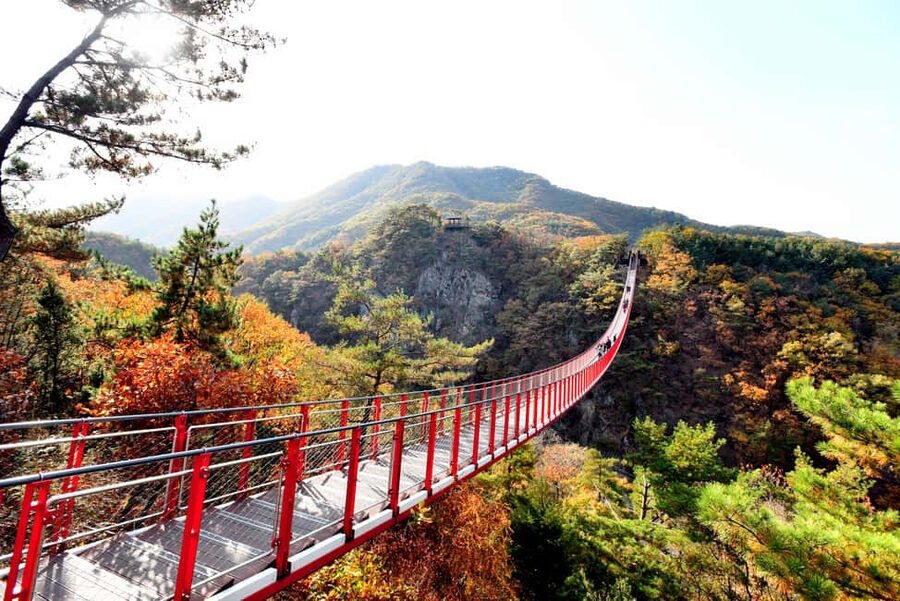
The Gamaksan Suspension Bridge option includes the main DMZ route and then adds a mountain stop connected with a Korean War battle involving British troops. The bridge itself offers scenic views and a different mood from the somber border sites.
The catch is the hike. Reaching the suspension bridge involves about 40 minutes of walking, so this option is not simply a quick photo stop added to the end of the day. You need comfortable shoes, water, and enough energy for a second active section.
The route may also include Ungye Falls, where you get roughly 10 minutes for photographs. That makes the optional package attractive if you want scenery as well as history, but less appealing if you prefer a compact, museum-style day.
I would choose Gamaksan if you enjoy walking and want a fuller day outside Seoul. I would stay with the standard DMZ option if the tunnel already sounds like your limit.
The Aegibong Observatory and Starbucks Option
Aegibong offers a different view of the division. Displaced people have visited the area to look toward their former hometowns after losing access to their homes following the Korean War.
The observatory also now has a Starbucks, an unusual modern detail beside a place shaped by displacement and memory. That contrast may appeal to you, though it creates a different experience from the standard route through Imjingak, the Third Tunnel, and Dora Observatory.
The Aegibong option operates Monday through Sunday. Check the exact stops carefully when booking, since the available route depends on the option selected.
Guides Are the Heart of the Day
The strongest feature of this tour is the guiding. Kenny is repeatedly praised for his historical explanations, humor, safety checks, and clear instructions at meeting points. Winnie is noted for warmth, patience, photos for solo visitors, and well-organized commentary.
Sophie adds personal and family stories that make the division easier to understand on a human level. Henry is praised for excellent English, humor, and clear explanations of both the conflict and current politics. Grace, Sue, Stella, Shim, Shin, Thomas, and Anna are also singled out for energy, care, and professionalism.
That range matters because a DMZ visit can otherwise become a parade of facts. A good guide helps you connect the facts to real lives. You can expect a friendly group atmosphere, but the tour remains structured, with firm return times and several security checks.
Stay close to your group. One participant described a brief mix-up after being separated from the assigned group, although it was resolved. The lesson is simple: confirm your guide’s name, remember the bus, and return to meeting points early.
Price, Timing, and What You Receive
At around $45 per person, the standard tour offers good value for a seven to nine-hour day. Entrance fees, shared return transport, an air-conditioned vehicle, and a licensed English-speaking guide are included.
You are paying for access and organization as much as transportation. Reaching the DMZ independently is not as simple as taking a local train and wandering around. Military rules, restricted areas, shuttle transfers, and timed visits make an organized trip practical.
Food and drinks are not included, so plan for your own spending. Hotel drop-off is also not included, with return arrangements ending at two drop-off points in Myeongdong, Jung-gu.
The itinerary can change. Traffic may delay your return, and military, weather, or government decisions can remove planned stops. If the DMZ route is closed, the replacement may include Imjingak, Art Space BEAT 131, Odusan Unification Observatory, or the War Memorial of Korea. The provided conditions state that this kind of change does not qualify for a refund.
Free cancellation is available up to 24 hours before departure, and you can reserve now and pay later. Pickup time is confirmed by email, so check your messages the day before.
Who Should Book This Tour?
I recommend it for first-time visitors to Seoul who want a serious look at modern Korean history. Families can join, although parents should consider the tunnel’s steep walk and the possibility of a long day on a bus.
Solo visitors benefit from the organized transport and guides willing to help with photographs. The small-group or private options may suit you if you want more personal attention, though the supplied price is for the shared experience.
I would think twice if you use a wheelchair, have heart problems, or dislike walking on slopes. The tour is not suitable for wheelchair users, and the tunnel and Gamaksan route require effort.
The experience also suits anyone who values explanation over entertainment. There are light moments, jokes, and friendly guides, but the subject is war, separation, and military tension. Come prepared for a thoughtful day, not a theme park attraction.
Should You Book the Seoul DMZ Tour?
Book this tour if you want the main DMZ sights in one organized day and appreciate strong English commentary. The Third Tunnel, Dora Observatory, and Bridge of Freedom create a well-rounded visit, while the guides add the personal detail that gives the history meaning.
Choose the Gamaksan option if you want a suspension bridge and can handle another 40-minute hike. Choose Aegibong if its displaced-family history and unusual Starbucks stop appeal more than the standard route.
I would book the standard version for most people, wear sturdy shoes, bring your passport, and keep your schedule flexible for a late return or military change. At $45, it is a practical and worthwhile way to understand the divided Korean Peninsula.
FAQ
How long does the Seoul DMZ tour take?
The tour lasts about seven to nine hours, including transport between Seoul and the border area. The return time can change with traffic, group size, weather, and military regulations.
What is included in the tour price?
The price includes entrance fees, shared return transportation, an air-conditioned bus or minivan, and a licensed professional English-speaking guide. Central Seoul hotel pickup is included only when that option is selected.
Is hotel pickup available?
Pickup is available from centrally located Seoul areas such as Gangnam, Myeongdong, Gwanghwamun, Itaewon, and Dongdaemun, depending on the selected option. If your accommodation is difficult to access, you may meet at a nearby central hotel or subway station.
Do I need to bring my passport?
Yes. You must bring your passport because the DMZ is a military-controlled area with security checks.
Can I visit Panmunjom or the JSA on this tour?
No. A visit to the Joint Security Area, also called Panmunjom, is not included.
Is the Third Infiltration Tunnel difficult to walk through?
The tunnel takes about 30 to 40 minutes for a round trip on foot and includes a steep slope. It can be challenging for children and older adults, but you may wait in front of the tunnel instead.
Is the Gamaksan Suspension Bridge included in every tour?
No. It is included only with the DMZ Tour and Gamaksan Suspension Bridge option. Reaching it requires about a 40-minute hike, and the route may also include a short stop at Ungye Falls.
Can the DMZ tour be canceled or changed?
Yes. Military, government, or weather conditions can cause cancellation or itinerary changes without prior notice. If the standard route cannot operate, the alternative may include Imjingak, Art Space BEAT 131, Odusan Unification Observatory, or the War Memorial of Korea.
Just added in Seoul
- Seoul: Korean & English Language Exchange Global Party★ 5.0 · 28 reviews
- Your Personal Seoul Photographer!★ 4.1 · 15 reviews
- You’re Invited to Our Home in Seoul: The Only Cooking Class!★ 5.0 · 8 reviews
- From Seoul: Yongpyong Ski Day Tour with Transportation★ 4.9 · 40 reviews
- From Seoul: Hwacheon Ice Fishing and Lighting Festival Tour★ 4.5 · 4 reviews
- Seoul: Gangneung BTS K-Pop & K-Drama Filming Locations Tour★ 4.6 · 14 reviews
- Unique Native Experience : Han River Picnic, Board game, BBQ★ 5.0 · 3 reviews
- Seoul: Euljiro Gastroventure Tour★ 4.0 · 1 review
DMZ Tours, compared.
Best DMZ Tour Korea from Seoul (Red Suspension Bridge Optional)
Read our review →
DMZ Tour: 3rd Tunnel, Option(Suspension Bridge, Boat) from Seoul
Read our review →DMZ tour south Korea from Seoul (NK experience hall, defector)
Read our review →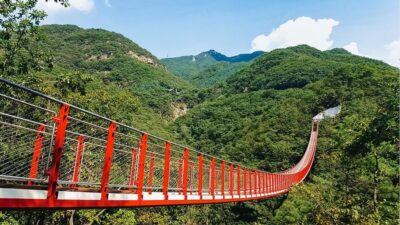
DMZ Insider Tour: 3rd Tunnel, NK Defector Meet & Red Bridge
Read our review →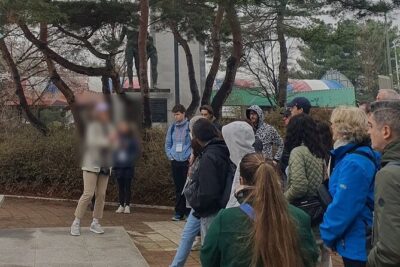
Signature DMZ Tour: Exclusive Defector Talk & Suspension Bridge
Read our review →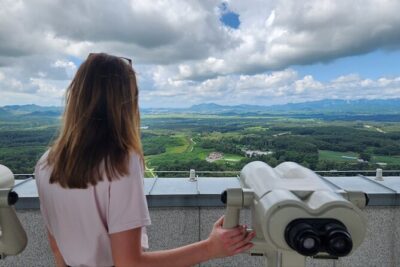
Thrilling Korean DMZ 3rd Tunnel Tour from Seoul + Red Bridge Rush
Read our review →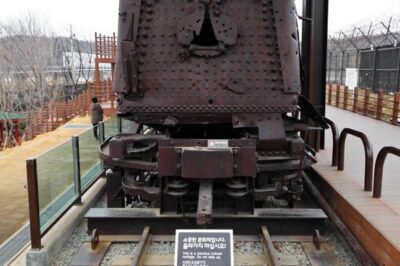
DMZ Past and Present: Korean Demilitarized Zone Tour from Seoul
Read our review →
Ultimate Korea DMZ Tour from Seoul (Gondola & Suspension Bridge)
Read our review →Browse the lists this tour appears in