
Reviewed · CITY TOURS
Gwangju City Tour : Where old meets new (private)
Gwangju rewards the curious visitor. This private day tour brings together modern culture and Korean history, then adds mountain scenery, tea, food, and shopping. I like the mix of major sights and ordinary local life, and I like that guide Veronica can adjust the day for weather and your interests. The main trade-off is lunch, which costs extra, and the full route makes for a long eight to nine hours.
You also need to choose your final shopping stop: a local supermarket or Yangdong Market. That choice matters. The supermarket is easier for Korean snacks, tea, cooking ingredients, and cosmetics, while the traditional market gives you a livelier look at how locals shop. Since the tour depends on good weather, keep your schedule flexible.
In This Review
- Key reasons to consider this Gwangju day tour
- Why Gwangju makes a fine alternative to Seoul and Busan
- May 18 Democracy Square, where memory shapes the city
- Asia Culture Center, a modern arts stop with a serious foundation
- Dongmyeong-dong, from prestigious neighborhood to cafe street
- Jisan Recreation Area and the old lift through the forest
- Lunch in Gwangju, with local dishes and an extra bill
- Chasaengwon tea house and Korea’s commercial tea story
- Yangnim-dong, where architecture and memory share the same streets
- The final choice: Hanaro Mart or Yangdong Market
- What $135 per person really buys you
- Who will enjoy this tour most
- Should you book the Gwangju City Tour?
- FAQ
- How long does the Gwangju City Tour last?
- Is this a private tour?
- Is pickup offered?
- Is lunch included in the price?
- Are the lift and monorail rides included?
- Can I visit Yangdong Market instead of the supermarket?
- Is the tour suitable in poor weather?
- What is the cancellation policy?
Key reasons to consider this Gwangju day tour
- May 18 Democracy Square and the Asia Culture Center connect Gwangju’s recent political past with its present-day arts scene.
- Jisan Recreation Area includes lift and monorail rides, giving the tour a welcome change from city streets.
- Lunch is built around local dishes, but you choose the meal and pay separately.
- Chasaengwon tea house offers a quiet cultural pause, with roots in Korea’s tea industry.
- Yangnim-dong History and Culture Village blends old architecture, art, and missionary history.
- The private format allows personal adjustments, including a choice between supermarket shopping and Yangdong Market.
Why Gwangju makes a fine alternative to Seoul and Busan
Gwangju is South Korea’s fifth-largest city, yet it does not feel as rushed as Seoul or as visitor-focused as Busan. The city has a strong local identity shaped by Mt. Mudeungsan, generous food traditions, art, and the courage shown by its citizens during the May 18 Democratic Uprising.
That gives this tour a useful balance. You are not simply ticking off famous buildings. You are seeing how a modern Korean city remembers difficult events, supports the arts, spends leisure time, eats lunch, drinks tea, and shops for supper.
Gwangju is also known for its food. The city is often called Korea’s most delicious city, a claim your midday meal puts to a practical test. The tour does not include lunch, but the guide recommends popular local dishes, and you pay for the meal on the spot. This setup gives you choice, though you should budget beyond the $135 tour price.
The private arrangement is important here. Only your group takes part, and private transportation connects stops that would be awkward to combine by public transit in one day. You get a guide’s attention rather than a set commentary meant for a large bus.
More city tours in South Korea:
- Best Seoul City Tour (Gyeongbokgung Palace,Insadong,Namsan Tower)
★ 5.0 · 1,647 reviews - Small-Group Royal Palace and Seoul City Tour (hotel pick-up)
★ 5.0 · 1,474 reviews - Seoul City Sightseeing Tour Including Gyeongbokgung Palace, N Seoul Tower, and Namsangol Hanok Village
★ 5.0 · 1,423 reviews
May 18 Democracy Square, where memory shapes the city
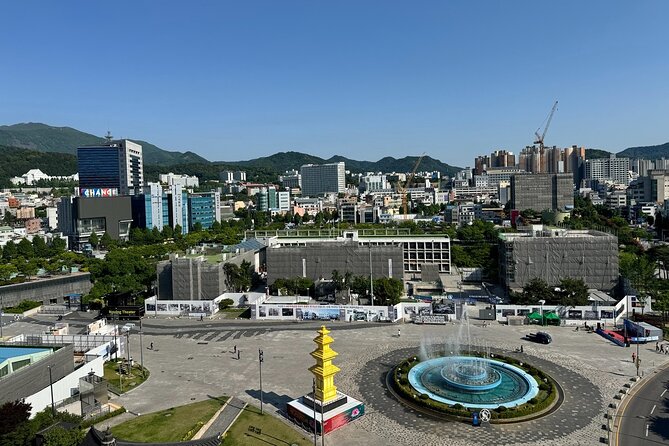
The day begins at May 18 Democracy Square, the symbolic center of Gwangju. In May 1980, citizens gathered here and made a final stand during the May 18 Democratic Uprising. The stop lasts about 20 minutes and has no admission charge.
That is not much time for a full study of the uprising. If May 18 is your main reason for visiting Gwangju, you should book the separate May 18 tour instead. This city tour gives you an introduction and shows why the square matters, but it is not designed as a detailed examination of the events.
I like this opening because it gives the rest of the day a clear frame. The art spaces, neighborhoods, mountain recreation area, and market are not isolated attractions. They are parts of a city whose public life has been shaped by civic action and remembrance.
Asia Culture Center, a modern arts stop with a serious foundation
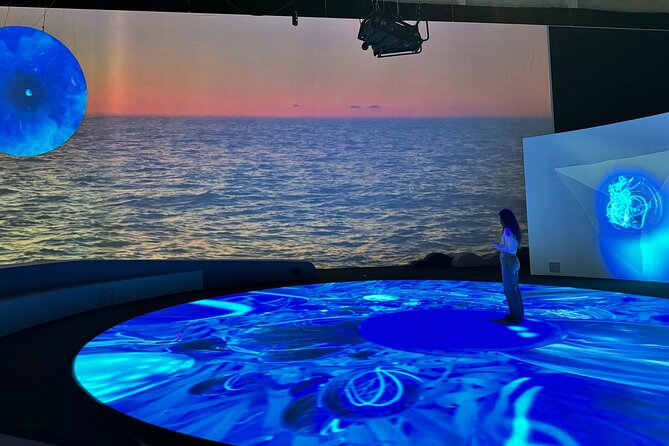
The Asia Culture Center sits beside May 18 Democracy Square. Allow about 30 minutes, with no admission fee listed for the visit.
The center is one of Asia’s largest cultural complexes and was built on the site connected with the May 18 Democratic Uprising. That pairing of place and purpose makes the stop more meaningful than a quick look at a modern cultural building.
You can expect an introduction to Gwangju’s current arts scene, with the center serving as a bridge between the city’s past and its creative present. The short visit works well in a full-day schedule, though anyone wanting time for exhibitions or performances may find 30 minutes too brief.
This is one of the tour’s better transitions. You start with civic memory, then move directly into a major institution devoted to culture. It helps explain why Gwangju is known as the city of light.
Dongmyeong-dong, from prestigious neighborhood to cafe street
Dongmyeong-dong was once one of Gwangju’s most prestigious areas. As residents moved into newer apartment complexes, the neighborhood became quieter. In recent years, its streets have found a new life as a cafe area.
The stop lasts around 20 minutes. That is enough to get a feel for the change in the neighborhood, but not enough for a long cafe crawl. Coffee or tea at a cafe is included in the tour, so this is also your first chance to sit down and reset before the longer afternoon stops.
I enjoy the story here because it is easy to recognize. Older neighborhoods in many Korean cities have lost residents to newer developments, then gained fresh energy through cafes and small businesses. Dongmyeong-dong lets you see that shift without leaving central Gwangju.
Do not expect a major monument. This stop is about urban change and a short break. If your ideal tour is packed with grand sights, the 20 minutes may feel modest. If you like seeing how people use older city streets today, it earns its place.
A few more options to weigh up in South Korea
- Busan Private Tour with licensed tour guide + private vehicle
★ 5.0 · 1,143 reviews - Private DMZ Tour (No Shopping): 3rd Tunnel & Suspension Bridge
★ 5.0 · 607 reviews - Jeju Island English Private & Flexible Tour any number anywhere
★ 5.0 · 561 reviews - Private Busan Tour -Explore Cultural Landmarks with a Local Guide
★ 5.0 · 552 reviews
Jisan Recreation Area and the old lift through the forest
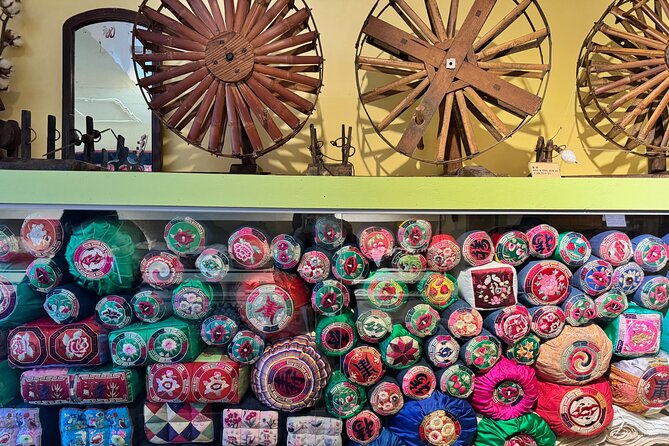
Jisan Recreation Area receives the longest stop, about two and a half hours. The area opened in 1978 as a family leisure complex, and its old lift carries you through the forest. Lift and monorail rides are included.
This is the day’s big change of pace. After the serious tone of May 18 Democracy Square and the urban character of Dongmyeong-dong, you get time outdoors around the foothills of Mt. Mudeungsan. The ride itself is part of the appeal, especially if you enjoy older transport systems and views from above.
The long allocation makes sense because the stop includes more than a quick photograph. You have time for the lift and monorail rides, a slower look at the recreation area, and a break from the vehicle. The route requires good weather, so this is also the part most likely to be affected by rain or poor conditions.
I would wear comfortable shoes and avoid filling your morning with another demanding activity. The tour is private, but the schedule is still full. Jisan is the best place to slow down, so use it that way rather than treating it as another rushed photo stop.
Lunch in Gwangju, with local dishes and an extra bill
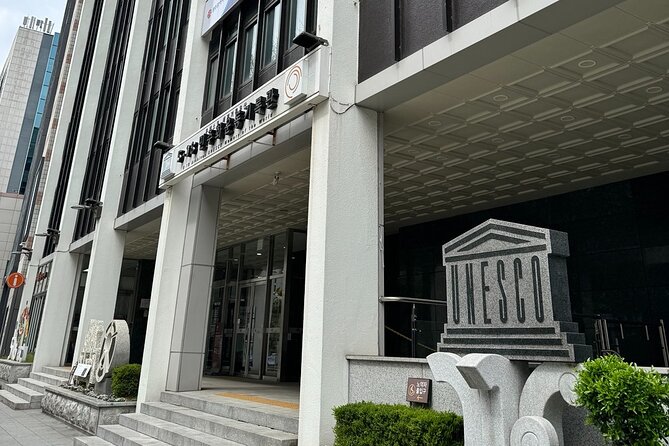
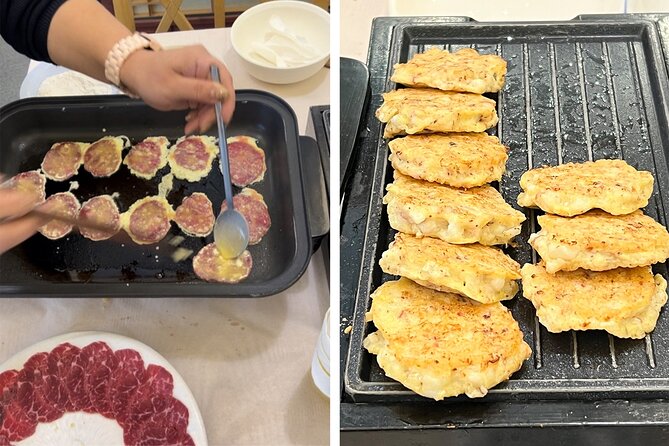
Lunch lasts about 70 minutes. Gwangju’s food is a central part of its identity, and the guide recommends dishes popular with local diners. You choose what to eat and pay separately.
That arrangement is practical. Food preferences vary, and a private group should not be forced into one fixed meal. Veronica, the guide praised most warmly in the available feedback, has recommended restaurants and dishes that suited her guests well. Her role seems especially useful if you are unsure what to order.
Still, the price needs a clear explanation. At $135 per person, you are paying for a private vehicle, a full day of guiding, included rides, and a carefully connected route. Lunch is not included, so add the cost of your meal and any personal shopping to your budget.
The 70-minute break should give you enough time to eat without turning lunch into a formal event. I would ask your guide early in the day how the meal choice will work, especially if your group has dietary limits or very different tastes. The provided information does not specify particular dishes, restaurants, or dietary arrangements, so do not assume a special menu is included.
Chasaengwon tea house and Korea’s commercial tea story
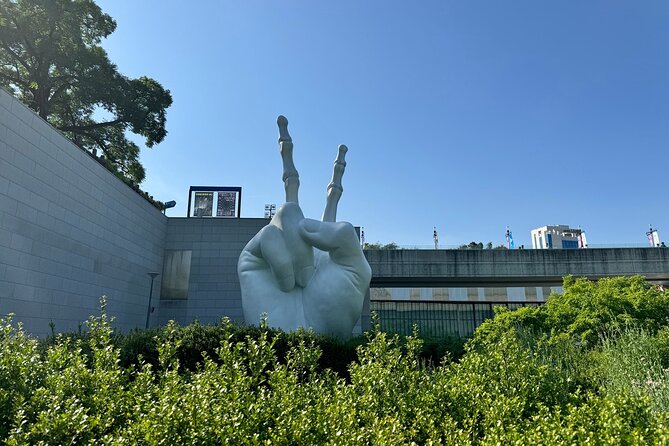
After lunch, the tour visits Chasaengwon tea house for about 70 minutes. The tea experience connects to Hankook Tea Co., founded in 1951 as Korea’s first commercial tea company and the first to produce matcha, or powdered tea, and yellow tea.
Coffee or tea is included, making this a low-pressure stop after the meal. You can expect a chance to sit, taste, and hear about Korean tea production and the effort to preserve tea traditions.
I like the length of this visit. Twenty minutes would make tea feel like a box to check, while 70 minutes gives the stop room to breathe. It also adds a distinctly Korean detail to a day that could otherwise lean heavily toward history and sightseeing.
The tea house is not presented as a full tea ceremony course, so keep your expectations measured. Its value is the setting, the drink, and the connection to Korea’s tea trade. If you want to take some tea home, the final shopping stop may offer more options.
Yangnim-dong, where architecture and memory share the same streets
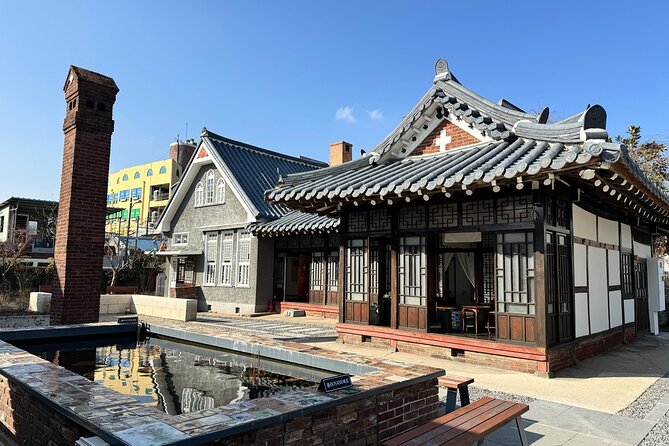
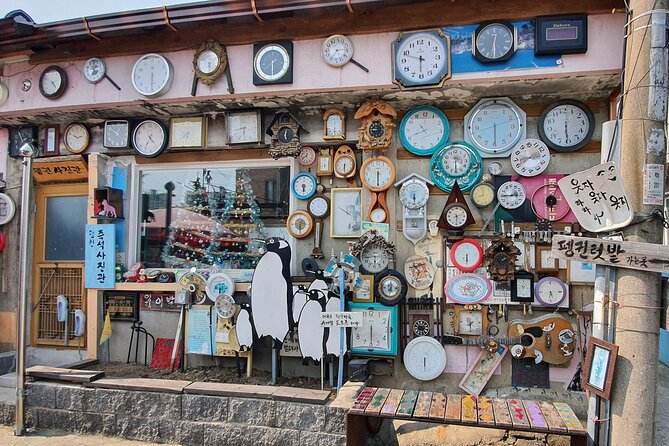
Yangnim-dong History and Culture Village gets about one hour. The neighborhood brings together early 20th-century missionary history, older buildings, and art.
Missionaries from the Southern Presbyterian Church in the United States settled here to spread Christianity. That background gives the area a different character from May 18 Democracy Square and the Asia Culture Center. Instead of focusing on one defining political event, Yangnim-dong shows how outside religious influence became part of Gwangju’s urban story.
An hour is a useful amount of time for a guided walk. You can look at the architecture and hear the local context without spending the whole afternoon on one neighborhood. The art element also keeps the stop connected to Gwangju’s present-day creative life.
The name History and Culture Village can suggest a preserved historic district, but the supplied details do not promise a specific museum, church interior, or fixed set of buildings. Your experience will depend on the guide’s route and what is open that day. I would treat it as a neighborhood walk rather than a formal museum visit.
The final choice: Hanaro Mart or Yangdong Market
The last part of the day gives you a useful choice. You can spend about an hour at NH Nonghyup Hanaro Mart, a large local food supermarket, or visit Yangdong Market, the largest traditional market in Gwangju and Jeollanam-do.
Hanaro Mart is the simpler option if you want edible souvenirs. You can look for Korean cooking ingredients, snacks, coffee, tea, and cosmetics, with your guide helping you identify products and make sensible choices. This is particularly handy if you cannot read Korean labels or want items that are easy to pack.
Yangdong Market offers a different kind of experience. It is where locals shop for everyday goods, so the attraction is the market atmosphere and the chance to see ordinary commerce rather than a polished souvenir area. The market is likely the better choice if you value local street life over efficient shopping, though the information provided does not specify exact vendors or products.
Tell your guide your preference before the final stop. You cannot reasonably do both in depth within one hour. The choice also lets you shape the ending: practical shopping at Hanaro Mart, or a more traditional market setting at Yangdong Market.
What $135 per person really buys you
The $135 price is not cheap for one day in Korea, but the private format changes the calculation. Your group receives private transportation, guiding, all listed fees and taxes, coffee or tea at a cafe, and the lift and monorail rides. The route also covers history, culture, nature, food, tea, and shopping without requiring you to arrange separate taxis or figure out local connections.
The value is strongest for a small group that wants flexibility. If you are traveling alone, the cost may feel high. For a family or group sharing the private experience, the individual price can make more sense, especially when you value a personal guide and door-to-door movement.
Lunch and shopping are extra. Personal travel insurance is also not included. The tour is usually booked about 71 days ahead, which suggests you should reserve well in advance if your dates are fixed, though availability is not guaranteed by that average.
Who will enjoy this tour most
I would choose this tour if you want to understand Gwangju beyond a quick stop between larger Korean cities. It suits you especially well if you like a day with several different textures: civic history, art, cafes, a lift ride, local food, tea, and a market or supermarket.
It is also a good match for families and small private groups. One guest described the guide as treating the group like family during a meaningful visit, and another appreciated having the itinerary adjusted around weather and personal preferences. Those details point to a warm, attentive guiding style rather than a rigid script.
You may want another option if your main goal is a detailed account of the May 18 Democratic Uprising. The dedicated May 18 tour is better for that. You may also hesitate if you dislike long days, extra meal costs, or weather-dependent outdoor activities.
The tour is listed as suitable for most participants, allows service animals, and is near public transportation. Pickup is offered, and a mobile ticket is available. Confirmation arrives at booking. For cancellations, you receive a full refund if you cancel at least 24 hours before the local start time. Poor weather can lead to a new date or full refund.
Should you book the Gwangju City Tour?
Book it if you want a broad, personal introduction to Gwangju and prefer a guide who can adjust the day. The strongest reasons are the mix of May 18 history with everyday city life, the included Jisan rides, the tea stop, and the choice between a supermarket and traditional market.
I would give the guide your priorities at the start. Ask for more detail at May 18 Democracy Square if history matters most, or protect time at Yangnim-dong and the cafes if you prefer culture and neighborhoods. Budget separately for lunch and shopping, and keep a weather backup in mind.
For a first visit to Gwangju, this is a smart way to see how the city’s past, food, art, and daily routines fit together. It is not a specialist history tour, and it is not the cheapest way to move around town. But for a private group seeking variety and personal attention, the day offers strong value.
FAQ
How long does the Gwangju City Tour last?
The tour lasts approximately eight to nine hours. It starts at 9:30 am.
Is this a private tour?
Yes. Only your group participates, and private transportation is included.
Is pickup offered?
Yes. Pickup is offered for this experience.
Is lunch included in the price?
No. Lunch is not included. You choose your meal and pay for it separately.
Are the lift and monorail rides included?
Yes. Lift and monorail rides are included, along with all listed fees and taxes.
Can I visit Yangdong Market instead of the supermarket?
Yes. You can choose between NH Nonghyup Hanaro Mart and Yangdong Market for the final shopping stop.
Is the tour suitable in poor weather?
The experience requires good weather. If it is canceled because of poor weather, you can receive a different date or a full refund.
What is the cancellation policy?
You can cancel at least 24 hours before the start time for a full refund. Cancellations or changes made less than 24 hours before the start time are not accepted for a refund.
Just added in South Korea
- Seoul: Korean & English Language Exchange Global Party★ 5.0 · 28 reviews
- Your Personal Seoul Photographer!★ 4.1 · 15 reviews
- You’re Invited to Our Home in Seoul: The Only Cooking Class!★ 5.0 · 8 reviews
- From Seoul: Yongpyong Ski Day Tour with Transportation★ 4.9 · 40 reviews
- Yeosu: Private Taxi Car Private Charter Tour★ 4.7 · 3 reviews
- From Seoul: Hwacheon Ice Fishing and Lighting Festival Tour★ 4.5 · 4 reviews
- Yangdong village & Gyeongju Unesco Site Private Van Tour★ 5.0 · 1 review
- Seoul: Gangneung BTS K-Pop & K-Drama Filming Locations Tour★ 4.6 · 14 reviews
City Tours, compared.
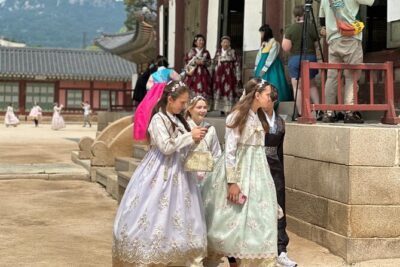
Best Seoul City Tour (Gyeongbokgung Palace,Insadong,Namsan Tower)
Read our review →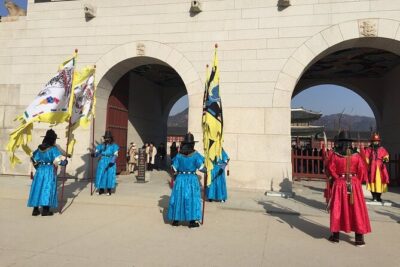
Small-Group Royal Palace and Seoul City Tour (hotel pick-up)
Read our review →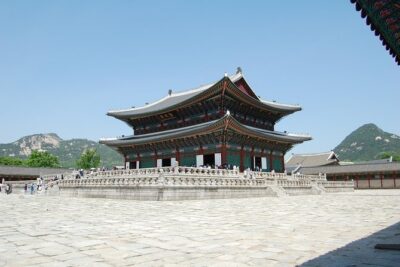
Seoul City Sightseeing Tour Including Gyeongbokgung Palace, N Seoul Tower, and Namsangol Hanok Village
Read our review →
Dark Side of the City and Ghost Stories Walking Tour
Read our review →
Seoul City Private Full-Day Tour Including Lunch
Read our review →
Seoul City Half Day Tour-Gyeongbok Palace Guard Changing Ceremony
Read our review →
Guided City Wall Sunset Hike with Korean Dinner
Read our review →Browse the lists this tour appears in