
Reviewed · PALACE TOURS
Korean Heritage Tour: Palaces and Villages of Seoul Including Gyeongbokgung Palace
Seoul’s past is closer than it looks. This 8.5-hour guided tour links Gyeongbokgung Palace, the National Folk Museum, Jogyesa Temple, a traditional Korean lunch, and the Korean Folk Village in one organized day. I like the useful mix of royal architecture and everyday folk culture, and I like having hotel pickup, an air-conditioned coach, and lunch included. The main caution is the scheduled stop at a ginseng center, which can feel like a sales visit rather than part of Korea’s heritage.
You will walk a fair amount, so comfortable shoes matter. The day also moves quickly in the morning, and the quality of the experience depends heavily on your guide. Guides such as Sunny, Winnie, David, Dora, and Michelle have been praised for clear English, humor, and strong explanations, while some departures have suffered from rushed pacing or guides who were difficult to hear.
In This Review
- Key points to know before booking
- Why this full-day Seoul tour works
- Gyeongbokgung Palace and the Joseon royal court
- Tuesday alternative: Deoksugung Palace
- The National Folk Museum in a 20-minute visit
- Jogyesa Temple and a brief Buddhist pause
- Traditional Korean lunch in the middle of the day
- The ginseng center and the tour’s weak link
- Korean Folk Village: crafts, customs, and a recreated past
- Guides, group size, and the language factor
- Coach transport and the physical demands
- Who should book this Seoul heritage day
- Should you book it?
- FAQ
- How long is the Korean Heritage Tour?
- What time does the tour start?
- Is hotel transportation included?
- Is lunch included?
- What happens if Gyeongbokgung Palace is closed?
- How much walking is involved?
- What is the maximum group size?
- Can I request a special diet?
- Can I cancel for a full refund?
Key points to know before booking
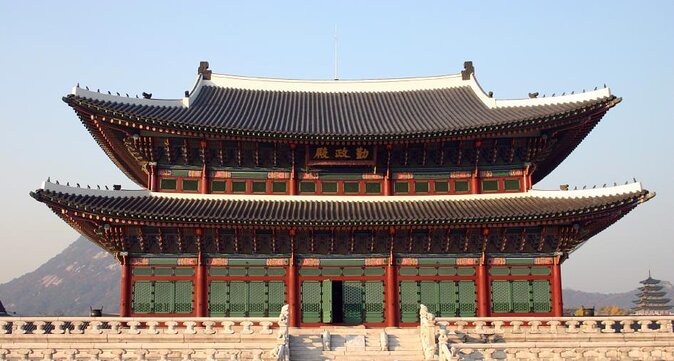
- Gyeongbokgung is the morning centerpiece: Explore the largest of Seoul’s Five Grand Palaces, with time to see its gates, royal halls, and pavilions.
- The tour connects grand history with daily life: The National Folk Museum and Korean Folk Village show how ordinary Korean families lived, worked, and made household goods.
- A traditional lunch is included: You stop at a local Korean restaurant for roughly one hour, with dietary needs requested at booking.
- The Korean Folk Village is a recreated cultural site: It offers demonstrations and traditional buildings, but it is not an untouched historic village.
- The ginseng stop divides opinion: You receive an introduction to Korea’s ginseng industry and can shop, but the visit may take around 30 minutes and can feel out of place.
- The small group is a real advantage: The tour requires at least four people and accepts no more than 10, although larger combined transport arrangements may affect the feel of the day.
Why this full-day Seoul tour works
Seoul can be hard to grasp in a single visit. Modern towers, palace walls, Buddhist temples, museums, restaurants, and reconstructed folk buildings all occupy the same city, but they do not always fit together naturally on a first trip.
This tour gives you that framework. You begin with the Joseon Dynasty, move into traditional customs and household life, pause for Korean food, then finish with crafts and rural traditions at the Korean Folk Village. I like that sequence because it gives you more than a palace photo stop.
The coach also saves time and energy. Hotel pickup begins around 8:30 a.m., and you return to your Seoul hotel after the afternoon visit. You do not need to work out several subway connections or decide how to combine distant sights on your own.
At $140 per person, the price is reasonable if you value convenience and a guide. Admission to Gyeongbokgung and the Korean Folk Village, lunch, transport, and guiding are included. The value is weaker if you prefer slow independent visits, dislike shopping stops, or want detailed time inside each museum.
More History Tours in Seoul
- Seoul: Evening Dark History, Folklore & Ghost Story Walking Tour
★ 5.0 · 593 reviews - Hanbok Photoshoot and History Tour at Gyeongbokgung Palace
★ 5.0 · 276 reviews - From Seoul: Dae Jang Geum Park Historic K-Drama Set Tour
★ 4.9 · 143 reviews
Gyeongbokgung Palace and the Joseon royal court
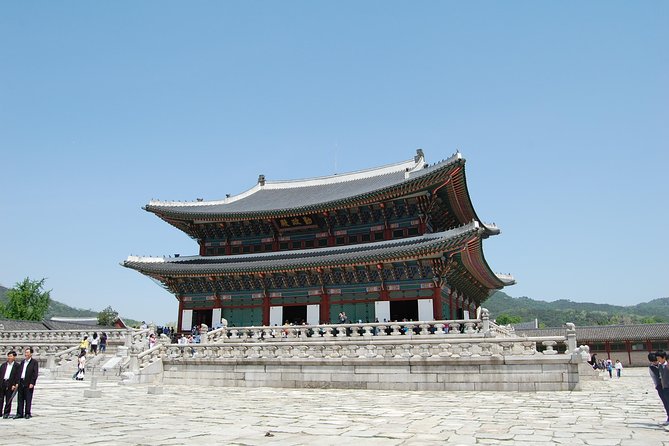
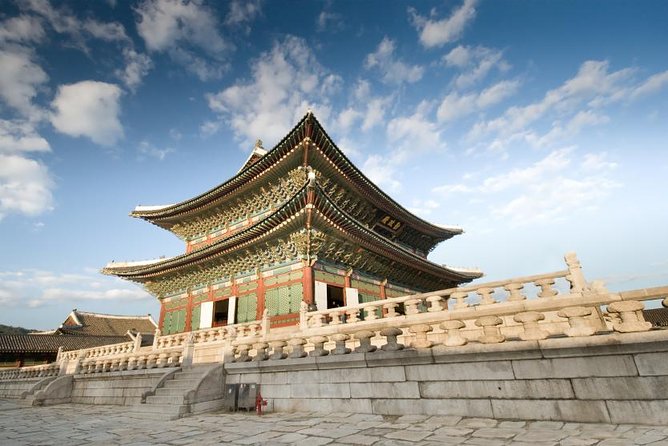
The first major stop is Gyeongbokgung Palace, constructed in 1395 as the first royal palace of the Joseon Dynasty. It is also the largest of Seoul’s Five Grand Palaces.
The palace grounds give you a strong first look at Korean royal design. Expect broad courtyards, formal gates, tiled roofs, pavilions, and royal halls arranged across a large compound. Your guide explains the site while you walk, which helps turn the buildings from a series of attractive views into part of a political and cultural story.
Much of Gyeongbokgung was destroyed during the Japanese occupation. A long restoration effort continues to return the palace to its earlier form. That means some areas feel restored rather than untouched, but the scale and layout still make this the most important palace stop on the tour.
You receive about one hour here. That is enough for an introduction and the main sights, but not enough for a leisurely inspection of every corner. If you want extensive palace photography, quiet garden time, or a close look at many smaller buildings, you may find the visit short.
The changing of the guard is a major bonus when timing allows. One departure reached the palace in time for it, and the experience was singled out as a must-see part of the morning. Since the tour schedule and traffic can vary, do not treat it as guaranteed, but ask your guide about the timing when you board the coach.
Gyeongbokgung is also the point where the tour’s pace can feel hurried. You may be given a guide explanation and then some time to look around on your own. Stay close, listen for meeting instructions, and wear shoes that can handle paved courtyards and extended walking.
Tuesday alternative: Deoksugung Palace
Gyeongbokgung is closed on Tuesdays. On that day, the itinerary changes to Deoksugung Palace and the Seoul Museum of History.
This is not a minor substitution, so Tuesday bookers should know what they are choosing. You will still visit a walled royal compound and receive a palace-focused history lesson, but it will not be the same setting as Gyeongbokgung.
The National Folk Museum in a 20-minute visit
The National Folk Museum of Korea sits within the Gyeongbokgung complex. Its exhibits use artifacts, replicas, and models to explain traditional Korean life from ancient times through the 20th century.
This stop adds something the palace cannot. Gyeongbokgung shows the world of rulers and court ceremony. The museum turns your attention to homes, work, customs, tools, and everyday routines. Its collection includes more than 90,000 artifacts, though the tour only allows about 20 minutes.
That short time is the biggest limitation. You will get a quick orientation rather than a full museum visit. If museums are your priority, I would return independently on another day or choose a slower palace visit. Still, even a brief visit helps you understand the ordinary people behind the grand royal architecture.
More Palace Tours in Seoul:
- Seoul: Gyeongbok Palace, Bukchon Village, and Gwangjang Tour
★ 4.9 · 2,321 reviews - Best Seoul City Tour (Gyeongbokgung Palace,Insadong,Namsan Tower)
★ 5.0 · 1,647 reviews - Small-Group Royal Palace and Seoul City Tour (hotel pick-up)
★ 5.0 · 1,474 reviews - Seoul City Sightseeing Tour Including Gyeongbokgung Palace, N Seoul Tower, and Namsangol Hanok Village
★ 5.0 · 1,423 reviews
Jogyesa Temple and a brief Buddhist pause
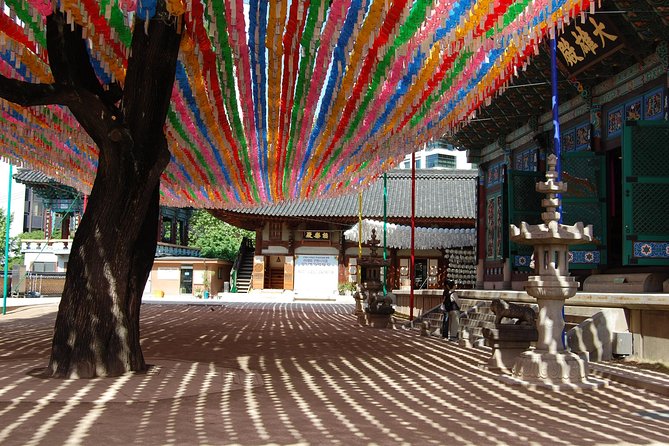
The coach then takes you to Jogyesa Buddhist Temple, the chief temple of the Jogye Order of Korean Buddhism.
The temple is known for the locust and baeksong trees at its entrance and the Daeungjeon, or main hall. The itinerary describes an enlightened Buddha inside the hall and notes that the temple’s history reaches back roughly 500 years.
This is a very short stop, listed at about two minutes. That makes it more of a quick introduction than a proper temple visit. You might have time to see the entrance and receive a short explanation, but you should not expect a long period for quiet observation or detailed architecture.
Even so, Jogyesa changes the rhythm of the morning. After the formal royal setting of Gyeongbokgung, the temple offers a glimpse of Korea’s Buddhist tradition in an urban Seoul setting.
Traditional Korean lunch in the middle of the day
Lunch takes about one hour at a traditional Korean restaurant. It is included in the tour price, which simplifies the day and keeps the group moving.
The meal has been a highlight for many people, especially when served in a picturesque setting. I see this as one of the tour’s better practical choices. You get a chance to try Korean food without spending part of your limited sightseeing time choosing a restaurant or translating a menu.
The supplied information does not specify the exact dishes, so you should not book expecting a particular meal. Tell the operator about dietary requirements when you reserve. The tour asks for this information in advance, which is especially important if you need a carefully planned meal.
Lunch also gives you a needed break. The morning includes walking through palace grounds and museum spaces, and the afternoon continues at the folk village. Use the meal to rest rather than rush through it.
The ginseng center and the tour’s weak link
Before or around lunch, the coach stops at a Korean Ginseng Center for about 30 minutes. You hear about Korea’s ginseng industry and have the chance to buy ginseng products.
This is the least convincing part of the heritage program. A short explanation of an important Korean health product could be useful, but a retail stop does not offer the same cultural value as a palace, museum, or temple.
The concern is not simply shopping. The stop can take time away from the sights, and some people have felt pressure to purchase. Other departures have included red pine presentations or amethyst factory visits, so you should be prepared for the possibility of an additional commercial stop, even though the core itinerary specifically names ginseng.
If you do not want to buy anything, you can listen, look around, and decline politely. I would not count on this portion as sightseeing. It is one reason the tour may feel shorter than its advertised 8.5 hours in terms of actual guided exploration.
Korean Folk Village: crafts, customs, and a recreated past
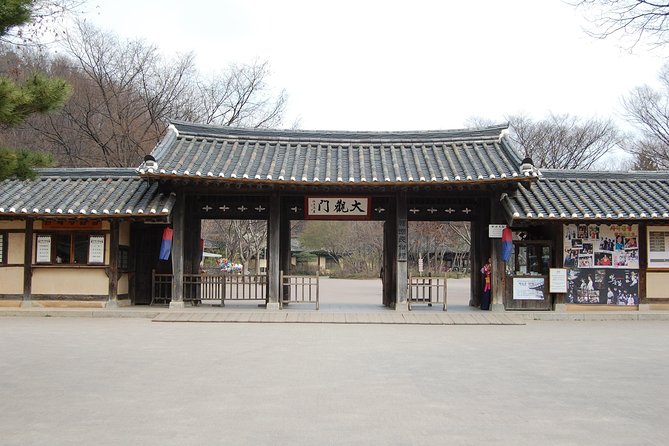
The afternoon ends at the Korean Folk Village, with about one hour and 20 minutes to explore.
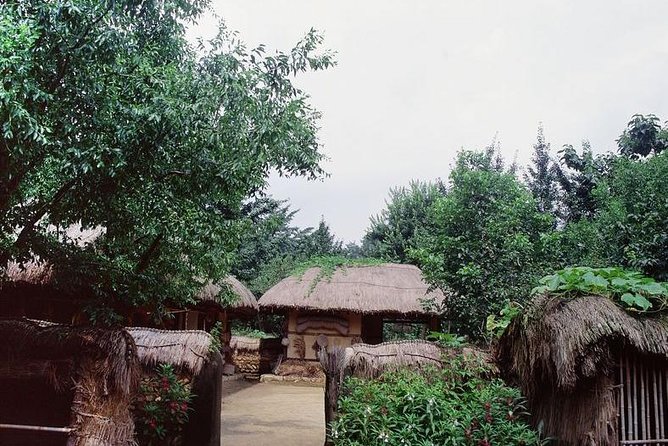
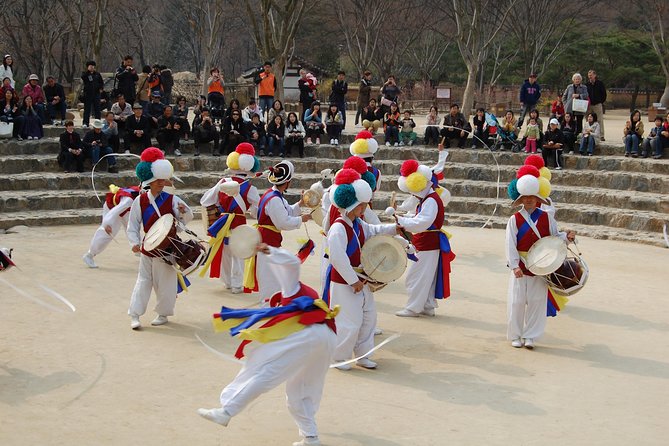
This site presents traditional Korean life and folk culture through preserved or recreated buildings, craft demonstrations, and staged displays. You may see pottery making, basket weaving, embroidery, and the production of musical instruments, winnows, and items made from bamboo, wood, and brass.
The appeal is easy to understand. Instead of only looking at old buildings, you see traditional skills represented through objects and demonstrations. The village gives you a broader sense of how work, tools, and craft shaped rural life.
But set your expectations correctly. This is a living museum and cultural attraction, not a village where traditional life has continued without interruption. One practical description compared it to a reconstructed village or amusement-park-style site, and that comparison is useful. Families and first-time visitors may find it engaging, while visitors seeking untouched rural Korea may find it artificial.
The afternoon can also feel better paced than the morning. Some departures have had fewer English-speaking participants, allowing the guide to tailor the visit and adjust the route. If you are lucky enough to be in a very small subgroup, you may receive more personal attention.
You will still want to follow the meeting time carefully. The grounds combine walking, demonstrations, and open viewing areas, so it is easy to linger and lose track of the group.
Guides, group size, and the language factor
The tour requires at least four people and accepts a maximum of 10. That small stated maximum can make a big difference. A guide can answer questions more easily, keep the group together, and sometimes adjust the pace.
The strongest experiences depend on the guide. Sunny and Winnie have been praised for excellent English and useful explanations of Korean culture. David has been noted for keeping the group informed, while Dora and Michelle have been described as especially helpful and engaging.
The weaker reports point to two practical problems: rushed walking and guides who speak too softly. One guide reportedly needed a voice amplifier, and another morning group felt it was sprinting between stops. You can protect yourself somewhat by staying near the guide, asking for clarification, and speaking up if you cannot hear.
The tour may also use different guides for the morning and afternoon. That can work well if each guide has a clear specialty, but it can make the day feel uneven. A strong morning guide may be followed by a less polished afternoon, or the reverse.
Coach transport and the physical demands
Hotel pickup and drop-off are included, and transport is by air-conditioned coach. That is valuable in Seoul, where traffic and distance can make a multi-stop day tiring by public transport.
The exact pickup time can vary by hotel, but the listed start time is 8:30 a.m. The coach first drives past the Blue House, the executive office and official residence of South Korea’s head of state, before reaching the palace area.
Expect a moderate amount of walking. You will cross palace grounds, enter museum spaces, visit a temple, walk through the folk village, and move between the coach and each stop. Comfortable walking shoes are not optional advice here.
Most people can participate, but this is not a seated sightseeing day. If you prefer a slow pace, need frequent rest, or want long museum visits, an independent itinerary may suit you better.
Who should book this Seoul heritage day
I would choose this tour if you have one open day in Seoul and want a broad introduction without managing transport, tickets, meals, and timing yourself.
It suits first-time visitors, history fans, families who prefer a guide, and anyone who wants both palace architecture and traditional crafts. It is also useful early in your stay, since it gives you cultural context for later independent visits.
I would be more cautious if you have already toured Seoul’s major palaces, strongly dislike shopping stops, or want to spend half a day at one museum. The Folk Village is also best for people who accept a reconstructed cultural setting rather than expecting an untouched historic settlement.
At $140, I think the tour earns its price when you use the transport and guiding fully. The package covers lunch, admissions, hotel transfers, and a full day of organized sightseeing. The value drops if commercial stops take up too much of your day or if the guide provides only brief explanations.
Should you book it?
Book this tour if you want an efficient first look at Seoul’s royal, religious, domestic, and craft traditions. Gyeongbokgung, the included lunch, and the small-group format are the strongest reasons to go.
Before booking, check the day of the week, accept that Gyeongbokgung changes to Deoksugung on Tuesdays, and recognize that the ginseng stop is part of the experience. If you can tolerate that compromise, this is a useful one-day introduction to Seoul’s older traditions. If you want a slower and more authentic-feeling day, build your own palace and museum route instead.
FAQ
How long is the Korean Heritage Tour?
The tour lasts approximately 8 hours and 30 minutes, including hotel pickup, sightseeing, lunch, and the return transfer.
What time does the tour start?
The listed start time is 8:30 a.m., with pickup from your Seoul hotel.
Is hotel transportation included?
Yes. Hotel pickup and drop-off are included, with transportation provided by an air-conditioned coach.
Is lunch included?
Yes. A traditional Korean lunch at a local restaurant is included in the tour price.
What happens if Gyeongbokgung Palace is closed?
Gyeongbokgung is closed on Tuesdays. On those days, the tour visits Deoksugung Palace and the Seoul Museum of History instead.
How much walking is involved?
A moderate amount of walking is involved at the palaces, museum, temple, and Korean Folk Village. Comfortable walking shoes are recommended.
What is the maximum group size?
The tour requires a minimum of four people and has a maximum of 10 participants.
Can I request a special diet?
Yes. You should advise the operator of specific dietary requirements when booking.
Can I cancel for a full refund?
Yes, if you cancel at least 24 hours before the experience start time. Cancellations made less than 24 hours in advance are not refunded, and late changes are not accepted.
Just added in Seoul
- Seoul: Korean & English Language Exchange Global Party★ 5.0 · 28 reviews
- Your Personal Seoul Photographer!★ 4.1 · 15 reviews
- You’re Invited to Our Home in Seoul: The Only Cooking Class!★ 5.0 · 8 reviews
- From Seoul: Yongpyong Ski Day Tour with Transportation★ 4.9 · 40 reviews
- From Seoul: Hwacheon Ice Fishing and Lighting Festival Tour★ 4.5 · 4 reviews
- Seoul: Gangneung BTS K-Pop & K-Drama Filming Locations Tour★ 4.6 · 14 reviews
- Unique Native Experience : Han River Picnic, Board game, BBQ★ 5.0 · 3 reviews
- Seoul: Euljiro Gastroventure Tour★ 4.0 · 1 review
Palace Tours, compared.
Gyeongbok Palace, Bukchon Village, and Gwangjang Tour
Read our review →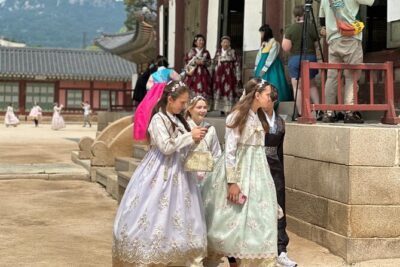
Best Seoul City Tour (Gyeongbokgung Palace,Insadong,Namsan Tower)
Read our review →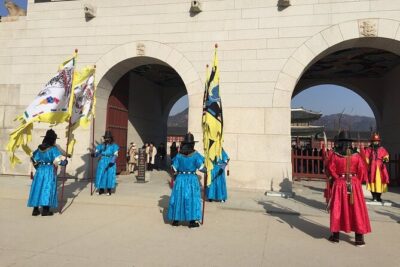
Small-Group Royal Palace and Seoul City Tour (hotel pick-up)
Read our review →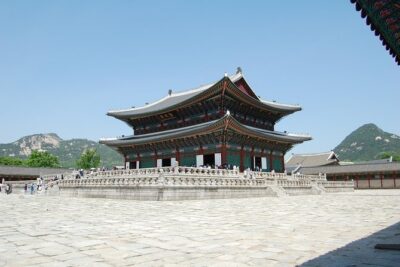
Seoul City Sightseeing Tour Including Gyeongbokgung Palace, N Seoul Tower, and Namsangol Hanok Village
Read our review →Gyeongbok Palace, Bukchon Village, and Gwangjang Tour
Read our review →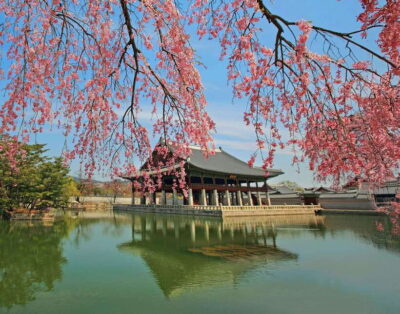
Seoul Highlights: Gyeongbok Palace, Insadong & N Seoul Tower
Read our review →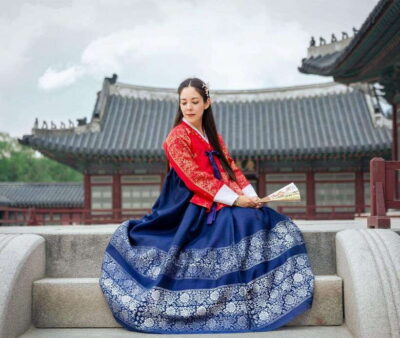
Seoul City Half Day Tour-Gyeongbok Palace Guard Changing Ceremony
Read our review →Browse the lists this tour appears in