
Reviewed · PALACE TOURS
Korean Palace and Temple Tour in Seoul: Gyeongbokgung Palace and Jogyesa Temple
Seoul’s past fits neatly into one morning. This 3.5-hour cultural tour links Gyeongbokgung Palace, the National Folk Museum, and Jogyesa Temple, giving you a useful first look at royal Korea, everyday customs, and Buddhist practice. Hotel pickup, an English-speaking guide, admission, and air-conditioned transport make it an easy choice when you want the main sights without sorting out the route yourself.
I especially like the palace visit, where guides such as AJ, Katie, Grace, Chloe, and Charles have brought Joseon-era life into focus with clear stories and good humor. I also like the small Jogyesa Temple stop, especially when worshippers are present and the temple feels like a working place of faith rather than a museum. The main drawback is the 30-minute ginseng shopping stop, which several visitors found sales-oriented and out of the way.
In This Review
- Key points to know before booking
- What this half-day Seoul tour really offers
- Starting with Seoul’s royal heart
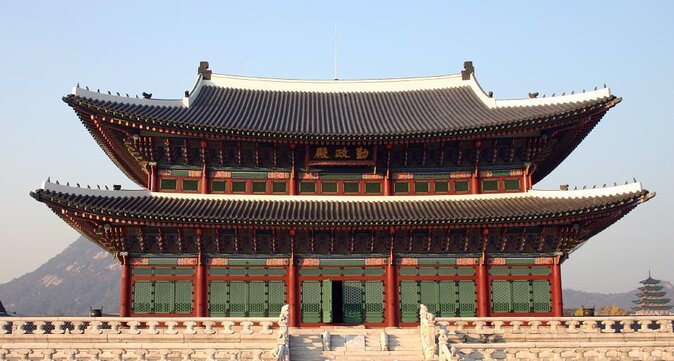
- Gyeongbokgung Palace in one focused hour
- A quick look inside the National Folk Museum
- Jogyesa Temple and living Buddhism
- The ginseng center: useful context, awkward shopping
- Ending at City Hall, not back at your hotel
- How the guides shape the experience
- Who should book this Seoul experience?
- Should you book the palace and temple tour?
- FAQ
- What is included in the tour price?
- How long does the tour last?
- What time does the tour start?
- Does the tour include hotel drop-off?
- How much walking is involved?
- Is the National Folk Museum included?
- Does the tour include a shopping stop?
- How many people can join the tour?
Key points to know before booking
- Gyeongbokgung takes center stage: You get about an hour in Seoul’s largest royal palace, with admission included.
- The tour covers three sides of Korean culture: Royal life, ordinary household customs, and Zen Buddhism all appear in one morning.
- Hotel pickup saves time: You begin at about 8:30 a.m. in an air-conditioned vehicle rather than making your own way across Seoul.
- The museum visit is brief: Twenty minutes offers a useful introduction, but not enough time for a full museum visit.
- Expect a ginseng sales stop: This is part of the schedule, not an optional extra, and it can feel like a hard sell.
- The pace is brisk: You see a lot in a short time, but the tour is not designed for lingering at every exhibit.
What this half-day Seoul tour really offers
At $40 per person, this is priced as a convenient orientation tour rather than a slow, specialist history lesson. You are paying for hotel pickup, a guide, shared transport, and admission to Gyeongbokgung Palace. That package can be good value if your time in Seoul is limited or if you prefer having the route and historic setting explained as you go.
The tour has a maximum group size of 20. That is large enough to keep the price moderate, but small enough for a guide to keep an eye on the group. Several guides have received especially warm praise for keeping everyone together, answering questions, taking photos, and adding humor without losing control of the schedule.
The quality of the morning depends partly on the guide assigned to you. AJ has been praised for making royal history easy to picture, while Katie, Grace, Chloe, Lizzy, Jun, David, Rebecca, and others have been described as friendly, helpful, and clear. The repeated theme is strong guide service, though one person felt the historical explanation was too light. If you want every architectural detail explained, you may find the tour too quick. If you want a friendly introduction, the format works well.
More Temple Visits in Seoul
- Seoul: Mt Seorak + Naksansa Temple or Nami Island Group Tour
★ 4.7 · 422 reviews - Best Things to Do – Half Day Seoul Trip (Seoul Palace & Temple)
★ 5.0 · 190 reviews - Mount Seorak and Naksansa Temple One Day Tour from Seoul
★ 4.5 · 167 reviews
Starting with Seoul’s royal heart
Pickup begins in the morning, with the listed start time at 8:30 a.m. You are collected from your Seoul hotel and driven through the city in an air-conditioned vehicle. Hotel pickup is useful here because Seoul is spread out, and an early start helps you reach the palace before the day gets too crowded.
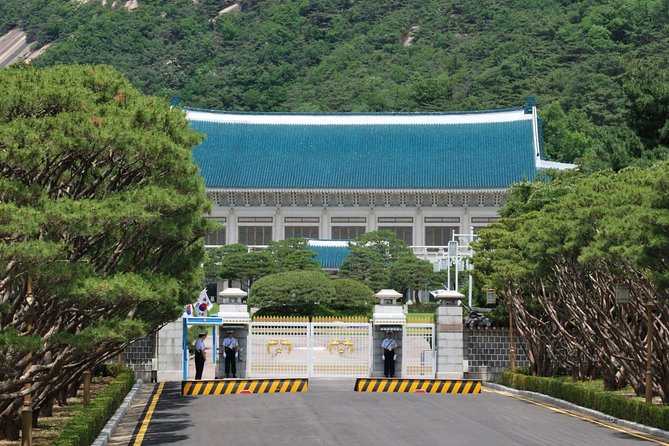
On the way, the vehicle passes the Blue House, or Cheongwadae. It served as the executive office and residence of South Korea’s president. The pass-by is brief, so think of it as a city landmark viewed from the vehicle, not a full visit.
The ride also gives your guide a chance to introduce Seoul and set the scene for the palace. Since the tour later ends at Seoul City Hall rather than returning you to your hotel, you can continue sightseeing from central Seoul after the morning ends. That arrangement is useful if you plan to spend the rest of the day downtown, but less convenient if you expect a ride back to your accommodation.
Gyeongbokgung Palace in one focused hour
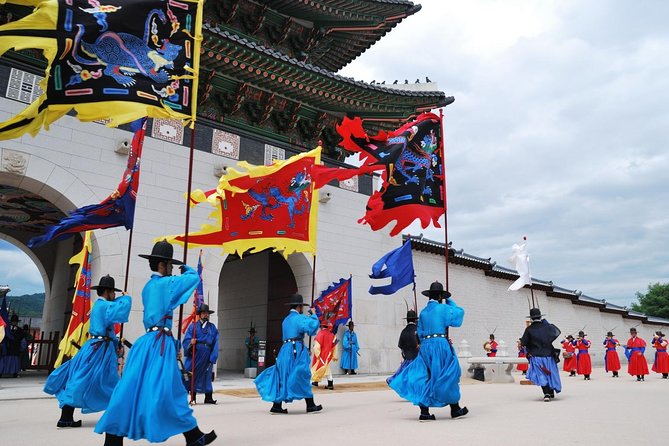
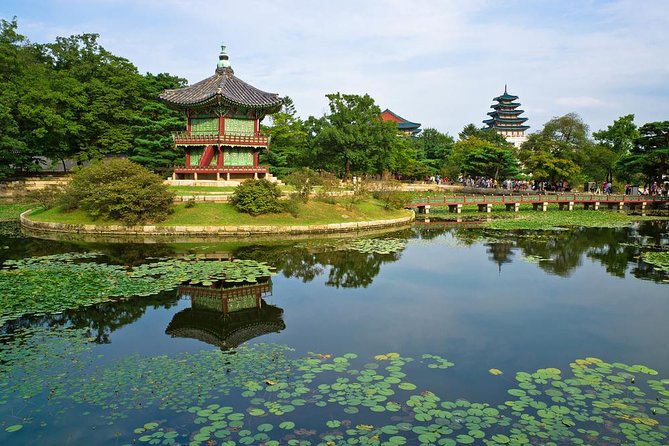
Gyeongbokgung Palace was the main residence of the royal family during the Joseon Dynasty. It is the largest of Seoul’s Five Grand Palaces, and the scale of the compound helps you understand the reach of the royal court better than a quick exterior photograph ever could.
You spend about one hour here, exploring on foot with admission included. That hour is enough to see the principal areas and gain a sense of the palace layout, but it is not enough for every courtyard, hall, and exhibit. Wear comfortable shoes, since a moderate amount of walking is involved.
The best guides do more than point at buildings. AJ, for example, has been praised for helping visitors picture royal life and notice details they might otherwise pass by. Grace has been praised for explaining palace history in a pleasant, easy way. That kind of storytelling matters because a palace can otherwise become a succession of roofs, gates, and courtyards.
Some groups begin at the rear of the palace and work toward the front gate. One guide timed the route to reach the front in time for the changing of the guard. This can be a nice bonus, but it also shows why the pace may vary. If the itinerary is changed, the remaining stops can feel rushed, so keep an eye on the schedule and ask your guide how much time remains.
The palace is the strongest part of the tour for most people. You get the grandest historic setting, the clearest link to royal Korea, and the most time to walk around. If you have only one morning for Seoul’s older sights, this is the stop that makes the booking worthwhile.
A quick look inside the National Folk Museum
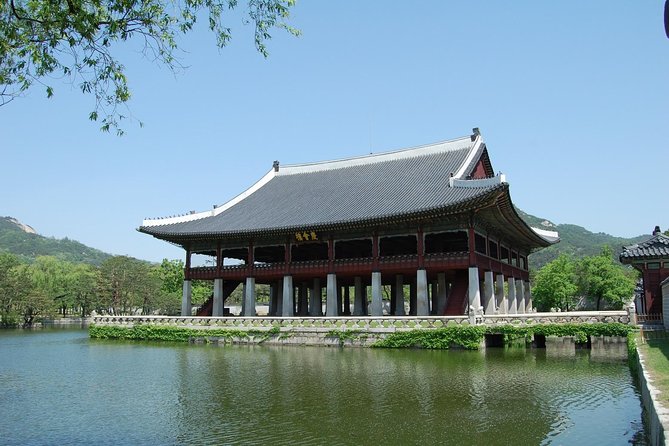
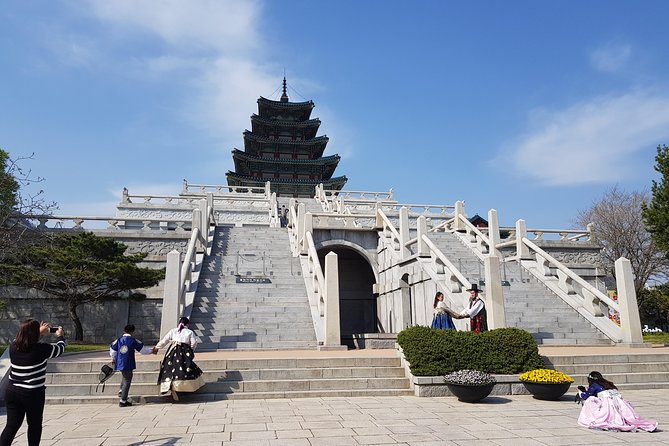
The National Folk Museum of Korea sits within the Gyeongbokgung compound, making it an efficient addition to the palace visit. The museum focuses on how Koreans lived from ancient times to the present, including customs and everyday traditions.
You have about 20 minutes here. That is enough for a guided introduction and a few key displays, but you should not expect a full museum visit. If you enjoy household history, ceremonies, clothing, and the practical details of daily life, you may wish you had more time.
Still, this short stop adds something important. Gyeongbokgung shows the world of the court, while the Folk Museum shifts attention toward ordinary life. That contrast gives the morning more range than a palace-only tour.
The museum also offers a useful break from outdoor walking. On a rainy morning, this indoor visit can help keep the day comfortable. One guide, Rebecca, was praised for making the museum exhibition interesting despite heavy rain and for answering questions along the way.
More Palace Tours in Seoul:
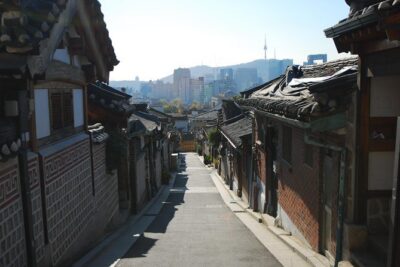
- Seoul: Gyeongbok Palace, Bukchon Village, and Gwangjang Tour
★ 4.9 · 2,321 reviews - Best Seoul City Tour (Gyeongbokgung Palace,Insadong,Namsan Tower)
★ 5.0 · 1,647 reviews - Small-Group Royal Palace and Seoul City Tour (hotel pick-up)
★ 5.0 · 1,474 reviews - Seoul City Sightseeing Tour Including Gyeongbokgung Palace, N Seoul Tower, and Namsangol Hanok Village
★ 5.0 · 1,423 reviews
Jogyesa Temple and living Buddhism
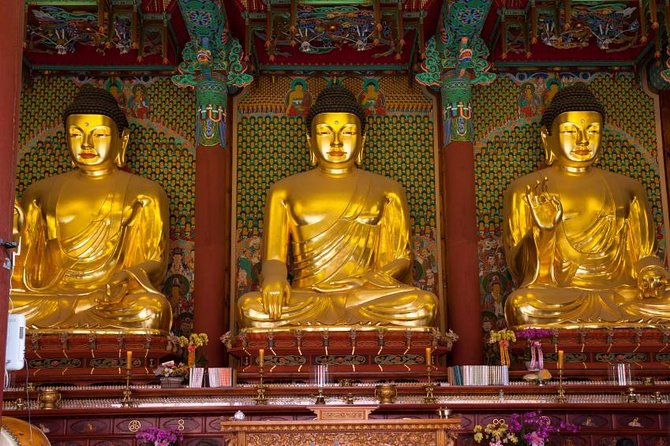
Jogyesa Temple is described as a leading temple for Zen Buddhism in Korea. The visit lasts about 20 minutes, so you will not have time for a long meditation session or an extended look at every feature. What you do get is a compact introduction to Buddhism’s place in Korean culture and a chance to see an active religious site in central Seoul.
The mood here differs sharply from Gyeongbokgung. The palace explains the structure of royal power. Jogyesa offers a glimpse of personal devotion and community practice. If prayers are taking place, the atmosphere can feel especially moving. One account describes arriving while a prayer leader was present and people were participating, which made the visit more than a simple photo stop.
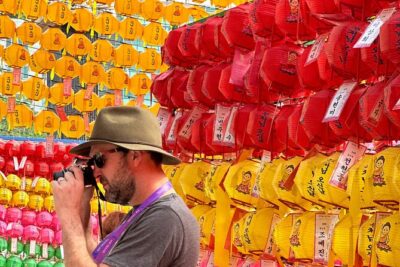
Seasonal or ceremonial decorations can also make the temple especially photogenic. Floral offerings have added bright color to the grounds at certain times. Your guide can help explain what you are seeing, which is valuable because temple details may not be self-explanatory.
Be respectful and follow your guide’s instructions. This is a functioning place of worship, not only a sightseeing stop. The short visit may leave you wanting more time, but it gives you a useful first encounter with Buddhist practice in Seoul.
One unusual point is that the order can change. Some groups visit Jogyesa before Gyeongbokgung, while the planned route places it later. A change is not automatically a problem, but one person felt an altered order made the rest of the morning rushed. Ask about the day’s timing if seeing the palace at a particular hour matters to you.
The ginseng center: useful context, awkward shopping
The tour includes a 30-minute stop at a ginseng center. It is described as a shopping center, and this is the part you should understand clearly before paying.
You may learn about Korean ginseng and its place in local commerce, but the stop can feel like a sales presentation. Some people found the information interesting, while others felt uncomfortable with the pressure to buy. One person considered the hour spent reaching the center a waste, while another called the stop the only weak part of an otherwise enjoyable morning.
The practical advice is simple: go in knowing that purchasing is not the reason you booked the tour. Listen if the subject interests you, but do not feel obligated to buy. If you would rather spend every minute at historic sites, this scheduled stop reduces the value of the tour.
It also explains why the $40 price needs a little thought. The cost is fair for a guided palace and temple visit with transport and admission, but the shopping stop uses about half an hour of a short morning. If you value convenience, that tradeoff may be acceptable. If you want a strictly cultural tour, it may bother you.
Ending at City Hall, not back at your hotel
After the ginseng center, the vehicle takes you to Seoul City Hall. Hotel drop-off is not included. This is worth planning around, especially if your hotel is far from central Seoul or if you have luggage waiting elsewhere.
The ending can work in your favor. City Hall puts you in a central part of Seoul, so you can continue your day after the tour instead of returning to your hotel and losing more time. It is also a sensible place to end if you plan to explore nearby sights, shops, or restaurants.
The tour includes no food or drinks, so eat beforehand or bring what you need. Since the morning includes walking, palace grounds, and several vehicle transfers, comfortable shoes are a must.
How the guides shape the experience
The guide is the key variable. The most praised guides have combined historical detail with practical care. AJ has been described as funny, energetic, and warm, while also keeping the group together and offering recommendations. Katie has been praised for organization, punctuality, picture-taking, and good spirits. Lizzy was noted for being kind and helpful, and Jun for patience and strong English.
That pattern suggests a tour where the human touch matters. A good guide turns a quick visit into a connected story: Joseon royal life at Gyeongbokgung, household traditions at the museum, and Buddhist practice at Jogyesa.
The weaker experience came when explanations felt thin or when changes to the order squeezed the schedule. You should not book this expecting a private guide who will linger over your favorite subject. You should book it for a structured introduction led by a guide who can make a busy morning run smoothly.
Who should book this Seoul experience?
I would choose this tour if you have a short stay in Seoul, want hotel pickup, or feel more comfortable seeing major sites with a guide. It suits first-time visitors who want context, older travelers who prefer vehicle transport between stops, and anyone who wants to combine a palace, museum, and temple without planning the details.
It is also a good first morning before adding other history-focused visits, such as a DMZ tour or the War Memorial of Korea. Those experiences cover different parts of Korea’s story, while this one focuses on royal tradition, daily life, and religion.
I would hesitate if you dislike shopping stops, want a quiet temple visit, or prefer spending several hours inside one museum. The 20-minute museum and temple visits are introductory, and the ginseng center is built into the schedule.
The tour is suitable for most people, but expect moderate walking and bring comfortable footwear. Group numbers can reach 20, and the timing is firm. Keep your morning flexible rather than planning a second activity immediately afterward.
Should you book the palace and temple tour?
Book it if you want a well-organized cultural sampler and value pickup, transport, admission, and a guide for $40. Gyeongbokgung is the main prize, Jogyesa adds a different side of Seoul, and the Folk Museum helps connect royal history with ordinary life.
Skip it if the ginseng stop would spoil your morning or if you already know Seoul’s palaces and temples well. For a first visit, though, the tour offers a practical introduction, and a strong guide can make the short stops feel far more meaningful than visiting alone.
FAQ
What is included in the tour price?
The price includes hotel pickup, a local guide, transport in an air-conditioned vehicle, and admission fees.
How long does the tour last?
The tour lasts approximately 3 hours and 30 minutes.
What time does the tour start?
The listed start time is 8:30 a.m.
Does the tour include hotel drop-off?
No. Hotel pickup is included, but hotel drop-off is not. The tour ends at Seoul City Hall after the ginseng center stop.
How much walking is involved?
A moderate amount of walking is involved, especially at Gyeongbokgung Palace. Comfortable walking shoes are recommended.
Is the National Folk Museum included?
Yes. The museum is visited within the Gyeongbokgung compound, with about 20 minutes allocated to the stop. Admission is free.
Does the tour include a shopping stop?
Yes. The schedule includes a 30-minute visit to a ginseng center. This is a shopping stop and may include a sales presentation.
How many people can join the tour?
The tour can have a maximum of 20 participants.
Just added in Seoul
- Seoul: Korean & English Language Exchange Global Party★ 5.0 · 28 reviews
- Your Personal Seoul Photographer!★ 4.1 · 15 reviews
- You’re Invited to Our Home in Seoul: The Only Cooking Class!★ 5.0 · 8 reviews
- From Seoul: Yongpyong Ski Day Tour with Transportation★ 4.9 · 40 reviews
- From Seoul: Hwacheon Ice Fishing and Lighting Festival Tour★ 4.5 · 4 reviews
- Seoul: Gangneung BTS K-Pop & K-Drama Filming Locations Tour★ 4.6 · 14 reviews
- Unique Native Experience : Han River Picnic, Board game, BBQ★ 5.0 · 3 reviews
- Seoul: Euljiro Gastroventure Tour★ 4.0 · 1 review
Palace Tours, compared.
Gyeongbok Palace, Bukchon Village, and Gwangjang Tour
Read our review →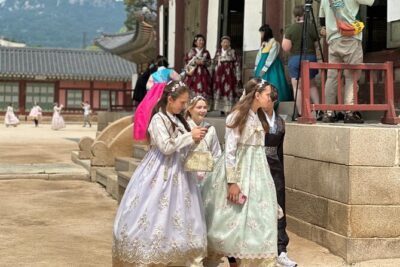
Best Seoul City Tour (Gyeongbokgung Palace,Insadong,Namsan Tower)
Read our review →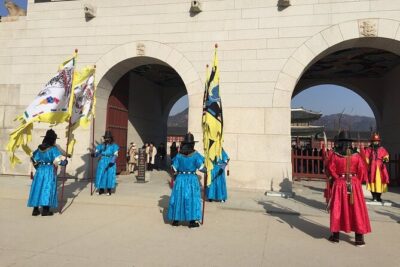
Small-Group Royal Palace and Seoul City Tour (hotel pick-up)
Read our review →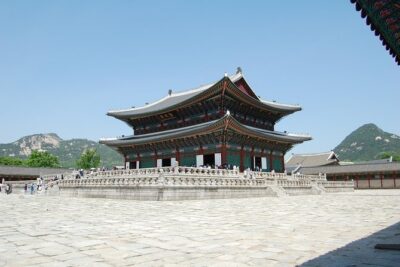
Seoul City Sightseeing Tour Including Gyeongbokgung Palace, N Seoul Tower, and Namsangol Hanok Village
Read our review →Gyeongbok Palace, Bukchon Village, and Gwangjang Tour
Read our review →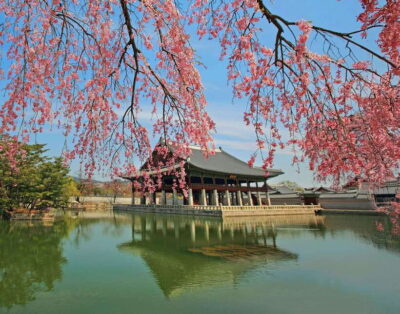
Seoul Highlights: Gyeongbok Palace, Insadong & N Seoul Tower
Read our review →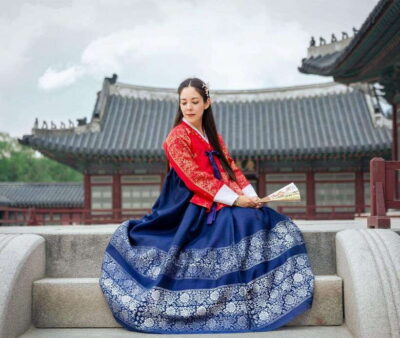
Seoul City Half Day Tour-Gyeongbok Palace Guard Changing Ceremony
Read our review →Browse the lists this tour appears in