
Reviewed · HIKING & TREKKING
Private Hiking to Bukhansan & Korean Style Spa(Include Lunch)
Trade city noise for mountain air. This private Seoul outing pairs a two-hour hike in Bukhansan National Park with a thousand-year-old Buddhist temple, a local Korean lunch, and a traditional sauna. I like the personal guide service and the unusual mix of exercise, culture, food, and rest. The main thing to know is that easy does not mean flat: parts of the trail are rocky, steep, and stair-filled.
I also like that the route can be adjusted to suit your group, and guides such as Benny, Jimmy, Sophia, Andy, and Chance Kim have earned strong praise for their conversation and care. The private format makes this especially appealing for solo visitors and families, though the $182 price is a serious spend for a seven-hour day.
In This Review
- At a glance: what makes this day different
- Why Bukhansan works so well from Seoul
- The Gugi-dong trail: short does not mean effortless
- Seunggasa: a quiet temple with an unusual story
- Korean lunch near the mountain
- Finishing at a Korean-style sauna
- Guides make or break the private format
- Is $182 a fair price?
- Who should book this day?
- My practical verdict
- FAQ
- How long does the Bukhansan and spa tour last?
- Is this a private tour?
- Where does the hike take place?
- How difficult is the hike?
- What should I wear?
- Are children allowed?
- Is lunch included?
- What does the Korean sauna involve?
- Can I cancel for a refund?
At a glance: what makes this day different
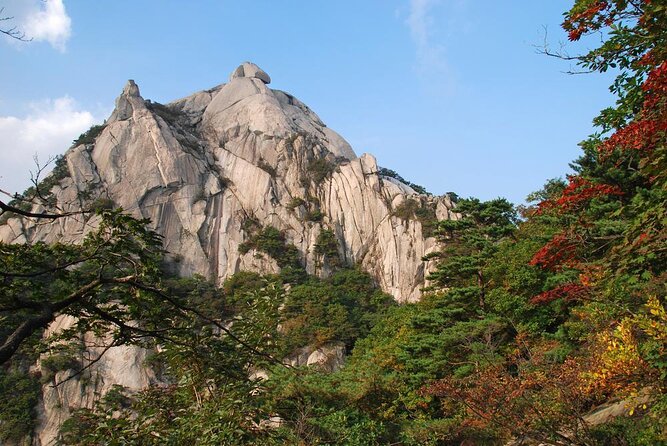
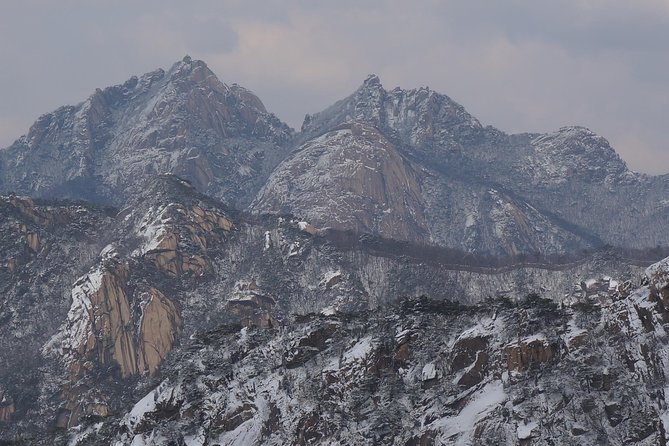
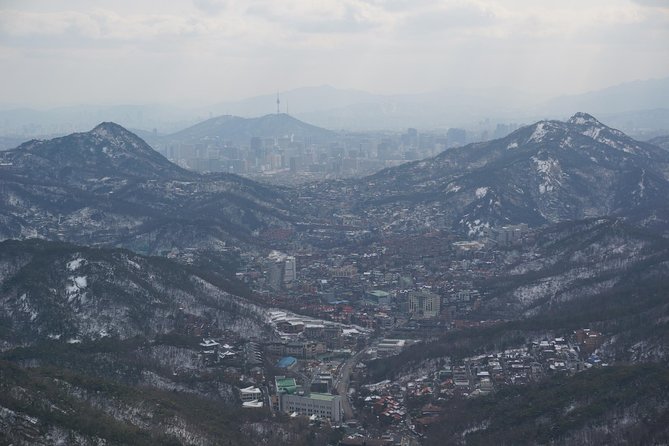
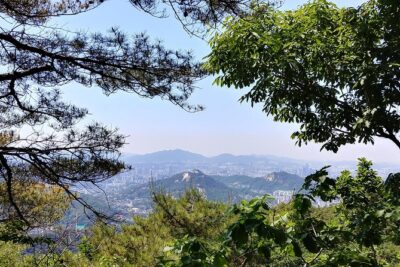
- A real mountain break from Seoul: Bukhansan gives you forest, rock, temple grounds, and distant city views without leaving the capital.
- Seunggasa Buddhist temple: This historic temple has around 1,000 years of history and is known for its resident women monks.
- Private pacing: Only your own group joins, so the guide can adjust the route and walking speed.
- Local Korean meal: Lunch takes place at a restaurant near Bukhansan, with guides helping match the meal to your preferences.
- Jjimjilbang-style finish: The Korean sauna offers a distinctly local way to relax after the hike.
- A moderate workout, not a stroll: Past descriptions range from roughly three miles to a two-hour walk, with about 600 feet of elevation gain and some difficult footing.
Why Bukhansan works so well from Seoul
Seoul is a huge city, but mountains press close to its neighborhoods. Bukhansan National Park lets you see that contrast in one morning. You begin with hotel pickup and air-conditioned transport, then trade traffic and towers for trees, stone paths, and mountain air.
The selected route is the Gugi-dong course, a popular way for Koreans to hike Bukhansan. That matters because you are not being taken to a purely staged sightseeing stop. You are following a path used for ordinary weekend exercise and local outdoor life.
The experience is private, so you do not have to keep pace with a large bus group. A guide can stop to explain a plant, point out a view, or give you a breather without holding up 30 other people. For a solo visitor, that personal attention can make the outing feel more comfortable. For a family, it means the day can be handled at a sensible pace.
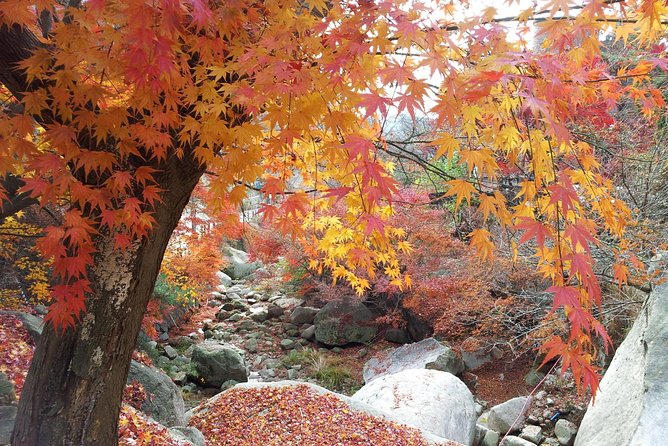
The setting changes with the weather and season. One visitor who hiked in winter appreciated the guide’s attention to safety, while another found the summer heat made water especially important. You should treat the mountain seriously in any season, even though the route is marketed as relatively easy.
More Hiking Tours in Seoul
- Seoul: Guided City Wall Sunset Hike with Korean Dinner
★ 4.9 · 227 reviews - Private Hiking tour to Bukhansan Peak(Baegundae: 836.5m) with Mountain Expert
★ 5.0 · 113 reviews - Fortress Night Hike & Snack at a Local Market
★ 5.0 · 112 reviews
The Gugi-dong trail: short does not mean effortless
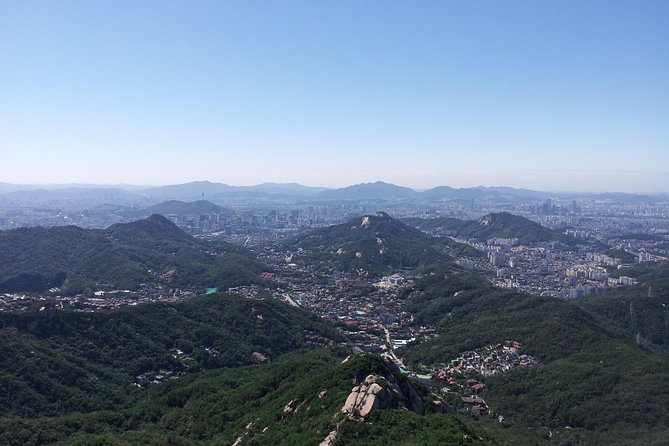
The walking portion lasts about two hours. Descriptions place the full hike at around three miles, with about 600 feet of elevation change. That is a manageable outing for many people, but the surface and incline can make it feel harder than the numbers suggest.
Expect rocks underfoot, uphill sections, and stairs in places. One account described the ascent as fairly steep and the descent as partly along a roadway. Another specifically recommended hiking boots because of the trail conditions. Comfortable walking shoes may be enough for dry weather, but sturdy shoes give you better support and confidence.
I would call this a moderate hike with an easygoing pace, not a beginner’s nature walk. You need a moderate level of fitness, and children must be over eight and accompanied by an adult. If you can comfortably walk for two hours and handle hills, you are likely a reasonable candidate. If stairs, uneven rocks, or heat are a problem, ask about the gentler route before setting out.
The private arrangement helps here. Sophia has adjusted the route for beginner and intermediate hikers, while other guides have kept the road less demanding for their groups. That does not remove the uphill work, but it can make the difference between a pleasant challenge and a miserable one.
Bring water, wear comfortable clothing, and choose shoes for walking rather than city fashion. The supplied information does not list equipment, water, or snacks as included, so plan to carry what you need for the hike.
Seunggasa: a quiet temple with an unusual story
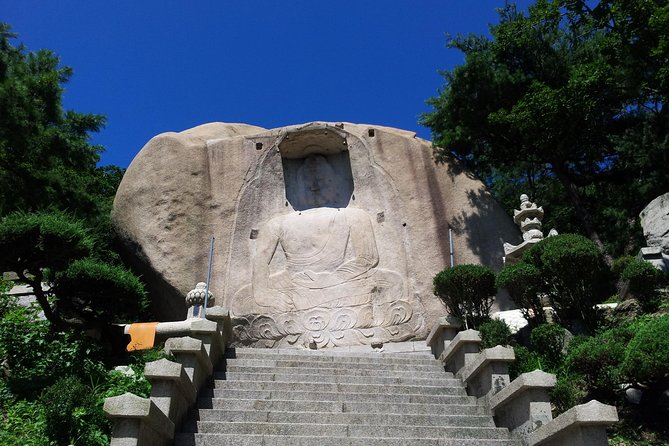
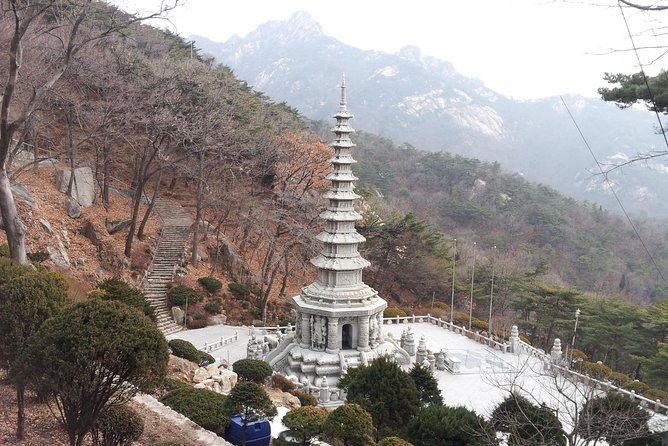
The trail leads to Seunggasa, a Buddhist temple with roughly 1,000 years of history. The temple is not just a photo stop at the end of a climb. Your guide explains Korean Buddhism, the site’s past, and the fact that only women monks stay at the temple.
That detail gives the visit a more personal focus than a quick look at temple roofs and statues. Guides have also used the walk to explain plants, mountain features, Korean history, religion, and daily life. The best part of a private tour here is having someone translate what you are seeing into a story you can follow.
The temple setting also gives you a calm pause after the uphill section. You can take in the architecture and the quiet before returning down the mountain. Several guides have been praised for making the temple visit feel meaningful rather than rushed.
Keep in mind that this is still a working Buddhist site, not simply an attraction. Follow your guide’s instructions and behave respectfully around worshippers and temple buildings. The supplied information does not promise a particular ceremony or access to every area, so think of Seunggasa as a cultural visit along the hike, not a scheduled religious performance.
Korean lunch near the mountain
After the hike, the group heads to a local restaurant in the downtown area near Bukhansan. Lunch is included, which makes the $182 cost easier to assess, though the exact menu is not specified.
The meal is intended to be traditional Korean food rather than a standardized tourist buffet. Guides have helped visitors choose a restaurant based on what they wanted to eat, and several people singled out lunch as one of the day’s best parts. One guide recommended makgeolli, a traditional Korean rice alcohol, as an accompaniment. If you want to try it, ask your guide, but remember that it is alcoholic and not appropriate for everyone.
The meal gives you something a self-guided hike cannot easily provide: a local food stop with help ordering and choosing. You do not need to spend time guessing from an unfamiliar menu after working up an appetite on the trail.
Still, do not book this day expecting a fixed culinary tour. The restaurant and dishes can vary. The useful question is not whether you will receive a famous signature dish, but whether you value having a guide connect the hike with an ordinary Korean meal.
More spa and jjimjilbang visits in Seoul:
- Seoul: Sokcho beach, market, hot spring and Seorak Cable Car
★ 4.8 · 5 reviews - Premium Head Spa Scalp and Body Treatments Haesol Beauty Busan
★ 5.0 · 13 reviews - AQUAFIELD Spa and Indoor Waterpark Discount Ticket (내국인불가)
★ 3.5 · 2 reviews
Finishing at a Korean-style sauna
The final stop is a Korean-style sauna, often called a jjimjilbang. It is a practical ending after a mountain walk, and the change from exercise to soaking and rest gives the day a pleasing rhythm.
This is not the same as a private spa in the United States. The experience can involve communal bathing, and one account described being surprised by the body-scrub custom. Some bathhouse staff may ask customers about a scrub using gestures if they do not speak English. If that sounds unfamiliar, ask your guide what to expect before entering and only agree to services you want.
You should also be ready for a more open and local bathing culture than you may know at home. The available information does not spell out every sauna rule or facility detail, so your guide is your best source for instructions on the day.
For many people, this is the most memorable part of the outing. You finish with a distinctly Korean custom rather than a generic hotel massage. For others, it may feel outside their comfort zone. That is not a flaw, but it is a clear consideration when deciding if this experience suits you.
Guides make or break the private format
The tour’s strongest personal element is the guide. Names praised in the available feedback include Benny, Jimmy, Sophia, Andy, Chance Kim, and Mr. Kim. The exact guide is not guaranteed in the information provided, so do not book solely on the hope of receiving one particular person unless the operator confirms it.
Benny has been appreciated for stories about Korean history and pop culture, and for making solo visitors feel at ease. Jimmy has received praise for his conversation, humor, and ability to make a first-time visitor comfortable with the hike and sauna. Sophia has adjusted routes and explained plants and mountain features in a clear, friendly way.
Andy has been good at helping groups find a meal suited to their requests. Chance Kim has been praised for safety, including during a winter hike. Language ability may vary by guide, although English communication has been described positively in several cases. A German-speaking pair received extra language help, but you should confirm special language needs in advance rather than assume it is available.
There is also a warning worth taking seriously. One very low-rated experience described offensive political and personal comments from a guide, while the operator’s response was defensive and dismissive. Most of the supplied feedback is strongly positive, but this complaint shows why guide assignment and communication matter. If respectful conversation is important to you, state your expectations clearly when booking and contact the provider with any concerns.
Is $182 a fair price?
At $182 per person, this is not a cheap hike. You are paying for a private activity, hotel pickup, air-conditioned transportation, guiding, lunch, and the sauna visit. You also save the work of planning transport, selecting a route, finding Seunggasa, choosing a restaurant, and figuring out the bathhouse.
The value improves for a small private group. If you are traveling alone, the price buys comfort, company, and guidance in an unfamiliar setting. For a family or group of friends, the private format can feel more reasonable because the cost purchases an experience designed around your party rather than a seat on a large coach.
The value is weaker if you only want a short walk in nature. You can visit mountain areas independently for much less, but you would not receive the same combination of transport, interpretation, meal, and sauna support.
The tour is booked about 31 days ahead on average, which suggests you should not leave it until the final days of a Seoul visit if your schedule is tight. Free cancellation is available up to 24 hours before the start time. Changes or cancellations inside that window are not accepted for a refund.
Who should book this day?
I would recommend it to you if you want outdoor time but do not want to organize a mountain outing on your own. It suits solo visitors, couples, families with older children, and anyone curious about Korean food and bathing customs.
It is also a good choice if you enjoy conversation. Guides may discuss history, culture, religion, plants, pop culture, politics, and everyday Korea. The private setting gives you room to ask questions instead of listening to a fixed script.
You should think twice if you want a strenuous summit climb. The hike offers fine views and a worthwhile temple, but the published route is about two hours and relatively short. You should also reconsider if you dislike uneven trails, uphill walking, communal bathing, or trying foods selected at a local restaurant.
People with limited mobility may find the rocks, stairs, and elevation difficult. The information only states that a moderate fitness level is needed, so ask the provider about your specific needs before booking.
My practical verdict
This is one of the better ways to connect Seoul’s city life with Korea’s mountain culture in a single day. I like the thoughtful sequence: walk through Bukhansan, learn about Seunggasa, eat a local lunch, then recover at a Korean sauna.
The main caution is simple: do not arrive expecting a flat stroll or a private Western-style spa. Bring water, wear proper shoes, and be ready for a bathhouse experience that may feel unfamiliar. If you accept those points, the private format and strong guide involvement make this a worthwhile splurge for a first Seoul visit.
Book it if you want a personal day with nature, culture, food, and rest. Skip it if you prefer a low-cost independent hike or need a fully predictable menu and spa setting.
FAQ
How long does the Bukhansan and spa tour last?
The experience lasts approximately seven hours, including transportation, the hike, lunch, and the Korean-style sauna.
Is this a private tour?
Yes. Only your own group participates in the activity.
Where does the hike take place?
The hike follows the Gugi-dong course in Bukhansan National Park, a popular mountain route for Koreans.
How difficult is the hike?
It is described as a relatively easy, roughly two-hour hike, but other descriptions place it at about three miles with a 600-foot elevation change. You should expect rocks, uphill sections, and some stairs, so a moderate fitness level is needed.
What should I wear?
Wear comfortable clothing and walking shoes. Hiking boots may be useful because parts of the route can be rocky and steep.
Are children allowed?
Children over eight may participate, but they must be accompanied by an adult.
Is lunch included?
Yes. A traditional Korean lunch at a local restaurant near Bukhansan is included.
What does the Korean sauna involve?
The final stop is a traditional Korean-style sauna for relaxation after the hike. The experience can differ from a Western spa and may include communal bathing or an optional body scrub.
Can I cancel for a refund?
You can cancel at least 24 hours before the experience start time for a full refund. Cancellations or changes made less than 24 hours in advance are not accepted for a refund.
Just added in Seoul
- Seoul: Korean & English Language Exchange Global Party★ 5.0 · 28 reviews
- Your Personal Seoul Photographer!★ 4.1 · 15 reviews
- You’re Invited to Our Home in Seoul: The Only Cooking Class!★ 5.0 · 8 reviews
- From Seoul: Yongpyong Ski Day Tour with Transportation★ 4.9 · 40 reviews
- From Seoul: Hwacheon Ice Fishing and Lighting Festival Tour★ 4.5 · 4 reviews
- Seoul: Gangneung BTS K-Pop & K-Drama Filming Locations Tour★ 4.6 · 14 reviews
- Unique Native Experience : Han River Picnic, Board game, BBQ★ 5.0 · 3 reviews
- Seoul: Euljiro Gastroventure Tour★ 4.0 · 1 review
Hiking & Trekking, compared.
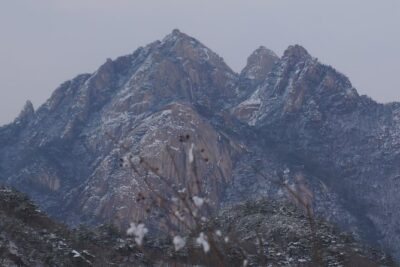
Guided City Wall Sunset Hike with Korean Dinner
Read our review →Private Hiking tour to Bukhansan Peak(Baegundae: 836.5m) with Mountain Expert
Read our review →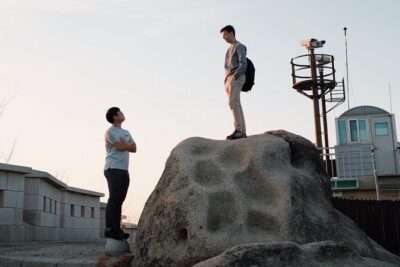
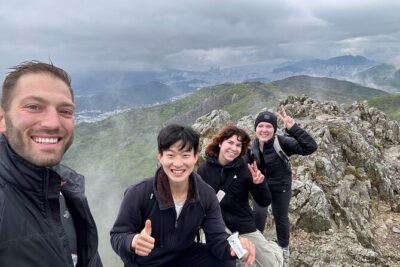
4-Hours Hiking and Tasting Rice Wine in the Mountain of Busan
Read our review →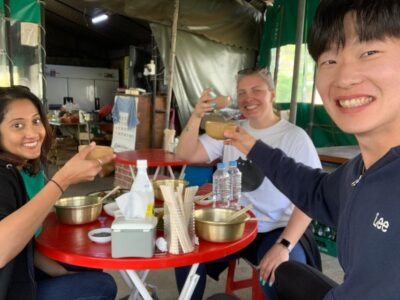
Hiking and Tasting Rice Wine in the Hidden Village
Read our review →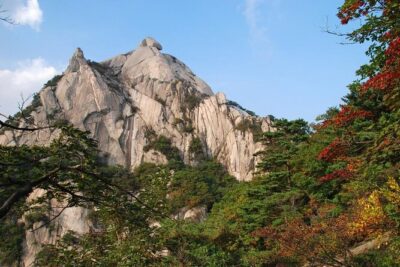
Seoul Mountain Hike: Temples, Folklore & Traditional Meal
Read our review →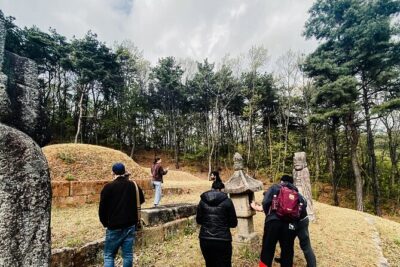
Browse the lists this tour appears in