
Reviewed · HIKING & TREKKING
Korean Cemetery and Folklore Trek
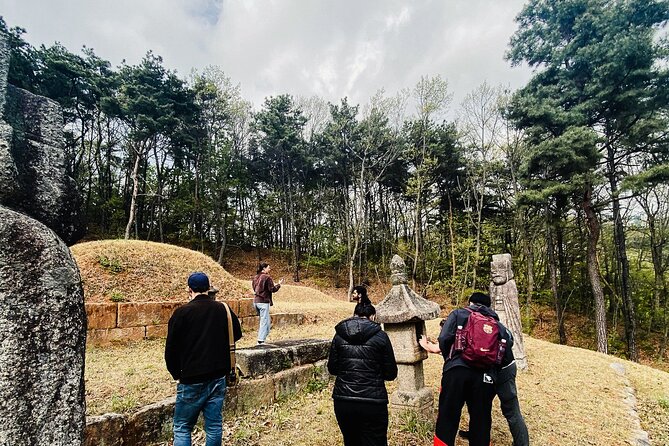
Quiet Korea waits beyond the city. This four-hour outing takes you from Seoul to Yongmi-ri Cemetery, where you can learn about Korean burial customs, local ideas about the afterlife, and old folktales in a peaceful mountain setting. It offers a side of Korea most short city visits never show.
I like the maximum group size of six, which gives the guide room to explain sensitive customs without turning the cemetery into a rushed photo stop. I also like that the public bus fare between the meeting point and cemetery is included, keeping the $66 price easier to understand. The main drawback is the narrow season: this tour runs only from September through November, and the walk requires moderate physical fitness.
This is not a standard sightseeing trip. You visit an active cemetery, so respect matters more than sightseeing speed. Guide Shawn receives especially warm praise for combining careful research with personal experience, giving the tour a more intimate feel than a basic cultural talk.
In This Review
- Key Points Before You Book
- Why This Cemetery Visit Feels Different
- Meeting at Samsong Station at 2:30 pm
- The Bus Ride and Change of Pace
- Entering Yongmi-ri Cemetery Respectfully
- Folklore, Burial Customs, and the Afterlife
- What Four Hours Really Gets You
- Is $66 a Fair Price?
- Who Will Enjoy This Walk Most?
- Practical Tips for a Better Visit
- Should You Book the Korean Cemetery and Folklore Trek?
- FAQ
- Where does the Korean Cemetery and Folklore Trek begin?
- What time does the tour start?
- Where does the tour finish?
- How long does the experience last?
- Is transportation included?
- What is the maximum group size?
- When does this seasonal tour operate?
- What happens if poor weather cancels the tour?
Key Points Before You Book
- Yongmi-ri Cemetery offers a rare look at living Korean customs, not a staged heritage site.
- Shawn brings personal insight and research to stories about burial traditions, folklore, and the afterlife.
- The group never exceeds six people, a real advantage in a quiet and sensitive place.
- The tour runs from September through November only, so your Seoul dates need to match the season.
- Bus fare is included, but the experience begins and ends at Samsong Station, not central Seoul.
- Moderate fitness is required, and the tour depends on suitable weather.
Why This Cemetery Visit Feels Different
Seoul can fill every hour with palaces, markets, towers, cafés, and shopping streets. This outing changes the pace completely. Instead of looking for another famous building, you spend time in a mountain cemetery and listen to stories about how Korean people understand death, remembrance, and the world beyond life.
That shift is the main reason I find this experience appealing. You are not simply collecting another view or monument. You are hearing about customs that still matter in Korean life, while walking through a place that remains active and meaningful to local families.
The cemetery is not presented as a museum. That distinction matters. You should expect a respectful visit rather than entertainment built around the dead. Your guide explains traditions and folklore while helping you understand why burial places are located and cared for in particular ways.
The setting also gives the experience its quiet power. Information about the cemetery is limited, but the tour takes place in the mountains away from central Seoul. You might find the calm more memorable than any single story. After a few days of busy streets and packed attractions, a slow walk with time for reflection can be a welcome change.
More Hiking Tours in South Korea:
- Seoul: Guided City Wall Sunset Hike with Korean Dinner
★ 4.9 · 227 reviews - Private Hiking tour to Bukhansan Peak(Baegundae: 836.5m) with Mountain Expert
★ 5.0 · 113 reviews - Fortress Night Hike & Snack at a Local Market
★ 5.0 · 112 reviews
Meeting at Samsong Station at 2:30 pm
The tour begins at Exit 8 of Samsong Station in Goyang-si, north of Seoul. The listed start time is 2:30 pm, and the activity ends back at the same meeting point after about four hours.
This arrangement is useful because you do not need to arrange a private car to reach the cemetery. Public bus fare between the meeting point and the cemetery is included, and the guide handles the route as part of the experience. You still need to get yourself to Samsong Station, so allow enough time to reach the station before the afternoon departure.
The meeting point also tells you something about the tour. This is not a hotel pickup or a polished coach excursion designed around central Seoul convenience. You are joining a small local outing that uses public transport. That makes the price more reasonable, but it also means you should treat the station as an important part of your planning.
I would avoid booking another fixed attraction immediately after the trek. The duration is approximately four hours, and public transport can make the timing less exact than a private vehicle. The tour ends at Samsong Station, not at the cemetery, so you have a clear return point for the rest of your evening.
The Bus Ride and Change of Pace
The included bus fare removes one small worry from the day. You do not need to figure out the cemetery transfer separately or pay extra for a local connection. More important, the public bus helps mark the change from city life to the quieter area around Yongmi-ri Cemetery.
The ride itself is part of the transition, though no detailed route or travel time is provided. I would not book this tour expecting a narrated bus sightseeing trip. The value is in reaching the cemetery with your guide, then spending the main portion of the afternoon on foot and in conversation.
There is no private transportation included. That is worth noting if you have mobility concerns, dislike public buses, or prefer a tightly controlled schedule. For most people with moderate fitness, the bus connection should be a practical part of the day rather than a problem.
Entering Yongmi-ri Cemetery Respectfully
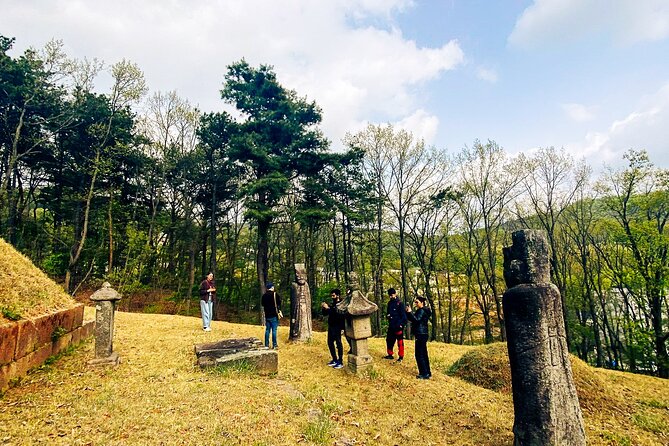
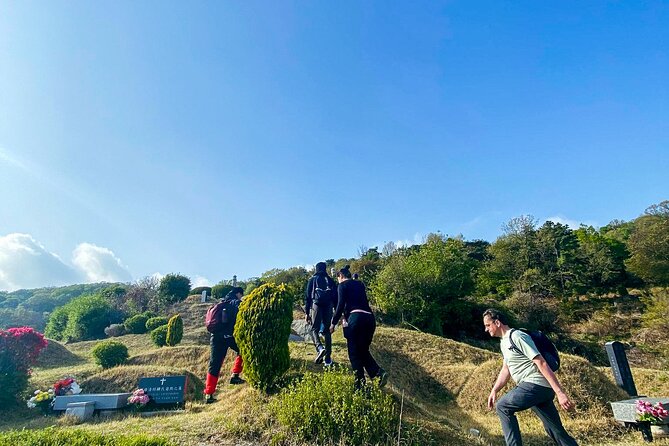
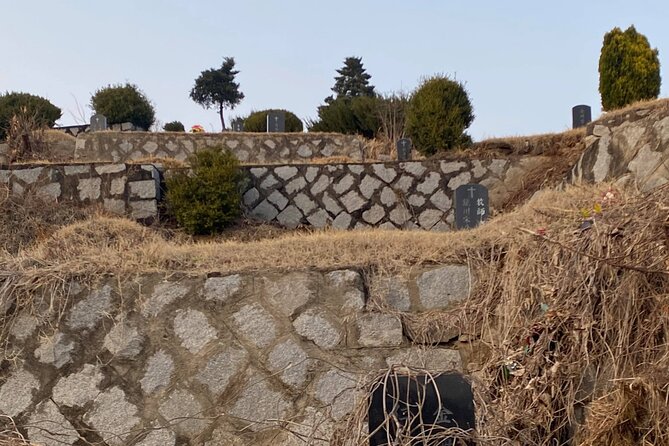
The central stop is Yongmi-ri Cemetery 1. Here, your guide gives a respectful tour of the grounds and explains Korean folklore and customs surrounding the dead.
The word active is important. This is not simply an old burial site with no connection to present-day life. Families and local people continue to have a relationship with the cemetery, so your behavior should be quiet and considerate. Keep your voice low, follow the guide’s instructions, and avoid treating graves as props for casual photographs.
The tour’s strongest feature is its subject matter. Korean burial traditions offer a way to understand beliefs about family, remembrance, place, and the afterlife. Instead of reducing these customs to a short explanation, the walk gives you time to hear stories and ask questions in a small group.
You should not expect every aspect to be explained in a formal lecture. The experience is built around walking, observing, and listening. Shawn’s approach is said to combine research with personal experience, which can make the discussion feel more human and less like a textbook account.
The cemetery itself may not provide the visual drama of a palace or temple. That is part of the point. Its value comes from the meaning attached to the place and from the chance to see how cultural traditions operate outside the main tourist circuit.
A completely different kind of day:
- Best DMZ Tour Korea from Seoul (Red Suspension Bridge Optional)
★ 5.0 · 41,422 reviews - DMZ Tour: 3rd Tunnel, Option(Suspension Bridge, Boat) from Seoul
★ 5.0 · 21,373 reviews - DMZ tour south Korea from Seoul (NK experience hall, defector)
★ 5.0 · 20,599 reviews - DMZ Insider Tour: 3rd Tunnel, NK Defector Meet & Red Bridge
★ 4.9 · 15,214 reviews
Folklore, Burial Customs, and the Afterlife
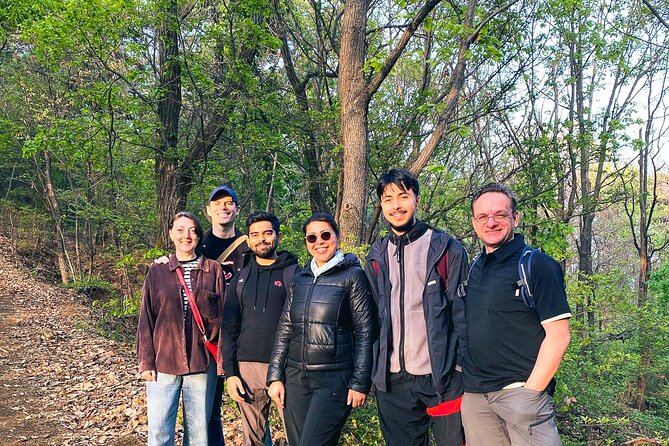
Folktales give the walk a distinctive tone. Along with practical customs, you hear stories about the dead and local traditions concerning the afterlife. These tales can help you understand how a culture expresses ideas that are difficult to explain through facts alone.
I appreciate that the tour links folklore with lived tradition. You are not merely hearing an isolated ghost story. The guide places these stories beside burial practices and beliefs about what happens after death, giving you a broader view of Korean culture.
The personal scale helps here. With no more than six people, you can ask a question without having to call across a large group. A guide can also adjust the explanation if you want more context about a particular custom. That is a major improvement over a crowded tour where the guide must keep moving.
Still, this outing may not suit someone looking for light entertainment. Its subject is death, and the setting calls for reflection. Some people will find that thoughtful and moving. Others may prefer a more cheerful cultural activity during a short stay in Seoul. Read the description honestly and choose based on your interests, not only the perfect rating.
What Four Hours Really Gets You
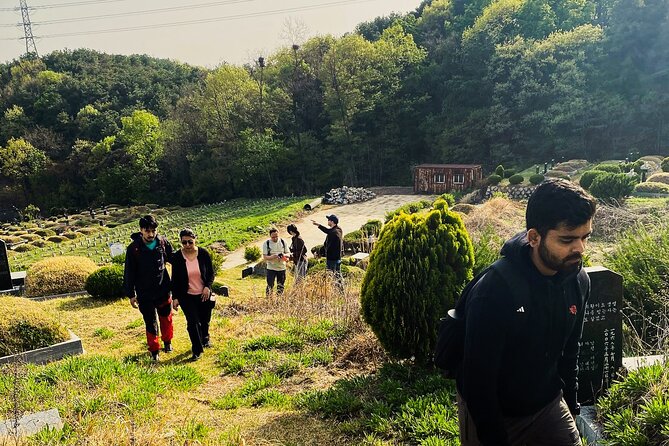
The tour lasts about four hours, including the transfer between Samsong Station and the cemetery. That is enough time to create a proper visit without consuming an entire day.
You get a focused cultural experience rather than a general tour of Goyang-si. The schedule centers on the cemetery and the guide’s interpretation of it. Do not expect additional major attractions, a restaurant stop, or a long list of sightseeing locations. The limited itinerary is a strength if you want one subject explored with care.
The afternoon start also leaves your morning free. You could use the first part of the day for a palace, museum, neighborhood walk, or market before meeting the group at 2:30 pm. Just give yourself a comfortable margin for reaching Samsong Station.
Because the tour depends on good weather, your plans need some flexibility. If poor weather cancels the outing, you are offered a different date or a full refund. That policy is useful, but the seasonal window means a replacement date may not always fit your schedule.
Is $66 a Fair Price?
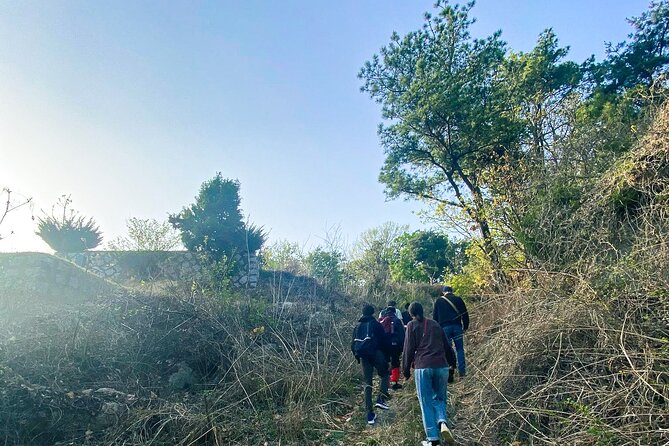
At $66 per person, this is not the cheapest way to spend an afternoon in Korea. You could visit many Seoul sights for less. The price becomes easier to justify when you consider what is included: the guide, all fees and taxes, public bus fare to and from the cemetery, and a private-feeling group capped at six.
You are paying mainly for access and interpretation. Yongmi-ri Cemetery is not a typical stop on a first-time Seoul route, and the guide’s role is central. Without someone explaining the customs and folklore, a walk through the cemetery would offer little context and could easily become awkward.
The small group is the biggest value point. A six-person limit gives you a better chance to ask questions and keeps the atmosphere quiet. It also avoids the impersonal rhythm of a large bus tour.
The price is less attractive if you only want scenic walking or casual photography. The experience is discussion-led and culturally focused. You should book it because you want to understand Korean traditions, not because you expect a long list of included attractions.
Who Will Enjoy This Walk Most?
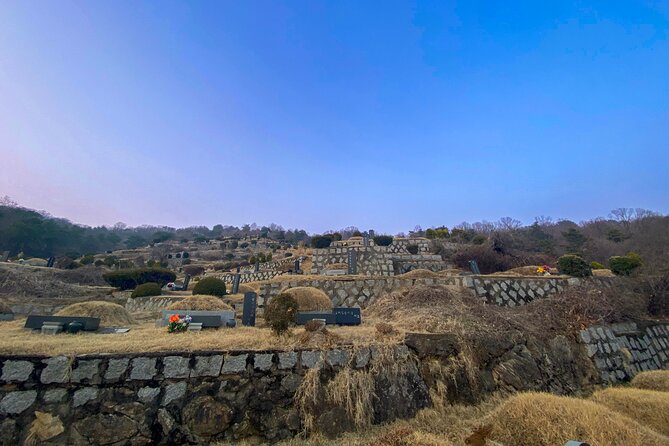
I would recommend this outing to you if you enjoy local customs, oral history, folklore, and places that require respectful attention. It is a good fit for repeat visitors to Seoul who have already seen the major palaces and shopping areas and want something less familiar.
It also suits people who prefer small-group experiences. The six-person limit can make a sensitive topic easier to discuss, and Shawn’s personal connection to the subject may give the tour warmth and depth.
You should think twice if you have limited mobility or strongly dislike walking in outdoor settings. The activity calls for moderate physical fitness, and the full route details are not provided. You should also reconsider it if your schedule falls outside September, October, and November.
Families with older children may find the folklore interesting, but the subject matter is serious. The available information does not specify a minimum age, so parents should decide if their children are ready for a thoughtful discussion of death and burial.
Practical Tips for a Better Visit
Meet at Samsong Station Exit 8 before 2:30 pm. Since the tour does not begin in central Seoul, check your route in advance and leave extra time for transfers.
Wear comfortable shoes and clothing suitable for a moderate walk. The outing takes place outdoors and requires good weather, so a light layer and weather-ready clothing make sense during the autumn season.
Treat the cemetery as a place of remembrance, not a backdrop. Ask before taking photographs, follow the guide’s direction, and keep your phone use discreet. A respectful attitude will make the experience better for you and for anyone connected to the site.
Keep the evening open after the tour. The official duration is approximately four hours, but your return to Samsong Station is the natural end point. You do not need to arrange a private ride, yet public transport can still make exact timing difficult.
The booking system provides confirmation at the time of purchase, and mobile tickets are supported. Service animals are allowed, and the meeting point is near public transportation. These details help, though they do not remove the need to consider the outdoor walking requirement.
Should You Book the Korean Cemetery and Folklore Trek?
Book this tour if you want a quiet, unusual look at Korean culture and are comfortable visiting an active cemetery with respect. The small group, included bus fare, seasonal autumn setting, and Shawn’s personal approach give the $66 cost a reasonable foundation.
Skip it if you want famous landmarks, easy sightseeing, or a flexible drop-in activity. The tour has a clear purpose, a fixed afternoon meeting point, a four-hour commitment, and a limited operating season.
For the right person, this can become one of the more thoughtful parts of a Seoul visit. It asks you to slow down, listen carefully, and consider traditions that are often missed when a trip focuses only on food, shopping, and monuments.
FAQ
Where does the Korean Cemetery and Folklore Trek begin?
It begins at Samsong Station Exit 8 in Goyang-si, South Korea.
What time does the tour start?
The scheduled start time is 2:30 pm.
Where does the tour finish?
The activity ends back at the meeting point at Samsong Station.
How long does the experience last?
The tour lasts approximately four hours.
Is transportation included?
Public bus fare between the cemetery and the meeting point is included. Private transportation is not included.
What is the maximum group size?
The tour has a maximum of six travelers.
When does this seasonal tour operate?
It runs from September through November.
What happens if poor weather cancels the tour?
You are offered a different date or a full refund if the experience is canceled because of poor weather.
Just added in South Korea
- Seoul: Korean & English Language Exchange Global Party★ 5.0 · 28 reviews
- Your Personal Seoul Photographer!★ 4.1 · 15 reviews
- You’re Invited to Our Home in Seoul: The Only Cooking Class!★ 5.0 · 8 reviews
- From Seoul: Yongpyong Ski Day Tour with Transportation★ 4.9 · 40 reviews
- Yeosu: Private Taxi Car Private Charter Tour★ 4.7 · 3 reviews
- From Seoul: Hwacheon Ice Fishing and Lighting Festival Tour★ 4.5 · 4 reviews
- Yangdong village & Gyeongju Unesco Site Private Van Tour★ 5.0 · 1 review
- Seoul: UNESCO Heritage Suwon Hwaseong Fortress, Folk Village★ 5.0 · 1 review
Hiking & Trekking, compared.
Guided City Wall Sunset Hike with Korean Dinner
Read our review →Private Hiking tour to Bukhansan Peak(Baegundae: 836.5m) with Mountain Expert
Read our review →
4-Hours Hiking and Tasting Rice Wine in the Mountain of Busan
Read our review →
Hiking and Tasting Rice Wine in the Hidden Village
Read our review →
Seoul Mountain Hike: Temples, Folklore & Traditional Meal
Read our review →
Private Hiking to Bukhansan & Korean Style Spa(Include Lunch)
Read our review →
Browse the lists this tour appears in