
Reviewed · MARKETS
Seoul: Gyeongdong Market Healing Walking Tour
Follow the scent of Korean herbs. Seoul’s Gyeongdong Market Healing Walking Tour turns Jegi-dong’s traditional medicine district into a two-hour, five-senses lesson in local life. I like the market access, where herbal shops and food sellers serve everyday customers rather than tourists, and I like the calm foot bath and herbal tea that give the walk a restful rhythm. The guide, Alan, adds useful background on the area and speaks fluent English.
The main drawback is that this is a walking tour through an active market, not a polished sightseeing attraction. You should expect strong smells, ordinary commercial streets, and a firm meeting schedule. The tour also needs at least four participants, so it can be canceled if that minimum is not reached.
In This Review
- Key points at a glance
- FAQ
- Where does the tour begin?
- What time does the tour start?
- Where does the tour finish?
- How long does the experience last?
- What is the tour price?
- Is the tour available by mobile ticket?
- How many people can join the tour?
- Can I cancel for a refund?
- Are pets or filming allowed?
Key points at a glance
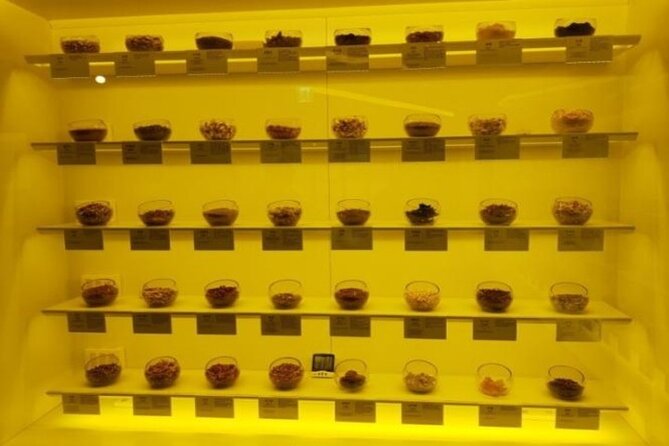
- Jegi-dong’s herbal medicine streets: Smell and see traditional medicinal ingredients in one of Seoul’s best-known medicine districts.
- Seoul Yangnyeongsi Herb Medicine Museum: Spend 30 minutes learning about Korean herbal medicine and its place in local culture.
- Herbal foot bath: Warm water infused with herbal extracts offers a simple break for tired feet.
- Tea at an old clinic: OraeGage Hyoseong Oriental Medicine Clinic, one of Seoul’s oldest clinics, now serves herbal tea in a small cafe.
- Gyeongdong Market: Walk through Seoul’s largest traditional market by size, with herbal medicine, produce, seafood, and other goods.
- A different Starbucks: Finish with the market’s unusual Starbucks location, plus activities focused on sight and sound.
This tour takes you into a part of Seoul that can be easy to miss if you stick to palaces, shopping streets, and major museums. Jegi-dong is known for traditional Korean medicine, and the experience uses smell, hearing, touch, taste, and sight to explain the district.
That approach matters. You are not simply looking at old objects behind glass. You are walking through streets where herbal medicine remains part of daily business. You smell the ingredients, hear market activity, touch the warm water in the foot bath, taste herbal tea, and finish by looking around Gyeongdong Market.
The tour costs $35 and lasts about two hours. Since each of the seven stops has a planned time, the pace is fairly organized. You get a broad introduction rather than a long, detailed study of one shop or one ingredient.
The tour begins at 1:30 pm near Jegi-dong Station in the Yongdu-dong area of Seoul’s Dongdaemun District. After meeting the guide, you receive an explanation of the day’s theme and the route ahead. This opening takes about 10 minutes and is useful because the area can feel confusing at first.
Your starting point is close to public transportation, which makes this practical for an afternoon outing. Check the exact meeting details sent by email or WhatsApp before you leave. The listed starting information includes Jegi-dong Station and the Yongdu-dong area, while the end point is at Gyeongdong Market on Gosanja-ro 36-gil.
The meeting is not casual. If you arrive after the group has started, you cannot join later. Leave extra time for the subway, finding the station exit, and walking to the exact meeting place.
The first real sensory stop takes around 10 minutes. You walk through streets where traditional herbal medicine is sold and pay attention to the smells coming from the shops.
This is one of the best reasons to choose the tour. A guide can explain what you are seeing while you move through a working commercial district. The market is not designed mainly for sightseeing, so the experience feels more connected to Seoul’s present-day routines than a display created only for visitors.
The aromas may be unfamiliar, and that is part of the point. The tour frames them as an introduction to traditional Korean medicine rather than asking you to identify every ingredient. Alan, the guide named in the tour information, shares stories about Jegi-dong and helps connect the street scenes to the larger subject.
You should keep an open mind here. If you dislike strong herbal smells, this may not be your favorite part. If you are curious about Korean foodstuffs, medicine, and old neighborhood businesses, the street walk gives you a memorable first look.
Next comes the Seoul Yangnyeongsi Herb Medicine Museum, with about 30 minutes set aside for exhibits about herbal medicine and traditional Korean medicine.
This is the most educational part of the tour. After seeing the shops from the outside, you get a clearer explanation of the types of herbal medicine and the stories connected with the practice. The museum helps give shape to what you have just encountered on the street.
Thirty minutes is enough for an introduction, but not enough for a slow museum visit. If you enjoy reading every display, you may wish for more time. Still, the short visit works well within a walking tour because it keeps the day moving and prevents the experience from becoming a full afternoon indoors.
I like the order of these first three stops. You begin with the district, encounter the smells, then receive context in the museum. That makes the information easier to understand than starting with a lecture before seeing the market.
The museum visit is followed by a 20-minute foot bath. Warm water infused with herbal extracts is intended to soothe your feet and calm your senses.
This is a small but useful feature. Walking through a market can be tiring, and a quiet break gives the tour a different pace. You are not just gathering facts. You get a chance to sit, relax, and notice the physical side of the experience.
Do not expect a spa treatment. The information describes a foot bath, not a massage or a full wellness session. The value is in the simple pause, especially if you have already spent the day walking around Seoul.
The foot bath also fits the tour’s theme without feeling forced. Herbal medicine is presented through a direct, low-key experience rather than only through explanations. For many people, this will be the most relaxing stop.
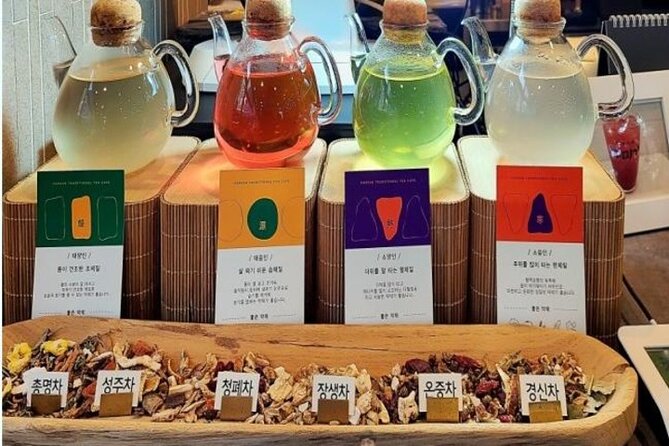
The next 20-minute stop takes you to OraeGage Hyoseong Oriental Medicine Clinic for a cup of herbal tea. The clinic is described as one of the oldest in Seoul and has recently added a small cafe serving various herbal teas.
This stop introduces taste after the earlier focus on smell and touch. It also connects the OraeGage idea to the tour. Seoul uses OraeGage to identify old stores that have carried on local traditions and that people hope will remain for many years.
The setting is important. You are not simply having tea at a generic cafe. You are visiting an old oriental medicine clinic that now offers a small cafe as part of its business. That combination gives you a glimpse of how an established local place can adapt while keeping its original connection to medicine.
The details of the teas and the exact menu are not specified, so you should treat this as a tasting stop rather than a full cafe visit. If you want a large drink or a long rest, 20 minutes may feel brief. As part of the tour, though, it provides a pleasant change from the market streets.
The final market section takes around 20 minutes. Gyeongdong Market sells herbal medicine, vegetables, fruits, seafood, and other everyday goods. It is described as Seoul’s largest traditional market in terms of size.
This is where the tour’s earlier explanations come together. You can compare the medicinal goods with the food stalls and produce around them. The market shows that traditional medicine is not an isolated museum topic. It sits beside ordinary shopping and food businesses.
The market is not set up as a theme park. That is a strength if you want a more genuine neighborhood setting, but it also means the experience may feel less tidy or predictable than a purpose-built attraction. Pay attention to the group and follow the guide closely.
The market visit is also a good reason to book this tour instead of exploring alone. You could walk through Gyeongdong Market without a guide, but you might not understand how the herbal medicine district fits into the neighborhood. Alan’s stories and English-language explanations add value, particularly for anyone new to Korean medicine.
The last 10 minutes focus on sight and hearing inside Gyeongdong Market. The tour includes a Starbucks cafe that is described as different from any other Starbucks in the world.
The information does not specify exactly what makes this location different, so the guide’s explanation will be important. You should think of this as a final visual stop rather than a chance to order a drink and settle in for a long cafe break.
Its inclusion gives the tour a playful ending. After traditional shops, a museum, a foot bath, herbal tea, and market goods, you finish with a modern international brand in an unusual local setting. The contrast reflects Seoul well: old businesses and new commercial ideas share the same city.
The sound element is less detailed in the tour information, but the final activities are intended to engage both sight and hearing. At only 10 minutes, this is a brief finale, not a separate performance.
At $35, the price is reasonable if you value a guided introduction rather than simply walking through the market. The fee covers about two hours of guiding, the museum visit, the foot bath, the herbal tea stop, and the market walk. The listed admission charges for the stops are free, so you are mainly paying for the route, explanations, organization, and experiences arranged along the way.
The value depends on your interests. If you only want to browse market stalls, you can spend less by visiting independently. You will not receive the same structure or background, and you may miss the connection between the museum, clinic, herbal tea, and market.
For someone curious about traditional Korean medicine, $35 buys a focused afternoon with several different types of activity. For a visitor who prefers major monuments, shopping, or food tastings, the subject may feel too specialized.
The group size can reach 15 people. That is small enough for a guided walk but large enough that you should not expect a private conversation with Alan at every stop. A private tour estimate is available by email if you want a more personal arrangement.
I would choose this experience if you like local markets, traditional medicine, food ingredients, and neighborhood stories. It is also a good match if you want a quieter change from Seoul’s major sightseeing areas.
The tour suits most people, according to the supplied participation information. Still, it involves walking through a market and should be approached as an active outing rather than a seated museum tour. The foot bath helps break up the walking, but the experience is not designed as a complete spa day.
It may appeal to you if you enjoy sensory experiences. The route deliberately moves from smell to learning, touch, taste, sight, and hearing. You do not need prior knowledge of Korean medicine. The guide supplies the basic explanation.
You may want to skip it if strong herbal smells bother you, if you need a highly flexible schedule, or if you prefer attractions with a polished tourist presentation. This market is valued precisely because it serves daily local needs.
You receive confirmation within 48 hours of booking, subject to availability. The operator communicates meeting details and schedule information by email or WhatsApp, so provide your correct name and a phone number or messaging contact that works in Korea. An incorrect or unavailable number can create serious problems, and the operator states that absence caused by missing or incorrect contact details is not covered.
The tour requires at least four participants. If that minimum is not met, the experience can be canceled, with notice sent by WhatsApp. The maximum group size is 15.
Free cancellation is available up to 24 hours before the 1:30 pm start time. Within 24 hours, you receive no refund and changes are not accepted. Poor weather can also lead to a new date or a full refund. Pets are not allowed, and recording or filming the tour is prohibited.
Book this tour if you want to understand a working Seoul market through traditional medicine, not just photograph it. The combination of herbal streets, museum exhibits, a warm foot bath, tea at an old clinic, and Gyeongdong Market gives you a varied two-hour introduction.
The strongest reason to go is the setting. Jegi-dong offers smells, shops, and routines that are difficult to understand from a standard sightseeing route. Alan’s English explanations add useful context, and the market’s everyday character gives the tour its appeal.
Skip it if you want a long museum visit, a full spa treatment, or an unstructured food crawl. For the right audience, though, $35 is a fair price for a thoughtful look at one of Seoul’s more distinctive neighborhoods.
FAQ
More Walking Tours in Seoul
- Seoul moonlight walking tour with local historian
★ 5.0 · 940 reviews - Seoul: Nighttime Hidden Gems Walking Tour
★ 5.0 · 775 reviews - Seoul: Evening Dark History, Folklore & Ghost Story Walking Tour
★ 5.0 · 593 reviews
Where does the tour begin?
It begins near Jegi-dong Station in the Yongdu-dong area of Seoul’s Dongdaemun District.
What time does the tour start?
The scheduled start time is 1:30 pm.
Where does the tour finish?
The tour ends at Gyeongdong Market, at 3 Gosanja-ro 36-gil in Dongdaemun District, Seoul.
More Market Tours in Seoul:
- Seoul: Gyeongbok Palace, Bukchon Village, and Gwangjang Tour
★ 4.9 · 2,321 reviews - Seoul Street Food Market Tour
★ 5.0 · 1,226 reviews - Seoul: Gyeongbok Palace, Bukchon Village, and Gwangjang Tour
★ 5.0 · 1,044 reviews - Local Home Korean Cooking Class & Market Adventure in Seoul
★ 5.0 · 1,024 reviews
How long does the experience last?
The walking tour lasts approximately two hours.
What is the tour price?
The listed price is $35.
Is the tour available by mobile ticket?
Yes. A mobile ticket is included as a tour feature.
How many people can join the tour?
The tour allows a maximum of 15 participants and requires at least four participants to operate.
Can I cancel for a refund?
Yes. You can cancel at least 24 hours before the start time for a full refund. Cancellations within 24 hours are not refunded.
Are pets or filming allowed?
Pets are not allowed, and recording or filming the tour is prohibited.
More Shopping Tours in Seoul
- Seoul: Night Market Food Tour with Local Guide
★ 4.9 · 943 reviews - Downtown Seoul Guided Food & Market Tour with 8+ Local Tastings
★ 5.0 · 580 reviews - Seoul: Korean Cooking Class at a Local Home and Market Tour
★ 5.0 · 348 reviews - Seoul Night Palace & Market Food Tour with Vehicle
★ 5.0 · 275 reviews
Just added in Seoul
- Seoul: Korean & English Language Exchange Global Party★ 5.0 · 28 reviews
- Your Personal Seoul Photographer!★ 4.1 · 15 reviews
- You’re Invited to Our Home in Seoul: The Only Cooking Class!★ 5.0 · 8 reviews
- From Seoul: Yongpyong Ski Day Tour with Transportation★ 4.9 · 40 reviews
- From Seoul: Hwacheon Ice Fishing and Lighting Festival Tour★ 4.5 · 4 reviews
- Seoul: Gangneung BTS K-Pop & K-Drama Filming Locations Tour★ 4.6 · 14 reviews
- Unique Native Experience : Han River Picnic, Board game, BBQ★ 5.0 · 3 reviews
- Seoul: Euljiro Gastroventure Tour★ 4.0 · 1 review
Markets, compared.
Gyeongbok Palace, Bukchon Village, and Gwangjang Tour
Read our review →
Gyeongbok Palace, Bukchon Village, and Gwangjang Tour
Read our review →
Local Home Korean Cooking Class & Market Adventure in Seoul
Read our review →
Downtown Seoul Guided Food & Market Tour with 8+ Local Tastings
Read our review →
Korean Cooking Class at a Local Home and Market Tour
Read our review →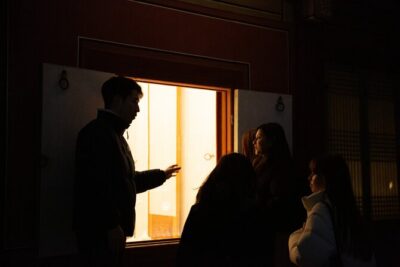
Seoul Night Palace & Market Food Tour with Vehicle
Read our review →Browse the lists this tour appears in