
Reviewed · SEOUL
Cook and Experience Local Korean Life with Min
Skip the sightseeing script. This three-hour private experience takes you into the everyday Korean routine: grocery shopping, a look at local homes and villages, and a hands-on lunch of kimbap, tteokbokki, and ramen. I like the personal scale of the visit, and I like that the food is adjusted to your taste, including the spice level.
The price is $56.38 per person, which is fair when you count the ingredients, cooking equipment, lunch, drinks, snacks, a local walk, and time for travel questions. The main consideration is location: the meeting point is in Anyang, south of Seoul, so you need to allow time to reach 384-5 Seoksu-dong, Manan-gu, for the 11:00 am start.
In This Review
- What makes this Korean home experience special
- Why the everyday setting matters
- Starting with snacks and Korean hospitality
- Shopping for ingredients in an ordinary neighborhood
- Seeing Korean homes before cooking
- Making kimbap, tteokbokki, and ramen
- Kimbap
- Tteokbokki
- Ramen
- Eating lunch and learning Korean table manners
- Asking Min about Korea beyond the recipe
- Is $56.38 a fair price?
- Who should book this activity?
- Should you book Cook and Experience Local Korean Life with Min?
- FAQ
- How much does the experience cost?
- How long does the activity last?
- What time does it start?
- Where does the activity begin?
- Where does the activity end?
- What food will I learn to cook?
- Is lunch included?
- Is this a private activity?
- Can I cancel for a full refund?
What makes this Korean home experience special
- A real look at daily routines: You shop for ingredients, see the local village, and learn about the apartment-style homes where many Koreans live.
- Three useful Korean recipes: You receive detailed recipes for kimbap, tteokbokki, and ramen, so the class can continue in your own kitchen.
- A private activity: Only your group participates, making it easier to ask questions and set the pace.
- A flexible spice level: Tteokbokki can be adjusted to suit your comfort with Korean chili heat.
- Lunch is included: You cook and eat the food, with beverages included and a takeaway option if you prefer.
- Personal help from Min: The visit includes Korean table manners, travel advice, local recommendations, and time for questions.
Why the everyday setting matters
Korean food classes often focus on dishes in isolation. This one connects food with ordinary life. You do not simply roll kimbap and move on. You begin with the kind of shopping Koreans do, pass through a peaceful local area, and get a sense of where people live before sitting down to cook.
That change of setting matters. K-dramas and food videos may spark your interest in Korea, but they usually show polished homes, dramatic streets, or carefully edited meals. Here, you get a more modest view of daily life. The focus is not on a famous attraction. It is on what people eat, buy, and do at home.
I especially like the chance to see Korean apartments described as part of the local housing scene. Apartments are where many Koreans live, and noticing this gives you a small but useful piece of social context. You are not being asked to memorize facts. You are simply seeing the setting that shapes everyday meals and routines.
The experience takes place near Seoul in Anyang, Gyeonggi-do. That gives you a break from central Seoul’s busy sightseeing circuit. The quiet local setting may be exactly what you want after palaces, shopping streets, and packed subway platforms. It also means this is not the best choice if you want an activity directly beside the major central attractions.
Other trips worth a look in South Korea:
- Best DMZ Tour Korea from Seoul (Red Suspension Bridge Optional)
★ 5.0 · 41,422 reviews - DMZ Tour: 3rd Tunnel, Option(Suspension Bridge, Boat) from Seoul
★ 5.0 · 21,373 reviews - DMZ tour south Korea from Seoul (NK experience hall, defector)
★ 5.0 · 20,599 reviews
Starting with snacks and Korean hospitality
The visit begins at 11:00 am at 384-5 Seoksu-dong, Manan-gu, Anyang, Gyeonggi-do. Min provides Korean sweets and drinks as welcome snacks. This is a small detail, but it sets the right tone. You begin with a friendly introduction rather than walking straight into a recipe.
The welcome food is intentionally ordinary. You may find similar snacks in Korean convenience stores, which makes them useful for understanding what people actually buy. If you enjoy one, you can look for it later during your own time in Korea.
The personal welcome also seems to be a strong point. One Japanese visitor described being cheerfully met at the ticket gate of Ishimizu Station and said that this quickly eased the worry of arriving somewhere unfamiliar. The experience was enjoyable even without fluent English or Korean. That is useful if you feel nervous about communicating in a private local setting.
The available information gives two location references: the official meeting address in Seoksu-dong and the past pickup description at Ishimizu Station. You should rely on the meeting details provided at booking and confirm the exact arrival point before setting out. That simple check can prevent a rushed start.
Shopping for ingredients in an ordinary neighborhood
The grocery-shopping portion gives the cooking a practical beginning. Instead of receiving a premeasured box of ingredients, you look around local shops and buy what is needed for the meal. This helps you recognize Korean food packaging and see how common ingredients appear in daily shopping.
You should not expect a major market tour or a long food history lesson. The appeal is more direct. You are learning what goes into familiar dishes and how a local person approaches the purchase. For someone planning to cook Korean food after returning home, this may be more useful than a formal demonstration.
The walk also includes a peaceful place near Seoul and a look at the local village. The description does not promise a long hike or a major sightseeing route, so think of this as a short neighborhood orientation. You get context for the meal, not a separate city tour.
That distinction helps set expectations. If you want a full day of markets, monuments, and photo stops, this three-hour activity will feel limited. If you want a calm change of pace and a clearer picture of ordinary Korean surroundings, the local walk fits well.
Seeing Korean homes before cooking
The activity includes seeing Korean houses, particularly the apartment buildings where many residents live. This may sound simple, but housing is one of the easiest ways to understand how daily life differs from the image of Korea presented in entertainment.
A home-based cooking experience also changes the mood. You are not standing in a large classroom with a crowd. This is a private activity for your group, and the host presents it as time spent with a Korean friend in a cozy home. The private format should make it easier to ask basic questions about ingredients, customs, and travel plans.
At the same time, the information does not promise a detailed tour of the apartment itself or access to other residents’ homes. You should expect to see and discuss the local residential setting, not treat this as an architectural tour.
For solo visitors, couples, and families who want a more personal activity, the small-group format is a real advantage. It also works well for people who have already covered the headline sights and now want an ordinary neighborhood experience.
A completely different kind of day:
- DMZ Insider Tour: 3rd Tunnel, NK Defector Meet & Red Bridge
★ 4.9 · 15,214 reviews - Seoul: DMZ Tour with Optional Suspension Bridge
★ 4.8 · 5,277 reviews - Signature DMZ Tour: Exclusive Defector Talk & Suspension Bridge
★ 5.0 · 4,459 reviews - Thrilling Korean DMZ 3rd Tunnel Tour from Seoul + Red Bridge Rush
★ 5.0 · 3,097 reviews
Making kimbap, tteokbokki, and ramen
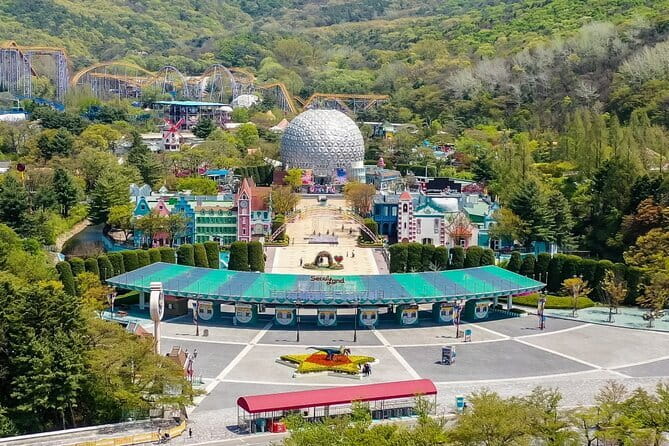
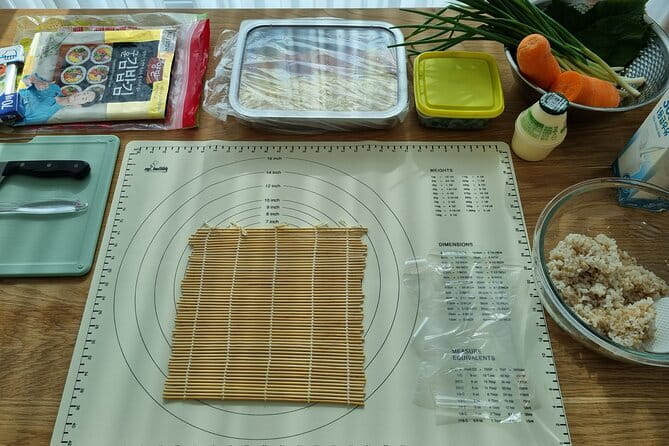
The cooking is built around three familiar Korean dishes. You receive detailed recipes for kimbap, tteokbokki, and ramen, along with the ingredients and equipment required. Since lunch is included, this is not only a demonstration. You prepare food and eat it as part of the visit.
Kimbap
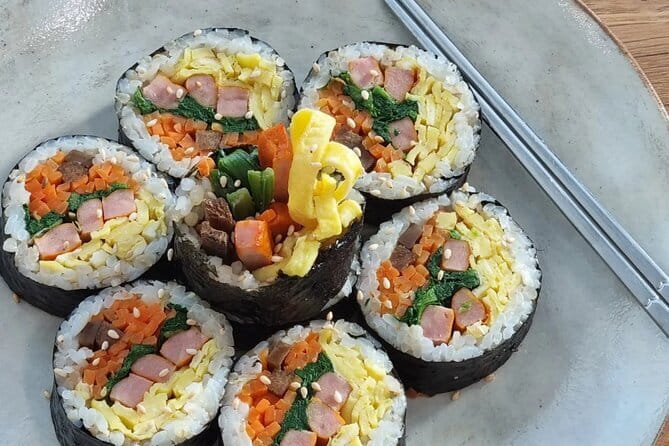
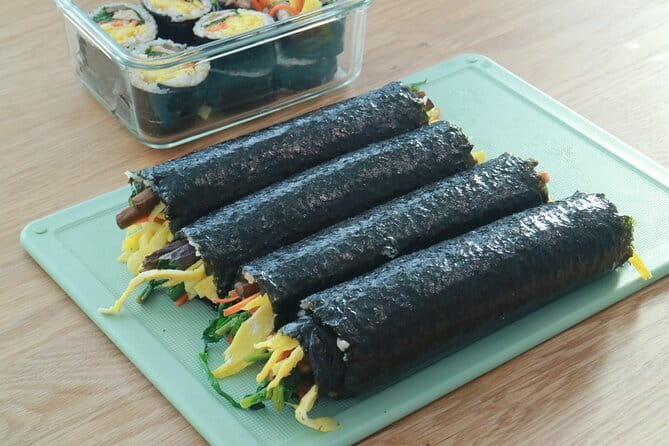
Kimbap is a good first dish because it combines color, texture, and careful assembly. The finished rolls look attractive, but the real value is learning how the ingredients fit together and how to make the rolls hold their shape.
Kimbap has become popular outside Korea, including in the United States. Min presents it as a food Koreans eat often, not merely as a dish prepared for foreign visitors. The recipe can become one of the most useful takeaways from the class because it is suitable for a packed lunch or a casual meal at home.
Do not worry if your first roll looks less tidy than the host’s. That is part of the fun. The class gives you the method, and you can improve with practice.
Tteokbokki
Tteokbokki is the spicy partner to kimbap. It is a good choice if you want to try Korean heat without guessing at a restaurant menu. Min can adjust the spice level, so you can ask for a gentler version if chili makes you cautious.
This flexibility is important. Korean spicy food can be intense for some people, and a private lesson allows you to enjoy the dish without feeling pressured to prove anything. You still get the taste and texture of tteokbokki while keeping the heat at a level you can manage.
The pairing with kimbap also shows how Korean meals often balance flavors and textures. One dish is rolled and colorful, the other is saucy and spicy. Together, they make a more complete lunch than either dish would provide alone.
Ramen
The ramen lesson focuses on improving a familiar convenience food. Min shows you how to cook ramen in a better way and offers different types from which you can choose. You cook your own selection rather than simply watching someone prepare one fixed bowl.
This may be the most approachable part of the experience. Many people have cooked instant noodles, but fewer have thought carefully about how Korean ramen is prepared and served. The lesson turns a simple pantry food into a chance to learn local habits.
Because the ramen choice is flexible, this part should work for different tastes. The available details do not list every variety or ingredient, so you should ask Min what choices are available when you arrive.
Eating lunch and learning Korean table manners
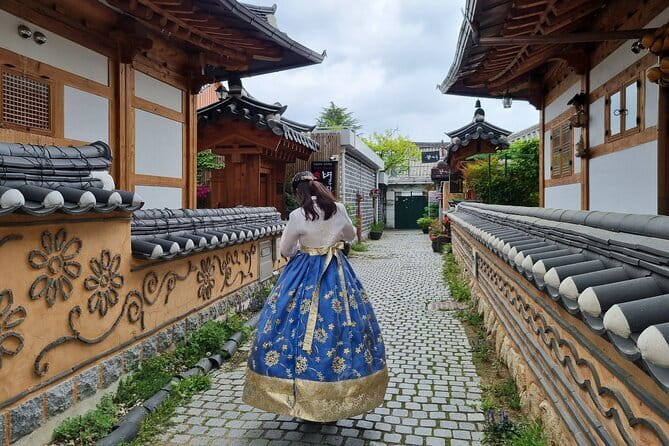
After cooking, you eat the meal with beverages included. If you do not want to finish everything during the visit, you can request a takeaway portion. That is a practical touch, especially after making three dishes in one session.
The meal also includes instruction in Korean table manners. This gives the lunch a cultural purpose beyond filling your stomach. You learn how to approach the food in a way that feels more natural when you later eat with Korean friends or visit local restaurants.
You should keep your expectations sensible. This is a cooking activity with a meal, not a formal etiquette seminar. The table-manners lesson is one part of the visit, placed alongside shopping, cooking, and conversation.
The three-hour duration should give the day a comfortable shape, but it is still a compact program. Shopping, touring, cooking, eating, and questions all share the same window. If you like slow meals or need extra time for photos, you may find the pace fairly full.
Asking Min about Korea beyond the recipe
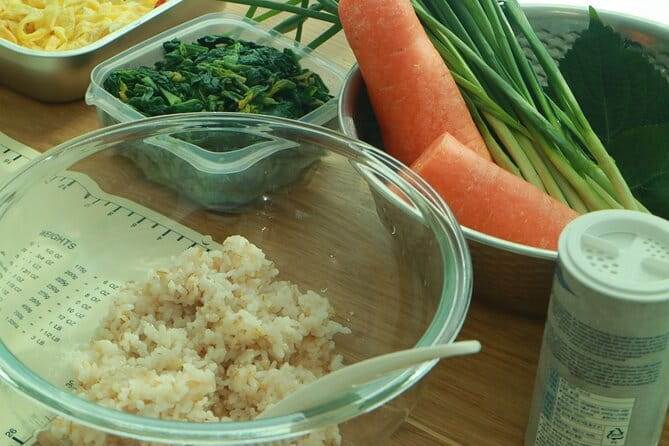
The final part of the experience is the chance to ask for travel advice and recommendations. Min offers tips for visiting Korea, suggestions for places to see, and a question-and-answer period for help with Korea and the Korean language.
This can be worth a great deal if you are early in your trip. A local host may help you think beyond the standard Seoul checklist and explain how to approach food, neighborhoods, or daily routines. You can also ask questions that do not fit neatly into a guidebook.
I would prepare a short list before you arrive. Ask about foods you want to try, places you are unsure about, or Korean customs you have noticed. A private session gives you a better chance to get useful answers than a large group class.
The warm response to the Japanese visitor also suggests that Min values the personal exchange. The message thanked the visitor for coming, praised the cooking, and expressed hope that the Korean food was enjoyable. That friendly tone fits the purpose of the activity: you are not just buying lunch, you are spending time with a host.
Is $56.38 a fair price?
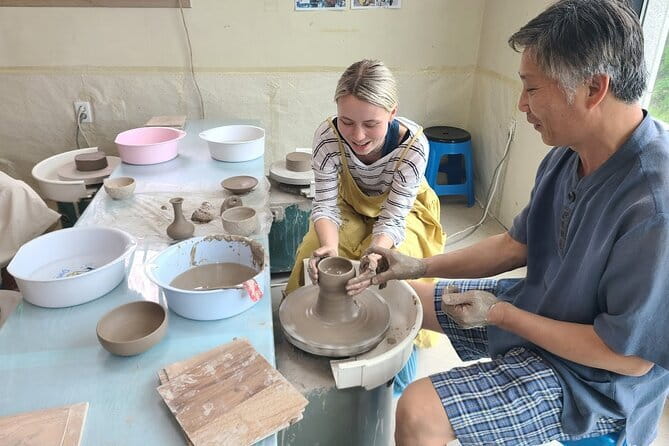
At $56.38 per person, the value is strongest if you use the full range of inclusions. You receive welcome snacks, ingredients, cooking equipment, lunch, drinks, a local walk, recipes, cultural guidance, and a private host. Buying a similar meal in Seoul would cost less, but it would not include the shopping, instruction, home setting, or personal questions.
The private format also changes the calculation. You are paying for access and attention, not just food. If your group wants help with spice levels, recipes, table manners, or Korean travel plans, the fee becomes easier to justify.
The value is weaker if you only want to eat kimbap and tteokbokki. You can find those foods elsewhere for less. This activity makes sense when you want to learn how the dishes are made and connect them to everyday Korean life.
Since the experience is often booked about 15 days ahead, planning early is sensible if your dates are fixed. Free cancellation is available when you cancel at least 24 hours before the start time. Changes or cancellations made inside that window are not accepted for a refund.
Who should book this activity?
I would recommend it to you if you want a personal introduction to Korean food and daily routines. It suits people who enjoy cooking, visitors curious about life beyond major attractions, and anyone who wants recipes they can use at home.
It is also a good fit if you are uncertain about Korean spice or unfamiliar with local table manners. Min can adjust the tteokbokki heat and explain the customs as you eat.
Families and small private groups should appreciate the format, since only your group participates. Service animals are allowed. The activity can also work for visitors who are not fluent in English or Korean, based on the available firsthand experience, though you should still confirm any communication needs before booking.
I would hesitate if your schedule leaves no room for the trip to Anyang, or if you want a grand sightseeing tour. The local walk is peaceful, not a replacement for Seoul’s main sights. The rewards come from food, conversation, and ordinary surroundings.
Should you book Cook and Experience Local Korean Life with Min?
Book it if you want to trade a standard attraction for a few hours of practical, friendly Korean life. The best parts are the private setting, flexible spice level, three recipes, and the chance to ask Min direct questions while eating what you helped prepare.
Skip it if you only want a quick meal or need an activity in central Seoul. For everyone else, the combination of grocery shopping, local housing, cooking, table manners, and lunch makes this a useful way to understand Korea through daily habits rather than famous sights.
FAQ
How much does the experience cost?
The price is $56.38 per person.
How long does the activity last?
The experience lasts approximately three hours.
What time does it start?
The stated start time is 11:00 am.
Where does the activity begin?
It begins at 384-5 Seoksu-dong, Manan-gu, Anyang, Gyeonggi-do, South Korea.
Where does the activity end?
The activity ends back at the meeting point.
What food will I learn to cook?
You will learn to prepare kimbap, tteokbokki, and ramen. Detailed recipes for all three main dishes are included.
Is lunch included?
Yes. Ingredients, cooking equipment, lunch, and beverages are included. You can ask for food to be packed to take away.
Is this a private activity?
Yes. Only your group participates.
Can I cancel for a full refund?
Yes, if you cancel at least 24 hours before the experience start time. Cancellations made less than 24 hours before the start time are not refunded.
Just added in South Korea
- Seoul: Korean & English Language Exchange Global Party★ 5.0 · 28 reviews
- Your Personal Seoul Photographer!★ 4.1 · 15 reviews
- You’re Invited to Our Home in Seoul: The Only Cooking Class!★ 5.0 · 8 reviews
- From Seoul: Yongpyong Ski Day Tour with Transportation★ 4.9 · 40 reviews
- Yeosu: Private Taxi Car Private Charter Tour★ 4.7 · 3 reviews
- From Seoul: Hwacheon Ice Fishing and Lighting Festival Tour★ 4.5 · 4 reviews
- Yangdong village & Gyeongju Unesco Site Private Van Tour★ 5.0 · 1 review
- Seoul: Gangneung BTS K-Pop & K-Drama Filming Locations Tour★ 4.6 · 14 reviews