Reviewed · SEOUL TOURS
Discover Round Korea in 7days: All-Inclusive Experience
Korea rewards curious detours. This seven-day circuit links royal tombs, tea fields, temples, markets, and mountain scenery into one well-organized trip, with no shopping stops and meals, hotels, transport, and entry fees covered. I especially like the mix of famous places and quieter encounters, including tea with a Buddhist monk and traditional dessert-making.
I also like the food focus: seven lunches, six breakfasts, and six dinners let you sample several kinds of Korean cooking without hunting for a restaurant each night. The tradeoff is a full schedule, and the 8:00 a.m. start plus long road journeys may feel tiring if you prefer slow mornings or more time in each city.
In This Review
- Key points to know before booking
- Why this route gives you a fuller Korea
- Day 1: Gongju reveals the Baekje royal past
- Day 2: Hanok lanes, hanbok, and quiet temple tea
- Day 3: Boseong tea rows and Suncheon wetlands
- Day 4: Busan through memory, seafood, and sea views
- Day 5: Busan’s modern summit and Gyeongju’s Silla treasures
- Day 6: Traditional sweets and a living village in Andong
- Day 7: Seoraksan closes the trip with mountain air
- Meals, hotels, vehicles, and group pace
- Who will get the most from this $1,970 tour?
- Should you book Discover Round Korea in 7days?
- FAQ
- Where does the tour start?
- Where does the tour end?
- Is hotel pickup included on the first day?
- How many nights of accommodation are included?
- Which meals are included?
- Are entrance fees included?
- How large can the group be?
- What fitness level is required?
Key points to know before booking
- Seven days beyond Seoul: The route reaches Gongju, Jeonju, Boseong, Suncheon, Busan, Gyeongju, Andong, Pyeongchang, and Seoraksan.
- No shopping itinerary: Your time is aimed at cultural sites, scenery, food, and local encounters rather than forced retail stops.
- Meals and hotels included: Six nights in twin or double rooms, seven lunches, six breakfasts, and six dinners are part of the package.
- Small enough to feel manageable: The maximum group size is 35, with an English-speaking guide or driver-guide.
- Hands-on Korean culture: You can wear hanbok, make a traditional dessert, visit a tea plantation, and speak with a Buddhist monk over tea.
- A demanding route: You need moderate physical fitness and a willingness to spend substantial time in an air-conditioned vehicle.
Why this route gives you a fuller Korea
Seoul is an excellent starting point, but it does not show you the whole country. This tour moves through old capitals, fishing culture, wetlands, mountain valleys, and living villages. You get a broad picture of Korea in one week, from Baekje and Silla history to the Korean War, modern Busan, and traditional village life.
The big advantage is practical. You do not need to arrange separate hotels, regional trains, admission tickets, meals, or intercity connections. The guide handles the daily movement, leaving you free to watch the scenery and listen to the stories.
That convenience comes with less personal choice. You cannot linger for an extra hour at a museum or skip a stop to sleep late. The route is designed for someone who wants to see a lot of Korea efficiently, not for an independent visitor building a relaxed base in one town.
With a price of $1,970 per person, this is not a budget bus trip. Still, the value improves when you count six hotel nights, 19 included meals, transport, guide service, and admissions. You are paying for coverage and ease, not just a seat in a vehicle.
A few more options to weigh up in Seoul
- Best DMZ Tour Korea from Seoul (Red Suspension Bridge Optional)
★ 5.0 · 41,422 reviews - DMZ Tour: 3rd Tunnel, Option(Suspension Bridge, Boat) from Seoul
★ 5.0 · 21,373 reviews - DMZ tour south Korea from Seoul (NK experience hall, defector)
★ 5.0 · 20,599 reviews
Day 1: Gongju reveals the Baekje royal past
The first day takes you to Gongju, once an important capital of the Baekje kingdom. Gongsanseong Fortress is the opening stop, and its hillside setting gives you more than old walls. You get a sense of why this site mattered, with elevated views and a compact introduction to Korea’s early royal history.
You have about an hour here, enough for the main paths and explanations but not for a long walk around every section. Wear shoes suitable for slopes and uneven ground. The included admission means you can focus on the setting instead of ticket arrangements.
Next comes the Songsan-ri Tombs and the Royal Tomb of King Muryeong. The tomb is especially notable for its brick construction, which sets it apart from many burial sites you may see elsewhere in Korea. The artifacts connected with the tomb show the skill and status of Baekje’s royal court.
The Gongju National Museum completes the day. Its collection includes about 10,000 cultural objects, with royal pieces, gilt-bronze ornaments, and finds from King Muryeong’s tomb. This museum matters because it gives context to the fortress and burial site you have just seen. Without it, the earlier stops could feel like attractive ruins without a clear story.
Day 2: Hanok lanes, hanbok, and quiet temple tea
Jeonju Hanok Village brings a change of mood. More than 800 traditional Korean houses fill the area, creating narrow lanes and tiled roofs that are easy to explore on foot. The two-hour visit gives you time to absorb the setting rather than simply step off the coach, take a photo, and leave.
The hanbok experience at Hanboknam is one of the tour’s most memorable hands-on moments. You can dress in traditional Korean clothing and walk through the village in it. This is more engaging than looking at costumes behind glass, though anyone who dislikes changing clothes or posing for photos may find it less appealing.
Gyeonggijeon Shrine dates from 1410 and holds the portrait of King Tae-jo, founder of the Joseon Dynasty. The shrine adds a political and royal layer to Jeonju’s traditional architecture. With a separate hour here, you are not forced to treat the entire village as one vague photo stop.
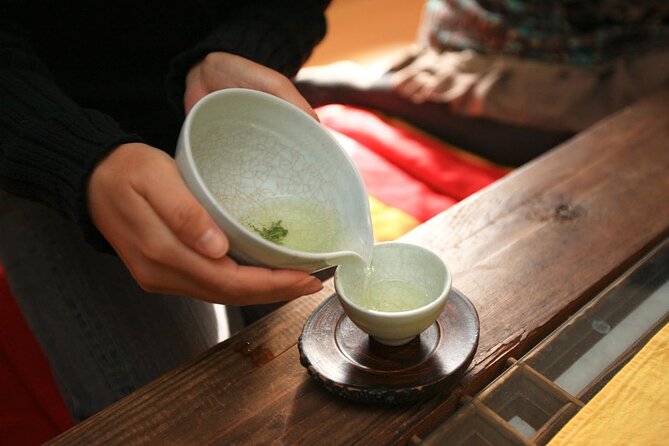
Baekyangsa Temple provides the day’s quiet pause. The temple is known for different seasonal scenery, but its tea conversation with a Buddhist monk is the real reason to pay attention. It gives you time for reflection and a direct cultural encounter, rather than another quick monument visit.
The day combines walking, costume, royal history, and spiritual practice. It is a strong example of how the tour tries to vary its pace, although the schedule still leaves little room for wandering off on your own.
Day 3: Boseong tea rows and Suncheon wetlands
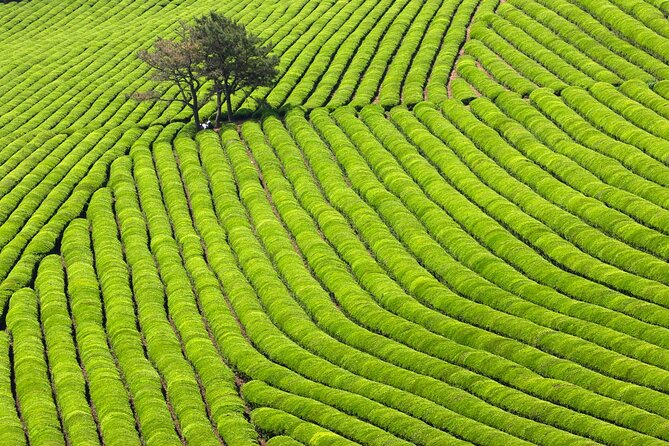
Boseong’s Daehan Dawon is Korea’s largest green tea field. Two hours among the terraced rows gives you time to appreciate how tea is grown and shaped into the scenery. The neat lines of bushes make this one of the trip’s most photogenic stops, but it also offers a useful look at an important Korean agricultural tradition.
You will be outdoors here, so weather matters. The tour specifically requires good weather, and the experience is better when the paths and views are clear. Bring sensible walking shoes and be ready for sun or rain because the stop is built around being outside.
After lunch, Suncheon Bay Wetland Reserve changes the view again. The reserve sits where a river meets the sea and supports more than 250 species. Its open marshes are a welcome counterpoint to the crowded streets and dense urban areas found elsewhere in Korea.
Two hours allows you to see the main area without turning the visit into a rushed photo break. The value here is the contrast: Korea is not only palaces, temples, and cities. It also has major coastal wetlands that support birds and other wildlife.
A completely different kind of day:
- Seoul: DMZ Tour with Optional Suspension Bridge
★ 4.8 · 5,277 reviews - Signature DMZ Tour: Exclusive Defector Talk & Suspension Bridge
★ 5.0 · 4,459 reviews - Thrilling Korean DMZ 3rd Tunnel Tour from Seoul + Red Bridge Rush
★ 5.0 · 3,097 reviews - DMZ Past and Present: Korean Demilitarized Zone Tour from Seoul
★ 5.0 · 2,481 reviews
Day 4: Busan through memory, seafood, and sea views
The UN Memorial Cemetery is a solemn start to Busan. About 2,300 graves are arranged by nation, honoring UN personnel who died during the Korean War. This is a place for quiet attention, and the one-hour visit gives you enough time to understand its purpose without making the stop feel hurried.
Jagalchi Market then brings you into everyday Busan. The market is known for fresh seafood and local specialties, offering a direct look at the city’s connection with the sea. You have an hour to walk through the stalls and take in the food culture.
Because lunch is included elsewhere in the daily plan, you should not assume you can freely design a full market meal. Use the stop to observe, photograph, and notice the range of seafood on display. Extra drinks or personal purchases are not covered, so keep some money handy.
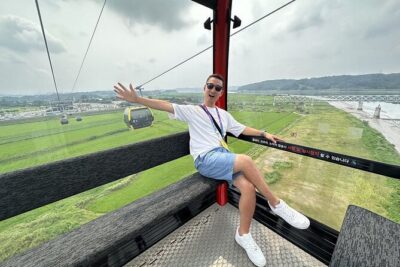
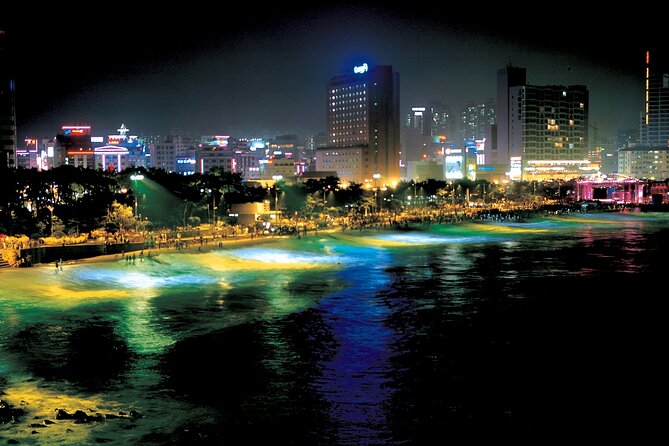
The Songdo Sea Cable Car is the day’s lighter finish. The ride covers about 1.6 kilometers between Songdo Beach Station and Songdo Sky Park, with broad views across the coast. The two-hour allocation likely includes time around the stations and viewpoints, not just the ride itself.
The combination works well: remembrance in the morning, local commerce around midday, and open coastal views later. It is one of the more varied days, though the market may feel brief if you want to stop at every stall.
Day 5: Busan’s modern summit and Gyeongju’s Silla treasures
At Nurimaru APEC House on Dongbaekseom Island, you see the site of the 2005 APEC Summit. The modern, glass-walled conference hall gives the morning a contemporary edge before the tour turns back toward ancient Korea.
Bulguksa Temple in Gyeongju is a UNESCO World Heritage Site and one of the trip’s major cultural stops. The hour and a half here lets you see the key structures and hear why the temple matters, but it is not enough for an unhurried study of every detail.
Gyeongju was Korea’s capital for roughly a thousand years under the Silla kingdom. At the Daereungwon Tomb Complex, broad burial mounds point to the scale and power of the Silla royal court. The tombs are visually striking, but the museum visit later in the day helps explain what lies behind them.
The Gyeongju National Museum is especially important for anyone interested in early Korean art. Golden crowns and other objects from a millennium ago make the Silla period more concrete. You have two hours, which is generous compared with many museum stops on group tours.
Cheomseongdae Observatory finishes the day with a short 20-minute visit. This ancient astronomical structure is a symbol of Gyeongju and a reminder that Silla court life included serious attention to the heavens. The stop is brief, so expect an exterior visit rather than a long examination.
This is a history-heavy day. If ancient sites and museums are your priority, it may be the strongest part of the trip. If you need frequent nature breaks, the schedule may feel dense.
Day 6: Traditional sweets and a living village in Andong
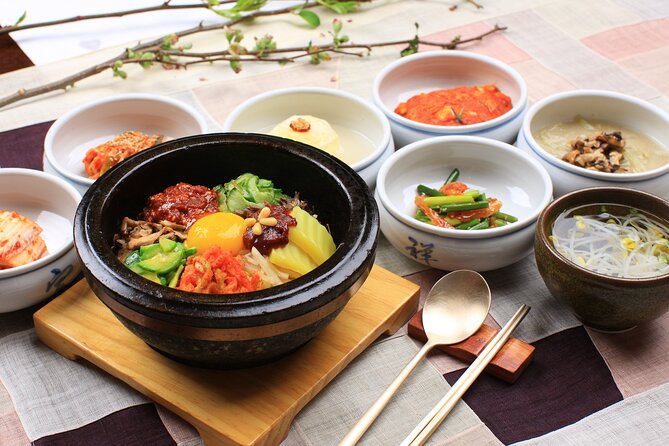
Momyeongjae begins with the tour’s most hands-on food activity. At a Korean Traditional Culture Center, expert instructors show you how to make a traditional Korean dessert. The 90-minute session gives you something to do, not just something to look at.
This is a useful fit for people who want food culture explained through practice. It also breaks up the long sequence of monuments and museums. The exact dessert is not specified, so you should treat it as a traditional Korean sweets lesson rather than book it for one particular dish.
Andong Hahoe Folk Village follows. The village has more than 600 years of history and remains a living traditional community. Its UNESCO World Heritage status reflects both the preserved buildings and the continuing cultural character of the place.
Two hours allows you to walk through the village and take in its older forms, but keep your expectations realistic. This is not a theme park built only for photographs. It is a real community, so respectful behavior matters.
The day offers a good balance between making food and seeing a historic village. It may also be one of the more tiring days because the tour has been moving across the country since the first morning.
Day 7: Seoraksan closes the trip with mountain air
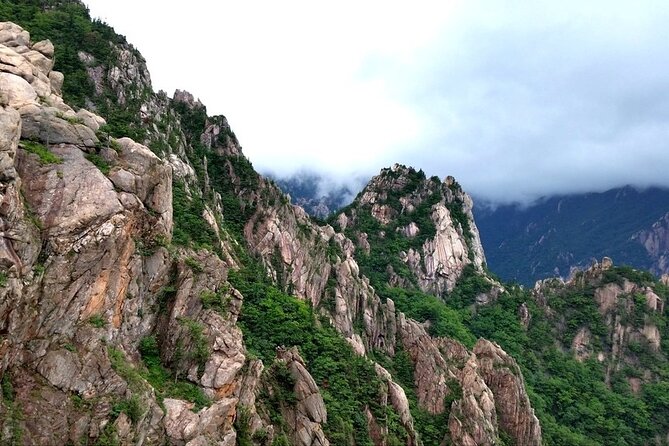
The final morning begins in Pyeongchang and heads to Jujeongol Valley in Seoraksan National Park. Dramatic rock formations, high peaks, and clear streams provide a strong outdoor finish after several days of museums, shrines, and city stops.
You have about two hours in the park. That is enough for a focused walk and scenery, but not for a major hike across Seoraksan. The moderate fitness requirement matters here, as you should be comfortable walking on outdoor paths and handling a full week of activity.
The ending is well chosen. Seoraksan gives you a final change of scale, from royal tombs and village lanes to open mountain scenery. After the park, the activity ends back at the meeting point in Seoul, the Amid Hotel Seoul at 38 Insadong 5-gil, Jongno District.
Meals, hotels, vehicles, and group pace
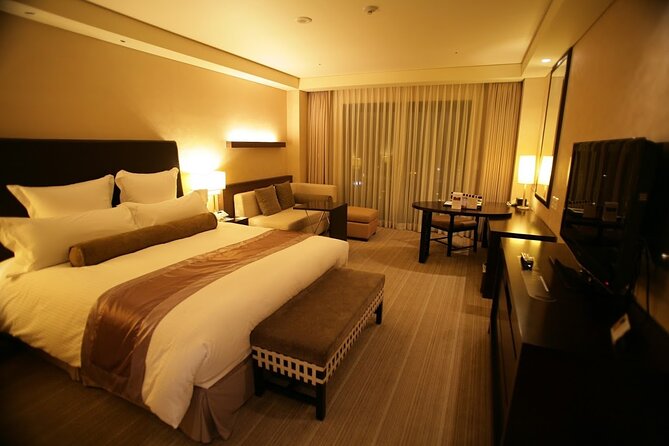
Six nights of accommodation are included in twin or double rooms. The information provided does not name the hotels or list their locations, so ask for those details if hotel quality or neighborhood matters to you.
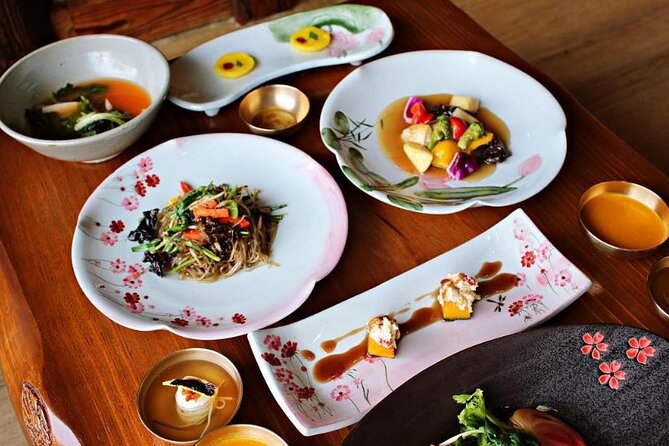
Meals include six breakfasts, seven lunches, and six dinners. That is a major convenience on a route with frequent moves, but you should still expect limited control over meal timing and restaurant choice. Personal drinks, tips, laundry, telephone charges, pay TV, and other extra costs are not included.
Transport is by air-conditioned vehicle, with the vehicle type changing according to group size. The maximum group is 35 people. That is not a tiny private tour, but it is small enough for a guide to keep the group together without the scale of a huge coach excursion.
An English-speaking guide or driver-guide leads the route. One guide named in the feedback is Jay, praised for being friendly, fun, kind, and attentive to a group of 16. That gives you a useful picture of the human side of the trip, although guide assignments can change.
The tour starts at 8:00 a.m. at Amid Hotel Seoul. First-day pickup and final drop-off are not included, so plan your own way to and from the meeting point. Mobile tickets are provided, and confirmation is normally issued at booking unless you book within one day of departure.
Who will get the most from this $1,970 tour?
I would choose this trip if you want to see far more than Seoul but do not want to build a seven-day route through Korea’s regional trains and hotels yourself. The no-shopping policy is a real advantage for anyone who wants cultural sites, food, and scenery instead of sales stops.
It also suits first-time visitors who appreciate structure. The guide, included admissions, meals, and transport remove many small decisions. A 99 percent recommendation rate and a five-star score from 157 ratings suggest the package has made a strong impression, especially for people who value good organization and personal care.
I would hesitate if you want long free periods, nightlife, independent restaurant choices, or a chance to stay several nights in one place. The price is easier to justify when you use the included meals and hotels, but it remains a serious commitment.
Cancellation terms are worth noting before you pay. Cancel at least six full days before the start for a full refund. Cancellation two to six full days ahead brings a 50 percent refund, while cancellation less than two full days ahead is nonrefundable. Poor weather can lead to a new date or a full refund.
Should you book Discover Round Korea in 7days?
Book it if your ideal Korea trip is broad, guided, and efficient. You will see royal capitals, a hanok village, a tea farm, wetlands, Busan’s market and coast, Silla treasures, Andong traditions, and Seoraksan in one sweep.
Skip it if your main goal is freedom. The early starts, fixed meals, long transfers, and packed sightseeing days ask you to trade flexibility for reach.
For the right person, that is a fair bargain. You get a carefully connected introduction to Korea, with the shopping pressure removed and the practical work handled for you.
FAQ
Where does the tour start?
It starts at 8:00 a.m. at Amid Hotel Seoul, 38 Insadong 5-gil, Jongno District, Seoul.
Where does the tour end?
The activity ends back at the meeting point in Seoul.
Is hotel pickup included on the first day?
No. First-day hotel pickup is not included. Amid Hotel Seoul is the recommended place to stay and the meeting point.
How many nights of accommodation are included?
Six nights are included in twin or double rooms.
Which meals are included?
The tour includes six breakfasts, seven lunches, and six dinners.
Are entrance fees included?
Yes. Entrance fees for all sites visited during the tour are included.
How large can the group be?
The maximum group size is 35 participants.
What fitness level is required?
A moderate level of physical fitness is recommended. The tour includes walking at fortresses, villages, temples, museums, wetlands, and Seoraksan National Park.
Just added in Seoul
- Seoul: Korean & English Language Exchange Global Party★ 5.0 · 28 reviews
- Your Personal Seoul Photographer!★ 4.1 · 15 reviews
- You’re Invited to Our Home in Seoul: The Only Cooking Class!★ 5.0 · 8 reviews
- From Seoul: Yongpyong Ski Day Tour with Transportation★ 4.9 · 40 reviews
- From Seoul: Hwacheon Ice Fishing and Lighting Festival Tour★ 4.5 · 4 reviews
- Unique Native Experience : Han River Picnic, Board game, BBQ★ 5.0 · 3 reviews
- Seoul: Gangneung BTS K-Pop & K-Drama Filming Locations Tour★ 4.6 · 14 reviews
- Seoul: Euljiro Gastroventure Tour★ 4.0 · 1 review
Seoul Tours, compared.
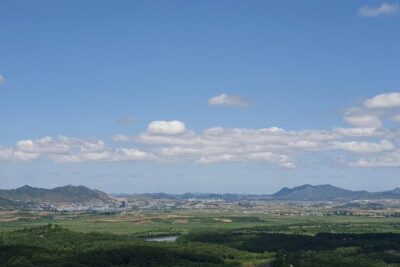
Best DMZ Tour Korea from Seoul (Red Suspension Bridge Optional)
Read our review →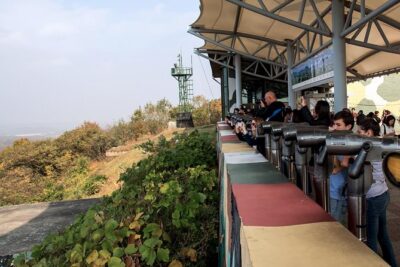
DMZ Tour: 3rd Tunnel, Option(Suspension Bridge, Boat) from Seoul
Read our review →DMZ tour south Korea from Seoul (NK experience hall, defector)
Read our review →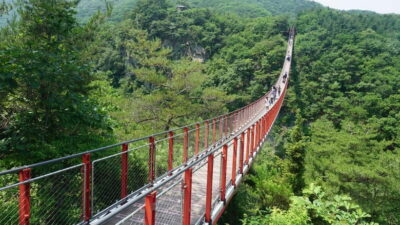
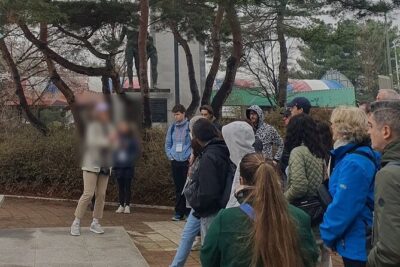
Signature DMZ Tour: Exclusive Defector Talk & Suspension Bridge
Read our review →
Thrilling Korean DMZ 3rd Tunnel Tour from Seoul + Red Bridge Rush
Read our review →
DMZ Past and Present: Korean Demilitarized Zone Tour from Seoul
Read our review →