
Reviewed · DMZ TOURS
DMZ 2nd Tunnel and Cheorwon Peace Observatory with Admission
The Korean border tells a difficult story. This eight-hour private tour from Seoul reaches the 2nd Tunnel, Cheorwon Peace Observatory, and the wrecked train at Woljeongri Station, while giving you a closer look at the Korean War and the continuing hope for reunification. I like that your own tour vehicle enters the civilian-controlled area instead of making you change to a large group bus. I also like the balance between military sites, historic ruins, and protected wildlife habitat. The main drawback is the price: at $245.29 per person, it is a serious day-trip expense, especially since lunch costs another 15,000 Korean won.
This is a strong choice if you want a more focused DMZ visit and prefer a private group over a standard bus outing. Guides Jun, Moon, and Wendy receive especially warm praise for making the day personal and educational. The tour is not just a photo stop at a border fence. You walk into a former military tunnel, ride a monorail up to an observation point, and see a bombed train left where the Korean War ended its journey.
In This Review
- Key points to know before booking
- Why Cheorwon offers a different DMZ day
- Registration at the Cheorwon DMZ Peace Center
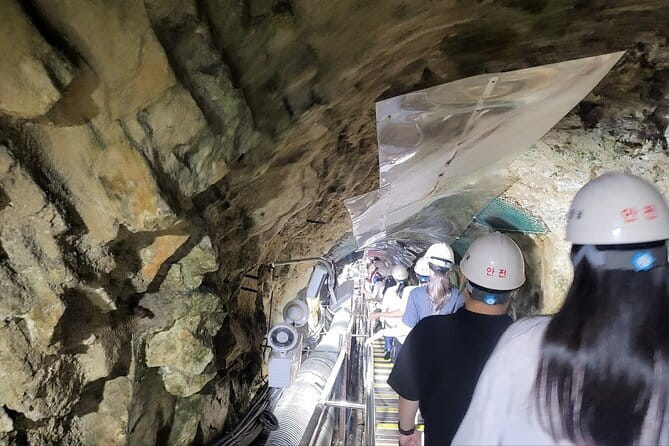
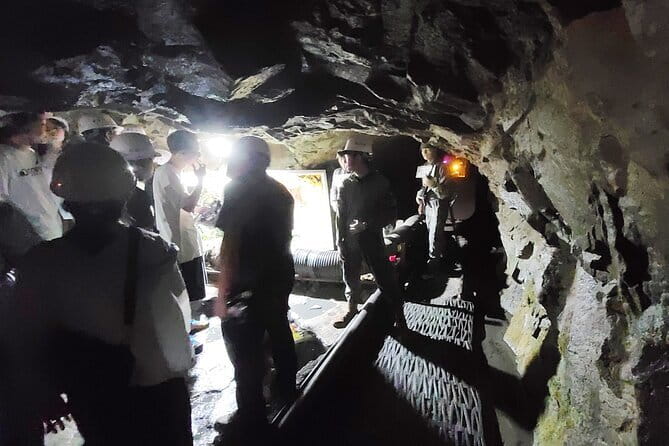
- Walking into the 2nd Tunnel
- Riding the monorail to Cheorwon Peace Observatory
- Woljeongri Station and the ruined train
- What the guide adds to the experience
- The $245.29 price and what you receive
- Who should book this Cheorwon tour?
- Practical advice for a smoother day
- Should you book the 2nd Tunnel and Cheorwon tour?
- FAQ
- How long does the tour last?
- Where does the tour depart from?
- Is this a private tour?
- Do I need to change to a group tourist bus?
- What is included in the tour price?
- Is lunch included?
- Can I visit inside the 2nd Tunnel?
- Does the observatory monorail cost extra?
- How far in advance is the tour usually booked?
- Can I cancel for a full refund?
Key points to know before booking
- Your vehicle enters the civilian-controlled zone: You do not transfer to a separate group bus for the DMZ portion.
- The 2nd Tunnel reaches 300 meters from the Military Demarcation Line: It offers a more substantial underground visit than a quick surface stop.
- The Cheorwon observatory includes a round-trip monorail: You can save energy on the climb and spend more time looking across the border area.
- Woljeongri Station preserves a bombed North Korean train: The damaged cars give the war a blunt, physical presence.
- The tour lasts about eight hours from Seoul: That allows a fuller visit, but it also makes for a long day.
- The price covers admission and transportation, but not lunch: Consider the total cost before comparing it with larger group tours.
Why Cheorwon offers a different DMZ day
Many DMZ excursions focus on the best-known sites near Seoul, particularly the 3rd Tunnel. Cheorwon offers another angle. The area is tied closely to the Korean War, but it also gives you a sense of what happened after the fighting stopped. With little human activity for more than 70 years, parts of the controlled zone became a refuge for cranes, migratory birds, and other animals.
That contrast matters. You are looking at a place shaped by military tension, yet also protected from ordinary development. The result is not a polished sightseeing district. It is a quiet border area where concrete defenses, old rail infrastructure, open fields, and wildlife exist side by side.
I find that this makes the day particularly useful for families and anyone who wants more than a quick glimpse of North Korea. Korean school groups visit the DMZ to study the Cold War and the division of the peninsula. You can approach the same sites as a visitor, but the subject remains a living part of Korean identity rather than a closed chapter in a textbook.
The tour is private, so only your group participates. That gives you a better chance to ask questions and keep the pace suited to your party. It also explains the higher price. You are paying for private transportation, a guide, admission, and a full day beyond central Seoul, not simply a ticket to one attraction.
More DMZ tours:
- Best DMZ Tour Korea from Seoul (Red Suspension Bridge Optional)
★ 5.0 · 41,422 reviews - DMZ Tour: 3rd Tunnel, Option(Suspension Bridge, Boat) from Seoul
★ 5.0 · 21,373 reviews - DMZ tour south Korea from Seoul (NK experience hall, defector)
★ 5.0 · 20,599 reviews
Registration at the Cheorwon DMZ Peace Center
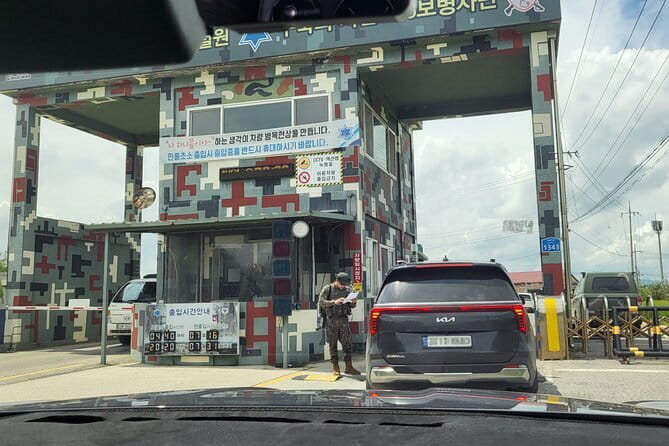
Your first important stop is the Cheorwon DMZ Peace Center. This is where the vehicle license number and each visitor’s name are registered before entry into the civilian-controlled area.
The procedure adds a little time, but it is also a useful reminder that this is an active security zone, not a normal public park. The tour operator handles the process, and your group remains with its own vehicle. Instead of transferring to a shared tourist bus, you follow a lead vehicle in single file.
That arrangement is one of the tour’s best practical features. You avoid the confusion of moving between buses, and your party stays together. It also makes the route feel more controlled and deliberate. The trade-off is that access rules can affect the schedule. The supplied details do not promise a completely flexible departure or route, so you should expect to follow the designated process.
The tour includes an air-conditioned vehicle, private transportation, and bottled water. Pickup is offered, though you should confirm the exact pickup point and time when booking. The full outing takes about eight hours, so air conditioning and a private vehicle make a real difference, particularly after walking underground.
Walking into the 2nd Tunnel
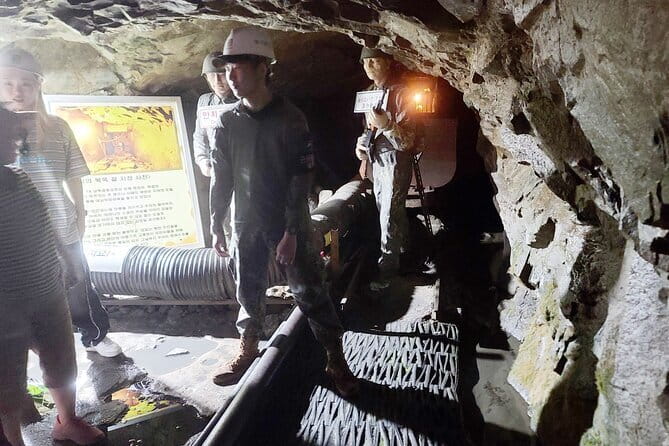
The 2nd Tunnel was discovered on March 24, 1975, after two soldiers reported hearing explosions during sentry duty on November 20, 1973. The excavation revealed a passage built by North Korean forces beneath the border.
The tunnel is described as twice longer and deeper than the 3rd Tunnel. More importantly for your visit, you can walk inside to a point only 300 meters from the Military Demarcation Line. That distance gives the site an immediate sense of danger and purpose. This is not an abstract military display. You are standing in a passage constructed for a possible movement of troops beneath the border.
The underground section is the most physically demanding part of the day. You should be prepared for walking through a tunnel and for the possibility that the footing and passage feel less comfortable than a standard museum visit. The tour information does not give a precise walking distance, temperature, or accessibility description, so anyone with mobility concerns should ask the provider before booking.
I like the 2nd Tunnel because it makes the division of Korea easier to understand. Maps and observation points can feel distant. Inside the tunnel, the conflict becomes a matter of rock, labor, engineering, and military planning. Your guide can also connect the excavation to the wider Korean War story, which is where guides such as Jun and Moon add real value. Their approach has been praised for explaining both the events and the suffering behind them.
Children can take useful lessons from this stop, but parents should decide if an underground military site suits their age and interests. The tunnel is educational, not entertainment. Its strongest effect comes from the plain facts: when it was found, how close it reaches to the border, and what it was intended to do.
Riding the monorail to Cheorwon Peace Observatory

At Cheorwon Peace Observatory, you can take a monorail to the top of the mountain. The round-trip monorail ticket is included, which is helpful because it saves energy for the viewing area and the guide’s explanations.
From the observatory, the view includes several places linked to the war and the divided peninsula:
- Battle of Blood Ridge
- Kim Il Sung’s highland
- The former fortress and castle town of Gung-Ye
- The Pyeonggang tableland
- A North Korean propaganda town within the DMZ
The Battle of Blood Ridge carries a heavy cost. The site is associated with the deaths of 1,250 North Korean soldiers and 1,030 South Korean soldiers. Those numbers can be hard to grasp until you look across the same area from the observatory. The guide’s explanation helps connect the broad view with the human cost of the fighting.
The reference to Kim Il Sung’s highland adds another layer. According to the tour information, Kim Il Sung cried for three days after losing Cheorwon land. Whether you approach that detail as military history, political symbolism, or a story passed through Korean memory, it shows how important this area became to both sides.
You may also spot the North Korean propaganda town. From a distance, it is a reminder that the border is not simply an old battlefield. The division remains present in the built environment and in the way each side presents itself.
The monorail is a practical bonus, especially for anyone who does not want a steep climb. It also keeps the day manageable for families and older adults, although the tour does not provide detailed accessibility information. Ask ahead if you need specific help with steps, walking, or boarding.
A few more options to weigh up in Seoul
- Seoul: DMZ Tour with Optional Suspension Bridge
★ 4.8 · 5,277 reviews - Signature DMZ Tour: Exclusive Defector Talk & Suspension Bridge
★ 5.0 · 4,459 reviews - Thrilling Korean DMZ 3rd Tunnel Tour from Seoul + Red Bridge Rush
★ 5.0 · 3,097 reviews - DMZ Past and Present: Korean Demilitarized Zone Tour from Seoul
★ 5.0 · 2,481 reviews
Woljeongri Station and the ruined train
Woljeongri Station is a short but powerful final stop. Behind the station building sits the wreckage of a train bombed during the Korean War.
The train was used by the North Korean army and later attacked by United Nations forces. Its rusted remains are not a glamorous attraction, but that is exactly why they matter. You see the physical remains of a transport system interrupted by war. The train also links the border to ordinary life: railways carry workers, supplies, families, and soldiers. Here, the railway ended in destruction.
I would not expect a long visit at Woljeongri Station. Its value comes from the contrast with the observatory. After looking across the border at distant sites, you stand beside something close enough to touch. The station and train make the Korean War feel less like a series of strategic names and more like an event that damaged real infrastructure and disrupted real lives.
This stop also adds variety to the itinerary. The 2nd Tunnel is underground and military. The observatory is wide and visual. Woljeongri Station is quiet, historical, and sharply concrete. Together, the three sites create a better understanding of Cheorwon than any one stop could provide.
What the guide adds to the experience
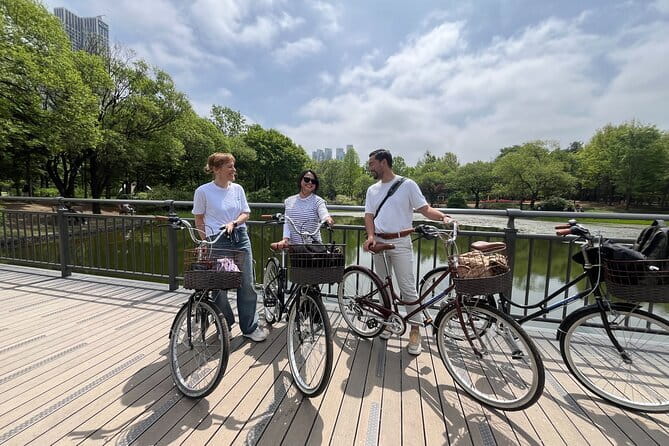
A DMZ visit depends heavily on the guide. Regulations control where you can go, but the explanation determines what you take away.
Jun and Moon have been praised for sharing the history of the Korean War while also explaining the grief and suffering connected to it. That emotional balance is important. A border tour can easily become a checklist of military facilities. A good guide reminds you that division affects families, national identity, and the hope of reunification.
Wendy is also specifically praised for being personable and keeping the day moving without wasted time. That is useful on an eight-hour trip with several controlled-area stops. You want enough explanation to understand the sites, but not so much that the schedule becomes tiring.
Because this is a private activity, you can ask questions that might be difficult to raise in a large group. You can also tell your guide if your party needs a little more time at the train, tunnel, or observatory. The tour still follows the security requirements of the DMZ, so private does not mean fully independent.
The best questions are likely to be about how the tunnel was found, why Cheorwon mattered during the war, what can be seen from the observatory, and how the area became a wildlife refuge. These questions help you connect the military past with the present-day border.
The $245.29 price and what you receive
At $245.29 per person, this tour is not the budget way to see the DMZ. The price makes more sense for a private group that values direct transportation and a full Cheorwon route.
Included are:
- Air-conditioned vehicle
- Private transportation
- Bottled water
- DMZ admission
- Round-trip monorail ticket
Lunch is not included and costs 15,000 Korean won per person. That is a modest extra cost, but you should include it when comparing the final price with other options.
The strongest value comes from the private vehicle. You enter the civilian-controlled area with your own group and follow the lead vehicle, rather than changing into a shared bus. This saves hassle and gives the day a more personal feel. It can also be worthwhile if you are traveling with family or a small party that wants to stay together.
The price is harder to justify if you mainly want a quick border photo or a simple introduction to the DMZ. In that case, a less expensive group excursion may suit you better. But if the 2nd Tunnel and Cheorwon are your main goals, the admission, monorail, guide, and transportation create a solid package.
The tour is commonly booked about 11 days ahead. That is useful planning information, especially if your Seoul schedule is tight. Booking early also gives you time to confirm pickup arrangements and ask about the walking conditions inside the tunnel.
Who should book this Cheorwon tour?

I would recommend this experience to several types of visitors:
- Families wanting an educational day outside Seoul
- Adults interested in Korean War history and reunification
- Small groups that prefer private transportation
- Visitors who have already seen the better-known DMZ sites
- Anyone who wants a tunnel, observatory, and war relic in one day
- People who value a guide’s explanation more than a quick photo stop
It is less suitable if you want a relaxed sightseeing day with no restrictions. The DMZ follows military procedures, and the schedule includes an underground walk. You should also think carefully if a long day in a vehicle is not appealing.
The tour works particularly well for people who want context. The observatory alone gives you a view, but the tunnel explains the military threat. Woljeongri Station supplies a physical reminder of wartime destruction. The protected area and its cranes add another point: the absence of human activity has allowed nature to return.
Practical advice for a smoother day
Wear practical clothing and shoes suitable for walking through a tunnel. The supplied information does not list a dress code or exact conditions inside, so comfort is the safest choice.
Bring patience for the registration process at the Peace Center. Your vehicle’s license number and visitor names must be recorded before entering the controlled area. This is not a flaw in the tour. It is part of visiting a sensitive military zone.
Keep your group together and follow the guide’s instructions. You will be moving with a lead vehicle once inside the civilian-controlled area, and the route is not an ordinary open-road excursion.
Budget for lunch in addition to the listed price. Bottled water is supplied, but the tour details do not promise other refreshments.
Finally, ask questions. The emotional meaning of Cheorwon can be easy to miss if you only look at the sites. Guides such as Jun, Moon, and Wendy are a major part of the experience, so use the private format to understand what you are seeing.
Should you book the 2nd Tunnel and Cheorwon tour?
Book it if you want a serious, well-rounded DMZ day and are willing to pay for private transportation. The combination of the 2nd Tunnel, monorail-accessed observatory, and bombed train at Woljeongri Station gives you more substance than a simple border overlook.
Skip it if your main goal is the lowest possible price, a short outing, or a completely flexible schedule. At eight hours and $245.29 per person, this is a commitment.
For families, history-minded visitors, and small groups, I think the value is strong. The tour brings together the military story, the hope for reunification, and the surprising wildlife of a place left untouched for decades. It asks you to spend a full day on a difficult subject, but it gives you the setting and guidance to understand why the DMZ still matters.
FAQ
How long does the tour last?
The tour lasts approximately eight hours.
Where does the tour depart from?
The tour is based in Seoul, and pickup is offered. Confirm the exact pickup details when booking.
Is this a private tour?
Yes. Only your group participates in the activity.
Do I need to change to a group tourist bus?
No. Your group enters the civilian-controlled area in its own vehicle and follows a lead vehicle in single file.
What is included in the tour price?
The price includes an air-conditioned vehicle, private transportation, bottled water, DMZ admission, and a round-trip monorail ticket.
Is lunch included?
No. Lunch costs 15,000 Korean won per person and is not included in the tour price.
Can I visit inside the 2nd Tunnel?
Yes. The tour allows you to explore inside the 2nd Tunnel up to an ending point located 300 meters from the Military Demarcation Line.
Does the observatory monorail cost extra?
No. The round-trip monorail ticket for Cheorwon Peace Observatory is included.
How far in advance is the tour usually booked?
The experience is booked an average of 11 days in advance.
Can I cancel for a full refund?
Yes, if you cancel at least 24 hours before the experience start time. Cancellations made less than 24 hours in advance are not refunded, and changes within that period are not accepted.
Just added in Seoul
- Seoul: Korean & English Language Exchange Global Party★ 5.0 · 28 reviews
- Your Personal Seoul Photographer!★ 4.1 · 15 reviews
- You’re Invited to Our Home in Seoul: The Only Cooking Class!★ 5.0 · 8 reviews
- From Seoul: Yongpyong Ski Day Tour with Transportation★ 4.9 · 40 reviews
- From Seoul: Hwacheon Ice Fishing and Lighting Festival Tour★ 4.5 · 4 reviews
- Seoul: Gangneung BTS K-Pop & K-Drama Filming Locations Tour★ 4.6 · 14 reviews
- Unique Native Experience : Han River Picnic, Board game, BBQ★ 5.0 · 3 reviews
- Seoul: Euljiro Gastroventure Tour★ 4.0 · 1 review
DMZ Tours, compared.
Best DMZ Tour Korea from Seoul (Red Suspension Bridge Optional)
Read our review →
DMZ Tour: 3rd Tunnel, Option(Suspension Bridge, Boat) from Seoul
Read our review →DMZ tour south Korea from Seoul (NK experience hall, defector)
Read our review →
DMZ Insider Tour: 3rd Tunnel, NK Defector Meet & Red Bridge
Read our review →
Signature DMZ Tour: Exclusive Defector Talk & Suspension Bridge
Read our review →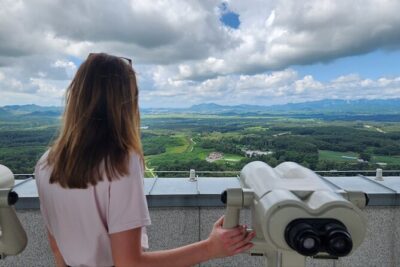
Thrilling Korean DMZ 3rd Tunnel Tour from Seoul + Red Bridge Rush
Read our review →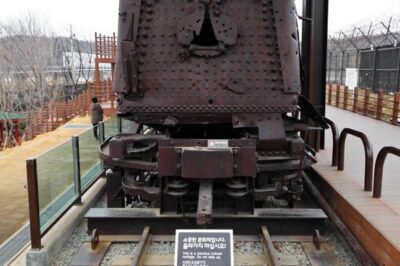
DMZ Past and Present: Korean Demilitarized Zone Tour from Seoul
Read our review →Browse the lists this tour appears in