
Reviewed · DMZ TOURS
DMZ Tour (Exclusive offer: NK Defector meet up & Experience Hall)
The border tells Korea’s story in plain sight. This roughly seven-hour trip packs the Third Infiltration Tunnel, Dora Observatory, Imjingak Park, Freedom Bridge, and Dorasan Station into one day, with a guide explaining what you are seeing instead of leaving you to decode military maps and memorials alone. I especially like the round-trip coach ride and the fact that there is no compulsory shopping stop. The main caution is the tunnel, which is steep and narrow, and access to some sites can change with military conditions.
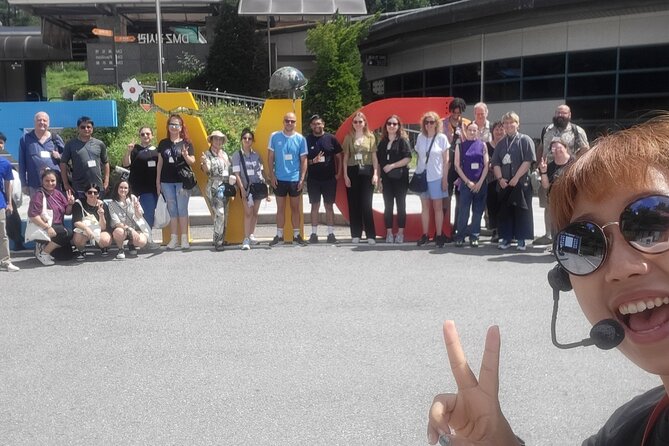
I also like the human side of the North Korean defector meeting and Experience Hall. Guides such as Felicity, Katie, Miel, Grace, Yeoni, and Erica have earned strong praise for clear explanations, good timing, and a friendly manner. Still, this is a group tour of up to 40 people, so you should expect a planned schedule rather than a quiet, private visit.
In This Review
- Key Points Before You Book
- Why the DMZ Is Worth a Day From Seoul
- Starting at City Hall and Heading North
- Imjingak Park and the Meaning of Freedom Bridge
- The Third Infiltration Tunnel Is the Hardest Stop
- Dora Observatory and the View Toward North Korea
- Dorasan Station and the Hope of Reunification
- Meeting a North Korean Defector
- Guides, Timing, and the Feel of the Group
- What to Bring and What to Expect
- Military Changes and Other Limits
- Who Should Book This DMZ Tour?
- Should You Book It?
- FAQ
- How long does the DMZ tour last?
- Where does the tour start and finish?
- Is hotel pickup included?
- Do I need to bring my passport?
- Is lunch included?
- Is the tram included?
- What happens if a DMZ site closes?
Key Points Before You Book
- The Third Infiltration Tunnel is a workout: Expect a steep descent and a harder climb back up through a narrow passage.
- The defector session adds a personal voice: It gives the political story a human scale and is often a highlight of the day.
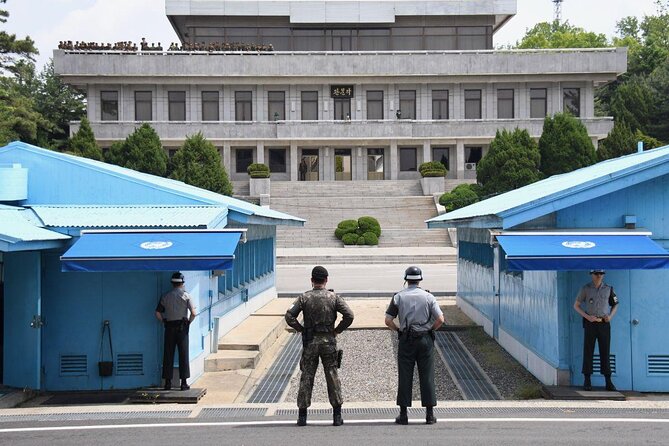
- Dora Observatory offers a view into North Korea: Binoculars make the distant view more meaningful, though visibility depends on conditions.
- There is no compulsory shopping break: Your time is aimed at the DMZ sites and their history.
- City Hall Station is the listed meeting point: Hotel pickup and drop-off are not included.
- Military rules can change the day: A site may close or an activity may be cancelled without a refund.
Why the DMZ Is Worth a Day From Seoul
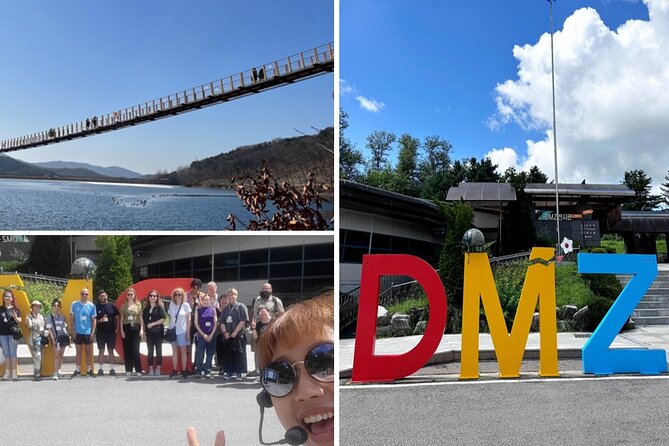
Seoul is fast, crowded, and full of things competing for your attention. The DMZ gives you a very different day: open ground, guarded roads, memorials, old railway dreams, and a border that remains active rather than frozen in the past.
I find the value of a guided visit comes from the context. On your own, a bridge, tunnel, station, or lookout can look like a collection of concrete structures. With a guide, each one connects to the division of Korea, the Korean War, the armistice, and the continuing hope of reunification.
The price, listed at $35 per person, is modest for about seven hours with transport, admissions, and a guide. You still need to pay for lunch and the tram if you choose to use it, but the basic cost covers the main framework of the day. For a first visit to the DMZ, that is a strong deal.
The tour is not a private history lesson. A coach of up to 40 people can mean a larger crowd at popular stops and less freedom to linger. The tradeoff is simple: you get a low-cost way to reach a restricted border area without arranging transport, admissions, and timing yourself.
More DMZ tours:
- Best DMZ Tour Korea from Seoul (Red Suspension Bridge Optional)
★ 5.0 · 41,422 reviews - DMZ Tour: 3rd Tunnel, Option(Suspension Bridge, Boat) from Seoul
★ 5.0 · 21,373 reviews - DMZ tour south Korea from Seoul (NK experience hall, defector)
★ 5.0 · 20,599 reviews
Starting at City Hall and Heading North
The listed start and end point is City Hall Station in Seoul. Hotel pickup and drop-off are not included, so plan extra time to reach the meeting point and listen carefully to the tour company’s instructions about the exact departure time.
Once aboard the air-conditioned coach, the guide begins setting the scene. The road out of Seoul gives you time to learn about the dividing line between North and South Korea before the stops begin. This is useful because the DMZ is not just a sightseeing zone. It is tied to a military boundary, and access depends on rules that can change.
The guide’s role matters here. Strong guides on this route have been praised for keeping the group on schedule while making the history easy to follow. Miel, for instance, has been singled out for using maps and hand gestures to explain how the division developed. Katie has been praised for keeping children interested, helping with photographs, and allowing people to move at a comfortable pace.
That combination of timing and explanation is important. The day has several stops, and delays can affect what you see later. A guide who gives clear instructions helps you spend less time wondering where to go and more time looking at the sites.
Imjingak Park and the Meaning of Freedom Bridge
Imjingak Park sits beside the Imjin River and begins the emotional part of the visit. You can see artillery and other war artifacts connected with the Korean conflict. These objects are not presented as abstract museum pieces. They remind you that the division of the peninsula came from a real war and still affects families and communities.
The park is also a place for reflection. The area’s name and memorial features point toward freedom, separation, and the hope that the two Koreas may one day be joined. The experience is not only military. It is also about ordinary people caught on opposite sides of a border.
From there, the tour continues to Freedom Bridge. Nearly 13,000 Korean prisoners of war crossed here on their return to South Korea. That detail gives the bridge weight. It is not simply a photogenic crossing point, but a place connected with people coming home after conflict.
You will probably have a set amount of time at the park and bridge. Use it well. Look at the artifacts, listen to the guide’s explanation, and notice how the river and open ground shape the setting. This is one of the easier portions of the day physically, especially compared with the tunnel.
The Third Infiltration Tunnel Is the Hardest Stop
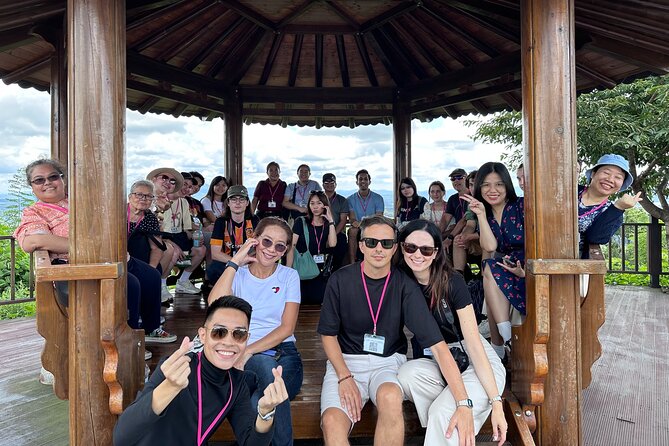
The Third Infiltration Tunnel is the most physically demanding part of the visit. It was built beneath the border area and is connected with North Korean attempts to create a route into South Korea. At the tunnel, South Korea has blocked the actual Military Demarcation Line.
The walking conditions deserve honest warning. The route is steep and narrow, and the return climb can be surprisingly tiring. Several people have described it as much harder than expected, especially on the way back up. Wear comfortable shoes and clothes, and do not treat this as a casual stroll.
There is a tram listed as an additional cost, so you should check how it fits into your chosen tour arrangement. The tram may reduce some of the walking, but the provided tour information does not promise that it is included. If you are unsure, ask before departure.
The tunnel is memorable because it turns the division into a physical experience. You are not just looking at a line on a map. You are walking through a confined passage connected with military tension underground. That said, the tunnel is not ideal for everyone. If steep walking or narrow spaces are difficult for you, this is the stop to consider most carefully.
Most people can participate in the activity, but the operator specifically calls for a moderate amount of walking through a steep and narrow tunnel. That is the practical detail worth taking seriously.
A few more options to weigh up in Seoul
- Seoul: DMZ Tour with Optional Suspension Bridge
★ 4.8 · 5,277 reviews - Signature DMZ Tour: Exclusive Defector Talk & Suspension Bridge
★ 5.0 · 4,459 reviews - Thrilling Korean DMZ 3rd Tunnel Tour from Seoul + Red Bridge Rush
★ 5.0 · 3,097 reviews - DMZ Past and Present: Korean Demilitarized Zone Tour from Seoul
★ 5.0 · 2,481 reviews
Dora Observatory and the View Toward North Korea
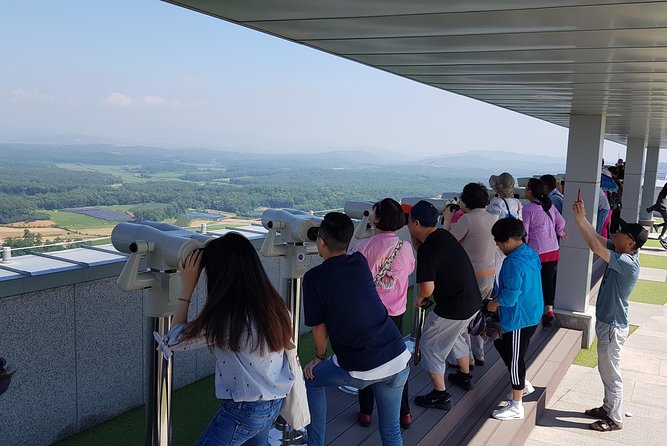
Dora Observatory gives you the chance to look toward North Korea. Binoculars make the stop more rewarding, since the view can be distant and details are not always obvious to the naked eye.
This is one of the tour’s strongest visual moments, but it can also be less dramatic than you expect. You are not walking into a North Korean town or crossing the border. You are looking across a controlled military zone from the South Korean side.
The guide helps you understand what you are seeing. Without that explanation, the view can become a quick photograph followed by a quick return to the coach. With the background, the observatory becomes a reminder of how close the two Koreas are geographically and how far apart they remain politically.
Follow the guide’s instructions about photography. At a sensitive border area, you cannot assume every direction or subject is acceptable. This is a place to listen first and take pictures second.
Weather and visibility will affect the experience. The information provided does not promise clear views, so you should think of the observatory as an opportunity rather than a guaranteed panorama.
Dorasan Station and the Hope of Reunification
Dorasan Station offers a different mood from the tunnel and observatory. It represents the idea that rail travel could one day connect the two Koreas again. The station is tied to a future that remains uncertain, which makes it both practical and symbolic.
I like this stop because it broadens the day beyond military hardware. The DMZ is not only about soldiers, fences, and tunnels. It is also about separation, movement, families, trade, and the long-term wish for a more peaceful relationship.
You may find the station’s symbolism more powerful than its size or activity. It is not presented as a normal busy transport hub. The value comes from understanding what it represents and why a railway connection matters in a divided peninsula.
This is another stop where the guide’s explanation makes the difference. Guides such as Felicity and Yeoni have been praised for giving historical information in a way that stays clear and engaging, even during a full day of stops.
Meeting a North Korean Defector
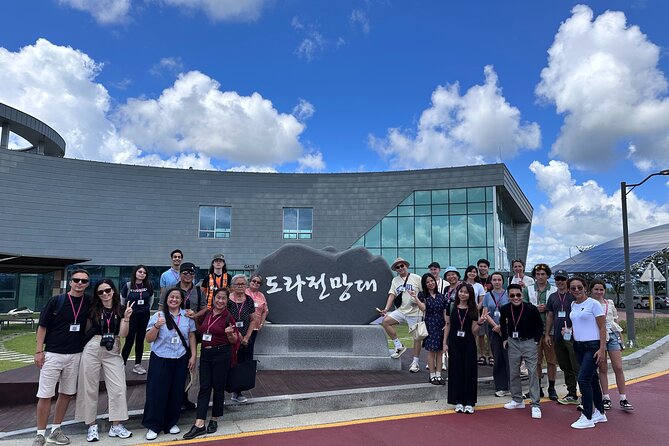
The North Korean defector meeting is the most personal part of the experience. Instead of hearing only dates, borders, and military terms, you have the chance to hear from someone who lived in North Korea and later left.
The exact format and availability should be confirmed when booking, since the supplied tour details and individual experiences suggest that this session may not be attached to every version of the trip. Some people have taken the main DMZ tour without the meeting and then added it later.
If the session is included in your booking, prepare a few respectful questions. You might ask about daily life, education, travel, family separation, or the process of adjusting to South Korea. The value is not in treating a person’s life as a spectacle. It is in listening to an individual account that adds detail to a subject often reduced to headlines.
This meeting also gives the day a human center. The tunnel shows military planning. The observatory shows distance. The defector session shows how that division affects a real life.
It is worth remembering that one person’s story cannot represent everyone in North Korea. A good session should deepen your understanding without pretending to explain an entire country through one account.
Guides, Timing, and the Feel of the Group
Guide quality is one of the tour’s strongest points. Felicity has been praised for a relaxed pace and clear explanations. Katie has been credited with managing the group while keeping children engaged. Miel has received praise for organization, patience, history lessons, and helping people understand the maps. Grace, AJ, Charles Park, Laura, Chloe, Dora, Sadie, Erica, and Yeoni have also been praised for friendly service and clear English.
Guide assignments can change, so you cannot choose a particular person unless the operator confirms it. Still, the repeated pattern is useful: expect a guide who takes timing seriously and explains the historical setting throughout the day.
The schedule is busy, but it is not meant to feel frantic. You move between several stops, with time for walking, looking, photographs, and returning to the coach. A few comments describe the pace as active but manageable, with a reasonable balance of activities and breaks.
A group of up to 40 people changes the rhythm. You need to stay alert for meeting times and avoid wandering off after a photo stop. The upside is that the coach system makes the day simple. You are not figuring out border-area transport on your own.
What to Bring and What to Expect
Bring a current valid passport on the day of the tour. You do not need to send a copy in advance, but you must have the original with you.
Wear comfortable clothes and shoes. The tunnel is the reason. Even if you are fit, the steep return route can use more energy than expected. Bring enough personal spending money for lunch and any tram cost, since neither lunch nor the tram is included.
Keep your phone ready for photographs, but follow the guide’s instructions. Military areas have rules, and those rules are more important than getting one particular picture.
The tour includes an expert guide, air-conditioned coach transport, and admission fees. It does not include hotel pickup or drop-off, lunch, or the tram. The tour is mobile-ticketed, and confirmation is provided when you book.
The operator allows free cancellation up to 24 hours before the start time for a full refund. Changes or cancellations within 24 hours are not accepted for a refund, and missing the bus because of a late arrival or confusion about the date also means no refund.
Military Changes and Other Limits
The DMZ is not a normal sightseeing district. If military conditions or local circumstances force a change, part of the itinerary may be cancelled without a refund. That is a basic risk of visiting a live border area, not a flaw unique to this operator.
A stop may also be less complete than expected. One experience had the Joint Security Area closed, yet the rest of the DMZ visit still offered plenty to see. The lesson is to book this for the overall subject and range of sites, not for one single photo opportunity.
You should also keep your expectations realistic about lunch. It is not included, and the provided information does not specify a restaurant or meal arrangement. Think of the day as a guided sightseeing trip with personal meal costs, not an all-inclusive excursion.
Who Should Book This DMZ Tour?
I would choose this tour if you have one open day in Seoul and want a broad introduction to the border, the Korean War, and the division of the peninsula. It suits first-time visitors, families with older children, and anyone who prefers having history explained along the way.
The defector session makes the experience especially worthwhile if you want a personal account, not only military sites. The low price also makes sense for people who want round-trip transport and admissions handled without paying for a private guide.
I would pause if you dislike fixed schedules, large groups, steep walking, or the possibility of a changed itinerary. You should also confirm that the North Korean defector meeting is attached to your selected booking, since it may not apply to every version.
Should You Book It?
Yes, if you want a practical, low-cost day that covers the DMZ’s main stops and gives you useful historical context. The strongest reasons are the included coach transport, no compulsory shopping break, respected guides, and the chance to add a human story through the defector session.
Just arrive at City Hall Station early, bring your passport, wear proper shoes, and accept that military access can change. Do that, and this tour offers a serious, memorable look at one of the world’s most closely watched borders.
FAQ
How long does the DMZ tour last?
The tour lasts approximately seven hours.
Where does the tour start and finish?
The listed meeting point and ending point are both City Hall Station in Seoul, South Korea.
Is hotel pickup included?
No. Hotel pickup and drop-off are not included in the tour.
Do I need to bring my passport?
Yes. You need a current valid passport on the day of travel. You do not need to send a passport copy in advance.
Is lunch included?
No. Lunch is not included in the tour price.
Is the tram included?
No. The tram is listed as an additional cost.
What happens if a DMZ site closes?
If part of the itinerary is cancelled because of military conditions or local circumstances, there is no refund for that cancellation.
Just added in Seoul
- Seoul: Korean & English Language Exchange Global Party★ 5.0 · 28 reviews
- Your Personal Seoul Photographer!★ 4.1 · 15 reviews
- You’re Invited to Our Home in Seoul: The Only Cooking Class!★ 5.0 · 8 reviews
- From Seoul: Yongpyong Ski Day Tour with Transportation★ 4.9 · 40 reviews
- From Seoul: Hwacheon Ice Fishing and Lighting Festival Tour★ 4.5 · 4 reviews
- Seoul: Gangneung BTS K-Pop & K-Drama Filming Locations Tour★ 4.6 · 14 reviews
- Unique Native Experience : Han River Picnic, Board game, BBQ★ 5.0 · 3 reviews
- Seoul: Euljiro Gastroventure Tour★ 4.0 · 1 review
DMZ Tours, compared.
Best DMZ Tour Korea from Seoul (Red Suspension Bridge Optional)
Read our review →
DMZ Tour: 3rd Tunnel, Option(Suspension Bridge, Boat) from Seoul
Read our review →DMZ tour south Korea from Seoul (NK experience hall, defector)
Read our review →
DMZ Insider Tour: 3rd Tunnel, NK Defector Meet & Red Bridge
Read our review →

Signature DMZ Tour: Exclusive Defector Talk & Suspension Bridge
Read our review →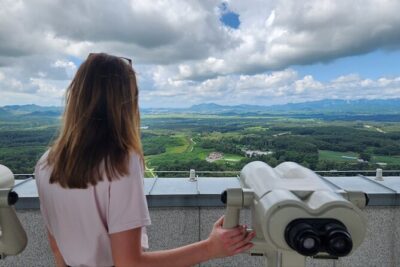
Thrilling Korean DMZ 3rd Tunnel Tour from Seoul + Red Bridge Rush
Read our review →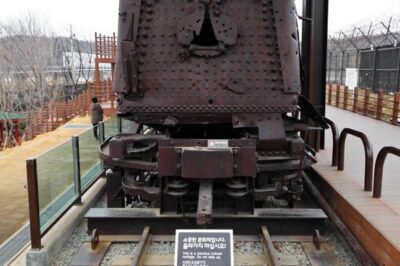
DMZ Past and Present: Korean Demilitarized Zone Tour from Seoul
Read our review →Browse the lists this tour appears in