
Reviewed · VEGAN & VEGETARIAN
Experience Live Korean Vegan Course & Traditional Liquor Pairing
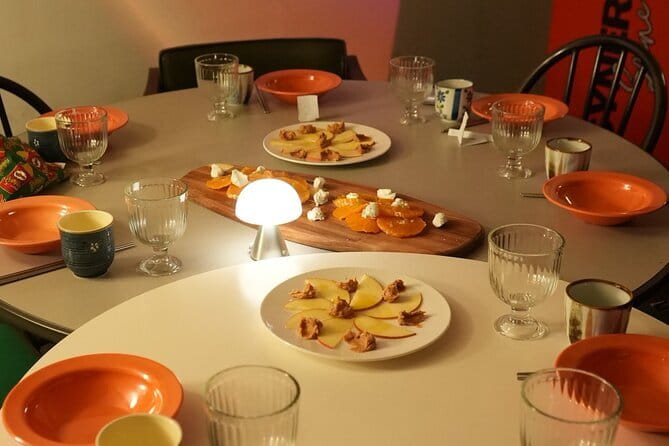
Korean food without the barbecue. This two-hour meal in Seoul gives you a close look at seasonal vegan cooking, with fermented sauces, pickled vegetables, and traditional Korean drinks shaping the meal. I like the thoughtful six-course format and the personal touch of dishes such as pickles prepared by the host Hemi’s mother, who has more than 20 years of experience. I also like that this is a private activity, so you are not squeezed into a large dining group.
The main consideration is simple: this is a special-interest meal, not a general Seoul food tour. If you want meat, street snacks, or a long list of restaurant stops, this will feel narrow. If you want plant-based Korean food served with context and drink pairings, the $60 price is easier to justify.
In This Review
- Five things to know before you book
- A different side of Korean food in Seoul
- Finding Wesley Barber Shop in Sindang-dong
- The opening lesson: Korean plant-based cooking
- Six courses built around seasonal vegetables
- Pairing makgeolli, omija wine, and soju
- Why a private setting changes the meal
- Is $60 good value?
- Who will enjoy this most?
- Booking, timing, and cancellation advice
- Should you book this Seoul food experience?
- FAQ
- Where does the experience meet?
- How long does the experience last?
- How much does it cost?
- Is the meal vegan?
- How many courses are included?
- Which Korean liquors are paired with the food?
- Is this a private activity?
- Can I cancel for a full refund?
Five things to know before you book
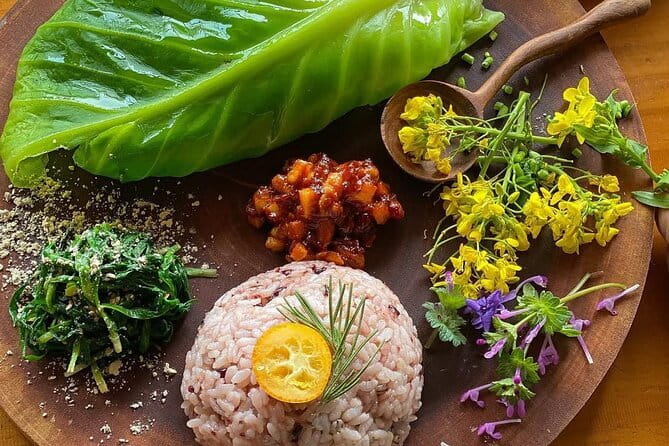
- The meal is a six-course vegan Korean experience, with seasonal vegetables and traditional flavors instead of meat or seafood.
- Each part of the meal is paired with Korean liquor, including makgeolli, omija wine, and distilled soju.
- Fermented sauces do much of the flavor work, including gochujang, doenjang, soy sauce, sesame oil, and perilla oil.
- The setting is private and reservation-only, with only your group taking part.
- The meeting point is in Sindang-dong, at Wesley Barber Shop, near public transportation.
- The strongest personal touch is the pickled food, prepared by Hemi’s mother using more than two decades of experience.
A different side of Korean food in Seoul
Many first meals in Korea revolve around grilled meat, fried chicken, seafood, or dishes built around beef and pork. This experience takes another route. It presents Korean cooking through vegetables, fermentation, preserved flavors, and careful drink matching.
That matters because vegan Korean food is not simply a meat dish with the meat removed. Korean cooking has long used vegetables, beans, grains, mushrooms, roots, greens, and fermented pastes. The meal gives you a chance to see how those ingredients can carry the structure of a full Korean menu.
I would expect the food to feel seasonal rather than fixed in a Western restaurant sense. The exact vegetables and preparations may change, since the course is built around what is available. That is a plus for freshness and variety, but it also means you should not book this expecting a precise menu printed months ahead.
The experience lasts about two hours. That is enough time for a complete meal and an introduction to the food, but not so long that the evening becomes a formal banquet. You are paying for a focused meal with explanation, not a full-day cooking class or a broad tour of Seoul.
More Food Tours in Seoul:
- Seoul Street Food Market Tour
★ 5.0 · 1,226 reviews - Seoul: Night Market Food Tour with Local Guide
★ 4.9 · 943 reviews - Downtown Seoul Guided Food & Market Tour with 8+ Local Tastings
★ 5.0 · 580 reviews
Finding Wesley Barber Shop in Sindang-dong
The meeting point is Wesley Barber Shop in Seoul’s Jung District, in Sindang-dong. The listed address is 340-37 Sindang-dong, with the experience taking place at the shop’s first-floor or lower-level location as provided in the meeting details. Since the address includes a Korean business name and a basement reference, I would keep the mobile ticket and exact meeting information ready on your phone.
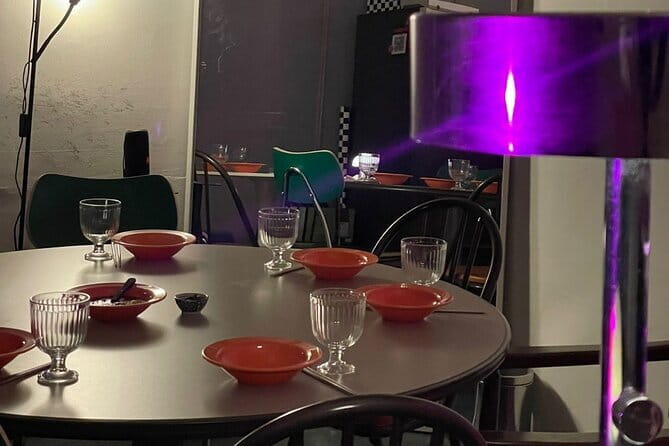
The area is near public transportation, which makes the appointment practical to reach. Still, I would allow a little extra time to find the correct entrance. A barber shop is an unusual meeting point for a dining experience, and the space is described as a private, tucked-away setting rather than a large restaurant with an obvious dining-room entrance.
Your booking confirmation arrives at the time of reservation, and a mobile ticket is accepted. You do not need to print anything. The activity ends back at the same meeting point, so you can plan your next stop from there without arranging a separate return transfer.
The opening lesson: Korean plant-based cooking
The meal begins with an introduction to Korean plant-based cuisine. This is one of the most useful parts for anyone who has eaten Korean food but has not paid much attention to the sauces and oils behind it.
You learn about gochujang, the red fermented chili paste, and doenjang, a fermented soybean paste with a deeper, earthier taste. Soy sauce adds salt and savoriness, while sesame oil and perilla oil bring a nutty or herbal note. These ingredients can make a vegetable dish taste full and layered without needing meat stock.
I like this approach because it gives you a way to read Korean menus after the meal. A plate of vegetables may look simple, but the sauce, pickle, seasoning oil, and fermentation method often tell you more about its character than the main ingredient alone.
The explanation also helps with unfamiliar flavors. Fermented foods can be sour, salty, sweet, sharp, or earthy. Rather than meeting those flavors without context, you get a basic map for understanding why they appear so often in Korean cooking.
Six courses built around seasonal vegetables
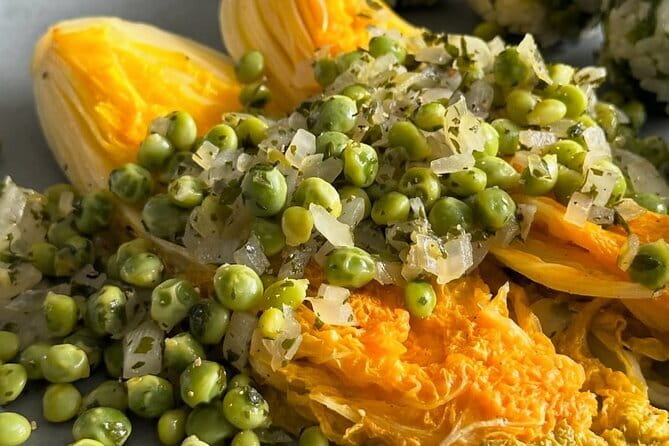
The central part of the experience is a vegan course meal of about six dishes. The meal uses seasonal ingredients and traditional Korean flavors, so the progression should feel more like a set menu than a single large bowl of food.
The first courses may help set the tone with lighter vegetable preparations, pickled items, or small plates. Korean meals often gain much of their variety from side dishes, and that is especially important here. A vegan menu can offer contrast through texture and seasoning: crisp, soft, sour, spicy, savory, and lightly sweet.
The pickled dishes deserve special attention. They are made personally by Hemi’s mother, who has more than 20 years of experience. That detail gives the food a family connection that a standard restaurant tasting menu may not offer. I would take time with these dishes rather than treating them as decoration. Pickling changes vegetables over time, and the result can be one of the clearest expressions of Korean food tradition on the table.
Later courses are paired with stronger flavors and more substantial vegetable preparations. The supplied details do not specify every dish, so you should not expect a guaranteed list of ingredients. What you can count on is a vegan Korean format, seasonal produce, fermented sauces, and a six-course structure.
That uncertainty is worth keeping in mind if you have allergies or strong dislikes. The experience is clearly designed around seasonal cooking, so the menu may not be fully fixed. Contact the provider before booking if you need ingredient information beyond the stated vegan format.
A few more options to weigh up in Seoul
- Best DMZ Tour Korea from Seoul (Red Suspension Bridge Optional)
★ 5.0 · 41,422 reviews - DMZ Tour: 3rd Tunnel, Option(Suspension Bridge, Boat) from Seoul
★ 5.0 · 21,373 reviews - DMZ tour south Korea from Seoul (NK experience hall, defector)
★ 5.0 · 20,599 reviews - Seoul: DMZ Tour with Optional Suspension Bridge
★ 4.8 · 5,277 reviews
Pairing makgeolli, omija wine, and soju
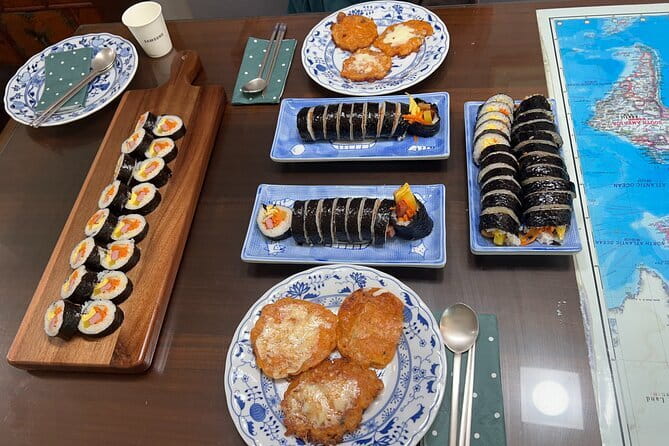
The drink pairings make this more than a vegetable meal. Each course is matched with a traditional Korean liquor selected to support the food.
Makgeolli is a milky, lightly sparkling rice drink with a soft sweetness and gentle tang. It can be an easy partner for salty or spicy food. Omija wine brings a fruitier direction. Omija is known for its unusual balance of sweet, sour, bitter, salty, and spicy notes, so it offers a different kind of contrast to the vegetables.
Distilled soju is usually cleaner and stronger than the familiar mass-market versions often used in casual Korean dining. Here, it is part of a planned pairing rather than just a shot at the side of the table. That gives you a better chance to notice how a stronger spirit works with fermented pastes, pickles, and savory sauces.
I appreciate that the drinks are not an afterthought. Korean liquor is part of the country’s food culture, yet visitors often experience it only as a quick toast or a bottle shared at barbecue. This format gives the drinks their own place in the meal.
The practical question is alcohol. The experience includes liquor pairings, so it is not the best fit if you do not drink. The supplied details do not state whether nonalcoholic substitutions are available. Ask before booking if that matters to you.
Why a private setting changes the meal
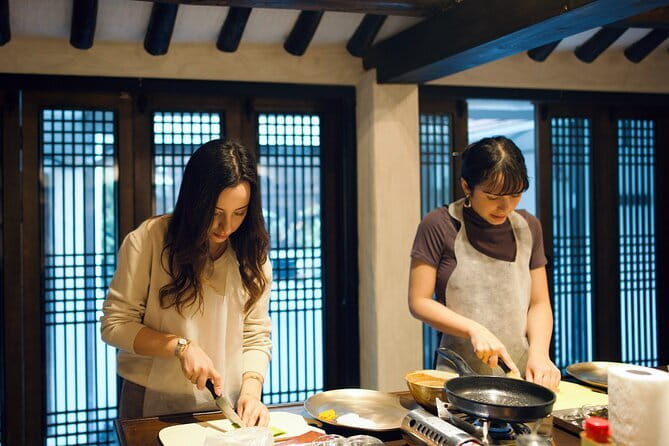
Only your group participates in this private activity. That is a major advantage for a food experience built around explanation. You can ask questions about ingredients, fermentation, family recipes, and the liquor without trying to hear a guide over a crowded room.
The intimate setting also suits anyone who feels uncertain about Korean food. You can ask what an ingredient is, how a pickle was made, or why one sauce tastes sharper than another. Those small questions often turn a pleasant meal into a useful lesson.
There is a tradeoff. A private meal with a small host-led format may feel quieter and less lively than a large market tour or group cooking class. You are not moving through several neighborhoods or meeting a range of other diners. The value comes from attention, not scale.
Hemi’s hosting is an important part of the appeal. The available feedback describes her as kind and fun, with the food praised alongside her personal welcome. That combination matters here because the meal depends on conversation and explanation. You are not simply being handed six plates and left to guess.
Is $60 good value?

At $60 per person, this costs more than an ordinary Korean lunch. That comparison is not quite fair, since the price covers a six-course vegan meal, multiple Korean liquor pairings, a private setting, and an introduction to the cooking traditions behind the food.
I see the value in three parts. First, you get a complete meal rather than a single specialty dish. Second, the liquor is matched to the food, giving you an organized tasting rather than separate drinks ordered at random. Third, you receive personal attention in a private space.
The price is less attractive if you mainly want to eat as cheaply as possible. Seoul has many affordable meals, and this experience is not designed to compete with them. It is better understood as a food-and-culture appointment, similar to paying for a small tasting menu or hosted culinary session.
It also offers good value for vegetarian and vegan visitors who often have to work harder to find traditional Korean dishes that suit them. The experience does not treat plant-based food as a side issue. It puts vegetables, fermented seasonings, and Korean technique at the center.
Who will enjoy this most?
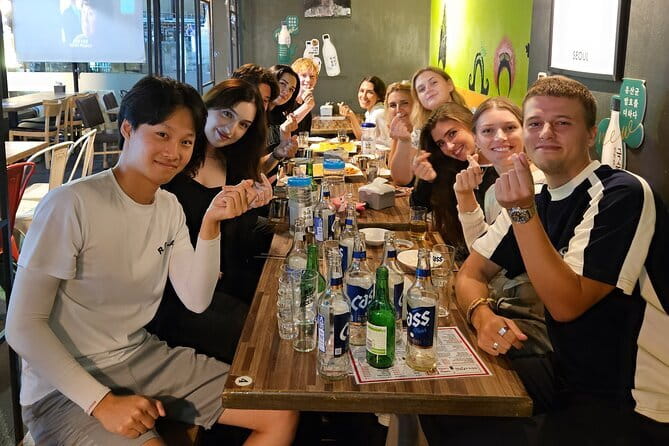
I would recommend this to you if you fit one or more of these descriptions:
- You are vegan or vegetarian and want Korean food beyond rice and basic vegetable sides.
- You enjoy fermented foods, pickles, traditional sauces, and unusual drink pairings.
- You prefer private, personal activities to large group tours.
- You want context about Korean food instead of only taking pictures of it.
- You are curious about Korean alcohol and want to taste several types with food.
- You like seasonal menus and do not need every dish confirmed in advance.
I would be more cautious if you are looking for a broad introduction to Seoul. This does not include sightseeing, neighborhood walks, or multiple restaurant visits. It begins and ends at the Sindang-dong meeting point, and the focus stays on one meal.
It may also not suit you if you dislike alcohol, want a fully fixed menu, or prefer familiar Western-style vegan dishes. The flavors here are built around Korean ingredients and seasonings, including fermented pastes and pickled foods.
Booking, timing, and cancellation advice
The activity is usually booked about 13 days ahead, so I would reserve before your Seoul schedule fills up. That lead time is especially sensible for a private experience with limited space.
Free cancellation is available if you cancel at least 24 hours before the local start time. Cancellations or changes made less than 24 hours ahead are not accepted for a refund. Keep that deadline in mind when arranging your Seoul itinerary, especially if you are moving between cities.
The experience accepts service animals, is near public transportation, and most people can participate. The available information does not describe specific accessibility features inside the space, so contact Synergy Scene ahead of time if you have mobility needs that require confirmation.
Should you book this Seoul food experience?
Book it if you want a personal look at Korean vegan cooking, especially if the idea of six plant-based courses with makgeolli, omija wine, and soju sounds appealing. The pickled dishes made by Hemi’s mother add a genuine family touch, and the private format gives the meal more warmth than a standard restaurant visit.
Skip it if your priority is a cheap meal, a large menu, or a sightseeing-heavy outing. At $60, you are paying for attention, explanation, seasonal preparation, and drink pairing. For a vegan or vegetarian visitor who wants traditional Korean flavors presented with care, that is a fair trade.
FAQ
Where does the experience meet?
It meets at Wesley Barber Shop in Sindang-dong, Jung District, Seoul. The listed address is 340-37 Sindang-dong, South Korea.
How long does the experience last?
The experience lasts approximately two hours.
How much does it cost?
The listed price is $60 per person.
Is the meal vegan?
Yes. The experience includes a Korean vegan course meal made with seasonal ingredients and traditional Korean flavors.
How many courses are included?
The available details describe a six-course vegan meal.
Which Korean liquors are paired with the food?
The pairings include makgeolli, omija wine, and distilled soju.
Is this a private activity?
Yes. Only your group participates in the activity.
Can I cancel for a full refund?
Yes, if you cancel at least 24 hours before the experience start time. Cancellations or changes made less than 24 hours before the start time are not accepted for a refund.
Just added in Seoul
- Seoul: Korean & English Language Exchange Global Party★ 5.0 · 28 reviews
- Your Personal Seoul Photographer!★ 4.1 · 15 reviews
- You’re Invited to Our Home in Seoul: The Only Cooking Class!★ 5.0 · 8 reviews
- From Seoul: Yongpyong Ski Day Tour with Transportation★ 4.9 · 40 reviews
- From Seoul: Hwacheon Ice Fishing and Lighting Festival Tour★ 4.5 · 4 reviews
- Seoul: Gangneung BTS K-Pop & K-Drama Filming Locations Tour★ 4.6 · 14 reviews
- Unique Native Experience : Han River Picnic, Board game, BBQ★ 5.0 · 3 reviews
- Seoul: Euljiro Gastroventure Tour★ 4.0 · 1 review
Vegan & Vegetarian, compared.
Busan Tailored Korean cooking class (Vegan OK)with market tour
Read our review →
Vegan & Vegetarian Korean Market Adventure Gwangjang Market
Read our review →
Vegan Korean Food Cooking Class: Gimbap, Sundubu Jjigae, and more
Read our review →
Seoul Vegan & Vegetarian Gwangjang Market Food Tour (11 Tastings)
Read our review →
Seoul Vegan Delight: Temples, Teas & Treats Tour
Read our review →
Seoul Vegan Delight Temples, Teas and Treats Tour
Read our review →Browse the lists this tour appears in