
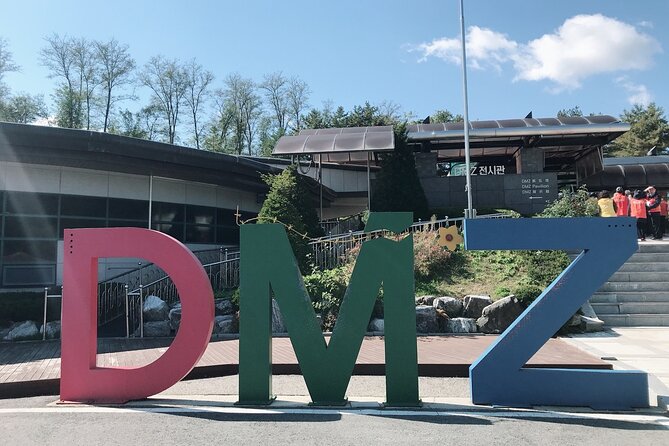
Reviewed · DMZ TOURS
Half-Day South Korea DMZ Small-Group Tour from Seoul
The border is closer than Seoul feels. This half-day DMZ tour gives you two memorable experiences: walking through the Third Tunnel and looking toward North Korea from Dora Observatory. I also like that transport, taxes, entrance fees, and an English-speaking guide are included, so the $500 group price covers up to four people rather than charging each person separately. The main catch is that your original passport is mandatory, and limited DMZ tickets can make last-minute booking uncertain.
The six-and-a-half-hour schedule is packed but sensible, with stops at Imjingak, Freedom Bridge, the tunnel, and the observatory. I would book well ahead, ideally about a month before your visit, and keep your expectations flexible because access can change with weather and the current political situation.
In This Review
- Key points to know before you book
- Why a Seoul DMZ tour is worth your time
- Imjingak Pyeonghoa-Nuri Park at 7 kilometers from the line
- Freedom Bridge and the meaning of a temporary crossing
- Walking into the Third Tunnel
- Dora Observatory and the view toward North Korea
- The ginseng museum and duty-free stop
- Is $500 a fair price for this group tour?
- What the guide can add to the day
- Important rules, timing, and possible changes
- Who should book this DMZ outing?
- Should you book the Half-Day South Korea DMZ Small-Group Tour?
- FAQ
- Where does the tour start?
- Where does the tour end?
- How long does the tour last?
- How much does the tour cost?
- Is an original passport required?
- Are DMZ entrance tickets guaranteed?
- What is included in the price?
- Is lunch included?
- How many people can join the tour?
- What happens if bad weather cancels the tour?
Key points to know before you book
- The original passport is required: A photocopy or phone photograph will not get you into the DMZ.
- The Third Tunnel is the physical highlight: You walk into a tunnel discovered in 1978, with a two-meter height and width that can feel tight.
- Dora Observatory offers a rare view north: On a clear day, you can look toward North Korea, including Gaeseong and Songaksan.
- The $500 price is per group: Up to four people can share the cost, making the price far more reasonable for a small private party.
- The schedule includes six stops: Imjingak, Freedom Bridge, the Third Tunnel, Dora Observatory, a ginseng museum, and a duty-free shop.
- Guide quality matters: Henry Park receives repeated praise for friendly service, cultural knowledge, driving, organization, and helpful food suggestions, though guide assignment is not guaranteed.
Why a Seoul DMZ tour is worth your time
The Korean Demilitarized Zone is not simply a place to check off a sightseeing list. It is a physical reminder that the Korean War never ended with a peace treaty. The border area brings together military tension, family separation, political history, and a quiet hope for reunification.
This tour works well because it shows several sides of that story. At Imjingak, you encounter monuments and public remembrance. At Freedom Bridge, you see a crossing linked to returning South Korean prisoners and soldiers. In the Third Tunnel, the history becomes physical. At Dora Observatory, the division becomes something you can look toward with your own eyes.
I like that the tour leaves Seoul early at 8:00 a.m. and returns to central Seoul around the end of the six-and-a-half-hour program. You get a serious historical outing without giving up the whole day. The maximum group size is 10, which is small enough for guide commentary to remain useful and large enough to keep the cost below a private car tour for solo participants.
The tour begins in Seoul and ends at City Hall, at 110 Sejong-daero near Subway Line 1. All transportation is included, along with an English-speaking guide and listed fees. Lunch, accommodation, and personal spending are not included, so plan to eat before or after the tour rather than expecting a midday meal.
More DMZ tours:
- Best DMZ Tour Korea from Seoul (Red Suspension Bridge Optional)
★ 5.0 · 41,422 reviews - DMZ Tour: 3rd Tunnel, Option(Suspension Bridge, Boat) from Seoul
★ 5.0 · 21,373 reviews - DMZ tour south Korea from Seoul (NK experience hall, defector)
★ 5.0 · 20,599 reviews
Imjingak Pyeonghoa-Nuri Park at 7 kilometers from the line
Your first stop is Imjingak Pyeonghoa-Nuri Park, about 7 kilometers from the Military Demarcation Line. The park was built in 1972 with the hope that reunification might one day become possible.
You will find statues, monuments, and other reminders of the Korean War. This is a useful opening stop because it gives the day an emotional and civic setting before you reach the more restricted areas. It also helps explain why the DMZ remains important to South Koreans, not just interesting to foreign visitors.
The scheduled time is 45 minutes, and admission is included. That should give you enough time to see the main memorial features and listen to your guide’s explanation without feeling rushed.
Do not expect a single dramatic structure to explain everything. Imjingak is better understood as a place of remembrance. The value comes from the combination of memorials, personal stories, and the knowledge that the border is nearby.
Freedom Bridge and the meaning of a temporary crossing
The next stop is Freedom Bridge in Paju, with about 20 minutes allotted. Architecturally, the bridge is plain. Its importance comes from what happened there, not from its design.
The bridge was built for temporary use and became associated with South Koreans returning across it. That history gives the site a human scale. Instead of thinking only about armies and governments, you are reminded that ordinary people crossed here after being separated by war.
Twenty minutes is a short visit, but it fits the nature of the stop. You will have time to look, take photographs where permitted, and hear the basic story before moving on. If you prefer long, slow sightseeing at every location, the schedule may feel brisk. If you want a focused introduction to the border area, the timing is practical.
Walking into the Third Tunnel
The Third Tunnel is the most active part of the day. South Korean forces discovered it in 1978, and it is estimated that around 30,000 soldiers could have moved through it in a single day. The tunnel extends for 1,635 meters, is about 2 meters wide, and about 2 meters high.
The tour allocates 45 minutes here. You should think of this as a walk, not simply an underground display. The dimensions are manageable for many people, but the low ceiling and narrow width can make the passage feel confined. You may find the return walk particularly tiring if you are not used to walking on an incline.
That physical effort is exactly why this stop has weight. A map or museum panel can explain infiltration tunnels, but walking through one gives you a clearer sense of the work involved in creating it and the military purpose behind it.
The tunnel is also where practical clothing matters most. Wear comfortable shoes and avoid bringing a bulky bag. The supplied information does not promise specific facilities or equipment, so keep your belongings simple and be ready for a straightforward, physically active visit.
For anyone interested in the Korean War, the Third Tunnel is likely to be the strongest part of the tour. For anyone with mobility concerns, the tour description says most people can participate, but it does not provide detailed accessibility information. Ask the operator before booking if stairs, slopes, low ceilings, or walking distance could be a problem.
A few more options to weigh up in Seoul
- Seoul: DMZ Tour with Optional Suspension Bridge
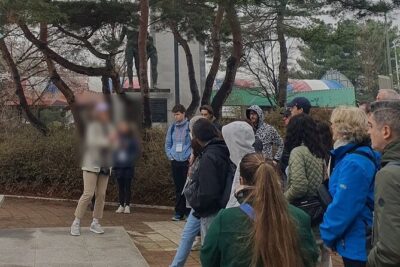
★ 4.8 · 5,277 reviews - Signature DMZ Tour: Exclusive Defector Talk & Suspension Bridge
★ 5.0 · 4,459 reviews - Thrilling Korean DMZ 3rd Tunnel Tour from Seoul + Red Bridge Rush
★ 5.0 · 3,097 reviews - DMZ Past and Present: Korean Demilitarized Zone Tour from Seoul
★ 5.0 · 2,481 reviews
Dora Observatory and the view toward North Korea
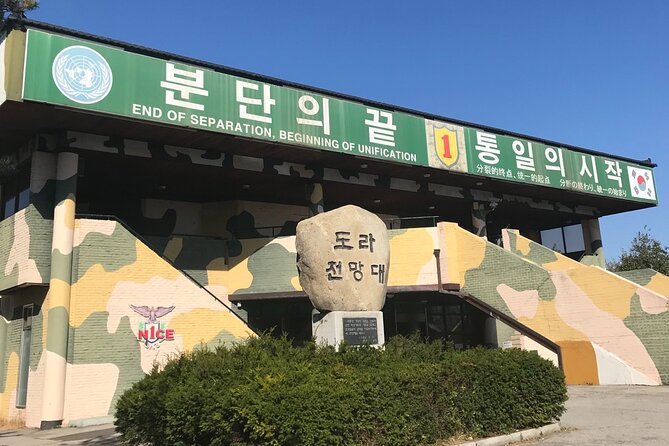
After the tunnel, you continue to Dora Observatory, located nearby. The observatory opened to the public in 1987 and provides views toward North Korea. On a clear day, you may see places such as Gaeseong, Songaksan, and Kim Il-Sung’s statue.
This is a quiet kind of sightseeing. You are not looking at a famous palace or busy city street. You are looking across a heavily divided border toward settlements and landmarks that can feel close, yet remain politically distant.
The stop lasts about 45 minutes, with admission included. Weather will shape the experience. Clear conditions can make the view meaningful and easy to follow, while haze or poor visibility may reduce it to a distant outline. The tour requires good weather, and bad conditions can lead to a different date or a full refund.
That weather policy matters here more than it would on an ordinary city tour. The observatory is one of the main reasons to visit the DMZ, and visibility affects what you can actually see. I would not treat a cloudy forecast as a minor detail.
Your guide’s explanation can also make a major difference. The supplied feedback repeatedly praises Henry Park for his cultural knowledge, friendly manner, organization, driving, and willingness to answer questions. One comment specifically praised his time management, while another noted that his background helped make an altered itinerary worthwhile during a politically sensitive period. Henry may not be assigned to every departure, but a strong English-speaking guide is important because the meaning of the view is not obvious on its own.
The ginseng museum and duty-free stop
The final part of the program includes a ginseng museum and a duty-free shop, together taking about 30 minutes. These stops are less central to the DMZ story, and you should see them as an add-on rather than a major reason to book.
At the ginseng museum, you can learn about the history, types, and claimed positive effects of ginseng. It offers a bit of Korean commercial and cultural context after the more serious border sites. If you are curious about traditional Korean products, you may find it useful.
The duty-free shop provides a chance to buy luxury fashion brands and other goods. Some people will appreciate the shopping opportunity, while others may prefer more time at the historical sites. Since the schedule includes it, factor this into your expectations. This is not a pure military history tour from start to finish.
The shopping stop may also be a practical pause after the tunnel and observatory. Still, if you dislike organized retail visits, it is a reasonable drawback. You are not paying only for the DMZ, you are paying for a packaged route that finishes with commercial stops before returning to Seoul.
Is $500 a fair price for this group tour?
The listed price is $500 per group of up to four people. That is the most important detail in judging value. For four people sharing the cost, the effective price is $125 each. For two people, it becomes $250 each, and for one person, the same price is much harder to justify.
The fee includes transportation, an English-speaking guide, all taxes, and listed entrance fees. You also avoid having to arrange the route between several sites on your own. That matters because the DMZ is a controlled area with rules, limited admissions, and a schedule that is not as flexible as ordinary Seoul sightseeing.
The maximum group size is 10, but the price is still described as a group rate for up to four. Confirm the exact group arrangement when you receive booking confirmation, especially if you are joining as a solo participant or pair.
I consider the tour good value for a small group of three or four people who want transport and guided context. It is weaker value for a solo visitor focused only on the cheapest possible way to see the border. Since lunch and personal expenses are excluded, budget for food separately.
The program is booked about six days ahead on average, but that should not encourage you to wait. DMZ entrance tickets are limited and sold first come, first served. The recommended booking time is one month before the tour. Last-minute bookings may be available, but only at random times, which can make planning difficult.
Confirmation arrives within 48 hours of booking, subject to availability. That wording is important: paying does not erase the need for the operator to confirm a place.
What the guide can add to the day
A guide is especially useful on this outing because the sites do not explain themselves fully. At Imjingak, a guide can connect monuments to the war and reunification. At Freedom Bridge, a short explanation turns an ordinary-looking crossing into a meaningful historical site. At Dora Observatory, the names of distant places help you understand what you are seeing.
The strongest praise attached to the guide service focuses on Henry Park. He is described as warm, professional, organized, and willing to answer questions. His driving and food recommendations also receive repeated approval, and one person appreciated his help beyond the basic sightseeing program.
Some feedback concerns longer Seoul and South Korea tours rather than only this half-day DMZ route, so I would not assume every part of those wider experiences applies to this exact departure. Still, the consistent picture is useful: if Henry is your guide, you can expect an outgoing host who may add local food and cultural advice to the formal commentary.
That human element matters because political history can become dry when presented as dates and boundaries. A guide who can explain the Korean point of view without turning the day into a lecture will make the route more memorable.
Important rules, timing, and possible changes
Bring your original passport. This is not optional. A copy, scan, or photograph will not meet the entry requirement.
The 8:00 a.m. start at Seoul City Hall is early enough to support the six-stop schedule. The tour ends back in Seoul at City Hall, which is convenient if you are staying near central Seoul or using Subway Line 1.
The program requires good weather. If poor weather cancels the tour, you will be offered another date or a full refund. Outside of that weather provision, the experience is non-refundable and cannot be changed for any reason. Read that condition carefully before paying, especially because DMZ access can be affected by conditions beyond the operator’s control.
Most people can participate, but the description does not give detailed information about wheelchair access, exact stair counts, or tunnel conditions. If you have mobility limitations, contact Etourism Co. Ltd before booking and ask specifically about the Third Tunnel.
The political situation can also affect what you see. One piece of feedback notes that not everything expected was available at the time, yet the guide still made the day worthwhile. That is a fair warning to keep your schedule flexible and value the overall context rather than promising yourself one exact view or activity.
Who should book this DMZ outing?
I would recommend it to anyone with a serious interest in the Korean War, the division of the peninsula, or modern Korean politics. It also suits first-time visitors who want a clear, organized introduction without spending a full day arranging transport.
It is a particularly good choice for a group of up to four people. Sharing the $500 price makes the cost easier to accept, and the small-group format should make it easier to ask questions than on a large coach excursion.
You may want a different option if you dislike early starts, controlled itineraries, retail stops, or physical walking. The Third Tunnel is not a passive museum visit, and the observatory depends on visibility. You should also avoid booking if you cannot bring your original passport.
Should you book the Half-Day South Korea DMZ Small-Group Tour?
Book it if you want the key DMZ sights in one organized morning and early afternoon, especially if you are sharing the cost with three other people. The Third Tunnel and Dora Observatory provide the strongest reasons to go, while Imjingak and Freedom Bridge supply the human and historical background.
I would book about a month ahead, bring the original passport, wear comfortable shoes, and accept that weather or political conditions may change the exact experience. For a small group seeking efficient transport, English commentary, and a serious look at Korea’s divided border, this is a strong use of half a day.
FAQ
Where does the tour start?
The tour starts in Seoul at 8:00 a.m. The listed end point is Seoul City Hall, at 110 Sejong-daero in Jung District.
Where does the tour end?
The tour ends at Seoul City Hall, near Subway Line 1.
How long does the tour last?
The tour lasts approximately 6 hours and 30 minutes.
How much does the tour cost?
The price is $500 per group of up to four people.
Is an original passport required?
Yes. You must bring your original passport to enter the DMZ. A copy or photograph is not accepted.
Are DMZ entrance tickets guaranteed?
No. The number of tickets is limited each day, and tickets are sold on a first-come, first-served basis. Confirmation is subject to availability.
What is included in the price?
The price includes all fees and taxes, transportation, and an English-speaking guide with commentary.
Is lunch included?
No. Lunch is not included, and personal expenses are also excluded.
How many people can join the tour?
The activity has a maximum of 10 participants.
What happens if bad weather cancels the tour?
You will be offered a different date or a full refund if the tour is canceled because of poor weather.
Just added in Seoul
- Seoul: Korean & English Language Exchange Global Party★ 5.0 · 28 reviews
- Your Personal Seoul Photographer!★ 4.1 · 15 reviews
- You’re Invited to Our Home in Seoul: The Only Cooking Class!★ 5.0 · 8 reviews
- From Seoul: Yongpyong Ski Day Tour with Transportation★ 4.9 · 40 reviews
- From Seoul: Hwacheon Ice Fishing and Lighting Festival Tour★ 4.5 · 4 reviews
- Seoul: Gangneung BTS K-Pop & K-Drama Filming Locations Tour★ 4.6 · 14 reviews
- Unique Native Experience : Han River Picnic, Board game, BBQ★ 5.0 · 3 reviews
- Seoul: Euljiro Gastroventure Tour★ 4.0 · 1 review
DMZ Tours, compared.
Best DMZ Tour Korea from Seoul (Red Suspension Bridge Optional)
Read our review →
DMZ Tour: 3rd Tunnel, Option(Suspension Bridge, Boat) from Seoul
Read our review →DMZ tour south Korea from Seoul (NK experience hall, defector)
Read our review →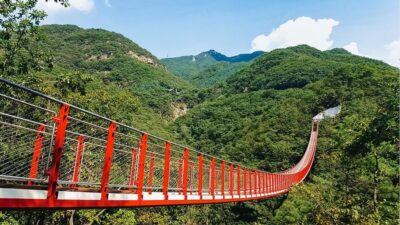
DMZ Insider Tour: 3rd Tunnel, NK Defector Meet & Red Bridge
Read our review →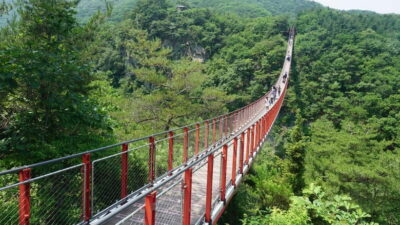
Signature DMZ Tour: Exclusive Defector Talk & Suspension Bridge
Read our review →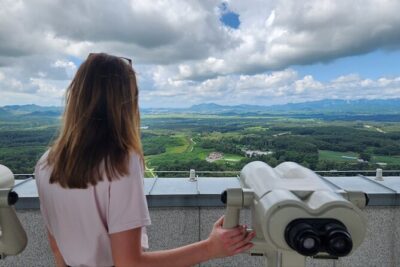
Thrilling Korean DMZ 3rd Tunnel Tour from Seoul + Red Bridge Rush
Read our review →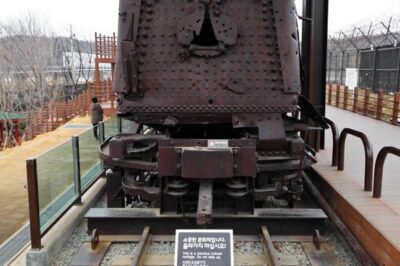
DMZ Past and Present: Korean Demilitarized Zone Tour from Seoul
Read our review →Browse the lists this tour appears in