
Reviewed · FOOD & DRINK
Hidden Stories & Flavors: Traditional Market Food Tour
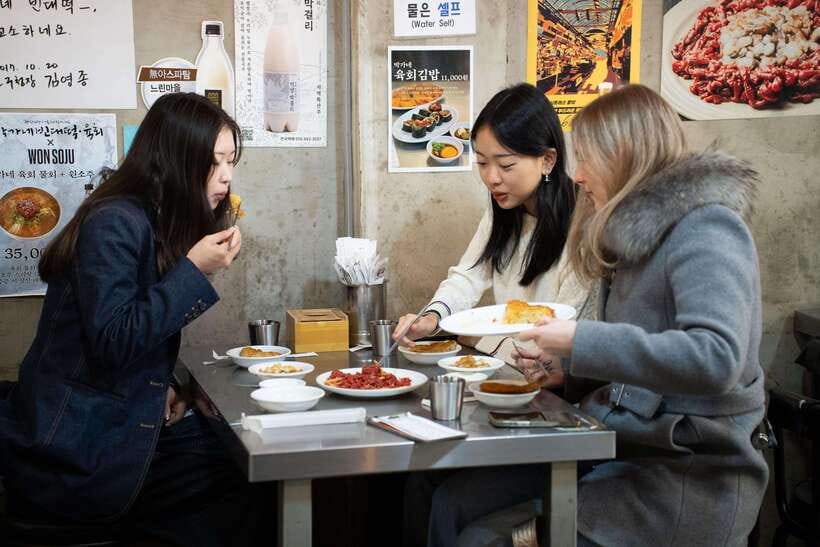
The best stories come with snacks. This two-hour walk through Gwangjang Market pairs dumplings, rice cakes, hot dogs, and other Korean favorites with thoughtful talk about Seoul and modern Korea. I like the small group, limited to 10 people, and I like that the English-speaking guide does more than point at food. Guides such as Taeseong have been praised for clear explanations, warm conversation, and an easygoing manner.
The main caution is the amount of food. Portions can be large, and the menu may change with market conditions. If you want to try every item, arrive hungry. Skipping breakfast may be wise, unless you prefer to share or leave a few bites behind.
In This Review
- Key points at a glance
- Starting at Jongno 5-ga Exit 8
- Gwangjang Market as the main attraction
- The food lineup, from dumplings to sweet pancakes
- What the guide adds beyond the plate
- A guide who keeps the pace comfortable
- Is $100 a fair price for two hours?
- Who will enjoy this market tour most?
- Practical details before you book
- Should you book Hidden Stories & Flavors?
- FAQ
- Where does the tour meet?
- How long does the experience last?
- Which market does the tour visit?
- What language is the tour conducted in?
- What food is included?
- Is the food menu fixed?
- How large is the group?
- Can I cancel for a refund?
Key points at a glance
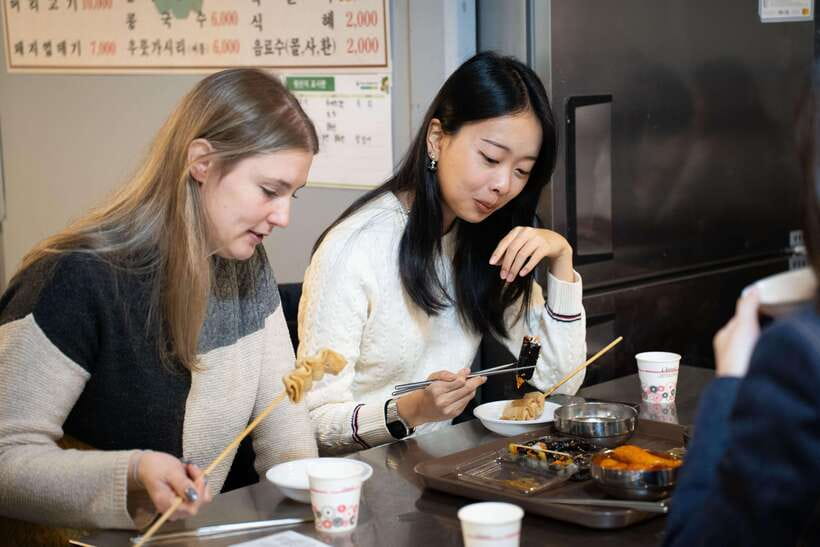
- Eight named food stops: Expect dumplings, meatballs, Korean hot dogs, rice rolls, spicy rice cakes, fish cakes, sweet Korean pancakes, fish-shaped buns, and water.
- Gwangjang Market setting: The tour takes place inside one of Seoul’s traditional markets, where food is part of the daily scene rather than a formal restaurant tasting.
- More than a food crawl: Your guide connects the dishes with Korean culture, Seoul sights, modern history, and the realities of the peninsula’s division.
- Small English-speaking group: A maximum of 10 people gives the guide room to explain dishes and answer questions.
- A personal view of military life: The guide may discuss Korea’s military reality from personal experience as a member of the reserve forces.
- Two hours for $100: The price is high for a short food outing, so the value depends on how much you want guided context along with the tasting.
Starting at Jongno 5-ga Exit 8
You meet at Jongno 5-ga Station, Exit 8, a practical starting point for a visit to Gwangjang Market. The meeting point matters because Seoul’s station exits can place you on very different streets, and arriving at the correct exit saves time at the start of a short tour.
The supplied starting location also includes the number 407, but the clear meeting instruction is Jongno 5-ga Station Exit 8. I would use that station and exit as your main reference when planning the walk.
This is a compact experience. Two hours passes quickly once you begin tasting, so you should arrive ready to listen and eat rather than spend time getting organized. The group is capped at 10 people, which is a useful size for a market tour. It is small enough for conversation without making you feel as if you are following a large parade through the food lanes.
The guide speaks English. That is especially important here because the experience depends on explanation, not just sampling. You are not simply handed a snack and sent onward. The guide explains the dishes, places them in a Korean cultural setting, and talks about the country beyond the market.
More Market Tours in Seoul:
- Seoul: Gyeongbok Palace, Bukchon Village, and Gwangjang Tour
★ 4.9 · 2,321 reviews - Seoul Street Food Market Tour
★ 5.0 · 1,226 reviews - Seoul: Gyeongbok Palace, Bukchon Village, and Gwangjang Tour
★ 5.0 · 1,044 reviews
Gwangjang Market as the main attraction
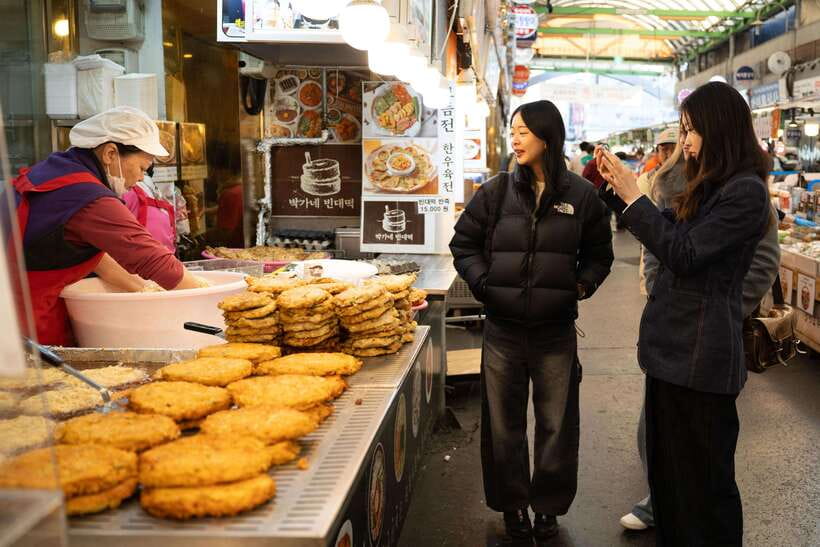
Gwangjang Market gives the tour its character. Instead of sitting at one restaurant for two hours, you move through food stalls and see how a traditional market works as a place to eat, shop, and meet.
The market setting also makes the food feel less polished and more connected to everyday Korean life. You see dishes presented at stalls, in the same kind of setting where local food is bought and eaten. That does not mean every bite will suit every palate. It does mean you get a wider sample than a single restaurant meal can provide.
Your guide leads the route and chooses the dishes. That helps if Korean market food feels unfamiliar, especially when several stalls offer similar-looking items. You can ask what something is, how it is normally eaten, and why it matters in Korean food culture.
The tour is not described as a formal historical walk. That distinction is worth taking seriously. You may hear about modern history, Seoul’s sights, and the division of the Korean peninsula, but the main activity is eating and conversation. If you want dates, monuments, and a chronological account of Korea’s past, choose a dedicated history tour instead.
The food lineup, from dumplings to sweet pancakes
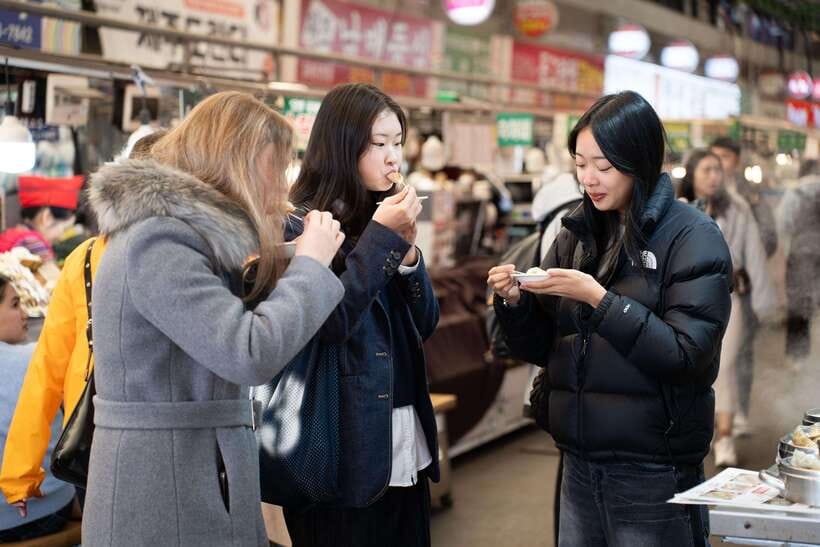
The tasting list covers a broad spread of Korean market favorites. The exact menu can change, but the named foods give you a good idea of the experience.
Dumplings provide a familiar entry point. They are easy to recognize, but the guide’s explanation can help you understand how this version fits into Korean cooking. Dumplings also make a useful first bite because they are usually less challenging than spicy or strongly textured foods.
Next come meatballs, another savory item with a filling, substantial feel. Together with the dumpling, they give you two early tastes that are likely to be approachable even if you are new to Korean food.
The Korean hot dog is a different sort of market snack. It is casual, filling, and likely to appeal to anyone who enjoys street food with a crisp outside. The name can be slightly misleading if you expect a standard Western hot dog, so this is a good moment to ask the guide what makes the Korean version different.
A rice roll brings a softer, more compact bite to the route. Rice-based snacks are central to many Korean meals and quick foods, so this is a useful way to experience how simple ingredients can become a portable market dish.
The spicy rice cake is one of the items that may define your view of the tour. Spice levels can feel different from one person to the next, and the chewy texture is not for everyone. I like that it is included because it gives you a recognizable Korean street-food experience, but you should not expect every dish to be mild or familiar.
Fish cake adds another classic market flavor. It is a practical food to sample while walking, and your guide can explain what you are eating and how it is served. This is also a good dish for asking questions about texture, preparation, and typical ways to enjoy it.
The sweet portion arrives with a Korean pancake. After several savory foods, a warm, sweet snack can reset your palate. The menu description calls it a sweet Korean pancake, so you can expect a dessert-like change of pace rather than another salty bite.
A fish-shaped bun finishes the listed tasting selection. Its shape makes it easy to remember, and it gives the tour a playful final food stop. It is another reminder that Korean market eating includes both hearty food and small treats.
Water is included. That sounds basic, but it is welcome when you are eating several items in a short period. Because the food list is long, pace yourself. You do not need to rush the first few tastings, and you may want to split larger portions if the guide allows.
What the guide adds beyond the plate
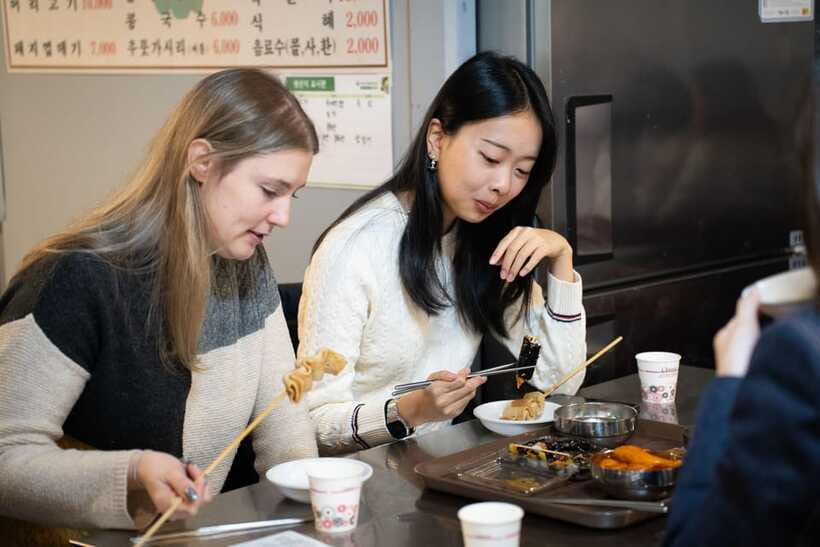
The strongest part of this experience is the conversation. The guide explains the dishes and their place in Korean culture, but the subject extends to modern Korea as well.
You may hear stories about Seoul’s sights and the realities behind the country’s public image. That can make the market feel like more than a row of food stalls. The talk aims to show how daily life, national identity, and current concerns connect.
The guide also discusses the division of the Korean peninsula. This is not a small side note. Korea’s division affects how South Korea understands security, family, national identity, and relations with the North. Hearing that subject from a local guide can give you a more personal frame than a short museum label.
Another distinctive feature is the guide’s experience as a member of the reserve forces. The tour description says this background informs the discussion of Korea’s military. You should see this as a personal perspective, not a complete account of every political or military issue. Still, it gives the conversation a direct connection to a reality that can seem distant to a short-term visitor.
The best approach is to stay curious and ask respectful questions. The tour is designed for conversation, and the small group makes that easier. You get more from it if you are interested in how people live in South Korea today, not just in collecting food samples.
More Food Tours in Seoul:
- Seoul: Night Market Food Tour with Local Guide
★ 4.9 · 943 reviews - Downtown Seoul Guided Food & Market Tour with 8+ Local Tastings
★ 5.0 · 580 reviews - Seoul Night Palace & Market Food Tour with Vehicle
★ 5.0 · 275 reviews - Seoul Fun Food Tour: 12 different food tastings
★ 5.0 · 266 reviews
A guide who keeps the pace comfortable
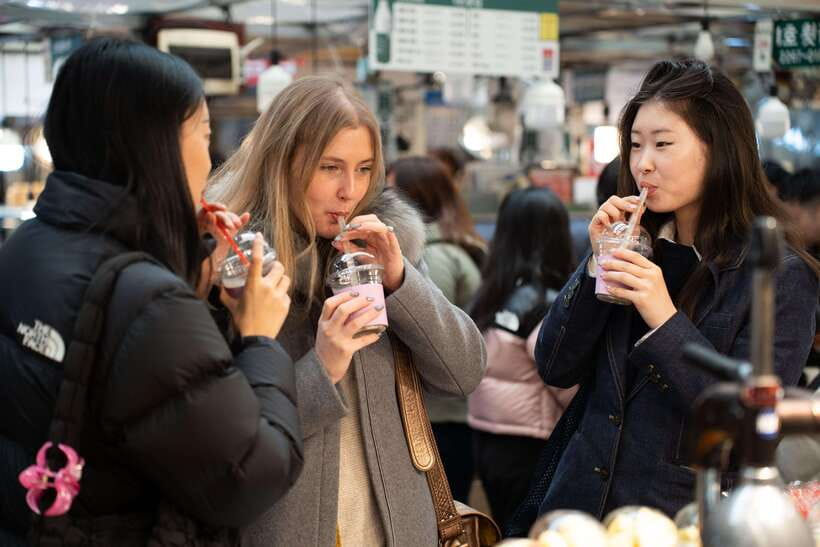
The guide is central to the experience. Taeseong is specifically praised for being friendly, enthusiastic, sociable, and accommodating. Those qualities matter in a market because the group needs to keep moving while still making room for questions and explanations.
The English is another strong point. The guide has been praised for speaking clear English and explaining both dishes and their cultural background. That is important when a food’s name alone tells you very little about its ingredients, texture, or role in Korean eating.
You should also expect a conversational style rather than a lecture. The experience includes discussions about food, culture, life in South Korea, and how people relate to one another. This makes the tour a good fit if you enjoy asking questions and hearing personal observations.
The tradeoff is that personal storytelling can vary by guide and group. The description promises certain subjects, but the exact balance between food explanations, Seoul stories, military topics, and casual conversation may change. Go in expecting a guided food experience with social and cultural context, not a scripted academic presentation.
Is $100 a fair price for two hours?
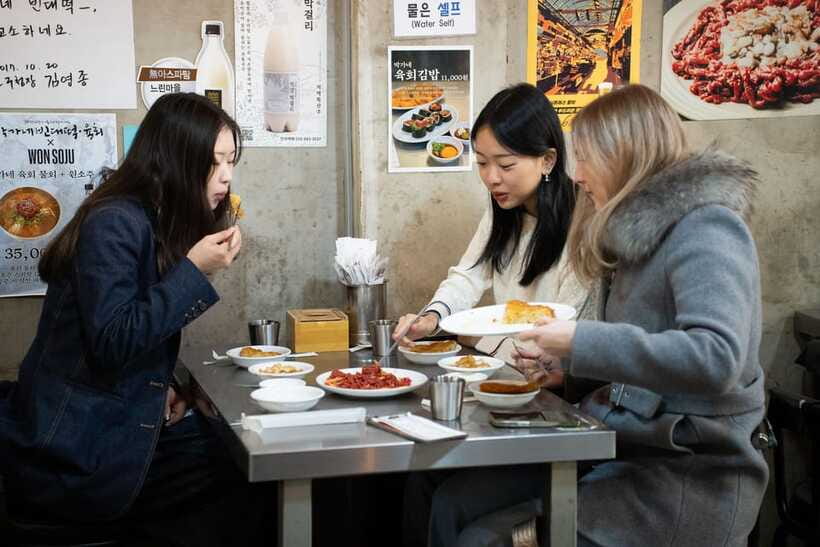
At $100 per person, this is not a cheap way to grab market snacks. You could spend far less by visiting Gwangjang Market alone and buying individual items yourself.
The price can make sense if you value the guide’s help, the English explanations, the organized sequence of tastings, and the chance to discuss modern Korea while you eat. You are paying for interpretation and company as much as for the food.
The food list is generous, with eight named items plus water. That improves the value for someone who wants to sample many Korean snacks in one sitting. It also creates the main problem: you may receive more food than you comfortably want during a two-hour walk.
I would book this at the higher price if you have limited time in Seoul, want a guided introduction to Korean market food, and care about the country’s modern social and political realities. I would skip it if your main goal is simply the lowest-cost meal or if you prefer choosing every dish yourself.
Who will enjoy this market tour most?
This experience suits first-time visitors who want a clear introduction to Korean food without having to decode every stall alone. It also suits returning visitors who have eaten Korean food before but want more context around the dishes and the country.
I think it is especially useful for people who enjoy food with conversation attached. You get the most value if you want to ask about daily life, Seoul, the peninsula’s division, and military service while trying market foods.
It may be less suitable for picky eaters, people with very small appetites, or anyone who dislikes spicy or chewy foods. The menu may change, and the listed selection includes items with different textures and flavors. The large portions noted by the guide’s past participants are a real consideration.
Families and groups should also think about the small-group format. A maximum of 10 people is intimate enough for discussion, but this is not a private tour unless separately arranged. You will be sharing the guide’s attention with other participants.
Practical details before you book
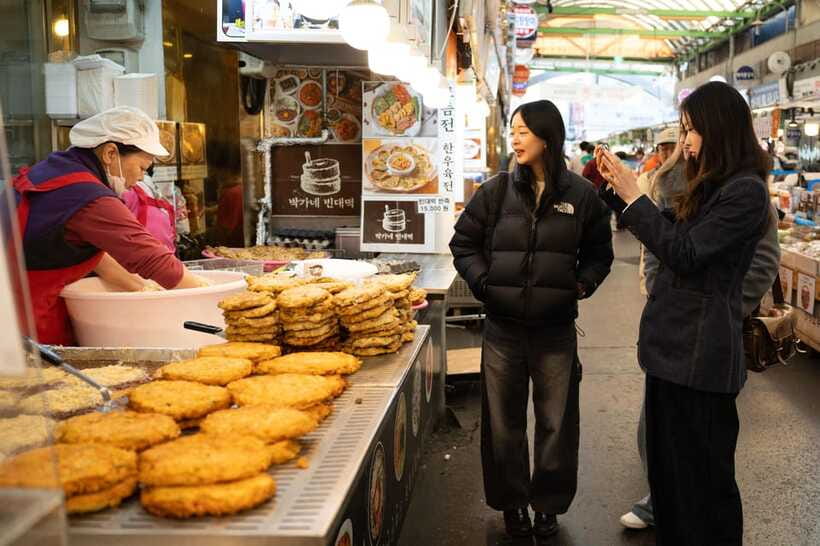
The tour lasts two hours and is conducted in English. Meet at Jongno 5-ga Station Exit 8, with Gwangjang Market as the main touring area.
The listed price is $100 per person. You can reserve now and pay later, which helps if your Seoul schedule may change. Free cancellation is available up to 24 hours before the start time for a full refund.
The food menu is not fixed. Market conditions can affect what is served, so treat the eight listed foods as a useful guide rather than a guarantee. If one item is unavailable, the overall format remains a guided sampling of Korean market dishes.
Bring an appetite, but do not assume you must finish every portion. If you want to taste everything, consider skipping breakfast or eating only a light meal beforehand. Water is included, but the listing does not provide further information about dietary substitutions or allergy handling, so ask before booking if that is important for you.
Should you book Hidden Stories & Flavors?
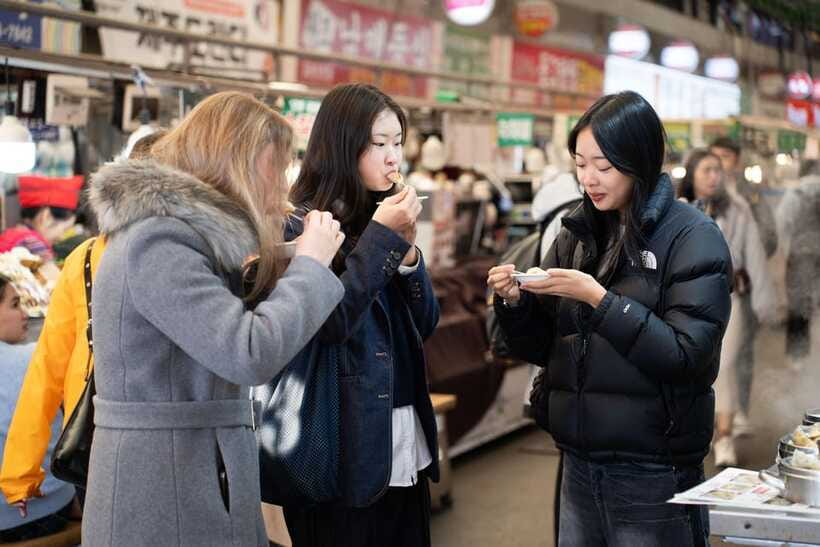
I would book this tour if you want market food plus thoughtful conversation. The guide’s clear English, friendly manner, and personal perspective are the main reasons to choose it over a self-guided visit.
I would not book it solely for historical sightseeing. The experience specifically is not a historical tour, even though it includes discussion of modern history, Seoul, military life, and the peninsula’s division.
For the right person, the $100 price buys a lot of food and a useful introduction to Korea today. Go hungry, stay curious, and expect a full meal rather than a few dainty samples. If that sounds like your kind of Seoul experience, this small-group walk is a strong choice.
FAQ
Where does the tour meet?
The meeting point is Jongno 5-ga Station Exit 8 in Seoul.
How long does the experience last?
The guided market tour lasts two hours.
Which market does the tour visit?
The tour takes place at Gwangjang Market.
What language is the tour conducted in?
The live tour guide speaks English.
What food is included?
The listed foods are dumplings, meatballs, Korean hot dogs, rice rolls, spicy rice cakes, fish cakes, sweet Korean pancakes, and fish-shaped buns. Water is also included.
Is the food menu fixed?
No. The menu items may change depending on circumstances at the market.
How large is the group?
The tour is a small-group experience with a maximum of 10 participants.
Can I cancel for a refund?
Yes. You can cancel up to 24 hours in advance for a full refund. You can also reserve now and pay later.
More Shopping Tours in Seoul
- Local Home Korean Cooking Class & Market Adventure in Seoul
★ 5.0 · 1,024 reviews - Seoul: Korean Cooking Class at a Local Home and Market Tour
★ 5.0 · 348 reviews - Cook 3 Authentic Korean Dishes with Local Market Tour
★ 5.0 · 231 reviews - Korean Palace and Market Tour in Seoul Including Insadong and Gyeongbokgung Palace
★ 4.0 · 174 reviews
Just added in Seoul
- Seoul: Korean & English Language Exchange Global Party★ 5.0 · 28 reviews
- Your Personal Seoul Photographer!★ 4.1 · 15 reviews
- You’re Invited to Our Home in Seoul: The Only Cooking Class!★ 5.0 · 8 reviews
- From Seoul: Yongpyong Ski Day Tour with Transportation★ 4.9 · 40 reviews
- From Seoul: Hwacheon Ice Fishing and Lighting Festival Tour★ 4.5 · 4 reviews
- Seoul: Gangneung BTS K-Pop & K-Drama Filming Locations Tour★ 4.6 · 14 reviews
- Unique Native Experience : Han River Picnic, Board game, BBQ★ 5.0 · 3 reviews
- Seoul: Euljiro Gastroventure Tour★ 4.0 · 1 review
Food & Drink, compared.
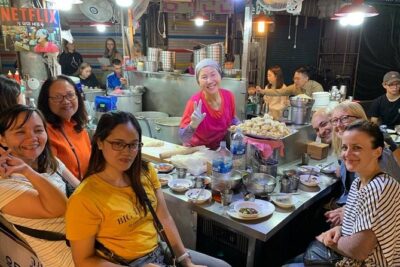
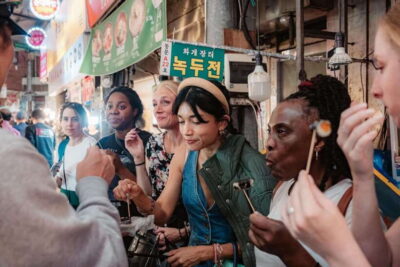
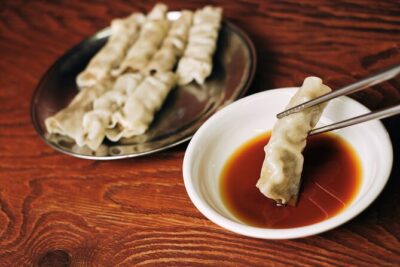
Downtown Seoul Guided Food & Market Tour with 8+ Local Tastings
Read our review →
Seoul Night Palace & Market Food Tour with Vehicle
Read our review →
Seoul Fun Food Tour: 12 different food tastings
Read our review →
The Award-Winning PRIVATE Food Tour of Seoul: The 10 Tastings
Read our review →
Baseball Game Ticket with Dinner/Beer with the host
Read our review →Browse the lists this tour appears in