
Reviewed · SOJU AND MAKGEOLLI TASTINGS
Soju Tasting at Distillery – story of 3 pigs
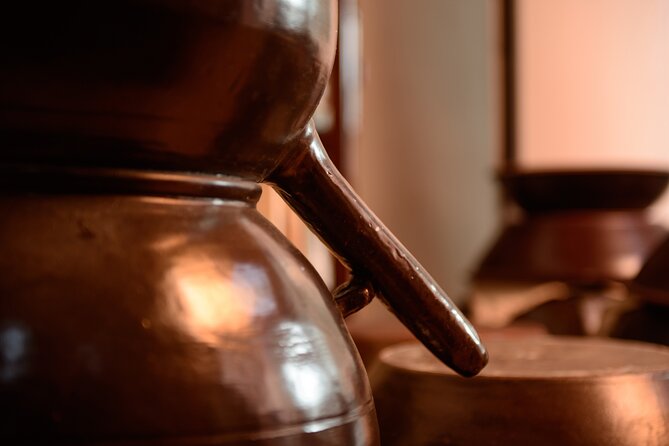
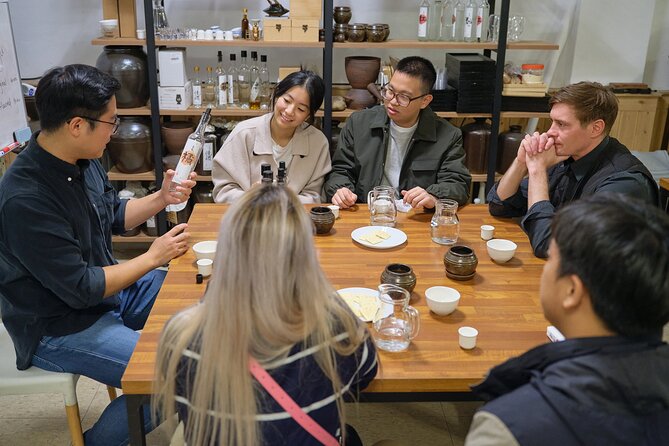
Green bottles tell only half the story. This small-group tasting takes you inside a working Seoul distillery, where host Sam Lee explains traditional Korean alcohol, introduces the old Samhae soju method, and pours at least seven samples. I especially like the chance to taste 45% or stronger premium soju and the relaxed conversation that turns a lesson into a social evening. The main drawback is simple: ninety minutes can feel short once the bottles start arriving.
I also like that this is not a polished bar presentation aimed at tourists. You meet at Samhae Soju in Mapo-gu and enter a distillery not generally open to the public. You should, however, come ready for a serious tasting. The alcohol is much stronger than ordinary green-bottle soju, and one past participant sensibly advised eating beforehand.
In This Review
- Key points at a glance
- Why traditional soju is worth your time
- Entering the Samhae Soju distillery in Mapo-gu
- Sam Lee’s welcome and the Joseon-era story
- The tasting sequence: from rice wine to strong spirit
- What the flavor range may mean for you
- A small group that feels social
- How the $43.83 price measures up
- Who should book this experience
- Practical details before you go
- Should you book the 3 Pigs soju tasting?
- FAQ
- Where does the soju tasting take place?
- How long does the experience last?
- How much does the experience cost?
- How many Korean alcohols will I taste?
- Is the tasting limited to soju?
- How strong is the soju?
- Is the experience held inside a real distillery?
- Who hosts the tasting?
- How large is the group?
- What happens if bad weather cancels the experience?
Key points at a glance
- Seven or more Korean alcohols: Taste several styles of soju, plus other Korean drinks such as takju and cheongju when included in the session.
- Traditional Samhae soju: Learn about a Joseon-era spirit once associated with the noble class and made from a rice-heavy family recipe.
- A real working distillery: You are welcomed into Samhae Soju, a production site that is not normally open to the public.
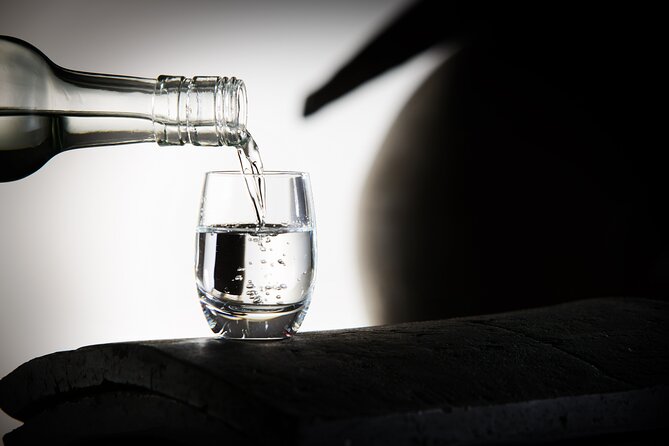
- Strong pours: Some premium soju reaches 45% alcohol or more, making this a very different experience from ordinary supermarket soju.
- Sam Lee leads the evening: Expect clear explanations, jokes, Korean cultural context, and practical Seoul suggestions.
- Small group setting: The listed maximum is 10 people, with the experience designed for a relaxed group conversation.
Why traditional soju is worth your time
Most people first meet soju in a green bottle beside Korean barbecue. That drink is part of modern Korean life, but it is usually diluted ethanol with added artificial sweetener. It is inexpensive, familiar, and easy to find, yet it does not show you the full range of Korean alcohol.
This tasting makes that distinction clear. Traditional soju is a distilled spirit, while Korean drinking culture also includes takju, an unfiltered rice wine, and cheongju, a filtered clear rice wine. Tasting these styles side by side gives you a better sense of what Korean makers are actually doing with rice, fermentation, filtering, and distillation.
The experience focuses on soju, but the wider comparison matters. You are not simply trying different fruit flavors from a shop shelf. You are learning how different production methods create different textures, aromas, strengths, and finishes.
That makes the session useful even if you are not already a soju fan. The green bottle may seem harsh or sweet to you, while a traditionally made spirit can have a very different character. You may still prefer the inexpensive version, but at least you will know what you are comparing.
More soju and makgeolli tastings in Seoul:
- Learn and Make Your Very Own Craft Makgeolli
★ 5.0 · 94 reviews - Traditional Soju Class and Makgeolli Tasting in Seoul
★ 5.0 · 35 reviews - Makgeolli Brewing Class
★ 5.0 · 21 reviews
Entering the Samhae Soju distillery in Mapo-gu
The meeting point is Samhae Soju at World Cup buk-ro 109, basement level 1, in Seoul’s Mapo-gu district. The venue is near public transportation, and the activity ends where it begins, so you do not need to arrange a separate ride from the tasting.
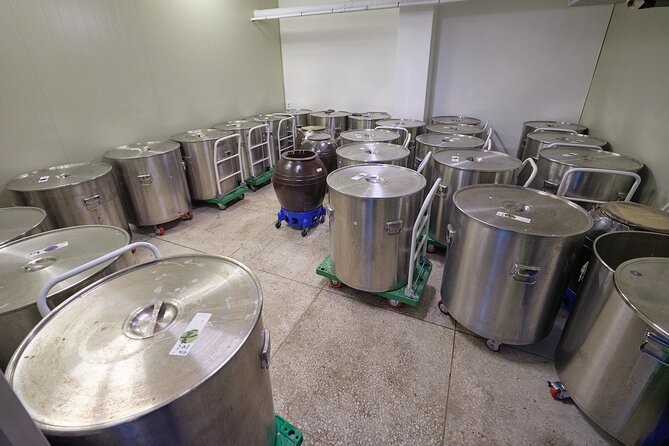
The location matters because this is not only a table in a restaurant. You are inside a distillery that is not open to the public as a standard attraction. You can see the setting where the alcohol is made, and some sessions include a look at fermentation in progress.
Do not expect a large museum or a staged factory tour. The appeal is closer to visiting a small producer and listening to the person connected to the work. The setting may feel plain rather than designed for photographs, and one comment suggested that the business could improve its marketing and visual presentation. I would treat that as part of the tradeoff: less polish, more direct contact with the maker’s world.
The basement address is worth saving on your phone before you go. A mobile ticket is provided, and confirmation arrives at booking. Since the meeting point is specific, check the address carefully rather than relying only on the venue name.
Sam Lee’s welcome and the Joseon-era story
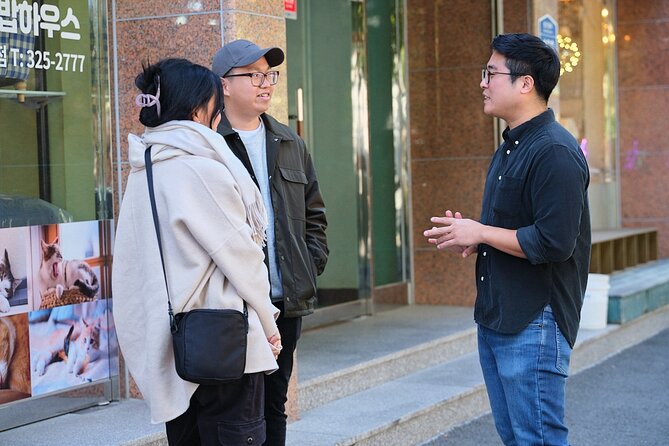
Sam Lee is the host named for this experience, and his role goes well beyond carrying bottles to the table. He explains the history of Korean alcohol, answers questions carefully, and keeps the mood light with humor. The best part of the evening is often the conversation, especially when the group begins asking about manners, drinking customs, food, and Seoul.
The central historical thread is Samhae soju. It was a favored spirit among the noble class during the Joseon dynasty, which lasted from 1392 to 1894. The drink became highly prized, but its production required so much rice that making it had to stop during times of famine.
That detail helps explain why old Korean spirits are tied to more than flavor. Rice was a basic food, and using large quantities for alcohol was not always practical or acceptable. A luxurious drink could disappear from production not because people lost interest, but because the country needed the grain elsewhere.
The current master, Hyeonjong Kim, trained for more than 10 years under Taeksang Kim, who had inherited the family recipe and kept it alive. Taeksang Kim died in 2021, adding a personal note to the story of preserving this style of soju.
The experience title refers to the story of three pigs, but the supplied details do not explain that story in full. You can reasonably expect it to be part of the host’s presentation, though the historical material about Samhae soju is the clearest reason to pay attention.
The tasting sequence: from rice wine to strong spirit
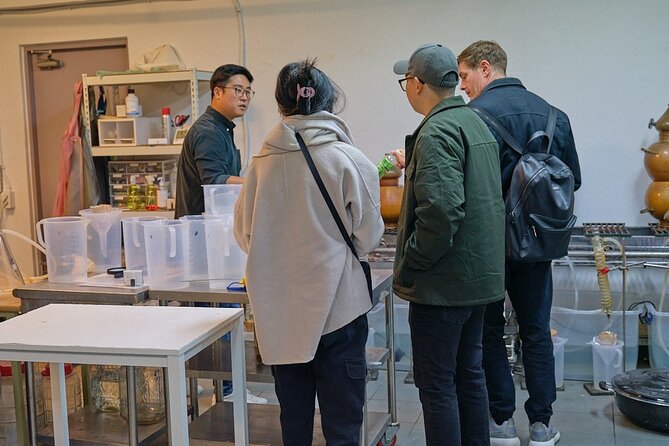
The exact order of the pours can vary, but the session lasts about one hour and thirty minutes and includes at least seven Korean alcohols made by a master distiller. You may taste several soju varieties with added aromas, along with examples of takju and cheongju.
The production explanation gives the tasting a useful shape. Takju is unfiltered rice wine. Cheongju is the clear filtered version. Soju is distilled, which concentrates the alcohol and changes the drink’s body and aroma.
You first need that basic map before tasting the stronger spirits. Without it, seven small samples can blur together. With it, you can think about whether you prefer cloudy or clear rice wine, a softer drink or a concentrated spirit, and a plain profile or one with added aroma.
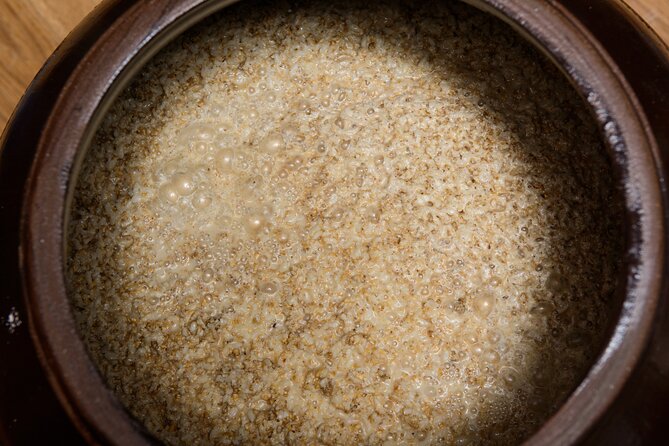
The session also includes a look at the making process. One particularly useful detail is the chance to see fermentation in progress. Fermentation is the stage that turns the rice base into alcohol before distillation, so seeing it helps connect the historical explanation to the actual work in the room.
The strongest samples reach 45% alcohol or more, equal to 90 proof or above. That is a major practical point. A standard green-bottle soju may go down easily because it is much lighter, but these pours deserve the same care you would give any high-proof spirit.
You should pace yourself. The tasting is not a race, and the short duration can tempt you to drink quickly so you can keep up with the explanation. Eat before arriving, take the water and food guidance seriously, and remember that seven samples can add up even when each pour looks modest.
More Food Tours in Seoul:
- Seoul Street Food Market Tour
★ 5.0 · 1,226 reviews - Seoul: Night Market Food Tour with Local Guide
★ 4.9 · 943 reviews - Downtown Seoul Guided Food & Market Tour with 8+ Local Tastings
★ 5.0 · 580 reviews - Seoul Night Palace & Market Food Tour with Vehicle
★ 5.0 · 275 reviews
What the flavor range may mean for you
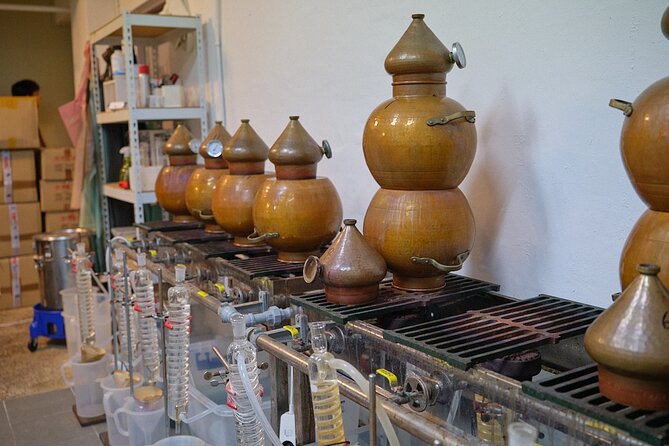
The tasting includes different strengths and styles, and some soju samples have special aromas added. That gives you more to discuss than simply deciding which bottle is strongest.
You might find that the higher-proof samples feel cleaner or more spirit-forward. You might also prefer an aromatic version, especially if you usually find plain soju too sharp. The point is not to identify one universal winner. It is to notice how production and flavoring alter the drink.
Sam’s explanations help turn tasting into an active exercise. Ask about the order of the samples, the difference between distilled and fermented drinks, and why a particular bottle has a stronger aroma. The setting is informal, so questions fit naturally into the conversation.
This is also a good place to ask about Korean drinking manners. The host discusses cultural customs along with the alcohol itself, giving you useful context for later meals. You may leave with a better idea of how soju fits into Korean social life, not just how it tastes.
A small group that feels social
The experience is designed for a small group. The additional information lists a maximum of 10 people, while the description also refers to groups of up to 12. Either way, this is much smaller than a large coach excursion.
A compact group suits the format. Everyone can ask questions, compare impressions, and hear Sam’s answers without the room turning into a lecture hall. Several comments describe the mood as relaxed, friendly, and similar to sharing drinks with an old friend.
That social side is a real strength, but it is not guaranteed to feel perfect for everyone. One solo participant felt overlooked because the other people in the group did not include them much. If you are arriving alone, introduce yourself early and join the conversation rather than waiting for the group to draw you in.
The host appears to do much of the work in creating a welcoming mood. Still, group chemistry depends on the people present. You may find easy conversation, or you may need to make the first move.
How the $43.83 price measures up
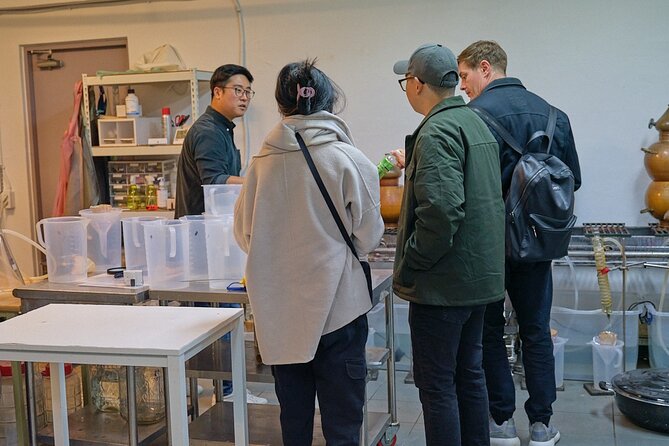
At $43.83 per person, this is not the cheapest way to drink soju in Seoul. You can buy a green bottle for far less. But that comparison misses what you are paying for here.
Your fee covers about ninety minutes with a host, access to a private distillery setting, an explanation of Korean alcohol production, historical context, and at least seven samples. Some of those drinks are premium, high-proof spirits that are not the same as ordinary shop-bought soju.
I think the price works best for someone who values access and interpretation. If you only want to drink soju, go to a restaurant or convenience store. If you want to understand why traditional soju matters and compare several styles in one sitting, the cost is easier to justify.
The value also includes practical help for the rest of your Seoul visit. Sam has offered restaurant recommendations and suggestions for places to visit, which can be useful after the alcohol lesson ends. That advice is a nice extra, though you should judge the tour primarily by the tasting and distillery access.
Who should book this experience
I would recommend it most strongly to:
- People who want a more serious introduction to Korean alcohol
- Spirit drinkers curious about high-proof soju
- Visitors who enjoy food, drink, history, and informal conversation together
- Couples or friends looking for a compact evening activity
- Solo visitors who are comfortable starting conversations in a small group
- Anyone who has only tried green-bottle soju and wants to understand the difference
You do not need to arrive as a soju expert. The host explains the basics clearly, and the format welcomes questions. You should, however, enjoy alcohol and be comfortable tasting several strong samples in a short period.
This is less suitable if you want a long technical tour, a sleek modern tasting room, or a completely private session. Private groups can arrange a separate reservation or contact Sam about changes, but the standard experience is shared.
Practical details before you go
The activity runs for approximately one hour and thirty minutes. It begins and ends at Samhae Soju, South Korea, Seoul, Mapo-gu, World Cup buk-ro, 109, basement level 1.
Confirmation is sent at the time of booking, and the ticket is mobile. The venue is near public transportation, but the information does not specify a particular subway station or bus route, so check your route to the exact address before setting out.
The experience requires good weather. If poor weather causes cancellation, you are offered another date or a full refund. In normal circumstances, the booking is non-refundable and cannot be changed, so choose your date carefully.
Eat something first. This is the most useful piece of practical advice I can give you. With seven or more samples, including spirits at 45% alcohol or above, arriving on an empty stomach can turn a pleasant lesson into a wobbly walk home.
Should you book the 3 Pigs soju tasting?
Book it if you want the story behind Korean alcohol, not just another drink. The combination of a working distillery, traditional Samhae soju, seven or more samples, and Sam Lee’s friendly explanations offers a genuine look at a part of Seoul that is easy to miss.
Skip it if your interest is limited to inexpensive green-bottle soju, or if you dislike group tastings and strong spirits. For everyone else, $43.83 is a fair price for access, context, and a memorable introduction to traditional Korean drinking culture.
Go after a meal, keep your schedule light afterward, and arrive ready to ask questions. That is how you get the most from a short session that packs a surprising amount into ninety minutes.
FAQ
Where does the soju tasting take place?
It takes place at Samhae Soju, South Korea, Seoul, Mapo-gu, World Cup buk-ro, 109, basement level 1.
How long does the experience last?
The tasting lasts approximately one hour and thirty minutes.
How much does the experience cost?
The listed price is $43.83 per person.
How many Korean alcohols will I taste?
You will taste at least seven different Korean alcohols made by a master distiller.
Is the tasting limited to soju?
The main focus is soju, but you may also taste other Korean alcohol styles, including takju and cheongju.
How strong is the soju?
The premium soju served during the experience is 45% alcohol or above, equal to 90 proof or higher.
Is the experience held inside a real distillery?
Yes. You will be inside a distillery that is not open to the public.
Who hosts the tasting?
The experience provider and host is Sam Lee. The historical and production information also concerns master distiller Hyeonjong Kim and the Samhae soju recipe he learned from Taeksang Kim.
How large is the group?
The listed maximum is 10 participants. The description also refers to groups of up to 12 people.
What happens if bad weather cancels the experience?
You will be offered a different date or a full refund if poor weather causes the cancellation. The experience is otherwise non-refundable and cannot be changed for any reason.
Just added in Seoul
- Seoul: Korean & English Language Exchange Global Party★ 5.0 · 28 reviews
- Your Personal Seoul Photographer!★ 4.1 · 15 reviews
- You’re Invited to Our Home in Seoul: The Only Cooking Class!★ 5.0 · 8 reviews
- From Seoul: Yongpyong Ski Day Tour with Transportation★ 4.9 · 40 reviews
- From Seoul: Hwacheon Ice Fishing and Lighting Festival Tour★ 4.5 · 4 reviews
- Seoul: Gangneung BTS K-Pop & K-Drama Filming Locations Tour★ 4.6 · 14 reviews
- Unique Native Experience : Han River Picnic, Board game, BBQ★ 5.0 · 3 reviews
- Seoul: Euljiro Gastroventure Tour★ 4.0 · 1 review
Soju and Makgeolli Tastings, compared.
Traditional Soju Class and Makgeolli Tasting in Seoul
Read our review →
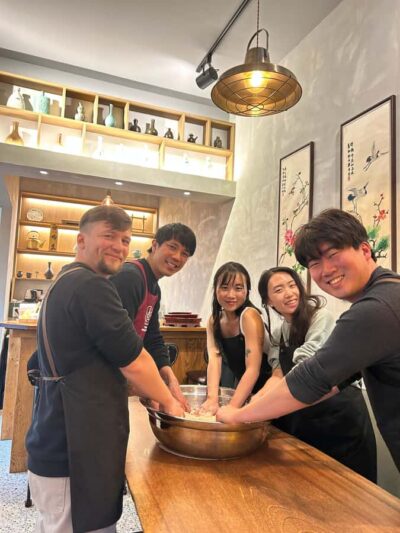
Learn and Craft Makgeolli in a Traditional Brewery
Read our review →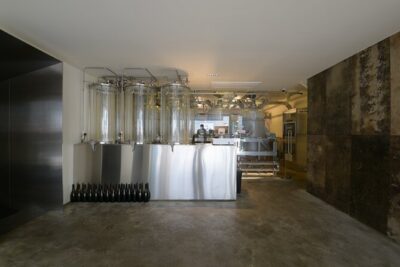
Rice Wine Tasting with Sommelier – Finest Makgeolli (& Soju)
Read our review →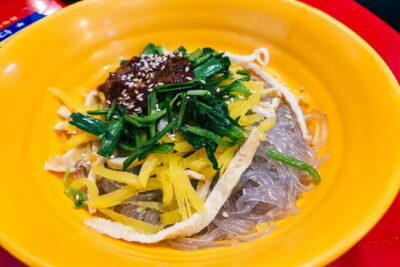
Food Crawl with Fish Market, Soju Tents & Local Snacks
Read our review →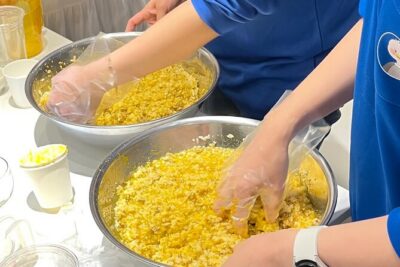
Brew&taste Korea’s traditional drink Makgeolli in Seoul forest
Read our review →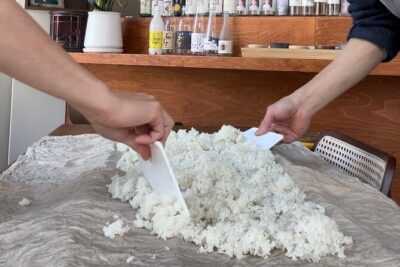
Browse the lists this tour appears in