Reviewed · SEOUL TOURS
Korea: North VS South Korea comparison tour
Two Koreas, one short ride apart. This experience gives you a sharper purpose than a standard sightseeing loop: compare daily life in North and South Korea from close range. I like the telescope view toward a North Korean village, where you may see people working or playing, and I like the unusual meal of Pyeongyang noodles, a dish few visitors will encounter elsewhere.
The South Korean village adds a second half to the story, with culture and art shops close to the North Korean viewing area. The main consideration is that this is not designed for everyone: walking is involved, and the tour is not suitable for people with mobility impairments or heart problems.
In This Review
- Key points at a glance
- Why this Korea comparison feels different
- Looking across the border from 1km away
- The guide’s role in making the comparison useful
- Pyeongyang noodles: lunch with a political backstory
- A nearby South Korean village with culture and art shops
- What the $130 price includes
- Comfort, walking, and practical limits
- Who will get the most from this day
- Final call: should you book it?
- FAQ
- How much does the North and South Korea comparison tour cost?
- Where does the tour take place?
- How close can you get to the North Korean village?
- What might I see through the telescope?
- Is lunch included?
- What else is included in the price?
- Which languages are available?
- What should I bring, and who should avoid this tour?
Key points at a glance
- See North Korean village life from about 1km away: A telescope lets you look across the border and possibly observe ordinary outdoor activity.
- Compare two very different communities in one day: The tour moves from a North Korean viewpoint to a South Korean village nearby.
- Try Pyeongyang noodles: The special lunch is part of the theme, not an afterthought.
- Choose a guided alternative to a standard DMZ visit: The focus is on comparison and explanation rather than checking off famous stops.
- Get transport, meals, entrance fees, and guide service included: At $130 per person, many main costs are bundled together.
- Expect a personalized format: The experience is described as customized, and English and Japanese guiding are available.
Why this Korea comparison feels different
Many border-area excursions focus on military history, viewpoints, and formal DMZ sights. This one takes a more human approach. The central question is simple: what changes when you move from one Korean village to another, with only about 1km between them?
That short distance gives the day its force. You are not comparing two distant countries through photographs or museum displays. You are looking toward a North Korean community and then visiting a nearby South Korean village with cultural and art shops. The contrast is meant to be seen, explained, and tasted.
I like that the tour has a clear theme. A day of unrelated stops can leave you with plenty of pictures but little understanding. Here, the telescope, meal, guide commentary, and South Korean village all serve the same idea.
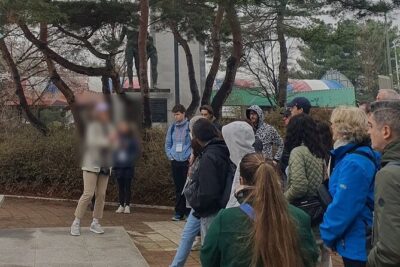
The experience is also presented as a more personal alternative to a crowded, standard DMZ outing. The available feedback describes it as personalized and not overcrowded, with the history of both countries explained clearly. That matters because the setting can raise many questions, and a good guide helps connect what you see with the larger story.
A few more options to weigh up in Seoul
- Best DMZ Tour Korea from Seoul (Red Suspension Bridge Optional)
★ 5.0 · 41,422 reviews - DMZ Tour: 3rd Tunnel, Option(Suspension Bridge, Boat) from Seoul
★ 5.0 · 21,373 reviews - DMZ tour south Korea from Seoul (NK experience hall, defector)
★ 5.0 · 20,599 reviews
Looking across the border from 1km away
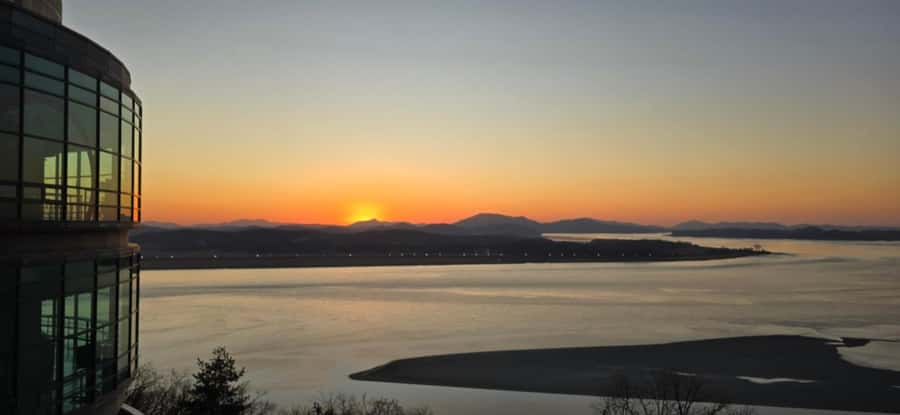
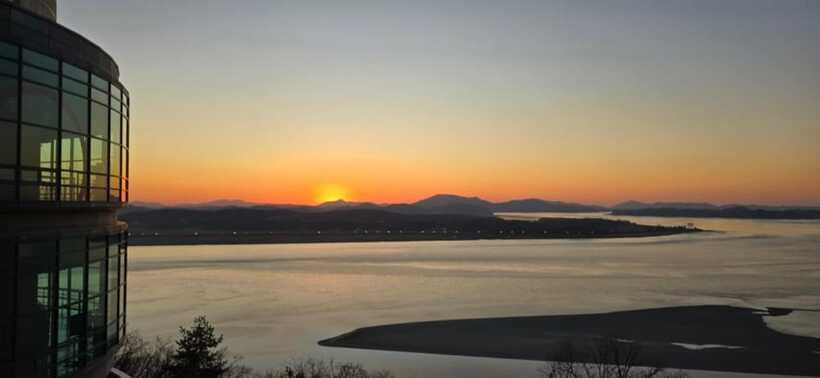
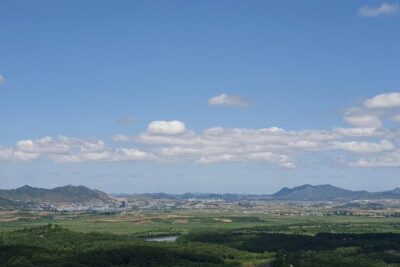
The first major part of the day centers on a place where you can look toward a North Korean village. The distance is about 1km, close enough that a telescope may reveal people outdoors, including residents working or playing.
That detail changes the mood. You are not simply looking at a distant flag or a line on a map. You are looking at a community where ordinary life continues, even though the political boundary nearby has divided families, systems, and futures.
It is important to keep expectations sensible. The view depends on visibility and on what people happen to be doing at the time. You may see activity, but nobody can promise a dramatic scene. The value is in the chance to observe a real place at a close distance, not in a guaranteed photo opportunity.
The telescope is central, so bring your ID card, or a copy of it, and follow the guide’s instructions. Alcohol and drugs are not allowed. Comfortable shoes are also a good idea, since the tour is not suited to people with mobility limitations.
I appreciate the restraint of this stop. It does not pretend that a quick glance can explain all of North Korea. Instead, it gives you one direct visual point of comparison. You see a village, you hear context, and you begin to consider how different systems shape everyday surroundings.
The guide’s role in making the comparison useful
The subject is complicated. A viewpoint alone can leave you with shallow impressions, or with assumptions based on a few visible buildings. The guide service is included, and the available information indicates that the history of both countries is explained as part of the experience.
That commentary is one of the most important reasons to consider this tour. You need someone to explain what you are seeing without turning the visit into a political performance. The strongest part of a comparison tour is not simply pointing north. It is helping you understand why two communities so close together can appear so different.
The tour is available in English and Japanese. No individual guide’s name is provided, so you should not book expecting a particular host. Still, the personalized format may suit you if you prefer asking questions and following a theme rather than moving through a large group on a fixed script.
The experience provider is YourFriends Travel. Transportation and guide fees are included, so you are not left arranging separate rides between the border-area viewpoint, lunch, and the South Korean village.
Pyeongyang noodles: lunch with a political backstory
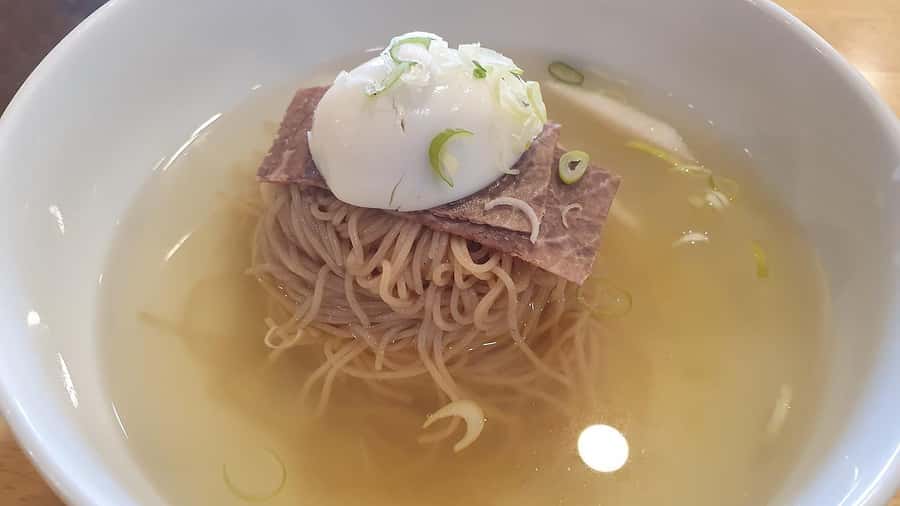
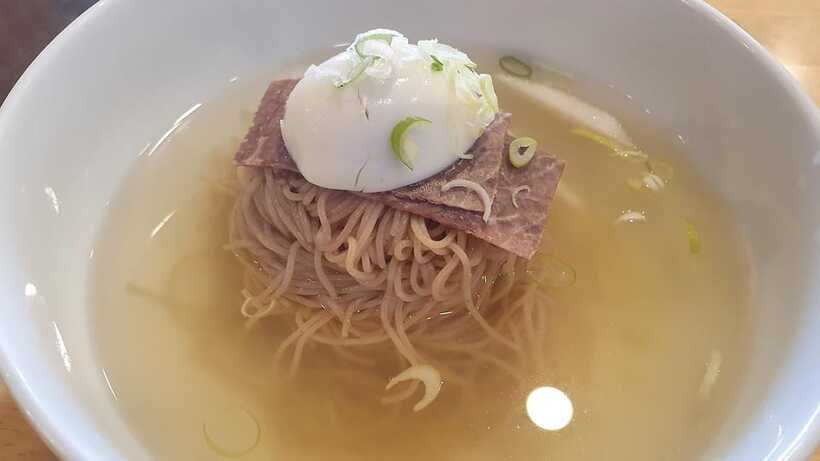
After looking toward North Korea, you eat a North Korean-style dish, Pyeongyang noodles. This is a smart part of the plan. Food gives you another way to consider the relationship between the two Koreas, and it turns an abstract comparison into something immediate and personal.
The description is refreshingly honest about the taste. You may love it, or you may find it unfamiliar. That is part of the point. Pyeongyang noodles are not presented as a safe, familiar lunch chosen to please every palate. They are included because the dish connects with the northern side of the theme.
The meal is included in the $130 price, along with transportation, entertainment or entrance fees, and the guide service. A meal alone would not justify the cost, but it adds value when it is tied to the day’s central subject.
Keep your expectations practical. The supplied information does not specify the restaurant, the full menu, portion size, or whether alternatives are available. If you have dietary needs, ask YourFriends Travel before booking. Do not assume that a substitute meal can be arranged unless the provider confirms it.
I like the way lunch breaks up the sightseeing. You first look across the border, then sit down to consider one part of Korean food culture. It is a small detail, but it makes the itinerary feel planned rather than assembled from unrelated attractions.
A completely different kind of day:
- Seoul: DMZ Tour with Optional Suspension Bridge
★ 4.8 · 5,277 reviews - Signature DMZ Tour: Exclusive Defector Talk & Suspension Bridge
★ 5.0 · 4,459 reviews - Thrilling Korean DMZ 3rd Tunnel Tour from Seoul + Red Bridge Rush
★ 5.0 · 3,097 reviews - DMZ Past and Present: Korean Demilitarized Zone Tour from Seoul
★ 5.0 · 2,481 reviews
A nearby South Korean village with culture and art shops
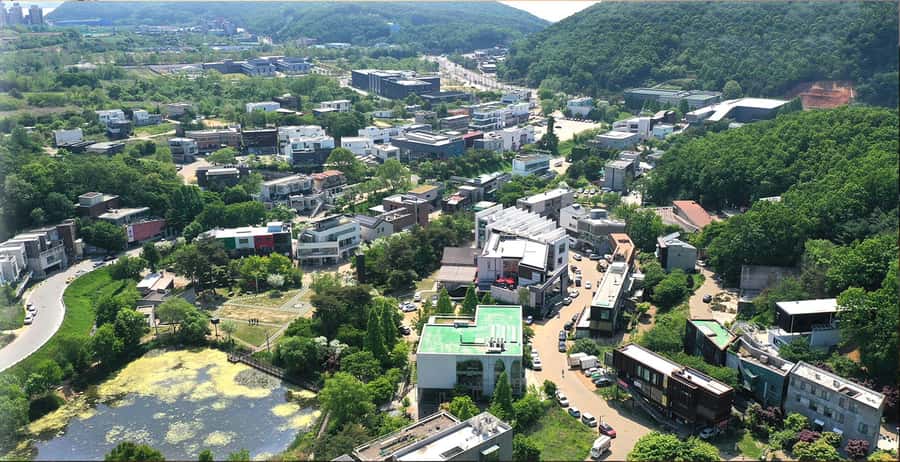
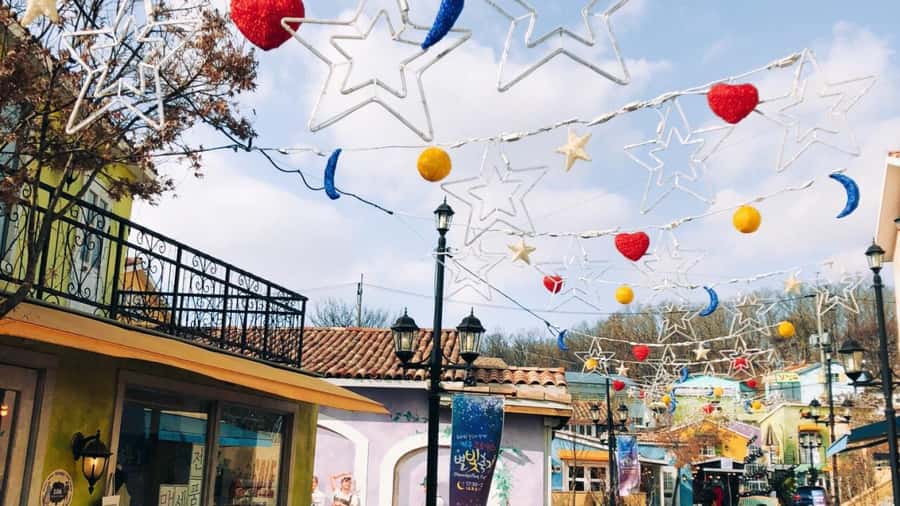
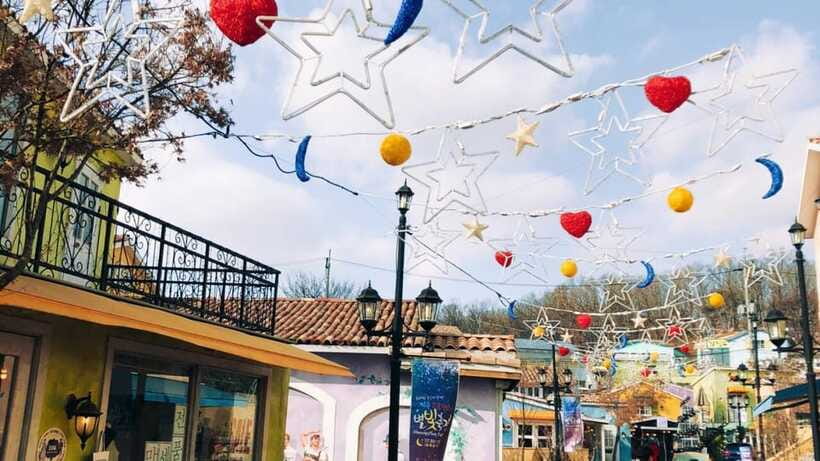
The final comparison takes place in a South Korean village located close to the North Korean viewing area. Here, you can visit culture and art shops. This side of the day gives you a chance to see a community through its public creative life rather than through a telescope.
The contrast is deliberately direct. First, you look toward a North Korean village and try to spot ordinary activity at a distance. Then you enter a South Korean village where cultural and art businesses are available to browse. The point is not that one village can represent all of South Korea. It is that the two nearby settings offer a clear visual and social comparison.
I would treat the shops as part of the experience, not as a major shopping trip. The available details do not name particular galleries, products, or artists. You might find that the appeal comes more from the setting and the contrast than from buying souvenirs.
This stop also gives the day a gentler ending. The border subject can feel heavy, and the art shops provide space to walk, look around, and absorb the guide’s explanation. You are still close to North Korea, but the activity has shifted from observation to participation in a South Korean village.
What the $130 price includes
At $130 per person, this is not the cheapest way to spend a day in Gyeonggi Province. The value depends on how much you want a focused comparison rather than a general tour of popular sights.
The package includes:
- Transportation
- Meals
- Entertainment fees, including entrance tickets
- Tour guide service
That list covers the main costs you would usually need to budget for a guided outing. You are not paying the advertised price and then discovering that transport, lunch, or entry fees are separate.
The customized format may also matter. A personalized tour can be a better fit if you want explanations and a connected theme rather than a large coach experience. The strongest available feedback praises the fact that the day did not feel overcrowded and that the history was explained well.
Still, the price is harder to justify if you only want a quick border viewpoint. The tour earns its value through the full sequence: North Korean village view, historical explanation, Pyeongyang noodles, and South Korean village culture. If you are not interested in food or social comparison, a simpler sightseeing option may suit you better.
Accommodation, travel insurance, tips, and optional requests are not included. Plan for those costs separately. You can reserve and pay later, which helps if you are still arranging a South Korea itinerary. Cancellation is allowed up to 24 hours in advance for a full refund.
Comfort, walking, and practical limits
Comfortable transportation is promised, which is useful because the day includes more than one setting. The exact vehicle, pickup arrangement, group size, and tour length are not specified, so ask for those details before paying if they affect your plans.
Wear comfortable shoes. The tour is not suitable for people with mobility impairments, and it is also not suitable for people with heart problems. Those restrictions should be taken seriously rather than treated as routine fine print.
Bring an ID card. A copy is accepted, according to the available information. This is especially important for a tour connected to a sensitive border area, so keep the document accessible but secure.
The tour is offered in English and Japanese. If you need another language, do not assume it will be available. Ask the provider before reserving.
You should also avoid alcohol and drugs during the experience. The rules are clear, and a border-area outing is not the place to test them.
Who will get the most from this day
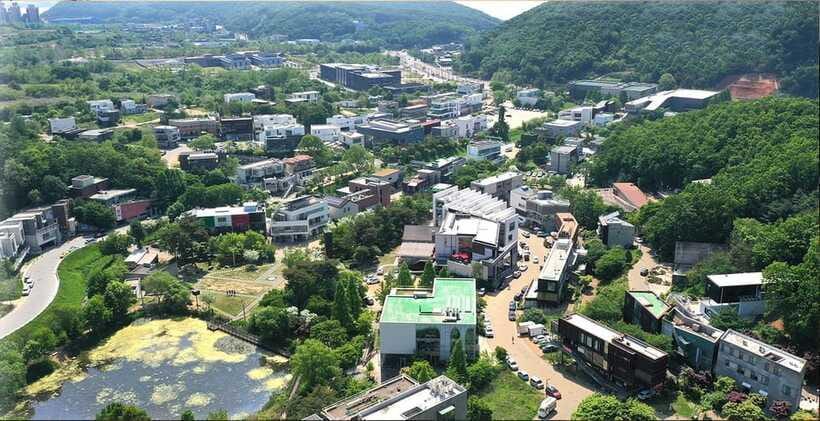
I would recommend this tour to you if you enjoy guided experiences with a strong idea behind them. It suits people who want to think about how politics affects ordinary life, and who are willing to look closely rather than rush from one famous stop to another.
It is especially appealing if you have already seen more conventional city sights and want a day connected to Korea’s division. The Pyeongyang noodle lunch also makes it a good choice if food is part of the way you understand a place.
Families with older children may find the visual comparison meaningful, but the mobility limits and serious subject matter deserve consideration. The provider does not give a child age policy, so ask before booking for younger children.
I would be cautious about booking if you need a highly scheduled itinerary with exact timing, named attractions, or guaranteed photographic conditions. The information does not provide a detailed timetable, and the North Korean view depends on what can be seen on the day.
I would also look elsewhere if you are mainly seeking military exhibits or a long list of official DMZ facilities. This tour is built around a nearby village comparison, a meal, and a South Korean cultural stop.
Final call: should you book it?
Book this experience if you want a focused, personal look at the contrast between North and South Korea. The best reasons are the telescope view from about 1km away, the included Pyeongyang noodles, the nearby South Korean village, and the guide’s explanation of the two countries’ history.
The $130 price is fair when you use the included transport, meal, entrance fees, and guiding. It is less compelling if you only want a quick border photo or prefer independent sightseeing.
For me, the strongest feature is the structure. You see, eat, and then compare. That makes the day more memorable than a stop at a viewpoint alone. Just bring comfortable shoes, carry your ID, check the accessibility limits, and confirm any dietary or transport questions before booking.
FAQ
How much does the North and South Korea comparison tour cost?
The tour costs $130 per person.
Where does the tour take place?
The experience takes place in Gyeonggi Province, South Korea.
How close can you get to the North Korean village?
The North Korean village is about 1km away, and you can look toward it with a telescope.
What might I see through the telescope?
You may see people in the North Korean village working outside or playing. Visibility and activity can vary.
Is lunch included?
Yes. A meal featuring Pyeongyang noodles is included.
What else is included in the price?
Transportation, meals, entertainment fees including entrance tickets, and the tour guide fee are included.
Which languages are available?
The tour is available in English and Japanese.
What should I bring, and who should avoid this tour?
Bring comfortable shoes and an ID card. A copy of the ID card is accepted. The tour is not suitable for people with mobility impairments or heart problems. Alcohol and drugs are not allowed.
Just added in Seoul
- Seoul: Korean & English Language Exchange Global Party★ 5.0 · 28 reviews
- Your Personal Seoul Photographer!★ 4.1 · 15 reviews
- You’re Invited to Our Home in Seoul: The Only Cooking Class!★ 5.0 · 8 reviews
- From Seoul: Yongpyong Ski Day Tour with Transportation★ 4.9 · 40 reviews
- From Seoul: Hwacheon Ice Fishing and Lighting Festival Tour★ 4.5 · 4 reviews
- Seoul: Gangneung BTS K-Pop & K-Drama Filming Locations Tour★ 4.6 · 14 reviews
- Unique Native Experience : Han River Picnic, Board game, BBQ★ 5.0 · 3 reviews
- Seoul: Euljiro Gastroventure Tour★ 4.0 · 1 review
Seoul Tours, compared.
Best DMZ Tour Korea from Seoul (Red Suspension Bridge Optional)
Read our review →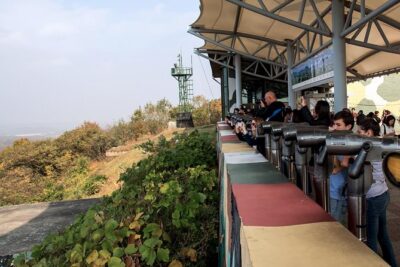
DMZ Tour: 3rd Tunnel, Option(Suspension Bridge, Boat) from Seoul
Read our review →DMZ tour south Korea from Seoul (NK experience hall, defector)
Read our review →
Signature DMZ Tour: Exclusive Defector Talk & Suspension Bridge
Read our review →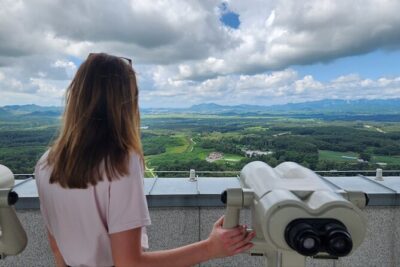
Thrilling Korean DMZ 3rd Tunnel Tour from Seoul + Red Bridge Rush
Read our review →
DMZ Past and Present: Korean Demilitarized Zone Tour from Seoul
Read our review →