Reviewed · SEOUL TOURS
Making BeanPaste Rice Cake Experience in Seoul
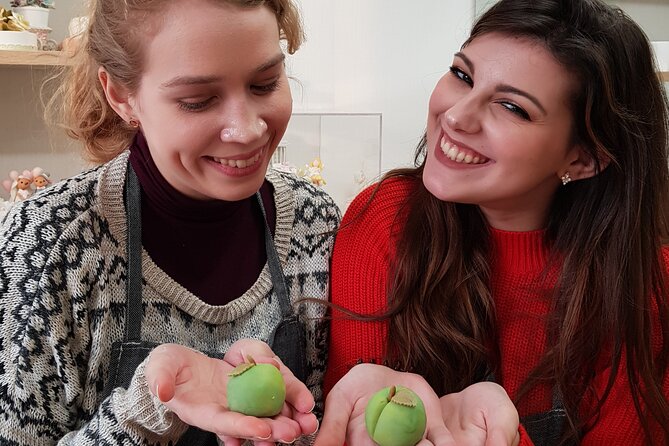
Small creations, big memories. This Seoul class gives you a personal way to explore Korean food culture: you wrap white bean paste with dough, shape the cakes, draw patterns, and add delicate decorations. You leave with up to six rice cakes that you made yourself, including more difficult designs if you are willing to try them.
I like the small maximum of eight people, which should give the instructor room to help with fiddly shaping. I also like that ingredients, tools, and packing are included, so the $56.78 price covers much more than a short demonstration. The main drawback is that the outside dough is not made during the one-hour class, and a special two-hour dough lesson costs extra.
In This Review
- Key details before you book
- Why this rice cake class is worth your Seoul afternoon
- What happens during the one-hour class
- Making six designs, from simple to difficult
- The important limit: you do not make the outside dough
- What the $56.78 price includes
- A small group with a friendly host
- Getting there and planning your afternoon
- Who will enjoy this experience most
- Cancellation and other practical details
- Should you book this Seoul rice cake class?
- FAQ
- Where does the rice cake experience begin?
- What time does the class start?
- How long does the activity last?
- Where does the activity finish?
- How many people can join?
- Are ingredients and packing included?
- Is Bojagi packing included?
- Can I cancel for a full refund?
Key details before you book
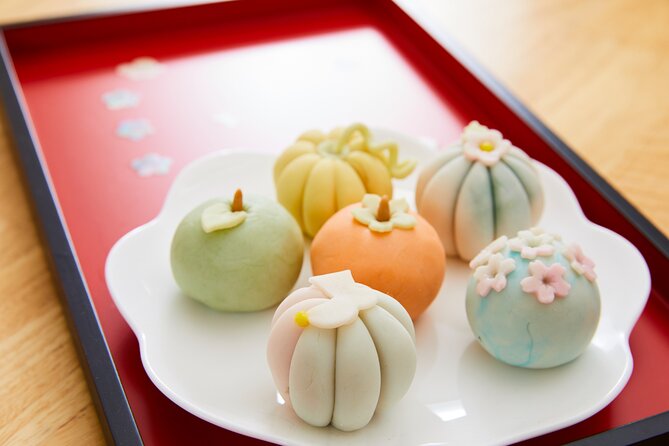
- You make up to six rice cakes: Start with basic designs, then try more difficult patterns if your hands are cooperating.
- The decoration is the main event: You learn to wrap the bean paste, divide and draw lines with tools, and place fine decorations on top.
- The outside dough is not prepared in class: You receive a recipe, while a separate two-hour lesson is available for people who want to study the dough in detail.
- The class starts at 4:00 pm: The activity lasts about one hour and finishes back at 199 Baekbeom-ro in Mapo-gu.
- Your cakes can become gifts: The six rice cakes can be frozen and taken home as souvenirs or presents.
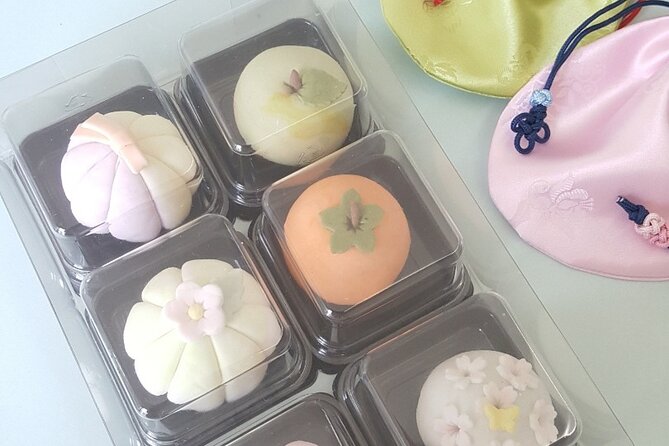
- Bojagi packing costs extra: Korean special Bojagi wrapping is available for an additional 15,000 Korean won.
Why this rice cake class is worth your Seoul afternoon
Many food activities in Seoul end when you swallow the last bite. This one gives you something to carry away, both edible and personal. You are not simply watching someone prepare a Korean sweet. You are learning how the filling, dough, lines, and decorations come together in a finished piece.
The class centers on white bean paste. That filling is enclosed inside dough, then shaped into a small rice cake with a design of your choice. The wording for the experience calls it a Ricake, but the useful point is simple: you are making a decorated Korean rice cake with a soft bean paste center.
I like the balance between instruction and creativity. You are shown how to wrap the filling neatly, then divide the surface and draw lines using tools. The final decorations let you make a cake that is not an exact copy of somebody else’s work. If you enjoy craft projects, this will likely feel as satisfying as a cooking lesson.
It also works well for a rainy afternoon. One booking was made at the last minute because the weather was poor, and the class became one of the most enjoyable parts of that Seoul trip. That makes sense. You get an indoor activity, a taste of Korean culture, and a small edible project without giving up half a day.
A few more options to weigh up in Seoul
- Best DMZ Tour Korea from Seoul (Red Suspension Bridge Optional)
★ 5.0 · 41,422 reviews - DMZ Tour: 3rd Tunnel, Option(Suspension Bridge, Boat) from Seoul
★ 5.0 · 21,373 reviews - DMZ tour south Korea from Seoul (NK experience hall, defector)
★ 5.0 · 20,599 reviews
What happens during the one-hour class
The activity begins at 4:00 pm at 199 Baekbeom-ro, Mapo-gu, Seoul. It ends at the same meeting point, so you do not need to arrange a separate return transfer or wonder where the activity finishes.
The first practical skill is wrapping the inner white bean paste with dough. This sounds easy until you need an even covering with no messy gaps or thick spots. The class focuses on doing this finely, giving you the basic shape before you move on to decoration.
Next, you work with tools to divide the surface and draw lines. These marks provide structure for the design. They are also where a simple rice cake starts to look like a small piece of food art.
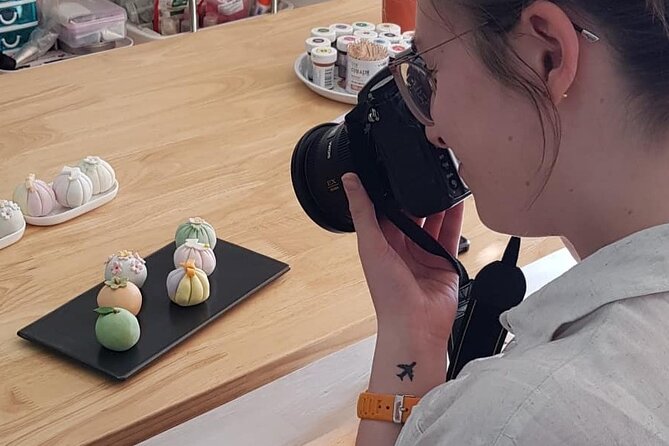
The last part is decoration. Fine details are placed on top, allowing you to create a design that feels like your own. The finished cakes are suitable for photographs, and the experience specifically encourages you to film the cute designs for social media.
The class lasts about one hour, so the pace matters. You will not have unlimited time to fuss over every decoration. I would arrive ready to listen closely at the start, since the wrapping and shaping instructions will affect everything that follows.
Making six designs, from simple to difficult
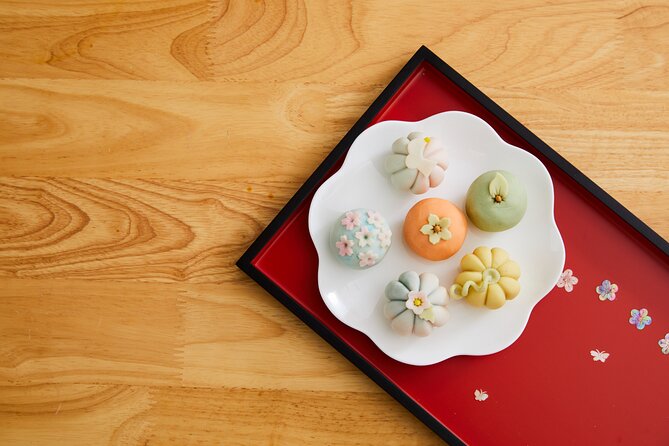
You can make and freeze a total of six rice cakes. The class allows you to begin with basic designs and attempt more difficult ones as you gain confidence.
That six-cake format gives you a useful progression. Your first piece can help you understand how the dough covers the filling. Later pieces can receive more attention on their lines and decorations. If your first attempt looks a little wonky, you have five more chances to improve.
I would treat the six cakes as a mix of practice and keepsake. Do not expect every piece to look perfect, especially if you choose a difficult design early. The point is to create something with your hands, not to produce identical bakery goods.
The ability to freeze the cakes adds practical value. You can keep them for later or give them to friends and family at home. You will need to consider how you carry them after the class, but the fact that freezing is part of the instructions makes them more useful than a treat that must be eaten immediately.
The cakes can also provide a small story when you return home. A packaged food item from a shop may be attractive, but it does not show your own design or explain what you learned. These rice cakes do both.
The important limit: you do not make the outside dough
This class teaches the filling wrap and decorative work, but the outside batter or dough is not prepared together with you. Instead, a recipe is provided for people who want to make it themselves later.
That limitation is worth understanding before you pay. If your main goal is to learn the entire process from raw ingredients to finished rice cake, the one-hour class will not cover that. You will learn a key part of the shaping process, but not the full dough preparation.
There is a separate two-hour additional class for people who want to learn the outside skin dough. It is described as a special class for someone planning to open a shop or pursue the subject in greater depth. The information provided does not give the extra price, so you should ask about the cost and availability before booking that option.
For most visitors, the shorter class may be the better fit. You get the hands-on part, the design work, and six cakes to take home without committing two hours to a more technical lesson. If you bake often or have a serious interest in selling these rice cakes, ask about the longer class.
A completely different kind of day:
- Seoul: DMZ Tour with Optional Suspension Bridge
★ 4.8 · 5,277 reviews - Signature DMZ Tour: Exclusive Defector Talk & Suspension Bridge
★ 5.0 · 4,459 reviews - Thrilling Korean DMZ 3rd Tunnel Tour from Seoul + Red Bridge Rush
★ 5.0 · 3,097 reviews - DMZ Past and Present: Korean Demilitarized Zone Tour from Seoul
★ 5.0 · 2,481 reviews
What the $56.78 price includes
At $56.78 per person, this is not the cheapest food activity in Seoul. The value depends on what you want from your afternoon.
The price includes all ingredients, equipment, and packing. It also includes instruction and the chance to make six rice cakes, rather than only sampling one finished item. For someone who values a creative activity and a take-home souvenir, that package is reasonable.
I would not book it solely as a way to get a snack. The real product is the process. You are paying for guidance, materials, practice, and the chance to make a personal design. The food is the pleasant result.
The included packing should make it easier to carry your work after the class. If you want Korean special Bojagi packing, budget an additional 15,000 Korean won. That extra cost may appeal if the cakes are intended as a polished gift, but it is not necessary for the basic experience.
The six-cake quantity strengthens the value. You can eat some, freeze some, or give them away. Just remember that the class is approximately one hour, so the price does not buy a long cooking session or a full meal.
A small group with a friendly host
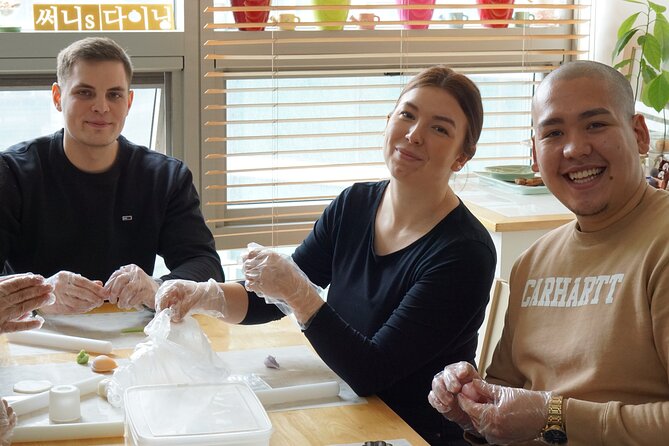
The activity accepts a maximum of eight people. That is a useful limit for a class involving small tools, detailed decoration, and dough that needs careful handling.
A large group could turn this into a wait-and-watch exercise. With eight or fewer, you have a better chance of following the demonstration and receiving help when your filling refuses to stay centered or your lines become uneven.
The host has been described as lovely, and that personal welcome matters in a short class. Food crafts can feel intimidating when the finished examples look too neat. A warm instructor can make it easier for you to try a harder design instead of settling for the safest option.
The provided information does not identify the host by name, so you should not expect a named guide-led tour in the usual sightseeing sense. This is a practical workshop, and the quality of the experience will depend heavily on how clearly the host demonstrates the techniques and helps with the details.
Getting there and planning your afternoon
The meeting point is 199 Baekbeom-ro in Mapo-gu. The location is near public transportation, which makes it suitable for fitting into a day of sightseeing without arranging a private car.
The class begins at 4:00 pm. That timing works well if you want to spend the morning and early afternoon visiting other parts of Seoul, then switch to an indoor activity. You should leave enough time to reach Mapo-gu before the start, since the class is short and late arrival could cost you valuable instruction.
The activity returns to the meeting point when it ends. Because the duration is about one hour, you can plan dinner afterward. The supplied details do not promise a meal beyond the rice cakes, so treat this as a snack-making workshop rather than a substitute for dinner.
Mobile tickets are provided. Confirmation normally arrives at booking, but bookings made within three hours of the start time are confirmed as soon as possible and depend on availability. If you are making a same-day plan, do not assume the place is guaranteed until confirmation arrives.
Who will enjoy this experience most
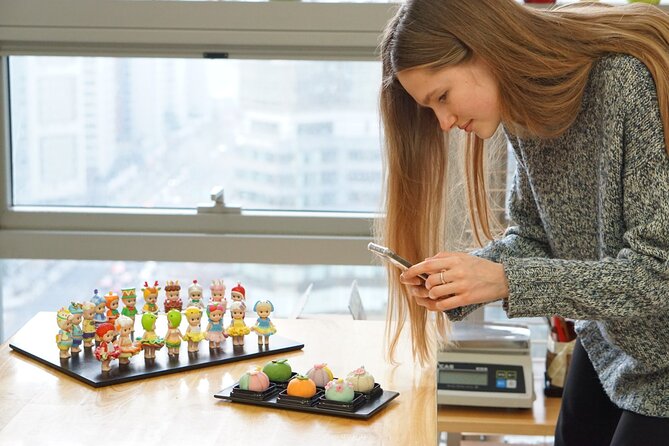
I would recommend this class to people who like making things, not just eating them. It suits couples, friends, families, and solo visitors who want a compact activity with a clear result.
It is also a good choice if you want a less conventional way to connect with Korean culture. You work with a Korean food item, learn a traditional-looking decorative style, and leave with your own designs. The class has more personality than buying a boxed sweet from a shop.
Families should note the fine work involved. The information does not specify a minimum age, so you should ask before booking for young children. The small decorations and tools may suit older children better than very young ones, but the exact policy is not provided.
You will probably enjoy it if you like photography and social media. The designs are made to look cute, and filming the finished rice cakes is encouraged. If you dislike careful handwork or want a fast tasting stop, this may feel too slow and precise.
People considering a food business may want the separate two-hour class. The one-hour experience teaches useful shaping and decoration skills, but it does not include making the outside dough. That is a major distinction for anyone seeking a full production lesson.
Cancellation and other practical details
You can cancel up to 24 hours before the 4:00 pm start time for a full refund. Cancellations made within 24 hours are not refunded, and changes in that period are not accepted.
The cut-off uses Seoul local time. The activity also requires a minimum number of participants. If the provider cancels because that minimum is not reached, you will be offered another date or experience, or receive a full refund.
The class is near public transportation and accepts a maximum of eight people. Confirmation is usually sent at booking, with last-minute bookings handled as quickly as possible subject to space.
Should you book this Seoul rice cake class?
Book it if you want a short, creative Korean food activity that leaves you with six personalized rice cakes. The strongest reasons are the small group, included ingredients and packing, friendly host, and the chance to freeze your work for later gifts.
Think twice if you want to prepare the dough from scratch. That part is not included in the one-hour class, and the longer two-hour lesson must be arranged separately. Also consider the extra 15,000 Korean won if Bojagi packing matters to you.
For a rainy afternoon, a 4:00 pm change of pace, or a hands-on souvenir that is more personal than a shop purchase, I think this is a smart pick. You get a focused hour of instruction, room for creative mistakes, and six small reminders of your time in Seoul.
FAQ
Where does the rice cake experience begin?
It begins at 199 Baekbeom-ro, Mapo-gu, Seoul, South Korea.
What time does the class start?
The class starts at 4:00 pm.
How long does the activity last?
The experience lasts approximately one hour.
Where does the activity finish?
It finishes back at the meeting point at 199 Baekbeom-ro.
How many people can join?
The activity has a maximum of eight participants.
Are ingredients and packing included?
Yes. Ingredients and packing are included in the price.
Is Bojagi packing included?
No. Korean special Bojagi packing costs an additional 15,000 Korean won.
Can I cancel for a full refund?
Yes. You can cancel at least 24 hours before the start time for a full refund. Cancellations within 24 hours are not refunded.
Just added in Seoul
- Seoul: Korean & English Language Exchange Global Party★ 5.0 · 28 reviews
- Your Personal Seoul Photographer!★ 4.1 · 15 reviews
- You’re Invited to Our Home in Seoul: The Only Cooking Class!★ 5.0 · 8 reviews
- From Seoul: Yongpyong Ski Day Tour with Transportation★ 4.9 · 40 reviews
- From Seoul: Hwacheon Ice Fishing and Lighting Festival Tour★ 4.5 · 4 reviews
- Seoul: Gangneung BTS K-Pop & K-Drama Filming Locations Tour★ 4.6 · 14 reviews
- Unique Native Experience : Han River Picnic, Board game, BBQ★ 5.0 · 3 reviews
- Seoul: Euljiro Gastroventure Tour★ 4.0 · 1 review
Seoul Tours, compared.

Best DMZ Tour Korea from Seoul (Red Suspension Bridge Optional)
Read our review →
DMZ Tour: 3rd Tunnel, Option(Suspension Bridge, Boat) from Seoul
Read our review →DMZ tour south Korea from Seoul (NK experience hall, defector)
Read our review →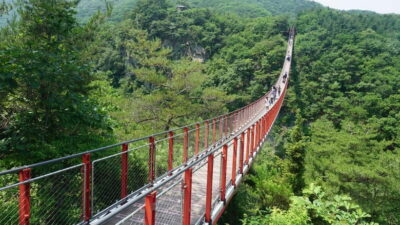
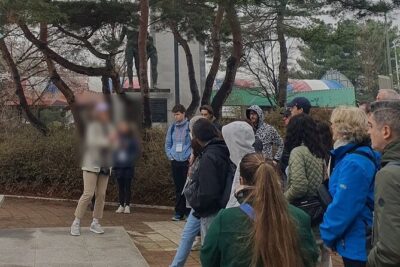
Signature DMZ Tour: Exclusive Defector Talk & Suspension Bridge
Read our review →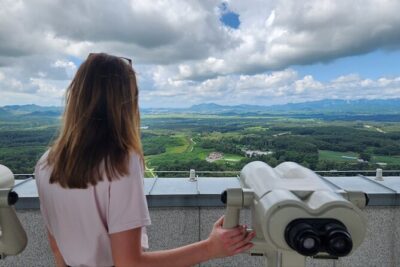
Thrilling Korean DMZ 3rd Tunnel Tour from Seoul + Red Bridge Rush
Read our review →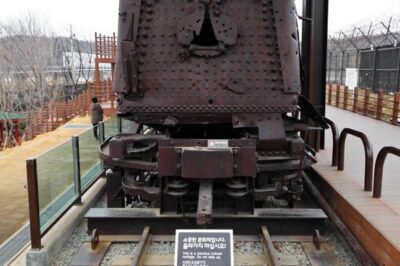
DMZ Past and Present: Korean Demilitarized Zone Tour from Seoul
Read our review →