
Reviewed · DMZ TOURS
Private DMZ Tour with North Korean Defector + N Korean Lunch
The DMZ is more than a photo stop. This small-group tour pairs a visit to the border with Jun’s first-hand story of life in North Korea, his escape, and his new life in South Korea. I like the personal setting and the chance to ask direct questions instead of following a large bus crowd. I also like that lunch at a North Korean restaurant is included. The main drawback is that you do not visit every famous DMZ attraction, and there is no vegetarian lunch option.
This is a seven to eight-hour day beginning with hotel pickup at 10:30 a.m. The group is limited to four people, although a booking with two or fewer participants may be joined by up to two additional guests. You finish at Hapjeong Station rather than at your hotel, so plan for a short subway ride afterward.
In This Review
- Key points before you book
- Why Jun changes the meaning of a DMZ visit
- A small group makes the day feel personal
- North Korean lunch in Goyang
- Odusan Unification Tower and the view into North Korea
- Imjingak Pyeonghoa-Nuri Park and the Bridge of Freedom
- What you give up compared with a larger DMZ tour
- Is the $150 price fair?
- Who should book this experience?
- Timing, weather, and practical details
- Should you book the private DMZ tour with Jun?
- FAQ
- What time does the tour start?
- How long does the experience last?
- Is hotel pickup included?
- Where does the tour finish?
- Is lunch included?
- Is there a vegetarian lunch option?
- How many people can join the tour?
Key points before you book
- Jun’s personal history gives the DMZ real human weight: He moved to South Korea in 2017 and speaks about North Korea, his escape, and life after resettlement.
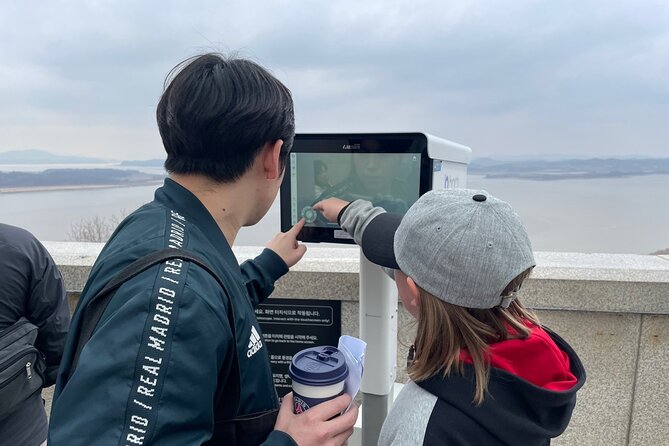
- Odusan Unification Tower offers views across a narrow stretch of the border: North Korean villages are about 2 kilometers away, with binoculars available for viewing.
- Lunch is part of the experience, not just a quick stop: You eat at a North Korean restaurant operated by a defector and sample food rarely found elsewhere in South Korea.
- The group stays very small: The maximum is four people, which makes questions and conversation much easier than on a large coach tour.
- Imjingak adds Korean War context: You see the Bridge of Freedom and the park created for people who fled North Korea during the war.
- This is a quieter alternative to a standard DMZ circuit: You avoid unrelated shopping and entertainment stops, but you also see fewer headline attractions.
Why Jun changes the meaning of a DMZ visit
Many border tours give you facts, dates, and a quick explanation of the military boundary. That can be useful, but it can also leave the DMZ feeling like a distant stage set.
Jun brings the subject close. He lived in North Korea, made the decision to leave, and rebuilt his life in South Korea. His story covers the pressures that shaped his decision, the dangers of leaving, and the continuing concern he feels for family still in the North.
That personal account is the strongest reason to choose this tour. You are not simply looking through binoculars at buildings across a river. You are listening to someone explain what those buildings, borders, and political slogans mean to a person who once lived under that system.
The tone also appears to be a major strength. Jun is described as friendly, open, funny, and an excellent storyteller. His English is strong enough to answer questions and discuss Korean history, unification, politics, and the challenges faced by defectors in South Korea.
I would still approach the experience with respect. A defector is discussing traumatic events, not performing a novelty act. You may hear difficult material, and the emotional force of the day is part of what makes it memorable. Ask thoughtful questions, but allow Jun to decide how much personal detail he wishes to share.
More DMZ tours:
- Best DMZ Tour Korea from Seoul (Red Suspension Bridge Optional)
★ 5.0 · 41,422 reviews - DMZ Tour: 3rd Tunnel, Option(Suspension Bridge, Boat) from Seoul
★ 5.0 · 21,373 reviews - DMZ tour south Korea from Seoul (NK experience hall, defector)
★ 5.0 · 20,599 reviews
A small group makes the day feel personal
The stated maximum is four people. If only one or two people book, the operator may add up to two more participants, so you should not assume the vehicle will be completely private in the strictest sense.
Even so, this is a very small format compared with the large DMZ buses common around Seoul. That difference matters. You can hear the guide clearly, ask follow-up questions, and keep the conversation going between stops.
A small group also suits the subject. Jun’s story is not a scripted speech delivered to dozens of people at once. The strongest part of the day seems to be the back-and-forth conversation, especially when you are looking toward North Korea and can connect the view with what he is explaining.
Pickup is offered directly from your hotel, which removes one annoying part of a border excursion. The day begins at 10:30 a.m., and the final drop-off is at Hapjeong Station. From there, you can reach central parts of Seoul, including Itaewon and Yongsan, by public transportation.
There is no hotel drop-off. This is a small point, but it matters after a long day. Check the subway route from Hapjeong Station to your accommodation before you leave, especially if you are carrying luggage or traveling with children.
North Korean lunch in Goyang
The first major stop is a North Korean cuisine restaurant in Goyang. It is operated by a North Korean defector and is one of the few places in Korea focused on this kind of food.
Lunch is scheduled for about two hours, which makes it more than a rushed meal between attractions. It gives you time to try several dishes and continue talking with Jun about food, daily life, and the differences between North and South Korea.
The meal has practical value too. The DMZ area is not the place to count on finding a convenient snack stop at the exact moment you want one. Since lunch is included, you do not need to pack food for the day.
There is one clear limitation: no vegetarian option is available. If you do not eat meat, this tour may not suit you. The information provided does not specify the exact menu, so you should not book expecting to choose from a wide range of dishes.
For everyone else, the restaurant is an important part of the day. Food can explain a place in a way that a display panel cannot. A meal prepared by a defector gives the discussion a daily, domestic side. It is not only about soldiers, leaders, and borders. It is also about what people eat and how they preserve familiar traditions after leaving home.
Odusan Unification Tower and the view into North Korea
Odusan Unification Tower is the main border viewpoint on this tour. North Korean villages are described as being roughly 2 kilometers away, close enough for you to make out buildings and some signs of ordinary life with binoculars.
You may see villages, propaganda buildings, and glimpses of people on the other side. The view is not a guarantee of dramatic action. Much of the experience is quiet observation. That quiet can be useful because it gives Jun room to explain what you are seeing.
Bring patience. This is not an attraction built around constant movement. You look, listen, and try to understand the distance between the two Koreas. The tower helps put the geography in front of you, while Jun’s story explains the human cost behind it.
The viewpoint also shows why a guide with a North Korean background adds something unusual. A standard explanation might identify a village or a propaganda structure. Jun can discuss how North Korean life is presented to outsiders, how information is controlled, and why a scene that looks peaceful from a distance can carry political meaning.
You should also know what this tour does not promise. It is not presented as a visit to every DMZ site, and it does not include a long list of themed attractions. If your goal is to collect photographs from every major border landmark, another itinerary may suit you better.
If your goal is to understand the border, this focused stop works well. You get a real view into North Korea, not merely a museum display about it.
A few more options to weigh up in Seoul
- Seoul: DMZ Tour with Optional Suspension Bridge
★ 4.8 · 5,277 reviews - Signature DMZ Tour: Exclusive Defector Talk & Suspension Bridge
★ 5.0 · 4,459 reviews - Thrilling Korean DMZ 3rd Tunnel Tour from Seoul + Red Bridge Rush
★ 5.0 · 3,097 reviews - DMZ Past and Present: Korean Demilitarized Zone Tour from Seoul
★ 5.0 · 2,481 reviews
Imjingak Pyeonghoa-Nuri Park and the Bridge of Freedom
The final sightseeing stop is Imjingak Pyeonghoa-Nuri Park, a place connected to people who fled North Korea during the Korean War.
Here you see the Bridge of Freedom, which was temporarily built by the U.S. Army Corps of Engineers in 1953. It was used to release 12,773 South Korean prisoners of war. That number gives the bridge a sharper meaning than a simple photo caption can.
The park connects the present-day border with the war that created the division. After listening to Jun describe life in the North and his own escape, this historical setting can feel especially powerful. The DMZ is not only a current security zone. It is also the result of families being separated and millions of people living with a conflict that never reached a formal peace treaty.
You spend about an hour here. That is enough time to see the main features, but not enough for a long museum visit or a broad tour of every nearby site. The schedule favors conversation and selected locations over a packed list of stops.
One detail worth noting is the reference to the last train out of North Korea. The site and its railway history help connect the border with the hope of movement and reunification. Ask Jun about what the railway represents if the subject comes up. His perspective can turn a transport relic into a reminder of the lives divided by the border.
What you give up compared with a larger DMZ tour
This tour is praised for avoiding the feel of a standard coach excursion. That is important for anyone who dislikes being moved from one photo stop to another with little time to think.
You also avoid unrelated additions such as mandatory shopping, strawberry picking, or amusement-style extras. The day stays focused on North Korea, the Korean War, the border, and Jun’s personal experience.
The trade-off is a narrower sightseeing program. Some larger DMZ tours include more viewpoints, military facilities, gondola rides, or other attractions. This one does not try to do everything.
I see that as a sensible choice for the right audience. If you have only one day and want a broad checklist of DMZ landmarks, compare the stops carefully before booking. If you want a small group and a serious conversation with a North Korean defector, the shorter list is likely a benefit.
There is also a practical restriction around privacy. Filming or streaming personal information is not allowed. That protects Jun and the other people in the group, but it means you should not plan to record the personal conversation for social media.
Is the $150 price fair?
At $150 per person, this is not the cheapest way to see the DMZ. The price includes hotel pickup, lunch, admission fees, and transport during the day. It does not include travel insurance, and you pay for your own journey from Hapjeong Station after the tour.
The real value rests in the guide, not only in the vehicle and entrance tickets. You are paying for a small group, a full day of transport from Seoul, a North Korean meal, and direct access to Jun’s personal account. That is a different product from a basic bus trip to a border lookout.
I consider the price reasonable for someone who values context and conversation. A private tour with only a few participants can cost more, and this experience is reported to be cheaper than some other private options. The fee also supports Jun’s work, with part of the money helping his family still in North Korea, according to information shared during the experience.
Still, value depends on what you want. If you mainly need a quick photograph near the border, $150 may feel high. If you see the DMZ as a place to learn about war, separation, dictatorship, escape, and resettlement, the personal element makes the cost easier to justify.
Who should book this experience?
I would recommend it most strongly to:
- People interested in Korean history and current affairs
- Visitors who prefer a small group to a large bus
- Anyone who wants to hear directly from a North Korean defector
- Couples, families, and small groups who enjoy asking questions
- Older children and teenagers who can engage with serious historical subjects
- Anyone who wants a North Korean meal as part of the day
The experience also appears to work well for people who normally avoid guided tours. The format is conversational rather than purely scripted, and the small group leaves room for questions.
Families should think about the emotional content. The story may be fascinating for teenagers, but it can also be upsetting. The tour is not simply a sightseeing outing with a border photograph at the end.
I would not choose it if you need vegetarian food, a hotel return, or a long list of military attractions. I would also avoid treating Jun’s story as a guarantee that you will see dramatic activity across the border. The power comes from listening and observing, not from spectacle.
Timing, weather, and practical details
The tour lasts about seven to eight hours and begins at 10:30 a.m. Hotel pickup is included, but the final drop-off is at Hapjeong Station.
All admission fees and lunch are included. Travel insurance is not. Most people can participate, and the tour operates near public transportation.
Good weather is required. If poor weather forces a cancellation, you are offered another date or a full refund. The same applies if the minimum number of participants is not reached.
You can cancel for a full refund up to 24 hours before the start time. Cancellations or changes made less than 24 hours before departure are not accepted for a refund.
Bring a comfortable attitude toward a long day, a willingness to listen, and a respectful approach to personal history. You do not need to bring snacks, but you should plan your route home from Hapjeong Station.
Should you book the private DMZ tour with Jun?
Book this tour if you want the DMZ to feel like a human story rather than a collection of checkpoints and photo stops. Jun’s account, the small group, and the North Korean lunch give the day a clear purpose.
Skip it if your priority is seeing every major DMZ attraction, eating vegetarian food, or returning directly to your hotel. For everyone else, this is one of the stronger choices for a serious, personal look at the border. The five-star feedback is unusually consistent, and the praise centers on the same qualities: Jun’s honesty, his storytelling, the intimate group, and the emotional force of hearing about North Korea while looking directly toward it.
FAQ
What time does the tour start?
The tour starts at 10:30 a.m.
How long does the experience last?
The tour lasts approximately seven to eight hours.
Is hotel pickup included?
Yes. Hotel pickup is included.
Where does the tour finish?
The tour finishes at Hapjeong Station. From there, you can access central Seoul areas such as Itaewon and Yongsan by public transportation.
Is lunch included?
Yes. Lunch at a North Korean food restaurant is included in the price.
Is there a vegetarian lunch option?
No. The tour information states that a vegetarian option is not available.
How many people can join the tour?
The maximum group size is four people. If there are two or fewer participants, up to two additional guests may join.
Just added in Seoul
- Seoul: Korean & English Language Exchange Global Party★ 5.0 · 28 reviews
- Your Personal Seoul Photographer!★ 4.1 · 15 reviews
- You’re Invited to Our Home in Seoul: The Only Cooking Class!★ 5.0 · 8 reviews
- From Seoul: Yongpyong Ski Day Tour with Transportation★ 4.9 · 40 reviews
- From Seoul: Hwacheon Ice Fishing and Lighting Festival Tour★ 4.5 · 4 reviews
- Seoul: Gangneung BTS K-Pop & K-Drama Filming Locations Tour★ 4.6 · 14 reviews
- Unique Native Experience : Han River Picnic, Board game, BBQ★ 5.0 · 3 reviews
- Seoul: Euljiro Gastroventure Tour★ 4.0 · 1 review
DMZ Tours, compared.
Best DMZ Tour Korea from Seoul (Red Suspension Bridge Optional)
Read our review →
DMZ Tour: 3rd Tunnel, Option(Suspension Bridge, Boat) from Seoul
Read our review →DMZ tour south Korea from Seoul (NK experience hall, defector)
Read our review →
DMZ Insider Tour: 3rd Tunnel, NK Defector Meet & Red Bridge
Read our review →
Signature DMZ Tour: Exclusive Defector Talk & Suspension Bridge
Read our review →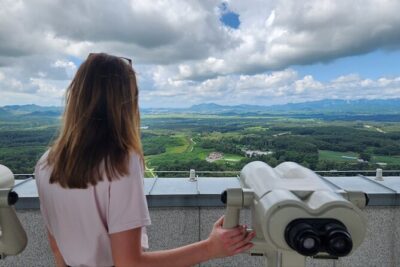
Thrilling Korean DMZ 3rd Tunnel Tour from Seoul + Red Bridge Rush
Read our review →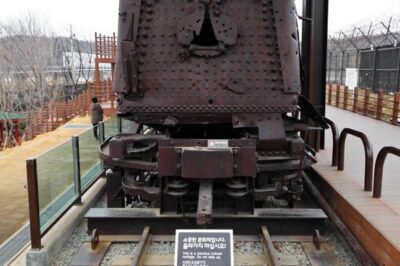
DMZ Past and Present: Korean Demilitarized Zone Tour from Seoul
Read our review →Browse the lists this tour appears in