Reviewed · SEOUL TOURS
Savoring Authentic Korean Liquor and Cuisine
Korea’s best drinks may not come in green bottles. This 90-minute tasting with Chef Hyesun introduces you to small-batch Korean liquor, including takju, cheongju, and distilled spirits, served with traditional anju, or food made to accompany drinking. I like the focus on local breweries and the small maximum group of six, which should keep the session personal and easy to follow. The main consideration is the location: Magok is outside Seoul’s best-known sightseeing core, so you will need to allow time to reach it.
I also like that Hyesun explains how Korean traditional liquor is made from just three basic ingredients: Korean rice, mineral water from a mountain, and naturally fermented yeast. You get three distinct drink styles, plenty of tasting information, and dishes such as vegetable pancakes, meat pancakes, and kimchi bibim noodles. Since the food depends on ingredient supply, the exact menu can change.
In This Review
- Key points about this Seoul tasting
- Why Korean traditional liquor is worth your time
- Meeting Chef Hyesun at LodgeMagok
- The first pours: takju, cheongju, and distilled liquor
- Anju turns the tasting into a meal
- What makes this different from ordinary soju
- The value of a $59 price
- Who will enjoy this experience most
- Practical planning before you book
- Should you book this Korean liquor tasting?
- FAQ
- Where does the Korean liquor tasting take place?
- How long does the experience last?
- What types of Korean liquor will I taste?
- Is the tasting focused on regular green-bottle soju?
- What food is served with the drinks?
- Can I tell the host about food allergies?
- How many people can join the activity?
- Is alcohol available to people under 18?
- Can I cancel for a full refund?
Key points about this Seoul tasting
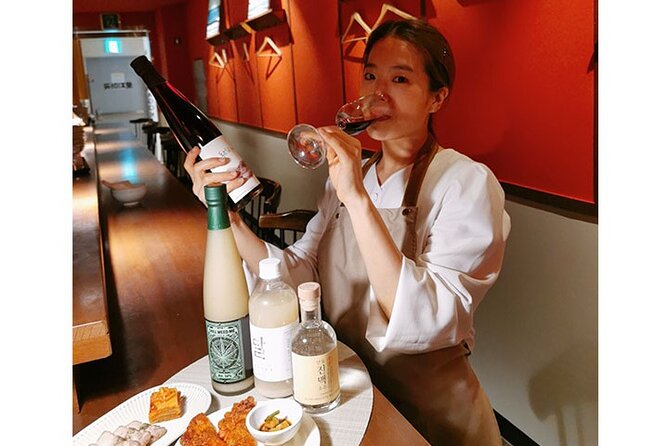
- Three Korean liquor styles: Taste takju, cheongju, and distilled liquor rather than only the familiar factory-made green-bottle soju.
- Small local breweries: Hyesun selects bottles from breweries around Korea, including drinks that may not be available in ordinary stores or restaurants.
- Anju pairing: Enjoy Korean drinking foods such as vegetable pancake, meat pancake, and kimchi bibim noodles with the tasting.
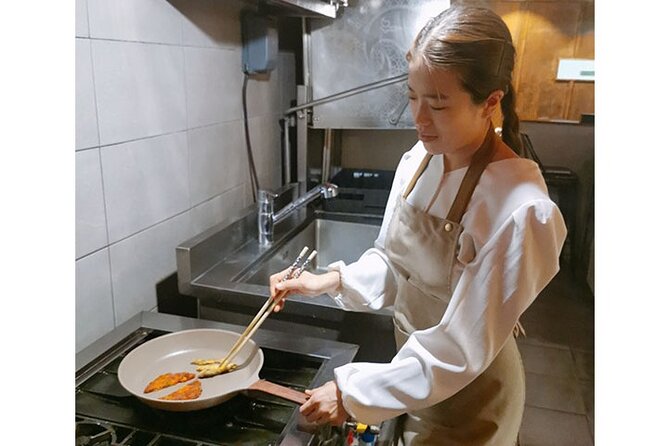
- Chef Hyesun leads the session: The owner-chef combines food, drink, travel stories, and an explanation of Korean liquor traditions.
- Small group setting: The experience accepts no more than six people, a useful size for questions and conversation.
- Magok location: Meet at LodgeMagok in Gangseo-gu, with the tasting ending at the same address.
Why Korean traditional liquor is worth your time
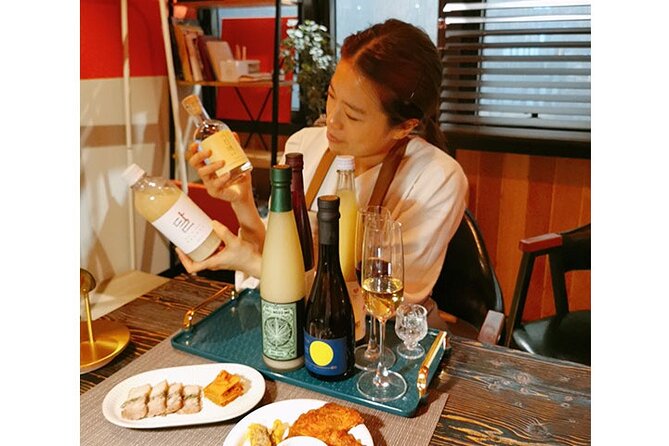
Many first-time visitors to Korea know soju as the clear spirit sold in a bright green bottle. That is only one narrow part of the country’s drinking culture. This tasting is designed to show you traditional liquor made by smaller producers using older methods.
The basic idea is simple. Korean rice, mountain mineral water, and naturally fermented yeast are combined to create drinks with different textures, aromas, sweetness, and strength. The ingredients may be limited, but the results vary widely from one brewery to another.
That variety is the heart of the session. You are not simply given three similar pours and asked to choose a favorite. The three categories offer a useful introduction to how Korean liquor can change from cloudy and soft to clear and refined, then to stronger distilled spirits.
The experience also gives you a better way to think about Korean food. Anju is not just a snack placed beside a drink. It is food selected to work with the liquor, balancing salt, spice, richness, texture, and sweetness.
For me, that food pairing makes this more useful than a drink-only tasting. You can taste how a savory pancake changes the impression of a spirit, or how a spicy noodle dish works with a different style of rice liquor. The exact combinations depend on available ingredients, but that flexibility is part of the local character.
A few more options to weigh up in Seoul
- Best DMZ Tour Korea from Seoul (Red Suspension Bridge Optional)
★ 5.0 · 41,422 reviews - DMZ Tour: 3rd Tunnel, Option(Suspension Bridge, Boat) from Seoul
★ 5.0 · 21,373 reviews - DMZ tour south Korea from Seoul (NK experience hall, defector)
★ 5.0 · 20,599 reviews
Meeting Chef Hyesun at LodgeMagok
The tasting takes place at LodgeMagok, at 중앙로 171 나루역프라이빗타워Ⅱ, room 207, in Magok-dong, Seoul’s Gangseo-gu district. The Korean name, 로찌마곡, may help when checking the address or asking for directions.
This is not a central Seoul walking tour. Magok is a practical neighborhood location, so you should check your route before setting out and leave enough time to find the building. The meeting point is also the end point, which keeps the arrangement simple once you arrive.
The small group limit of six matters here. Food and drink tastings work best when you can see the host prepare or present each item, hear the explanation, and ask a question without competing with a large crowd. A group this size should also make it easier to talk with the other people at the table.
After your booking is confirmed, contact Hyesun through WhatsApp at +82 10 2661 7832. This message is important, not just a formality. You can double-check the schedule, explain food allergies, and discuss other details before the meeting.
The activity permits service animals and is near public transportation. Alcohol is available only to people aged 18 and older, so bring that age requirement into your planning.
The first pours: takju, cheongju, and distilled liquor
The tasting covers three traditional liquor categories: takju, cheongju, and distilled liquor. Each gives you a different starting point for understanding Korean drinking traditions.
Takju is the cloudy style most closely associated with traditional makgeolli. Its appearance alone may be new if you have only seen clear spirits in Korea. The texture and flavor can feel fuller and more rustic than factory-made drinks, and it is especially suited to hearty anju.
Cheongju is a clear rice liquor. It offers a useful contrast to takju because the drink is presented in a cleaner, more polished form. Tasting these two side by side helps you notice how the same broad family of ingredients can produce very different results.
The final category is distilled liquor. It brings a stronger spirit profile and rounds out the tasting with a drink that behaves differently from fermented rice liquor. I appreciate the three-part structure because it gives you a simple framework to remember after the session ends.
The selection comes from local breweries throughout Korea. Hyesun’s lineup is described as a special selection, with bottles that may not be available in ordinary stores or restaurants. That makes the tasting more than an introduction to products you could easily buy elsewhere.
Still, you should keep expectations realistic. The experience is about tasting and learning, not a full evening of unlimited drinking. At 90 minutes, the session has enough time for three categories and food pairings, but it is not designed as a long restaurant meal.
Anju turns the tasting into a meal
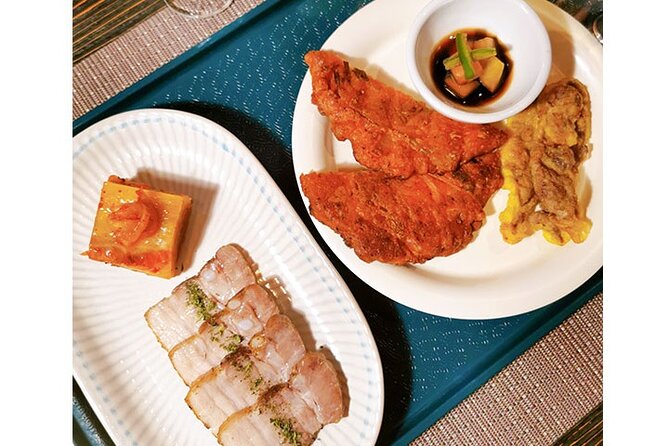
The food is one of the strongest reasons to book this experience. Korean drinking culture makes room for substantial dishes, and anju can be as important as the liquor itself.
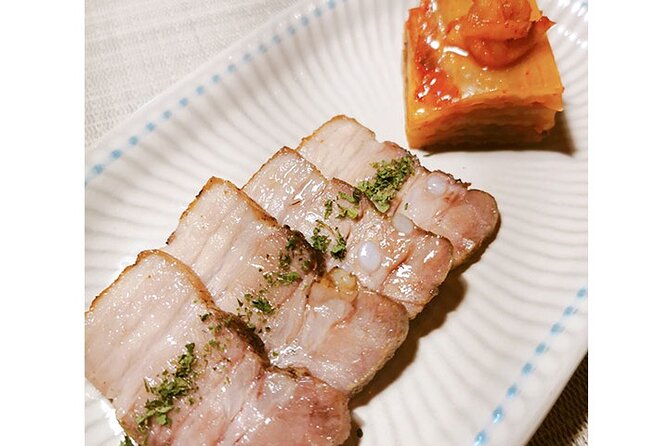
The possible menu includes vegetable pancake, meat pancake, and kimchi bibim noodles. These examples cover several useful contrasts: the crisp or soft texture of pancakes, the savory quality of meat, and the spice and acidity of kimchi noodles.
Do not treat the food list as fixed. The menu may change with supply and demand for ingredients. If you have a serious allergy or dietary concern, send that information to Hyesun through WhatsApp after booking so the details can be discussed in advance.
The pairing also makes the session more social. You are not sipping in silence while someone recites tasting notes. You can share food, compare impressions, and talk about the way each dish affects the drink.
That setting suits people who want to understand how Koreans actually enjoy traditional liquor. You receive context, but the lesson stays connected to the table. The food gives you something familiar to focus on if one of the drinks is outside your usual taste.
A completely different kind of day:
- Seoul: DMZ Tour with Optional Suspension Bridge
★ 4.8 · 5,277 reviews - Signature DMZ Tour: Exclusive Defector Talk & Suspension Bridge
★ 5.0 · 4,459 reviews - Thrilling Korean DMZ 3rd Tunnel Tour from Seoul + Red Bridge Rush
★ 5.0 · 3,097 reviews - DMZ Past and Present: Korean Demilitarized Zone Tour from Seoul
★ 5.0 · 2,481 reviews
What makes this different from ordinary soju
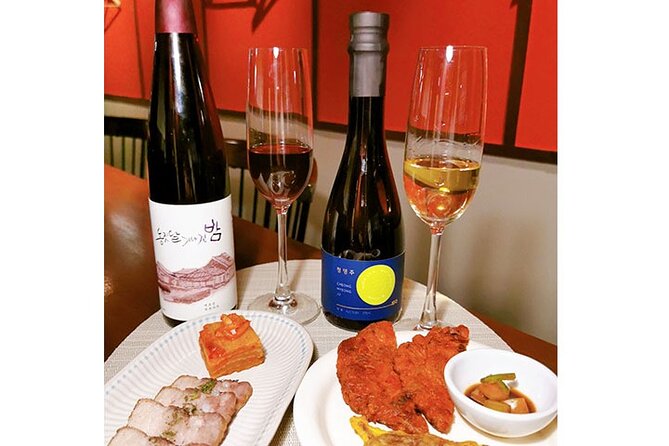
The phrase traditional Korean liquor can sound broad, so it helps to know what this experience is trying to avoid. It is specifically not centered on the common factory-made soju often served in green bottles.
That does not mean ordinary soju has no place in Korean culture. It is widely recognized and easy to find. But if you have already tried it and want to know what else Korea produces, this tasting offers a more focused path.
The small breweries are important. Korea has more than 1,400 small traditional liquor breweries, according to the experience description. That number hints at the range you cannot understand from a single mass-market bottle.
Hyesun selects drinks from different parts of the country, so the session can introduce you to local variations in body and flavor. You may find that one drink seems mild and soft while another is sharper, sweeter, or much stronger.
The tasting is also a good choice if you enjoy comparing drinks from different regions. You do not need to be an expert. The point is to notice what you like, ask questions, and leave with a clearer sense of the categories.
The value of a $59 price
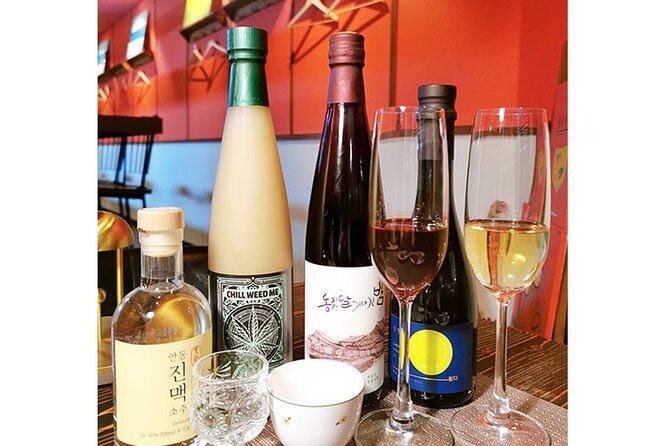
The price is $59 per person for about 90 minutes. That is not the cheapest way to have a drink in Seoul, but it covers more than alcohol.
You are paying for three traditional liquor styles, food pairings, the host’s explanation, and access to a selection from small breweries. The maximum group size of six adds value because the session should feel more like a hosted tasting than a crowded demonstration.
The value is strongest if you would otherwise struggle to find these drinks on your own. Bottles from small local producers may not be sold in the restaurants and stores you encounter during a normal Seoul visit. Hyesun’s selection saves you the work of guessing what to order.
The price makes less sense if you only want a large meal or familiar soju. This is a compact cultural experience, not a budget dinner and not a nightlife crawl. You are buying access to a guided introduction and a food pairing rather than volume.
I would especially consider the cost reasonable for someone who enjoys food education, regional drinks, or small-group experiences. It is also useful near the beginning of a Seoul stay, since the information may help you choose other Korean liquors later.
Who will enjoy this experience most
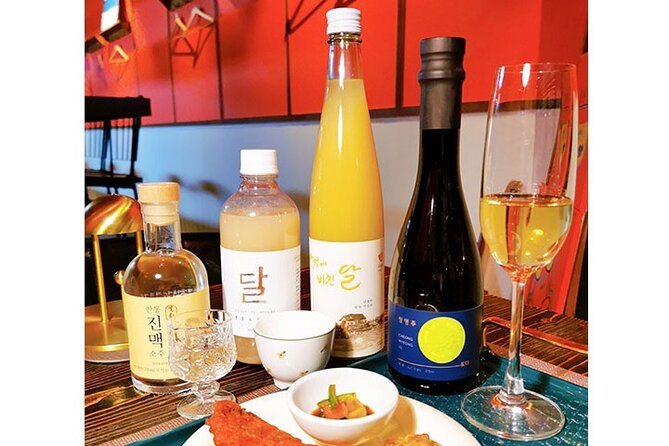
This tasting is best for curious drinkers who want more than the standard Korean bar experience. You do not need previous knowledge of makgeolli or cheongju, and the format gives you a straightforward introduction.
It should suit couples, solo visitors, and small groups of friends. The six-person limit keeps the format intimate without making it a private activity for just one booking.
Food lovers will also get a lot from the session. The anju gives you a direct connection between drink and cuisine, and the possible dishes include familiar Korean flavors with enough variety to make the tasting interesting.
I would also recommend it to people who prefer conversation over a loud night out. The experience is held at LodgeMagok and lasts about an hour and a half, so it fits neatly into a wider day without taking over your evening.
It may be less suitable if you are looking for a major sightseeing stop, a full restaurant dinner, or a tour in central Seoul. The Magok location requires planning, and the menu can change based on ingredient availability.
Practical planning before you book
The activity is confirmed at booking, and you should then send Hyesun a WhatsApp message. Use that exchange to confirm the schedule and mention allergies or other food needs.
Plan around the alcohol rule. Only people aged 18 and older may be served alcoholic beverages, so this is not a good match for a family group that includes younger children expecting to participate in the tasting.
The activity ends back at the meeting point. That is convenient if you want to continue exploring Magok or arrange your next stop from the same area. It also means you are responsible for planning your onward route after the tasting.
Free cancellation is available up to 24 hours before the start time for a full refund. Cancellations or changes made less than 24 hours before the experience are not accepted for a refund, and the cut-off follows local Seoul time.
Since the session is booked, on average, 12 days in advance, you may want to reserve early if your dates are fixed. The small capacity can make last-minute availability less certain.
Should you book this Korean liquor tasting?
Book it if you want a thoughtful introduction to Korean drinks beyond factory-made soju. The combination of three liquor styles, small-brewery bottles, Chef Hyesun’s food, and anju pairings gives you a clear reason to spend the $59.
I especially like the chance to taste local variations that may be hard to find elsewhere. The experience also earns points for its small group size and for connecting each drink to Korean food rather than treating liquor as a stand-alone product.
Skip it if you want a central Seoul activity, a long meal, or a large party atmosphere. But if Magok fits your plans and you enjoy trying regional drinks with a host who can explain the background, this is a focused and useful addition to a Seoul itinerary.
FAQ
Where does the Korean liquor tasting take place?
It takes place at LodgeMagok, 로찌마곡, in room 207 of 나루역프라이빗타워Ⅱ, 중앙로 171, Magok-dong, Gangseo-gu, Seoul.
How long does the experience last?
The tasting lasts approximately 1 hour and 30 minutes.
What types of Korean liquor will I taste?
You will taste three types: takju, cheongju, and distilled liquor.
Is the tasting focused on regular green-bottle soju?
No. The experience focuses on traditional Korean liquor made through traditional methods, rather than factory-made green-bottle soju.
What food is served with the drinks?
Possible anju includes vegetable pancake, meat pancake, and kimchi bibim noodles. The exact dishes may change depending on ingredient supply and demand.
Can I tell the host about food allergies?
Yes. After your booking is confirmed, send Hyesun a WhatsApp message at +82 10 2661 7832 to discuss food allergies and other details.
How many people can join the activity?
The maximum group size is six people.
Is alcohol available to people under 18?
No. Alcoholic beverages are available only to people aged 18 and older.
Can I cancel for a full refund?
Yes, if you cancel at least 24 hours before the experience start time. Cancellations and changes made less than 24 hours before the start time are not accepted for a refund.
Just added in Seoul
- Your Personal Seoul Photographer!★ 4.1 · 15 reviews
- You’re Invited to Our Home in Seoul: The Only Cooking Class!★ 5.0 · 8 reviews
- Seoul: Korean & English Language Exchange Global Party★ 5.0 · 28 reviews
- From Seoul: Yongpyong Ski Day Tour with Transportation★ 4.9 · 40 reviews
- From Seoul: Hwacheon Ice Fishing and Lighting Festival Tour★ 4.5 · 4 reviews
- Seoul: Gangneung BTS K-Pop & K-Drama Filming Locations Tour★ 4.6 · 14 reviews
- Unique Native Experience : Han River Picnic, Board game, BBQ★ 5.0 · 3 reviews
- Seoul: Euljiro Gastroventure Tour★ 4.0 · 1 review
Seoul Tours, compared.
Best DMZ Tour Korea from Seoul (Red Suspension Bridge Optional)
Read our review →
DMZ Tour: 3rd Tunnel, Option(Suspension Bridge, Boat) from Seoul
Read our review →DMZ tour south Korea from Seoul (NK experience hall, defector)
Read our review →
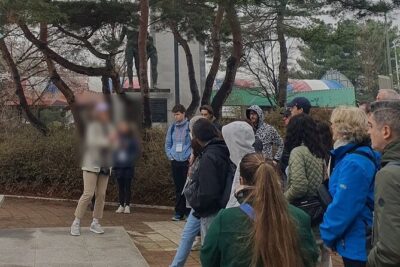
Signature DMZ Tour: Exclusive Defector Talk & Suspension Bridge
Read our review →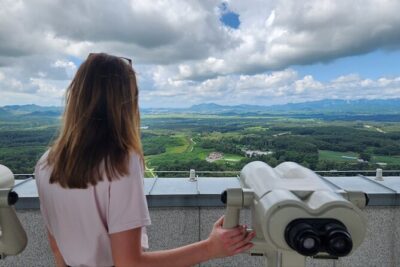
Thrilling Korean DMZ 3rd Tunnel Tour from Seoul + Red Bridge Rush
Read our review →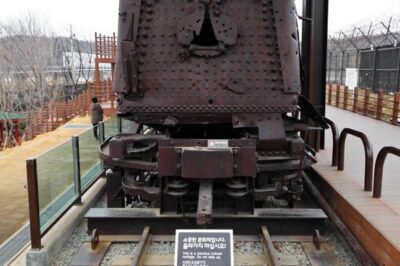
DMZ Past and Present: Korean Demilitarized Zone Tour from Seoul
Read our review →