Reviewed · SEOUL TOURS
Seoul: Discovery of Old & Modern Seoul, Stories and Music
Seoul reveals itself in layers. This seven-hour tour links royal courtyards, street food, old electronics shops, a mountain-side viewpoint, and modern civic spaces, giving you a useful picture of how the city changed. I especially like the small group of no more than 10 people, which should make questions and conversation easier than on a large coach tour.
I also like the mix of history, local food, and live music, including the guide’s piano performance of a famous Korean folk song. The main consideration is physical effort: Naksan Park includes uphill walking, and the day is not suited to children under 10, wheelchair users, people with low fitness, or people over 70. Guide Haemin was praised for being attentive to individual needs and wants, a good sign for a long day on foot.
In This Review
- Key points at a glance
- Why this Seoul day feels different
- Naksan Park starts with the best city view
- Cheonggyecheon turns a stream into a city story
- Sewoon Arcade keeps old Seoul humming
- Gwangjang Market lets you choose lunch
- Gyeongbokgung explains the Joseon royal world
- Gwanghwamun Square connects royal power and democracy
- Insadong brings art, antiques, and browsing time
- Jogyesa Temple ends the route quietly
- Practical details that affect your choice
- Who should book this seven-hour Seoul tour?
- Should you book it?
- FAQ
- Where does the tour meet?
- How long does the tour last?
- What languages does the guide speak?
- How many people are in the group?
- Is Gyeongbokgung admission included?
- Can I see the royal guard changing ceremony?
- Is lunch included?
- Are drinks and desserts included?
- Is the piano performance guaranteed?
- Who should not book this tour?
Key points at a glance
- Naksan Park opens with Seoul from above: You get a scenic introduction before moving into the city streets.
- Sewoon Arcade shows an older Seoul: Its electronics shops and repair businesses offer a look at trades now under pressure.
- Gwangjang Market covers lunch: Food is bought separately, so you can choose what and how much to eat.
- Gyeongbokgung anchors the historical portion: The two-hour visit gives the guide time to explain Joseon-era ideas and palace design.
- A rooftop adds music and a city view: The guide may play a famous Korean folk song on piano, though this depends on the piano being available.
- The route suits active adults: Wear good shoes, bring water, and carry a public transport ticket.
Why this Seoul day feels different
Many city tours rush from palace to palace, giving you a string of impressive buildings but little sense of how Seoul works today. This route takes a broader view. It begins at Dongmyo Station, reaches Naksan Park, then works through a stream, an old arcade, a food market, the royal palace, Gwanghwamun Square, Insadong, and Jogyesa Temple.
That order matters. You first see Seoul from above, then walk through parts of the city that reveal its older industries, royal past, religious life, shopping culture, and modern public identity. The guide’s stories are meant to connect those places rather than treat them as separate photo stops.
The group limit of 10 is one of the strongest features. You can hear the guide more easily, ask about details that catch your eye, and avoid the anonymous feel of a large sightseeing group. The guide speaks Korean and English, and Haemin’s considerate manner should be useful on a day with several walking sections.
The price is $93 per person. That is not a bargain basement outing, but it covers seven hours with a live guide, a small group, palace admission, and traditional Korean snacks when available. Since lunch, drinks, and desserts are not included, your final cost will be higher. The value comes mainly from the amount of guiding and the range of places covered in one day.
A few more options to weigh up in Seoul
- Best DMZ Tour Korea from Seoul (Red Suspension Bridge Optional)
★ 5.0 · 41,422 reviews - DMZ Tour: 3rd Tunnel, Option(Suspension Bridge, Boat) from Seoul
★ 5.0 · 21,373 reviews - DMZ tour south Korea from Seoul (NK experience hall, defector)
★ 5.0 · 20,599 reviews
Naksan Park starts with the best city view
The first major stop is Naksan Park, with about 90 minutes for a break, photos, guided sightseeing, and views along the way. This is a smart beginning because Seoul can feel enormous at street level. From higher ground, you get a clearer sense of the city before entering its dense central districts.
The setting also gives the day an active start. Naksan is not presented as a simple roadside lookout. You should expect walking and some uphill effort, so comfortable shoes are essential. The tour specifically advises bringing water and a public transport ticket, and both are sensible for this route.
I would treat this stop as more than a photo opportunity. The guide can use the view to introduce old and modern Seoul together, helping you understand the city as a place where royal roads, dense neighborhoods, new construction, and older districts sit close together.
The drawback is straightforward: anyone with low fitness may find the opening section tiring. This is one reason the tour excludes wheelchair users and people over 70. If you need a gentle, vehicle-based introduction, this is not the right format.
Cheonggyecheon turns a stream into a city story
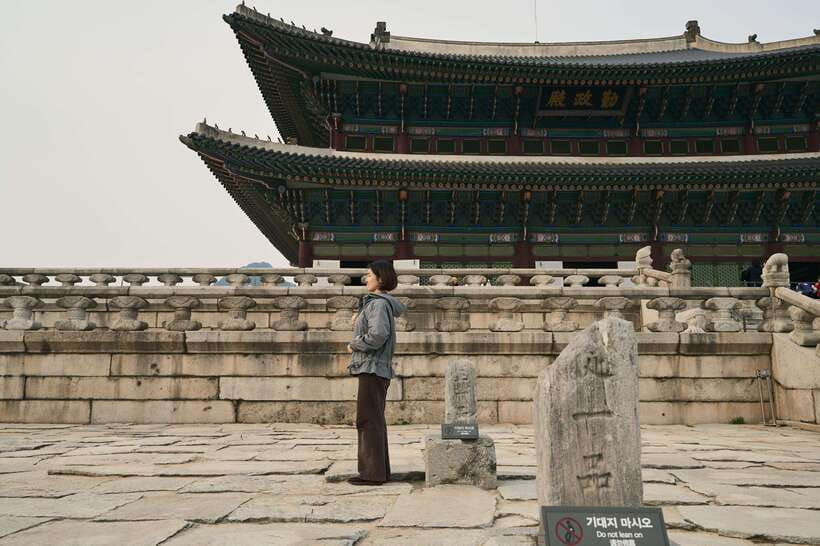
The group then spends about 20 minutes at Cheonggyecheon, the long urban stream running through central Seoul. The plan is to walk beside it like local residents do, rather than simply stop for a photograph.
The stream is also treated as a historic site with its own unusual story. That makes the stop useful for understanding Seoul’s changing relationship with public space. You get a short walk, a pause from busy streets, and a chance to see how an urban waterway fits into daily city life.
Twenty minutes is enough for an introduction, not a full exploration. You should not expect a long walk along all 10 kilometers. Instead, think of this as a focused stop that adds another piece to the city’s story.
Sewoon Arcade keeps old Seoul humming
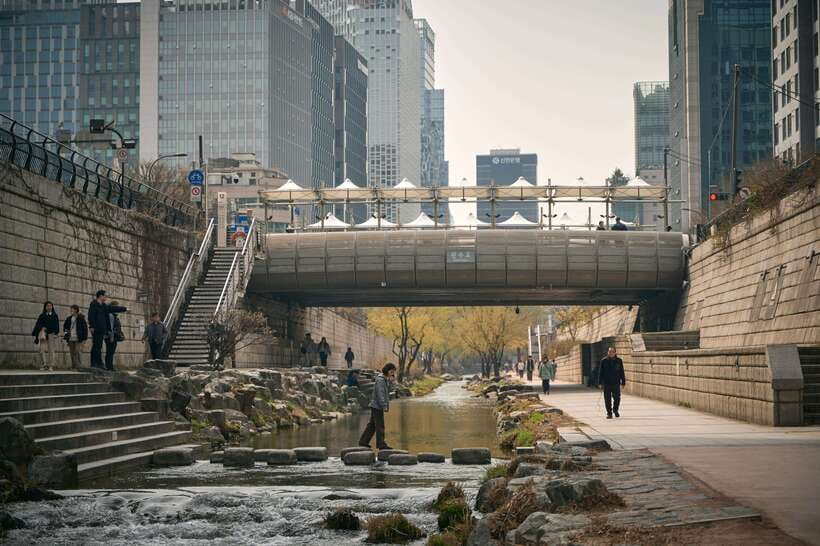
Sewoon Sang-ga, also called Sewoon Arcade, is one of the most distinctive stops on the route. The building is described as a representative urban regeneration project, and its location in the center of old Hanseong, Seoul’s former name, gives it unusual historical weight.
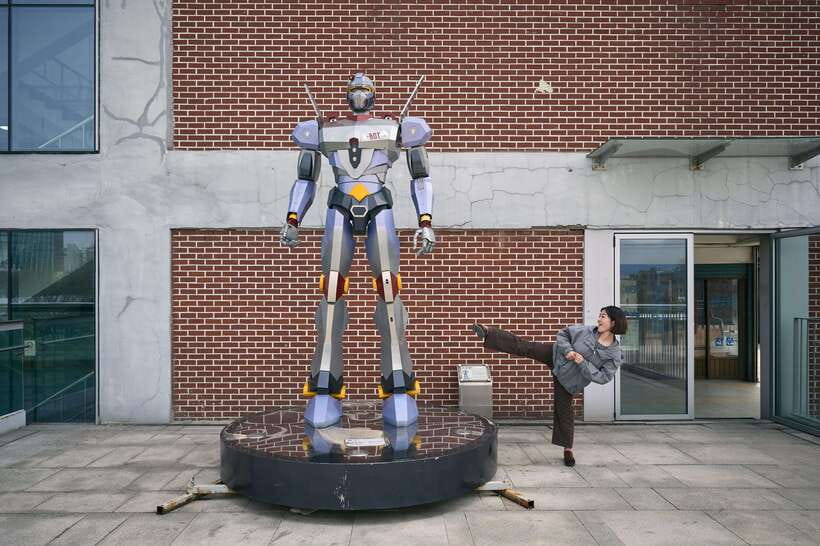
Inside, old electronics shops and repair businesses still operate. You may see shops and engineers connected to trades that are becoming harder to find. That detail gives the stop more character than a newly polished design district. It shows a working side of Seoul, where practical skills and small businesses occupy spaces shaped by earlier stages of the city.
The visit lasts about 20 minutes, including a guided walk. That is brief, but the guide’s explanation is important here. Without context, an old arcade can look like a collection of aging shops. With the story of its rise, decline, and regeneration, it becomes a useful example of how Seoul handles older urban areas.
You should keep your expectations measured. This is not a long shopping stop, and no purchases are promised or required. Its value is in seeing a part of the city that many palace-focused tours skip.
A completely different kind of day:
- Seoul: DMZ Tour with Optional Suspension Bridge
★ 4.8 · 5,277 reviews - Signature DMZ Tour: Exclusive Defector Talk & Suspension Bridge
★ 5.0 · 4,459 reviews - Thrilling Korean DMZ 3rd Tunnel Tour from Seoul + Red Bridge Rush
★ 5.0 · 3,097 reviews - DMZ Past and Present: Korean Demilitarized Zone Tour from Seoul
★ 5.0 · 2,481 reviews
Gwangjang Market lets you choose lunch
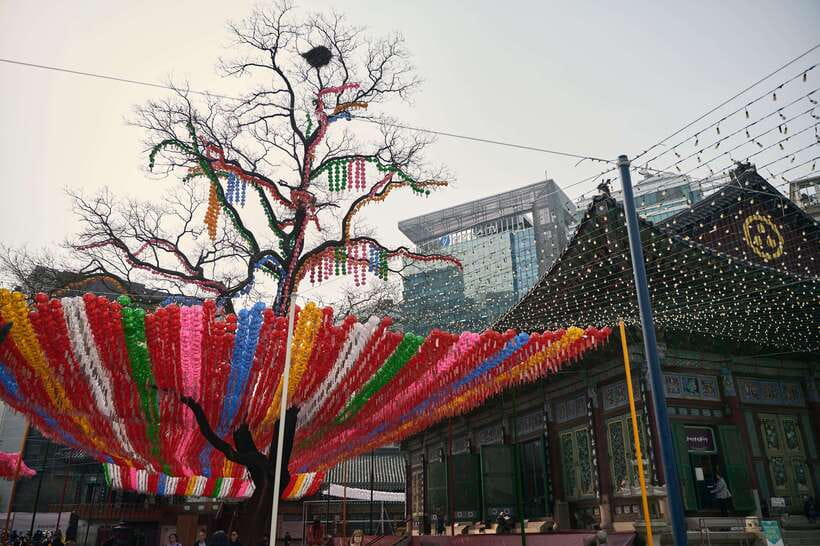
Gwangjang Market is the day’s main food stop, with about an hour for street food, tastings, and a look around the traditional market. Lunch is not included, which is actually helpful for many people. You can choose what appeals to you and control your spending instead of accepting a fixed meal.
The market offers many kinds of traditional and street food. The guide can help explain regional dishes and the market’s place in Seoul’s food culture. Traditional Korean snacks are included during the tour when the guide has supplies, but you should not confuse those snacks with lunch. Bring money for your meal, drinks, and dessert.
An hour gives you enough time to look, ask questions, and eat without turning the stop into a hurried snack break. Still, food preferences vary, and the tour does not promise a particular dish or accommodate every dietary need in the information provided. If you have strict dietary restrictions, ask before booking.
This is one of the places where the small group helps. A group of 10 can move more easily through narrow market areas than a large party. You also have a better chance to hear the guide’s explanations without standing at the back.
Gyeongbokgung explains the Joseon royal world
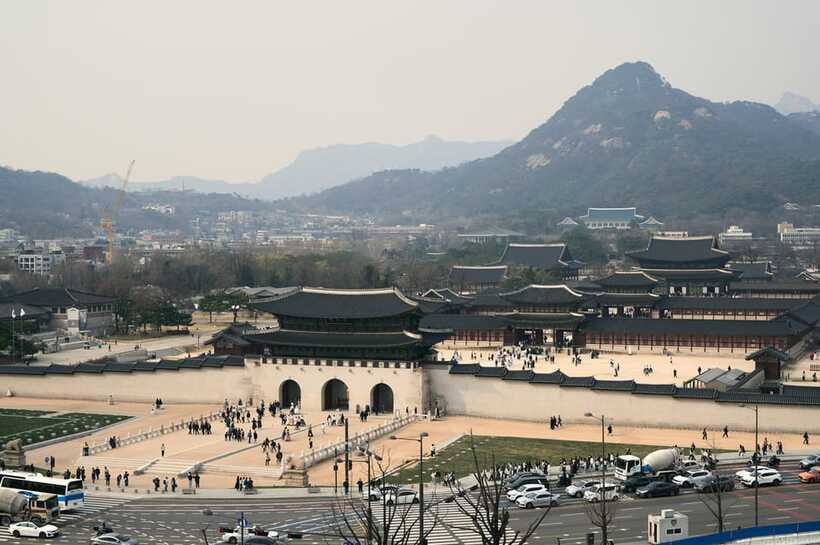
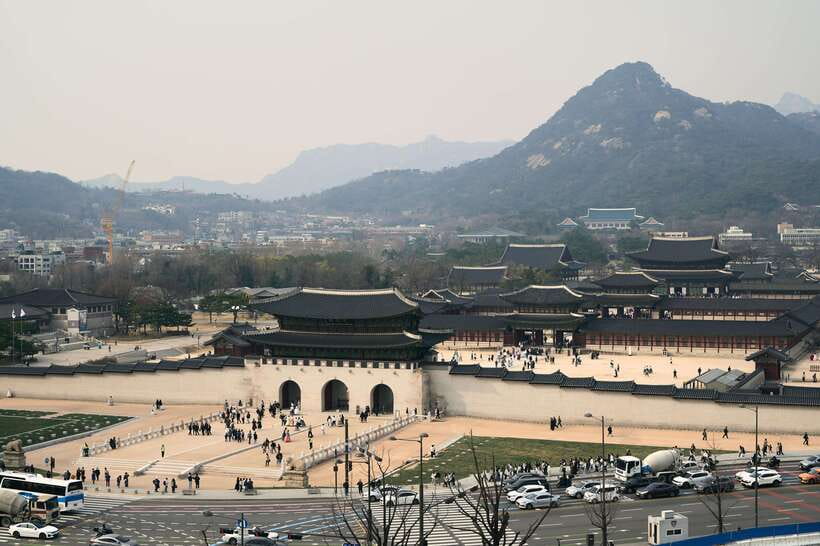
The two-hour visit to Gyeongbokgung is the historical center of the day. It is the oldest and largest royal palace from the Joseon Dynasty, and the guide uses its buildings to explain traditional Asian philosophies and architectural ideas.
Two hours is a useful amount of time here. The palace is large enough that a quick pass can leave you with little more than a few photographs. With a longer guided visit, you have room for stories about both the early and later Joseon periods, along with details about how the palace was designed and used.
At 10AM, you can see the royal guard changing ceremony at the entrance. The timing matters, so check the tour start time carefully if this ceremony is a priority. After the event, you can take photographs with the guards. If you are already wearing a Hanbok when you meet the group, participation is possible.
The admission fee is included. It is 3,000 Korean won, with free admission for people wearing Hanbok and seniors over 65. The tour’s age guidance excludes people over 70, so the senior admission rule may have limited practical use for this particular group, but it is still useful information if booking for someone in that age range.
Gyeongbokgung can be one of Seoul’s most crowded sights, particularly around ceremonies and popular photo areas. A small group does not remove the crowds, but it gives you a better setting for listening and asking questions. The guide’s explanations are the reason to choose a guided visit instead of only walking through on your own.
Gwanghwamun Square connects royal power and democracy
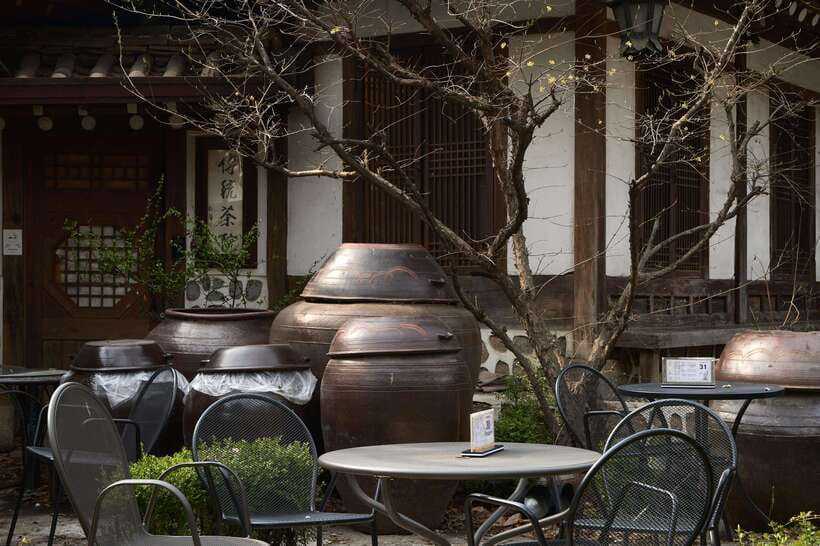
After the palace, the route moves to Gwanghwamun Square for about 30 minutes. This was the most important road of Joseon, and today it has become a symbol of democracy in Korea.
That change gives the square a strong role in the tour. You are not just crossing an open public space. You are seeing how a road linked to royal authority now carries a modern civic meaning. The stop is relatively short, so the guide’s explanation helps you notice why the place matters.
The planned bonus is a rooftop view and a piano performance of Korea’s most famous folk song. You may also take part in the busking. The performance is not guaranteed, however. If someone else is already using the piano, the music portion will not happen.
That uncertainty is worth knowing before you book. The piano is a charming addition, but it should be treated as a possibility rather than the main reason to choose the tour. The rooftop view, when available, adds a quieter visual pause after the palace and square.
Insadong brings art, antiques, and browsing time
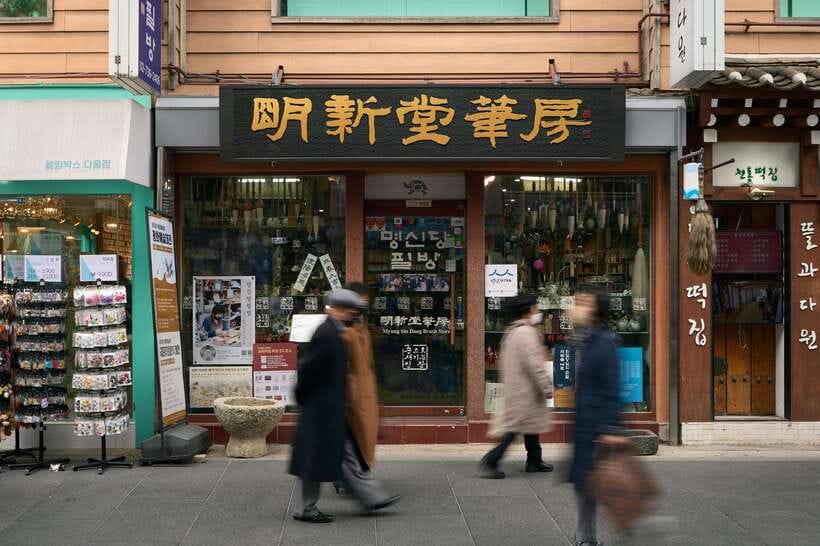
Insadong receives about an hour for a guided visit, photographs, sightseeing, shopping, and a break. Its galleries, traditional art shops, Korean antique items, and calligraphy stationery give the area a particular feel.
This is the part of the route where you get some freedom to browse. Ssamjigil and Annyeong Insadong are malls with distinctive designs and active shopping areas. You may find souvenirs, paper goods, art pieces, or items connected to Korean writing and craft traditions.
The guide can help you understand what you are seeing, rather than leaving you to guess whether a shop sells modern design, traditional goods, or antiques. Still, an hour passes quickly if you want to shop carefully. Keep your expectations realistic: the tour gives you an introduction and time to browse, not an extended shopping expedition.
Insadong also works well as a transition between the formal palace and the temple. It shows how traditional Korean themes appear in present-day retail and art spaces.
Jogyesa Temple ends the route quietly
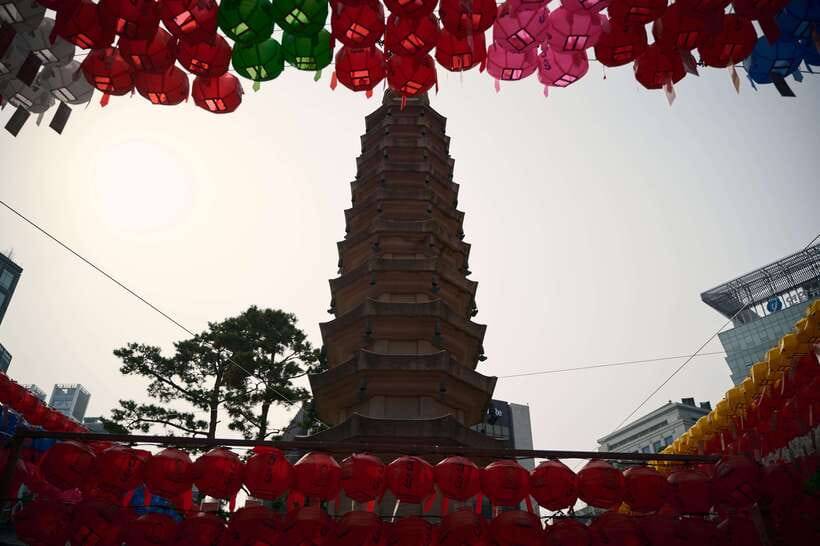
The final stop is Jogyesa, with about 30 minutes of guided sightseeing. It is an important Korean temple, and the guide explains the pagoda, trees, and main building, Daewoongjeon, each of which has its own story.
Half an hour is enough for a focused introduction. You can look closely at the temple features, hear why they matter, and finish the day in a setting different from the market and public square.
Because this is the last stop, your energy level may affect how much you take in. The route covers many subjects and requires steady walking. If you enjoy a full day with changing scenery, that variety is a strength. If you prefer slow visits with plenty of unplanned time, the schedule may feel packed.
Practical details that affect your choice
The meeting point is Exit 7 of Dongmyo Subway Station, served by Lines 1 and 6. Arrive prepared to use public transportation during the day, and carry a valid public transport ticket as advised.
The tour lasts seven hours, though the individual stop times create a full day with little idle time. Wear comfortable shoes, bring water, and plan to buy lunch and any drinks or desserts separately. Traditional Korean snacks are included as long as the guide has not run out.
The group is limited to 10 participants, and the guide leads in Korean and English. Free cancellation is available up to 24 hours before the tour for a full refund. You can also reserve and pay later, which helps if your Seoul schedule is still changing.
During the promotional period in August 2024, participants were asked to cooperate with photographs that might be used on tour websites, with copies of the photographs sent to them. Since that offer was specific to that month, ask about current photo arrangements before booking if this matters to you.
Who should book this seven-hour Seoul tour?
I would choose this tour if you want a single day that combines major sights with less obvious corners of central Seoul. It is especially suitable if you enjoy asking questions, eating at a traditional market, learning how old businesses fit into modern Seoul, and walking between stops rather than riding from one landmark to the next.
The tour also suits first-time visitors who want structure. Gyeongbokgung, Gwanghwamun Square, Insadong, and Jogyesa are familiar names, while Sewoon Arcade and the Naksan viewpoint add more unusual stops.
I would skip it if you need a wheelchair-accessible route, have low fitness, are over 70, or are bringing a child under 10. I would also think twice if your main goal is relaxed palace photography, because the day moves through several districts and includes a lot of information.
At $93, the tour offers fair value for a long, guide-led day in a group of no more than 10. The palace ticket and snacks help, but lunch is extra, and the piano performance is not guaranteed. Book it for the range of places and Haemin’s attentive guiding style, not for one optional musical moment.
Should you book it?
Book this experience if you want Seoul explained through contrasts: palace and market, temple and shopping street, old repair shops and modern civic space. The strongest reasons are the compact group, the detailed stories, and the chance to see places that a standard palace tour may leave out.
Choose another option if you want an easy-paced or accessible day. For active visitors who value context and variety, this is a well-filled introduction to old and modern Seoul.
FAQ
Where does the tour meet?
The meeting point is Exit 7 of Dongmyo Subway Station, served by Lines 1 and 6.
How long does the tour last?
The experience lasts seven hours.
What languages does the guide speak?
The live guide speaks Korean and English.
How many people are in the group?
The group is limited to 10 participants.
Is Gyeongbokgung admission included?
Yes. The 3,000 Korean won admission fee is included. Admission is free for people wearing Hanbok and seniors over 65.
Can I see the royal guard changing ceremony?
The route includes the ceremony at 10AM. Check the available starting time if seeing it is important to you.
Is lunch included?
No. Lunch is not included, so you choose and pay for your food at Gwangjang Market.
Are drinks and desserts included?
No. Drinks and desserts are not included.
Is the piano performance guaranteed?
No. The guide’s piano busking may not happen if the piano is already occupied.
Who should not book this tour?
The tour is not suitable for children under 10, wheelchair users, people with low fitness, people over 70, or people with hearing impairments.
Just added in Seoul
- You’re Invited to Our Home in Seoul: The Only Cooking Class!★ 5.0 · 8 reviews
- Seoul: Korean & English Language Exchange Global Party★ 5.0 · 28 reviews
- Your Personal Seoul Photographer!★ 4.1 · 15 reviews
- From Seoul: Yongpyong Ski Day Tour with Transportation★ 4.9 · 40 reviews
- From Seoul: Hwacheon Ice Fishing and Lighting Festival Tour★ 4.5 · 4 reviews
- Seoul: Gangneung BTS K-Pop & K-Drama Filming Locations Tour★ 4.6 · 14 reviews
- Unique Native Experience : Han River Picnic, Board game, BBQ★ 5.0 · 3 reviews
- Seoul: Euljiro Gastroventure Tour★ 4.0 · 1 review
Seoul Tours, compared.
Best DMZ Tour Korea from Seoul (Red Suspension Bridge Optional)
Read our review →
DMZ Tour: 3rd Tunnel, Option(Suspension Bridge, Boat) from Seoul
Read our review →DMZ tour south Korea from Seoul (NK experience hall, defector)
Read our review →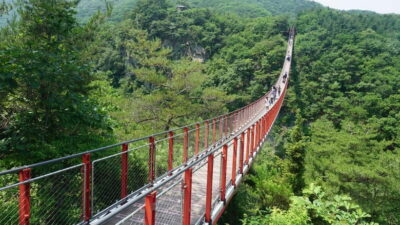
Signature DMZ Tour: Exclusive Defector Talk & Suspension Bridge
Read our review →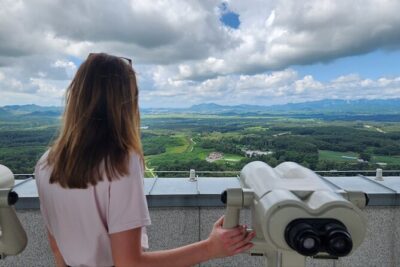
Thrilling Korean DMZ 3rd Tunnel Tour from Seoul + Red Bridge Rush
Read our review →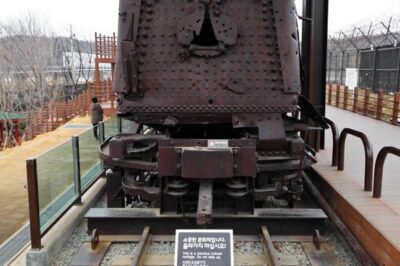
DMZ Past and Present: Korean Demilitarized Zone Tour from Seoul
Read our review →