Reviewed · SEOUL TOURS
Seoul: Gangnam Tour on Youth and Society in South Korea
Gangnam has more to say than its price tags. This 150-minute walk uses Seoul’s richest district to explain the pressures behind South Korea’s success, from plastic surgery and private education to work, dating, housing, and family life. I especially like the local historian guide and the way ordinary signs, clinics, advertisements, and buildings become clues to Korean society. The main drawback is that the tour deals with suicide, mental health, low birth rates, and social pressure, so it is not light sightseeing.
I also like the price: $33 per person is fair for a thoughtful English-language tour that goes well beyond surface-level Gangnam. You should expect a serious discussion rather than a list of famous sights, and the walking route ends by the Han River rather than returning to the starting point.
In This Review
- Key points at a glance
- Why Gangnam is the right place for this tour
- From Korea’s rapid growth to today’s pressure
- Beauty clinics and the cost of looking perfect
- Schools, exams, and the family race
- Housing, work, dating, and marriage
- The guide makes or breaks the experience
- The walk to the Han River
- Is $33 a fair price?
- Who should book this Gangnam experience?
- Should you book it?
- FAQ
- Where does the Gangnam youth and society tour meet?
- How long does the tour last?
- What language is the tour offered in?
- What topics does the tour cover?
- Does the tour include transportation?
- Does the tour include food?
- Is the walk physically difficult?
- Is the tour suitable for people over 70?
- What should I bring?
- Can I cancel the booking?
Key points at a glance
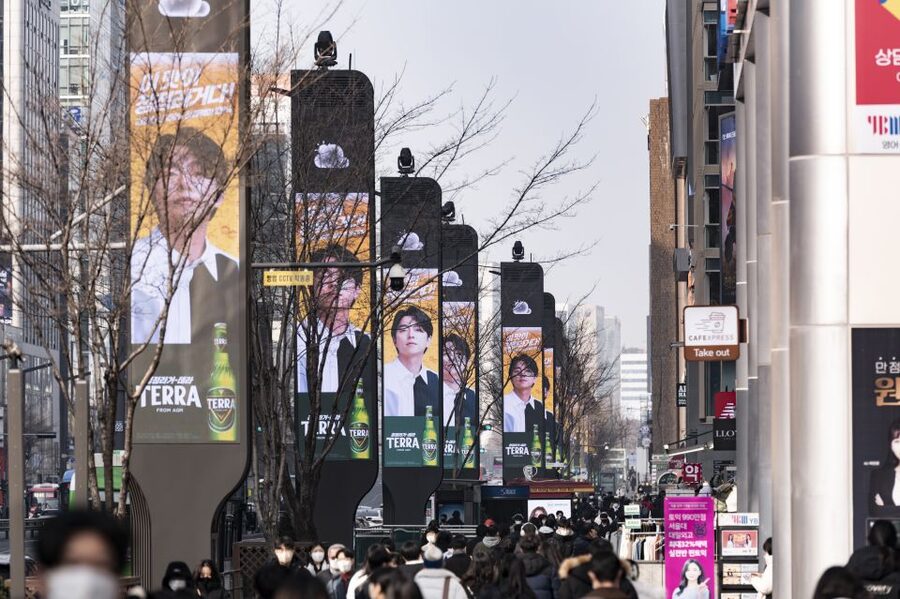
- Gangnam’s glossy streets become the classroom: Beauty clinics, luxury shops, advertisements, and high-rise buildings help explain status and social pressure.
- The focus is modern Korean life: You learn about education, housing, work, relationships, marriage, beauty standards, and family expectations.
- Guides add personal perspective: Jessica and June, also referred to as Jun in some bookings, are praised for clear English, humor, storytelling, and candid answers.
- The walk is mostly easy: You walk on generally flat ground, with some subway steps and a seated discussion during the tour.
- The ending at the Han River gives the tour balance: After discussing the costs of Korean success, the guide also explains why people remain in or return to South Korea.
- Bring cash and water: A transportation fee of 2,000 KRW is not included, and summer heat and humidity can make the walk harder.
Why Gangnam is the right place for this tour

Gangnam is often presented as Seoul’s polished success story. Its name is tied to wealth, status, fashionable shopping, corporate offices, beauty services, and high property prices. That makes it a useful place to ask a less comfortable question: what does it cost to keep up with this image?
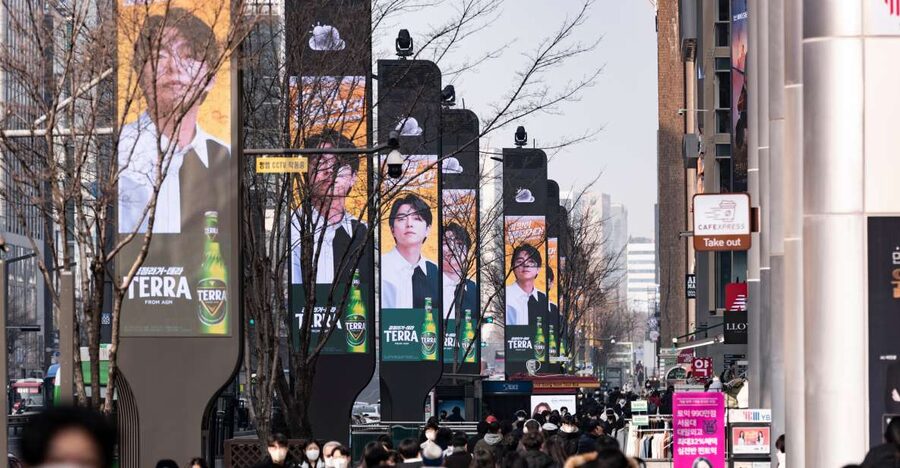
The tour begins at Gangnam Station, Exit 11, at the address 820-10, Yeoksam-dong, Gangnam-gu. From there, you move through streets packed with high-rise buildings and commercial signs. The area is not treated simply as a backdrop for photographs. Instead, your guide asks you to read what is around you.
A beauty advertisement is not just an advertisement here. A plastic surgery clinic is not just another business. A luxury storefront can point toward ideas about class and success. The value of this approach is that you are not sitting in a classroom discussing Korean society in the abstract. You are looking at the physical evidence around you.
That also means the tour may change how you see the rest of Seoul. After hearing the guide explain the meaning behind beauty clinics, education services, and housing pressures, you may notice similar signs across the city with a more careful eye.
A few more options to weigh up in Seoul
- Best DMZ Tour Korea from Seoul (Red Suspension Bridge Optional)
★ 5.0 · 41,422 reviews - DMZ Tour: 3rd Tunnel, Option(Suspension Bridge, Boat) from Seoul
★ 5.0 · 21,373 reviews - DMZ tour south Korea from Seoul (NK experience hall, defector)
★ 5.0 · 20,599 reviews
From Korea’s rapid growth to today’s pressure
The historical section helps put modern Gangnam into context. South Korea’s economic rise happened quickly, and the tour connects that national achievement with the expectations placed on younger people today.
You learn how traditional social rules interact with modern ambitions. Economic success has brought better opportunities and global influence, but it has also created a strong push toward achievement, stability, appearance, and social approval.
This is one of the tour’s strongest features. It does not present Korean customs as strange or treat South Korea as a simple success story. Instead, it examines how older values and newer economic goals can pull people in different directions.
The guide also discusses South Korea’s international pop-culture success. K-pop, Korean dramas, fashion, and beauty have made the country highly visible around the world. The tour asks you to look behind that polished export and consider the ordinary people living under the expectations it can reinforce.
The historical background is not presented as a long museum lecture. It is used to explain the streets you are walking through. That keeps the discussion connected to the place and helps you understand why certain pressures feel so strong.
Beauty clinics and the cost of looking perfect
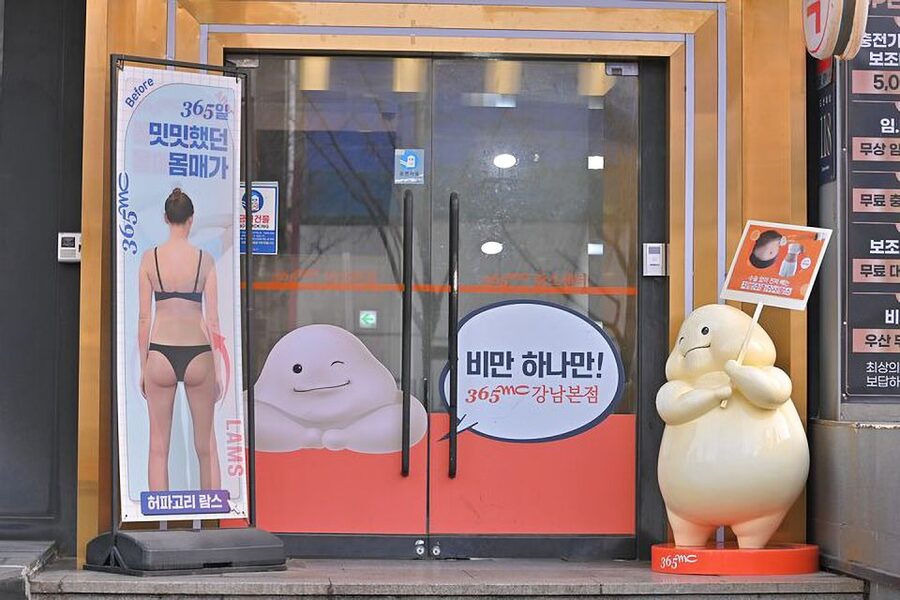
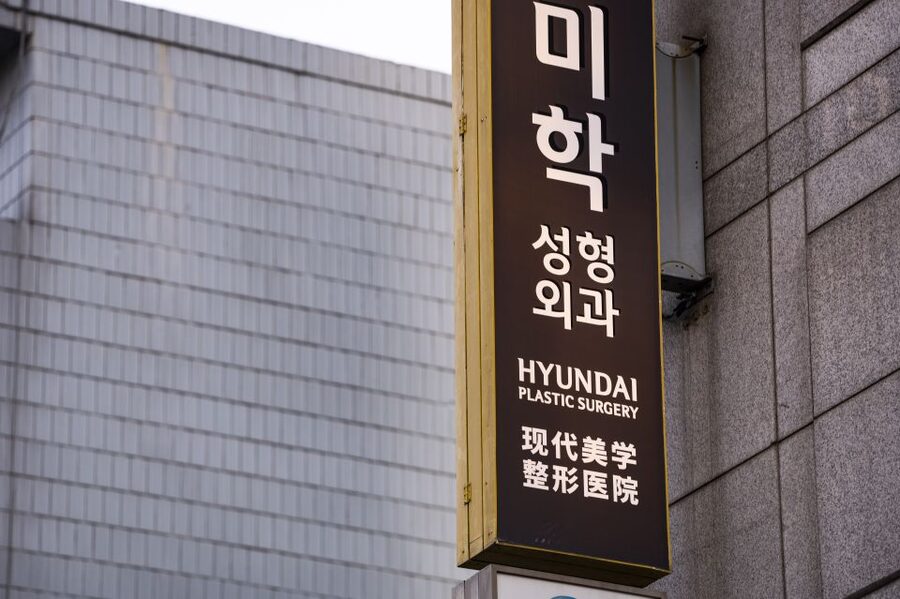
Gangnam is an obvious setting for a conversation about Korean beauty standards. You will see advertisements for beauty products, cosmetic procedures, and plastic surgery clinics during the walk.
The point is not to shame people who choose cosmetic work. The more useful question is why appearance can carry so much weight in school, employment, dating, and social life. Your guide explains how beauty standards can become a form of pressure, especially for young people trying to fit in or get ahead.
This topic is handled as part of a larger system. The tour connects appearance with ideas about competition, perfection, success, and belonging. You are encouraged to consider why a wealthy country can still produce so much anxiety about personal presentation.
The conversation is candid, but it is also balanced. South Korea is not reduced to plastic surgery, and Gangnam is not portrayed as fake. The area reflects real economic power and modern ambition. The concern is that the same system offering opportunity may also make people feel they are never attractive, successful, or polished enough.
If you are interested in Korean skincare, fashion, pop culture, or cosmetic surgery, this section gives you useful social context. It may also make you think twice about treating those industries as harmless trends without asking who benefits and who feels pressured.
Schools, exams, and the family race
Education is another major part of the walk. The tour explains why Korean parents and children can face intense academic pressure, and how school performance connects with future work and status.
You hear about the expectations surrounding achievement from a young age. The subject is not only about students studying hard. It is also about family finances, parental sacrifice, social comparison, and the belief that education can decide a child’s future.
That connection is important for you as a visitor. It helps explain why education services appear so prominently in urban South Korea and why success can feel like a family project rather than an individual choice.
The guide also discusses what happens when pressure becomes too heavy. Suicide rates, mental health, and the unhappiness found alongside national wealth are part of the conversation. These are difficult subjects, but they are central to understanding the tour’s title and purpose.
You should not expect simple answers. The walk does not claim that every Korean young person experiences school, work, or family life in the same way. Instead, it gives you a framework for understanding why academic achievement can bring both opportunity and strain.
A completely different kind of day:
- Seoul: DMZ Tour with Optional Suspension Bridge
★ 4.8 · 5,277 reviews - Signature DMZ Tour: Exclusive Defector Talk & Suspension Bridge
★ 5.0 · 4,459 reviews - Thrilling Korean DMZ 3rd Tunnel Tour from Seoul + Red Bridge Rush
★ 5.0 · 3,097 reviews - DMZ Past and Present: Korean Demilitarized Zone Tour from Seoul
★ 5.0 · 2,481 reviews
Housing, work, dating, and marriage
The tour moves beyond the familiar topics of beauty and education. It also looks at housing, careers, relationships, dating, marriage, and family expectations.
Gangnam’s expensive image makes housing an especially fitting subject. The discussion connects the cost and status of living in certain areas with the pressure to find secure work and build an acceptable adult life.
Work is treated in the same practical way. The tour examines how professional success shapes identity and how young adults may feel pushed toward careers that offer status or stability. That pressure can affect relationships and decisions about marriage.
Dating and marriage are not presented as purely private matters. The guide explains how friends, families, and social expectations can influence who people date and how they think about settling down. One topic covered is the way young Koreans may be introduced or paired through friends.
This helps explain the country’s low birth rate without blaming individuals. The tour links family decisions to housing costs, work demands, education pressure, and changing views of marriage. It is a useful reminder that demographic problems are rarely caused by one simple attitude.
For me, this is where the tour becomes most human. Big subjects such as population decline and economic competition are easier to understand when connected to choices about finding a home, meeting a partner, or deciding if there is enough time and money for children.
The guide makes or breaks the experience
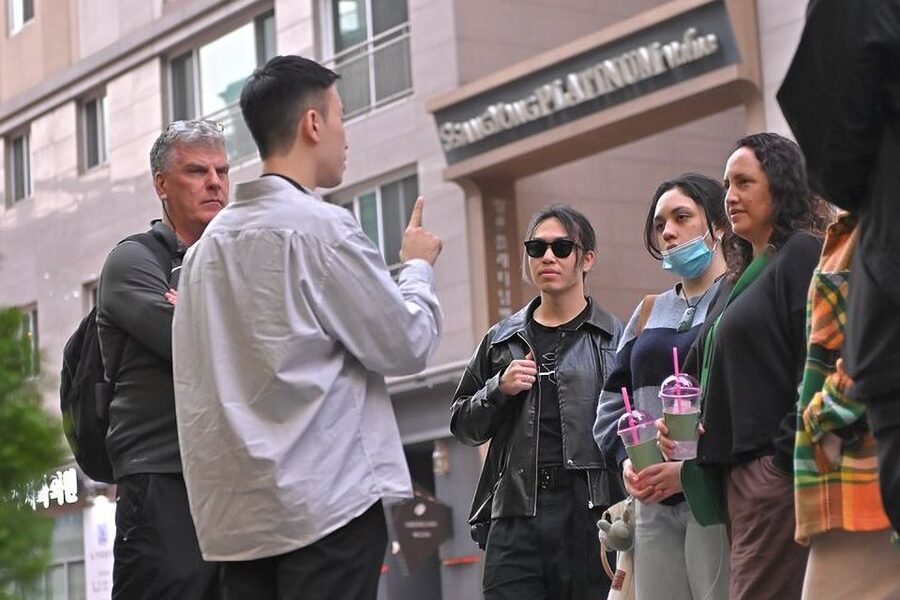
This is a discussion-led walking tour, so the guide matters a great deal. Jessica receives especially strong praise for her storytelling, humor, clear English, and ability to answer questions. Her background, including time living abroad and returning to Seoul, gives her a perspective that can bridge Korean and Western assumptions.
June, also named Jun in some bookings, is praised for his English, warmth, preparation, and ability to explain social issues in a relaxed way. The exact guide can vary, so you should not book on the assumption that one particular person will lead every departure.
The best guides on this experience do more than recite facts. They use personal examples and everyday observations to make difficult topics easier to follow. They also leave room for questions, which matters because many of the subjects cannot be understood from statistics alone.
Several people found the 150 minutes passed quickly. One account describes a tour of about three hours, so the pace or discussion time may occasionally run beyond the advertised duration. If you have a tight schedule afterward, leave some breathing room.
A portable hands-free fan is provided in summer, and hot packs are offered in winter. Those small touches matter because Seoul’s summer heat and humidity can be demanding, while winter walks can feel sharp and cold. Bring water in warm weather, and wear comfortable shoes in every season.
The walk to the Han River
The tour ends at the Han River. This gives the route a useful sense of movement, taking you from the dense commercial center of Gangnam toward a broader open setting.
The river ending also helps the discussion land on a more balanced note. After hearing about the pressures of Korean society, you consider the reasons people stay in South Korea or return after living abroad. The country offers safety, convenience, economic opportunity, strong public infrastructure, and a powerful sense of cultural identity, even when daily life can be demanding.
That balance is important. A tour called Youth and Society in South Korea could easily become a parade of negative facts. This experience instead asks you to hold two ideas at once: South Korea has serious social problems, and it also offers real benefits that many people value deeply.
Because the route ends away from Gangnam Station, check your onward plans before booking. The meeting point is clearly stated at Gangnam Station, Exit 11, but the finish is at the Han River. You also need to allow for the 2,000 KRW transportation fee, which is not included.
Is $33 a fair price?
At $33, I consider this good value if you want cultural explanation rather than sightseeing alone.
A typical walk through Gangnam costs little beyond your transport and time. What you are paying for here is the guide’s interpretation, the planned sequence of topics, and the chance to ask questions in English. The route turns an ordinary neighborhood walk into a lesson about modern Korea.
The value is strongest for first-time visitors who want context for what they see across Seoul. It can also work well near the start of your trip, since the discussion may help you understand later encounters with Korean schools, offices, advertisements, neighborhoods, and social customs.
The price is less compelling if you only want famous landmarks, shopping time, or food stops. This is not a casual photo walk, and the optional Korean food session is not included. The central attraction is the conversation.
Free cancellation up to 24 hours before the tour and reserve-now, pay-later booking make it easier to fit into a changing Seoul schedule. Bring cash, since the activity specifically asks you to do so.
Who should book this Gangnam experience?
You should book if you are curious about the society behind Korea’s global image. It suits people interested in modern history, education, mental health, beauty culture, work, relationships, economics, and youth issues.
Families with teenagers may find it especially useful. One account notes that a teenage daughter enjoyed the tour, and the subjects can help younger visitors think critically about the pressures they see in Korean media.
It also suits adults who have already spent time in Seoul and want more than food, shopping, or palace visits. The tour can help connect those experiences to broader social patterns.
You may want to skip it if you prefer cheerful sightseeing or dislike discussions of suicide, unhappiness, and social inequality. The content is serious, even when the guide uses humor.
The walking is generally manageable, with flat ground, some steps getting on and off the subway, and a seated discussion lasting about 30 minutes in at least one reported version of the route. The official guidance says it is not suitable for people over 70 or those with mobility impairments. One 70-year-old participant found the route doable, but the stated restriction should guide your decision.
Should you book it?
Book this tour if you want Seoul to make more sense, not just look impressive. For $33 and 150 minutes, you get a focused walk through Gangnam that connects beauty clinics, luxury buildings, education, dating, housing, work, marriage, and mental health.
I would choose it early in a Seoul visit, especially if Jessica or June is available, while keeping enough time afterward for the route to run long. Bring water, cash, comfortable shoes, and an open mind. Skip it if you want a light introduction to Gangnam, but choose it if you want an honest, thoughtful look at the people living behind South Korea’s polished image.
FAQ
Where does the Gangnam youth and society tour meet?
Meet your guide at Gangnam Station, Exit 11. The English address is 820-10, Yeoksam-dong, Gangnam-gu, Seoul.
How long does the tour last?
The stated duration is 150 minutes, or two and a half hours. Some tours may take longer because of extended discussion and questions.
What language is the tour offered in?
The tour is offered in English with a live English-speaking guide.
What topics does the tour cover?
Topics include Korean history, youth culture, education, housing, work, dating, marriage, family expectations, plastic surgery, beauty standards, mental health, suicide rates, and the low birth rate.
Does the tour include transportation?
No. A transportation fee of 2,000 KRW is not included, so bring cash.
Does the tour include food?
No. An optional Korean food session may be available, but it is not included in the tour.
Is the walk physically difficult?
The route is described as a walking tour with generally flat ground, some subway steps, and a seated discussion. It is not suitable for people with mobility impairments.
Is the tour suitable for people over 70?
The official information says it is not suitable for people over 70. One 70-year-old participant found the walking manageable, but older visitors should consider the stated restriction carefully.
What should I bring?
Bring cash. Water is also a sensible choice in Seoul’s hot and humid summer weather.
Can I cancel the booking?
You can cancel up to 24 hours in advance for a full refund. Reserve-now, pay-later booking is also available.
Just added in Seoul
- Seoul: Korean & English Language Exchange Global Party★ 5.0 · 28 reviews
- Your Personal Seoul Photographer!★ 4.1 · 15 reviews
- You’re Invited to Our Home in Seoul: The Only Cooking Class!★ 5.0 · 8 reviews
- From Seoul: Yongpyong Ski Day Tour with Transportation★ 4.9 · 40 reviews
- From Seoul: Hwacheon Ice Fishing and Lighting Festival Tour★ 4.5 · 4 reviews
- Seoul: Gangneung BTS K-Pop & K-Drama Filming Locations Tour★ 4.6 · 14 reviews
- Unique Native Experience : Han River Picnic, Board game, BBQ★ 5.0 · 3 reviews
- Seoul: Euljiro Gastroventure Tour★ 4.0 · 1 review
Seoul Tours, compared.
Best DMZ Tour Korea from Seoul (Red Suspension Bridge Optional)
Read our review →
DMZ Tour: 3rd Tunnel, Option(Suspension Bridge, Boat) from Seoul
Read our review →DMZ tour south Korea from Seoul (NK experience hall, defector)
Read our review →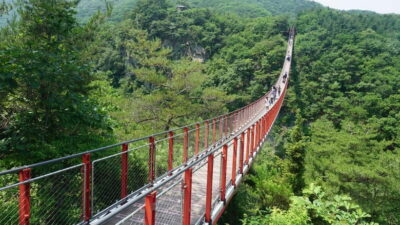
Signature DMZ Tour: Exclusive Defector Talk & Suspension Bridge
Read our review →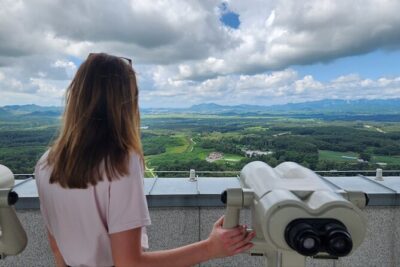
Thrilling Korean DMZ 3rd Tunnel Tour from Seoul + Red Bridge Rush
Read our review →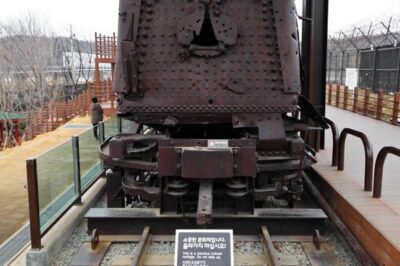
DMZ Past and Present: Korean Demilitarized Zone Tour from Seoul
Read our review →