
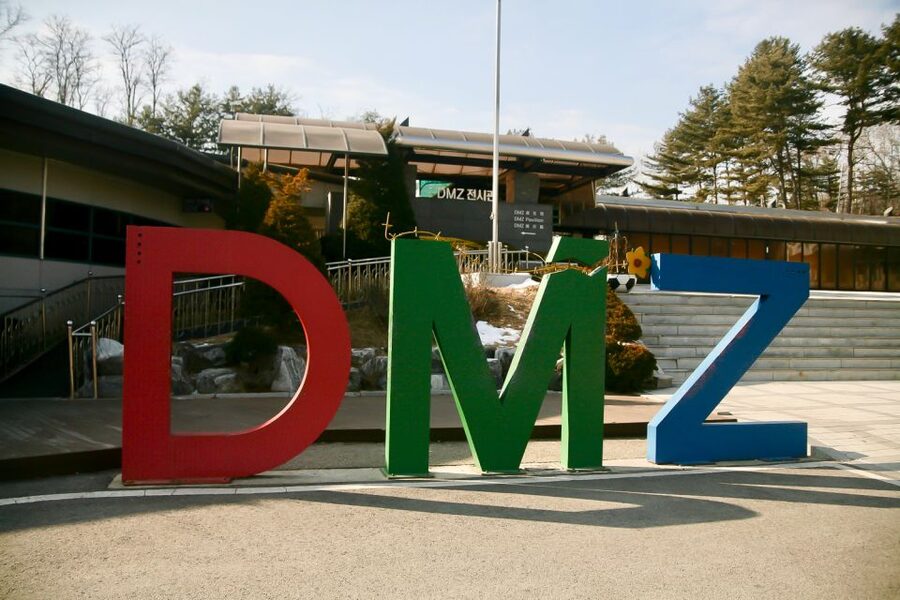
Reviewed · DMZ TOURS
Seoul: Small-Group DMZ Tour with North Korea Experience Hall
Korea’s border is closer than you think. This full-day DMZ trip gives you clear historical context at Imjingak, the Third Tunnel, and Dora Observatory, then adds the North Korea Experience Hall and a walk across Gamaksan Suspension Bridge. I especially like the small-group format and the guide-led explanations, with guides such as Sookhee, Mr Young, Junie, and Brian Kim receiving repeated praise for their warmth and insight. The main drawback is the long day, plus a planned souvenir stop that may feel too commercial for some people.
The tour also handles an awkward travel problem well: the DMZ does not operate on one fixed schedule all year. You can join a Signature Course from Tuesday to Sunday, or a Special Course on Mondays, public holidays, and days when the Third Tunnel or Dora Observatory are closed. Bring your passport, wear proper walking shoes, and expect a serious subject mixed with mountain air, big views, and plenty of time on a bus.
In This Review
- Key points to know before booking
- Why this DMZ trip is worth a day from Seoul
- Pickup from Seoul and the ride north
- Imjingak Park, Freedom Bridge, and Mangbaedan
- Entering the DMZ zone with a guide
- The North Korea Experience Hall and the human side
- The Third Tunnel of Aggression
- Dora Observatory and views toward North Korea
- Unification Village and the changing course
- Gamaksan Suspension Bridge and the outdoor finish
- Group size, guides, and the pace of the day
- What the $55 price really covers
- Who should book this DMZ experience?
- Should you book it?
- FAQ
- How long does the DMZ tour take?
- What is included in the price?
- Is hotel pickup and drop-off included?
- Which Seoul pickup locations are available?
- Does the tour operate on Mondays?
- What is included in the Signature Course?
- What is included in the Special Course?
- Do I need to bring my passport?
- Is the tour suitable for wheelchair users?
Key points to know before booking
- North Korea Experience Hall: Hear guided explanations and a defector’s story, giving the border a human scale beyond military facts and photo stops.
- Two courses across 365 days: The Signature Course includes Dora Observatory and the Third Tunnel, while the Special Course substitutes the Peace Gondola and Gloster Hill Memorial Park when needed.
- A full 8 to 10 hours: Pickup is available from several central Seoul subway stops, with transportation, guide service, and entrance fees included.
- Small groups matter: Smaller groups can reach stops ahead of larger crowds and make it easier to hear the guide, ask questions, and keep the day moving.
- Gamaksan Suspension Bridge: The bridge adds a scenic outdoor finish, but snow, rain, or slippery conditions can make the walk less comfortable.
- Bring your passport: Access to the DMZ requires it, and you must follow the guide’s instructions throughout the visit.
Why this DMZ trip is worth a day from Seoul
The DMZ is not a normal sightseeing stop. It is a heavily controlled border zone shaped by war, family separation, military tension, and hopes for eventual peace. That can make the experience feel weightier than a standard day trip, but it is also what gives the tour its value.
I like that this outing does not rely only on a distant viewing platform. You visit memorials, a former military tunnel, a border observatory, a village connected with reunification, and a center built around personal stories from North Korea. Those pieces help you understand how the division affects both public life and individual families.
At $55 per person, the price is reasonable for an 8 to 10 hour outing from Seoul. You are paying for transport into Gyeonggi Province, a live English-speaking guide, entrance fees, and a packed route that would be difficult to organize alone. Lunch is not included, and the Joint Security Area, or JSA, is not part of the trip, so you should compare the price with your expectations.
This is not the tour for someone seeking a quick border photo. It is a better choice if you want explanations, historical background, and several connected sites in one day.
More DMZ tours:
- Best DMZ Tour Korea from Seoul (Red Suspension Bridge Optional)
★ 5.0 · 41,422 reviews - DMZ Tour: 3rd Tunnel, Option(Suspension Bridge, Boat) from Seoul
★ 5.0 · 21,373 reviews - DMZ tour south Korea from Seoul (NK experience hall, defector)
★ 5.0 · 20,599 reviews
Pickup from Seoul and the ride north
There are six listed pickup points:
- Gangnam Station Exit 12
- Hongik University Station Exit 3
- Itaewon Station Exit 1
- Hamilton Hotel
- Myeongdong Station Exit 10
- City Hall Station
The first ride takes about an hour. That is useful time for your guide to explain Korea’s division, the Korean War, and the rules that apply inside the DMZ area. It also means you should treat this as a full-day commitment rather than a half-day activity with a little extra sightseeing attached.
Pay close attention to the pickup instructions. The time shown on your voucher is not necessarily your actual pickup time. The exact meeting time and location are sent by email one day before departure. Check your spam folder if the message does not appear, then contact the provider if needed.
The tour finishes with drop-off at City Hall Station or another Seoul location listed by the operator. Hotel pickup and drop-off are not included, so you need to reach one of the stated meeting points yourself.
Imjingak Park, Freedom Bridge, and Mangbaedan
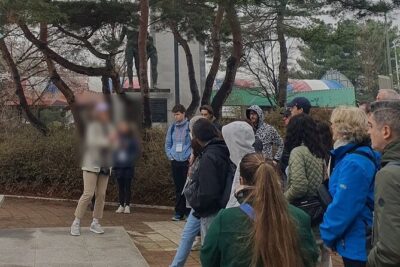
Imjingak is a fitting opening stop. The park focuses on Korea’s division and the people separated by the border. You get free time here, with about an hour to look around and take in views toward North Korea.
The area includes Freedom Bridge, a well-known symbol connected with people who crossed after the Korean War, and Mangbaedan, where families separated by the division have gathered to remember relatives they cannot visit. Your guide adds meaning to places that might otherwise seem like simple monuments.
This is also one of the more manageable parts of the day. You can walk at your own pace for a while, take photographs, and absorb the setting before the stricter DMZ schedule begins. The views are weather dependent, so do not expect the same clarity on a rainy or hazy day.
Imjingak includes shops and commercial areas, which can make the beginning feel slightly more tourist-oriented than the later sites. Still, the park provides useful context before you enter the restricted zone.
Entering the DMZ zone with a guide
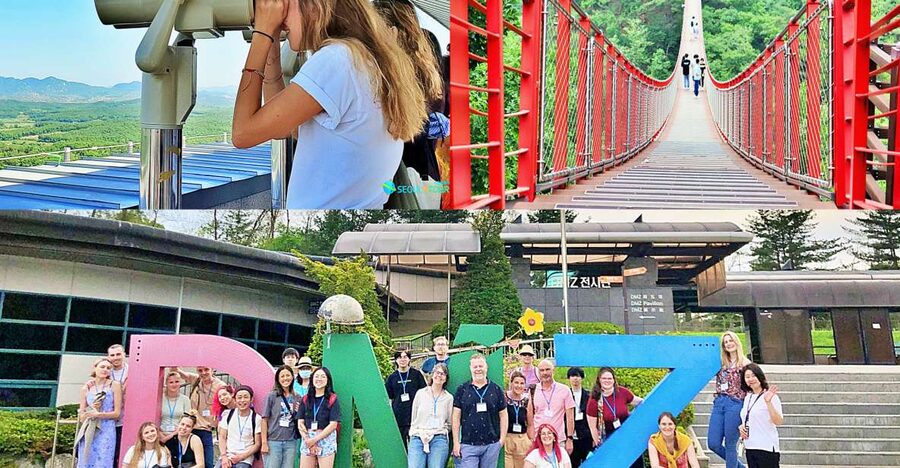
The DMZ portion lasts about two hours and is guided throughout. This is where the practical rules become important. You need your passport, and you must follow instructions from the guide and local authorities.
Expect a more structured visit than at ordinary parks or museums. The route, timing, and access can change because of security conditions or closures. That is one reason a guided trip makes sense. You are not trying to work out which roads, gates, and viewpoints are open on the day.
The guide also helps explain the difference between the DMZ, the Civilian Control Zone, and the wider border area. The tour information does not promise access to every military facility, and it specifically excludes the JSA. Keep your expectations realistic: you are visiting selected public access points connected with the border, not entering North Korea or touring an active military base.
A small group is particularly useful here. The group can move between stops without the delays of a large coach party, and you have a better chance of hearing the English explanations clearly.
A few more options to weigh up in Seoul
- Seoul: DMZ Tour with Optional Suspension Bridge
★ 4.8 · 5,277 reviews - Signature DMZ Tour: Exclusive Defector Talk & Suspension Bridge
★ 5.0 · 4,459 reviews - Thrilling Korean DMZ 3rd Tunnel Tour from Seoul + Red Bridge Rush
★ 5.0 · 3,097 reviews - DMZ Past and Present: Korean Demilitarized Zone Tour from Seoul
★ 5.0 · 2,481 reviews
The North Korea Experience Hall and the human side
The North Korea Experience Hall is the feature that gives this trip a different character from a basic DMZ bus tour. It uses guided storytelling and a defector’s testimony to present daily life and personal experience connected with North Korea.
That matters because the DMZ can easily become a collection of military names, lookout points, and dramatic photographs. A first-person account helps you think about the border as a human problem, not only a political one. The experience is designed to offer insight into North Korea while also showing why the division remains emotionally important in South Korea.
The strongest guides appear to be those who explain more than dates and labels. Sookhee is praised for connecting history, politics, personal anecdotes, and Korean identity. Other well-liked guides include Mr Young, Junie, Brian Kim, BK, Yoon, Susa, and Anna Jin. The quality of the day will depend partly on who leads your group, but the repeated praise for clear English, humor, care, and organization is encouraging.
You should approach the hall with an open mind. A defector’s story is one person’s experience, not a complete portrait of every person in North Korea. It is valuable personal evidence, but the guide’s wider historical explanation helps place it in context.
The Third Tunnel of Aggression
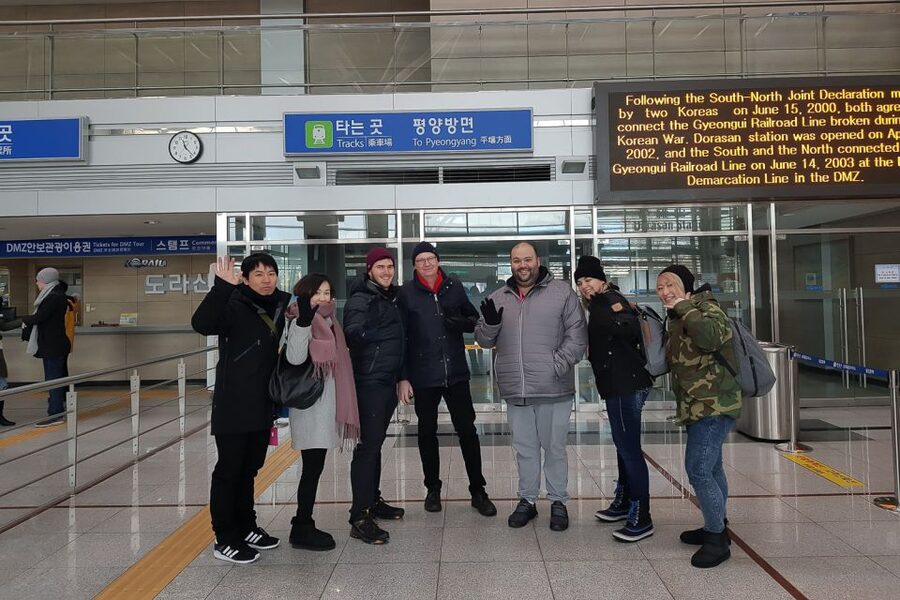
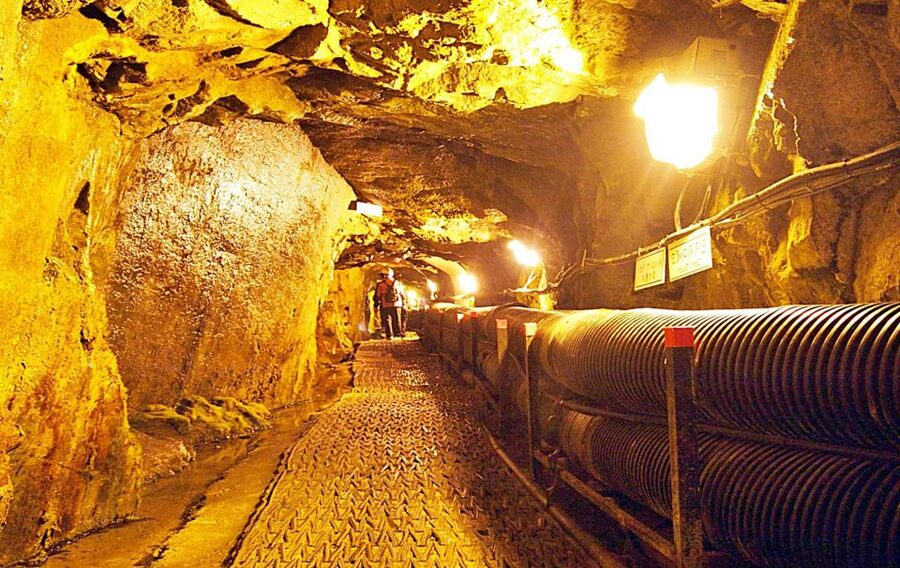
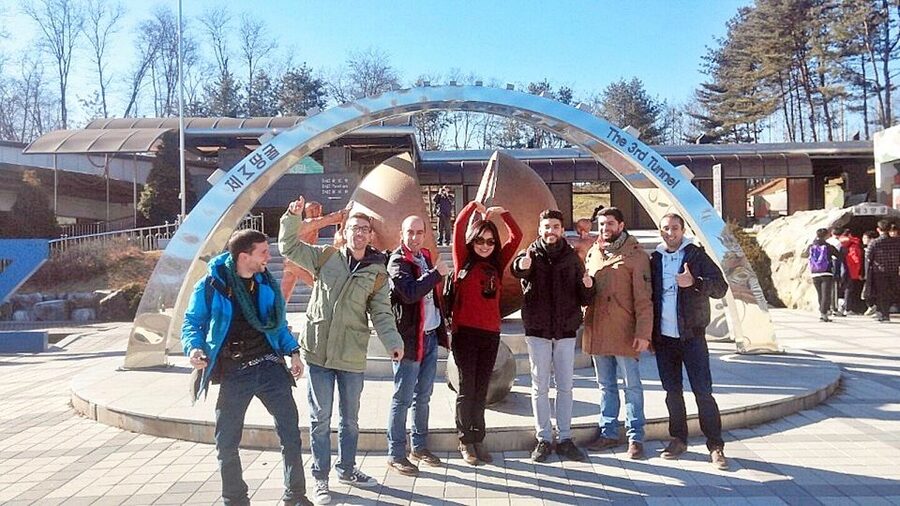
The Third Tunnel is one of the most physical stops. It is a tunnel dug under the border and discovered by South Korea. The guided visit takes about an hour and allows you to experience part of the passage rather than simply viewing a display about it.
This is where comfortable shoes become essential. The tunnel section involves walking, and the tour is not suitable for people with mobility limitations, including wheelchair and walker users. It is also not recommended for people with claustrophobia, serious back problems, heart problems, respiratory issues, high blood pressure, or other significant medical conditions.
The tunnel can feel tight and demanding. If enclosed spaces make you uncomfortable, this may be the stop that determines whether the full Signature Course suits you. Pregnant women and people over 75 are also listed among those for whom the activity is not suitable.
The physical effort is part of the point, but you should not treat it as a casual stroll. Wear sturdy, low-heeled shoes, avoid sandals and flip flops, and follow the guide’s pace and instructions.
Dora Observatory and views toward North Korea
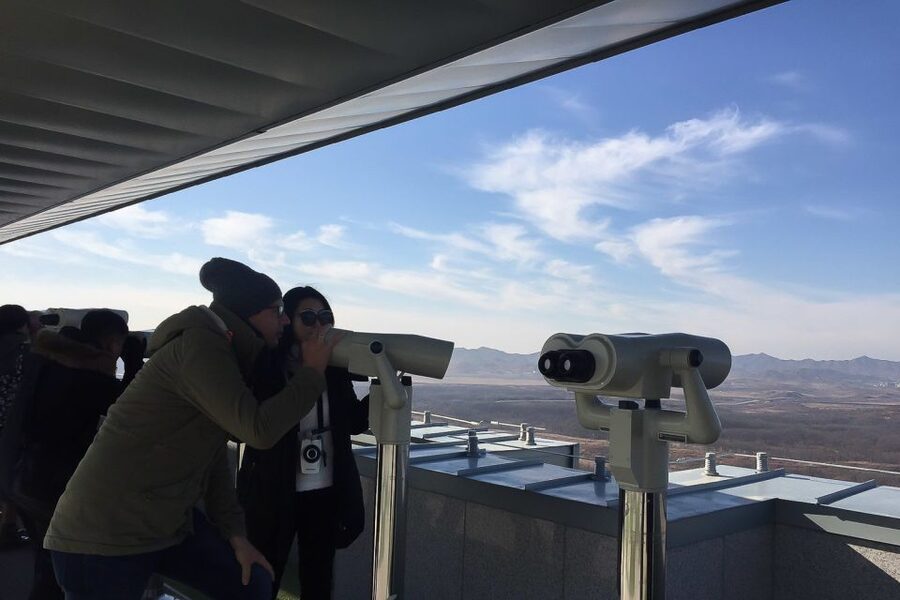
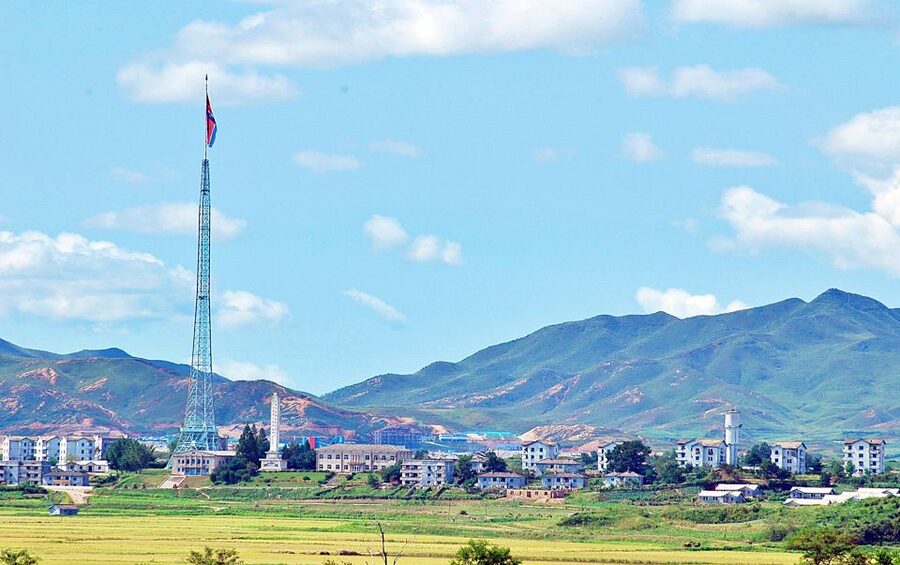
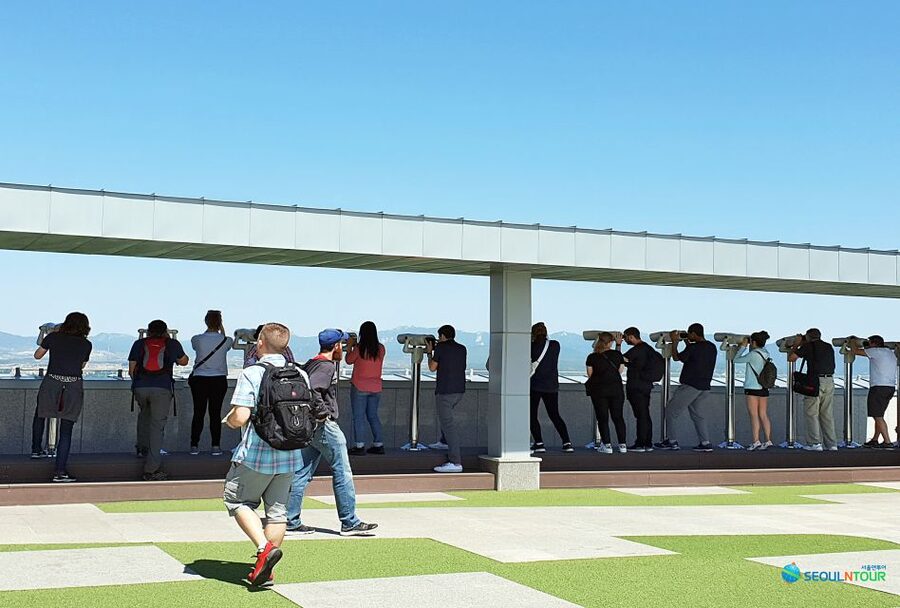
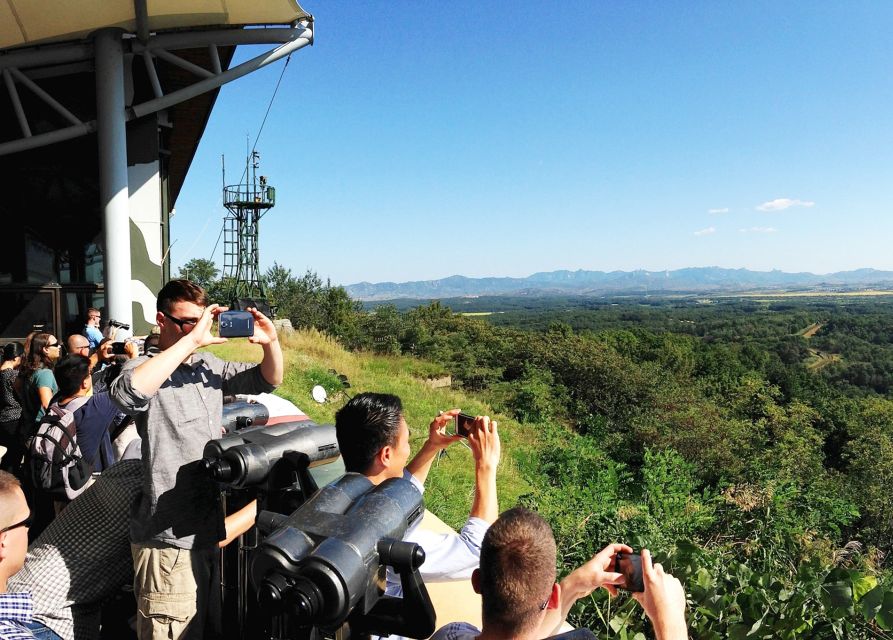
Dora Observatory provides a formal viewpoint toward North Korea. On a clear day, it can be one of the most memorable parts of the outing because you can look across the border and connect the tour’s political story with a real place in the distance.
Weather makes a big difference. Rain, haze, and cloud can limit what you see, and one guide responded to poor conditions by sending photographs to the group. That is a considerate touch, but it cannot replace a clear view.
Your guide explains what you are looking at and why the location matters. Without that interpretation, the view may seem distant and abstract. With it, the observatory becomes a place to consider the geography of the divided peninsula and the unusual fact that Seoul is only a short drive from this highly controlled frontier.
If Dora Observatory is closed, it is not a reason to cancel. The Special Course is designed for those days and replaces it with other sites.
Unification Village and the changing course
Unification Village is included as a guided stop of about 30 minutes. The visit helps broaden the story beyond war memorials and military sites by showing how life near the border is organized and presented.
The exact balance of stops depends on the day. The Signature Course operates Tuesday through Sunday and includes the North Korea Experience Hall, Imjingak Park, Dora Observatory, the Third Tunnel, and the suspension bridge.
The Special Course operates on Mondays, public holidays, or days when the Third Tunnel and Dora Observatory are closed. It includes:
- North Korea Experience Hall
- Imjingak Park
- DMZ Peace Gondola
- Gloster Hill Memorial Park
- Suspension Bridge
This year-round structure is a real advantage. Many DMZ experiences are tied to a limited operating calendar, while this one gives you an alternative route on days when two major sites cannot be visited. The tradeoff is obvious: if you book for Monday or a public holiday, you should not expect the Signature Course.
Gamaksan Suspension Bridge and the outdoor finish
The Gamaksan Suspension Bridge adds a welcome change of pace after the serious border sites. You cross the bridge and walk through a mountain setting with fresh air and wider views. This is the scenic part of the day, and it helps prevent the itinerary from feeling like one long sequence of museums and memorials.
The walk can be slippery in poor weather. Snow and rain may make the approach and bridge less comfortable, so shoes with a good grip are more useful than fashionable footwear. High heels, sandals, flip flops, walking sticks, and walking frames are not allowed.
You should also consider height. The tour is not suitable for people afraid of heights, and the suspension bridge may be uncomfortable if you dislike movement or exposure. For everyone else, it is a pleasant physical contrast to the enclosed Third Tunnel.
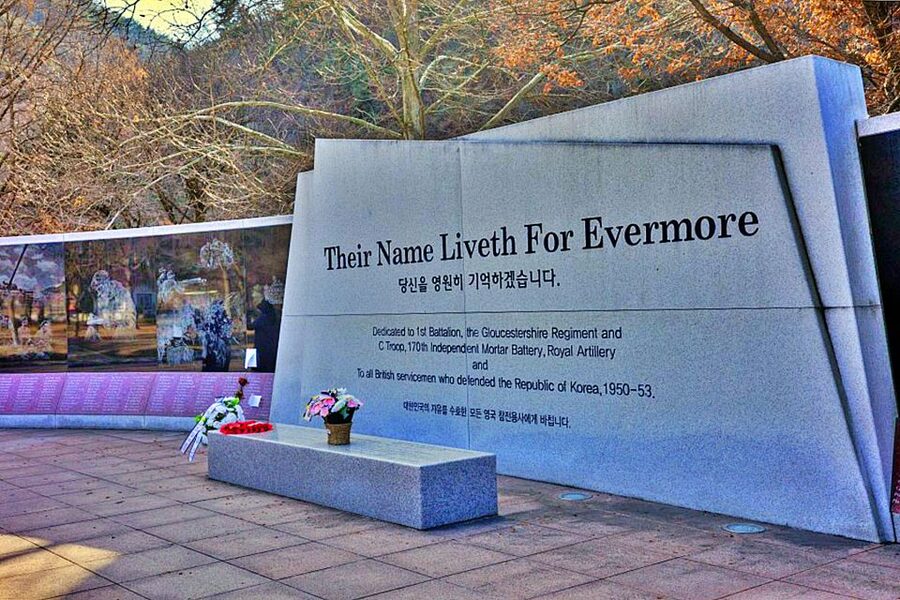
The route may also include Gloster Hill Memorial Park on the Special Course. This gives Monday and holiday departures a memorial site connected with the wider wartime story, while the Peace Gondola provides a different way to see the border area.
Group size, guides, and the pace of the day
Private and small-group options are available. The exact group size can vary, but smaller groups are a practical advantage on a long day. You spend less time waiting for people to board, regroup, or finish photographs, and your guide can respond to individual questions.
The guide quality is central to this experience. Strong feedback repeatedly focuses on warmth, clear English, historical explanation, humor, photography help, and careful time management. Mr Young is praised for his energy and knowledge, Sookhee for sensitive storytelling, Junie for warmth and care, and Brian Kim for keeping the schedule under control without rushing people.
That does not mean every minute will feel relaxed. The route covers many sites, and the round trip from Seoul takes time. You should expect a schedule, not an independent wander. The benefit is that you see a great deal in one day without managing the transport yourself.
One caution concerns shopping. A souvenir stop is built into the day, and some participants may find the encouragement to buy products unnecessary. If you prefer a strictly historical outing, this part may test your patience. It does not erase the value of the main stops, but it is worth knowing before you book.
What the $55 price really covers
At $55, this is a strong value if you want a complete border excursion rather than a single attraction. Transportation, an English-speaking guide, and entrance fees are included. The day also combines the central DMZ sites with the North Korea Experience Hall and Gamaksan Suspension Bridge, giving you more variety than a basic observatory visit.
Lunch is not included. You should plan for that gap, though the supplied details do not specify a fixed lunch arrangement or meal location. Bring anything you need for the day, especially water and a snack, since the schedule is long and the route includes walking.
The JSA is also excluded. If standing inside the famous blue conference buildings is your main goal, this tour will not meet that specific aim. Its strength is broader coverage and explanation, not access to the most restricted section.
Free cancellation up to 24 hours before departure and the option to reserve now and pay later make the booking less rigid. Those terms are useful because the DMZ schedule can change, but you should still read the final booking conditions for your selected date.
Who should book this DMZ experience?
I would recommend this trip to first-time visitors who want the essential DMZ story explained in English. It suits people who enjoy history, current affairs, memorials, guided interpretation, and unusual border experiences.
It also works well if you have only one day to spare from Seoul. The route is organized, the pickup points are central, and the 365-day scheduling gives you an option even on Mondays and public holidays.
I would be cautious if you have claustrophobia, limited mobility, serious medical conditions, back or heart problems, respiratory issues, high blood pressure, or a fear of heights. The operator also says the trip is not suitable for pregnant women, wheelchair users, walker users, unaccompanied minors, or people over 75.
Children must be accompanied by an adult. Babies can join free of charge, but infant seats are not provided. Military-style clothing is not allowed, and you should avoid bringing pets, alcohol, or drugs.
Should you book it?
Book this tour if you want the DMZ explained through places, stories, and personal testimony, not just a quick lookout stop. The North Korea Experience Hall, the Third Tunnel, Dora Observatory, and the memorial sites create a strong mix of political context and human emotion, while the suspension bridge gives the long day a welcome outdoor break.
Choose it with realistic expectations. You will spend much of the day on the move, lunch is extra, the JSA is not included, views depend on weather, and the souvenir stop may not appeal to everyone. If those limits are acceptable, the $55 price gives you a practical and unusually full introduction to one of Korea’s most important places.
FAQ
How long does the DMZ tour take?
The tour lasts approximately 8 to 10 hours, including transportation from Seoul and the return journey.
What is included in the price?
Transportation, an English-speaking tour guide, entrance fees, and pickup from selected subway stations and hotels are included.
Is hotel pickup and drop-off included?
No. Pickup is available from selected locations in Seoul, but hotel pickup and drop-off are not included.
Which Seoul pickup locations are available?
Pickup options include Gangnam Station Exit 12, Hongik University Station Exit 3, Itaewon Station Exit 1, Hamilton Hotel, Myeongdong Station Exit 10, and City Hall Station.
Does the tour operate on Mondays?
Yes. The 365-day program operates year-round. On Mondays, public holidays, or days when the Third Tunnel and Dora Observatory are closed, the Special Course operates instead.
What is included in the Signature Course?
The Signature Course operates Tuesday through Sunday and includes the North Korea Experience Hall, Imjingak Park, Dora Observatory, the Third Tunnel, and the suspension bridge.
What is included in the Special Course?
The Special Course includes the North Korea Experience Hall, Imjingak Park, DMZ Peace Gondola, Gloster Hill Memorial Park, and the suspension bridge.
Do I need to bring my passport?
Yes. You must bring your passport for the DMZ visit.
Is the tour suitable for wheelchair users?
No. The tour is not available for wheelchair users, walker users, or participants using non-folding wheelchairs or strollers. It is also not recommended for people with several serious medical or mobility conditions.
Just added in Seoul
- Seoul: Korean & English Language Exchange Global Party★ 5.0 · 28 reviews
- Your Personal Seoul Photographer!★ 4.1 · 15 reviews
- You’re Invited to Our Home in Seoul: The Only Cooking Class!★ 5.0 · 8 reviews
- From Seoul: Yongpyong Ski Day Tour with Transportation★ 4.9 · 40 reviews
- From Seoul: Hwacheon Ice Fishing and Lighting Festival Tour★ 4.5 · 4 reviews
- Seoul: Gangneung BTS K-Pop & K-Drama Filming Locations Tour★ 4.6 · 14 reviews
- Unique Native Experience : Han River Picnic, Board game, BBQ★ 5.0 · 3 reviews
- Seoul: Euljiro Gastroventure Tour★ 4.0 · 1 review
DMZ Tours, compared.
Best DMZ Tour Korea from Seoul (Red Suspension Bridge Optional)
Read our review →
DMZ Tour: 3rd Tunnel, Option(Suspension Bridge, Boat) from Seoul
Read our review →DMZ tour south Korea from Seoul (NK experience hall, defector)
Read our review →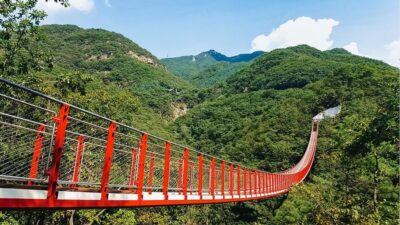
DMZ Insider Tour: 3rd Tunnel, NK Defector Meet & Red Bridge
Read our review →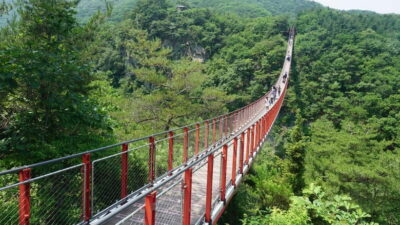
Signature DMZ Tour: Exclusive Defector Talk & Suspension Bridge
Read our review →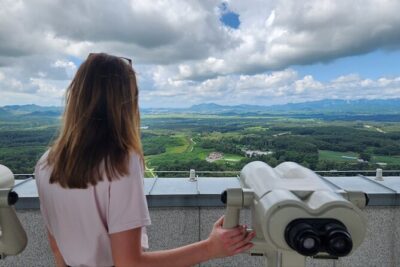
Thrilling Korean DMZ 3rd Tunnel Tour from Seoul + Red Bridge Rush
Read our review →
DMZ Past and Present: Korean Demilitarized Zone Tour from Seoul
Read our review →Browse the lists this tour appears in