
Reviewed · DMZ TOURS
Small group DMZ tour + Seoul Essence {Private and Private-guided-seat-in-coach}
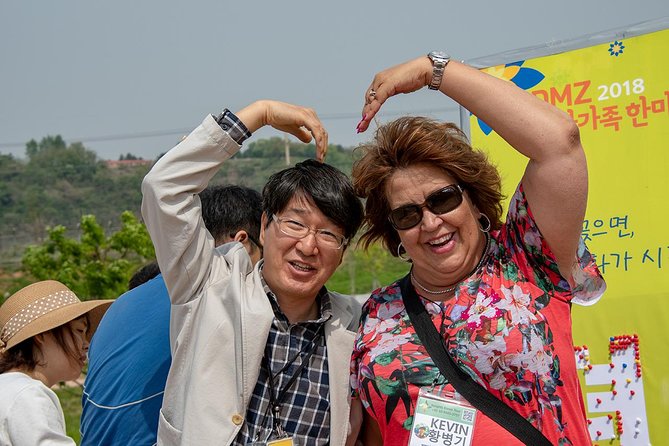
History begins at Seoul’s edge. This eight-hour tour pairs the tense, unusual sights of the DMZ with central Seoul highlights, making good use of a single day. I like the efficient route and the chance to see the 3rd Tunnel, Dora Observatory, and Dorasan Station before returning to palaces, temples, and old shopping streets. I also like the hotel pickup, private vehicle, and English-speaking guide, especially with Kevin Hwang leading the day.
The main drawback is the pace. The DMZ section alone takes about two hours and 45 minutes, and the Seoul portion adds several short stops. You will see a lot, but you will not have much time for slow browsing, a full palace visit, or a long meal. The 3rd Tunnel also requires moderate physical fitness and is not suitable for some health conditions.
In This Review
- Key points to know before booking
- Why combine the DMZ with Seoul sightseeing?
- Starting at Imjingak and the Freedom Bridge
- The 3rd Tunnel and the physical side of the DMZ
- Dora Observatory, Dorasan Station, and Unification Village
- Returning to Seoul’s royal center
- Jogyesa Temple and the quieter side of city life
- What the private arrangement really means
- Who will get the most from the $160 price?
- Should you book this DMZ and Seoul tour?
- FAQ
- How long does the tour last?
- Is hotel pickup included?
- Is this a private tour?
- Is the DMZ shuttle bus private?
- Which DMZ sites are visited?
- How long is the DMZ portion?
- Is lunch included?
- Is the Changing of the Guard ceremony included?
- What happens if Gyeongbokgung is closed?
- Can I cancel for a full refund?
Key points to know before booking
- The DMZ uses a shared shuttle bus: Your group travels privately to the DMZ area, but the actual border-zone visit uses a seat-in-coach shuttle after the guide purchases the required ticket.
- The 3rd Tunnel is the most physical stop: Expect a walk through a former infiltration tunnel, so sturdy shoes and honest self-assessment matter.
- You see Seoul’s main sights after the DMZ: Gyeongbokgung Palace, Jogyesa Temple, Insadong, and a pass by the Blue House form the city section.
- Kevin Hwang earns strong praise: One five-star account highlights his English, passion, and ability to explain Korean culture and history across several eras.
- The route is designed for time-pressed visitors: Hotel-to-hotel timing is about eight hours, with pickup, transport, fuel, tolls, parking, and the English-speaking driving guide included.
- The palace plan changes on Tuesdays: Gyeongbokgung is replaced by Changdeokgung when Gyeongbokgung is closed.
Why combine the DMZ with Seoul sightseeing?
A DMZ visit and a city tour usually require separate bookings. This experience puts them together in one long day, which is useful if you have limited time in Seoul or want to cover major sights before moving on.
The contrast gives the day its shape. In the morning, you are dealing with the Korean War, a divided peninsula, watchtowers, tunnels, and abandoned-looking railway sites. Later, you return to royal architecture, Buddhist practice, traditional streets, and the everyday city.
I like this structure because the two parts explain different sides of Korea. The DMZ shows a country still marked by modern conflict. The palace and temple stops show older political and religious traditions. You do not get a leisurely treatment of either subject, but you get a broad first look.
The tour costs $160 per person. That is not the cheapest way to see Seoul, but the value depends on how much you would otherwise need to arrange yourself. Hotel pickup and drop-off, private transport, fuel, tolls, parking, the driving guide, and DMZ admission are included. Lunch, drinks, gratuity, and any listed taxes or fees are not included.
For one person, the price may feel high compared with a basic group DMZ trip. For a private party, the cost becomes easier to justify because you avoid organizing separate transport and city sightseeing. The strongest value comes from saving time, not from spending long periods at each attraction.
More DMZ tours:
- Best DMZ Tour Korea from Seoul (Red Suspension Bridge Optional)
★ 5.0 · 41,422 reviews - DMZ Tour: 3rd Tunnel, Option(Suspension Bridge, Boat) from Seoul
★ 5.0 · 21,373 reviews - DMZ tour south Korea from Seoul (NK experience hall, defector)
★ 5.0 · 20,599 reviews
Starting at Imjingak and the Freedom Bridge
The day begins with pickup at your Seoul hotel lobby. If the lobby is not on the first floor, you should meet the guide on the building’s first floor. The timing is described as hotel to hotel, so the full eight-hour period includes the driving time between central Seoul and the DMZ area.
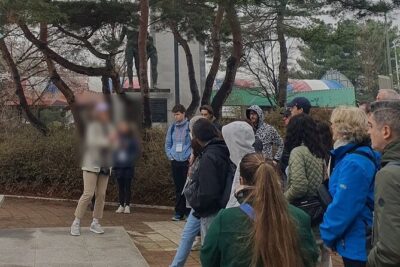
Imjingak Pyeonghoa-Nuri Park is the staging point for the border visit. The guide handles the DMZ ticket arrangements while you look around. This is useful because you are not left trying to manage the ticket process on your own.
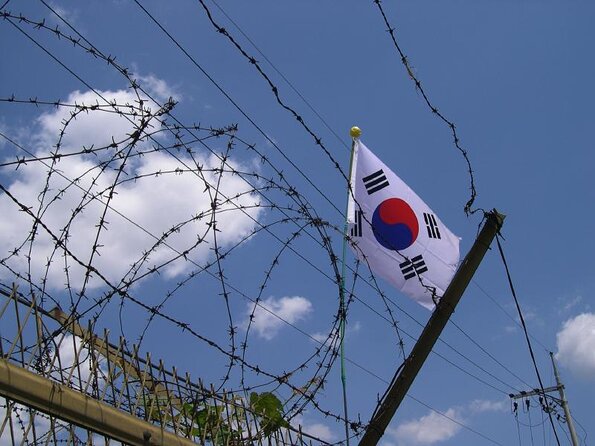
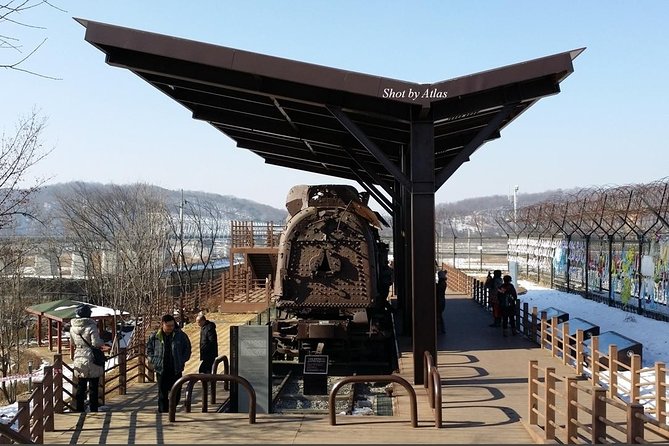
Use this waiting period well. The Freedom Bridge and the preserved steam locomotive offer some of the day’s clearest reminders of the Korean War from 1950 to 1953. These are not just photo stops. They connect the modern border story with the people and infrastructure affected by the war.
The locomotive is especially direct in its message. A damaged train is an ordinary object made powerful by its setting. The bridge, meanwhile, recalls the movement of prisoners and displaced people during the conflict. Your guide can add context, but even a short look helps frame what follows.
After the ticket purchase, you board the DMZ shuttle bus. This is an important detail: the tour includes private transportation for your group, but the DMZ circuit itself is by shared seat-in-coach shuttle. If you booked expecting a private vehicle inside every restricted area, adjust that expectation.
The 3rd Tunnel and the physical side of the DMZ
The DMZ circuit lasts about two hours and 45 minutes. Its main stops are the 3rd Tunnel, Dora Observatory, Dorasan Station, and Unification Village.
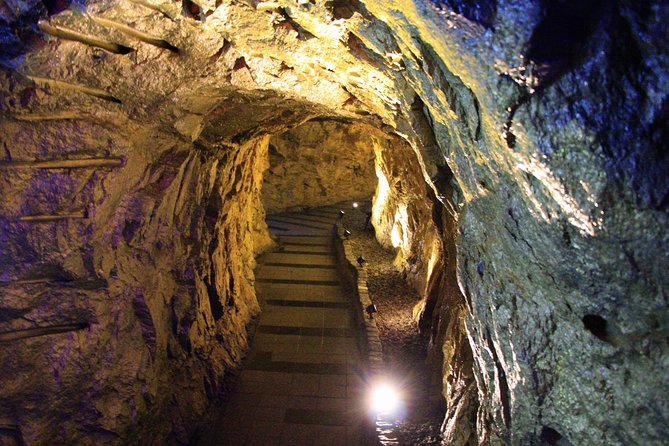
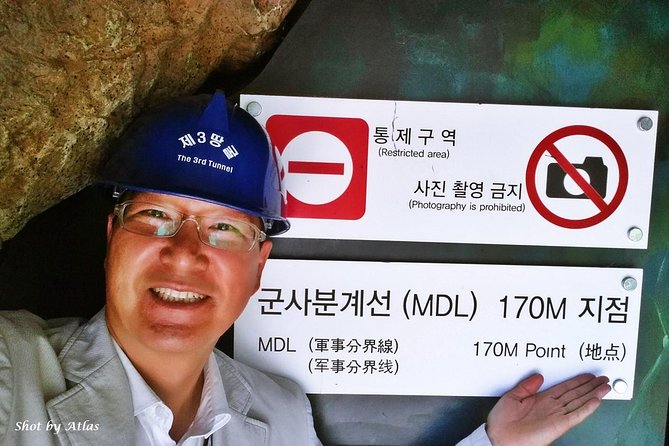
The 3rd Tunnel is likely to be the most demanding stop. It is a former tunnel dug under the border, and visiting it means walking below ground. The tour operator asks for moderate physical fitness and specifically warns against booking if you have asthma, claustrophobia, tuberculosis, pneumonia, diabetes, high blood pressure, heart problems, back pain, respiratory illness, are pregnant, or have other health concerns.
Take those warnings seriously. This is not the place to test your limits. If enclosed spaces make you uncomfortable, the tunnel may be more stressful than interesting. Ask about current conditions before booking if you have any doubt, since the provided information does not promise an alternative activity.
For visitors who can manage it, the tunnel gives the DMZ a physical reality. You are not only looking across a boundary or listening to political history. You are moving through a space connected to military tension and attempted infiltration. That direct sense of place is what makes the stop memorable.
Wear sensible shoes. The tour details do not specify the exact walking surface or incline, so I would plan for an active visit rather than a flat museum stop. You should also keep your belongings manageable, since the day includes repeated boarding and walking.
Dora Observatory, Dorasan Station, and Unification Village
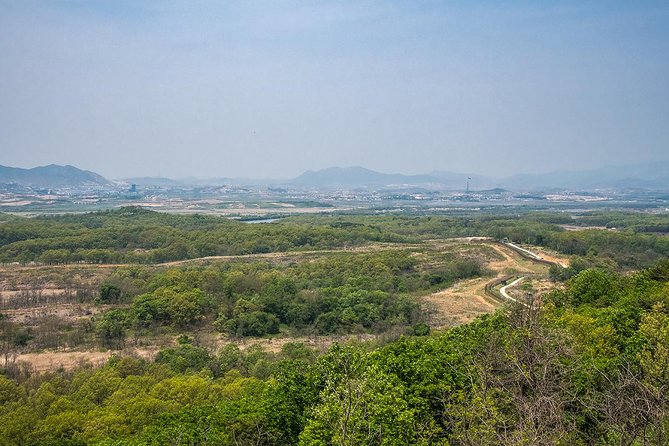
Dora Observatory offers a view toward North Korea. The quality and distance of the view can depend on weather and operating conditions, so you should treat it as a border viewpoint rather than expect a guaranteed close look at a particular landmark.
The stop matters because it turns an abstract political division into a visible one. Your guide can explain what you are seeing and add background about the border, the Korean War, and later developments. Kevin Hwang is praised for explaining both modern and ancient Korean history, which suits a day that moves from war memorials to royal palaces.
Dorasan Station carries a different kind of symbolism. It is connected to hopes for future rail links and a less divided peninsula. The station is not simply another transport stop. It represents an idea of connection that remains politically complicated.
Unification Village adds another view of life near the border. The route description does not promise a long independent visit, so expect a guided stop within the larger shuttle schedule. The guide’s explanations are important here, since the physical details alone may not tell you why the site matters.
The DMZ portion includes some information that may be serious and technical. That is not a flaw, but it does mean the experience depends heavily on the guide. The one detailed five-star account gives Kevin Hwang particular credit for clear English and strong knowledge of Korean culture, modern history, and ancient history. If you prefer a day built around stories and context rather than quick photographs, that is a meaningful advantage.
A few more options to weigh up in Seoul
- Seoul: DMZ Tour with Optional Suspension Bridge
★ 4.8 · 5,277 reviews - Signature DMZ Tour: Exclusive Defector Talk & Suspension Bridge
★ 5.0 · 4,459 reviews - Thrilling Korean DMZ 3rd Tunnel Tour from Seoul + Red Bridge Rush
★ 5.0 · 3,097 reviews - DMZ Past and Present: Korean Demilitarized Zone Tour from Seoul
★ 5.0 · 2,481 reviews
Returning to Seoul’s royal center
After the DMZ, the tour turns to Seoul’s older cultural sights. The main palace stop is Gyeongbokgung, the grand royal palace at the heart of the city.
This visit does not include the Changing of the Guard ceremony. That keeps the schedule moving, but it also removes one of the palace’s most recognizable spectacles. You should book this tour for the palace grounds and architecture, not for ceremonial reenactment.
The planned palace visit lasts about 40 minutes. That is enough for a focused introduction and photographs, but not enough for every courtyard, building, and museum area. If you want a slow palace visit, a costume rental, or time to study architectural details, plan a separate return visit.
The route also passes by the Blue House. Since this is a pass-by rather than a full stop, think of it as a quick orientation point. You may see the area from the vehicle, but the tour does not promise an interior visit or extended exploration.
On Tuesdays, Gyeongbokgung is closed and the tour substitutes Changdeokgung Palace. This is a helpful backup, though the two palaces offer different settings and layouts. The ceremony is not included at the replacement palace either.
Jogyesa Temple and the quieter side of city life
Jogyesa Temple receives about 20 minutes. It is the headquarters of Zen Buddhism in Korea and provides a change of mood after the military focus of the DMZ and the formal scale of the palace.
Twenty minutes is brief, but enough to see the temple grounds and take in the religious setting. You may find the stop most rewarding if you pause to notice the details rather than treat it as another quick photograph.
The temple also helps explain how Seoul blends old institutions with a modern capital. It is not presented as a long spiritual program, and you should behave respectfully, keep your voice low, and follow any posted rules during the visit.
The broader Seoul section includes Insadong Culture Street, a traditional area known for antiques, souvenirs, Korean food, small galleries, and craft shops. The scheduled time for this portion is about one hour and 10 minutes, though the exact sequence can change with local conditions.
Insadong is a good place to buy small gifts or get a quick look at traditional commercial culture. It is not the best setting for an unhurried meal on this tour because lunch is not included and the timetable remains tight. If food is your priority, tell your guide early and understand that the day’s other stops may limit your choices.
The route information also names Bukchon Hanok Village and Gwangjang Market among the Seoul possibilities. Bukchon is described as closed on weekends and holidays, and Gwangjang Market is known for local foods, daily necessities, and traditional costumes. Because the sequence can change, you should confirm which of these stops will operate on your date rather than assume both are guaranteed.
What the private arrangement really means
This is described as a private tour, and only your group participates in the private activity. You receive hotel pickup and drop-off in Seoul, an air-conditioned vehicle, and private transportation with fuel, tolls, and parking covered.
That arrangement is valuable in a city where traffic can eat into a sightseeing day. You do not need to find the meeting point or make your way back after a long border excursion. The guide can also manage the transition between your vehicle and the DMZ shuttle.
Still, private does not mean slow or fully flexible. The DMZ uses its own shuttle system, and the overall program has fixed operating limits. The sequence may change because of local conditions, and each city stop has a short planned duration.
I would think of the vehicle as your private base for the day, not as a promise that every attraction will be tailored minute by minute. That is a fair trade for the convenience of hotel-to-hotel service and a full itinerary.
Who will get the most from the $160 price?
I would recommend this experience to a first-time Seoul visitor with only one free day for major sights. It is also a good fit if you want the DMZ but do not want to arrange a separate border excursion, city transfer, and palace visit.
It suits people who enjoy historical explanation. Kevin Hwang’s praised ability to discuss Korean culture, modern history, and ancient history is particularly useful because the route covers all three subjects.
The tour is less suitable for you if you need long meals, extensive shopping, or relaxed time at each attraction. It is also a poor fit if you have a health condition listed in the operator’s warnings, or if you are uncomfortable in confined spaces.
Bring money for lunch, drinks, and gratuity. Admission to the DMZ portion is included, but the provided information says that all fees and taxes are not included, so clarify the final cost at booking. Confirmation is sent within 48 hours, subject to availability.
Free cancellation is available if you cancel at least 24 hours before the start time. Changes or cancellations made less than 24 hours before departure are not accepted for a refund.
Should you book this DMZ and Seoul tour?
Book it if your priority is coverage. In eight hours, you can see important DMZ sites, a royal palace, a Buddhist temple, Insadong, and the Blue House area without arranging several separate rides.
The best reasons to choose it are the efficient hotel service, the private vehicle, and Kevin Hwang’s strong reputation as an English-speaking guide. The main compromises are the brisk pace, the shared DMZ shuttle, no Changing of the Guard ceremony, and limited time for lunch or shopping.
If you have several days in Seoul, I would split the DMZ and city sightseeing into separate days. If you have only one precious day, this is a practical way to connect Korea’s divided present with its older cultural center.
FAQ
How long does the tour last?
The tour lasts approximately eight hours, measured from pickup at your Seoul hotel to drop-off.
Is hotel pickup included?
Yes. Pickup and drop-off are offered at hotels in Seoul. Meet in the lobby, or on the first floor if the lobby is not on the building’s first floor.
Is this a private tour?
Yes. Only your group participates in the private tour and private transportation portions.
Is the DMZ shuttle bus private?
No. After the guide purchases the ticket at Imjingak, you join the DMZ shuttle bus, which operates as a seat-in-coach service.
Which DMZ sites are visited?
The DMZ portion includes the 3rd Tunnel, Dora Observatory, Dorasan Station, and Unification Village.
How long is the DMZ portion?
The DMZ shuttle tour takes about two hours and 45 minutes.
Is lunch included?
No. Lunch and soda or other pop are not included.
Is the Changing of the Guard ceremony included?
No. The Gyeongbokgung visit is planned without the ceremony.
What happens if Gyeongbokgung is closed?
Gyeongbokgung is closed on Tuesdays, so Changdeokgung Palace is used instead.
Can I cancel for a full refund?
Yes, if you cancel at least 24 hours before the experience start time. Cancellations or changes made less than 24 hours before the start time are not accepted for a refund.
Just added in Seoul
- Seoul: Korean & English Language Exchange Global Party★ 5.0 · 28 reviews
- Your Personal Seoul Photographer!★ 4.1 · 15 reviews
- You’re Invited to Our Home in Seoul: The Only Cooking Class!★ 5.0 · 8 reviews
- From Seoul: Yongpyong Ski Day Tour with Transportation★ 4.9 · 40 reviews
- From Seoul: Hwacheon Ice Fishing and Lighting Festival Tour★ 4.5 · 4 reviews
- Seoul: Gangneung BTS K-Pop & K-Drama Filming Locations Tour★ 4.6 · 14 reviews
- Unique Native Experience : Han River Picnic, Board game, BBQ★ 5.0 · 3 reviews
- Seoul: Euljiro Gastroventure Tour★ 4.0 · 1 review
DMZ Tours, compared.
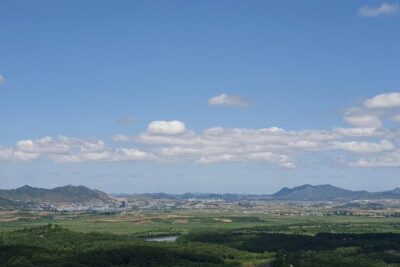
Best DMZ Tour Korea from Seoul (Red Suspension Bridge Optional)
Read our review →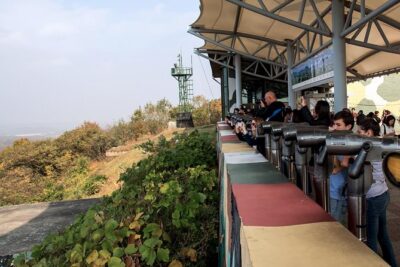
DMZ Tour: 3rd Tunnel, Option(Suspension Bridge, Boat) from Seoul
Read our review →DMZ tour south Korea from Seoul (NK experience hall, defector)
Read our review →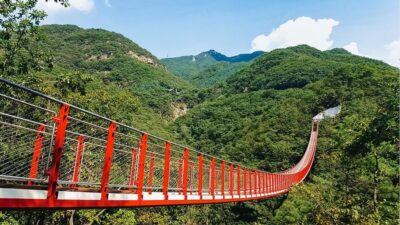
DMZ Insider Tour: 3rd Tunnel, NK Defector Meet & Red Bridge
Read our review →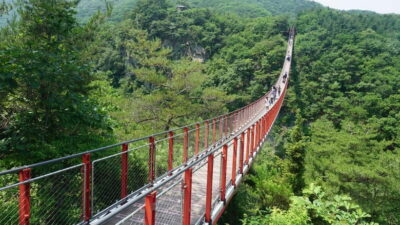
Signature DMZ Tour: Exclusive Defector Talk & Suspension Bridge
Read our review →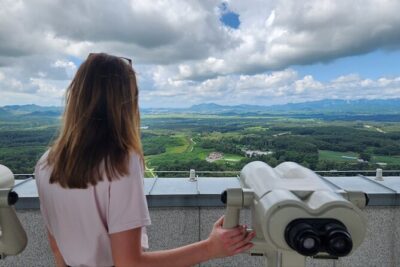
Thrilling Korean DMZ 3rd Tunnel Tour from Seoul + Red Bridge Rush
Read our review →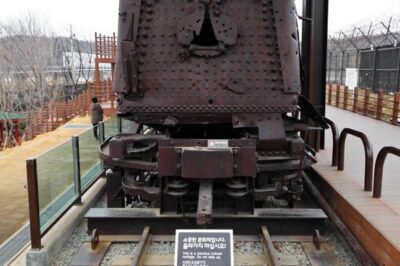
DMZ Past and Present: Korean Demilitarized Zone Tour from Seoul
Read our review →Browse the lists this tour appears in