Reviewed · SEOUL TOURS
Small Group Tour: Seoul Tour by Subway Line 2 – Circular Line
Seoul makes more sense from the train. This 8 to 9-hour small-group outing uses Metro Line 2 to connect five very different neighborhoods, from art-filled Hongdae to sleek Gangnam and old factories reborn as cafes in Seongsu-dong. I like the efficient route and the chance to see everyday Seoul beyond the usual palace circuit. I also like that public transportation fees and an English-speaking guide are included.
The main drawback is the price: $180 per person is a serious spend for a day built around free neighborhood walks and subway rides. Lunch is not included, and the exact stops or time spent at each area may shift with the group’s interests. Still, for a first visit, this can be a useful way to understand how wide-ranging Seoul really is.
In This Review
- Key Points to Know Before You Book
- Why Line 2 Is a Smart Way to See Seoul
- Hongdae: Seoul’s Art School Neighborhood
- Gangnam Station: From Pop-Culture Fame to Underground Shopping
- Samseong Station and COEX: Seoul’s Modern Business Center
- Jamsil and Lotte World Tower: A Big Seoul Landmark
- Seongsu-dong: Old Factories Become Seoul’s New Cool District
- What the Guide Adds to a Subway-Based Day
- Is $180 a Fair Price?
- Who Should Book This Seoul Tour?
- Should You Book the Line 2 Circular Tour?
- FAQ
- Where does the tour take place?
- What time does the tour start?
- How long does the tour last?
- How many people can join the tour?
- Is pickup offered?
- Are subway fares included?
- Is a guide included?
- Is lunch included?
- Which neighborhoods are visited?
- What is the cancellation policy?
Key Points to Know Before You Book
- Five contrasting districts in one day: Hongdae, Gangnam, Samseong, Jamsil, and Seongsu-dong each show a different side of Seoul.
- Line 2 does the heavy lifting: The circular route links major commercial, cultural, and entertainment areas without requiring you to plan several subway journeys.
- A guide gives the city context: You are not simply riding trains and wandering alone. An English-speaking guide helps connect each neighborhood to its character and past.
- Public transportation fees are included: This removes one small but useful part of Seoul planning, especially if you are still learning the subway system.
- The tour is limited to 15 people: That is small enough for questions, though the size is not the same as a private tour.
- Plan for lunch and walking: Lunch costs extra, and each one-hour stop involves moving around an active urban district.
Why Line 2 Is a Smart Way to See Seoul
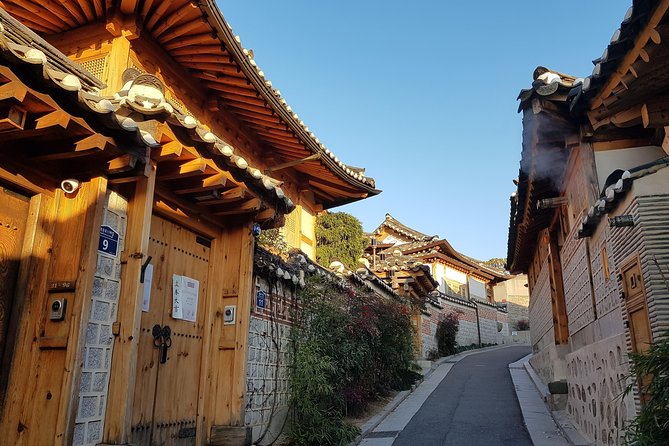
Seoul is a large city with neighborhoods that can feel like separate towns. The polished shopping streets of Gangnam have little in common with the student energy of Hongdae or the brick workshops of Seongsu-dong. Line 2 links these places in a broad loop, making it a practical thread through the city.
That route is the real idea behind this outing. You spend less time figuring out transfers, fares, and directions, and more time noticing how Seoul changes from station to station. The subway is not just transportation here. It is the framework for the day.
The tour begins at 10:00 a.m. and lasts about eight to nine hours. Five main stops are listed, each with about an hour set aside. The description also allows for five or six carefully selected stations, so the final rhythm may depend on the guide and the group’s interests.
You should expect a full day on your feet. The tour suits you best if you enjoy city walks, shopping districts, cafes, architecture, and street scenes more than a slow museum visit. It is less suitable if you want long visits inside major attractions, since admission tickets are not listed and the focus is on neighborhoods.
A few more options to weigh up in Seoul
- Best DMZ Tour Korea from Seoul (Red Suspension Bridge Optional)
★ 5.0 · 41,422 reviews - DMZ Tour: 3rd Tunnel, Option(Suspension Bridge, Boat) from Seoul
★ 5.0 · 21,373 reviews - DMZ tour south Korea from Seoul (NK experience hall, defector)
★ 5.0 · 20,599 reviews
Hongdae: Seoul’s Art School Neighborhood
The first stop, Hongik University Street, gives you an immediate sense of Seoul’s youthful side. The district is commonly called Hongdae, after Hongik University, one of South Korea’s leading art schools. That connection helps explain the area’s creative tone and its appeal to younger locals.
Your hour here is likely to focus on the streets around the university rather than one single attraction. The area is known for its energetic atmosphere, shops, cafes, and entertainment. You get a look at how students, artists, and small businesses shape a neighborhood.
I like starting here because Hongdae feels informal and social. It is a good contrast to the grand palaces and formal cultural sights that often dominate a first Seoul itinerary. You can see the city in motion, with commercial streets built around local habits rather than a single landmark.
The limitation is that one hour is brief. Hongdae rewards wandering, and you may find yourself wanting more time for shops or cafes. Keep your priorities clear before you arrive. If street life and contemporary Seoul interest you, stay alert and follow the guide’s route. If shopping is your main goal, note down places you want to revisit later.
Gangnam Station: From Pop-Culture Fame to Underground Shopping
Next comes Gangnam Underground Shopping area, linked to one of Seoul’s best-known stations. Gangnam Station sits in a major commercial district south of central Seoul and became globally familiar through the worldwide success of Gangnam Style.
The song is only the opening door. The area is also known for luxury, commerce, entertainment, and a fast-moving city rhythm. The underground shopping area is especially useful on a practical level. It gives you a glimpse of how Seoul uses underground space for retail and pedestrian movement.
I like this stop because it shows the modern, affluent side of the city without requiring a high-end shopping budget. You can look, compare, and observe how the district works. The station itself is also a major transportation hub, so visiting with a guide helps you understand why this part of Seoul matters.
The trade-off is sensory overload. Gangnam can feel commercial and crowded, and the area may not offer the old Seoul atmosphere some first-time visitors expect. This is a stop for modern city culture, retail, and people-watching, not historic monuments.
An hour gives you a quick look rather than a full shopping session. If you find something you want to buy, remember that the group will continue on schedule. This is one reason the tour works best as an introduction, followed by independent return visits to the areas you like most.
Samseong Station and COEX: Seoul’s Modern Business Center
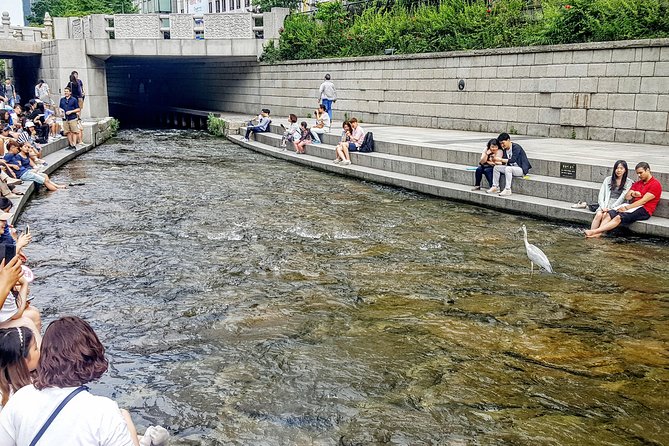
Samseong Station brings the tour to COEX Mall, one of Asia’s largest underground shopping malls. The complex includes retail, restaurants, and entertainment, giving you a very different urban setting from Hongdae’s university streets.
This is a useful stop if you want indoor space, modern architecture, and a large concentration of shops and food options. The size of COEX also shows how Seoul builds entire commercial worlds below street level. One hour will let you get oriented, but it will not cover the entire mall in detail.
The area offers an important contrast nearby. Bongeunsa Temple is within walking distance, providing a quieter Buddhist setting beside the polished business district. The tour description identifies the temple as a peaceful retreat from the modern surroundings, though the listed stop is Samseongdong and COEX rather than a dedicated temple visit.
That distinction matters. You might have time to see Bongeunsa from the outside or make a quick visit, but you should not assume a long temple tour is included. If the temple is a priority, ask the guide at the start of the day how the route can accommodate it.
Samseong is surrounded by upscale hotels and business facilities, so the area can feel more corporate than residential. I find that valuable because the day is not trying to show only pretty or picturesque Seoul. It also presents the city as a major business and shopping center.
A completely different kind of day:
- Seoul: DMZ Tour with Optional Suspension Bridge
★ 4.8 · 5,277 reviews - Signature DMZ Tour: Exclusive Defector Talk & Suspension Bridge
★ 5.0 · 4,459 reviews - Thrilling Korean DMZ 3rd Tunnel Tour from Seoul + Red Bridge Rush
★ 5.0 · 3,097 reviews - DMZ Past and Present: Korean Demilitarized Zone Tour from Seoul
★ 5.0 · 2,481 reviews
Jamsil and Lotte World Tower: A Big Seoul Landmark
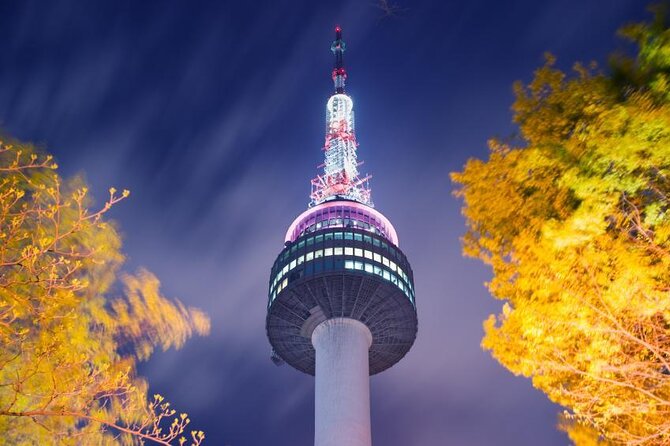
At Jamsil Station, the focus shifts to the Lotte World complex and Lotte World Tower and Mall. Jamsil is served by Lines 2 and 8 and sits in Seoul’s Songpa District. The complex includes an indoor theme park, an outdoor amusement park, shopping malls, and a hotel in Korea’s tallest building.
This is one of the easiest stops to understand visually. The tower gives the district a clear focal point, while the surrounding complex packs shopping, entertainment, and dining into one major destination. You can see how Seoul combines transport, retail, leisure, and large-scale construction around a single station.
The area is also close to Olympic Park, sports facilities, cultural venues, and stadiums. Those nearby options help explain why Jamsil is more than a shopping stop. It is a major recreation district for the city.
The challenge is choosing what to do with an hour. Lotte World Tower and Mall alone can occupy far more time, and admission to attractions is not included in the tour information. You should treat this as a guided orientation to Jamsil, not a full theme park or tower visit.
I like having Jamsil in the route because it breaks up the shopping streets with a grand urban landmark. It also gives you a chance to compare Seoul’s southern districts. Gangnam feels like a commercial center, Samseong like a business and mall district, and Jamsil like a family and entertainment zone.
Seongsu-dong: Old Factories Become Seoul’s New Cool District
The final listed stop is Seongsu-dong, perhaps the most distinctive neighborhood on the route. Once associated with factories and the shoe industry, the district lost much of its foot traffic as industrial work declined. Since the 2010s, old buildings have been adapted for cafes, restaurants, fashion events, and cultural spaces.
Former warehouses now serve new purposes. Old factories and red-brick houses have been refurbished rather than erased, allowing the district’s industrial past to remain visible beside its newer businesses. That mix gives Seongsu-dong a sense of change that you will not find in the polished shopping centers of Gangnam or COEX.
I especially like this stop for the way it shows Seoul’s ability to reuse its urban past. You are not looking at a preserved historic quarter in the traditional sense. You are seeing working buildings and industrial spaces given a second life.
The drawback is that Seongsu-dong’s appeal depends on wandering and noticing details. One hour may feel short if you want to browse cafes, inspect design shops, or stop for food. Since the tour ends after a full day, you may want to mark Seongsu-dong as a place to revisit rather than trying to do everything during the scheduled stop.
What the Guide Adds to a Subway-Based Day
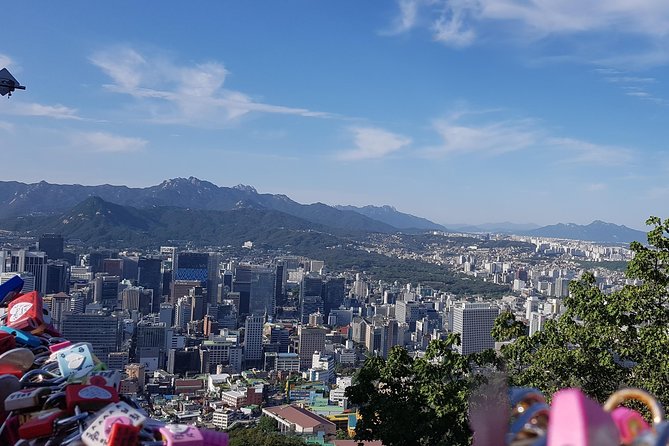
The included English-speaking guide is the main reason to consider this tour instead of copying the route on your own. Seoul’s subway is extensive, and Line 2 is useful, but knowing which exit to take and how to connect one district to another can take time.
The guide’s role is also interpretive. The value is not simply getting from Hongdae to Gangnam. It is understanding why each place feels different, how old industrial buildings became cultural venues, and why stations such as Gangnam, Samseong, and Jamsil matter to the city.
The group can be as large as 15 people. That is a reasonable ceiling for a small-group outing, though you should not expect the constant attention of a private guide. The flexible format allows the day to respond to the group’s interests, but flexibility can also mean that the exact balance between stops is not fixed.
One published rating gives the tour five out of five, with particular praise for visiting five Seoul neighborhoods and learning about the city beyond its major tourist attractions. That is the strongest signal about what this outing does well: it helps you build a broad mental map of Seoul.
Is $180 a Fair Price?
At $180 per person, this is not a cheap subway day. The individual stops have free admission, lunch is extra, and Seoul’s public transportation is affordable compared with many guided sightseeing options.
The price makes more sense if you place a high value on time, orientation, and local explanation. You are paying for an English-speaking guide, public transportation fees, planning, and a full day connecting districts that might otherwise take careful research and several independent trips.
It is less compelling if you already understand Seoul’s subway system and enjoy planning your own route. You could visit several of these stations independently and spend more time in the places you prefer. The tour’s value is strongest for a first visit, a short stay, or anyone who wants a structured introduction to the city’s modern neighborhoods.
Lunch is not included, so budget for a meal during the day. The supplied details do not specify a restaurant or fixed lunch break, so ask the guide early about the timing. A little planning will help you avoid treating the one-hour stops as rushed food hunts.
Who Should Book This Seoul Tour?
I would recommend this outing to first-time visitors who want to understand Seoul as a collection of distinct districts. It is also a good fit if you like modern architecture, shopping areas, cafes, student streets, and urban redevelopment.
You will get the most from it if you are comfortable walking and changing locations throughout the day. Most people can participate, and the route is near public transportation, but the schedule remains active.
I would be more cautious if your main goal is royal palaces, museums, traditional markets, or long visits at one attraction. This is not that kind of day. It is a city sampler, built around the rhythm of the subway and the character of each station area.
Pickup is offered, though the supplied details do not explain the exact pickup locations or conditions. Confirmation arrives when you book, and free cancellation is available if you cancel at least 24 hours before the 10:00 a.m. start time. Changes or cancellations made inside that window are not accepted for a refund.
Should You Book the Line 2 Circular Tour?
Book it if you want a guided introduction to Seoul’s modern city life and would rather spend one organized day learning the subway route than planning five separate neighborhood visits. The strongest parts are the district variety, the practical transit coverage, and the focus beyond famous tourist sights.
Skip it if $180 feels too high for free-entry neighborhoods, or if you prefer to set your own pace. For everyone else, this is a useful first look at Seoul’s many personalities, with Hongdae, Gangnam, COEX, Jamsil, and Seongsu-dong providing five clear reasons the city cannot be reduced to one downtown core.
FAQ
Where does the tour take place?
The tour takes place in Seoul, South Korea, along Subway Line 2, the circular line.
What time does the tour start?
The tour starts at 10:00 a.m.
How long does the tour last?
The tour lasts approximately eight to nine hours.
How many people can join the tour?
The maximum group size is 15 people.
Is pickup offered?
Yes, pickup is offered, though the provided details do not specify the exact pickup locations.
Are subway fares included?
Yes. Public transportation fees are included in the tour price.
Is a guide included?
Yes. An English-speaking tour guide is included.
Is lunch included?
No. Lunch is not included.
Which neighborhoods are visited?
The listed stops are Hongik University Street in Hongdae, Gangnam Underground Shopping area, Samseongdong and COEX, Lotte World Tower and Mall at Jamsil, and Seongsu-dong.
What is the cancellation policy?
You can cancel at least 24 hours before the experience start time for a full refund. Cancellations or changes made less than 24 hours before the start time are not accepted for a refund.
Just added in Seoul
- Seoul: Korean & English Language Exchange Global Party★ 5.0 · 28 reviews
- Your Personal Seoul Photographer!★ 4.1 · 15 reviews
- You’re Invited to Our Home in Seoul: The Only Cooking Class!★ 5.0 · 8 reviews
- From Seoul: Yongpyong Ski Day Tour with Transportation★ 4.9 · 40 reviews
- From Seoul: Hwacheon Ice Fishing and Lighting Festival Tour★ 4.5 · 4 reviews
- Seoul: Gangneung BTS K-Pop & K-Drama Filming Locations Tour★ 4.6 · 14 reviews
- Unique Native Experience : Han River Picnic, Board game, BBQ★ 5.0 · 3 reviews
- Seoul: Euljiro Gastroventure Tour★ 4.0 · 1 review
Seoul Tours, compared.
Best DMZ Tour Korea from Seoul (Red Suspension Bridge Optional)
Read our review →
DMZ Tour: 3rd Tunnel, Option(Suspension Bridge, Boat) from Seoul
Read our review →DMZ tour south Korea from Seoul (NK experience hall, defector)
Read our review →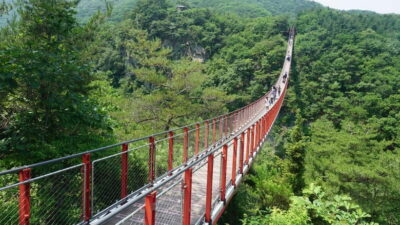
Signature DMZ Tour: Exclusive Defector Talk & Suspension Bridge
Read our review →
Thrilling Korean DMZ 3rd Tunnel Tour from Seoul + Red Bridge Rush
Read our review →
DMZ Past and Present: Korean Demilitarized Zone Tour from Seoul
Read our review →