
Reviewed · DMZ TOURS
Small Group Tour to DMZ & Suspension Bridge with Hotel Pickup
See the border up close. This Seoul day trip combines the serious history of the Korean DMZ with a suspension bridge walk, hotel pickup, and a small group capped at 17 people. You visit the Third Infiltration Tunnel, Dora Observatory, Imjingak, Mangbaedan, and Unification Village, with a guide to explain what you are seeing.
I like the practical setup: transport, DMZ admission, and suspension bridge entry are included for $65 per person. I also like the human scale of the tour. Guides such as Joo-Ee, Jiwon, Vincent, Jones, and Joy are repeatedly praised for clear explanations, good organization, and a friendly manner.
The main drawback is the physical side. The Third Tunnel requires a steep walk down and back up, and Gamaksan Chulleong Bridge involves a hill walk. Cloudy weather can also spoil the view of North Korea from Dora Observatory.
In This Review
- Key points to know before booking
- Why this Seoul DMZ tour is worth your day
- Hotel pickup and the early ride north
- Imjingak Pyeonghoa-Nuri Park sets the scene
- Crossing into the Civilian Control Zone
- Mangbaedan and the meaning of family separation
- The Third Infiltration Tunnel requires real effort
- Dora Observatory offers the most dramatic view
- Unification Village brings the border into daily life
- Gamaksan Chulleong Bridge changes the mood
- What the $65 price really covers
- Guides make the biggest difference
- Fitness, clothing, and passport rules
- Who should book this experience?
- Should you book the DMZ and suspension bridge tour?
- FAQ
- How long does the DMZ and suspension bridge tour last?
- Is hotel pickup included?
- Do I need to bring my passport?
- Is lunch included in the price?
- How many people are in the group?
- Is the Third Tunnel difficult to walk?
Key points to know before booking
- The Third Tunnel is the day’s hardest walk: The route is steep, and the low tunnel requires you to bend forward for much of the way.
- Dora Observatory offers the chance to see North Korea: Binoculars may be provided, but clear weather matters.
- A small group makes the day easier: The maximum group size is 17, a useful advantage at busy stops.
- Gamaksan adds scenery and movement: The suspension bridge is a pleasant change after the sober DMZ sites, but it is not a flat stroll.
- Hotel pickup is convenient, but limited: Pickup is offered from select Seoul hotels, while some Myeongdong and Hongdae options are excluded.
- Bring your passport: Every person in your group must carry one to enter the DMZ area.
Why this Seoul DMZ tour is worth your day
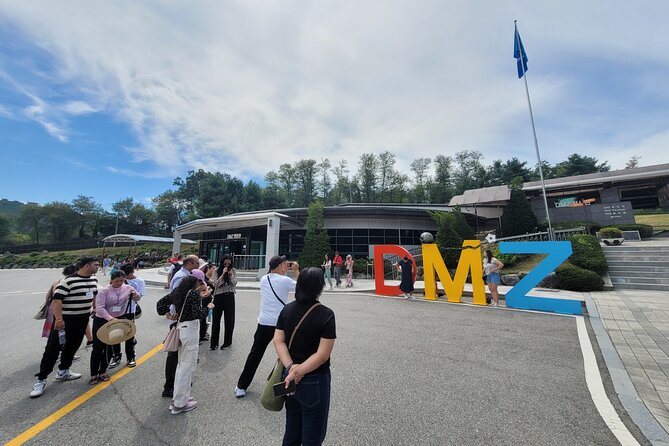
The DMZ is one of the few places near a major capital where modern politics, military tension, family separation, and ordinary rural life meet in one short trip. From Seoul, the border area is close enough for a day visit, but the experience feels far removed from the city’s shopping streets and cafés.
This tour is a good fit if you want more than a quick photo stop. The guide explains the Korean War, the division of the peninsula, the purpose of the tunnels, and the lives affected by the border. The strongest guides are not simply reciting dates. They answer questions and connect the sites to Korean culture and current life.
The day begins around 7:30 am and lasts roughly eight to ten hours. That early start matters. It gives the group time to reach the border area, complete the required entry process, visit several sites, and return to Seoul without trying to squeeze everything into a rushed half-day.
A small group of no more than 17 people is another real benefit. You spend less time waiting for a large crowd to regroup, and it is easier to hear the guide. The experience still uses shared transport, so do not expect the pace or privacy of a private tour.
More DMZ tours:
- Best DMZ Tour Korea from Seoul (Red Suspension Bridge Optional)
★ 5.0 · 41,422 reviews - DMZ Tour: 3rd Tunnel, Option(Suspension Bridge, Boat) from Seoul
★ 5.0 · 21,373 reviews - DMZ tour south Korea from Seoul (NK experience hall, defector)
★ 5.0 · 20,599 reviews
Hotel pickup and the early ride north
Pickup is available from select Seoul hotels, with the exact arrangement confirmed after booking. The early collection is one of the tour’s most useful features, especially if you are unfamiliar with Seoul’s transport system or are staying with children.
There is an important catch. Hotel pickup in Myeongdong and pickup at Hongdae Station are listed as excluded options, so check your meeting arrangement carefully. The tour includes drop-off in Hongdae, Myeongdong, Gwangjang Food Market, or Dongdaemun, but it does not promise a return to your hotel.
The ride takes place in an air-conditioned vehicle. Some pickup arrangements involve a first vehicle and then a transfer to the main coach, so keep your phone available and add your country code when booking. The operator provides pickup information and vehicle details, which helps reduce the usual morning confusion.
The guide may begin explaining local customs and the day’s plan during the ride. That is useful preparation because the DMZ portion has a set sequence and military access rules. Be on time. A late arrival can affect the whole group.
Imjingak Pyeonghoa-Nuri Park sets the scene
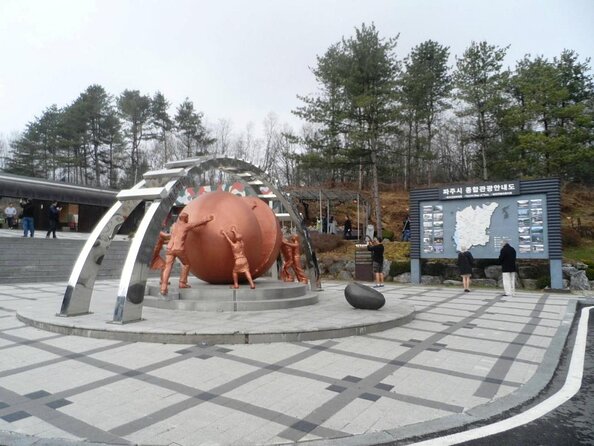
The first major stop is Imjingak Pyeonghoa-Nuri Park, a DMZ-themed area where the group handles the local ticket process. There is no reservation system at this point, so the stop is partly practical and partly an introduction to the border story.
You can see the Freedom Bridge, the Bridge of No Return, a derailed locomotive, and views from the top of the building. These objects give the day an emotional start. They are not abstract symbols in a museum display. They point to prisoners, separated families, wartime destruction, and the long pause between conflict and peace.
Allow about an hour here. You get time to look around before entering the more controlled DMZ zone. The open setting also gives you a chance to take photos and use the restroom before the more structured part of the day.
The park can feel more commercial than the later sites, with souvenirs and visitor facilities. That is not a flaw, but it helps to set expectations. Imjingak is an access point and public memorial area, not a quiet wilderness stop.
Crossing into the Civilian Control Zone
The tour bus proceeds into the Civilian Control Zone. The route crosses a blue line, marking entry into the DMZ area itself. That moment helps explain why this is not simply another historical attraction outside Seoul.
Access in this region is controlled, and the day depends on the conditions and procedures in force. The group visits three or four places during the DMZ section. Your guide is especially valuable here because signs and military boundaries do not explain themselves.
This part of the tour is less about entertainment and more about context. You see how close the divided peninsula remains to Seoul, while also learning why movement in the area is restricted. The experience has a sober tone, particularly when the guide discusses the Korean War and the people separated from relatives in the North.
More suspension bridge walks:
- Seoul: DMZ Tour with Optional Suspension Bridge
★ 4.8 · 5,277 reviews - Signature DMZ Tour: Exclusive Defector Talk & Suspension Bridge
★ 5.0 · 4,459 reviews - Ultimate Korea DMZ Tour from Seoul (Gondola & Suspension Bridge)
★ 5.0 · 2,396 reviews - DMZ; NK Defector, 3rd Tunnel, Suspension Bridge,Hotel pickup
★ 4.9 · 2,055 reviews
Mangbaedan and the meaning of family separation
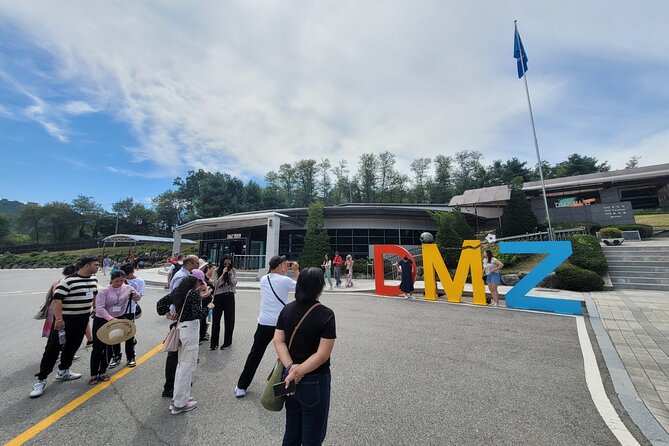
Mangbaedan is a brief stop, lasting about five minutes, but it carries unusual weight. It is an altar where North Korean refugees in South Korea hold ancestral rites for parents and grandparents left behind in the North during the two biggest national holidays.
You may not spend long here, yet the site gives the political division a personal shape. The DMZ is not only a military line or a place to see North Korea through binoculars. It is also tied to families who cannot visit ancestral homes or graves.
There is also an exhibition hall in the area. Listen closely during this short stop, since the guide’s explanation provides much of the meaning. Without that context, Mangbaedan could be easy to pass without understanding its importance.
The Third Infiltration Tunnel requires real effort
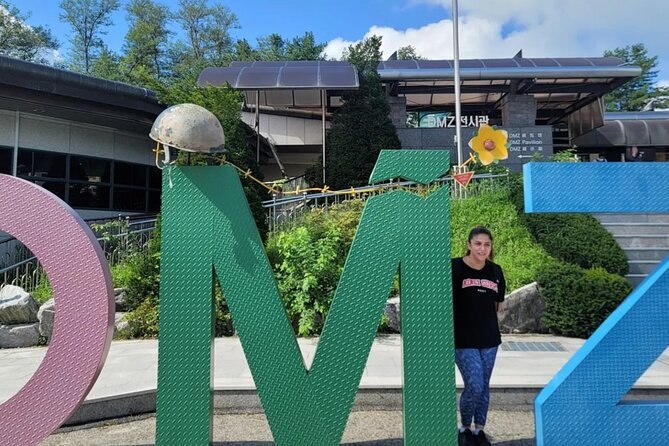
The Third Tunnel is the most physically demanding part of the tour. North Korea dug it after the Korean War, and it was found through information provided by a defector. Its location, only about 52 kilometers from Seoul, underlines how close the division is to the South Korean capital.
You walk down into the tunnel and then climb back out. The descent may feel manageable, but the return is much harder. Rest stops are available, yet you still need moderate physical fitness.
Inside, the ceiling is low. You may need to bend forward for much of the route, and hard hats are used. The tunnel walk is optional according to the tour details, which is helpful for older visitors or anyone with mobility concerns. You can still take part in the wider DMZ visit if you skip this section.
Wear proper walking shoes. Sandals, smooth soles, or stiff city footwear will make the slopes less pleasant. Keep your pace steady rather than trying to hurry down. The best approach is to treat this as a historical site with a demanding access route, not as a casual underground walk.
The tunnel is worth doing if your knees and stamina allow it. You get a direct sense of the scale and intent of the excavation, which photographs cannot provide. For some people, though, the steep return will be the least enjoyable part of the day.
Dora Observatory offers the most dramatic view
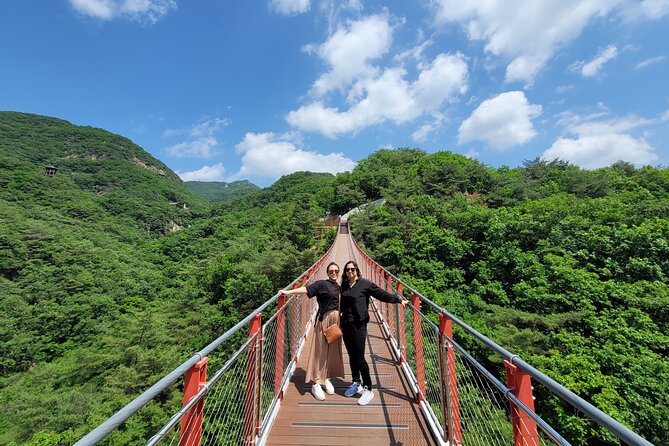
At Dora Observatory, you look toward North Korea from a designated viewing area. On a clear day, you may see North Korean territory with the naked eye, and binoculars may be provided by the guide.
This is often the tour’s most anticipated stop. It is also the most weather-dependent. If the air is hazy or the weather is poor, the view across the border can disappear. That is not a fault with the tour, but you should not book the day solely for a guaranteed panorama.
The observatory is best understood as a place for perspective rather than spectacle. You are looking across a heavily guarded boundary at a country that is physically near but politically distant. The guide’s comments help you make sense of what you see, including the unusual feeling of observing an active division rather than a war preserved in the past.
You have around 30 minutes here. That is enough to use the viewing equipment, listen to the explanation, and take photographs when conditions permit. Keep your expectations flexible. The history remains meaningful even if the view is limited.
Unification Village brings the border into daily life
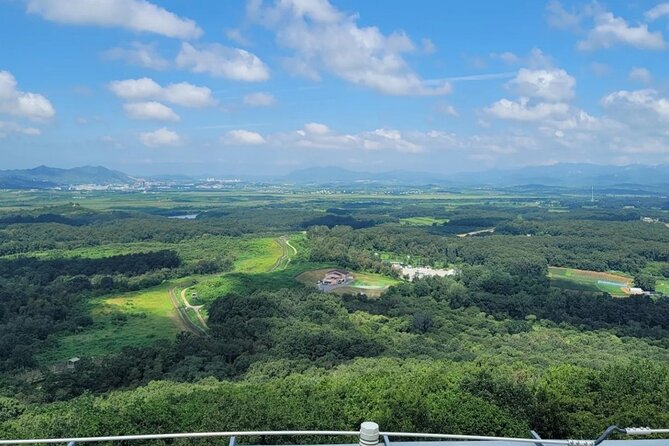
Tongil Chon, or Unification Village, gives the day a more ordinary side. Local produce from the DMZ area is sold here, along with souvenirs. The stop lasts about 15 minutes, so think of it as a short look at local commerce rather than a long village visit.
The change of tone is welcome after the tunnel and observatory. You can see how a community near the border presents its agricultural products and regional identity. There may be time to buy a snack or small souvenir, but the schedule is not designed for extended shopping.
This is also one of the places where you should stay aware of the clock. The day has several stops, and the vehicle cannot wait indefinitely for individual browsing.
Gamaksan Chulleong Bridge changes the mood
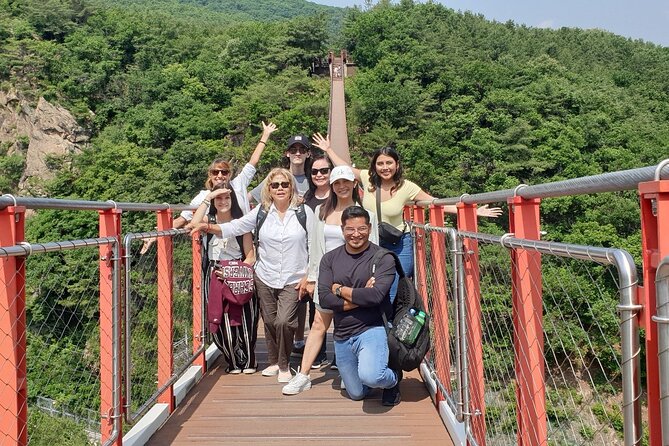
The final major stop is Gamaksan Chulleong Bridge near Mt. Gamaksan. The area was once a fierce battlefield during the Korean War. Today, it is a scenic destination where you can walk across a suspension bridge and look out over the surrounding countryside.
The bridge adds variety to the day. After several hours of military history and memorial sites, a walk outdoors gives you room to breathe and process what you have seen. It is not merely a bonus photo stop. The contrast between past fighting and today’s leisure use is part of its meaning.
Do not mistake it for an easy flat walk. Reaching the bridge involves a steep uphill section, and the walk can be tiring after the Third Tunnel. One less-than-perfect-weather assessment found this part skippable, especially for anyone already worn out by the tunnel.
You receive about an hour here, including the walk. If you have a reasonable fitness level, the bridge is a fine finish. If hills are difficult for you, plan to take this portion slowly and ask the guide about the practical options on the day.
What the $65 price really covers
At $65 per person, the tour offers solid value for a full day outside Seoul. The price includes an air-conditioned vehicle, an experienced guide, DMZ admission, and entrance to the suspension bridge. Those inclusions matter because the day involves several controlled or ticketed sites.
Lunch is not included. You should budget for your own meal or snacks during the available breaks. The tour includes stops where you can find food, but no specific lunch arrangement is promised.
The value is strongest for first-time visitors who want the transport and border access organized for them. Public transport and independent planning would require more coordination, especially because the DMZ uses controlled entry procedures and the tour begins early.
You are paying for structure as much as for admission. The guide keeps the day moving, explains the meaning of the sites, and helps with the sequence of visits. A private tour would offer more control, but this shared option keeps the cost moderate.
Guides make the biggest difference
The strongest part of the experience is the guide. Joo-Ee receives especially warm praise for being friendly, funny, organized, and clear in English. Jiwon is praised for answering questions about Korean history and culture, while Vincent is noted for looking after group members and explaining what to watch for at each stop.
Jones and Joy are also described as helpful and well informed. The guide quality may vary by departure, but the repeated pattern is encouraging: the best staff combine historical explanation with a relaxed manner and practical help.
Do not expect a lecture every minute. Good guides allow time to walk, take photos, eat, and ask questions. One useful description of the role is that the guide gives a thorough explanation without overloading the group.
There is one reasonable caution. One assessment found the guide functioned more as a driver than a presenter, with fairly basic information during parts of the ride. That suggests the quality of the commentary can depend on the individual guide and the day’s conditions. The tour remains useful, but history buffs should keep their questions ready.
Fitness, clothing, and passport rules
Bring your passport. Every member of your group must carry one. This is not optional paperwork, and forgetting it could prevent you from entering the DMZ portion.
Wear comfortable walking shoes and clothing suitable for a long day outdoors. You face the Third Tunnel’s steep route, a low ceiling, and the uphill walk to Gamaksan Bridge. The tour requires a moderate level of physical fitness, and seniors may find the tunnel especially difficult.
The day is also long. Pickup begins around 7:30 am, and the full experience can run eight to ten hours. Add the early start, several walks, and the ride back into Seoul, and you have a demanding sightseeing day.
The tour ends with drop-off at Hongdae, Myeongdong, Gwangjang Food Market, or Dongdaemun. These are useful places to continue your evening, especially if you want shopping or street food rather than a hotel rest.
Who should book this experience?
I would choose this tour if you want a guided introduction to the DMZ without paying for a private vehicle. It suits history-minded visitors, first-time Seoul visitors, families with reasonably fit older children, and anyone who values a clear schedule.
It is less suitable if you want a slow, flexible day or if steep walking is a serious problem. It is also a poor match if seeing North Korea clearly is your only goal, since weather can block the observatory view.
The small group, included admissions, and range of stops make it a practical choice. You get war history, family stories, border views, local produce, and a mountain bridge in one long day.
Should you book the DMZ and suspension bridge tour?
Book it if you want the DMZ explained rather than simply photographed. The Third Tunnel and Dora Observatory provide the central experience, while Mangbaedan adds the human cost of division and Gamaksan gives the day a welcome change of pace.
Skip it if you cannot manage steep walks, dislike early starts, or need a guaranteed view across the border. For most fit visitors with an interest in Korea’s modern history, $65 is a fair price for the transport, admissions, and guidance.
Cancel at least 24 hours before the 7:30 am start for a full refund. The operator may also cancel if the minimum number of participants is not reached, offering another date, another experience, or a full refund.
FAQ
How long does the DMZ and suspension bridge tour last?
The experience lasts approximately eight to ten hours, beginning around 7:30 am.
Is hotel pickup included?
Pickup is offered from select Seoul hotels. Pickup from Myeongdong and Hongdae Station is specifically listed as excluded, so confirm your assigned meeting point before the tour.
Do I need to bring my passport?
Yes. Every person in your group must bring a passport.
Is lunch included in the price?
No. Lunch is not included, so plan to pay for your own food and snacks.
How many people are in the group?
The tour has a maximum of 17 participants.
Is the Third Tunnel difficult to walk?
The tunnel requires a steep walk down and back up, and the low ceiling means you may need to bend forward for much of the route. Comfortable walking shoes and moderate physical fitness are recommended.
Just added in Seoul
- Seoul: Korean & English Language Exchange Global Party★ 5.0 · 28 reviews
- Your Personal Seoul Photographer!★ 4.1 · 15 reviews
- You’re Invited to Our Home in Seoul: The Only Cooking Class!★ 5.0 · 8 reviews
- From Seoul: Yongpyong Ski Day Tour with Transportation★ 4.9 · 40 reviews
- From Seoul: Hwacheon Ice Fishing and Lighting Festival Tour★ 4.5 · 4 reviews
- Seoul: Gangneung BTS K-Pop & K-Drama Filming Locations Tour★ 4.6 · 14 reviews
- Unique Native Experience : Han River Picnic, Board game, BBQ★ 5.0 · 3 reviews
- Seoul: Euljiro Gastroventure Tour★ 4.0 · 1 review
DMZ Tours, compared.
Best DMZ Tour Korea from Seoul (Red Suspension Bridge Optional)
Read our review →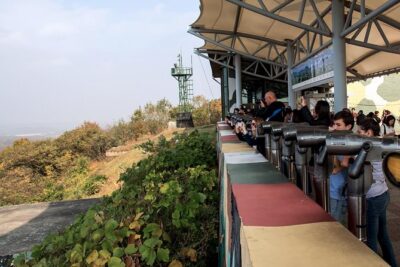
DMZ Tour: 3rd Tunnel, Option(Suspension Bridge, Boat) from Seoul
Read our review →DMZ tour south Korea from Seoul (NK experience hall, defector)
Read our review →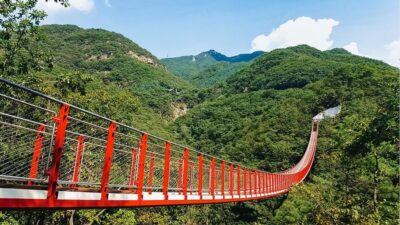
DMZ Insider Tour: 3rd Tunnel, NK Defector Meet & Red Bridge
Read our review →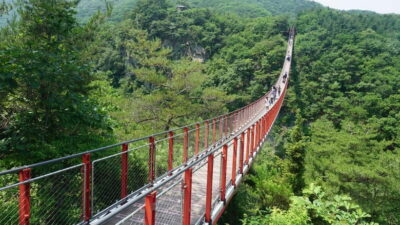
Signature DMZ Tour: Exclusive Defector Talk & Suspension Bridge
Read our review →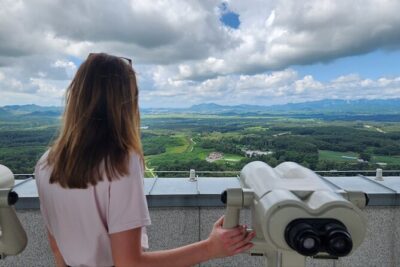
Thrilling Korean DMZ 3rd Tunnel Tour from Seoul + Red Bridge Rush
Read our review →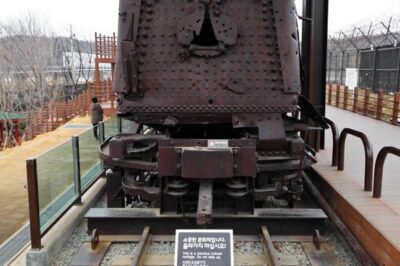
DMZ Past and Present: Korean Demilitarized Zone Tour from Seoul
Read our review →Browse the lists this tour appears in