Reviewed · SEOUL TOURS
Traditional Gourmet
Seoul tastes better on foot. Traditional Gourmet pairs a traditional Korean lunch in a hanok with a close look at Bukchon Hanok Village, then adds tea, dessert, and practical food advice. I like the slow pace and the chance to see old residential Seoul rather than only famous sights. I also like that guides such as Veronica explain eating customs, fermentation, Korean culture, and where to buy good food products.
The main consideration is the amount of walking. You spend about three hours on foot, including roughly 90 minutes in Bukchon, and the tour operates in all weather. The group can reach 12 people, so you may need to stay close to the guide to catch every explanation.
In This Review
- Five reasons this Seoul food walk earns attention
- Why this three-hour Seoul tour feels different
- Bukchon Hanok Village: Seoul’s old lanes first
- House of Baek Inje and the value of a real home
- Yun Bo-seon’s hanok and a less familiar Seoul
- The traditional lunch is the heart of the experience
- Tea, street dessert, and the final taste
- The guide makes or breaks the outing
- Who will get the most from the $120 price
- Should you book Traditional Gourmet?
- FAQ
- Where does the tour start?
- What time does the tour begin?
- How long does Traditional Gourmet last?
- Where does the tour end?
- Is lunch included?
- Is tea or coffee included?
- Are alcoholic drinks included?
- Can I request vegetarian food?
Five reasons this Seoul food walk earns attention
- Lunch takes place in a traditional Korean house, with several dishes rather than one quick plate.
- Bukchon Hanok Village provides the setting, with old homes, workshops, and small shops along hilly streets.
- House of Baek Inje adds a historic layer to what could otherwise be only a food outing.
- Tea and a freshly made street-food dessert extend the meal beyond the main restaurant stop.
- Veronica brings food knowledge and practical advice, including Korean etiquette, fermentation, and food shopping.
- The small maximum group of 12 gives the guide a reasonable chance to answer questions and make recommendations.
Why this three-hour Seoul tour feels different
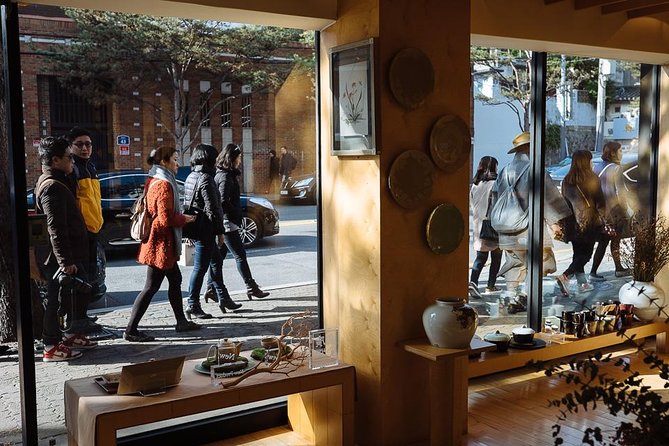
Many Seoul food tours focus on busy markets, famous dishes, or a fast list of tastings. This one takes a quieter route. You walk through Jongno, spend time around old hanok homes, and sit down for a proper Korean meal.
That difference matters. Korean food is not only about heat, barbecue, or dramatic presentation. A traditional meal can include several small dishes, different textures, fermented flavors, tea, and rules about how food is served and eaten. A good guide helps you understand what is on the table and why it belongs there.
The tour starts at 1:00 pm from 164-6 Anguk-dong in Jongno District. It ends back at the same meeting point, so you do not need to work out a separate return route. Public transportation is nearby, but getting to and from the start is your responsibility.
The price is $120 per person. That is not cheap for a three-hour outing, but the value depends on what you want from a food tour. You are paying for a professional guide, lunch, coffee or tea, neighborhood walking, cultural context, and help getting past the language barrier. If you only want a large meal, you can spend less elsewhere. If you want a guided introduction to Korean food and old Seoul at the same time, the cost is easier to justify.
A few more options to weigh up in Seoul
- Best DMZ Tour Korea from Seoul (Red Suspension Bridge Optional)
★ 5.0 · 41,422 reviews - DMZ Tour: 3rd Tunnel, Option(Suspension Bridge, Boat) from Seoul
★ 5.0 · 21,373 reviews - DMZ tour south Korea from Seoul (NK experience hall, defector)
★ 5.0 · 20,599 reviews
Bukchon Hanok Village: Seoul’s old lanes first
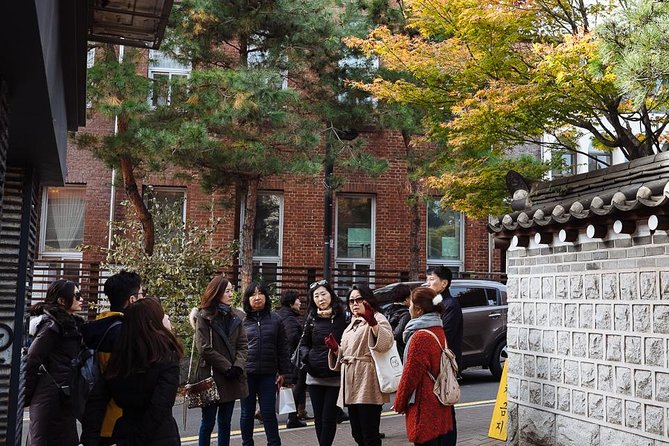
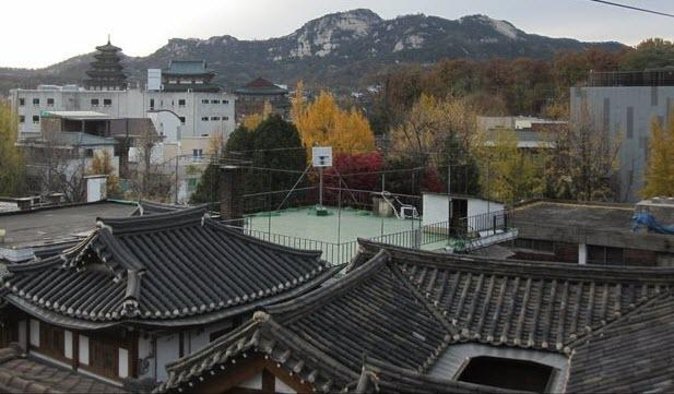
The first stop lasts about 90 minutes, making it the largest part of the route. Bukchon Hanok Village is known for its traditional Korean houses, or hanok. These homes sit among narrow streets, workshops, and shops, giving you a look at a part of Seoul that is easy to miss if you stay around modern shopping districts.
I like beginning here because the walking gives the food discussion a sense of place. You are not simply hearing that Korean homes and customs matter. You are seeing the rooflines, wooden details, and older streets that help explain the setting for a traditional meal.
The route is on foot, and Bukchon is not a flat museum floor. Comfortable walking shoes are a sensible choice. The tour runs in rain or other weather, so bring clothing that suits the forecast. Since the stop is long, you should not book it expecting a quick stroll between restaurant visits.
The area also has shops and workshops, but the supplied details do not promise specific purchases or demonstrations. Think of this part as neighborhood sightseeing with a food and culture guide, not a dedicated shopping tour.
Your guide’s role is especially useful here. A multilingual guide may lead the group, and the tour is designed to help with the language barrier. That can make it easier to understand signs, ask about dishes, and get suggestions for the rest of your Seoul stay.
House of Baek Inje and the value of a real home
The next listed stop is House of Baek Inje, with about 30 minutes set aside for it. Built around 1900, this hanok was made using the best building methods of its time and was once associated with a powerful family.
The house is now managed by the Seoul Metropolitan Government. That gives the stop a useful link between private life and public preservation. You are not only looking at an attractive old building. You are seeing how Seoul protects a piece of its built past while the city around it keeps changing.
A half-hour is enough for an introduction without turning the tour into a long architecture lecture. The guide can connect the house to Korean living spaces, family status, and traditional design. The exact amount of interior access or explanation can depend on the day and the group, so I would treat this as a focused stop, not a full museum visit.
This is also where the tour shows its wider purpose. The meal is important, but the setting matters too. Food, houses, family traditions, and etiquette are linked in Korean culture. You get more from the lunch when you have first seen the type of home where such traditions developed.
Yun Bo-seon’s hanok and a less familiar Seoul
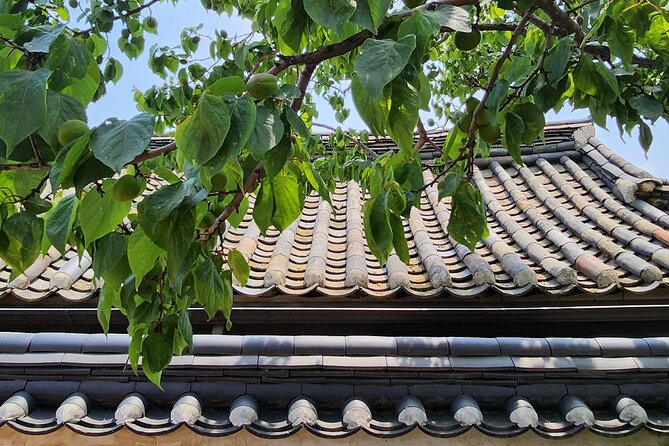
The itinerary also includes the birthplace of Yun Bo-seon, Korea’s second president. It is described as a large, carefully built hanok mansion that is unusual in Seoul. His granddaughter-in-law currently lives there, and the property is maintained.
This stop adds a personal and political note to the walk. Bukchon is not just a collection of old-looking façades. Some homes are connected to important families and people who shaped modern Korea. The mansion’s size also offers a contrast with the tighter streets and smaller traditional houses nearby.
The available details do not give a separate visit length for this stop. Your guide’s explanation will likely determine how much time it receives within the three-hour route. Because it remains an occupied and maintained home, you should follow the guide’s instructions and expect a respectful visit rather than casual wandering.
For me, this is the sort of detail that makes a neighborhood walk worthwhile. You can see Seoul’s past without spending the whole day in a major palace complex. The experience remains grounded in a real district, with homes that still have a connection to living people.
A completely different kind of day:
- Seoul: DMZ Tour with Optional Suspension Bridge
★ 4.8 · 5,277 reviews - Signature DMZ Tour: Exclusive Defector Talk & Suspension Bridge
★ 5.0 · 4,459 reviews - Thrilling Korean DMZ 3rd Tunnel Tour from Seoul + Red Bridge Rush
★ 5.0 · 3,097 reviews - DMZ Past and Present: Korean Demilitarized Zone Tour from Seoul
★ 5.0 · 2,481 reviews
The traditional lunch is the heart of the experience
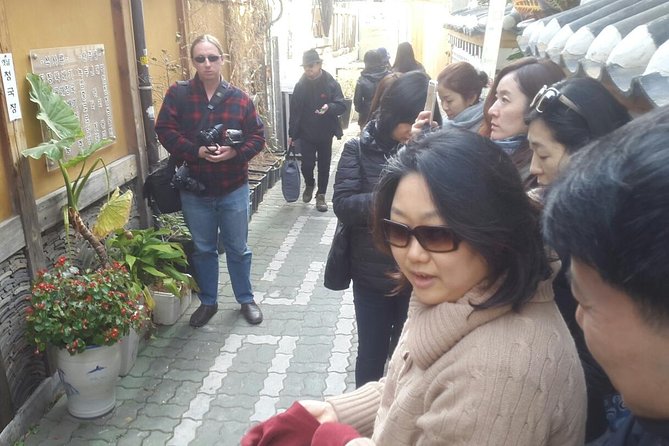
Lunch is included, and it is served in a traditional Korean house called a hanok. The meal features authentic traditional Korean dishes, with multiple courses or a broad spread of dishes according to the experience description and direct tour feedback.
One meal account describes the restaurant as a Michelin restaurant, which adds a pleasant surprise to the lunch stop. The exact restaurant is not named in the supplied information, so I would not book this expecting a guaranteed Michelin distinction or a particular menu. Still, the description points to a sit-down meal with a stronger sense of place than a basic snack stop.
The meal seems designed for people who want context, not just calories. Veronica has been praised for explaining Korean food, culture, history, and eating etiquette. She also shares information about fermentation and has offered fermentation recipes for later use. That sort of guidance can help you make sense of unfamiliar side dishes and give you ideas for eating well after the tour ends.
You should also expect the possibility of trying food that you would not have found on your own. The included meal is not presented as a choice from a standard tourist menu. That is a benefit if you enjoy learning through food, but it may feel less comfortable if you prefer to choose every dish yourself.
Vegetarian food is available if you request it when booking. The information does not list the exact vegetarian menu, so tell the provider in advance rather than waiting until lunch.
Alcohol is not included, though it can be purchased. Extra food and drinks are also separate. Coffee or tea is included, but you should not assume every beverage at the meal is covered.
Tea, street dessert, and the final taste
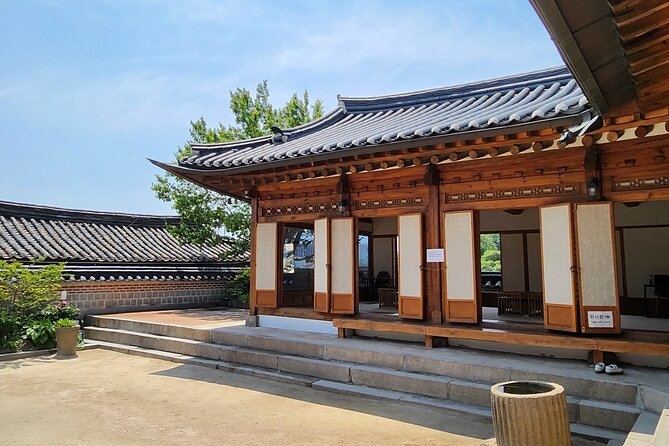
The food portion does not end when lunch is cleared. Coffee or tea is included, and the route includes a tea stop. One detailed account describes the tea house as lovely and the final tea stop as filling, which suggests that this is more than a quick cup taken while standing.
The tour may also include a freshly made street-food dessert after lunch. The dessert has been described as delicious and prepared fresh, giving you a small taste of Seoul’s casual food culture after the formal meal.
That contrast is smart. A traditional lunch shows you how Korean food works in a seated setting. A street dessert shows the lighter, more informal side of the city. The tea stop then gives the group time to talk and settle after a full meal.
You should plan to arrive hungry but not starving. The tour lasts three hours, and lunch plus tea can be substantial. If you have a very large breakfast or plan a major dinner soon afterward, the schedule may feel food-heavy.
The guide makes or breaks the outing
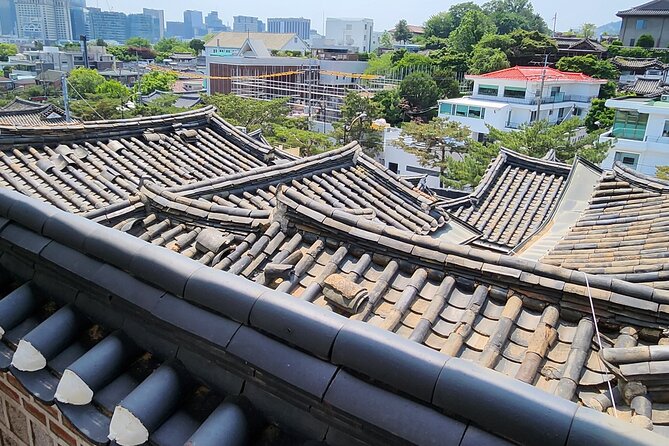
The strongest part of this experience is the guide. Veronica receives especially warm praise for being friendly, easy to understand, and experienced in Korean food culture. Her strengths include explaining food, history, customs, and practical buying advice.
That practical advice could be useful during the rest of your trip. She can point you toward quality food products and offer ideas for enjoying Korean foods in daily life. This is the difference between a meal you remember for an hour and a tour that changes how you order and shop later.
The experience is not perfect for every group. One account points out that, on a group walk, the guide sometimes explained things to the people nearest him instead of stopping for everyone. That is a fair warning. With as many as 12 people, you should stay near the guide and speak up if you miss a point.
The operator may use a multilingual guide. If having a guide in a particular language is important to you, confirm that before booking. The available information promises professional guiding but does not guarantee one specific language for every departure.
Who will get the most from the $120 price
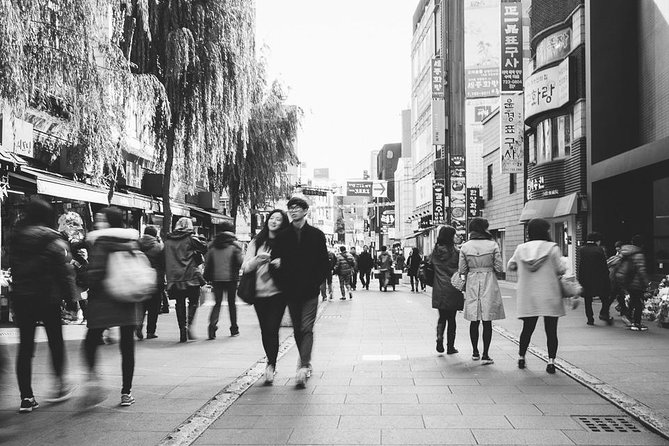
I would recommend this tour most strongly to first-time visitors who want a gentle introduction to Korean food and culture. It suits you if you enjoy walking, historic neighborhoods, seated meals, and asking questions.
It is also a good match for food enthusiasts who want to learn about fermentation, etiquette, and traditional dishes rather than only sample trendy bites. The guide’s suggestions for buying quality food products add value for anyone staying in Seoul long enough to shop and cook.
The tour may be less suitable if you want a packed market crawl, nightlife, barbecue, alcohol, or a long list of restaurants. It is also not ideal for anyone who dislikes walking or needs a fully flexible route. The physical requirement is listed as moderate, and the weather does not cancel the outing automatically.
The group limit of 12 is helpful, but this is not a private tour. A smaller group can make questions easier, while a full group may require more attention to where you stand during explanations.
The minimum booking requirement is two people. Solo visitors should contact the provider directly, and there is a possibility of cancellation if minimum numbers are not met. If that happens, you are offered an alternative or a full refund.
Free cancellation is available up to 24 hours before the 1:00 pm start time. Changes or cancellations made within 24 hours are not accepted for a refund, with cut-off times based on Seoul local time.
Should you book Traditional Gourmet?
Book it if you want one well-rounded afternoon that links Seoul’s old homes with a proper Korean meal. The best reasons are the hanok setting, the time in Bukchon, the tea and dessert finish, and a guide who can explain what you are eating.
I would skip it if your priority is a low-cost food crawl or a highly structured list of famous restaurants. At $120, the tour earns its price through the guide, lunch, cultural stops, and personal recommendations, not through sheer quantity.
For most first-time visitors who can manage moderate walking, this is a thoughtful way to get oriented. Wear good shoes, dress for the weather, request vegetarian food in advance, stay close to the guide, and arrive ready to eat a broad traditional lunch.
FAQ
Where does the tour start?
It starts at 164-6 Anguk-dong in Seoul’s Jongno District.
What time does the tour begin?
The tour starts at 1:00 pm.
How long does Traditional Gourmet last?
The experience lasts approximately three hours.
Where does the tour end?
It ends back at the starting meeting point.
Is lunch included?
Yes. Lunch includes traditional Korean dishes prepared in a traditional Korean house, or hanok.
Is tea or coffee included?
Yes. Coffee and/or tea is included.
Are alcoholic drinks included?
No. Alcoholic drinks are not included, but they are available to purchase.
Can I request vegetarian food?
Yes. A vegetarian option is available, but you should advise the provider when booking.
Just added in Seoul
- Seoul: Korean & English Language Exchange Global Party★ 5.0 · 28 reviews
- Your Personal Seoul Photographer!★ 4.1 · 15 reviews
- You’re Invited to Our Home in Seoul: The Only Cooking Class!★ 5.0 · 8 reviews
- From Seoul: Yongpyong Ski Day Tour with Transportation★ 4.9 · 40 reviews
- From Seoul: Hwacheon Ice Fishing and Lighting Festival Tour★ 4.5 · 4 reviews
- Seoul: Gangneung BTS K-Pop & K-Drama Filming Locations Tour★ 4.6 · 14 reviews
- Unique Native Experience : Han River Picnic, Board game, BBQ★ 5.0 · 3 reviews
- Seoul: Euljiro Gastroventure Tour★ 4.0 · 1 review
Seoul Tours, compared.
Best DMZ Tour Korea from Seoul (Red Suspension Bridge Optional)
Read our review →
DMZ Tour: 3rd Tunnel, Option(Suspension Bridge, Boat) from Seoul
Read our review →DMZ tour south Korea from Seoul (NK experience hall, defector)
Read our review →
Signature DMZ Tour: Exclusive Defector Talk & Suspension Bridge
Read our review →
Thrilling Korean DMZ 3rd Tunnel Tour from Seoul + Red Bridge Rush
Read our review →
DMZ Past and Present: Korean Demilitarized Zone Tour from Seoul
Read our review →