
Reviewed · TEMPLE STAYS
Danyang Tour:Guinsa Temple & Bobaljae & Ondal Park and Cave
Korea gets quiet here. This Danyang outing leaves Seoul behind for Guinsa Temple, a huge Buddhist complex tucked into forest, then continues to Bobaljae and Ondal Park. I like the mix of mountain scenery and Korean culture, and I like that round-trip transport solves a real problem: these sites are difficult to reach by public transportation from Seoul. The main caution is simple: expect plenty of walking and stairs, so this is not a soft, sit-back sightseeing day.
You also get several kinds of scenery in one trip, from autumn leaves along Bobaljae Road to the cool, enclosed passageways of Ondal Cave. Guides Yin and Michael have both been praised for being helpful, friendly, and entertaining. Still, meals and drinks are not included, and the meeting point depends on the option you book, so check those details before setting out.
In This Review
- Key points at a glance
- Why this Danyang trip works as a Seoul escape
- Guinsa Temple, Korea’s large forest temple complex
- Bobaljae Road and the observatory viewpoint
- Ondal Park and the Korea of television dramas
- Ondal Cave, a cool finish underground
- The guide can make the cultural stops clearer
- What the $98 price really covers
- Walking, meeting points, and practical planning
- Who should book this Danyang tour?
- Should you book it?
- FAQ
- Where does the Danyang tour start and finish?
- How much does the tour cost?
- What is included in the tour price?
- Are meals and drinks included?
- Which languages are available for the tour?
- Does the tour visit Guinsa Temple?
- What is special about Ondal Park?
- Is Ondal Cave part of the tour?
- How much walking is involved?
- Can the tour be canceled if too few people book?
Key points at a glance
- Guinsa Temple reaches far beyond a single shrine: You visit one of Korea’s largest temple complexes, spread through a wooded valley.
- Vegetarian temple food may be available at no extra cost: It is a useful cultural touch, though meals are officially excluded, so bring a backup snack.
- Bobaljae is best enjoyed from the road and the observatory: Autumn adds bright color to the mountain drive.
- Ondal Park brings Korean drama sets to life: You can walk through scenes linked to Korea’s ancient and Joseon-era past.
- Ondal Cave changes the pace: The underground setting offers cool air and a break from the open road.
- The $98 price pays for access and transport: It makes the most sense if you value a guided day away from Seoul and do not want to arrange several difficult connections.
Why this Danyang trip works as a Seoul escape
Danyang gives you a different view of Korea. Seoul is fast, dense, and full of polished attractions. This trip takes you into wooded country, where temples, mountain roads, historical sets, and a natural cave form the day’s main story.
I like the range. You are not spending the entire day at one monument or in one museum. Instead, the stops shift in mood. Guinsa is religious and architectural. Bobaljae is about the ride and the view. Ondal Park is more theatrical, with film sets and historical themes. Ondal Cave provides a cool, enclosed finish.
The practical advantage is just as important. These places are hard to combine by public transportation from Seoul. A private or organized round-trip transfer removes the need to study several bus routes, time transfers, and work out how to get back after visiting rural sites.
The price is $98 per person. That includes attraction admission, an English or Chinese-speaking guide, and round-trip transfers from Seoul. Meals, drinks, and personal spending are extra. For a full day outside the capital, that is a reasonable package if you would otherwise need to pay for separate transport and admissions, especially when you want explanations along the way rather than simply being dropped at each stop.
The value is weaker if you prefer independent travel, want to stay at each place for as long as you like, or already have a convenient way to reach Danyang. You are paying for ease, route planning, and a guide as much as for the sights themselves.
More Temple Visits in Seoul
- Seoul: Mt Seorak + Naksansa Temple or Nami Island Group Tour
★ 4.7 · 422 reviews - Best Things to Do – Half Day Seoul Trip (Seoul Palace & Temple)
★ 5.0 · 190 reviews - Mount Seorak and Naksansa Temple One Day Tour from Seoul
★ 4.5 · 167 reviews
Guinsa Temple, Korea’s large forest temple complex
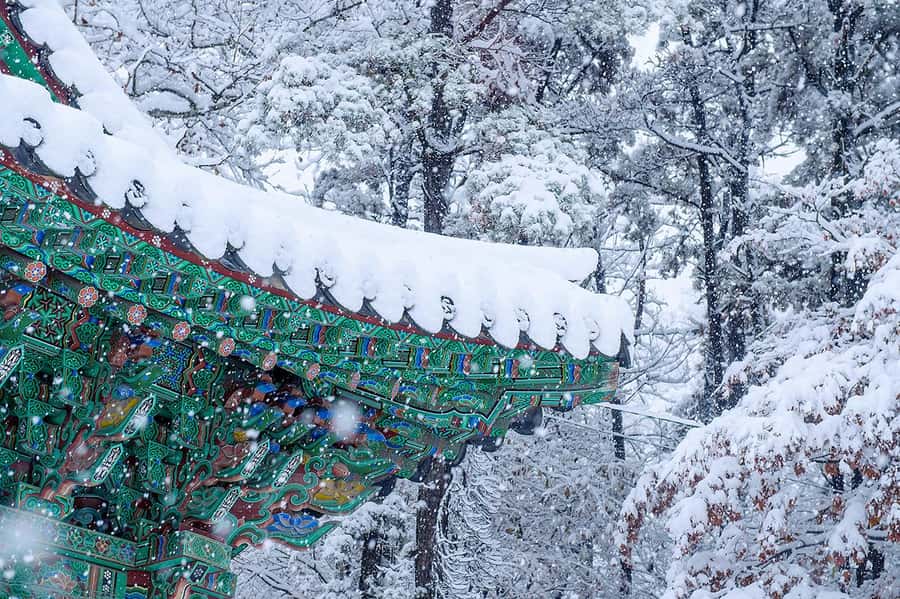
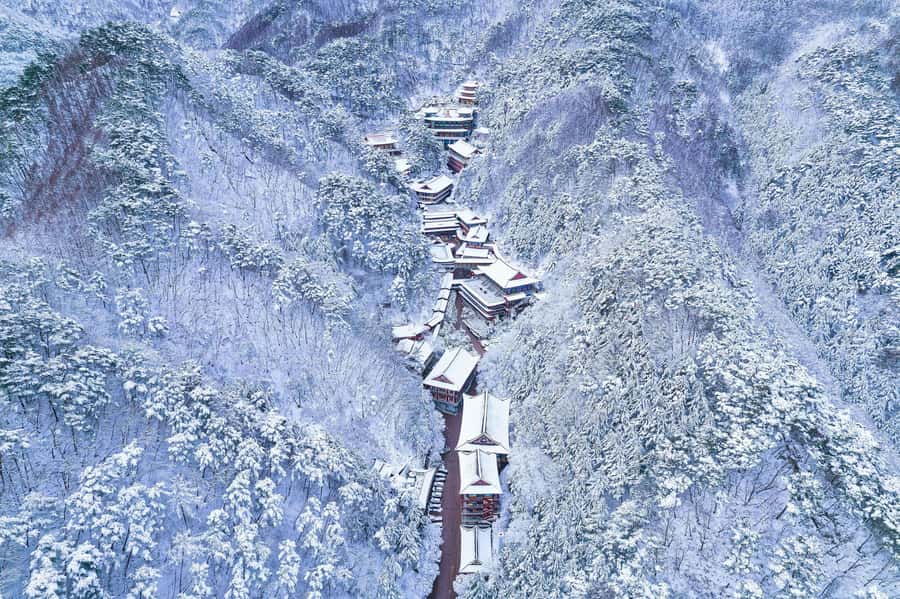
Guinsa Temple is the first major cultural stop and the trip’s most striking introduction to Danyang. It sits deep in the woods, away from the city, giving the visit a calm sense of distance. The complex is described as the largest temple in Korea, so do not picture one small pavilion beside a parking area.
The setting matters. You approach a place built for religious practice, not for quick photo stops. The forest helps soften the noise of the outside world, while the temple buildings create a strong vertical presence in the valley. You can expect to walk between buildings and viewpoints rather than see everything from one fixed spot.
This is also the stop where your guide adds real value. Buddhist sites can look beautiful without being easy to understand. An English or Chinese-speaking guide can explain what you are seeing, point out details you might otherwise pass, and place the temple within Korean religious culture.
One appealing feature is the chance to try vegetarian temple food for free. That gives you more than a meal. It offers a small look at how food fits into temple life, with a style of cooking that is connected to Buddhist practice. At the same time, the trip information says meals and beverages are not included. I would treat the temple food as an opportunity rather than a guaranteed full meal, and carry money or a snack in case you need something more.
Wear comfortable shoes here. The day includes considerable walking and stairs, and a large temple complex naturally requires more effort than a single roadside shrine. If you have trouble with inclines or extended walking, Guinsa may be the part of the tour that tests you most.
Bobaljae Road and the observatory viewpoint
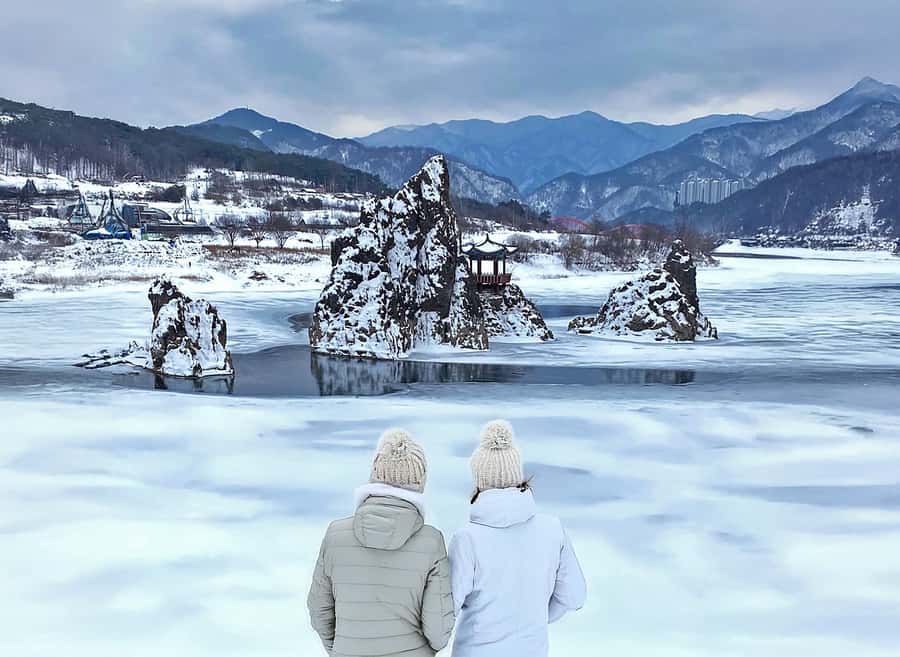
The drive to the next stop is part of the experience, not merely dead time. Bobaljae Road is especially attractive in autumn, when the route is lined with changing leaves. The tour presents this as a driving visit, with a stop at Bobaljae Observatory for photographs.
I like this portion because it slows the schedule without asking you to give up the scenery. After the stairs and buildings at Guinsa, you get to look outward. The observatory offers a chance to take in the surrounding mountain views and make photographs that show the scale of the countryside.
The best advice is to keep your camera ready but your expectations sensible. The supplied information does not promise a long hiking stop or a particular viewpoint panorama. You are visiting an observatory during a road journey, so the amount of time available may be limited by the day’s route.
Autumn is the most obvious season for color, but the tour is not limited to fall. The road still provides a change from Seoul’s streets in other seasons. If seasonal scenery is your main reason for booking, confirm the operating date and understand that leaf color cannot be guaranteed.
Ondal Park and the Korea of television dramas
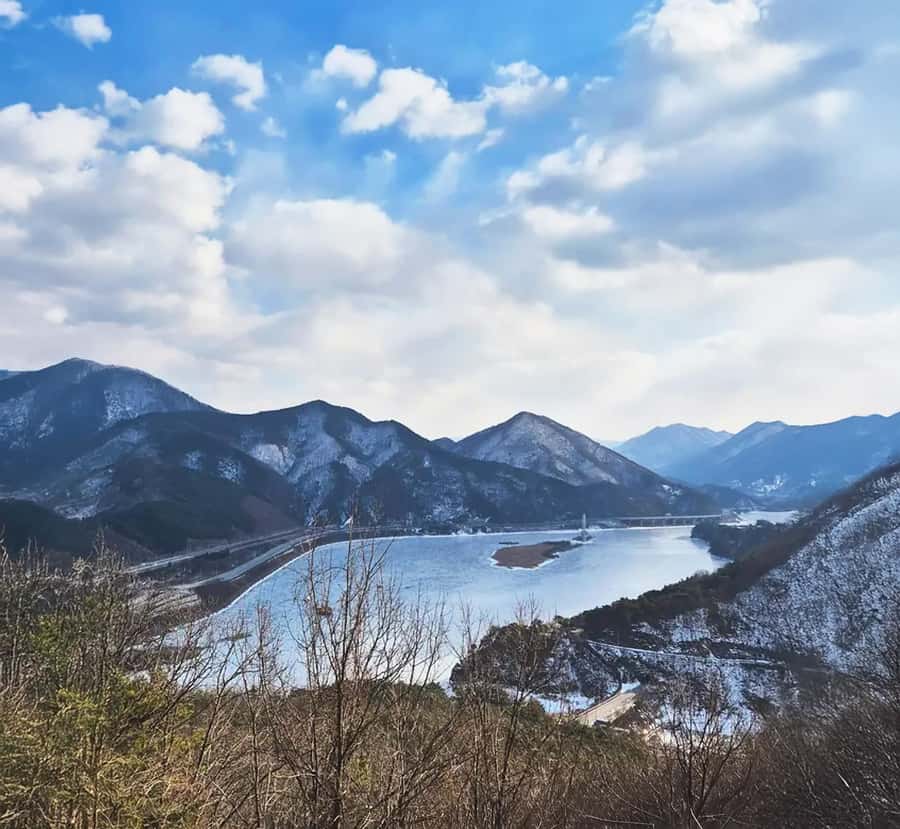
Ondal Park shifts the day from religious architecture to history presented through the world of Korean film and television. The park is known for its Korean drama film sets, giving you a chance to walk through built environments designed to represent earlier periods.
This is useful even if you are not a serious drama fan. Film sets make historical ideas easier to picture. Instead of only hearing about the ancient era or the Joseon dynasty, you see streets, buildings, and decorative details arranged to suggest those periods.
You should also know what kind of place this is. Ondal Park is not an untouched historical town. It is a purpose-built setting connected to screen productions. That is part of the fun, but it also means the experience is theatrical rather than archaeological.
I would give yourself time to look beyond the obvious photo spots. Notice how the park creates a sense of period through layout and architecture. Your guide can help connect the sets to Korean culture and history, which is particularly helpful if you do not recognize the drama references.
The park is a good fit for mixed groups. Drama fans get familiar visual settings. Families and casual sightseers get an approachable way to encounter Korea’s past. Visitors who want only authentic, original historic buildings may find the constructed sets less satisfying, but the park works well as one part of a broader day.
A completely different kind of day:
- Best DMZ Tour Korea from Seoul (Red Suspension Bridge Optional)
★ 5.0 · 41,422 reviews - DMZ Tour: 3rd Tunnel, Option(Suspension Bridge, Boat) from Seoul
★ 5.0 · 21,373 reviews - DMZ tour south Korea from Seoul (NK experience hall, defector)
★ 5.0 · 20,599 reviews - Seoul: DMZ Tour with Optional Suspension Bridge
★ 4.8 · 5,277 reviews
Ondal Cave, a cool finish underground
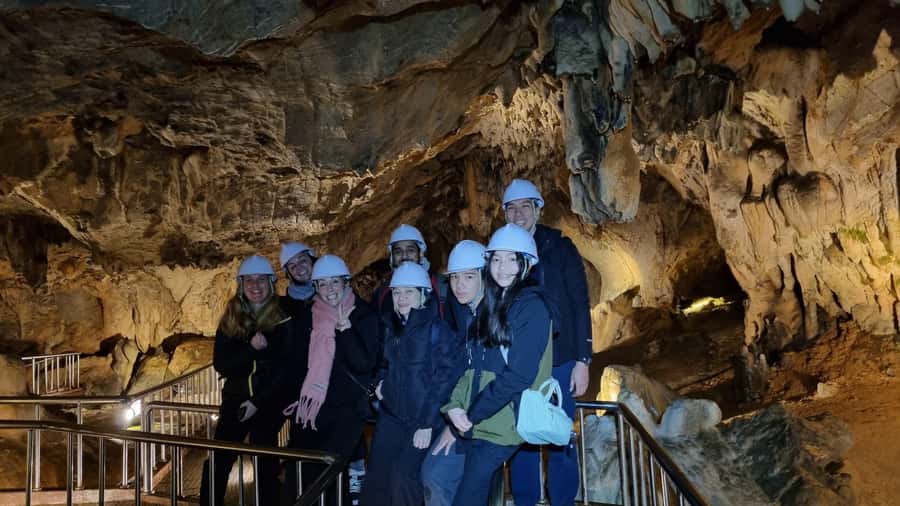
Ondal Cave provides the trip’s most unusual change of scene. After the temple grounds, mountain road, and drama sets, you head underground and walk into the cave. The attraction is presented as a chance to explore farther inside and take a break from the city.
The appeal is physical as much as visual. Cave air can feel cooler and quieter than the open road, making this a refreshing stop after a full day of sightseeing. The enclosed passages also give the trip a stronger sense of adventure without requiring a separate expedition.
You should expect uneven walking and additional stairs or narrow sections, since the tour warns that several attractions require substantial walking and stairs. The exact interior conditions are not provided, so comfortable shoes remain the safest choice.
Ondal Cave will suit you if you enjoy natural places and do not mind a less polished walking environment. If you dislike enclosed spaces or find uneven routes difficult, this may be the stop to consider carefully. You can still appreciate the park and temple, but the cave is a central part of the advertised route.
The guide can make the cultural stops clearer
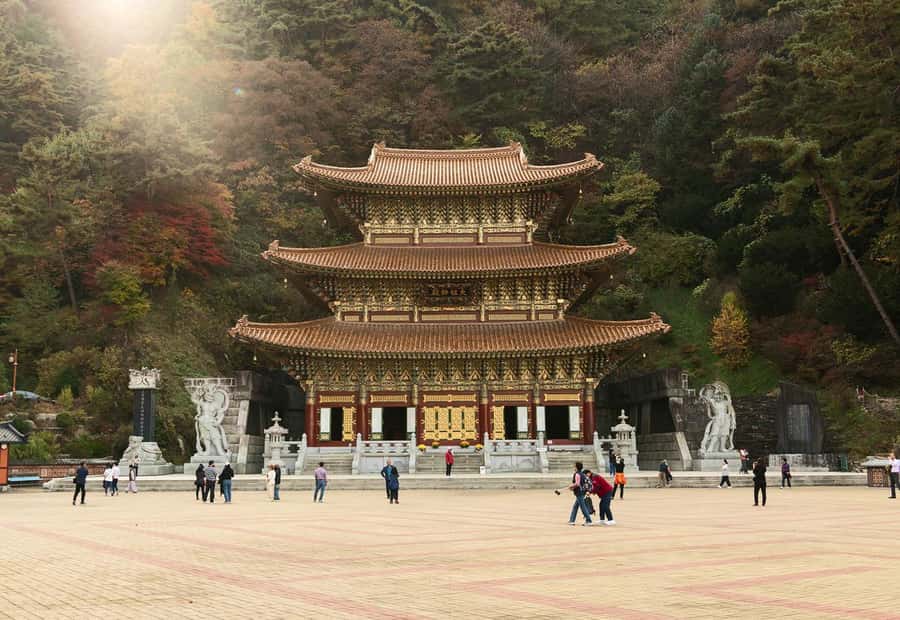
A guide is particularly useful on this outing because the stops are not all self-explanatory. Guinsa Temple has religious meaning, Ondal Park uses historical settings for drama production, and the cave adds a natural attraction. Without context, you may see a pleasant collection of sites without understanding how they fit together.
The tour offers English and Chinese guidance. Yin has been described as helpful, friendly, and well informed about the subject. Michael has been praised for being kind and funny. Those details matter because a long road day can become tiring, and a guide who explains clearly while keeping the mood light can make the transfers feel shorter.
I would still approach the guide service with realistic expectations. The experience has only a small number of published ratings, so the positive comments about Yin and Michael are encouraging but not a guarantee of who will lead your departure. The language available is English or Chinese, and the guide’s role is likely most valuable at the temple and park, where cultural explanation adds the most.
What the $98 price really covers
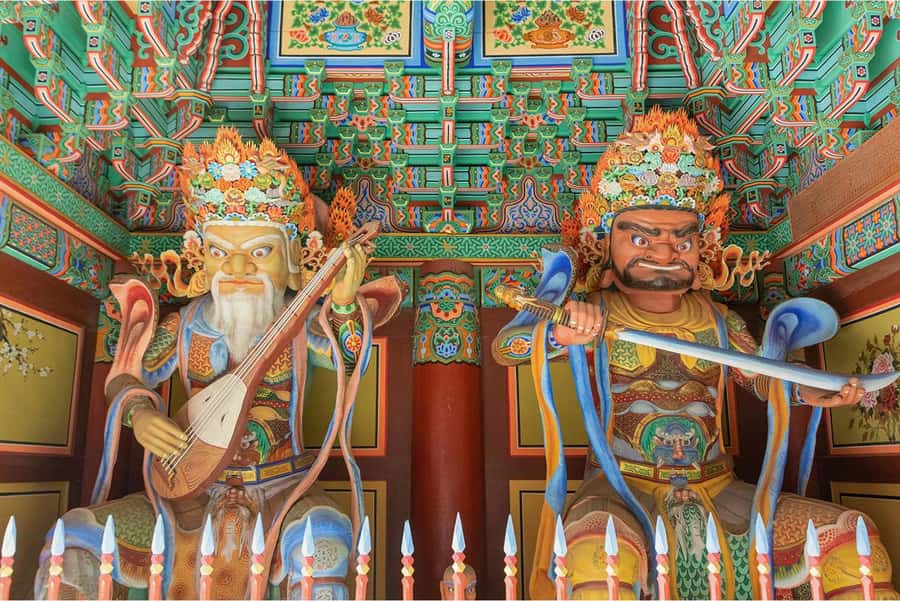
At $98, you are buying a packaged route rather than a cheap local admission ticket. The included items are:
- Admission to the attractions
- An English or Chinese-speaking guide
- Round-trip transfers from Seoul
That combination has practical value. Rural attractions can be time-consuming to reach without a vehicle, and the tour links four distinct stops in one outing. You also avoid figuring out return transport after visiting a cave and a temple in less central areas.
The exclusions are meals, beverages, and other personal expenses. Budget for food and drinks even though vegetarian temple food may be available free at Guinsa. Bring a water bottle if permitted, and do not assume every meal need is covered by the tour price.
The schedule’s exact length is not supplied, so I would not book another fixed activity close to the end of this outing. The day includes a Seoul transfer, several attractions, walking, and a mountain drive. It is better treated as a full-day commitment.
The tour needs at least four participants to operate. If that minimum is not reached 48 hours before departure, the trip can be canceled and you will be notified by email or message. That rule is worth noting if you are building a tightly timed Korea itinerary.
Walking, meeting points, and practical planning
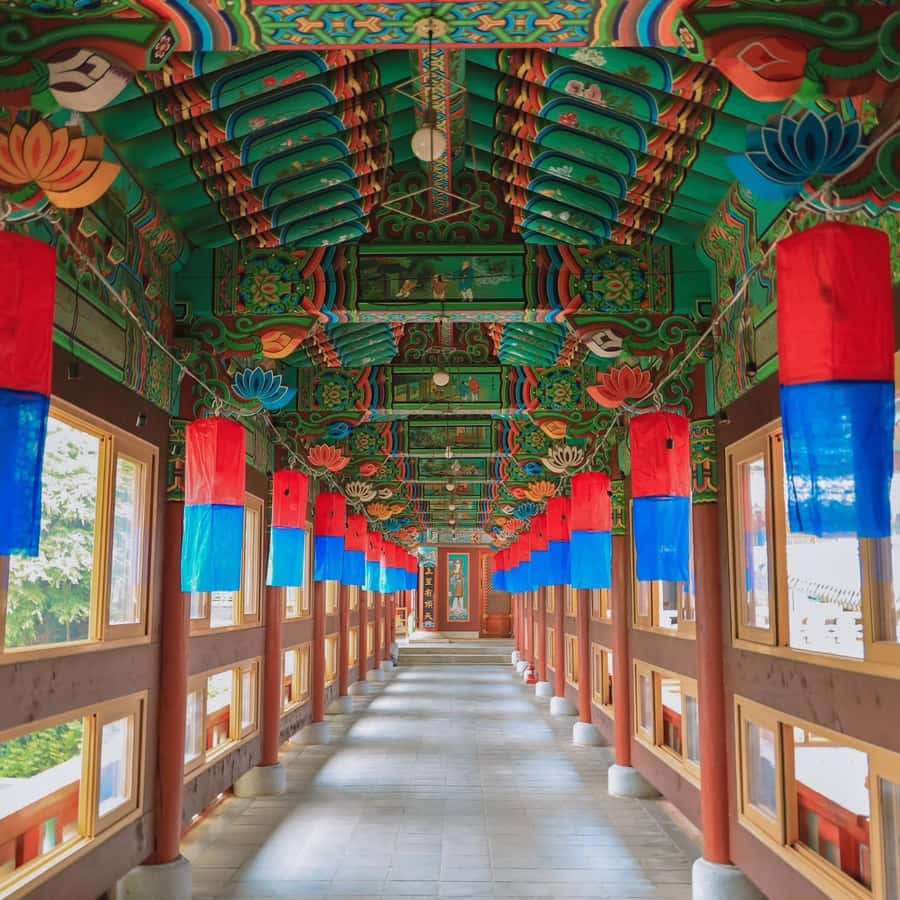
The meeting point can vary according to the option you choose, and the tour ends back at the meeting point. Check the exact pickup details at booking rather than assuming every departure leaves from the same place.
The physical demands deserve more attention than they often receive in tour descriptions. Guinsa Temple involves walking and stairs. Ondal Park also requires movement between areas, and Ondal Cave adds another active visit. Comfortable walking shoes are not just a nice extra here.
Because the itinerary moves through rural areas, bring the basics before leaving Seoul. A drink, a small snack, sun protection, and a phone with enough battery for photographs are sensible choices. These are practical suggestions rather than included services, so plan to handle them yourself.
The trip is a good match for you if you want several types of Korean scenery and culture in one organized outing. It is less suitable if you need a slow pace, dislike stairs, or want a fully independent schedule.
Who should book this Danyang tour?
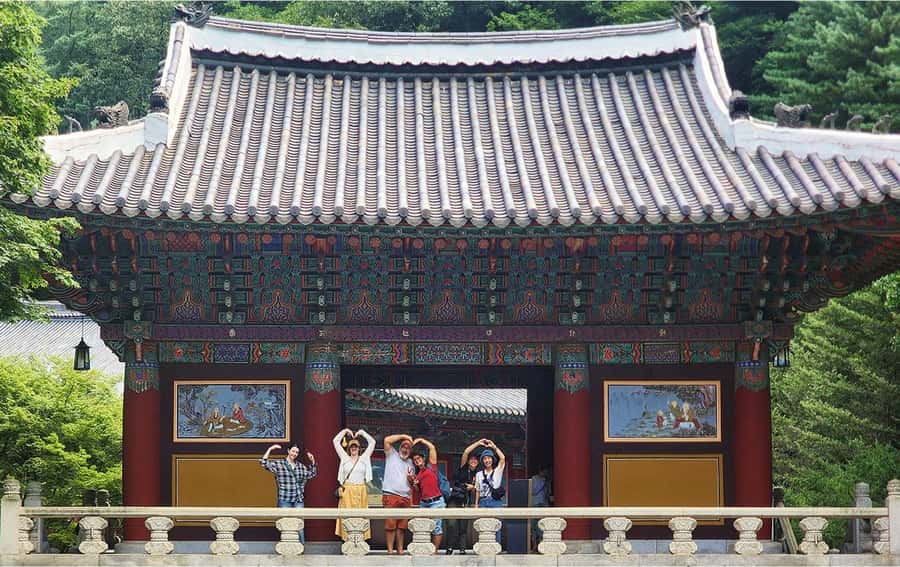
I would recommend this tour to first-time visitors who want to see beyond Seoul but do not want to rent a car or manage rural buses. It also suits anyone interested in Korean Buddhist culture, Korean drama locations, mountain roads, and natural attractions.
Families and mixed-interest groups may appreciate the variety. One person can enjoy the temple, another can focus on drama sets, and everyone gets a change of scenery at the cave and observatory.
Drama fans should pay special attention to Ondal Park, while photographers may prefer Guinsa and Bobaljae, particularly during autumn leaf season. People who enjoy quieter cultural sites will likely find Guinsa more rewarding than those seeking a fast list of famous city landmarks.
I would hesitate to recommend it to anyone with significant difficulty walking or climbing stairs. I would also think twice if your priority is spending long, unstructured time at one place. This is a connected route, and the group schedule controls the day.
Should you book it?
Book this Danyang tour if you want a guided escape from Seoul with transport handled for you. The combination of Guinsa Temple, Bobaljae, Ondal Park, and Ondal Cave gives the day a useful variety, while guides such as Yin or Michael can add personality and context.
The strongest reasons to go are the difficult public transportation, the large temple complex, the autumn road scenery, and the unusual contrast between Korean drama sets and an underground cave. The main tradeoffs are the $98 cost, extra spending for food and drinks, a variable meeting point, and the amount of walking.
If those conditions suit you, the tour offers a practical way to reach a less urban side of Korea without turning your day into a transport puzzle. Reserve and pay later if you need flexibility, and remember that cancellation is allowed up to 24 hours in advance for a full refund.
FAQ
Where does the Danyang tour start and finish?
The meeting point may vary depending on the option booked. The activity ends back at the meeting point.
How much does the tour cost?
The price is $98 per person.
What is included in the tour price?
Admission to the attractions, an English or Chinese-speaking tour guide, and round-trip transfers from Seoul are included.
Are meals and drinks included?
No. Meals and beverages are not included. You may be able to try vegetarian temple food for free at Guinsa Temple, but you should plan for your own food and drinks.
Which languages are available for the tour?
Guiding is available in English and Chinese.
Does the tour visit Guinsa Temple?
Yes. Guinsa Temple is one of the main stops and is described as the largest temple in Korea.
What is special about Ondal Park?
Ondal Park is known for its Korean drama film sets and presents cultural settings connected with Korea’s ancient era and the Joseon dynasty.
Is Ondal Cave part of the tour?
Yes. You can explore inside Ondal Cave as part of the itinerary.
How much walking is involved?
Some attractions involve considerable walking and stairs. Comfortable shoes are strongly recommended, and you should be fit enough for an active sightseeing day.
Can the tour be canceled if too few people book?
Yes. At least four participants are required for departure. If that minimum is not met 48 hours before the departure date, the tour will be canceled and you will receive an email or message notification.
Just added in Seoul
- Your Personal Seoul Photographer!★ 4.1 · 15 reviews
- You’re Invited to Our Home in Seoul: The Only Cooking Class!★ 5.0 · 8 reviews
- Seoul: Korean & English Language Exchange Global Party★ 5.0 · 28 reviews
- From Seoul: Yongpyong Ski Day Tour with Transportation★ 4.9 · 40 reviews
- From Seoul: Hwacheon Ice Fishing and Lighting Festival Tour★ 4.5 · 4 reviews
- Seoul: Gangneung BTS K-Pop & K-Drama Filming Locations Tour★ 4.6 · 14 reviews
- Unique Native Experience : Han River Picnic, Board game, BBQ★ 5.0 · 3 reviews
- Seoul: Euljiro Gastroventure Tour★ 4.0 · 1 review
Temple Stays, compared.
Mt Seorak + Naksansa Temple or Nami Island Group Tour
Read our review →
Best Things to Do – Half Day Seoul Trip (Seoul Palace & Temple)
Read our review →
Mount Seorak and Naksansa Temple One Day Tour from Seoul
Read our review →
Busan Tour: Gamcheon Village & Haedong Yonggungsa Temple + Lunch
Read our review →
UNESCO Heritage Tour Including Bulguksa Temple
Read our review →
Full Day Busan Tour Including Haedong Yonggungsa Temple
Read our review →
Private Busan tour with gamcheon culture village and the temple (Customizable)
Read our review →
Day Tour of Suwon Hwaseong Fortress Starfield Waujeongsa Temple
Read our review →Browse the lists this tour appears in