
Reviewed · DMZ TOURS
DMZTour from Seoul:3rd Tunnel,North Korea View&UNESCO Valley
History is close to Seoul. This full-day outing combines the DMZ and Third Tunnel with Jaein Waterfall in Hantan UNESCO Geopark, giving you both a serious look at Korea’s division and a welcome stretch of nature. I like the excellent mix of history and scenery, and I like that the tour includes transport, admission fees, and a professional guide. The main drawback is the early start and long day, especially since access to the DMZ can require an early queue.
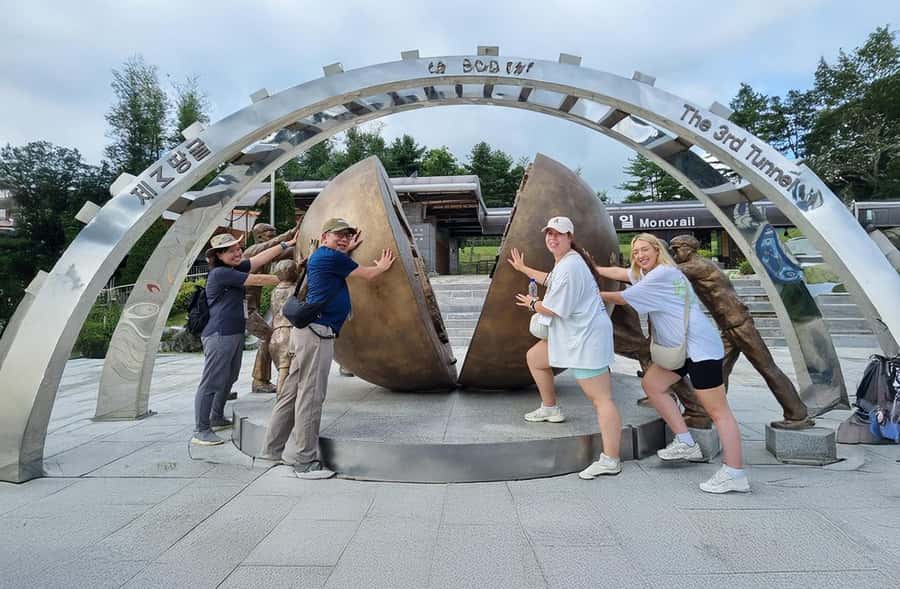
You will visit Imjingak, the Third Tunnel, Dora Observatory, Tongilchon, and Jaein Waterfall in Gyeonggi Province. Guide quality matters here, and Apollo received warm praise for making the complicated history clear, while Alex Kim was also singled out for his passion and care. The tour is offered in English, Chinese, and Korean, and costs $125 per person.
In This Review
- Key points to know before booking
- Why this tour works as a full-day Seoul outing
- The early start and controlled DMZ entry
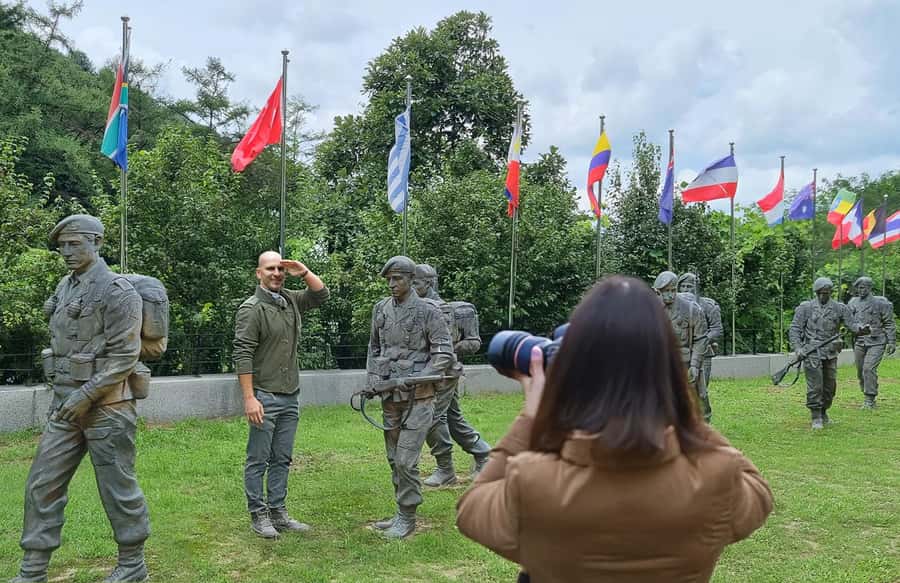
- Imjingak: monuments built around hope and separation
- Walking through the Third Tunnel
- Dora Observatory and the view toward North Korea
- Tongilchon and the wider DMZ setting
- Jaein Waterfall in Hantan UNESCO Geopark
- How much value do you get for $125?
- Who should book this DMZ and waterfall tour?
- Booking details that affect your day
- Should you book it?
- FAQ
- Where does this DMZ tour take place?
- What sites are included?
- Can I see North Korea on this tour?
- Do I walk through the Third Tunnel?
- Is Jaein Waterfall part of a UNESCO site?
- Is transportation included?
- Is lunch included in the price?
- What passport information is required?
- What languages are available?
Key points to know before booking
- The 6 a.m. start can protect your DMZ visit: Access is controlled, with only 1,000 people allowed at a time according to the tour experience, so an early queue may prevent a long delay.
- The Third Tunnel is physical: You walk underground through a passage built by North Korea, so this stop feels more active than a standard museum visit.
- Dora Observatory gives you a direct North Korea view: The scene is both scenic and sobering, with the border’s political reality in plain sight.
- Jaein Waterfall changes the mood of the day: Hantan UNESCO Geopark brings forests, rock scenery, a waterfall, and a suspension bridge after the intense DMZ stops.
- Lunch is not included: Bring money for food and expect personal purchases to be separate from the $125 tour price.
- Passport details are required: Every participant must provide a name, passport number, date of birth, and gender for DMZ entry.
Why this tour works as a full-day Seoul outing
The DMZ can feel abstract when you first hear about it. On a map, it is simply a strip of land between two countries. At the sites themselves, the subject becomes more understandable through monuments, viewpoints, military history, and the very specific experience of walking through a tunnel dug for an invasion route.
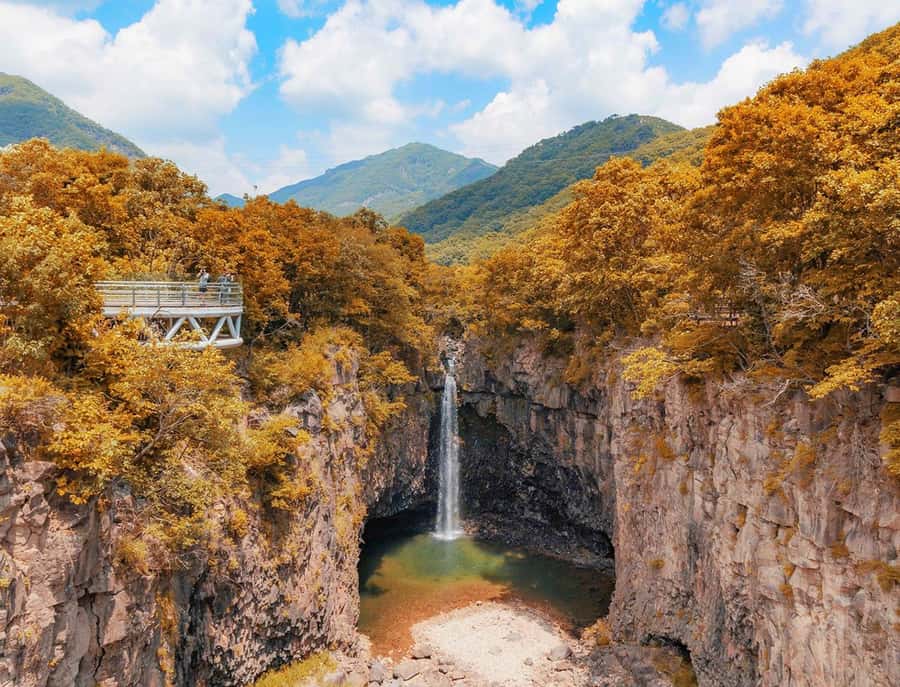
This tour adds something many DMZ outings do not: a visit to Jaein Waterfall in Hantan UNESCO Geopark. That matters because the DMZ portion is emotionally heavy and visually restrained. The waterfall offers a different kind of Korean scenery, with forest, cliffs, water, and a suspension bridge.
I see the combination as the tour’s best feature. You get a thoughtful history day, but you are not asked to spend every hour looking at fences and military installations. The day has contrast, and that makes each side more memorable.
The price is $125 per person. That is not a budget outing, but round-trip transportation, attraction admission, and a professional guide are included. With several controlled-access DMZ sites, transport from Seoul, and the added UNESCO Geopark visit, the price can be fair for you if you want one organized day rather than arranging several separate trips.
More DMZ tours:
- Best DMZ Tour Korea from Seoul (Red Suspension Bridge Optional)
★ 5.0 · 41,422 reviews - DMZ Tour: 3rd Tunnel, Option(Suspension Bridge, Boat) from Seoul
★ 5.0 · 21,373 reviews - DMZ tour south Korea from Seoul (NK experience hall, defector)
★ 5.0 · 20,599 reviews
The early start and controlled DMZ entry
Do not treat the early departure as a minor detail. One tour day began at 6 a.m., and the reason was practical: DMZ entry is controlled, with only 1,000 people allowed in at one time according to the information provided for the experience.
Your guide may need to queue early for tickets or entry access. If you arrive later, you could face a long wait or a delayed visit. That is not the most glamorous part of the day, but it is one of the reasons the early start makes sense.
The exact meeting point depends on the option you book, so check your confirmation carefully. The tour finishes back at the meeting point, and round-trip transport is included. Since the day reaches several sites outside Seoul, having transport arranged is a major part of the value.
I would eat something before leaving or carry a small snack. Lunch is not included, and the day can be long. You should also keep your passport information ready when booking, since the operator needs each participant’s full name, passport number, date of birth, and gender for DMZ access.
Imjingak: monuments built around hope and separation

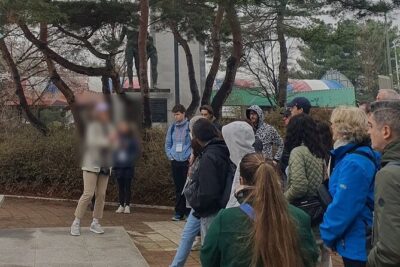
Imjingak is a useful first stop because it introduces the human side of the division. It is not only a place to look toward the border. It contains monuments and reminders connected with peace, separation, and the hope of future unification.
This is a good place for photographs, but I would give the memorials more attention than a quick photo stop. The images and structures here help you understand that the division is not an old event sealed away in a textbook. Families were separated, lives changed, and the idea of reunification remains part of Korean public life.
Your guide is especially important at Imjingak. Without explanation, some monuments may look symbolic but unclear. With context, they become easier to read. Apollo was praised for making the day engaging, while Alex Kim was appreciated for his passion and effort as a host. Guide quality can make a real difference on a history-focused trip like this.
You will also find that the mood here is different from a regular sightseeing attraction. There is room for memorable photography, but the setting calls for some respect and quiet attention. I like that the tour presents Imjingak as a place connected to hope rather than only fear.
Walking through the Third Tunnel
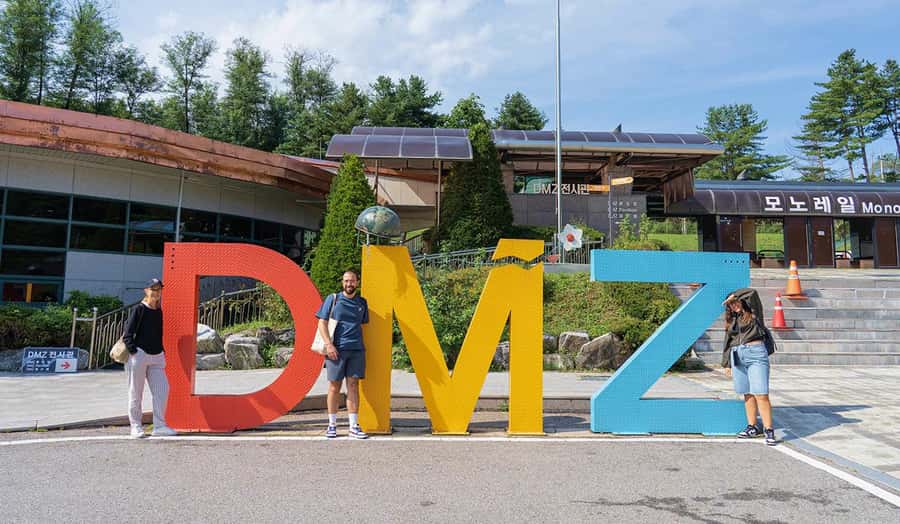
The Third Tunnel is the most physical part of the DMZ visit. It is an underground passage dug by North Korea and later discovered by South Korea. Walking through it gives you a direct sense of the scale and purpose of the tunnel in a way that a display panel cannot.
This is not simply a room with a sign explaining what happened. You go below ground and follow the route. The experience gives you a stronger feeling for the effort involved in building the passage and the security concerns it created.
You should expect the tunnel to require walking, and it may feel more demanding than the observatories and monuments. The supplied information does not specify the exact length or accessibility arrangements, so you should be prepared for an active visit rather than assume every part is easy.
For me, this is likely to be the DMZ stop with the clearest physical impact. You are not just hearing about military planning. You are standing inside a structure connected with the conflict and the continuing division of the peninsula.
Listen closely to your guide here. The tunnel’s importance depends on understanding why it was built and what it revealed. Apollo’s ability to explain the history was a major strength on one tour, and this is the kind of stop where a clear local explanation adds real value.
More UNESCO sites in Seoul:
- Day Trip to UNESCO: Suwon Fortress Adventure from Seoul
★ 5.0 · 56 reviews - DMZ Tour, 2nd Tunnel & UNESCO Suspension Bridge Tour from Seoul
★ 5.0 · 48 reviews - Namhansanseong UNESCO Historical Sites and Korean Folk Village-Private Tour
★ 5.0 · 29 reviews - Andong Hahoe Village [UNESCO site] Premium Private Tour from Seoul
★ 5.0 · 24 reviews
Dora Observatory and the view toward North Korea
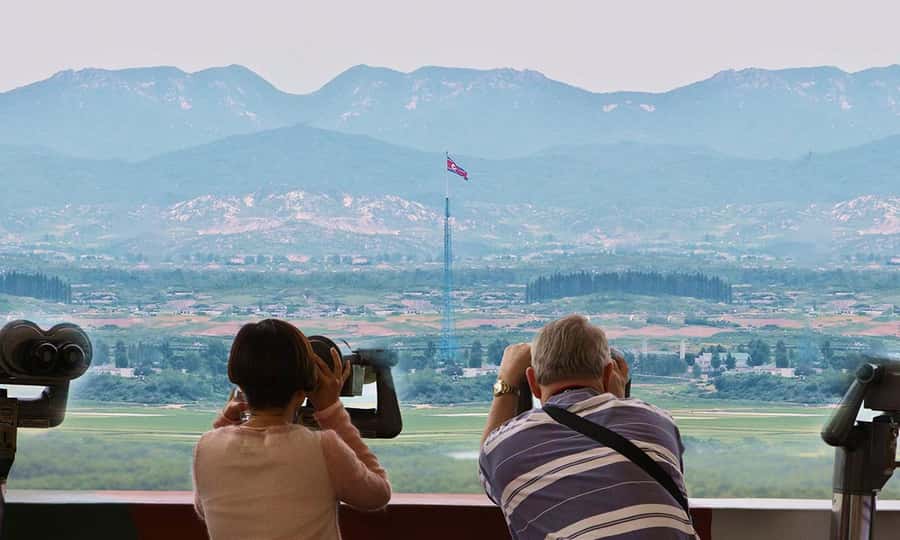
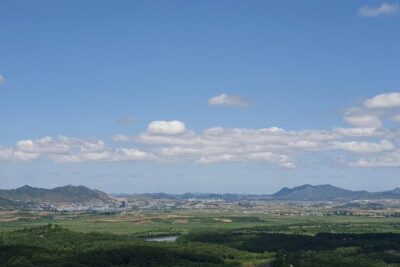
Dora Observatory offers the view most people picture when they imagine a DMZ tour. You look across the border toward North Korea, taking in the broad scene while knowing that the boundary is not an ordinary international frontier.
The view can be scenic, but the emotional effect comes from the contrast. From the observation point, you may see a peaceful-looking area, yet the political and military separation remains very real. That tension is what makes the stop worth your time.
Keep your expectations sensible. A view of North Korea is not the same as entering the country or seeing daily life in close detail. Weather, distance, and visibility will affect what you can make out. The value is in the viewpoint and the explanation, not in expecting a dramatic close-up.
I like Dora Observatory as a pause between the more concrete stops. After walking through the Third Tunnel, you are given time to look outward and connect the underground military story with the geography above. The experience works best when you slow down instead of treating the observatory as a quick camera stop.
Tongilchon and the wider DMZ setting
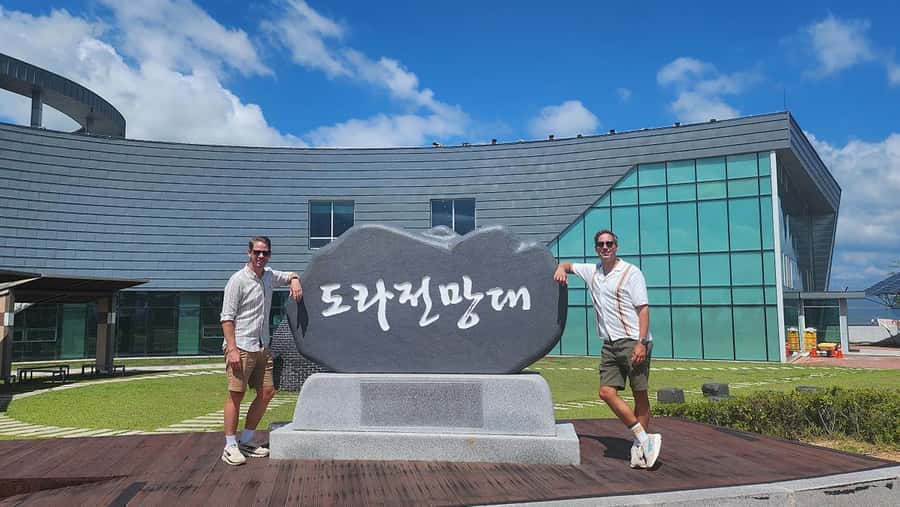
Tongilchon is included among the tour’s key locations. Together with Imjingak, the tunnel, and Dora Observatory, it helps create a broader picture of life and movement around the border area.
The tour information does not provide a detailed list of every activity at Tongilchon, so I would not book this outing expecting a long independent visit there. Think of it as one part of a guided route through a restricted and historically important region.
That guided format is useful because DMZ access is not the same as visiting an ordinary public attraction. Rules, entry procedures, and schedules can affect the day. Your guide helps keep the visit moving and explains what you are seeing as you go.
The DMZ itself may not look dramatic at every moment. One visitor described it plainly as a strip of land between two countries, but also found the history fascinating and the Third Tunnel especially revealing. That is a fair way to approach the day. The power comes from context, not constant visual spectacle.
Jaein Waterfall in Hantan UNESCO Geopark
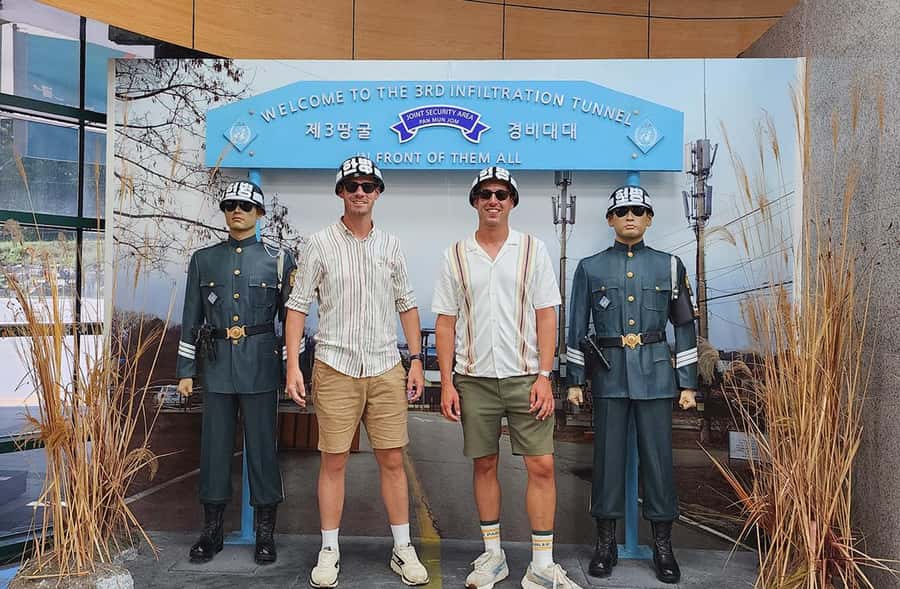
Jaein Waterfall gives the tour a strong second half. Located in Hantan UNESCO Geopark, it brings you into a natural setting with forest, rock scenery, water, and walking trails.
The waterfall is promoted as a peaceful break from Seoul, and that description fits the role it plays in the day. After the serious border sites, you can enjoy fresh views, take photographs, and spend time outdoors without the same political weight.
You may walk along scenic trails to reach viewpoints around the waterfall. The tour also includes a suspension bridge, which adds a little excitement to the nature stop. It is a useful detail for you if you want more than a roadside viewpoint, though the available information does not give the exact walking distance or bridge length.
The UNESCO designation gives this stop added significance. You are not simply adding a waterfall to a military tour. You are visiting a protected geological area with its own natural value. The contrast between the man-made tunnel and the forces that shaped the gorge and waterfall makes the day feel more varied.
Weather can affect the experience. One especially successful visit had bright sunshine, which made the waterfall and surrounding scenery particularly photogenic. You should still expect the natural portion to depend on conditions, trail surfaces, and the amount of time available after the DMZ schedule.
How much value do you get for $125?
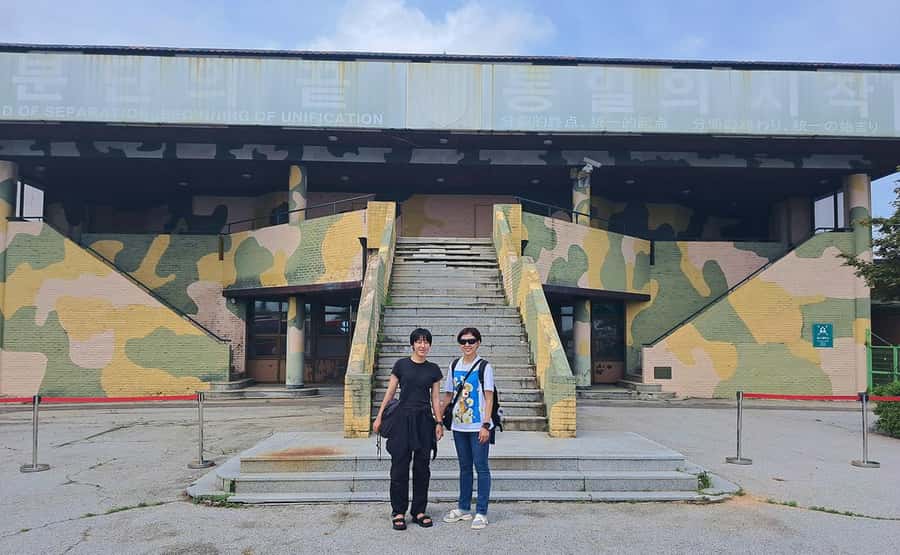
At $125, this is best judged as a guided, transport-inclusive day rather than as a collection of entrance tickets. You are paying for round-trip travel from Seoul, admission to the listed attractions, and a guide who can handle the unusual access rules of the DMZ.
The included transport matters because the route combines several locations in Gyeonggi Province. A self-planned day would require you to coordinate transport and entry arrangements, and DMZ access is not as flexible as ordinary sightseeing.
The guide is another important part of the calculation. The best moments of the day depend on explanation: why Imjingak’s monuments matter, what the Third Tunnel reveals, and how to understand the view from Dora Observatory. Alex Kim and Apollo were both praised for making the trip personal and informative, which is exactly what you want from this type of outing.
Lunch and personal expenses are extra. That is normal for a full-day tour, but you should budget for food rather than assume the $125 covers everything. The booking terms also allow you to reserve and pay later, and cancellation is available up to 24 hours in advance for a full refund.
Who should book this DMZ and waterfall tour?
I would recommend this tour to you if you want a structured introduction to the Korean Demilitarized Zone and prefer having the history explained as you go. It is also a good fit if you want to add a genuine nature stop rather than spend the entire day at military and memorial sites.
The tour suits people who appreciate a long day with several distinct stops. You should be comfortable with an early departure, walking at the Third Tunnel, and a schedule shaped by DMZ security procedures.
Families and mixed-interest groups may appreciate the balance. One person can focus on modern Korean history while another enjoys the waterfall and suspension bridge. The outdoor portion also gives children or less history-focused companions something active to look forward to, though the full day may still feel tiring.
I would think twice if you dislike early starts, controlled schedules, or guided group travel. The DMZ cannot be treated like a flexible independent attraction, and the day may involve waiting or changes caused by entry limits. If you want a relaxed waterfall visit with no historical focus, this is also more tour than you need.
Booking details that affect your day
The tour is offered in English, Chinese, and Korean. Check which language and meeting-point option you select, since meeting points can vary by booking choice.
You must provide every participant’s name, passport number, date of birth, and gender. This is required for entry into the DMZ, so do not wait until the morning of the tour to gather those details.
Wear practical clothes and shoes for the Third Tunnel and the waterfall trails. The tour information does not specify a dress code, but an underground walk and outdoor paths call for comfort rather than city sightseeing clothes.
Plan for a long day away from Seoul. You should eat before departure, carry funds for lunch and personal purchases, and keep your camera ready for both the North Korea viewpoint and Jaein Waterfall.
Should you book it?
Book this tour if you want the DMZ explained clearly and like the idea of pairing difficult history with a scenic UNESCO Geopark stop. The strongest reasons to choose it are the Third Tunnel, Dora Observatory, the chance to see monuments at Imjingak, and the added waterfall and suspension bridge.
The tradeoff is time. You may start around 6 a.m., spend part of the day dealing with controlled access, and return after a long schedule. For $125, the combination of transport, admission, and a guide makes sense when you value convenience and context.
If you can handle the early start, this is a thoughtful way to see two very different sides of Gyeonggi Province: a divided border shaped by modern conflict, and a UNESCO-recognized natural area shaped by water and stone.
FAQ
Where does this DMZ tour take place?
The tour takes place in Gyeonggi Province, South Korea, with visits to DMZ sites and Jaein Waterfall in Hantan UNESCO Geopark.
What sites are included?
The route includes the DMZ, Imjingak, the Third Tunnel, Dora Observatory, Tongilchon, and Jaein Waterfall.
Can I see North Korea on this tour?
Yes. Dora Observatory provides views toward North Korea, although visibility can depend on conditions and distance.
Do I walk through the Third Tunnel?
Yes. The experience includes a visit through the Third Tunnel, an underground passage dug by North Korea.
Is Jaein Waterfall part of a UNESCO site?
Yes. Jaein Waterfall is located within Hantan UNESCO Geopark.
Is transportation included?
Yes. Round-trip transportation is included, and the tour ends back at the meeting point.
Is lunch included in the price?
No. Lunch expenses are not included, so you should budget separately for food.
What passport information is required?
The operator needs each participant’s name, passport number, date of birth, and gender for DMZ entry.
What languages are available?
The tour is available in English, Chinese, and Korean.
Just added in Seoul
- Your Personal Seoul Photographer!★ 4.1 · 15 reviews
- You’re Invited to Our Home in Seoul: The Only Cooking Class!★ 5.0 · 8 reviews
- Seoul: Korean & English Language Exchange Global Party★ 5.0 · 28 reviews
- From Seoul: Yongpyong Ski Day Tour with Transportation★ 4.9 · 40 reviews
- From Seoul: Hwacheon Ice Fishing and Lighting Festival Tour★ 4.5 · 4 reviews
- Seoul: Gangneung BTS K-Pop & K-Drama Filming Locations Tour★ 4.6 · 14 reviews
- Unique Native Experience : Han River Picnic, Board game, BBQ★ 5.0 · 3 reviews
- Seoul: Euljiro Gastroventure Tour★ 4.0 · 1 review
DMZ Tours, compared.
Best DMZ Tour Korea from Seoul (Red Suspension Bridge Optional)
Read our review →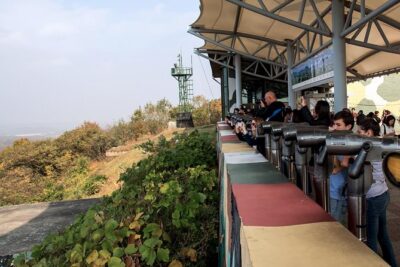
DMZ Tour: 3rd Tunnel, Option(Suspension Bridge, Boat) from Seoul
Read our review →DMZ tour south Korea from Seoul (NK experience hall, defector)
Read our review →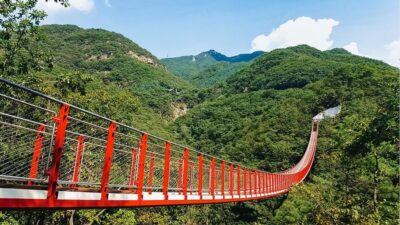
DMZ Insider Tour: 3rd Tunnel, NK Defector Meet & Red Bridge
Read our review →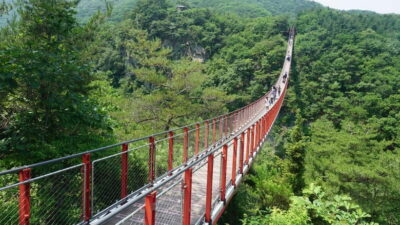
Signature DMZ Tour: Exclusive Defector Talk & Suspension Bridge
Read our review →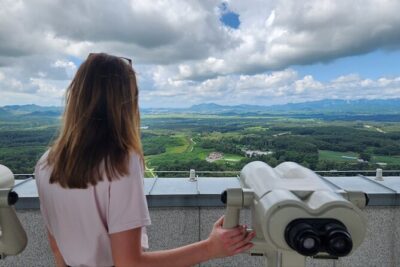
Thrilling Korean DMZ 3rd Tunnel Tour from Seoul + Red Bridge Rush
Read our review →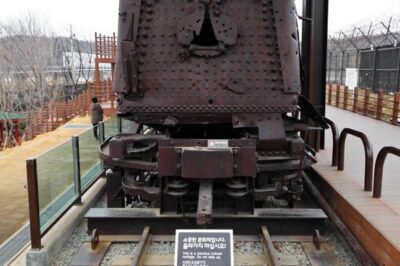
DMZ Past and Present: Korean Demilitarized Zone Tour from Seoul
Read our review →Browse the lists this tour appears in