
Reviewed · HANOK VILLAGE TOURS
Gwangyang Maewha Flower and Jeonju Hanok Village 1 day trip from Seoul
Spring comes in white here. This long day trip links Gwangyang Maehwa Village with Jeonju’s traditional streets, giving you two very different views of Korean culture beyond Seoul. I like the rare chance to see a plum-growing village at its seasonal peak, and I like having comfortable, air-conditioned transport between far-flung sights. The main drawback is the length: at roughly 15 to 16 hours, this is a serious day on the road.
I also like the freedom built into the stops. You have about three hours and 20 minutes in Gwangyang, then two hours and 20 minutes in Jeonju, with meals, snacks, and hanbok rental left to your own choices. That independence is useful, but you should not expect a tightly guided sightseeing program or included food.
In This Review
- Key points to know before booking
- Why this spring trip is worth the long day
- Gwangyang Maehwa Village, three hours and 20 minutes among the blossoms
- Jeonju Hanok Village, two hours and 20 minutes of old roofs and local food
- What the $66.96 price really covers
- The guide can make a shared road trip better
- The pace, comfort, and practical tradeoffs
- Who should book this experience
- Cancellation and booking details
- Should you book the Gwangyang and Jeonju day trip?
- FAQ
- How long does the tour last?
- How much does the tour cost?
- What time of year is the tour available?
- How long do you spend in Gwangyang Maehwa Village?
- How long do you spend in Jeonju Hanok Village?
- Are entrance tickets included?
- Are meals included?
- Is transportation provided?
- Is an English-speaking guide included?
- Can I cancel for a full refund?
Key points to know before booking
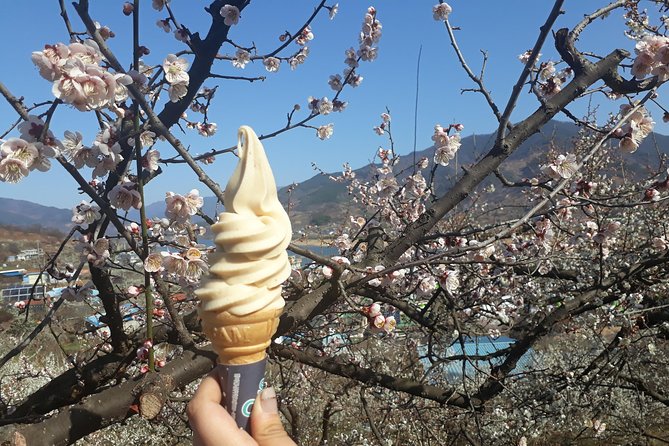
- Plum blossoms are the star: Gwangyang’s Seomjin Village is covered with white plum flowers during the March festival period.
- Two very different stops: You move from farmland along the Seomjingang River to a historic district with more than 800 traditional hanok houses.
- A long but efficient outing: The tour lasts about 15 to 16 hours, making it a practical way to reach southern Korea without arranging trains, buses, and local transport yourself.
- Free time shapes the day: Entrance is included, but meals and optional hanbok rental cost extra.
- The season matters: Cold or warm weather can make the flowers bloom less fully or fade before your visit.
- Guide help can add value: Guides Leo and Luke received praise for being helpful, punctual, informative, and good at pointing out food and photo locations.
Why this spring trip is worth the long day
Seoul gives you palaces, shopping streets, museums, and modern city life. Gwangyang and Jeonju give you something else: a look at Korea’s countryside and traditional neighborhoods in one outing.
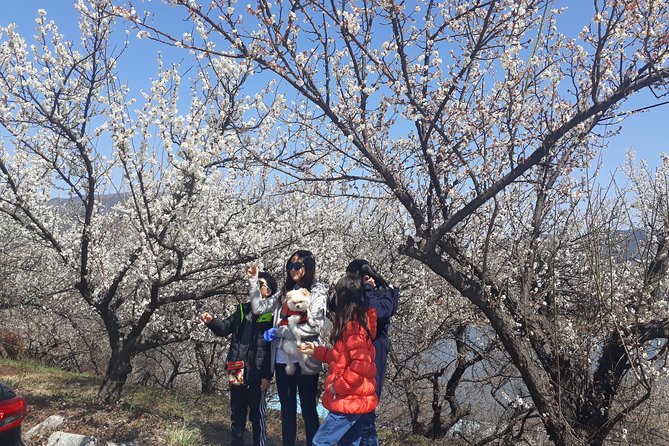
The timing is the key. Gwangyang Maehwa Village is not simply a garden with a few ornamental trees. Plum trees are planted across the farmland, replacing many ordinary crops. In March, the branches fill with pale flowers that can make the village look dusted with snow. By June, those same trees produce plums.
That seasonal change gives the visit a clear purpose. You are not going to Gwangyang at any random time of year and hoping for a pleasant walk. You are going during the annual Plum Blossom Festival, when the flowers are expected to be at their best. Still, nature keeps its own schedule. The flowers may open late, fade early, or appear less full because of the weather on your date.
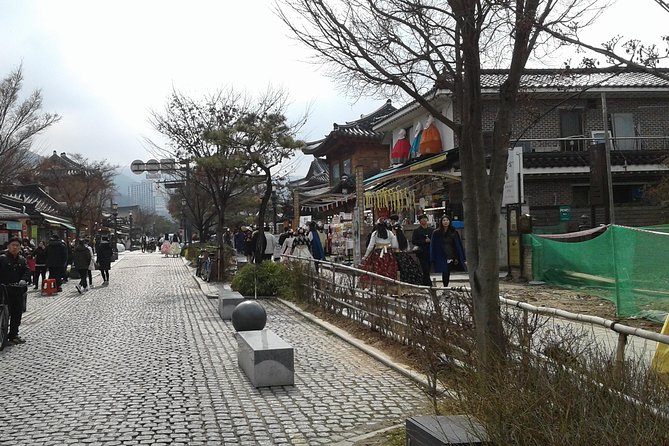
The second stop changes the mood completely. Jeonju Hanok Village is an urban historic area with more than 800 traditional Korean houses. Its curved and slightly raised roof edges give the district a distinct appearance, and its streets offer food, snacks, and opportunities to rent a hanbok.
I like this pairing because neither stop feels like a repeat of the other. Gwangyang is about seasonal scenery and rural Korea. Jeonju is about architecture, food, clothing, and Joseon-era traditions. You get flowers in the morning and old-style rooftops later in the day.
More Day Trips in Seoul
- Mt. Seorak+Nami Island+Garden of Morning Calm Day Trip from Seoul
★ 5.0 · 959 reviews - Seoul: Gangwon-do Day Trip with Alpaca World & Nami Island
★ 4.7 · 581 reviews - Day Trip to Nami Island with Rail bike and The Garden of Morning Calm
★ 4.5 · 459 reviews
Gwangyang Maehwa Village, three hours and 20 minutes among the blossoms
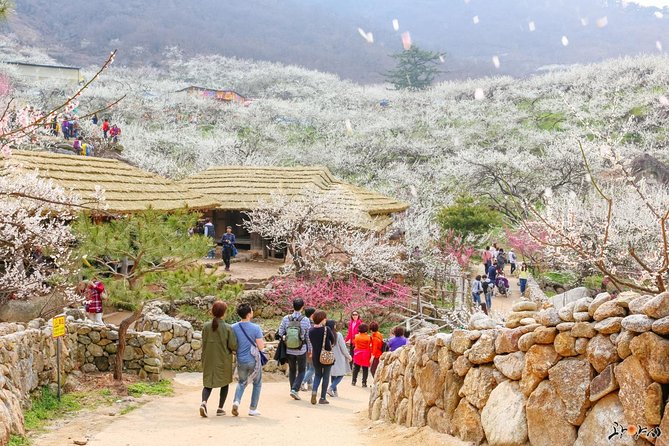
The first major stop is Seomjin Village, also known as Maehwa Village. It follows the Seomjingang River near Jirisan Mountain, in a setting shaped by plum cultivation.
Your three hours and 20 minutes here should give you time to walk through the village at an easy pace. The tour includes entrance, so you can focus on the scenery instead of handling another admission purchase. The most appealing part is the scale of the planting. Plum trees cover the farmlands, creating broad areas of white rather than a single concentrated flower display.
This is a place for slow looking. The branches, river setting, and village paths make a better experience than rushing from one photo spot to the next. You might find the most rewarding views along the walking routes through the trees, although the supplied details do not identify a specific trail or viewpoint.
The visit also gives you a small lesson in local agriculture. These trees are not planted only for decoration. The village grows them as a crop, and the flowers are followed by ripe plums in June. That connection between the pretty spring scene and the later harvest makes the place more meaningful than a standard flower park.
The timing can also bring crowds because the annual festival takes place in March. The group size may reach 100 people, though the exact vehicle and operating arrangement can change depending on how many people book. You should be ready for a shared excursion rather than a private countryside walk.
A practical point: wear shoes suitable for walking and expect the weather to matter. The tour information confirms that bloom conditions can vary, but it does not provide a guaranteed peak-bloom date. If flowers are your main reason for booking, accept some seasonal risk.
Jeonju Hanok Village, two hours and 20 minutes of old roofs and local food
After Gwangyang, the tour continues to Jeonju Hanok Village. With more than 800 traditional homes, this is a sizeable historic district rather than a single preserved building.
The hanok houses are the visual draw. Traditional roofs curve upward at the edges, creating a distinctive outline that you will notice as you walk. The district retains older architectural character while also offering plenty of places to eat and browse.
Your two hours and 20 minutes here is enough for a purposeful visit, but not for every possible activity. You can walk through the streets, look at the houses, stop for food, and consider renting a hanbok. Since meals are not included, you control both the menu and the cost.
Food is an important part of the Jeonju stop. Local choices listed for the area include bibimbap, dduck galbi, and noodles. You can also find snacks such as ice cream, Jeonju Choco Pie, and cheese chicken barbecue. These options make the stop flexible: you might choose a proper meal, a few small bites, or simply spend the time walking.
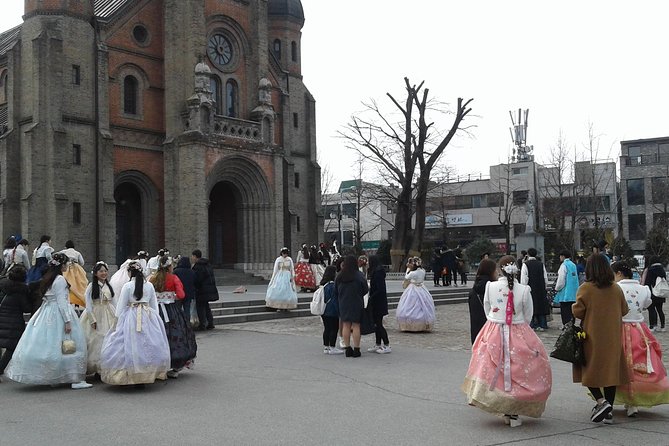
Hanbok rental adds another layer to the visit. Wearing traditional clothing while walking among the hanok houses can make the setting feel more connected to Joseon-era culture. The tour does not include the rental, and no price or rental duration is provided, so you should treat it as an optional extra rather than part of the base cost.
The limited time here requires a little discipline. If you stop for a full meal, browse shops, rent clothing, and take photos, the clock will move quickly. I would decide ahead of time what matters most to you. If architecture is the priority, start with a walk. If food is the priority, make your meal choice early. If you want a hanbok, ask about rental arrangements soon after arrival.
What the $66.96 price really covers
At $66.96 per person, this is a strong value if you want both destinations and do not want to arrange the long-distance transport yourself.
The price includes an air-conditioned vehicle, round-trip transportation from Seoul, transportation between the two attractions, an English-speaking staff member who serves as the driver, and entrance tickets. Those inclusions matter because Gwangyang is far from Seoul, and combining it with Jeonju would require careful planning on your own.
The price does not include meals. That is normal for a full-day sightseeing trip, and it lets you choose how much to spend in Jeonju. Still, you should budget separately for food and any hanbok rental.
The real tradeoff is time, not admission cost. You spend roughly 15 to 16 hours away from Seoul, with only about five hours and 40 minutes allocated to the two main stops. Much of the day is necessarily devoted to getting between places. If you want a relaxed, deeply detailed visit to either Gwangyang or Jeonju, an overnight stay would give you more breathing room.
If your goal is to sample both places in a single spring day, the tour offers good practical value. You pay for convenience, not just sightseeing. The vehicle removes the need to coordinate multiple transport connections, and the included entrance fees keep the basic cost clear.
More Hanok Village Tours in Jeonju
- Maisan Cherry Blossom and Jeonju Hanok Village
★ 5.0 · 8 reviews - Jeonju Hanok Stay & Mt. Jiri Hiking from Seoul
★ 5.0 · 6 reviews - Private Jeonju Hanok Village – Culinary tour
★ 5.0 · 4 reviews - Seoul: Maisan Cherry Blossom and Jeonju Hanok Day Tour
★ 4.7 · 3 reviews
The guide can make a shared road trip better
The experience includes an English-speaking driver rather than a separate full-time guide, so you should keep your expectations realistic. The exact level of commentary can depend on the person assigned and the group schedule.
The available feedback gives two useful names. Leo was praised for being fun, informative, and helpful during the plum blossom and Jeonju visit. Luke was described as punctual and especially useful for suggestions about popular food and good photo locations during the Gwangyang festival trip.
Those details point to the kind of help that can improve this outing. A timely departure matters on a day with two major stops. Advice about where to eat in Jeonju can save part of your short free period. Photo suggestions can also help when the flower village is busy.
The group limit is listed as 100 people, so the tour can be large. The vehicle type may change based on the number of participants. That flexibility helps the operator run the trip, but it means you should not assume a particular bus or seating arrangement in advance.
The pace, comfort, and practical tradeoffs
Air-conditioned transportation is a welcome feature on such a long outing. You will spend many hours in the vehicle, so climate control matters, especially when spring weather changes during the day.
The tour is built for convenience rather than deep independence. You are taken from Seoul to Gwangyang, between the two stops, and back again. Most people can participate, and the tour is near public transportation, although exact meeting details are not supplied here.
Because the day is so long, I would think carefully about your energy level. You need to be comfortable with a very early or late schedule, depending on the departure and return times, though the precise times are not provided. The two sightseeing periods are substantial, but neither is unlimited.
This format suits you if you want to see more of Korea without changing hotels. It suits you less if you dislike long road journeys or prefer to set your own departure time. The tour is also less appealing if your interest in Jeonju is strong enough to justify a full day there alone.
Who should book this experience
I would recommend this trip to first-time visitors who have several days in Seoul and want one ambitious day beyond the capital. It is also a good fit for anyone visiting during March who wants plum blossoms but does not want to organize southern Korea by rail and local bus.
Food-focused visitors may enjoy the Jeonju stop, especially if they like choosing their own meal and sampling snacks. People interested in traditional clothing can use the free time for hanbok rental, though they need to pay extra and manage the rental within the two-hour-and-20-minute visit.
Photographers should find the pairing appealing. The white plum flowers create a very different setting from Jeonju’s tiled roofs and traditional houses. Just remember that bloom conditions are not guaranteed.
I would hesitate to recommend it to anyone seeking a slow, restful day. The distance and duration make this an energetic road trip. You should also think twice if you need a highly structured tour with detailed guiding at every stop, since the experience centers on transport and free time.
Cancellation and booking details
You receive confirmation at booking, and the tour uses a mobile ticket. Free cancellation is available if you cancel at least 24 hours before the start time. Cancellations made less than 24 hours before departure are not refunded, and changes inside that period are not accepted.
The cut-off follows local Korean time. Because flower conditions can change, check the forecast and seasonal outlook before booking, but do not wait until the final day if you are unsure about your plans.
Should you book the Gwangyang and Jeonju day trip?
Book it if you want a convenient spring escape from Seoul and accept a long day in exchange for seeing two places that are easy to miss on a standard city visit.
The best reasons are clear: Gwangyang’s March plum blossoms, the broad rural setting along the Seomjingang River, Jeonju’s 800-plus hanok homes, and transport that handles the difficult logistics for you. The $66.96 cost is reasonable for transportation, admission, and an English-speaking driver, but remember to add meals and any hanbok rental.
Skip it if you want to linger, travel slowly, or spend serious time in either destination. For everyone else, this is a useful one-day sampler, especially when Leo or Luke is leading and can add practical tips about food, photos, and timing.
FAQ
How long does the tour last?
The full experience lasts approximately 15 to 16 hours.
How much does the tour cost?
The listed price is $66.96 per person.
What time of year is the tour available?
The Gwangyang Plum Blossom Festival takes place every March when the plum trees are generally in bloom.
How long do you spend in Gwangyang Maehwa Village?
The scheduled visit to Maehwa Village lasts about three hours and 20 minutes.
How long do you spend in Jeonju Hanok Village?
The scheduled visit to Jeonju Hanok Village lasts about two hours and 20 minutes.
Are entrance tickets included?
Yes. Entrance tickets are included in the tour.
Are meals included?
No. Meals are not included, so you pay for food separately.
Is transportation provided?
Yes. The tour includes round-trip transportation from Seoul, transport between destinations, and an air-conditioned vehicle.
Is an English-speaking guide included?
An English-speaking staff member who serves as the driver is included.
Can I cancel for a full refund?
Yes, if you cancel at least 24 hours before the experience start time. Cancellations made less than 24 hours beforehand are not refunded.
More Hanok Village Tours in Seoul
- Seoul: Gyeongbok Palace, Bukchon Village, and Gwangjang Tour
★ 4.9 · 2,321 reviews - Seoul City Sightseeing Tour Including Gyeongbokgung Palace, N Seoul Tower, and Namsangol Hanok Village
★ 5.0 · 1,423 reviews - Seoul: Gyeongbok Palace, Bukchon Village, and Gwangjang Tour
★ 5.0 · 1,044 reviews - Seoul: Gyeongbok Palace and Bukchon Hanok Walking Tour
★ 4.8 · 157 reviews
Just added in Seoul
- Seoul: Korean & English Language Exchange Global Party★ 5.0 · 28 reviews
- Your Personal Seoul Photographer!★ 4.1 · 15 reviews
- You’re Invited to Our Home in Seoul: The Only Cooking Class!★ 5.0 · 8 reviews
- From Seoul: Yongpyong Ski Day Tour with Transportation★ 4.9 · 40 reviews
- From Seoul: Hwacheon Ice Fishing and Lighting Festival Tour★ 4.5 · 4 reviews
- Seoul: Gangneung BTS K-Pop & K-Drama Filming Locations Tour★ 4.6 · 14 reviews
- Unique Native Experience : Han River Picnic, Board game, BBQ★ 5.0 · 3 reviews
- Seoul: Euljiro Gastroventure Tour★ 4.0 · 1 review
Hanok Village Tours, compared.
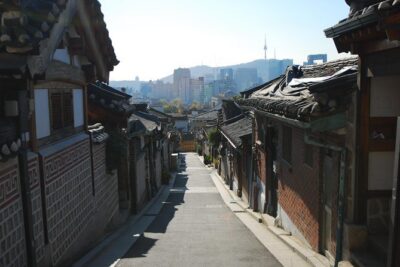
Gyeongbok Palace, Bukchon Village, and Gwangjang Tour
Read our review →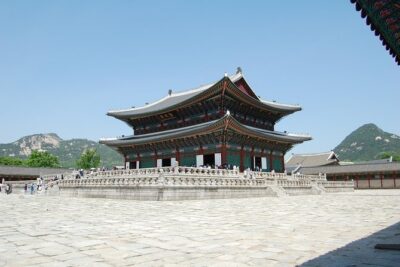
Seoul City Sightseeing Tour Including Gyeongbokgung Palace, N Seoul Tower, and Namsangol Hanok Village
Read our review →Gyeongbok Palace, Bukchon Village, and Gwangjang Tour
Read our review →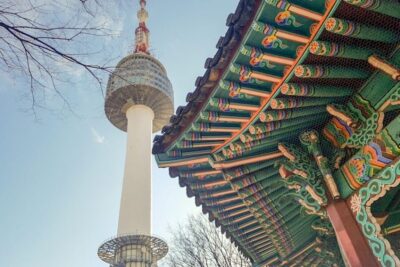
Gyeongbok Palace and Bukchon Hanok Walking Tour
Read our review →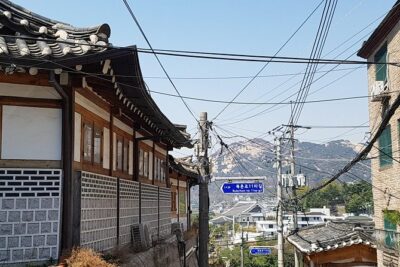
Best Walking Tour to Gyeongbok Palace Bukchon Hanok Village
Read our review →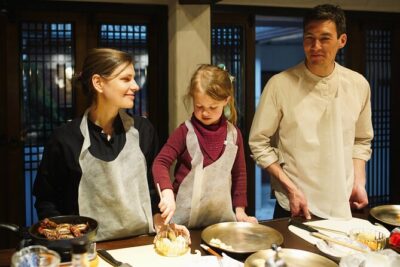
Royal Seoul Cooking Class in a 100-Year-Old Hanok
Read our review →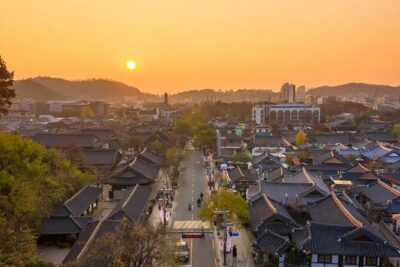
Jeonju Hanok Village Full-Day Tour:Jangtaesan Autumn Foliage
Read our review →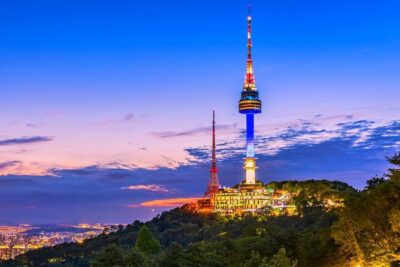
Afternoon Seoul: Hanok Vibes, Netflix Street Food & N Seoul Tower
Read our review →Browse the lists this tour appears in