
Reviewed · HANOK VILLAGE TOURS
Royal Seoul Cooking Class in a 100-Year-Old Hanok
A beautiful house makes good food better. This Seoul cooking class brings you into a restored 100-year-old hanok, where you prepare Korean dishes, hear the stories behind them, and eat together in a traditional dining room. I especially like the six-person maximum, which gives the chef time to help each person, and the chance to serve the food on handmade Bangjja bronze tableware. The main consideration is the price: at $98.98 per person, this costs more than a basic group cooking class.
The class runs about two hours and 15 minutes at 25 Samil-daero 32ga-gil in Jongno District. I also like that it suits solo visitors, couples, families, and complete beginners. The setting is special, but you should know this is chiefly a cooking and dining experience, not a guided palace tour, even though several major sights are listed around the route and neighborhood.
In This Review
- Key Details Before You Book
- Entering a Restored Hanok in Jongno
- The Four Dishes You Prepare
- LA Galbi
- Fresh Kimchi
- Haemul Pajeon
- Tangpyeongchae
- What the Instruction Is Like for Beginners
- Eating Like Royalty on Bangjja Bronzeware
- How the Nearby Seoul Sights Fit In
- Gyeongbokgung Palace
- Changdeokgung Palace
- Kwangjang Market
- Ikseon-dong Hanok Street
- Gwanghwamun Square
- Is $98.98 Good Value?
- Who Will Enjoy This Class Most?
- Final Verdict: Book It for the Setting and the Stories
- FAQ
- Where does the Royal Seoul Cooking Class begin?
- Where does the activity end?
- How long does the cooking class last?
- How many people can join the class?
- Do I need cooking experience?
- Which dishes are prepared?
- Is the class held in a traditional Korean home?
- What is included with the meal?
- Is the class near public transportation?
- What is the cancellation policy?
Key Details Before You Book
- A 100-year-old hanok is the classroom: You cook inside a restored traditional Korean home rather than a modern commercial kitchen.
- The group is limited to six people: This keeps the lesson personal and makes it easier to ask questions or get help with unfamiliar techniques.
- The menu mixes royal and everyday Korean food: Dishes include LA Galbi, fresh kimchi, haemul pajeon, and tangpyeongchae.
- Certified chefs lead the class: The instruction is designed for beginners, with ingredients prepared so you can focus on cooking and learning.
- Dinner is served on Bangjja bronzeware: The handmade plates and bowls add a traditional touch to the meal.
- Makgeolli and desserts finish the evening: You get more than the main dishes, with freshly brewed rice wine and traditional Korean sweets included.
Entering a Restored Hanok in Jongno
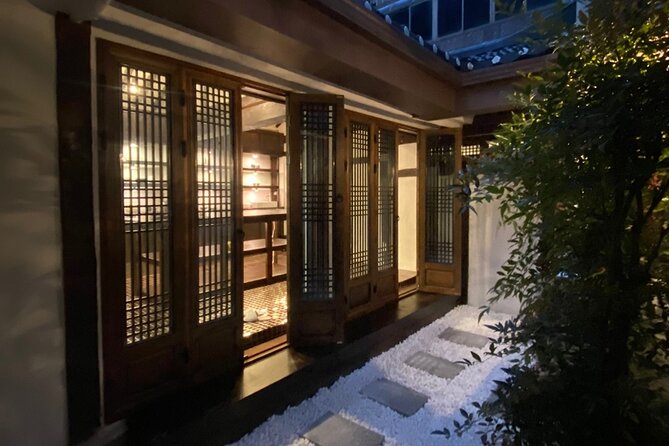
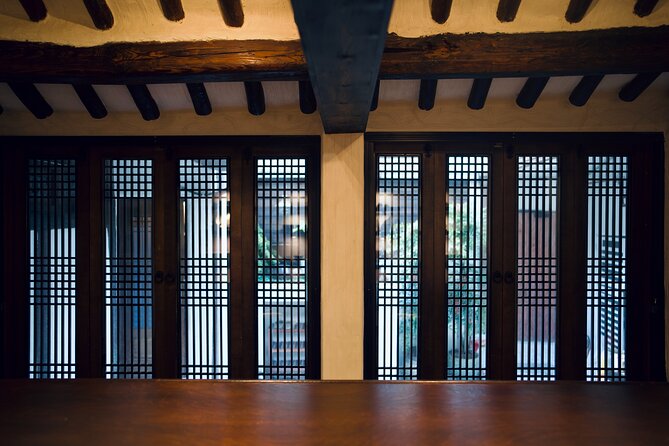
The address places you in central Seoul’s Jongno District, a useful base for a day of palace visits, market food, and old neighborhood streets. Finding a traditional home here is part of the appeal. You are not simply sitting in a restaurant decorated with Korean objects. The class takes place in a residential hanok that has been restored for this purpose.
The house is repeatedly praised for its design, warmth, and cozy dining area. Classical music may be playing, and the room has an intimate feel rather than the noise and constant movement of a large cooking school. The setting gives the class a sense of place before the first knife comes out.
The host is referred to as Park and Ricky in the supplied comments, so you may see either name connected with the instructor. The strongest praise focuses on the same qualities: clear instruction, humor, patience, good English, and an ability to connect cooking with Korean history and culture.
That storytelling is a major part of the value. You are not only told how to make a dish. You learn why ingredients and recipes matter, how food connects with older Korean customs, and how traditional dishes relate to modern Seoul. One particularly useful feature is the host’s willingness to answer questions beyond the kitchen, including questions about local restaurants and places to visit.
More Hanok Village Tours in Seoul:
- Seoul: Gyeongbok Palace, Bukchon Village, and Gwangjang Tour
★ 4.9 · 2,321 reviews - Seoul City Sightseeing Tour Including Gyeongbokgung Palace, N Seoul Tower, and Namsangol Hanok Village
★ 5.0 · 1,423 reviews - Seoul: Gyeongbok Palace, Bukchon Village, and Gwangjang Tour
★ 5.0 · 1,044 reviews
The Four Dishes You Prepare
The menu gives you a broad introduction to Korean cooking rather than focusing on one narrow style. The exact class sequence can vary, but the advertised dishes cover grilled meat, fermented vegetables, seafood pancakes, and a delicate vegetable dish.
LA Galbi
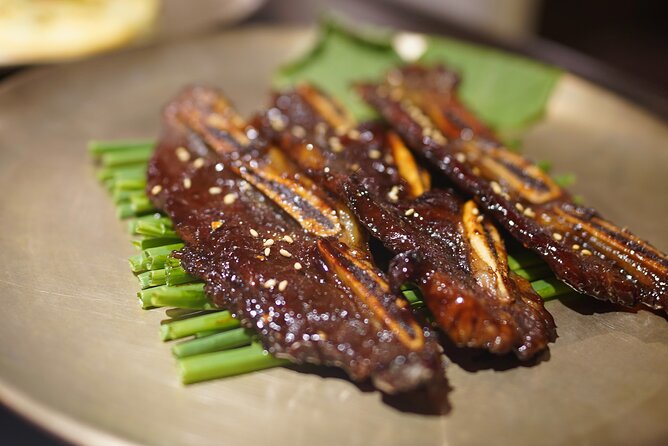
LA Galbi is Korean-style beef short ribs, usually cut across the bone into thin strips. It is a good class dish because the preparation shows how Korean cooking builds flavor through seasoning and marinating, then finishes with heat.
The name can confuse first-time cooks. LA Galbi is not a dish from a royal palace menu in the strict sense. It is a modern Korean favorite with a name linked to the style of cut and Korean food culture abroad. Including it beside older recipes gives you a useful picture of Korea’s food today, not only its historical dishes.
Fresh Kimchi
Fresh kimchi gives you a look at the flavors associated with kimchi without reducing the entire lesson to a long fermentation project. You work with the spicy, salty, and fresh elements that make kimchi such a central part of Korean meals.
For a beginner, this is a practical choice. You can understand the basic balance of seasoning and texture, then try the recipe again at home. Several class accounts note that the recipes are approachable, and some people went home eager to recreate the dishes.
More Cooking Classes in Seoul:
- Local Home Korean Cooking Class & Market Adventure in Seoul
★ 5.0 · 1,024 reviews - Master Korean traditional cooking with a Kimchi chef
★ 5.0 · 385 reviews - Seoul: Korean Cooking Class at a Local Home and Market Tour
★ 5.0 · 348 reviews - Seoul: Korean Cooking at Seoul Cooking Club!
★ 5.0 · 311 reviews
Haemul Pajeon
Haemul pajeon is a savory seafood and scallion pancake. It is a friendly dish for a cooking lesson because the ingredients come together in a simple batter, but getting the texture right still teaches you useful skills.
The name is sometimes shortened to pajeon, though haemul means seafood. It is the sort of food that works well for sharing at the table, especially when several people have helped prepare it.
Tangpyeongchae
Tangpyeongchae is a lighter Korean dish made with mung bean jelly, vegetables, and seasoning. It gives the menu a different texture and a more refined appearance than the grilled meat and pancake.
This is where the royal-cuisine theme comes through most clearly. The dish is associated with Korean court food and formal presentation. Preparing it helps show that Korean cooking is not only about strong spice or barbecue. It can also be precise, delicate, and carefully arranged.
What the Instruction Is Like for Beginners
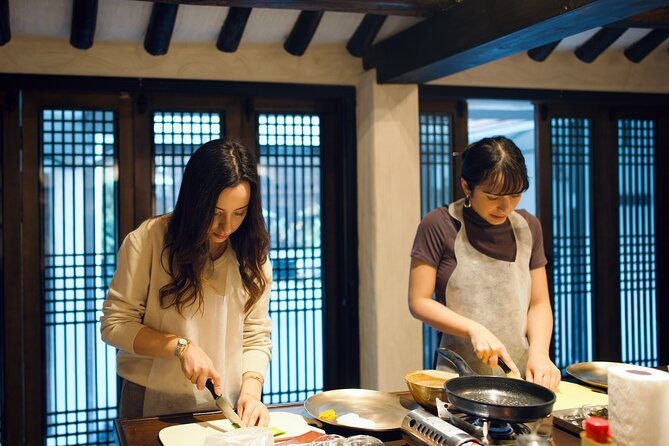
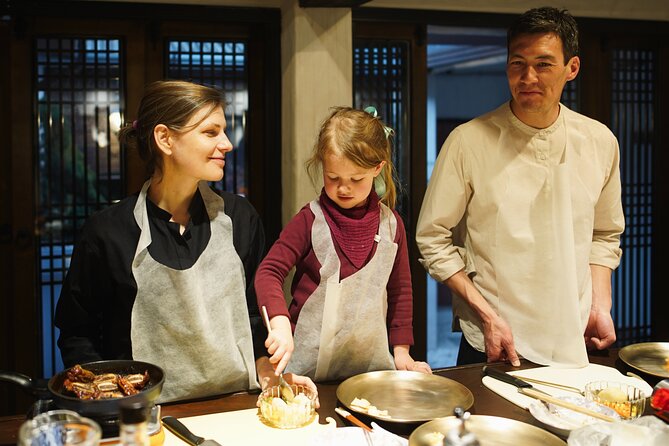
The class is built for people with little or no cooking experience. Ingredients are prepared in advance, allowing you to spend the limited class time on useful hands-on work instead of watching someone measure every item from scratch.
That preparation is helpful, but it also means you should not expect a professional kitchen training course. The goal is a fun, manageable introduction to Korean dishes, not a full chef certification. The official culinary background of the instructors adds confidence, while the small group keeps the pace relaxed.
The host’s teaching style appears to be one of the strongest parts of the experience. The class is described as easy to follow, funny, and patient, including with slower cooks. Clear explanations matter here because Korean recipes can use unfamiliar ingredients, tools, or methods.
The small group also helps solo visitors. You do not need to arrive with a partner or a full party. The format gives you a chance to meet other people while still receiving personal attention. Families can also fit comfortably into the lesson, with one family group reporting that the instruction worked for three generations, including children aged 11 and 13.
Eating Like Royalty on Bangjja Bronzeware
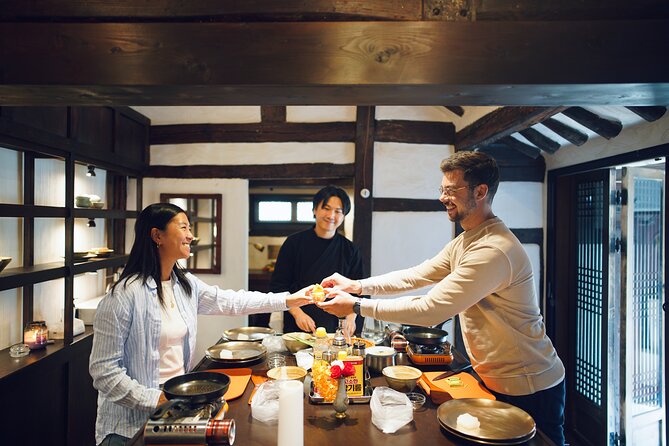
Once the cooking is finished, the class turns into a shared meal. Your food is served in the hanok dining space on handmade Bangjja bronzeware, a traditional Korean metalware known for its warm gold color and formal appearance.
This detail matters because presentation changes how the meal feels. You are not hurriedly eating food that someone else prepared. You have made the dishes yourself, then sit down in a traditional setting to enjoy them as a complete meal.
The dining area is described as warm and comfortable, which makes the second half of the class feel unhurried. A glass of freshly brewed makgeolli is included, along with traditional Korean desserts. The drink adds a cultural note, but you should keep in mind that the experience is not presented as a drinking tour. The focus remains on food, conversation, and the house.
The portions are described as satisfying, and the dishes are consistently praised for their flavor. Still, food preferences can vary. If you have strict dietary needs, ask about them before booking, since the supplied information does not specify vegetarian, vegan, halal, or allergy substitutions.
How the Nearby Seoul Sights Fit In
The listed stops include Gyeongbokgung Palace, Changdeokgung Palace, Kwangjang Market, Ikseon-dong Hanok Street, and Gwanghwamun Square. These are important Seoul landmarks, but the activity begins and ends at 25 Samil-daero 32ga-gil. Treat the cooking class as an experience in this historic central area, not as a palace sightseeing circuit with a guide at every stop.
Gyeongbokgung Palace
Gyeongbokgung is Seoul’s grandest royal palace and gives useful context to a class that includes royal cuisine. If you visit before the lesson, you will have a better sense of the court culture behind dishes such as tangpyeongchae.
The palace grounds are large, so allow separate time for a full visit. Do not assume the two-hour cooking session includes a palace tour.
Changdeokgung Palace
Changdeokgung offers another link to Korea’s royal past. Its inclusion on the route makes sense for anyone interested in the cultural background of court food and traditional homes.
Again, the practical point is timing. The cooking class itself lasts about two hours and 15 minutes, so plan your palace visits around the class rather than expecting to fit all five locations into the session.
Kwangjang Market
Kwangjang Market is a strong place to compare the food you make with Seoul’s casual market dishes. It gives you a more street-level view of Korean eating, while the class presents food in a quiet home setting.
The contrast is useful. You can see how Korean cuisine moves between market stalls, family kitchens, formal dining rooms, and palace traditions.
Ikseon-dong Hanok Street
Ikseon-dong is especially relevant because the class is near a hanok neighborhood. Its old-style houses, cafés, and restaurants make it an easy area to explore around your booking.
Several class accounts describe the location as close to a fun part of Seoul, so this is a sensible activity to pair with an afternoon or evening in Ikseon-dong. Keep your directions handy, since the meeting point is on a smaller street and the host has sent photographs and directions to help people find the house.
Gwanghwamun Square
Gwanghwamun Square is another central landmark that fits well with a Jongno itinerary. It connects the royal palace area with modern Seoul and helps explain the mix of old and new that the class presents through its food and setting.
Because the class returns to its original meeting point, you can continue exploring afterward without arranging a separate pickup. Public transportation is nearby.
Is $98.98 Good Value?
At $98.98 per person, this is not the cheapest way to eat Korean food in Seoul. You can buy a full meal at a market or local restaurant for much less.
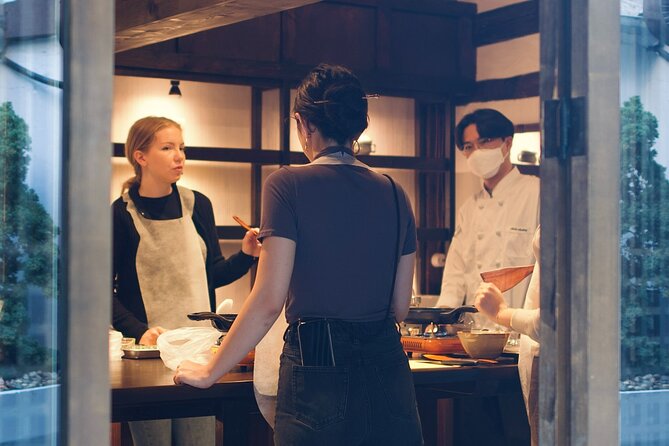
The comparison changes when you count what is included. You are paying for a small class, a certified instructor, several dishes, hands-on preparation, a complete meal, Bangjja tableware, makgeolli, desserts, and time inside a restored hanok. You also receive cultural explanation and, according to the supplied comments, photos and recipes may be sent afterward.
I see the price as fair for a special occasion or for someone who wants to take a piece of Seoul home. It is less compelling if your only goal is to eat cheaply or learn advanced knife work. The strongest value comes from the combination of place, teaching, food, and personal attention.
The free cancellation policy allows a full refund if you cancel at least 24 hours before the start time. Changes or cancellations inside that window are not accepted for a refund, so check your Seoul schedule carefully.
Who Will Enjoy This Class Most?
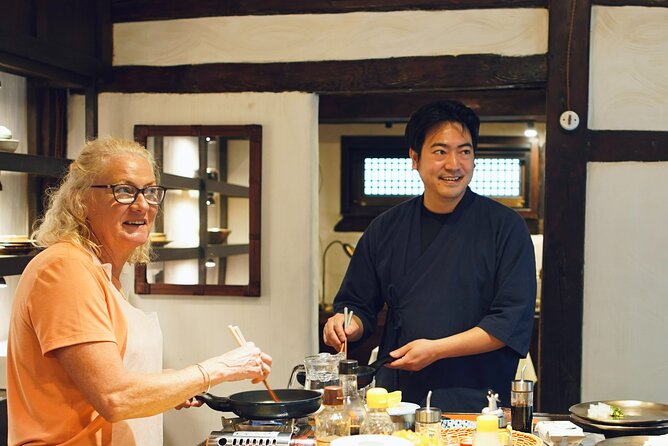
I would recommend it to first-time visitors who want a real connection with Korean food rather than another restaurant meal. It also works well near the start of a trip, since the host can provide food and restaurant suggestions for the rest of your stay.
It is a good choice for:
- Couples looking for a relaxed cultural activity
- Solo visitors who want a social evening
- Families with older children
- Beginner cooks
- Food lovers interested in royal and regional Korean dishes
- Anyone staying near Jongno or planning to visit Ikseon-dong
You may want to choose another activity if you dislike group participation, cannot eat the listed ingredients, or want a long technical cooking course. The menu is fixed around named Korean dishes, and the class lasts only a little over two hours.
Final Verdict: Book It for the Setting and the Stories
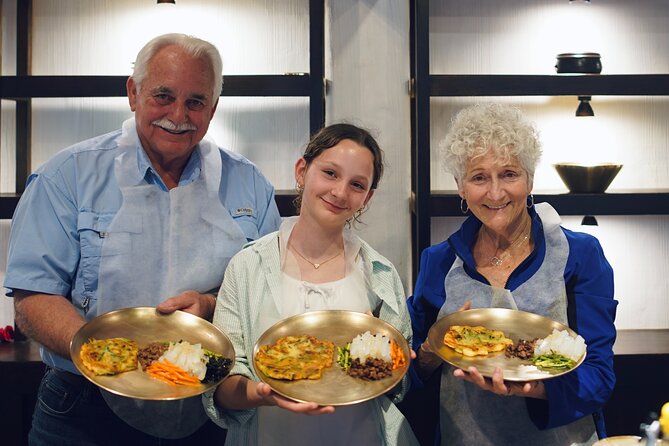
I would book this class if I wanted one Seoul activity that combines food, history, design, and conversation. The 100-year-old hanok gives it character, and the small group makes the lesson feel personal rather than mass-produced.
The food is the reward, but the house and host make the experience memorable. Book it when you have enough time to arrive without rushing, then pair it with Jongno, Ikseon-dong, or the palace area. At $98.98, it is a splurge, but a sensible one for a hands-on Korean experience you can repeat at home.
FAQ
Where does the Royal Seoul Cooking Class begin?
It begins at 25 Samil-daero 32ga-gil in Seoul’s Jongno District.
Where does the activity end?
The activity ends back at the meeting point.
How long does the cooking class last?
The experience lasts approximately two hours and 15 minutes.
How many people can join the class?
The maximum group size is six people.
Do I need cooking experience?
No. The class is designed to be accessible to beginners, including people with no cooking skills.
Which dishes are prepared?
The advertised menu includes LA Galbi, fresh kimchi, haemul pajeon, and tangpyeongchae.
Is the class held in a traditional Korean home?
Yes. It takes place in a restored 100-year-old hanok in central Seoul.
What is included with the meal?
You eat the dishes you prepare on traditional Bangjja bronzeware. Freshly brewed makgeolli and traditional Korean desserts are also included.
Is the class near public transportation?
Yes. The meeting point is near public transportation.
What is the cancellation policy?
You can cancel at least 24 hours before the start time for a full refund. Cancellations or changes made less than 24 hours before the start time are not accepted for a refund.
More Workshops in Seoul
- Yongpyong Ski Resort from Seoul with Optional Lesson and Packages
★ 5.0 · 217 reviews - Korean Cooking Class with Grocery Shopping at Seoul Local Market
★ 5.0 · 107 reviews - Seoul : Taste of Korea, Authentic Home-Style Cooking Class
★ 5.0 · 64 reviews - K-pop Dance Class in Seoul (Incl. video shooting & editing)
★ 5.0 · 52 reviews
Just added in Seoul
- Seoul: Korean & English Language Exchange Global Party★ 5.0 · 28 reviews
- Your Personal Seoul Photographer!★ 4.1 · 15 reviews
- You’re Invited to Our Home in Seoul: The Only Cooking Class!★ 5.0 · 8 reviews
- From Seoul: Yongpyong Ski Day Tour with Transportation★ 4.9 · 40 reviews
- From Seoul: Hwacheon Ice Fishing and Lighting Festival Tour★ 4.5 · 4 reviews
- Seoul: Gangneung BTS K-Pop & K-Drama Filming Locations Tour★ 4.6 · 14 reviews
- Unique Native Experience : Han River Picnic, Board game, BBQ★ 5.0 · 3 reviews
- Seoul: Euljiro Gastroventure Tour★ 4.0 · 1 review
Hanok Village Tours, compared.
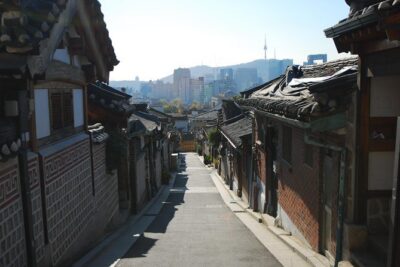
Gyeongbok Palace, Bukchon Village, and Gwangjang Tour
Read our review →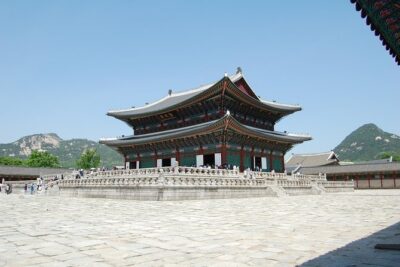
Seoul City Sightseeing Tour Including Gyeongbokgung Palace, N Seoul Tower, and Namsangol Hanok Village
Read our review →Gyeongbok Palace, Bukchon Village, and Gwangjang Tour
Read our review →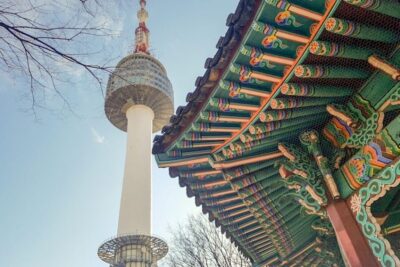
Gyeongbok Palace and Bukchon Hanok Walking Tour
Read our review →
Best Walking Tour to Gyeongbok Palace Bukchon Hanok Village
Read our review →
Jeonju Hanok Village Full-Day Tour:Jangtaesan Autumn Foliage
Read our review →
Afternoon Seoul: Hanok Vibes, Netflix Street Food & N Seoul Tower
Read our review →
Tour Seoul’s oldest district with a storyteller from Bukchon
Read our review →Browse the lists this tour appears in