
Reviewed · UNESCO WORLD HERITAGE TOURS
Jeju Day Tour – World Heritage & UNESCO
Jeju’s best sights are spread far apart. This private day tour links volcanic peaks, sea cliffs, waterfalls, beaches, and UNESCO sites without making you piece together buses or taxis. I especially like the private pickup and drop-off, plus the freedom to travel with only your own group of up to four people. I also like the mix of outdoor scenery and cultural stops, from Oedolgae’s lonely sea pillar to Seongeup Folk Village.
The main drawback is the amount of ground covered in one day. You will see many important places, but some stops are brief, and entrance fees are extra. The route also changes according to your starting point, and Manjanggul Cave has been closed for safety work through August 31, 2025, with another attraction used instead.
In This Review
- Key points at a glance
- Why this Jeju day tour works
- Oedolgae and Seogwipo’s coastal beginning
- Cheonjiyeon and Jeongbang: two very different waterfalls
- Seongsan Ilchulbong, Jeju’s volcanic showpiece
- Manjanggul Cave and the closure issue
- Hamdeok and Woljeongri beaches from Jeju City
- Seopjikoji or Seongeup Folk Village
- O’sulloc Tea Museum and the Seogwipo choice
- Transport, communication, and group size
- What to budget beyond the $320 price
- Who should book this experience?
- FAQ
- How long does the Jeju UNESCO day tour last?
- Where does the tour depart from?
- How many people can join the private tour?
- Is hotel pickup and drop-off included?
- Are fuel and parking fees included?
- Are entrance fees included?
- What happens if Manjanggul Cave is closed?
- Can I cancel for a full refund?
- Should you book it?
Key points at a glance
- Private transport for up to four: A regular taxi is used for smaller groups, with larger vehicles available for bigger parties.
- Two different routes: Depart from Seogwipo for waterfalls, Oedolgae, Seongsan Ilchulbong, and a choice of Manjanggul Cave or O’sulloc, or depart from Jeju City for beaches, Seongsan, and a choice of Seopjikoji or Seongeup.
- A strong nature focus: Expect volcanic rock, sea views, waterfalls, beaches, and a lava tube rather than a museum-heavy day.
- Simple communication: Drivers speak simple English, Japanese, or Chinese, and the experience includes fuel, parking, and insurance.
- Useful personal service: An earlier 7:30 a.m. pickup was arranged promptly for one booking, and driver Hyun-woo Lee was praised for going out of his way to make the day memorable.
- Plan for extra costs: Lunch, drinks, personal spending, and several admission tickets are not included.
Why this Jeju day tour works
Jeju is not a compact sightseeing city. The island’s major sights sit around its coast and volcanic interior, so a private vehicle can save a great deal of time. This tour lasts about eight to nine hours and is designed to connect the major attractions in either the south or the northeastern part of the island.
You do not get a fixed one-size-fits-all route. Your starting point matters. From Seogwipo, the day centers on Oedolgae, waterfalls, Seongsan Ilchulbong, Jusangjeolli Cliff, and a choice between O’sulloc and Manjanggul Cave. From Jeju City, the route focuses on Hamdeok Beach, Manjanggul Cave, Woljeongri Beach, Seongsan Ilchulbong, and either Seopjikoji or Seongeup Folk Village.
That flexibility is useful, but you should check your pickup location and expected route before booking. You are not choosing every stop independently. The operator assigns the route based on where you depart, with one listed choice at the end of each version.
The price is $320 per group of up to four. For four people, that works out to $80 each before admission fees and meals. That is a fair value if you want private transport, pickup and drop-off, and a full day of sightseeing. For one or two people, the cost per person is much higher, so the tour makes the most financial sense for a small family or group of friends.
More History Tours in Jeju
- Jeju Island UNESCO Heritage Bus Tour
★ 5.0 · 54 reviews - Private Full Day Tour World Natural Heritage & UNESCO in jeju
★ 5.0 · 9 reviews - Jeju UNESCO Natural Heritage Private Tour by Certified Guide
★ 5.0 · 5 reviews
Oedolgae and Seogwipo’s coastal beginning
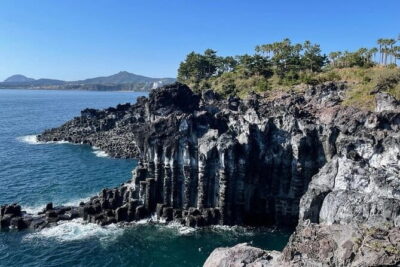
If you leave from Seogwipo, Oedolgae is a fine first stop. The name refers to a stone pillar that rises about 20 meters from the sea, standing alone beyond the shoreline. It is also linked with the beginning of Jeju Olle Trail Course 7, so you get a taste of the island’s famous walking routes without committing to a full hike.
The rock formed through volcanic activity, with waves wearing away the softer stone around a harder chimney-like column. That geology is easy to appreciate from the coast, where dark rock, open water, and wind create a simple but memorable view.
Oedolgae also carries local legends. It is called General Stone because one story connects it with General Choi Yeong, who used the rock to frighten enemies during a battle against the Yuan Dynasty. Another name, Grandma Rock, comes from a local tale tied to the people of Jeju who waited for those working at sea.
You get about an hour here, which is enough to walk, take in the sea, and enjoy the setting without rushing. Wear shoes with a secure grip, since coastal paths can be uneven. Admission is free.
Cheonjiyeon and Jeongbang: two very different waterfalls
The Seogwipo route includes two notable waterfalls, and they offer different experiences. Cheonjiyeon Falls drops from a rock cliff into a wooded valley. Its name means sky connected with land, and the water’s sound is a major part of the appeal.
The waterfall is about 22 meters high and 12 meters wide. The surrounding area supports several temperate plants, including a natural monument known as Elaeocarpus, along with camellias and other vegetation. The valley is also known for giant mottled eels, though these are nocturnal and are not something you should expect to see during a normal daytime visit.
Jeongbang Falls feels more dramatic because the water falls directly into the sea. It is about 23 meters high, and two streams drop over a dark cliff. Pine trees and steep rock add to the scene, while local tradition connects the site with the story of Seobul, a man sent in search of an elixir plant.
Allow about 40 minutes at Jeongbang Falls. The entrance fee is not included, so keep some Korean won available or confirm accepted payment methods before setting out. The rocks and approach can be wet, so practical footwear matters more than stylish footwear here.
Seongsan Ilchulbong, Jeju’s volcanic showpiece
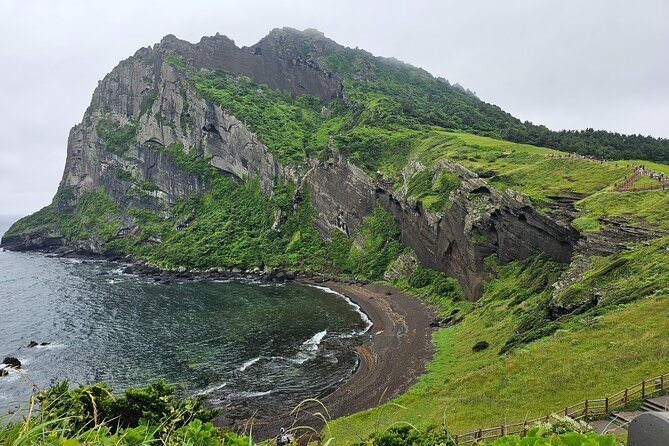
Seongsan Ilchulbong is the central sight on both route versions. This volcanic tuff cone formed about 5,000 years ago after an eruption beneath the sea. Its name is closely linked with sunrise, and the peak is one of Jeju’s best-known viewpoints.
You are given about an hour, which lets you see the cone and walk part of the route. Reaching the summit may be possible for people who are comfortable with an uphill walk, but you should not assume that the allotted time guarantees a leisurely climb, especially if the day includes traffic, meals, and several other stops.
The reward at the top is the volcanic crater in the center, with ocean around the cone. The Seongsan-Ojo Trail connects two villages, while the Jijil Trail offers views of the UNESCO-designated geopark and nearby local culture. If you want a quick visit, the lower paths still provide a strong sense of the place. If the summit is your priority, tell the driver early so the timing can be managed as well as possible.
Admission is extra. This is one of the places where the ticket cost is justified, particularly if you value geology and wide coastal views. The area is also connected with Jeju’s haenyeo, the island’s female divers. The tour description suggests heading toward Seongsanpo Port to see them at work, but you should confirm with the driver whether that fits your day’s timing.
More Jeju trips:
- Jeju: Eastern Jeju UNESCO Spots Day Tour
★ 4.9 · 1,148 reviews - Jeju: Western and Southern Sightseeing Day Tour
★ 4.8 · 972 reviews - East Jeju Essentials – Seongsan Ilchulbong (UNESCO) & Haenyeo
★ 5.0 · 939 reviews - Jeju: Southern Top UNESCO Spots Bus Tour
★ 4.9 · 648 reviews
Manjanggul Cave and the closure issue
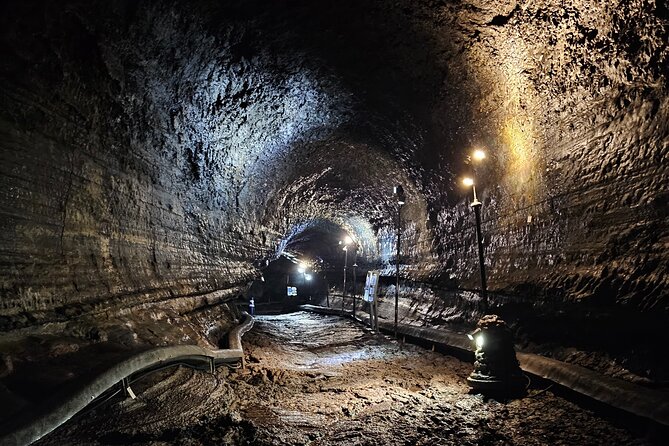
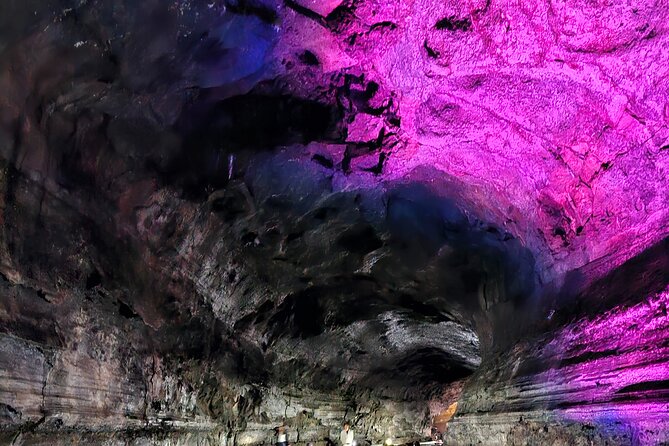
Manjanggul Lava Tube is the most important cave stop on the Jeju City route and one of the island’s major natural attractions. It belongs to the Geomunoreum volcanic system, which includes more than 20 caves. Only Manjanggul is open for public visits when operating normally.
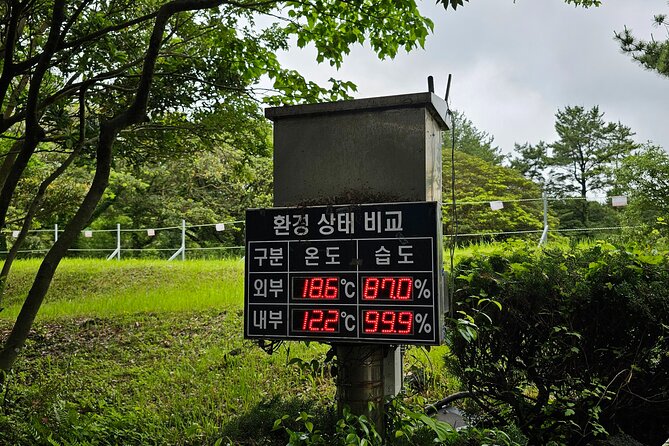
Inside, the temperature stays around 11 to 21 degrees Celsius through the year. That makes it a pleasant break from Jeju’s sun or rain, but the cave can feel cool compared with the coast. The tunnel contains unusual lava formations and leads toward a large lava column marking the end of the public section.
The practical warning is essential: Manjanggul Cave was scheduled to close for safety inspection and internal construction from December 29, 2023, through August 31, 2025. If it is closed on your date, another stop is substituted. The information also specifies the Jeju Haenyeo Museum as an alternative when the cave is closed on the first Wednesday of the month.
Because the supplied schedule includes both the long-term closure and the monthly closure note, confirm the exact replacement before your tour. Manjanggul admission is not included when the cave is operating.
Hamdeok and Woljeongri beaches from Jeju City
The Jeju City route begins with two beaches, and they provide a gentler start than the rocky southern coast. Hamdeok Beach is about 20 kilometers from Jeju Airport and is known for clear water, white sand, palm trees, and the nearby Seoubong oreum.
You get about 30 minutes at Hamdeok. That is enough for a short walk and photographs, but not a full beach afternoon. If swimming or lounging by the sea matters most to you, this schedule will feel quick. As a sightseeing stop, though, it gives you a clear look at Jeju’s bright coastal colors and its connection with Olle Course 19.
Woljeongri Beach is a shorter stop, about 15 minutes. Its white sand and emerald-colored water are framed by a road lined with tea houses and coffee shops. This is more of a scenic pause than a major activity, so use the time for photographs or a quick look at the cafes rather than expecting a long break.
The two beaches help balance the busier cultural and geological sights. You also get a chance to see how Jeju’s coastal scenery has become part of its cafe culture. Food and drinks are not included, so any coffee or snack purchase is your own expense.
Seopjikoji or Seongeup Folk Village
The Jeju City route gives you a choice between Seopjikoji and Seongeup Folk Village. Seopjikoji is a coastal cape near Seongsan Ilchulbong. Its name comes from a Jeju dialect expression meaning a cape of small land, and the path follows a grassy headland above the sea.
The walk takes about 40 minutes. You may see Jeju ponies grazing in the fields, and the route leads toward a white lighthouse with dark blue water behind it. The Glasshouse and Yumin Art Gallery, designed by architect Tadao Ando, add an architectural angle to the natural setting.
Choose Seopjikoji if you want more sea views and a straightforward outdoor walk. The stop is free, but coastal wind and uneven paths mean you should bring a jacket and shoes suited to walking.
Seongeup Folk Village offers a different kind of experience. It is an important folklore site where people still live, rather than a staged village built only for display. Residents act as volunteer guides, and old trees such as saw-leaf zelkova and Japanese hackberry are part of the village character.
The visit lasts about 20 minutes, so you will get an introduction rather than a long cultural program. Choose it if you are more interested in traditional Jeju life than another coastal viewpoint. Be respectful of the fact that this is a living community.
O’sulloc Tea Museum and the Seogwipo choice
For departures from Seogwipo, O’sulloc Tea Museum may replace Manjanggul Cave as the selected extra stop. The museum opened in 2001 beside the Seogwang tea fields and presents Korean tea culture in a space that combines traditional and modern design.
You get about 50 minutes here. There is a tea museum, a nature-friendly rest area, and a cafe serving drinks and food made with tea. This stop is less rugged than the waterfalls and volcanic sites, making it a useful change of pace late in the day.
Choose O’sulloc if you want a relaxed stop, an indoor option, and time for a cafe break. Choose Manjanggul when it is open if volcanic geology is a main reason for booking the tour. Since the route says choose one, you should not expect to visit both within the standard schedule.
Transport, communication, and group size
Pickup and drop-off are included from locations on Jeju Island. Groups of up to four use a regular taxi. Five or more people use a jumbo taxi or minivan, while groups of nine or more use a mini-bus.
Fuel and parking fees are included, which matters on a day with several distant stops. You avoid the work of finding parking at waterfalls, beaches, and major volcanic sites. The tour is private, so only your own group rides together.
The driver speaks simple English, Japanese, or Chinese. This should cover basic timing and practical questions, but you may want to prepare the names of your preferred stops and any food restrictions in advance. The experience includes insurance.
One useful sign of flexibility is the arrangement of an earlier 7:30 a.m. pickup when requested. Manager Hong-min Lee agreed promptly, and driver Hyun-woo Lee was praised for making extra effort during the day. The driver’s English was described as workable, which is encouraging for simple communication.
What to budget beyond the $320 price
The $320 group price includes the vehicle, driver, fuel, parking, pickup, drop-off, and insurance. It does not include lunch, drinks, personal purchases, or admission to several sights.
Expect extra charges at Jeongbang Waterfall, Jusangjeolli, Seongsan Ilchulbong, and Manjanggul Cave when it is open. Cheonjiyeon Falls, Oedolgae, Hamdeok Beach, Woljeongri Beach, Seopjikoji, Seongeup Folk Village, and O’sulloc are listed without an admission charge, though food and shopping remain your responsibility.
For four people, the base price is reasonable for a full private day. You are paying for convenience as much as sightseeing. For solo visitors, the same price is harder to justify unless avoiding public transport and arranging separate taxis is especially important.
Who should book this experience?
I would choose this tour for a family, a small group of friends, or anyone staying in Jeju for a short visit who wants to cover major sights in one day. It suits people who prefer private transport and a practical route over independent bus connections.
It is also a good choice if you want a broad introduction to Jeju: volcanic geology at Seongsan and Manjanggul, coastal scenery at Oedolgae and the beaches, waterfalls near Seogwipo, and a glimpse of local culture at Seongeup.
I would hesitate if you want long walks, extended beach time, or a slow meal at each stop. The schedule is ambitious, and the short visits at Woljeongri, Seongeup, and Hamdeok leave little room for lingering. Confirm the Manjanggul situation before paying, and ask which optional stop you will receive.
FAQ
How long does the Jeju UNESCO day tour last?
The experience lasts approximately eight to nine hours.
Where does the tour depart from?
You can depart from Seogwipo City or Jeju City. The route and included sightseeing stops depend on your departure point.
How many people can join the private tour?
Up to four people use a regular taxi. Groups of five or more use a jumbo taxi or minivan, and groups of nine or more use a mini-bus.
Is hotel pickup and drop-off included?
Pickup and drop-off services are offered from locations on Jeju Island.
Are fuel and parking fees included?
Yes. Fuel and parking fees are included in the tour price.
Are entrance fees included?
No. Admission fees for Jeongbang Waterfall, Jusangjeolli, Seongsan Ilchulbong, and Manjanggul Cave are not included. Lunch, drinks, and personal expenses are also separate.
What happens if Manjanggul Cave is closed?
If Manjanggul Cave is closed, the Jeju Haenyeo Museum is offered as an alternative according to the tour information. The cave was also scheduled for safety inspection and construction from December 29, 2023, through August 31, 2025, so confirm the current plan for your date.
Can I cancel for a full refund?
You can cancel at least 24 hours before the experience start time for a full refund. Cancellations or changes made within 24 hours are not accepted for a refund.
Should you book it?
Book this tour if you want Jeju’s major natural sights handled in one private day, especially with three or four people sharing the cost. The best parts are the private vehicle, the strong mix of volcanic and coastal scenery, and the helpful service associated with manager Hong-min Lee and driver Hyun-woo Lee.
Before booking, confirm your departure city, the optional stop, current Manjanggul access, and the admission costs. If you accept a brisk pace and budget separately for tickets and lunch, this is a practical way to see a large and beautiful part of Jeju without spending your day managing transport.
More UNESCO Sites in Jeju
- Jeju Southern UNESCO Full Day Tour with Mt.Halla
★ 5.0 · 400 reviews - Jeju: Eastern UNESCO Sites Tour with Haenyeo Show
★ 4.8 · 217 reviews - Jeju island Southern UNESCO Day Tour With Hallasan MT
★ 5.0 · 200 reviews - Jeju island Eastern UNESCO site Full Day Guided Tour
★ 5.0 · 170 reviews
Just added in Jeju
- Small Group 7D Korea package Tour with Seoul Gyeongju Busan Jeju★ 4.5 · 13 reviews
- Discover Jeju in 3days: A Curated All-Inclusive Experience★ 5.0 · 1 review
- 10 Days Essential Korea Tour(Seoul, Nami, DMZ, Andong, Gyeongju, Busan, Jeju)★ 5.0 · 1 review
- 1 Day Free schedule Tour a lot of experince driver in jeju island★ 5.0 · 2 reviews
- Jeju island: Van tour with a guide who the most loves JEJU★ 5.0 · 7 reviews
- Private schedule Day Tour With Local Taxi Driver in jeju island★ 5.0 · 1 review
- Jeju Unesco Eest course Package Private Van Guided Tour★ 5.0 · 17 reviews
- Full Day Jeju Private Customizable highlight Tour★ 5.0 · 5 reviews
UNESCO World Heritage Tours, compared.
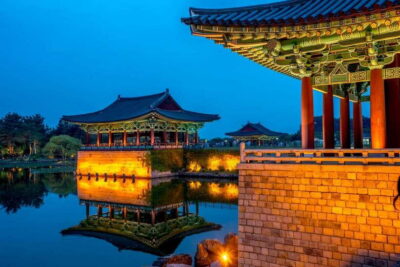
Gyeongju UNESCO World Heritage Guided Day Tour
Read our review →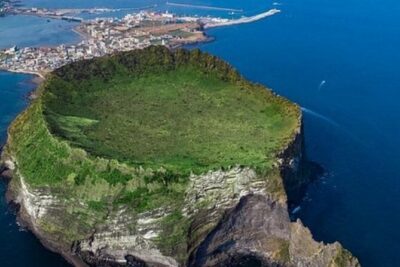

East Jeju Essentials – Seongsan Ilchulbong (UNESCO) & Haenyeo
Read our review →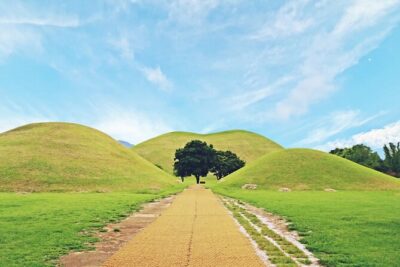
Gyeongju UNESCO World Heritage Guided Day Tour from Busan
Read our review →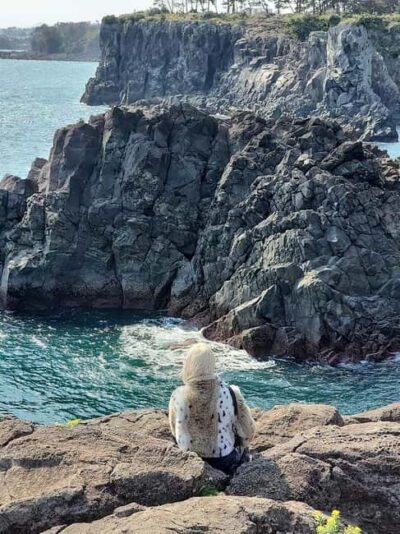
Jeju Southern UNESCO Full Day Tour with Mt.Halla
Read our review →
Gyeongju UNESCO sites Private tour with licensed tour guide
Read our review →
Private Gyeongju Tour – Explore Gyeongju UNESCO Sites
Read our review →Browse the lists this tour appears in