
Reviewed · DMZ TOURS
Seoul: DMZ, Gyeongbokgung Palace & City Tour
One day, two Koreas. This 10-hour outing links the tense border zone with grand Gyeongbokgung Palace, giving you a clear look at Korea’s divided present and royal past. I like the chance to see the DMZ’s main sights without arranging military-zone transport yourself, and I like that a professional security guide explains the politics rather than leaving you with a few photo stops. The main drawback is the long, tightly timed day, with walking, security rules, and no lunch included in the standard price.
At $110 per person, the value depends on how much structure you want. Hotel pickup and transport remove much of the hassle, while entry fees and an English-speaking guide are included. You must carry your passport, wear sneakers, and follow the authorized bus schedule. The DMZ can also close or change plans without notice because military training and official events take priority.
In This Review
- Key points at a glance
- Why pair the DMZ with Gyeongbokgung Palace?
- Starting at City Hall at 7:30 AM
- Understanding the DMZ before the border sights
- Walking into the Third Tunnel
- Looking north from the observatory
- Imjingak and the War History Pavilion
- The exhibition center and Korea’s changing story
- Gyeongbokgung and the business of royal rule
- What the $110 price really covers
- The practical limits you should know
- Who will get the most from this day?
- Should you book this Seoul DMZ and palace tour?
- FAQ
- How long does the tour last?
- Is hotel pickup available?
- Do I need my passport?
- Is lunch included?
- What happens if the DMZ closes?
- Can I visit Gyeongbokgung on a Tuesday?
Key points at a glance
- The Third Tunnel requires real walking: You visit a tunnel built for a possible North Korean attack, and sturdy shoes are required.
- The DMZ visit is tightly controlled: Every visitor must use the authorized bus and follow set times for photographs.
- You may see North Korea from the observatory: Views depend on conditions, but the stop gives the border a human scale.
- Gyeongbokgung adds royal Seoul: The palace shows how the Joseon court worked with officials, staff, and advisers.
- Guides are a major strength: Molly, Ron Han, and SP are praised for clear explanations, warm service, questions answered, and help with photos.
- The plan can change: Gyeongbokgung becomes Deoksugung Palace on Tuesdays, and DMZ closures trigger a different Seoul-area itinerary.
Why pair the DMZ with Gyeongbokgung Palace?
The subject matter may seem unusual at first. In the morning, you are near one of the world’s most heavily guarded borders. Later, you are walking through the former home of a king and his court. Yet the pairing works because it gives you two very different views of Korea: a nation shaped by dynastic rule, war, division, and fast modern development.
The DMZ is not simply a military attraction. It is the only place where you can confront the continuing separation of North and South Korea in a direct way. At the palace, you step farther back in time and see the systems that once governed the country. I like this contrast because it keeps the day from becoming only a war tour or only a palace visit.
You also get a useful bridge between past and present at an exhibition center devoted to Korea’s history and future. The exact presentation may feel more institutional than intimate, but it helps explain why the border matters beyond the photographs.
The tour is best for you if this is your first visit to Seoul and you want a guided introduction to two major subjects. It is less suitable if you prefer lingering at one site, setting your own pace, or avoiding a long day on a coach.
More DMZ tours:
- Best DMZ Tour Korea from Seoul (Red Suspension Bridge Optional)
★ 5.0 · 41,422 reviews - DMZ Tour: 3rd Tunnel, Option(Suspension Bridge, Boat) from Seoul
★ 5.0 · 21,373 reviews - DMZ tour south Korea from Seoul (NK experience hall, defector)
★ 5.0 · 20,599 reviews
Starting at City Hall at 7:30 AM
The stated meeting point is Exit 7 of City Hall Station at 7:30 AM. Hotel pickup in Seoul is also available, so check the booking option carefully if you would rather not make your way to the station early in the morning.
The start time matters. The DMZ is governed by access rules, military schedules, and limited entry procedures. This is not a casual hop-on, hop-off route where you can arrive late and catch the next vehicle. Your group must travel on the authorized bus and obey the time limits for photographs.
That structure is a benefit. You do not need to figure out which shuttle to use or how to connect the various DMZ sights. It also creates the day’s biggest limitation: the schedule is not yours to adjust. If you are taking photographs, keep your camera ready and listen closely to the guide’s instructions.
The coach provides a welcome break between stops. A 10-hour day would feel much harder if every part required independent navigation. Still, bring water and plan for a full day out. Lunch is not included, and personal expenses are your responsibility. One guide, Molly, gave a traditional lunch to her group, but you should not count on that as part of the standard package.
Understanding the DMZ before the border sights
A good guide makes the DMZ meaningful. The tour includes a military tourist guide and professional security specialists who explain relations between North and South Korea, rather than treating the area as a dramatic backdrop.
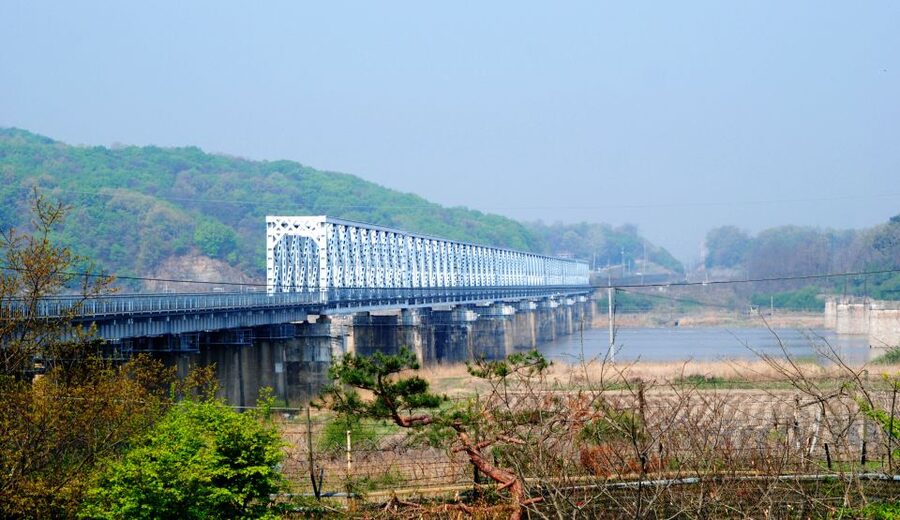
The basic story begins with the division of Korea after the war that began in 1950. North Korea developed into a closed state, while South Korea became a democracy and a major economy. At the DMZ, those different paths meet across a heavily controlled border.
I would pay close attention during the drive and the introductory explanations. The value here is not just reaching a lookout point. It is learning why the zone exists, how the war shaped both countries, and why access is controlled so carefully.
The exhibition center helps place the military sights in a wider frame. You can consider Korea’s past, present, and future in one visit, although the experience will suit you best if you enjoy guided interpretation rather than expecting a hands-on museum.
Walking into the Third Tunnel
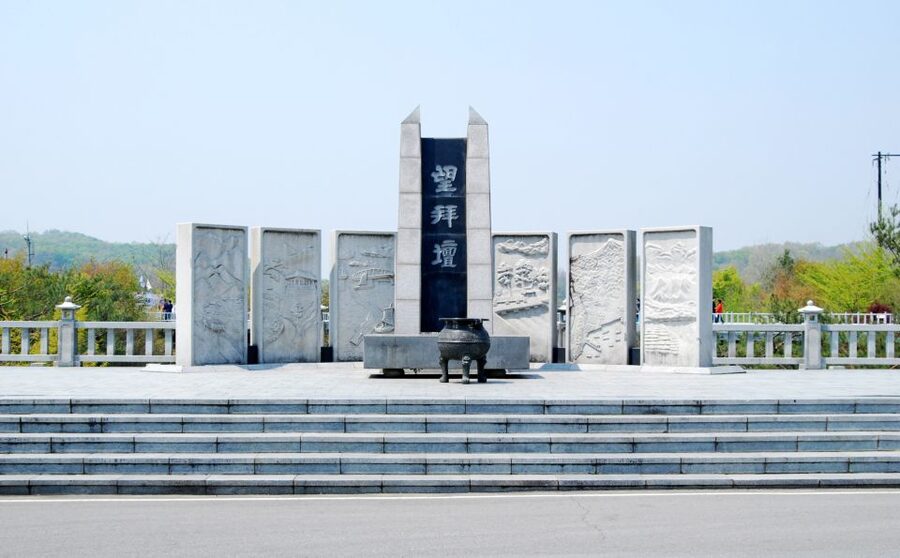
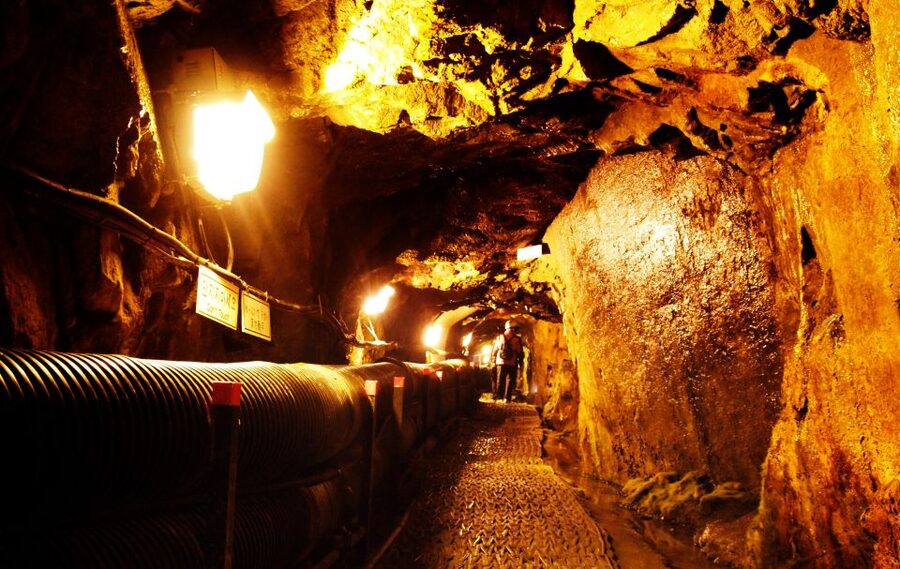
The Third Tunnel is likely to be the most physical stop. It was constructed as a route for an invasion of South Korea, including possible use by tanks. Visiting it gives you a concrete sense of how close military planning can come to ordinary civilian life.
This is where the footwear rule becomes important. No sandals or slippers are allowed, and sneakers are required. The tour is not wheelchair accessible, and the tunnel visit may be uncomfortable for anyone who has difficulty walking or managing confined spaces.
Do not judge the tunnel only by its length or engineering. Its importance comes from the purpose behind it. You are not looking at an old passage with no context. You are seeing evidence of preparation for another military conflict.
The stop can also feel more demanding than a standard city attraction. You need to keep up with the group and return according to the set schedule. I would wear reliable shoes, avoid carrying more than necessary, and treat the tunnel as a serious historical site rather than a novelty walk.
More Palace Tours in Seoul:
- Seoul: Gyeongbok Palace, Bukchon Village, and Gwangjang Tour
★ 4.9 · 2,321 reviews - Best Seoul City Tour (Gyeongbokgung Palace,Insadong,Namsan Tower)
★ 5.0 · 1,647 reviews - Small-Group Royal Palace and Seoul City Tour (hotel pick-up)
★ 5.0 · 1,474 reviews - Seoul City Sightseeing Tour Including Gyeongbokgung Palace, N Seoul Tower, and Namsangol Hanok Village
★ 5.0 · 1,423 reviews
Looking north from the observatory
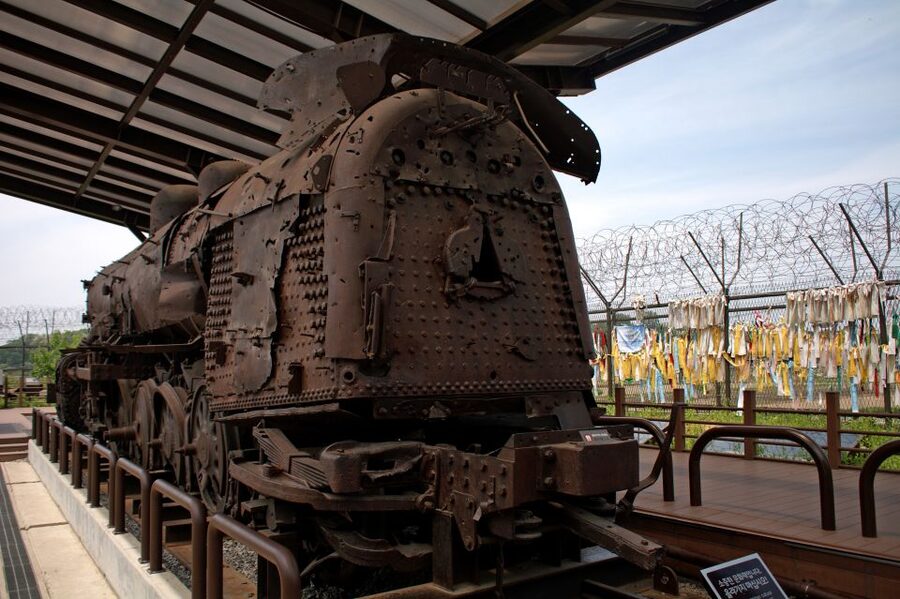
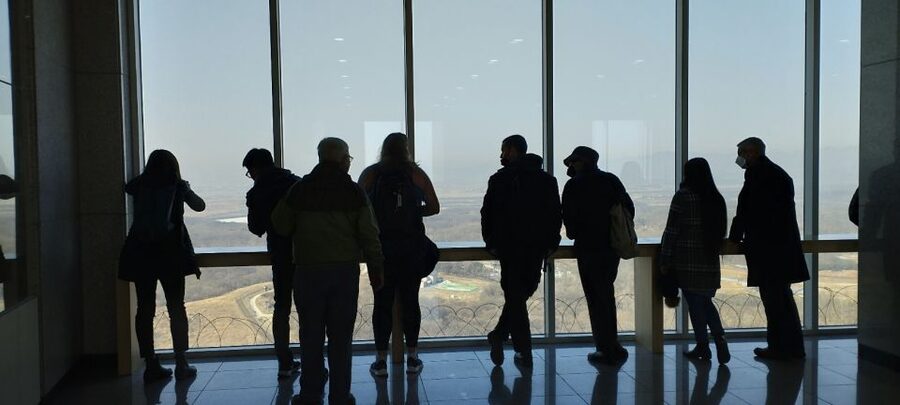
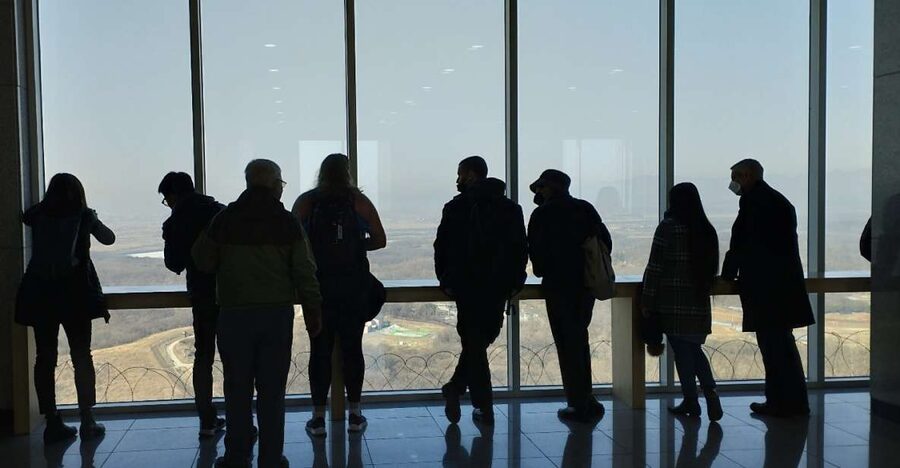
The observatory offers the tour’s most direct visual connection with North Korea. From here, you may be able to see North Korean residents and the territory beyond the border, depending on visibility and viewing conditions.
That uncertainty is part of the experience. You are not guaranteed a perfectly clear view, and the time available for photographs is regulated. The important point is not collecting a dramatic image. It is seeing how close two very different political systems can be while remaining separated.
The guide’s explanation matters most at this stop. Without context, the view could become a distant patch of land. With a security specialist explaining the border, the observatory becomes a place to think about families, propaganda, surveillance, and the ordinary people living on both sides.
Keep your expectations sensible. You may see more through the guide’s story than through the viewing equipment. Follow the photo rules, stay with the group, and do not assume you can remain after the allotted time.
Imjingak and the War History Pavilion
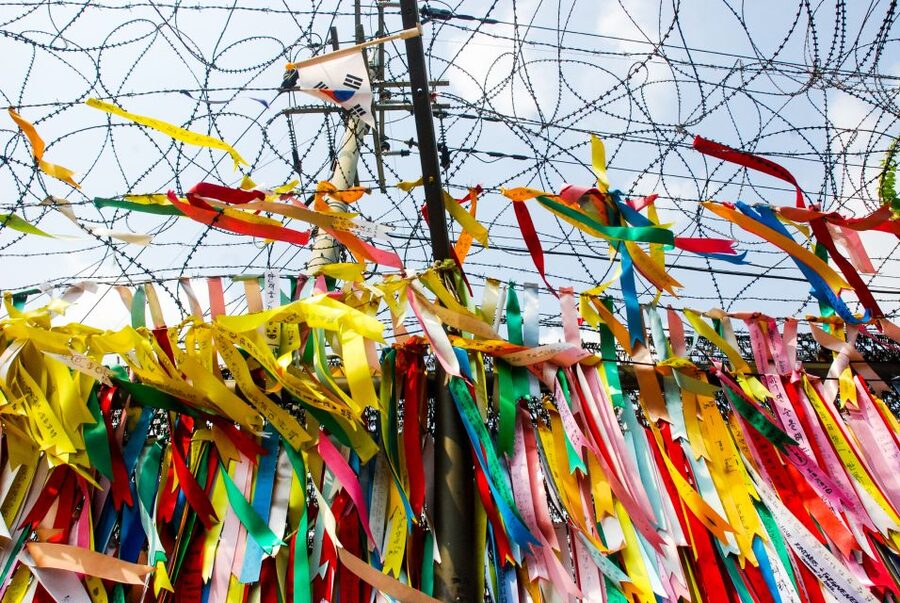
Imjingak adds a more public and emotional side to the border story. Along with the War History Pavilion, it helps explain how war and division remain part of South Korean public life.
The pavilion is useful if you want facts and broader context. Imjingak helps connect those facts to memory and reunification hopes. Together, the stops show that the DMZ is not only a military line. It is also a place shaped by families separated by history and by a future that remains unresolved.
The exact balance between these stops depends on access, military operations, and the day’s schedule. You should expect a guided overview rather than unlimited time at each location. That trade-off is normal for an organized DMZ visit, but it is worth knowing before you book.
The route’s strength is that it covers the principal sights in one day. Its weakness is that you cannot pause for as long as you might like at the most powerful locations.
The exhibition center and Korea’s changing story
The exhibition center provides a useful pause from the border’s military focus. Its subject is broad: Korea’s past, present, and future. That makes it a good place to connect the division of Korea with the country’s later growth and international reach.
I would see this part as supporting material rather than the main reason to book. The Third Tunnel and observatory offer the strongest sense of place. The exhibition center gives you a framework for understanding what those sights mean in modern Korea.
That distinction helps you set expectations. If you love museums and historical displays, you may appreciate the added context. If you want every minute devoted to the DMZ itself, this stop may feel less urgent.
Gyeongbokgung and the business of royal rule
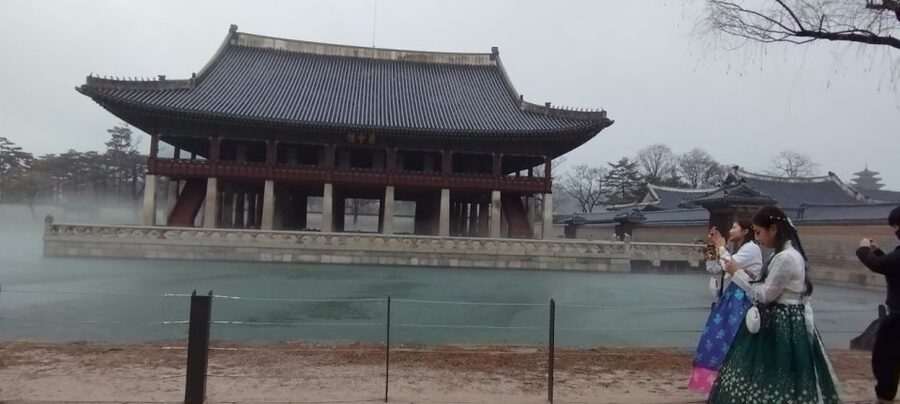
Gyeongbokgung Palace changes the mood completely. It was home to the king, his family, and roughly 2,000 other people who supported the running of the court.
The most interesting idea here is that the palace functioned more like a large working organization than a private royal residence. Officials and advisers helped manage the kingdom, while employees handled the many duties required to support the royal household. That detail makes the palace easier to picture as a place of administration, not only grand gates and ceremonial buildings.
I like having a guide here because palace architecture alone does not explain how the court worked. A strong guide can connect the buildings to the people who used them and show how royal authority operated.
Guide quality appears to be a real strength of this experience. SP is praised for explaining the palace and DMZ clearly, answering questions about many subjects, and taking photographs. Ron Han, nicknamed Han Solo, is also praised for his kindness and informative style. Molly received especially warm praise for explaining Korean dynasties, the war, and personal anecdotes while helping with photographs.
Gyeongbokgung is closed on Tuesdays. On those days, the palace visit is replaced by Deoksugung Palace, so check the day of your booking if the main palace is important to you. The replacement still keeps a royal Seoul site in the schedule, but it is not the same attraction.
What the $110 price really covers
At $110 per person, this is not the cheapest way to see Seoul. The price makes more sense when you add up what is included: transportation, hotel pickup and drop-off when arranged, a professional English or Korean guide, DMZ entry, a military tourist guide, and the shuttle vehicle needed for the controlled zone.
The largest saving is effort. A self-planned DMZ visit would require careful attention to transport, entry rules, timing, and authorized vehicles. This tour puts those moving parts into one plan.
The price is less attractive if you are mainly interested in Gyeongbokgung. You can visit a Seoul palace without dedicating 10 hours or paying for a military-zone excursion. The tour earns its cost through the DMZ access and the explanations provided by the guide.
Private groups are available, which may suit families or people who want more control over questions and pacing. A private option is likely worth considering if the palace matters as much to you as the border, or if you want a more personal guide experience. The standard group format is the better value for solo visitors and couples who want the main sights at a lower overall cost.
The practical limits you should know
Carry your current valid passport. This is essential for the day of travel, not an optional backup document.
Wear sneakers. Sandals and slippers are not allowed, and the Third Tunnel requires walking. The tour is not suitable for wheelchair users, and unaccompanied minors cannot join. Children must travel with an adult.
Military conditions can alter the itinerary. If an unannounced training exercise or official event closes the DMZ, the route is replaced with a different program featuring Tomorrow’s Whistle, Bunker Beat 131, Odusan Unification Tower, and the War Memorial of Korea.
That alternative may be worthwhile, but it is not the same as visiting the Third Tunnel and the observatory. If seeing North Korea is the central goal of your Seoul trip, understand that the border zone operates on military terms, not tourist promises.
Free cancellation is available up to 24 hours before departure, and you can reserve now and pay later. Confirmation is normally issued when you book, though bookings made within one day of travel are subject to availability.
Who will get the most from this day?
I would recommend this tour to first-time Seoul visitors who want a guided introduction to the DMZ and do not want to arrange the transport themselves. It also suits people who enjoy historical explanation, organized sightseeing, and a full day with little logistical guesswork.
Families can join as long as children are accompanied by an adult, but the tunnel, early start, and long duration may test younger children. Check the walking demands before booking.
This is not the right fit if you use a wheelchair, dislike fixed schedules, need a relaxed lunch break, or want to spend half a day at the palace alone. It is also a poor match if your idea of the DMZ is a quiet nature outing. The border visit is controlled, political, and tied to military rules.
The strongest reason to book is the guide. The warm, personal service described from Molly, Ron Han, and SP includes clear history, patient answers, and help with photographs. A good guide turns the day from a checklist into a story about Korea’s kings, war, division, and modern identity.
Should you book this Seoul DMZ and palace tour?
Book it if you want the DMZ’s main sights, a military guide, and Gyeongbokgung Palace in one tightly organized day. At $110, the value is solid for you if transport, entry fees, and border logistics would otherwise be difficult to manage.
Before paying, confirm three things: your passport is valid, your shoes are suitable for the tunnel, and your expectations match a long, fixed schedule. Also check whether you are visiting on a Tuesday, when Gyeongbokgung changes to Deoksugung.
I would choose this experience for a first Seoul visit, especially if you want clear historical explanations and are happy to trade freedom for access and structure. If you already know the DMZ or prefer slow, independent sightseeing, spend your day elsewhere in Seoul.
FAQ
How long does the tour last?
The tour lasts 10 hours, beginning at the stated 7:30 AM meeting time at Exit 7 of City Hall Station. Starting times can vary, so check availability when booking.
Is hotel pickup available?
Yes. Hotel pickup and drop-off service are included when arranged, and hotel pickup is listed as an optional choice. The meeting point is Exit 7 of City Hall Station at 7:30 AM.
Do I need my passport?
Yes. Every participant must carry a current valid passport on the day of travel.
Is lunch included?
Lunch is not included in the tour price. Personal expenses are also excluded.
What happens if the DMZ closes?
If an unannounced military training exercise or official event affects access, the tour is replaced with a route including Tomorrow’s Whistle, Bunker Beat 131, Odusan Unification Tower, and the War Memorial of Korea.
Can I visit Gyeongbokgung on a Tuesday?
No. Gyeongbokgung Palace is closed on Tuesdays, so the tour visits Deoksugung Palace instead.
Just added in Seoul
- Seoul: Korean & English Language Exchange Global Party★ 5.0 · 28 reviews
- Your Personal Seoul Photographer!★ 4.1 · 15 reviews
- You’re Invited to Our Home in Seoul: The Only Cooking Class!★ 5.0 · 8 reviews
- From Seoul: Yongpyong Ski Day Tour with Transportation★ 4.9 · 40 reviews
- From Seoul: Hwacheon Ice Fishing and Lighting Festival Tour★ 4.5 · 4 reviews
- Seoul: Gangneung BTS K-Pop & K-Drama Filming Locations Tour★ 4.6 · 14 reviews
- Unique Native Experience : Han River Picnic, Board game, BBQ★ 5.0 · 3 reviews
- Seoul: Euljiro Gastroventure Tour★ 4.0 · 1 review
DMZ Tours, compared.
Best DMZ Tour Korea from Seoul (Red Suspension Bridge Optional)
Read our review →
DMZ Tour: 3rd Tunnel, Option(Suspension Bridge, Boat) from Seoul
Read our review →DMZ tour south Korea from Seoul (NK experience hall, defector)
Read our review →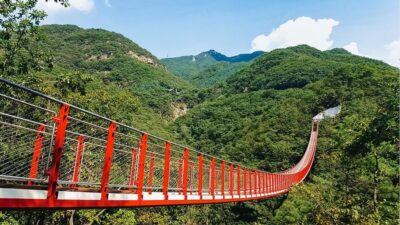
DMZ Insider Tour: 3rd Tunnel, NK Defector Meet & Red Bridge
Read our review →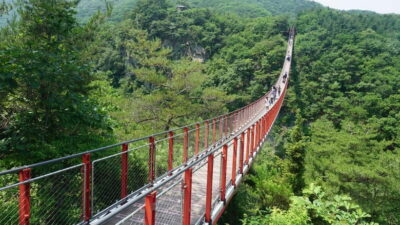
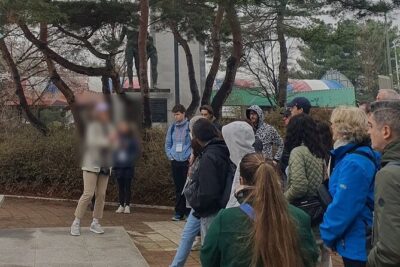
Signature DMZ Tour: Exclusive Defector Talk & Suspension Bridge
Read our review →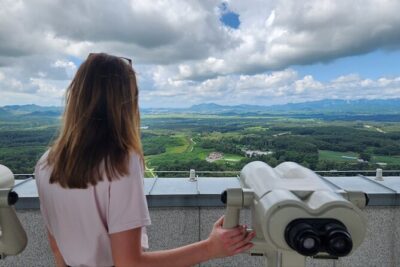
Thrilling Korean DMZ 3rd Tunnel Tour from Seoul + Red Bridge Rush
Read our review →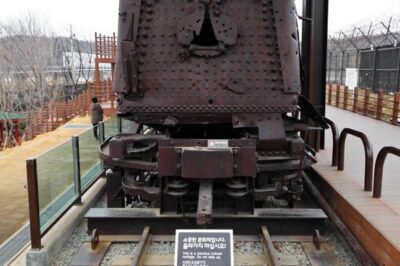
DMZ Past and Present: Korean Demilitarized Zone Tour from Seoul
Read our review →Browse the lists this tour appears in