
Reviewed · HISTORICAL TOURS
Full-Day Small Group GyeongJu History Tour from Seoul
Ancient Korea makes a long day worthwhile. This small-group trip gives you Seokguram and Bulguksa Temple, two of Gyeongju’s major cultural sights, without the fuss of arranging transport from Seoul. I like the included lunch and admission fees, and I also like having a professional guide explain the unusual structures rather than simply pointing at them. The main drawback is the distance: a 7:00 am departure and roughly 12 hours on the road make this a demanding day.
You will also visit Cheomseongdae Observatory and the Daereungwon Tomb Complex, giving the tour a wider look at Gyeongju beyond its famous temple. The group can reach 30 people, so the experience may feel more organized than personal. One guide named JJ has been praised for being thorough, kind, energetic, and helpful, although that praise came from a private tour comment, so it should not be treated as a promise that JJ will lead this departure.
In This Review
- Key points to know before booking
- Why Gyeongju is worth the long ride from Seoul
- Seokguram: an artificial cave with serious artistic weight
- Bulguksa Temple and the Dabotap wish
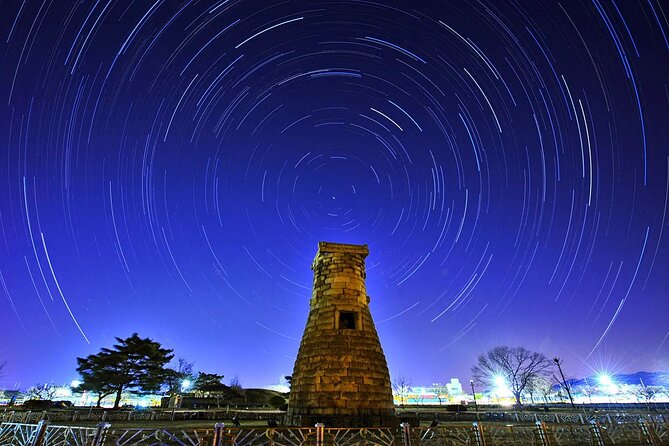
- Cheomseongdae Observatory and Silla-era science
- Daereungwon Tomb Complex and the final Gyeongju stop
- A 12-hour schedule from Hotel President
- Is $237 good value for this day?
- How the guide affects the experience
- Who should book this Gyeongju day trip?
- Final verdict: convenient, ambitious, and tightly timed
- FAQ
- Where does the tour begin?
- Where does the tour end?
- How long does the tour last?
- What attractions are included?
- Are admission fees included?
- Is lunch included?
- What is the largest possible group size?
Key points to know before booking
- Two major Buddhist sites lead the day: Seokguram and Bulguksa Temple each receive about one hour, with admission included.
- The 7:00 am start matters: You meet at Hotel President, 16 Eulji-ro, Jung-gu, Seoul, then return there at the end.
- The tour covers four Gyeongju sights: Seokguram, Bulguksa Temple, Cheomseongdae Observatory, and Daereungwon Tomb Complex.
- Lunch, transport, and entrance fees are included: Coffee and tea are not included.
- The group may reach 30 people: That keeps the price lower, but it can limit time for one-to-one questions.
- The price is $237 per person: It offers convenience, though the value depends on how much you want to see Gyeongju in one packed day.
Why Gyeongju is worth the long ride from Seoul
Gyeongju is often treated as Korea’s historical capital, and this day trip gives you a quick look at why. The city’s sights connect royal Korea, Buddhist art, astronomy, burial customs, and traditional design in a way that Seoul’s modern streets cannot.
The tour is built for you if you want to see Gyeongju but do not want to plan trains, local transfers, admission tickets, and a route across several separate sites. An air-conditioned vehicle handles the journey, and the guide adds context along the way.
That convenience comes at a cost. You are paying $237 per person, and the day lasts about 12 hours. This is not a slow wander through Gyeongju. You get roughly an hour at each listed stop, plus the long ride between Seoul and the city.
I would see this as a practical first taste rather than a complete visit. If your South Korea plans already include several days in Gyeongju, you may prefer to stay overnight and explore at a slower pace. If Seoul is your base and your schedule is tight, this tour saves a great deal of work.
More History Tours in Gyeongju
- From Busan: Gyeongju UNESCO World Heritage Guided Day Tour
★ 4.8 · 1,250 reviews - Gyeongju UNESCO World Heritage Guided Day Tour from Busan
★ 5.0 · 660 reviews - Old Korea Thousand History Tour of Gyeongju from Busan
★ 5.0 · 518 reviews
Seokguram: an artificial cave with serious artistic weight
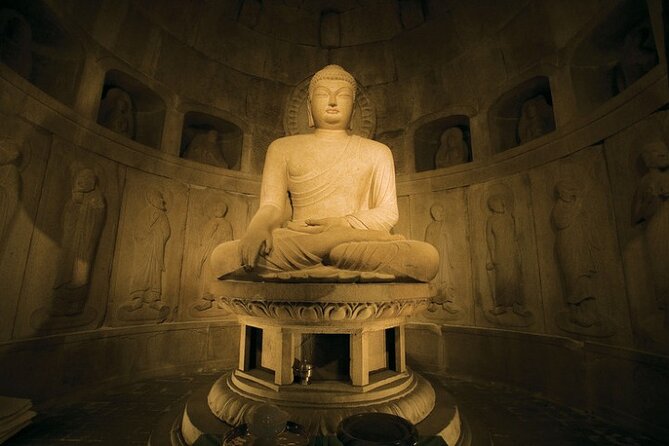
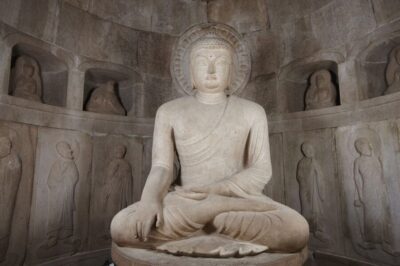
The day’s first major stop is Seokguram, an artificial cave built about 1,200 years ago. It is described as one of Korea’s great national treasures and as a major work of Buddhist art.
The appeal here is not simply the age of the site. Seokguram represents the careful planning and spiritual purpose of Silla-era construction. The cave setting also makes the visit different from a standard open-air temple stop. You are seeing architecture designed around a sacred interior, not just a collection of buildings in a courtyard.
You have about one hour here, and admission is included. That is enough time for a focused visit, especially with a guide explaining what you are seeing. I would pay close attention to the guide’s explanation of the cave’s design and Buddhist meaning, since the site can be easy to reduce to a quick photograph if you do not know what makes it important.
The practical limitation is time. Seokguram is not the sort of place you can casually explore for half a morning on this schedule. If the site matters deeply to you, note that the one-hour stop may feel brief.
Bulguksa Temple and the Dabotap wish
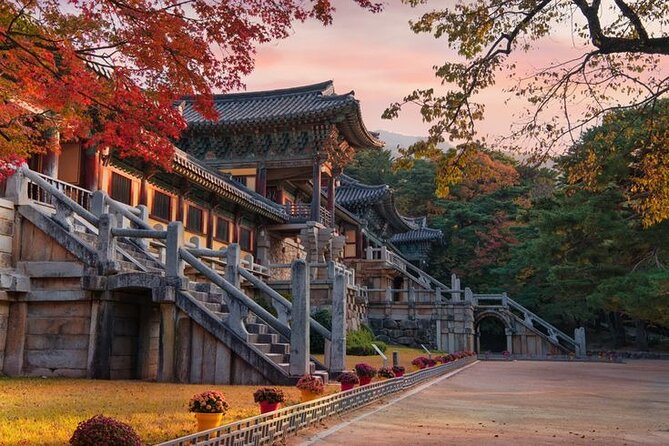
Bulguksa Temple follows with another hour and another included admission. It is presented as the most beautiful Buddhist temple of the Silla Dynasty, with a design based on simplicity and harmony.
That description points to what you should watch for. Instead of expecting a single dramatic monument, look at how the temple’s parts work together. The architecture is meant to feel balanced, and the guide’s explanation can help you notice details that might otherwise blur together.
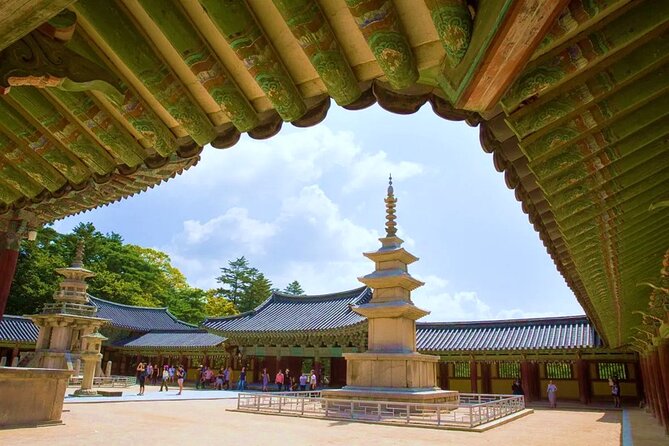
Dabotap Pagoda is one of the key features here. The tour specifically invites you to make a wish at Dabotap Tower, with the cheerful promise that your wish will come true. Treat that as a charming tradition rather than a guarantee, but it adds a human touch to a highly formal religious site.
I like the pairing of Seokguram and Bulguksa. The first gives you an enclosed Buddhist art experience, while the second lets you see temple architecture in a broader setting. Together, they form the strongest part of the day.
Again, you get about an hour. That should work for a guided overview, but not for a quiet, unhurried temple visit. Crowds and group movement may also affect how long you can pause at individual features.
Cheomseongdae Observatory and Silla-era science
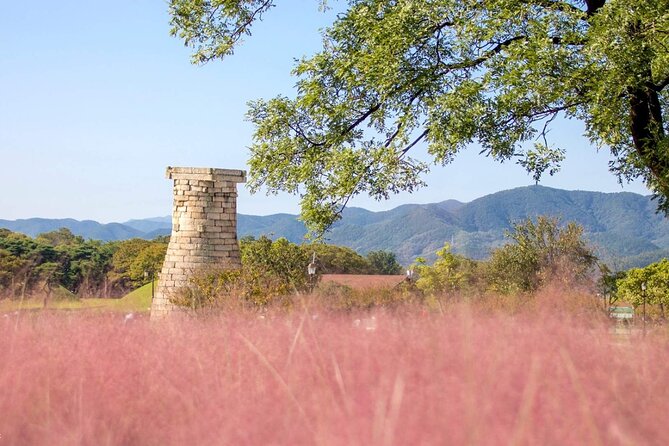
Cheomseongdae Observatory changes the subject from religion to astronomy. It was built during the reign of Queen Seondeok, from 632 to 647, to observe the movements of heavenly bodies.
The structure is identified as the oldest astronomical observatory in Asia. That fact gives the stop real weight, even though the visit itself is shorter in feel than a large temple complex. You are looking at a compact monument connected to the scientific interests of the Silla Dynasty.
The one-hour allocation gives the guide room to explain why the observatory matters and how it fits into Gyeongju’s broader story. I would use this stop to ask questions. The site becomes much more interesting when you understand what its builders were trying to observe and why astronomy mattered to the royal court.
This is also a good pause in the day because it breaks up the sequence of Buddhist sites. You get a different kind of evidence about Silla Korea, one tied to the sky, royal authority, and organized observation.
Do not expect a long museum-style visit here. The stop is centered on the observatory itself, and the available details do not indicate additional exhibits or extended activities. Its value depends heavily on the guide’s explanation.
More History Tours in Seoul
- Seoul: Evening Dark History, Folklore & Ghost Story Walking Tour
★ 5.0 · 593 reviews - Hanbok Photoshoot and History Tour at Gyeongbokgung Palace
★ 5.0 · 276 reviews - From Seoul: Dae Jang Geum Park Historic K-Drama Set Tour
★ 4.9 · 143 reviews - Seoul: City Highlights and Historical Experience No Shopping
★ 5.0 · 74 reviews
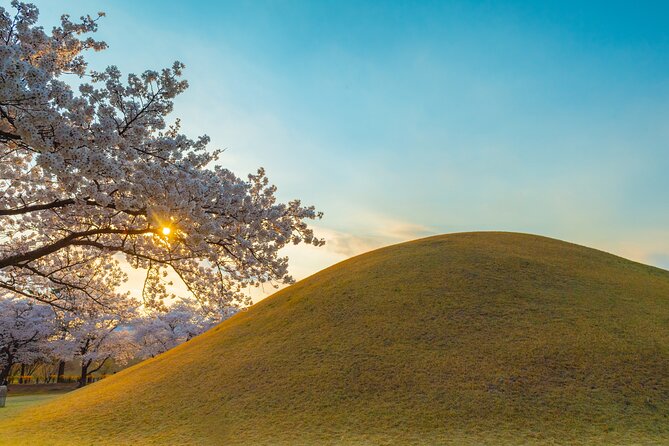
Daereungwon Tomb Complex and the final Gyeongju stop
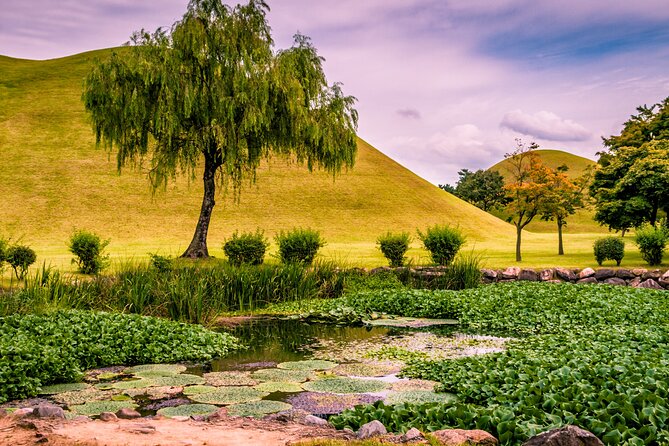
The last listed stop is the Daereungwon Tomb Complex. The supplied details associate this part of the program with Seoraksan Mountain, which does not match the Daereungwon name. Because of that inconsistency, I would confirm the exact presentation of this stop before booking if it is especially important to you.
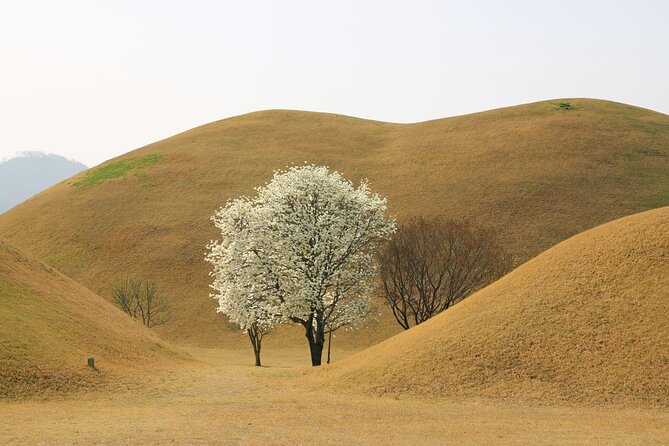
What is clear is that Daereungwon is included as a one-hour visit with admission covered. Its place in a Gyeongju history day suggests a focus on the city’s royal and burial heritage, giving the route another type of historical site after the temple and observatory visits.
This stop helps broaden the day. You are not seeing only beautiful architecture. You are also being introduced to how power, ritual, and memory shaped the city. Still, the available information does not provide a detailed description of which tombs or features you will see, so you should keep your expectations measured.
A guide is especially useful here. Large burial sites can look simple at first glance. An explanation can show you why the complex matters and connect it to the other Silla-era places visited earlier.
A 12-hour schedule from Hotel President
The tour begins at 7:00 am at Hotel President, located at 16 Eulji-ro, Jung-gu, Seoul. It ends back at the same meeting point.
That fixed start and finish are helpful if you are staying nearby, but you need to plan your morning carefully. Arriving late could be difficult with a group departure, and the tour does not advertise multiple pickup points in the information provided.
The air-conditioned vehicle is one of the most important inclusions. Seoul to Gyeongju is a substantial journey, and a prearranged vehicle removes the need to compare train times, find local transportation, and coordinate a route between four different sights.
The tradeoff is a lot of sitting. Bring water and anything you need for a full day, since the program begins early and returns at the same point after approximately 12 hours. Coffee and tea are not included, so plan to purchase those separately if you want one during the day.
A maximum of 30 people keeps the tour within a manageable group size, but this is not a private outing. You may need to stay aware of the schedule and keep pace with the group at each stop.
Is $237 good value for this day?
At $237 per person, this is not a bargain sightseeing trip. It becomes more reasonable when you count what is bundled into the price: an air-conditioned vehicle, lunch, and admission fees at the listed attractions.
The greatest value is time saved. You can visit Gyeongju from Seoul without arranging the transport yourself. For a first visit, that convenience may be worth more than the difference between this price and a self-planned trip.
The price is less appealing if you strongly prefer independent travel. The four one-hour stops leave limited room to linger, and a group of up to 30 people may not give you the freedom to change the order or spend extra time at your favorite site.
Group discounts are offered, though no discount amount is specified. If you are booking with friends or family, check the final price before assuming how much you will save.
Lunch is another useful inclusion. You do not have to spend part of the day finding a restaurant or deciding how to fit a meal into the schedule. The details do not specify the menu, dietary choices, or lunch location, so you should ask ahead if you have special food needs.
How the guide affects the experience
The guide can make or break a history-heavy day. These sites are attractive, but the meaning behind them is what turns a series of stops into a coherent visit.
The strongest praise connected with the available tour comments goes to guide manner and explanation. One comment describes JJ as thorough, kind, energetic, and helpful. That is exactly the style you want on a long day with several major sites. Clear explanations also matter because some stops, especially Cheomseongdae and the tomb complex, may need context before their importance becomes clear.
You should not assume JJ will lead your departure. The information only identifies her in connection with a private tour comment. Still, it gives you a useful standard: look for a guide who keeps the group moving while making time for questions.
With a group of up to 30, a guide may not be able to provide the personal attention of a private tour. On the other hand, a larger group can make the cost of the vehicle and guide more practical for solo visitors or couples.
Who should book this Gyeongju day trip?
I would recommend it to you if Seoul is your base, you have only one free day for Gyeongju, and you value convenience over a relaxed pace. It is also a good fit if you want historical explanation rather than simply taking photos at famous sites.
The tour suits first-time visitors who want a broad introduction. You get Buddhist art, temple architecture, astronomy, and a tomb complex in one day. The included lunch and entrance fees simplify the day further.
I would hesitate if you dislike early starts, long vehicle rides, or fixed schedules. You should also think twice if your main goal is quiet photography or long periods at one temple. One hour per stop is useful for orientation, but it is not generous.
Families and small groups may appreciate the pickup arrangement, air-conditioned vehicle, and group discount option. Most people can participate, according to the tour information, but no detailed accessibility guidance is provided. If you have mobility concerns, ask before booking.
Free cancellation is available when you cancel at least 24 hours before the start time. Changes or cancellations inside that window are not accepted for a refund.
Final verdict: convenient, ambitious, and tightly timed
I like this tour’s clear purpose. It gets you from Seoul to four important Gyeongju sights, covers lunch and admissions, and adds a guide who can explain why the buildings and monuments matter.
The best part is the combination of Seokguram and Bulguksa Temple. Cheomseongdae adds an appealing scientific angle, while Daereungwon gives the day another historical layer. The weak point is the pace, combined with the high price and the possibility of a 30-person group.
Book it if you want an efficient first look at Gyeongju and do not want to manage the logistics yourself. Skip it if you can spare an overnight stay, prefer independence, or want enough time to sit quietly and let each place unfold.
FAQ
Where does the tour begin?
It begins at 7:00 am at Hotel President, 16 Eulji-ro, Jung-gu, Seoul 04533, South Korea.
Where does the tour end?
The activity ends back at the same meeting point at Hotel President.
How long does the tour last?
The tour lasts approximately 12 hours.
What attractions are included?
The route includes Seokguram, Bulguksa Temple, Cheomseongdae Observatory, and the Daereungwon Tomb Complex.
Are admission fees included?
Yes. Admission fees for the listed stops are included.
Is lunch included?
Yes, lunch is included. Coffee and tea are not included.
What is the largest possible group size?
The tour can have a maximum of 30 participants.
Just added in Seoul
- Seoul: Korean & English Language Exchange Global Party★ 5.0 · 28 reviews
- Your Personal Seoul Photographer!★ 4.1 · 15 reviews
- You’re Invited to Our Home in Seoul: The Only Cooking Class!★ 5.0 · 8 reviews
- From Seoul: Yongpyong Ski Day Tour with Transportation★ 4.9 · 40 reviews
- From Seoul: Hwacheon Ice Fishing and Lighting Festival Tour★ 4.5 · 4 reviews
- Unique Native Experience : Han River Picnic, Board game, BBQ★ 5.0 · 3 reviews
- Seoul: Gangneung BTS K-Pop & K-Drama Filming Locations Tour★ 4.6 · 14 reviews
- Seoul: Euljiro Gastroventure Tour★ 4.0 · 1 review
Historical Tours, compared.
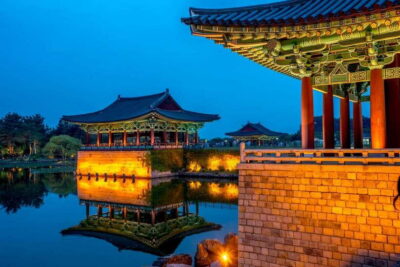
Gyeongju UNESCO World Heritage Guided Day Tour
Read our review →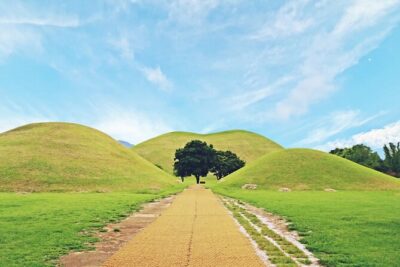
Gyeongju UNESCO World Heritage Guided Day Tour from Busan
Read our review →
Evening Dark History, Folklore & Ghost Story Walking Tour
Read our review →
Old Korea Thousand History Tour of Gyeongju from Busan
Read our review →
Hanbok Photoshoot and History Tour at Gyeongbokgung Palace
Read our review →
UNESCO Heritage Tour Including Bulguksa Temple
Read our review →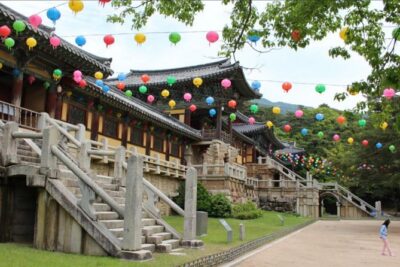
Gyeongju UNESCO World Heritage Sites and History Full-Day Tour with Lunch
Read our review →Browse the lists this tour appears in