
Reviewed · HISTORICAL TOURS
Old Korea Thousand History Tour of Gyeongju from Busan
Gyeongju packs a millennium into one long day. This full-day trip from Busan brings together Bulguksa Temple, royal burial mounds, old neighborhoods, palace ruins, and an illuminated bridge without making you arrange several trains, buses, and admissions yourself. I especially like the comfortable round-trip transport and the lively guides, including Bada, Erica, Kayla, Hyony, and Katrina, who add humor, historical context, and useful help with photos.
The drawbacks are clear: this is a long day, often running from about 10 a.m. to 10 p.m., and the schedule can feel tight at busy times. You will walk a lot, spend time outdoors, and have limited freedom to linger at each stop. Still, at $64 per person, included admissions and transport make this a strong way to see Gyeongju from Busan in one shot.
In This Review
- Key points before you book
- Why Gyeongju makes a worthwhile day trip from Busan
- Starting from Busan Station, Seomyeon, or Haeundae
- Bulguksa Temple: the strongest morning stop
- Gyochon Village and Woljeonggyo Bridge by day
- Daereungwon Tomb Complex: understand what you are seeing
- Hwangridan-gil: two hours for food and wandering
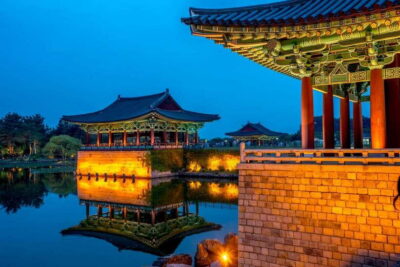
- Donggung Palace and Wolji Pond after sunset
- Woljeonggyo Bridge under lights
- What the guides add to the day
- Is $64 good value for this route?
- Heat, walking, and how to prepare
- Should you book the Gyeongju Thousand History Tour?
- FAQ
- How long is the Gyeongju tour from Busan?
- Where does the tour depart from?
- Is hotel pickup included?
- What attractions are included?
- Are admission tickets included?
- Are meals included?
- How much walking is involved?
- Is the tour suitable in hot weather?
- Is the tour available with a mobile ticket?
- What is the cancellation policy?
Key points before you book
- Six major stops in one day: Visit Bulguksa Temple, Gyochon Village, Daereungwon Tomb Complex, Hwangridan-gil, Donggung Palace and Wolji Pond, and Woljeonggyo Bridge.
- The evening finale is the highlight: The palace pond and lit bridge give the day its most memorable views.
- Guide quality matters: Bada, Erica, Kayla, Hyony, and Katrina are praised for clear explanations, humor, patience, and photo help.
- Expect a serious walking day: One person recorded more than 18,000 steps, and heat can make the route feel harder.
- Good value for a Busan base: Round-trip transport, a professional guide, and attraction admission are included.
- Pack for the weather: Bring water, sunscreen, a hat or parasol, and comfortable shoes, especially from April through September.
Why Gyeongju makes a worthwhile day trip from Busan
Busan is Korea’s energetic port city, but Gyeongju offers a very different mood. It was the capital of the Silla kingdom for centuries, and its historic center is filled with temples, burial mounds, palace remains, traditional houses, and carefully preserved streets.
The appeal is not one single monument. It is the way the sites fit together. At Bulguksa, you see Silla-era Buddhist art and architecture. At Daereungwon, enormous grassy mounds mark the graves of rulers and nobles. At Donggung Palace and Wolji Pond, you see how a royal setting was designed for evening beauty and formal entertainment.
I like this tour because it gives you that broad picture without asking you to master Gyeongju’s local transport system. The bus also gives you an air-conditioned break between outdoor stops, which matters on hot and humid days.
The tradeoff is pace. Six stops over roughly twelve hours means you are sampling Gyeongju rather than studying every site closely. If you want long museum visits, quiet walks, or detailed photography, an overnight stay would serve you better. If your time in Busan is limited, this route covers a great deal.
More History Tours in Busan
- From Busan: Gyeongju UNESCO World Heritage Guided Day Tour
★ 4.8 · 1,250 reviews - Gyeongju UNESCO World Heritage Guided Day Tour from Busan
★ 5.0 · 660 reviews - Busan history and market food tour with local chef
★ 5.0 · 58 reviews
Starting from Busan Station, Seomyeon, or Haeundae
The tour offers pickup at Busan Station, Seomyeon Station, and Haeundae Station before heading toward Gyeongju. During the summer schedule from April through September, the listed departure times begin at 10 a.m. from Busan Station, followed by Seomyeon at 10:20 a.m., with Haeundae later.
Check your confirmation carefully. One important practical warning from the supplied feedback is that the meeting time printed on one voucher did not match the actual schedule. That kind of error can create real stress, so verify the exact location and time before the morning of departure.
Hotel pickup and hotel return are not included. You need to reach one of the stated stations yourself. The mobile ticket is convenient, but I would still keep the booking details easy to open on your phone.
The group can be large, with a maximum listed capacity of 400 people. That sounds imposing, though the English-speaking section may be smaller on some departures. One account described a small English group and a comfortable bus, while another mentioned a group of more than 30. Your experience will depend on the day and the language arrangements.
Bulguksa Temple: the strongest morning stop
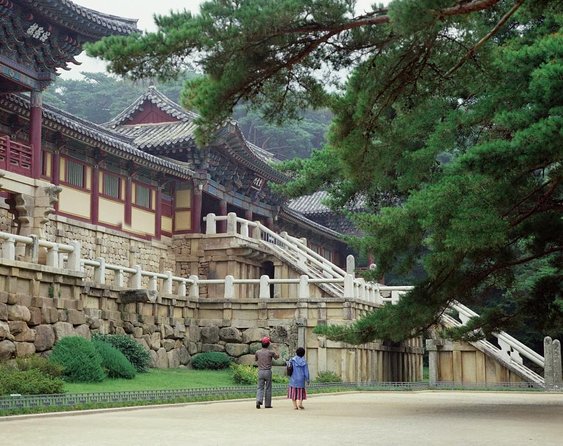
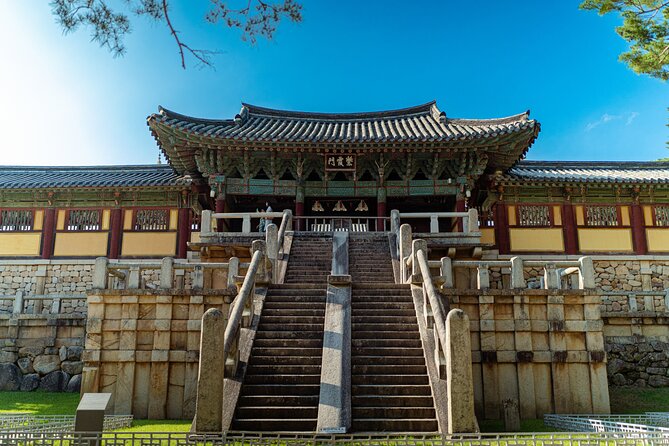
Bulguksa is the first major attraction, with about one hour set aside for it. This is the site I would most want to protect if the schedule changes, because it gives you the clearest sense of Silla-period religious art and architecture.
The temple sits in harmony with its mountain setting, and the visit lets you see the careful balance of stonework, timber buildings, stairs, courtyards, and surrounding scenery. Admission is included, so you can focus on looking rather than handling another ticket.
One hour is enough for a useful introduction, but not enough for every corner. If you enjoy architectural detail, you may wish the stop were longer. Keep your camera ready and listen closely to the guide’s opening explanation, since it supplies the historical frame for much of the rest of the day.
The route is outdoors and includes walking on uneven surfaces and steps. Good shoes matter here. In warm weather, the combination of sun, humidity, and stone paths can drain your energy earlier than expected.
Gyochon Village and Woljeonggyo Bridge by day
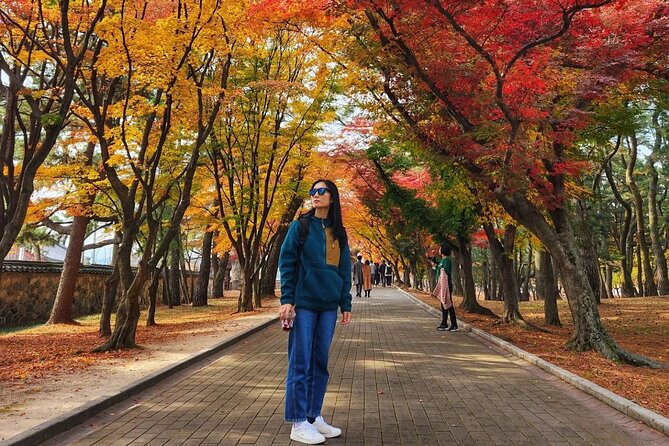
The next stop lasts about an hour and combines Gyeongju Gyochon Traditional Village with the area around Woljeonggyo. The village is made up of hanok houses, stone-wall paths, traditional institutions, restaurants, and small points of local interest.
This is a pleasant change from a major temple. You get a sense of old residential Gyeongju rather than only royal or religious Korea. The setting works well for a slower walk and photographs of tiled roofs, walls, and traditional details.
The main caution is that the guided portion can be brief. One person felt there was not enough time in the village and that the visit focused on only one house. If you want to explore every lane or sit down for a meal, an hour will feel short.
Woljeonggyo Bridge returns later in the evening as a dedicated stop, so do not worry if the daytime visit feels like only an introduction. The bridge is most impressive after dark, when lights reflect in the water and the traditional design takes on a different character.
More History Tours in Gyeongju
- From Busan: Echoes of Silla Gyeongju Historical Day Tour
★ 4.8 · 55 reviews - Gyeongju Historic Areas Day Tour with Sky Capsule from Busan
★ 5.0 · 18 reviews - Gyeongju The UNESCO World heritage sites tour(Private tour)
★ 5.0 · 17 reviews - From Busan: Gyeongju Historical Day Tour with Sky Capsule
★ 4.7 · 17 reviews
Daereungwon Tomb Complex: understand what you are seeing
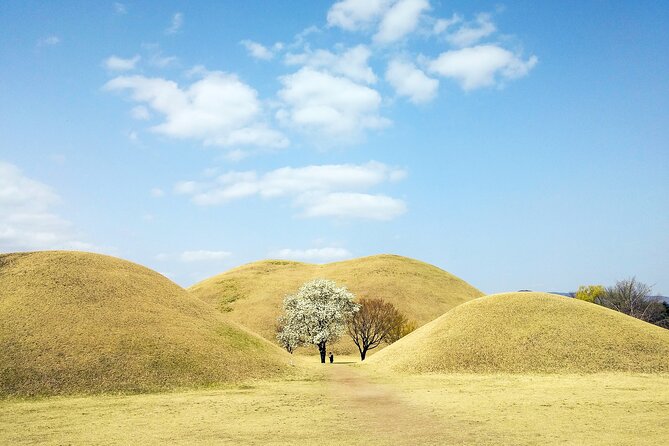
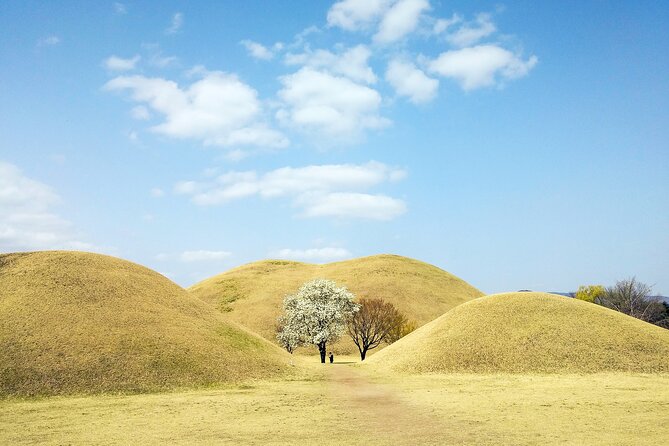
Daereungwon is a large area of grassy burial mounds connected with Silla kings, queens, and aristocrats. You receive about an hour here, and admission is included.
At first glance, the site can seem simple. The tombs look like rounded hills covered in grass, with no grand stone mausoleums rising above the ground. That simplicity is exactly why the guide’s explanation matters. Without context, you may wonder why these mounds deserve a place on a full-day route.
Some people find this stop less rewarding than Bulguksa because there are few visible structures. I think it works best as a history lesson and a chance to understand how the Silla capital was organized around royal memory. If your interest is mainly dramatic buildings, this may be the quietest stop of the day.
Use the hour to walk among the mounds, take in their scale, and ask questions. Do not expect an underground tomb tour or a museum-style display at every turn.
Hwangridan-gil: two hours for food and wandering
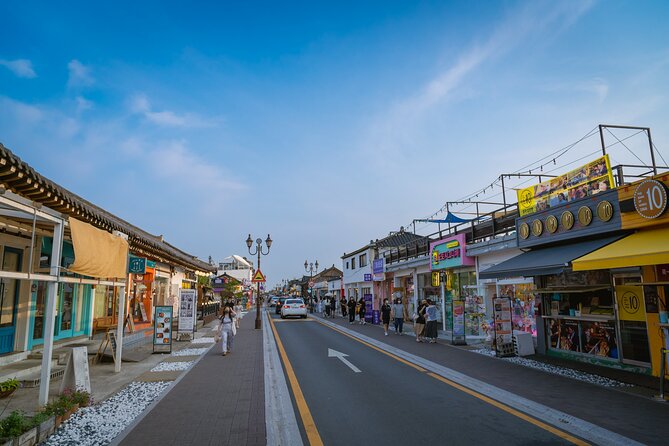
Hwangridan-gil gives you roughly two hours, the longest free period on the route. This street preserves older buildings from the 1960s and now mixes that older appearance with shops, cafés, restaurants, and places to browse.
The stop helps keep the tour from becoming six straight monument visits. You can stretch your legs, find something to eat, and see how Gyeongju’s older building stock has been adapted for present-day use. Meals are not included, so this is the natural point to budget for lunch or snacks.
Two hours sounds generous, but it can pass quickly if you want a proper meal and some shopping. Keep an eye on the meeting time. A group tour cannot wait for a slow restaurant, and returning late here could affect the evening stops.
The street is sometimes described as a downtown or market area, but it is more accurate to expect a defined shopping and food street rather than a large city center. I would treat it as a useful break and a chance to choose your own pace, not as the main historical attraction.
Donggung Palace and Wolji Pond after sunset
The evening visit to Donggung Palace and Wolji Pond lasts about an hour. This is one of the best timed parts of the tour.
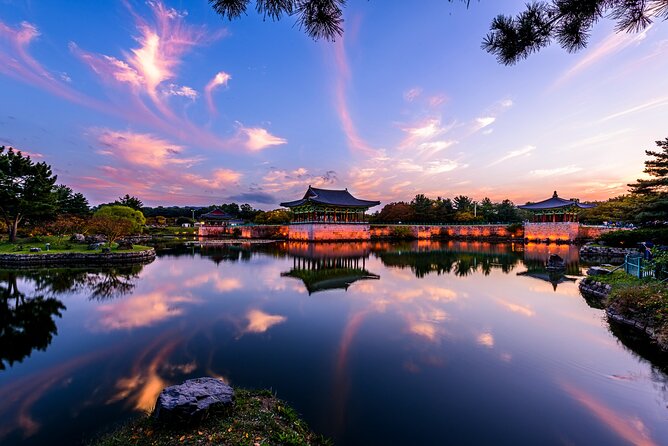
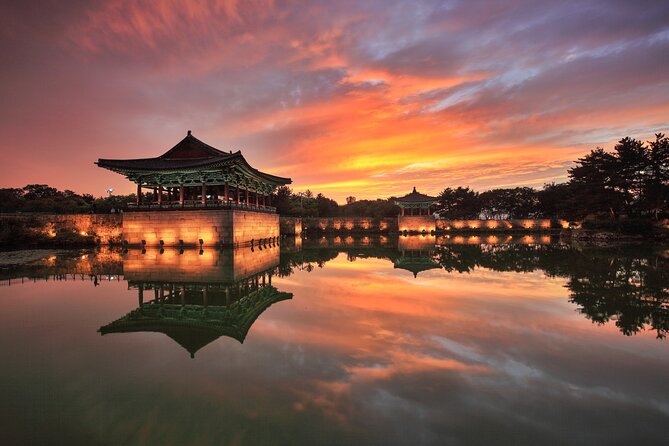
Donggung was a palace site from the Unified Silla period. Much of the original palace no longer survives, and only a small number of structures have been reconstructed. The real visual draw is the pond, where the buildings and lights reflect across the water.
The site becomes especially atmospheric at night. The illumination gives you a strong closing image after a day of temples, tombs, and traditional houses. Several people singled out this stop as one of the most memorable parts of the route, and I can see why.
Do not arrive expecting a fully restored palace complex. You are seeing ruins, reconstructed elements, water, and evening lighting rather than a complete royal residence. The guide’s explanation helps you picture how the site once functioned.
This is also where the tight schedule may be most frustrating. The pond is highly photogenic, and you may want more than an hour to walk around it and wait for clear reflections. Keep your group’s meeting instructions in mind.
Woljeonggyo Bridge under lights
The final sightseeing stop is about 30 minutes at Woljeonggyo Bridge. The bridge’s traditional form, colored lighting, and reflection in the water make it a natural place for evening photographs.
Half an hour is enough to see the bridge and take pictures, but it is not a leisurely riverside stroll. If you have a particular shot in mind, move quickly once the guide releases you.
I like the decision to place this stop at night. A daytime bridge visit would be pleasant, but the lighting gives it a sense of occasion. It also provides a satisfying final scene before the return drive to Busan.
What the guides add to the day
The guides are a major part of the experience. Bada is praised for clear speech, historical explanations, humor, and care in hot weather. Kayla is repeatedly described as energetic, funny, patient, and good at making a long day enjoyable. Erica receives praise for positive energy, useful explanations, and taking excellent photos for people traveling alone.
Hyony is noted for explaining Korean history and helping solo visitors with pictures. Katrina is praised for time management, helpfulness, and clear stories. Eva is described as attentive and good at keeping the group together while explaining the Silla kingdom.
These details matter because Gyeongju’s sites do not all explain themselves. A grassy mound needs context. A palace pond needs a sense of what once stood there. A funny story or a simple explanation can make the difference between another old site and a place you remember.
The guiding style can also affect your enjoyment. One person felt rushed and wanted more independent time, while many others valued the energy and structure. You should expect active group management, reminders to stay on schedule, and regular commentary. If you prefer silence and solitary wandering, this format may feel controlled.
A small note on tipping: tipping is optional, and Korea is generally not a tipping culture. If a guide requests a tip or suggests a particular review score, you should know that you are not obligated to do either. The tour price already covers the listed services.
Is $64 good value for this route?
At $64, the price is reasonable for a twelve-hour excursion that includes round-trip transport, a professional guide, and admission to the paid attractions. Buying separate transport and entry tickets would require more planning, and you would need to coordinate several sites spread around Gyeongju.
The value is strongest if you are staying in Busan and have only one day available for the ancient capital. You see the major highlights, receive background information, and avoid worrying about the return journey after the evening sites.
The price does not include meals, hotel pickup, or personal expenses. Plan for food at Hwangridan-gil and remember that you still need to reach the Busan pickup station. A long day can also tempt you to buy drinks and snacks, especially in summer.
The rating is 4.8 from 518 ratings, with 96 percent recommending the experience. Those numbers suggest a reliable overall product, but they should not hide the main limitation: the route is designed for coverage, not leisurely exploration.
Heat, walking, and how to prepare
This is not a physically extreme excursion, but you should have moderate fitness. The route includes extended outdoor walking, and one person recorded more than 18,000 steps.
From April through September, bring plenty of water, sunscreen, and a hat or parasol. Several accounts describe heat and humidity as formidable, while others appreciated returning to the air-conditioned bus between stops.
Wear shoes you can walk in for a full day. Keep your phone charged for the mobile ticket and photographs. If you are traveling alone, you may appreciate asking the guide for help with pictures, a service several guides are praised for providing.
Families can enjoy the route, but the timing deserves thought. A day from about 10 a.m. until 10 p.m. is demanding for young children. The evening sites are beautiful, yet the return to Busan comes after a very full schedule.
Free cancellation is available if you cancel at least 24 hours before the local start time. Changes made inside that window are not accepted, and poor weather may lead to a different date or a full refund. Service animals are allowed, and the tour is near public transportation, though hotel pickup is not provided.
Should you book the Gyeongju Thousand History Tour?
Book it if you want the largest useful slice of Gyeongju in one day from a Busan base. It suits first-time visitors, solo visitors who like guided structure, history fans, and anyone who values a comfortable bus over a complicated independent route.
Skip it if you dislike early starts, long bus days, group timing, or short visits at major sites. An overnight in Gyeongju would give you more time at Bulguksa, the tombs, the village, and the palace pond.
For most people with limited time, I would book it. Protect your energy with water and good shoes, confirm the meeting time, budget for food, and expect the best moments to come late in the day at Donggung Palace and Wolji Pond and Woljeonggyo Bridge.
FAQ
How long is the Gyeongju tour from Busan?
The tour lasts approximately 12 hours. The stated schedule can run from about 10 a.m. until around 10 p.m., including the return to Busan.
Where does the tour depart from?
Pickup is available at Busan Station, Seomyeon Station, and Haeundae Station. The exact time depends on the pickup point and season.
Is hotel pickup included?
No. Hotel pickup and drop-off are not included. You need to make your way to one of the designated station pickup points.
What attractions are included?
The route includes Bulguksa Temple, Gyeongju Gyochon Traditional Village, Daereungwon Tomb Complex, Hwangridan-gil, Donggung Palace and Wolji Pond, and Woljeonggyo Bridge.
Are admission tickets included?
Yes. Admission to the paid attractions visited during the tour is included in the price.
Are meals included?
No. Meals are not included. Hwangridan-gil provides time to buy food, and meals are available at an additional cost.
How much walking is involved?
You should expect substantial walking and have moderate physical fitness. One account recorded more than 18,000 steps during the day.
Is the tour suitable in hot weather?
The tour operates outdoors and can feel hot and humid, especially in summer. Bring water, sunscreen, and a hat or parasol.
Is the tour available with a mobile ticket?
Yes. A mobile ticket is provided, and confirmation is received when you book.
What is the cancellation policy?
You can cancel at least 24 hours before the start time for a full refund. Cancellations or changes made less than 24 hours before the start time are not accepted, and poor weather may result in a different date or a full refund.
Just added in Busan
- Small Group 7D Korea package Tour with Seoul Gyeongju Busan Jeju★ 4.5 · 13 reviews
- Private Transfer from Seoul to Busan(up to 12 passengers)★ 5.0 · 1 review
- Jinhae Cherry Blossom + Busan Sunrise from Seoul★ 4.5 · 5 reviews
- 7 days Flexible Tour for Major Cities(Seoul,Busan,Gyeongju etc)★ 5.0 · 5 reviews
- PREMIUM 5 Days Tour for Wonder of Korea(Mt. Seoraksan, Andong, Gyeongju, Busan)★ 5.0 · 1 review
- 5 Days Tour for Korea’s past and present(Mt.Seoraksan, Andong, Gyeongju, Busan)★ 5.0 · 1 review
- 7 Days Highlight Korea Tour(Seoul, Nami, DMZ, Andong, Gyeongju, Busan)★ 5.0 · 1 review
- 5-Day Korea Golden route by K-shuttle Tour from Seoul Including Busan, Yeosu★ 4.5 · 37 reviews
Historical Tours, compared.
Gyeongju UNESCO World Heritage Guided Day Tour
Read our review →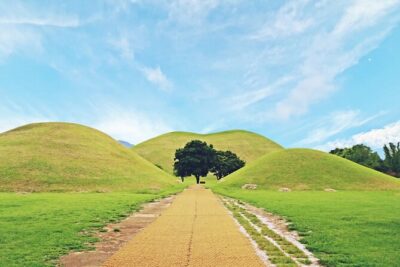
Gyeongju UNESCO World Heritage Guided Day Tour from Busan
Read our review →
Evening Dark History, Folklore & Ghost Story Walking Tour
Read our review →
Hanbok Photoshoot and History Tour at Gyeongbokgung Palace
Read our review →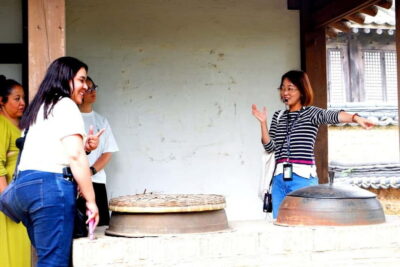
UNESCO Heritage Tour Including Bulguksa Temple
Read our review →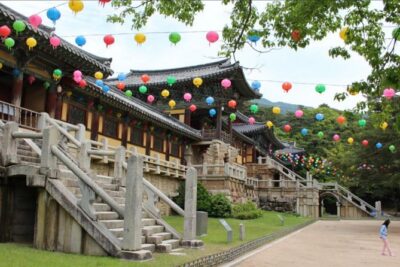
Gyeongju UNESCO World Heritage Sites and History Full-Day Tour with Lunch
Read our review →
City Highlights and Historical Experience No Shopping
Read our review →Browse the lists this tour appears in