
Reviewed · SOJU AND MAKGEOLLI TASTINGS
Makgeolli Brewing Class
Rice becomes Korean rice wine.
This 2.5-hour makgeolli class in Seoul’s Hyehwa neighborhood turns a traditional drink into a practical, social lesson. I like the clear, hands-on route from washing rice to filtering the finished brew, and I like that you can leave with either an ingredient kit or a bottle of makgeolli. The main drawback is the price: at $75 per person, it costs more than a simple tasting, so you should value the instruction and take-home item.
The class also adds useful cultural context instead of treating makgeolli as just another drink. Guides such as Omar and Inji have been praised for patient explanations, generous tasting, and careful answers to questions. Still, the group can include up to 20 people, so the amount of individual help may depend on the day.
In This Review
- Key points at a glance
- Why makgeolli makes a good Seoul experience
- Arriving at 229 Changgyeonggung-ro at 1:00 pm
- Starting with Korean alcohol and fermentation
- Tasting home-brewed makgeolli before brewing
- Washing rice, fermentation, and the final filtering
- Choosing the ingredient kit or a bottle
- Is $75 a fair price?
- Who will enjoy this class most
- Planning the rest of your Hyehwa afternoon
- Booking, cancellation, and practical details
- Should you book this makgeolli class?
- FAQ
- Where does the makgeolli class take place?
- What time does the class start?
- How long does the experience last?
- What does the class teach?
- Do I take something home?
- How many people can join the class?
- Can I cancel for a refund?
Key points at a glance
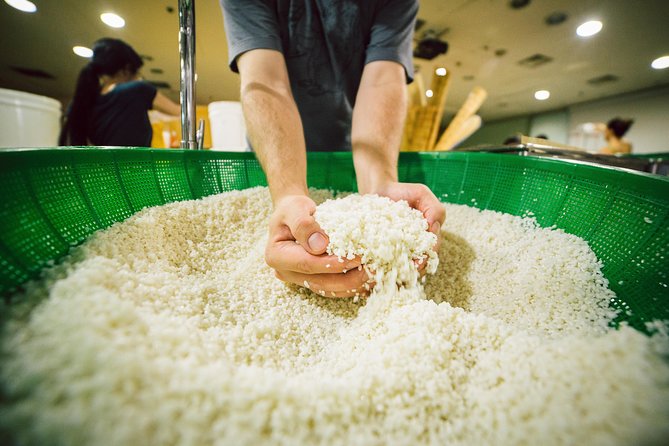
- Hands-on brewing from rice to filtering: You follow the main stages of makgeolli production rather than simply watching a demonstration.
- A tasting before you make your own: The class includes home-brewed makgeolli and an introduction to different Korean alcohol styles.
- Two take-home choices: Leave with a basic ingredient kit for another brew or choose a bottle of makgeolli instead.
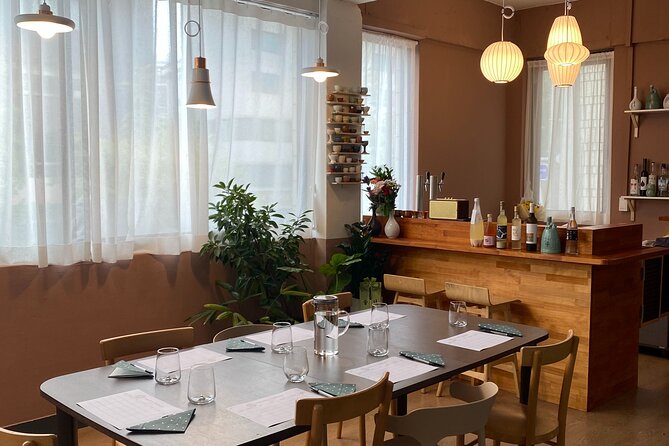
- A real brewery in Hyehwa: The class takes place at a working makgeolli brewery on the second floor of 229 Changgyeonggung-ro.
- A compact afternoon activity: The 1:00 pm start and roughly 2.5-hour length fit neatly into a Seoul sightseeing day.
- Small enough to stay practical, but not private: The maximum group size is 20 people.
Why makgeolli makes a good Seoul experience
Makgeolli is a milky Korean rice wine with a gentle, often lightly sweet character. It is made through fermentation, and the process gives you a useful window into Korean drinking culture, food traditions, and the role of homemade alcohol.
I like this class because it asks you to do more than sample a drink. You handle the early stages of brewing and see how the process moves toward filtering. That makes the final tasting easier to understand. Instead of asking only whether you like makgeolli, you can think about how the rice, fermentation, and filtering affect what reaches your glass.
The class also introduces different kinds of sool, the Korean word for alcoholic drinks. This matters because makgeolli is not an isolated curiosity. It belongs to a wider Korean alcohol tradition, and the tasting helps place it within that tradition.
You should arrive ready to take part. This is not a polished show where you sit back for two hours. The appeal comes from learning a process that you can repeat at home, even if your first batch requires patience and careful attention.
More soju and makgeolli tastings in Seoul:
- Soju Tasting at Distillery – story of 3 pigs
★ 5.0 · 166 reviews - Learn and Make Your Very Own Craft Makgeolli
★ 5.0 · 94 reviews - Traditional Soju Class and Makgeolli Tasting in Seoul
★ 5.0 · 35 reviews
Arriving at 229 Changgyeonggung-ro at 1:00 pm
The meeting point is on the second floor at 229 Changgyeonggung-ro in Seoul’s Jongno District. The location is near public transportation, which makes it practical to reach from other parts of central Seoul.
The 1:00 pm start is useful for planning. You can spend the morning at a palace, market, or neighborhood café, then make your way to Hyehwa for the afternoon class. Since the activity ends back at the starting point, you do not need to arrange a second pickup or figure out where to meet afterward.
Allow enough time to identify the building and reach the second floor. The supplied details do not name a specific subway exit or provide a map of the entrance, so your mobile ticket and booking confirmation are worth keeping handy. The mobile ticket is convenient, but I would still save the address in your phone before setting out.
The group may include as many as 20 people. That is not the same as a private workshop, but it is still a manageable maximum for a practical lesson. If you want lengthy one-on-one coaching, ask yourself how comfortable you are learning in a group.
Starting with Korean alcohol and fermentation
The class begins with background on Korean alcohol and the fermentation methods that make it different from ordinary rice-based drinks. This section gives the activity some needed context before the practical work starts.
I like the order. You first learn what you are handling, then taste, then work through the brewing steps. That progression keeps the lesson from becoming a string of disconnected facts.
The instructors come from the Korean alcohol industry and work in a functioning makgeolli brewery. That working setting matters. You are learning in a place where the drink is actually produced, not in a room set up only for tourists.
The instruction has also earned praise for being patient and detailed. Omar is noted for taking time with questions and explaining makgeolli’s place in Korean culture. Inji has been praised for detailed guidance and plenty of tasting. If one of these instructors leads your session, expect an instructor-led class with room for questions rather than a rushed demonstration.
The exact tasting lineup is not specified, so do not arrive expecting a fixed number of samples or a particular brand. You can expect home-brewed makgeolli and an introduction to alcohol from across South Korea. The tasting is part of the lesson, not a separate bar crawl.
Tasting home-brewed makgeolli before brewing
The tasting gives you a useful reference point. Makgeolli can seem unusual if your first encounter is simply a cloudy glass with a sweet or tangy taste. Sampling a house brew before making your own lets you consider the drink as the result of a process.
This is one of the class’s strongest features for curious drinkers. You can ask questions while the flavor is in front of you, then connect the answer to the practical stages that follow.
The shop also offers alcoholic drinks from different parts of South Korea after the class. That gives you the option to keep exploring once the formal workshop ends, although the activity itself returns to the meeting point and the supplied details do not state that additional drinks are included in the $75 price.
You should treat the tasting responsibly. The class includes alcohol, and the schedule runs for about 2.5 hours. If you plan to continue drinking afterward, keep your afternoon plans light and make sure you can get back safely by public transportation.
More workshops in Seoul:
- Local Home Korean Cooking Class & Market Adventure in Seoul
★ 5.0 · 1,024 reviews - Seoul: Korean Cooking Class at a Local Home and Market Tour
★ 5.0 · 348 reviews - Yongpyong Ski Resort from Seoul with Optional Lesson and Packages
★ 5.0 · 217 reviews - Korean Cooking Class with Grocery Shopping at Seoul Local Market
★ 5.0 · 107 reviews
Washing rice, fermentation, and the final filtering
The practical section takes you through the main steps of makgeolli production. You begin with washing rice, then learn about the fermentation stage and finish with filtering.
Washing rice may sound basic, but it is an important way to see that brewing starts well before alcohol appears. The class connects each stage to the finished drink, so you are not simply following instructions without knowing why the step matters.
Fermentation is the heart of the lesson. The instructors explain the techniques that give Korean alcohol its character, then show how the process develops over time. The supplied information does not give a precise fermentation timetable, so you should not expect to finish a fully fermented batch during the 2.5-hour session.
That point is important. The class teaches you how to begin and manage your own brew, but brewing at home continues after you leave. You receive the basic information needed to carry on, not a shortcut that turns raw ingredients into finished makgeolli in one afternoon.
The final filtering stage helps explain the drink’s cloudy appearance and smooth texture. You get to see how the liquid is separated and prepared, which makes the finished bottle more meaningful than a drink purchased without context.
I especially like that the class covers the full arc from preparation to filtering. Many food workshops focus on one memorable task. Here, you get a working outline of the entire method.
Choosing the ingredient kit or a bottle
At the end, you can choose between two take-home options. The first is an ingredient kit with the basic supplies needed to recreate your brew at home. The second is a bottle of makgeolli.
The ingredient kit is the better value for anyone who wants to continue learning. It turns the class into more than an afternoon activity and gives you a chance to test whether you can repeat the process once you are back home.
The bottle is the simpler choice. It suits you if you are traveling with limited luggage, have no practical way to brew at home, or would rather enjoy a finished drink than manage fermentation after the class.
The details do not specify the kit’s exact contents, bottle size, or shipping arrangements. If you are choosing the kit, ask the instructor what is included and what you must provide at home. Also check your airline and destination rules before packing alcohol or brewing ingredients.
This choice is a thoughtful touch because it serves two different kinds of visitors. One wants a souvenir that can be consumed soon. The other wants a small project to continue after Seoul.
Is $75 a fair price?
At $75 per person, this is not the cheapest way to taste makgeolli. You could spend far less on a bottle or a casual drink. The price makes more sense when you count the instruction, the tasting, the hands-on work, and the included take-home choice.
I would compare it with other food workshops rather than with a bar visit. You are paying for access to a functioning brewery, guidance from people with industry experience, and a lesson that covers the process from rice preparation through filtering.
The value is strongest if you are interested in Korean food culture, fermentation, or making drinks at home. It is weaker if you want a quick tasting with no practical work, or if you are already experienced with brewing.
The 2.5-hour duration helps the price feel more reasonable. The session is long enough to provide structure without taking your whole day. You still have time to explore Hyehwa or another Seoul neighborhood afterward.
The take-home choice is central to the value. If you select the kit and actually use it, the class continues beyond the visit. If you select the bottle, think of the price as covering a guided tasting and cultural workshop with a drink to take away.
Who will enjoy this class most
I would recommend this to adults who enjoy food experiences with a practical side. It should suit couples, friends, and solo visitors who like meeting around a shared task.
It is also a good fit if you have already tried makgeolli and want to understand how it is made. The class gives you more context than a restaurant pour, while still keeping the tone social and accessible.
This may be less suitable for someone who dislikes alcohol or does not want to handle a fermentation project at home. The workshop includes alcohol tasting, and the brewing lesson is the main point, not a side activity.
Families should check the participation details before booking, since the supplied information does not state age requirements. The same applies if you have dietary, mobility, or other special needs. The activity is near public transportation, but no specific accessibility information is provided.
The group limit of 20 is worth noting for solo visitors. You will have a shared class setting rather than a private lesson. That can make the experience more social, though the amount of personal attention may vary.
Planning the rest of your Hyehwa afternoon
The workshop ends at the same place where it begins, so you can plan something nearby afterward. Hyehwa is a useful base for continuing an afternoon in central Seoul, and the Jongno District location connects well with the city’s major sightseeing areas.
Keep your plans flexible. The class lasts approximately 2.5 hours, so an activity scheduled too tightly at 3:00 pm could create stress if the lesson runs a little over. A later meal, café stop, or relaxed neighborhood walk is a better match.
The shop’s selection of Korean alcoholic drinks gives you another option after the formal class. The information provided does not promise that any extra drinks are included, so budget separately if you plan to stay for more sampling.
You should also think about your return journey before drinking. Near public transportation is helpful, but a mobile ticket and central location do not remove the need to plan a safe trip back to your hotel.
Booking, cancellation, and practical details
Confirmation is sent at the time of booking, and the experience accepts a mobile ticket. The start time is 1:00 pm, with the meeting point on the second floor of 229 Changgyeonggung-ro.
The maximum group size is 20 people. The class also requires a minimum number of participants, so the provider may offer another date or a full refund if that minimum is not reached.
Free cancellation is available up to 24 hours before the local start time. Cancellations or changes made less than 24 hours in advance are not accepted for a refund. That is a fair policy, but you should pay attention to Seoul’s local time when making changes.
Should you book this makgeolli class?
Book it if you want a useful, hands-on introduction to Korean alcohol rather than a quick drink in a bar. The class earns its price through the full brewing sequence, the tasting, the cultural background, and the choice of a take-home kit or bottle.
I would be especially keen to book if I planned to use the ingredient kit later. That option gives the experience a second chapter and helps justify the $75 cost. If you only want to taste makgeolli, spend less at a restaurant or shop.
The main question is simple: do you want to learn how the drink is made? If yes, this Hyehwa workshop offers a focused afternoon with practical instruction and a clear connection to Korean food culture. If not, choose a shorter tasting instead.
FAQ
Where does the makgeolli class take place?
The class begins on the second floor of 229 Changgyeonggung-ro in Seoul’s Jongno District. It is in the Hyehwa neighborhood and near public transportation.
What time does the class start?
The stated start time is 1:00 pm.
How long does the experience last?
The class lasts approximately 2 hours and 30 minutes.
What does the class teach?
You learn the basic makgeolli brewing process, including washing rice, fermentation techniques, and the final filtering stage. The class also covers Korean alcohol history and includes tasting.
Do I take something home?
Yes. You can choose an ingredient kit for making your own brew or take home a bottle of makgeolli instead.
How many people can join the class?
The activity has a maximum capacity of 20 travelers.
Can I cancel for a refund?
Yes, if you cancel at least 24 hours before the experience start time. Cancellations made less than 24 hours in advance are not refundable.
Just added in Seoul
- Seoul: Korean & English Language Exchange Global Party★ 5.0 · 28 reviews
- Your Personal Seoul Photographer!★ 4.1 · 15 reviews
- You’re Invited to Our Home in Seoul: The Only Cooking Class!★ 5.0 · 8 reviews
- From Seoul: Yongpyong Ski Day Tour with Transportation★ 4.9 · 40 reviews
- From Seoul: Hwacheon Ice Fishing and Lighting Festival Tour★ 4.5 · 4 reviews
- Seoul: Gangneung BTS K-Pop & K-Drama Filming Locations Tour★ 4.6 · 14 reviews
- Unique Native Experience : Han River Picnic, Board game, BBQ★ 5.0 · 3 reviews
- Seoul: Euljiro Gastroventure Tour★ 4.0 · 1 review
Soju and Makgeolli Tastings, compared.

Traditional Soju Class and Makgeolli Tasting in Seoul
Read our review →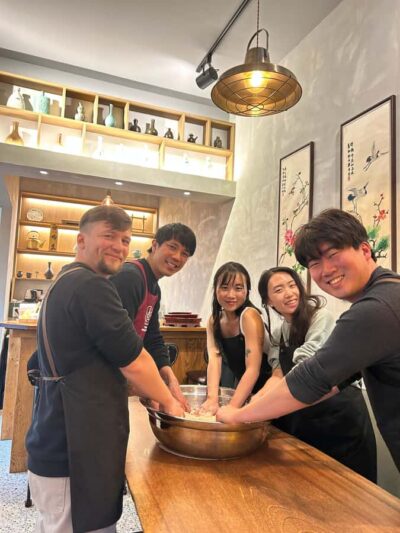
Learn and Craft Makgeolli in a Traditional Brewery
Read our review →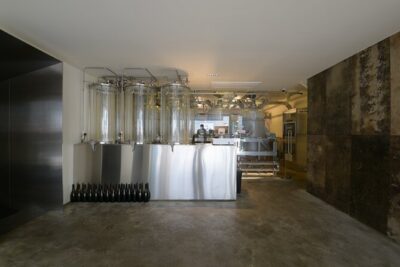
Rice Wine Tasting with Sommelier – Finest Makgeolli (& Soju)
Read our review →
Food Crawl with Fish Market, Soju Tents & Local Snacks
Read our review →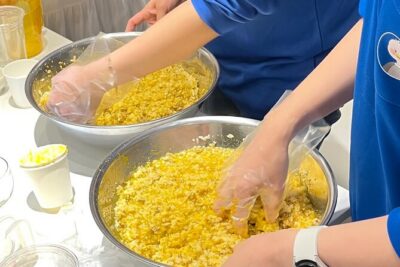
Brew&taste Korea’s traditional drink Makgeolli in Seoul forest
Read our review →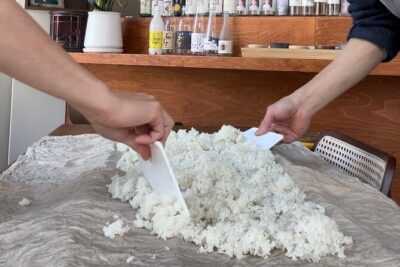
Browse the lists this tour appears in