
Reviewed · TRADITIONAL CRAFT WORKSHOPS
Learn and Craft Makgeolli in a Traditional Brewery
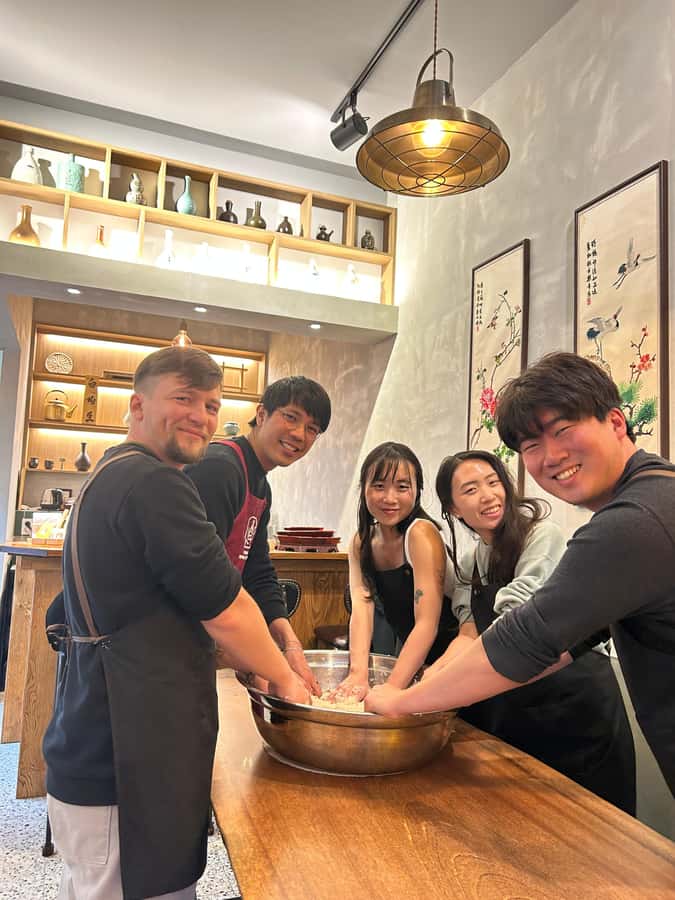
Rice wine becomes a hands-on cultural lesson. This two-hour class at Baekusaeng Makgeolli gives you two things I especially like: practical brewing work and a generous tasting session that compares commercial, craft, and premium makgeolli. The setting inside Ahyeon Market adds a useful sense of place, too.
I also like that brewery founder Joe Kim teaches the class himself. As a certified Korean traditional alcohol sommelier and author of an English home-brewing guide, he brings more depth than a simple recipe lesson. The main consideration is the pace: a lot is packed into two hours, and you need to be comfortable sampling several alcoholic drinks.
In This Review
- Key points to know before you book
- Why this makgeolli class is worth your afternoon
- Arriving at Baekusaeng Makgeolli in Ahyeon Market
- The first lesson: ingredients, tools, and Korean brewing
- Comparing commercial, craft, and premium makgeolli
- Making a batch you can ferment at home
- Joe Kim’s teaching style and the small-group format
- Timing, alcohol, and practical planning
- Who will enjoy this experience most
- Is the $80 price fair?
- Should you book the Baekusaeng Makgeolli class?
- FAQ
- Where does the makgeolli class take place?
- How do I reach the brewery by subway?
- Is transportation from Ahyeon Station included?
- How long does the activity last?
- What languages are available?
- How many people are in each group?
- What alcohol will I taste?
- Can I take the makgeolli I make home?
- Who cannot join the class?
Key points to know before you book
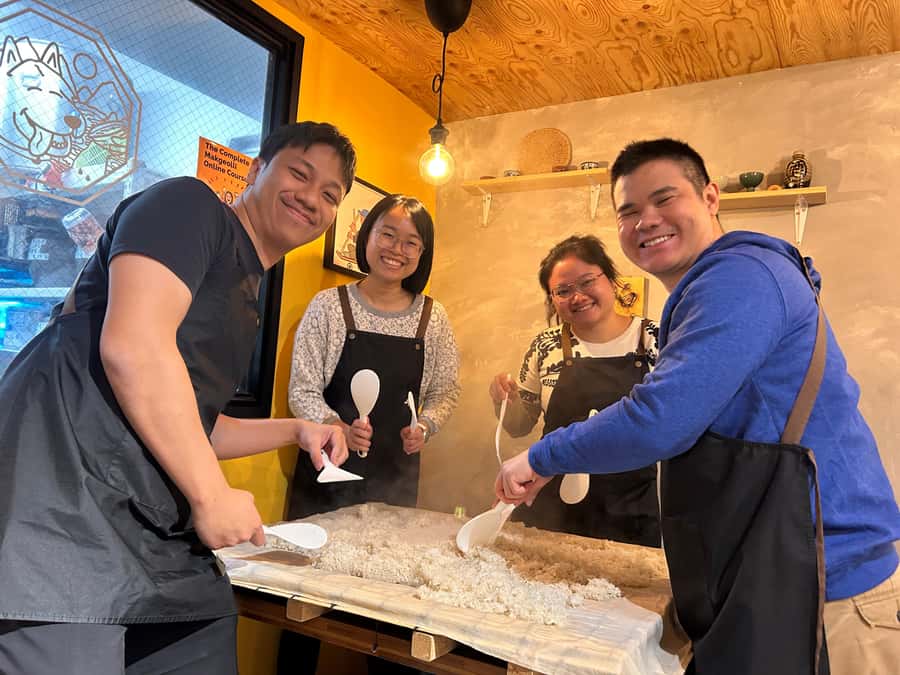
- You make your own makgeolli: This is a working class, not just a talk. You choose ingredients, use brewing tools, and prepare your own batch.
- Joe Kim leads the session: The brewery owner, sommelier, and home-brewing author teaches in Korean, English, or Spanish.
- The tasting is a major part of the class: You compare commercial and craft makgeolli, take part in blind tastings, and sample soju.
- You take home a fermentation kit: Your batch should produce about 1.5 liters of makgeolli, or you can receive a finished bottle if you cannot transport the fermenting vessel.
- The location is easy to reach: Baekusaeng Makgeolli is inside Ahyeon Market, a short walk from Ahyeon Station on Line 2.
- The group stays small: With no more than 10 participants, you have a better chance to ask questions and get help with the brewing process.
Why this makgeolli class is worth your afternoon
Makgeolli is often described simply as Korean rice wine, but that label misses much of what makes it interesting. It is traditionally made by fermenting rice with nuruk, a Korean fermentation starter, and the finished drink can vary widely in sweetness, acidity, texture, aroma, and alcohol strength.
This class gives you a way to understand those differences by tasting them side by side. I like that approach because a short explanation about fermentation can feel abstract. A sip of commercial makgeolli followed by a craft version makes the point quickly.
The class also connects the drink to an active brewery rather than presenting it as a museum object. You are learning in the place where makgeolli is made, inside a traditional market in the center of Seoul. That setting makes the experience feel tied to everyday Korean food culture, not separated from it.
At $80 per person, this is not a cheap tasting stop. The value comes from the combination of instruction, samples, hands-on brewing, snacks, and the take-home kit. If you only want to try makgeolli, you can spend far less at a restaurant or shop. If you want to understand how it is made and continue the process at home, the price makes more sense.
More soju and makgeolli tastings in Seoul:
- Soju Tasting at Distillery – story of 3 pigs
★ 5.0 · 166 reviews - Learn and Make Your Very Own Craft Makgeolli
★ 5.0 · 94 reviews - Traditional Soju Class and Makgeolli Tasting in Seoul
★ 5.0 · 35 reviews
Arriving at Baekusaeng Makgeolli in Ahyeon Market
The meeting point is Baekusaeng Makgeolli at 346-35 Ahyeon-dong, Mapo-gu, inside Ahyeon Market. The easiest route is by subway: take Line 2 to Ahyeon Station, use Exit 4, and walk straight until you see Mega Coffee.
From there, turn left and continue toward the market entrance. The brewery logo identifies the shop once you are inside. You are not being asked to find an isolated country brewery or arrange a long ride outside Seoul. The market location keeps the activity practical for a city itinerary.
You can also arrive by bus or taxi. The listed bus stop is Wedding Town, written in Korean as 웨딩타운버스정류장. If you use a taxi, show the driver that destination. There is no pickup from the subway station, so allow time to follow the directions from Exit 4.
Because the class includes several tastings, public transportation is the sensible choice. The organizers specifically advise against driving, and I would treat that as part of the planning rather than an afterthought.
The first lesson: ingredients, tools, and Korean brewing
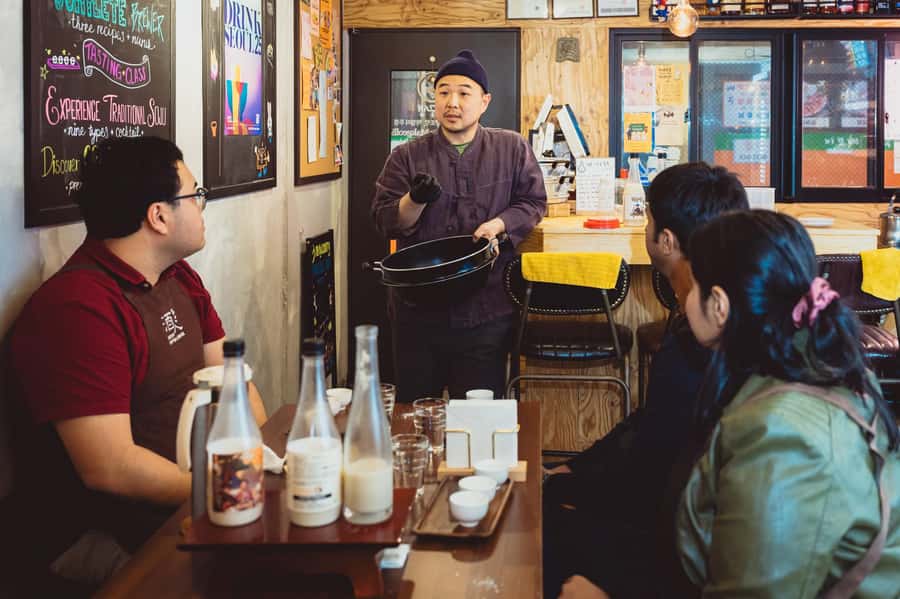
The class begins with the foundations. Joe explains how to choose suitable ingredients and select the right tools for making makgeolli at home. That matters because the process is not simply cooked rice plus alcohol. The quality and type of ingredients, along with clean and suitable equipment, affect the final result.
You also learn the basic method for preparing your own homemade makgeolli. The class is designed to move you from tasting into brewing, so you should expect to take part rather than sit back while Joe handles everything.
That distinction is important. A brewery visit with a short talk can be enjoyable, but it may leave you with only a few facts and a sample glass. Here, the goal is to give you enough working knowledge to begin your own batch.
The exact pace depends on the group and the questions people ask. Ten participants is still a small class, but the two-hour schedule is tight. I would arrive ready to focus, especially if you want to understand each step instead of rushing through the practical portion.
Comparing commercial, craft, and premium makgeolli
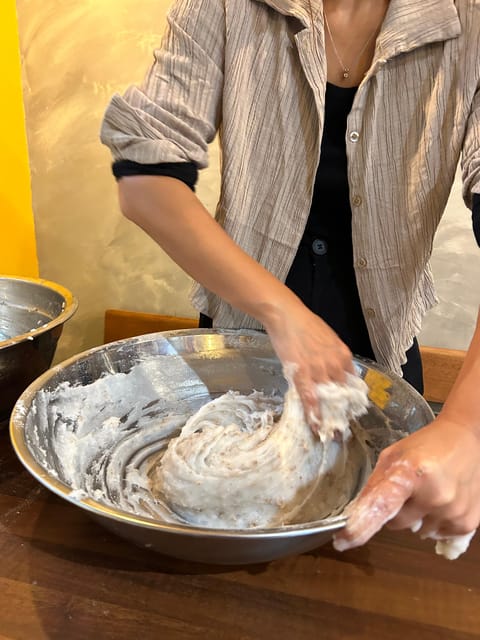
The tasting helps explain why bottles labeled makgeolli do not all taste alike. You sample different Korean rice wines, including commercial and premium examples, as well as craft makgeolli made with more attention to style and production.
You also take part in blind tastings. This is a useful touch because labels can influence your expectations. When you taste without knowing exactly what is in the glass, you can pay closer attention to sweetness, acidity, texture, and overall balance.
I would not expect a formal wine-school tasting with elaborate equipment. The point is more direct: taste several versions, notice the differences, then connect those differences to the way each drink was made.
Soju is included as another part of the lesson. Since soju and makgeolli are both familiar Korean drinks but have very different characters, the comparison gives you a wider view of traditional Korean alcohol. You should be prepared to drink rather than merely smell or sample tiny amounts.
Light snacks are also included. They help make the tasting more comfortable, though the class should not be treated as a full meal. Plan to eat beforehand if you need a proper lunch or dinner.
More traditional craft workshops in Seoul:
- Carve Your Personal Korean Stone Seal with Jeongju in Insadong
★ 5.0 · 134 reviews - Handmade Noodles with Korean Grandma
★ 5.0 · 53 reviews - Write a Meaningful Korean Calligraphy Scroll in Insadong
★ 5.0 · 36 reviews - Traditional Korean Bookbinding Experience in Seoul, Hongdae
★ 5.0 · 16 reviews
Making a batch you can ferment at home
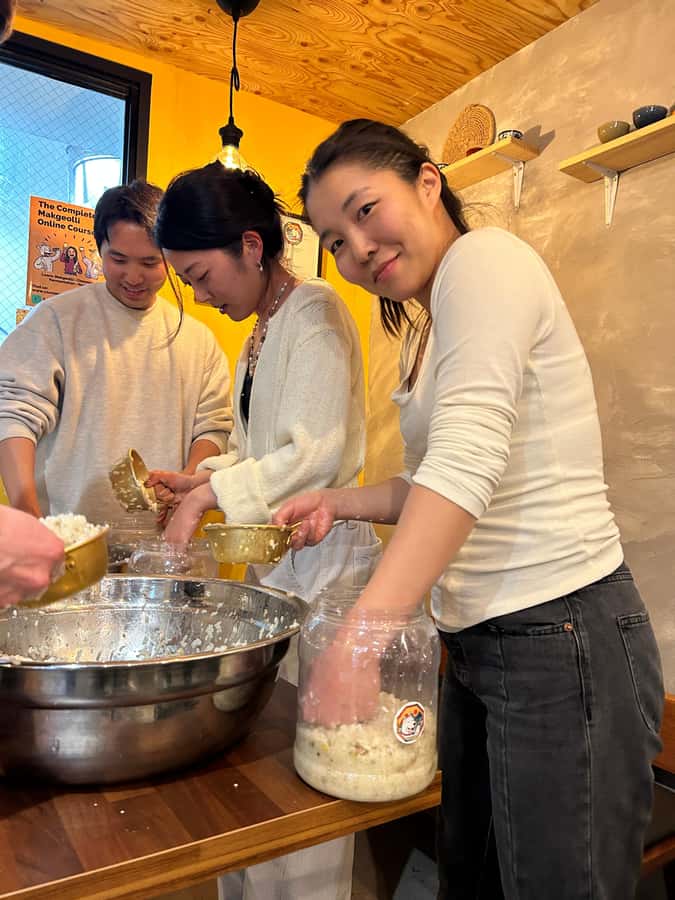
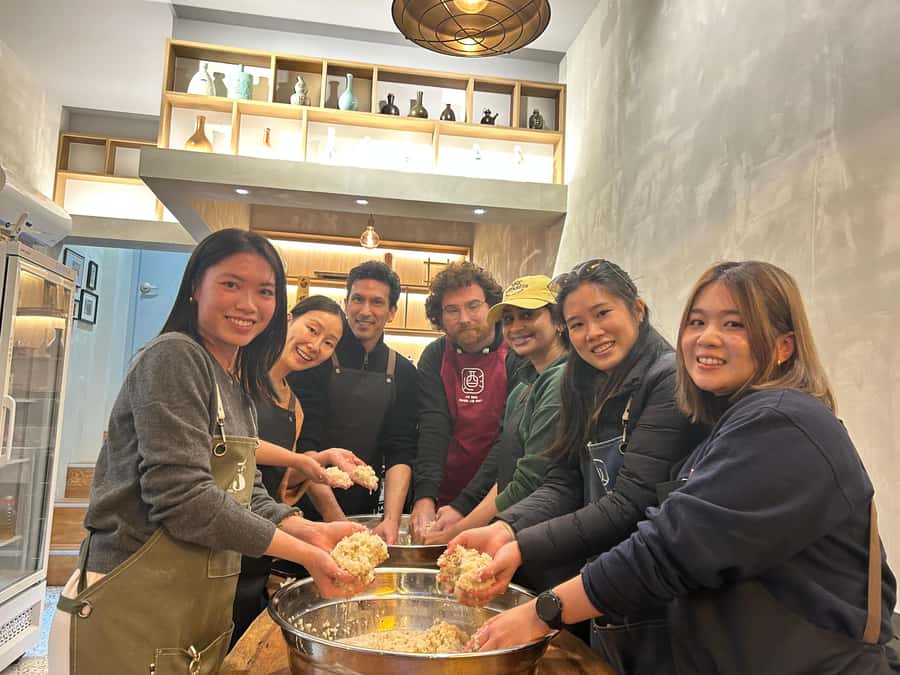
The most memorable part for many people will be preparing their own makgeolli. You work through the brewing process with guidance, then leave with your own makgeolli vessel and kit.
The batch should yield about 1.5 liters. That is enough to make the class feel useful after you return home, rather than ending with a small souvenir bottle. You will need a reusable bag to carry the vessel, so bring one from your hotel or buy one before arriving.
The kit is intended for fermentation at home. That means the class does not finish with a ready-to-drink batch made entirely during the two-hour visit. You are taking the next stage with you, which is part of the appeal but also requires attention after the class.
If you cannot take the fermenting vessel with you, the brewery can provide a finished bottle instead. This option is especially useful if you are flying soon, moving between hotels, or do not have a practical way to carry the kit.
I would confirm your preference when booking or at the start of the class. The finished bottle is convenient, but the home fermentation kit is the more distinctive souvenir and gives you a chance to continue what you learned.
Joe Kim’s teaching style and the small-group format
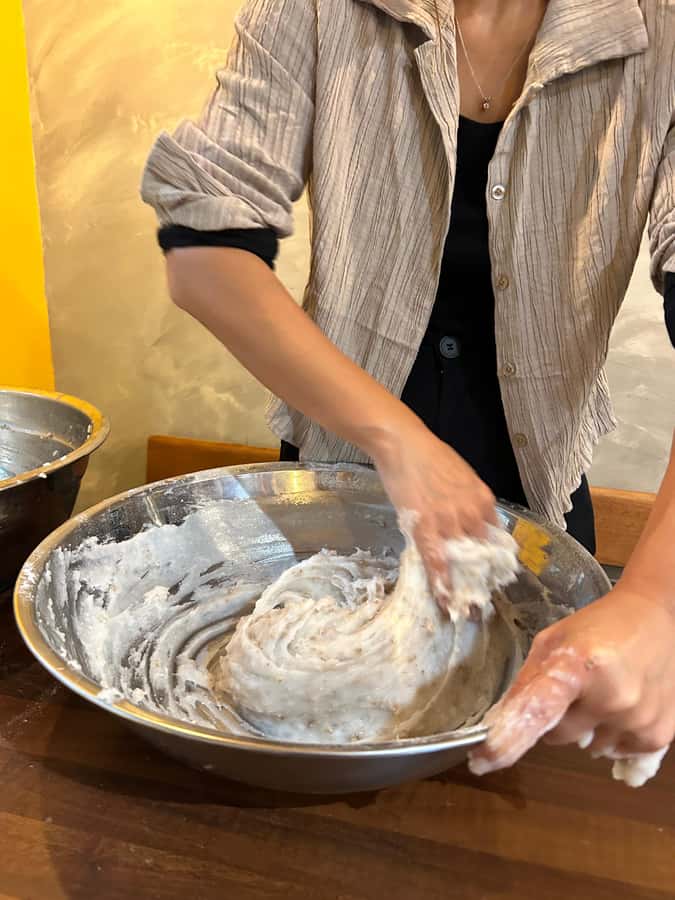
Joe Kim is the brewery founder and class leader. He is also a certified traditional Korean alcohol sommelier and the author of the first complete English guide to home brewing Korean rice wine. Those credentials matter here because the class covers both cultural background and practical technique.
The strongest part of the teaching is its range. You are not only told how to prepare makgeolli. You also hear about its place in Korean drinking culture, learn why ingredients and tools matter, and taste enough examples to give the theory some meaning.
Past participants have described Joe as engaging, friendly, and effective at explaining the process. One particularly useful point is that the class is meant to be genuinely instructional rather than a simple staged display. You should expect questions, explanations, and active participation.
The group is limited to 10 people. That is large enough for a social experience but small enough to keep the class manageable. If you are shy about asking questions, the small format helps. If every participant wants extensive individual attention, the two-hour limit may feel less generous.
The class is offered in Korean, English, and Spanish. Check the available language when you choose a time, since the language option can make a major difference to how much you take away from the technical explanations.
Timing, alcohol, and practical planning
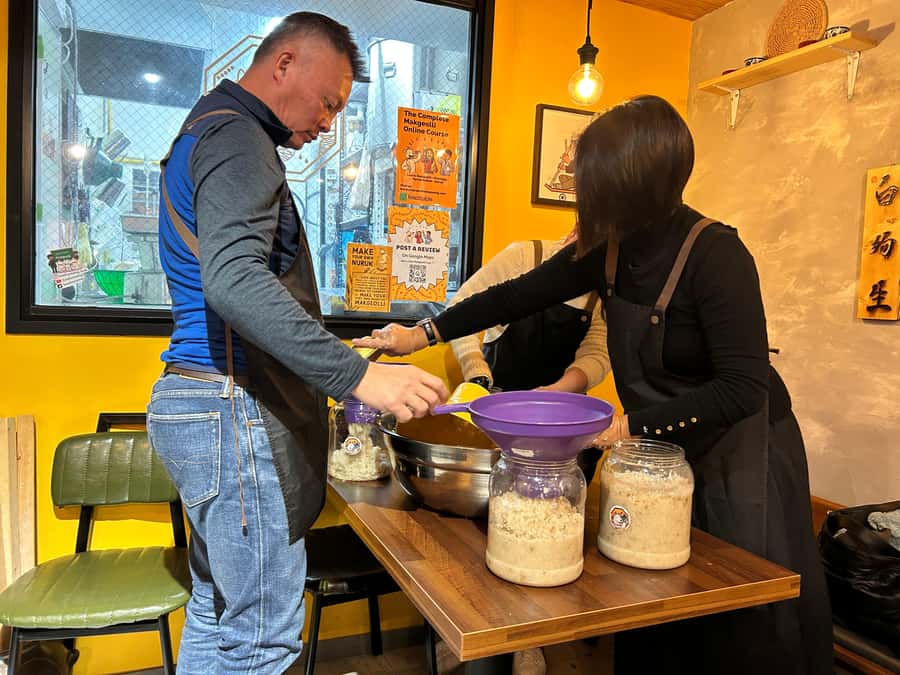
The activity lasts two hours, with starting times based on availability. Since the exact schedule can vary, check the booking calendar before building the rest of your Seoul day around it.
The class is intended for people age 21 and older and is not suitable for pregnant women. Smoking is not allowed indoors, and alcohol and drugs are prohibited apart from the drinks included as part of the class.
The more important practical issue is the alcohol itself. You will sample multiple types of makgeolli and soju. Even if each pour is modest, several tastings can add up. I would avoid scheduling a long walk, strenuous activity, or an important appointment immediately afterward.
Public transportation is straightforward. Ahyeon Station on Line 2 is the key reference point, and the activity ends back at the brewery. There is no separate return transfer to arrange.
Cancellation is flexible if your plans change: you can cancel up to 24 hours before the class for a full refund. The reserve-now, pay-later option also helps if you are still adjusting your Seoul schedule.
Who will enjoy this experience most
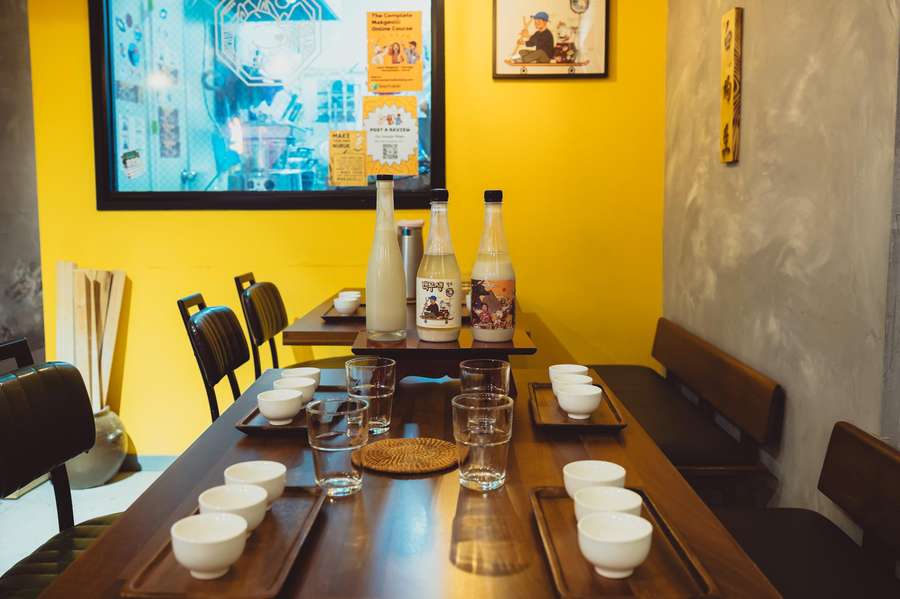
I would recommend this class to you if you enjoy food and drink experiences that explain how something is made. It suits curious home cooks, fermentation enthusiasts, visitors interested in Korean culture, and anyone who wants more than a standard restaurant tasting.
It is also a good choice if you are looking for a compact activity in Seoul. Two hours is long enough to learn and make something, but short enough to fit around other plans in Mapo-gu or central Seoul.
The class may be less suitable if you dislike alcohol, want a quiet museum-style visit, or prefer a polished food tour with a full meal. The experience asks you to taste several drinks and participate in the brewing process.
I would also think carefully about the take-home kit if you are traveling with limited luggage. The 1.5-liter vessel is a real part of the experience, but it is not as effortless to carry as a small souvenir.
Is the $80 price fair?
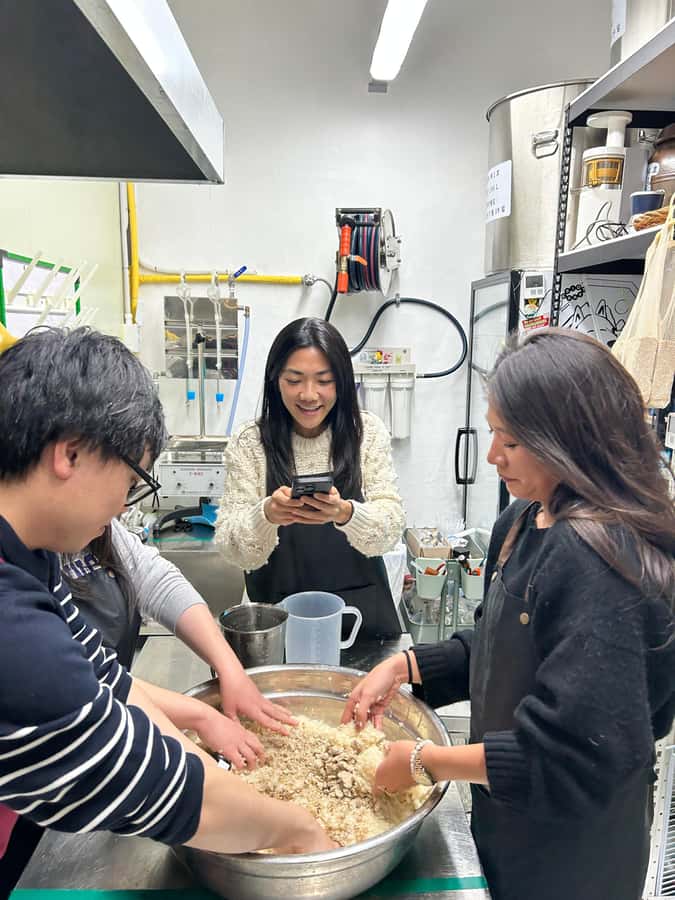
At first glance, $80 is a fairly serious price for a two-hour activity. I would not book it just for the chance to drink makgeolli. The value becomes clearer when you count what is included: instruction from the brewery owner, ingredient and equipment guidance, hands-on preparation, craft and commercial tastings, blind tasting, soju, snacks, and a kit that yields about 1.5 liters.
You are also paying for access to an organized learning experience. Buying bottles on your own would let you compare flavors, but it would not teach you how to make your own batch or give you a guided introduction to the tools and ingredients.
The take-home option adds lasting value, provided you can carry it and follow through with fermentation. If you want only a quick cultural activity, the price may feel high. If you plan to brew at home or have a strong interest in Korean traditional alcohol, it is easier to justify.
Should you book the Baekusaeng Makgeolli class?
I would book this experience if you want an active, educational introduction to Korean rice wine rather than a short tasting with a few facts. Joe Kim’s direct involvement, the small group, and the chance to prepare your own batch give the class real substance.
Book it with three things in mind: bring a reusable bag, use public transportation, and leave room in your schedule for the alcohol tastings. If you cannot carry the kit, request the finished bottle option.
Skip it if you are under 21, pregnant, avoiding alcohol, or looking for a full meal. For everyone else, this is a focused way to learn about makgeolli in a working brewery and leave Seoul with a better understanding of how Korea’s traditional rice wine is made.
FAQ
Where does the makgeolli class take place?
The class takes place at Baekusaeng Makgeolli, located inside Ahyeon Market at 346-35 Ahyeon-dong, Mapo-gu, Gyeonggi Province, South Korea.
How do I reach the brewery by subway?
Take Seoul Subway Line 2 to Ahyeon Station and use Exit 4. Walk straight until you see Mega Coffee, turn left, and continue to the market entrance. The brewery logo marks the shop.
Is transportation from Ahyeon Station included?
No. Pickup from the subway station is not included. You follow the walking directions from Ahyeon Station to Ahyeon Market.
How long does the activity last?
The class lasts two hours. Starting times depend on availability.
What languages are available?
The class is offered in Korean, Spanish, and English.
How many people are in each group?
The group is limited to 10 participants.
What alcohol will I taste?
You will taste different Korean rice wines, including commercial, craft, and premium makgeolli. The class also includes blind tastings and samples of soju.
Can I take the makgeolli I make home?
Yes. You receive your own makgeolli to ferment at home, with an expected yield of about 1.5 liters. If you cannot take the fermenting vessel, the brewery can provide a finished bottle instead.
Who cannot join the class?
The activity is not suitable for people under 21 or pregnant women. Smoking indoors is not allowed, and you should not drive because the class includes several alcohol tastings.
Just added in Seoul
- Your Personal Seoul Photographer!★ 4.1 · 15 reviews
- You’re Invited to Our Home in Seoul: The Only Cooking Class!★ 5.0 · 8 reviews
- Seoul: Korean & English Language Exchange Global Party★ 5.0 · 28 reviews
- From Seoul: Yongpyong Ski Day Tour with Transportation★ 4.9 · 40 reviews
- From Seoul: Hwacheon Ice Fishing and Lighting Festival Tour★ 4.5 · 4 reviews
- Seoul: Gangneung BTS K-Pop & K-Drama Filming Locations Tour★ 4.6 · 14 reviews
- Unique Native Experience : Han River Picnic, Board game, BBQ★ 5.0 · 3 reviews
- Seoul: Euljiro Gastroventure Tour★ 4.0 · 1 review
Traditional Craft Workshops, compared.
Carve Your Personal Korean Stone Seal with Jeongju in Insadong
Read our review →

Write a Meaningful Korean Calligraphy Scroll in Insadong
Read our review →
Traditional Korean Mother-of-Pearl Craft Workshop
Read our review →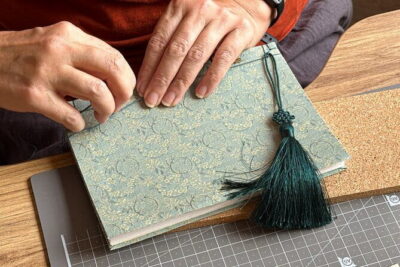
Traditional Korean Bookbinding Experience in Seoul, Hongdae
Read our review →
Create a Handmade Traditional Korean Notebook in Insadong
Read our review →
Korean Pottery Town Tour with the pottery class from Busan
Read our review →Browse the lists this tour appears in