
Reviewed · UNESCO WORLD HERITAGE TOURS
Seoul: Ganghwa Island UNESCO World Heritage Private Tour
History reaches back thousands of years here. This private Ganghwa Island tour gives you a full day beyond Seoul, with UNESCO-listed dolmens, old palaces, fortresses, temples, a peace observatory, and the island’s western shore all in one trip. I especially like the flexible route and the chance to shape the day around your interests. I also like that guides such as Peter and Charlie have earned praise for their local knowledge, careful planning, and helpful photo and restaurant suggestions. The main drawback is the 10-hour schedule: you cover a lot of ground, and lunch costs extra with limited restaurant choices.
Ganghwa Island works best for travelers who want more than Seoul’s royal palaces and shopping streets. Its sites connect Korean prehistory, the Goryeo period, modern conflict, local crafts, religion, and coastal scenery. You get private air-conditioned transport, hotel pickup and drop-off in Seoul, and an English-speaking guide who can explain what you are seeing instead of leaving you to puzzle over stone ruins and Korean-language signs.
In This Review
- Key points before you book
- Why Ganghwa Island deserves a day from Seoul
- The Peace Observatory and a view toward the divided peninsula
- Ganghwa’s UNESCO dolmens: stone monuments with real weight
- Goryeo-era sites and royal places in exile
- Gwangseongbo Fortress and the island’s defensive past
- Jeondeung-sa Temple in a forested setting
- Local food, craft, and textile culture
- Dongmak Beach and the island’s coastal finish
- How the 10-hour schedule works in practice
- Is $180 per person a fair price?
- Which kind of traveler will enjoy this most?
- Should you book the Ganghwa Island private tour?
- FAQ
- How long is the Ganghwa Island private tour?
- Is hotel pickup included?
- Is lunch included in the tour price?
- What language does the guide speak?
- Is the tour private?
- Can the itinerary be adjusted?
- What happens if bad weather cancels the tour?
Key points before you book
- A full 10-hour escape from Seoul: The island is roughly an hour away, but traffic can stretch the day, especially on weekends.
- Your route can be adjusted: The recommended stops include the Peace Observatory, dolmens, palaces, fortresses, temples, craft centers, a textile cafe, and Dongmak Beach.
- The UNESCO dolmens are genuinely unusual: These huge stone burial monuments link Ganghwa to Korea’s ancient past.
- The Peace Observatory adds modern meaning: You learn how the division of Korea affects families whose ancestral graves are now out of reach.
- Lunch is not included: Your guide recommends a local restaurant, but you pay separately and choices may be limited.
- Private transport changes the experience: You avoid a fixed public group schedule and can set the pace with your guide.
Why Ganghwa Island deserves a day from Seoul
Ganghwa Island sits in Gyeonggi Province and has long mattered because of its position near the west coast and the waterways around Seoul. That location made it useful for defense, government, trade, religion, and contact with the wider region.
You see those layers during the day. Ancient dolmens sit alongside sites tied to the Goryeo period. Fortresses recall military struggles. Churches and temples show different chapters of Korea’s religious life. The Peace Observatory brings the story into the present.
I like this variety because the tour does not depend on one famous monument. Instead, each stop adds another piece. You might begin with the modern border story, walk around a prehistoric site before lunch, then finish among old stone walls, forest paths, or the sea. It is a long day, but it gives you a much broader picture of Korea than another day in central Seoul.
The private format matters here. Ganghwa’s sights are spread across the island, so moving between them by air-conditioned vehicle is far easier than trying to connect everything by public transportation. You can also ask your guide to spend more time at places that interest you and less time at stops that do not.
More History Tours in Seoul
- Seoul: Evening Dark History, Folklore & Ghost Story Walking Tour
★ 5.0 · 593 reviews - Hanbok Photoshoot and History Tour at Gyeongbokgung Palace
★ 5.0 · 276 reviews - From Seoul: Dae Jang Geum Park Historic K-Drama Set Tour
★ 4.9 · 143 reviews
The Peace Observatory and a view toward the divided peninsula
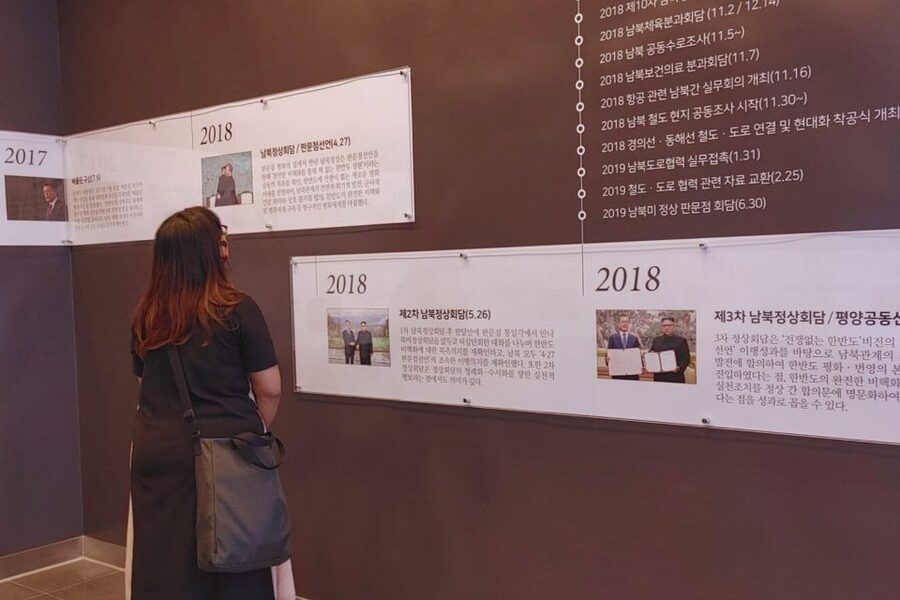
The Ganghwa Peace Observatory is a strong opening stop because it frames the island’s strategic importance. You spend about 45 minutes on a guided visit, learning about the Korean division and the relationship between the island and the nearby northern side of the peninsula.
This is not only a scenic lookout. The subject is personal and painful. A particularly meaningful part of the day is learning how South Koreans honor ancestors from the North when they cannot visit those graves. That detail helps connect a large political issue with ordinary family memory.
Your guide is important here. An English explanation can help you understand why the location matters, what you are looking toward, and how the island’s position shaped its past. The stop is relatively short, so it works well early in the day without taking over the entire tour.
If you want a slow visit at every viewpoint, museum display, or interpretive panel, tell your guide at the start. The schedule includes many other places, and the amount of time available at the observatory may depend on traffic and your preferred route.
Ganghwa’s UNESCO dolmens: stone monuments with real weight
The Ganghwa dolmen site is one of the day’s essential stops. You have around 30 minutes to see these prehistoric megalithic burial monuments, which form part of a UNESCO World Heritage Site.
I would not expect a huge museum complex or a long guided walk. The appeal is the scale and age of the stones. These structures were made long before Korea’s historic kingdoms took shape, and their presence gives the island a sense of time that newer buildings cannot provide.
The short stop is enough to see the main feature, take photographs, and hear the basic story from your guide. If ancient sites are your main interest, ask for more context while you are there. A private tour lets you turn a quick photo stop into a better history lesson.
This is also a good point to remember that Ganghwa is not just a coastal outing. The beach scenery comes later, but the dolmen site gives the day its oldest chapter.
Goryeo-era sites and royal places in exile
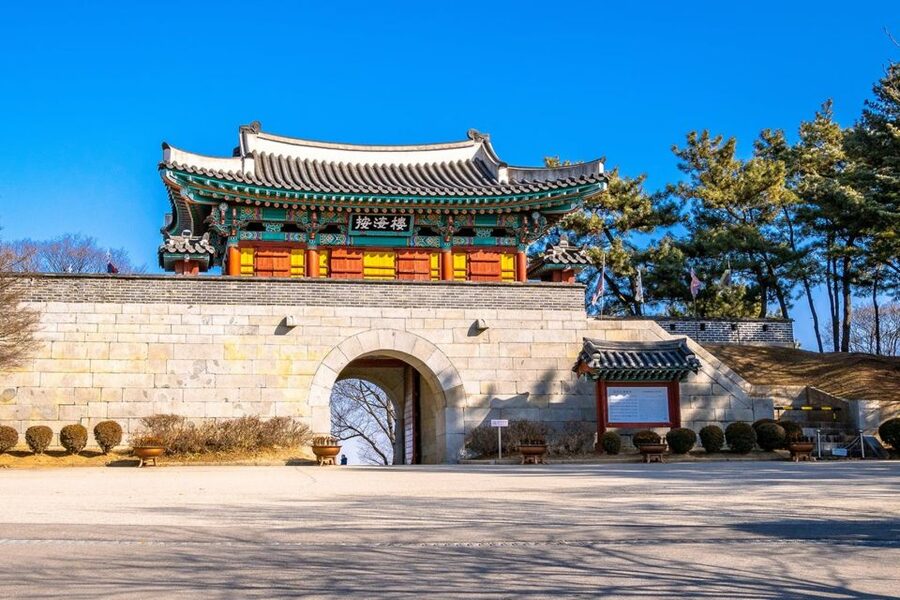
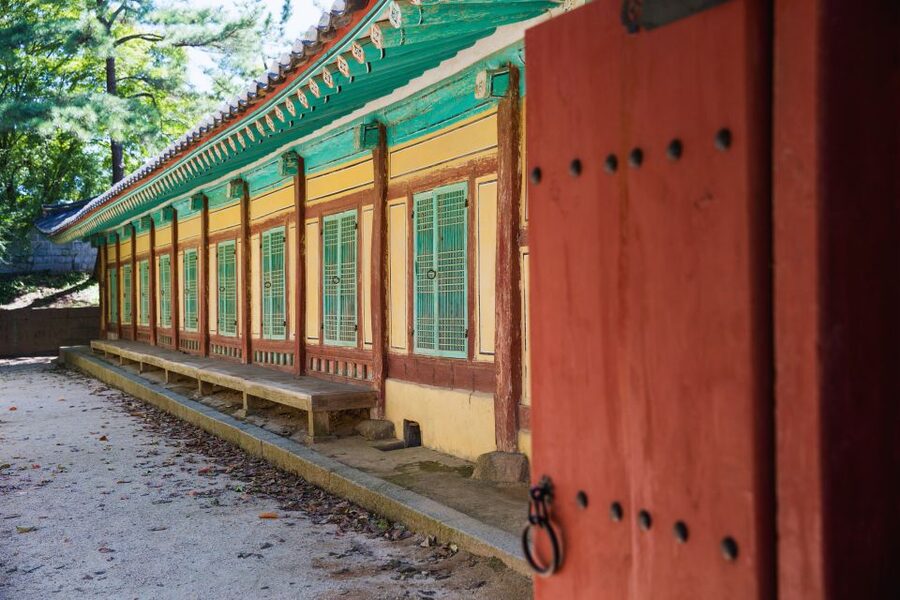
Ganghwa played an important role during the Goryeo period, and the Goryeo-gung Palace Site helps explain that connection. The remains are not presented as a fully intact palace, so keep your expectations practical. You are visiting a historic site where the setting and the guide’s explanation do much of the work.
The tour also includes Yongheung-gung Palace, associated with a future king’s life in exile. That detail gives the royal story a more human scale. Instead of seeing only grand palace gates and formal courtyards, you get a sense of how political uncertainty affected royal households.
The suggested route may also include Ganghwa Anglican Church. This is a useful contrast to the older Korean sites. Along with Jeondeung-sa Temple, it shows how different religious traditions became part of the island’s story.
Because the tour is private, you can ask for explanations about architecture, royal succession, local politics, or religion as they arise. I find that much more useful than rushing past a building with only a name and date.
More UNESCO sites in Seoul:
- Day Trip to UNESCO: Suwon Fortress Adventure from Seoul
★ 5.0 · 56 reviews - DMZ Tour, 2nd Tunnel & UNESCO Suspension Bridge Tour from Seoul
★ 5.0 · 48 reviews - Namhansanseong UNESCO Historical Sites and Korean Folk Village-Private Tour
★ 5.0 · 29 reviews - Andong Hahoe Village [UNESCO site] Premium Private Tour from Seoul
★ 5.0 · 24 reviews
Gwangseongbo Fortress and the island’s defensive past
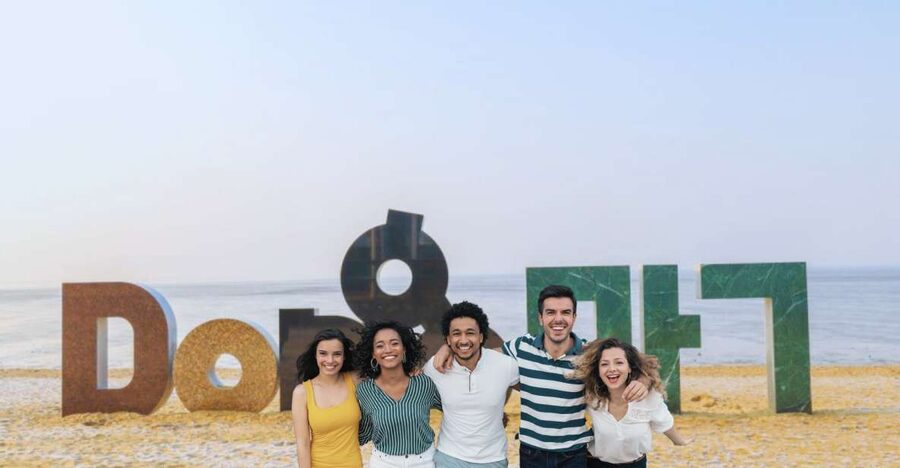
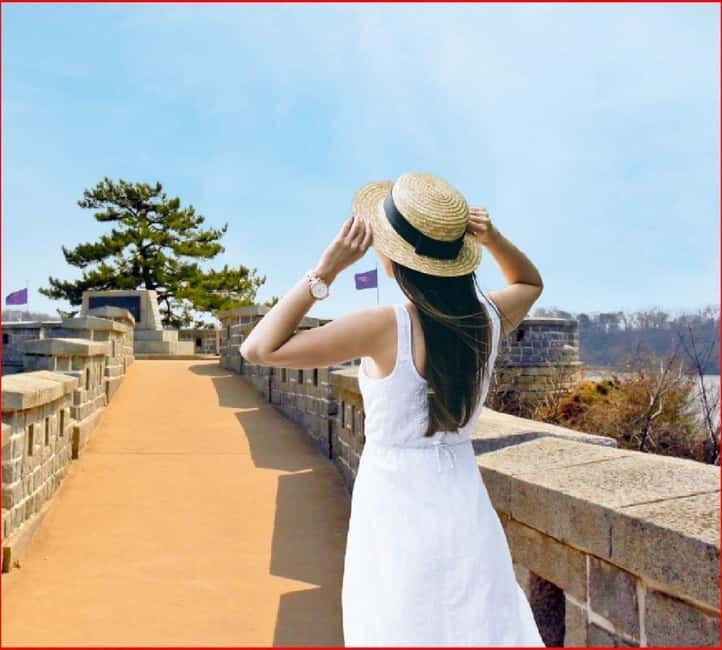
Gwangseongbo Fortress brings the island’s military role into view. You walk around historic defensive structures and see why the location mattered. The fortress is especially effective because it combines physical remains with views toward the water.
Allow time for walking here. The tour description does not give a fixed visit length, and the larger island visit is flexible, but fortress grounds can take more energy than a quick urban monument. Wear comfortable shoes and be ready for outdoor paths.
The views add value, but they are not the whole point. The guide’s explanation connects the walls and position of the fort to Ganghwa’s role as a strategic barrier. One especially successful feature of the private format is the chance to pause for photographs without being tied to a large group’s timetable.
If you visit on a weekend, traffic and high passenger volume may reduce the time available at individual sites. That is a real consideration for anyone who wants a slow, detailed look at every fortress corner.
Jeondeung-sa Temple in a forested setting

Jeondeung-sa Temple gives the day a calmer change of pace. It is described as a forested monastery, and one account highlights arriving around sunset for a particularly atmospheric visit. Timing will depend on the route, season, and traffic, so do not assume sunset is guaranteed.
The temple is valuable as both a religious site and a setting. After observatories, roads, stone monuments, and fortifications, the quieter surroundings create room to breathe. You can walk, look at the buildings, and ask about the temple’s place in Korean culture.
Ceremonies may occasionally take place during your visit. One guest happened to arrive in time for a temple ceremony, but this should be treated as good fortune rather than a promised part of the tour.
The stop can involve walking, so mention mobility needs when booking. The tour is listed as wheelchair accessible, but specific paths and site conditions can vary. A private guide can help you judge how much of each place is practical on the day.
Local food, craft, and textile culture
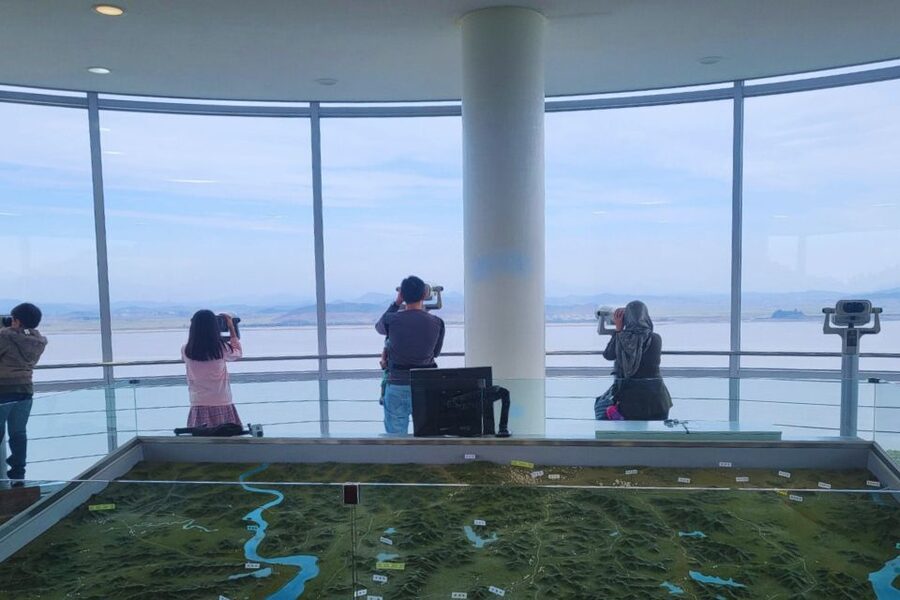
Lunch takes about an hour at a local restaurant recommended by your guide. The meal is not included in the $180 price, so budget separately. Choices may be limited, and anyone with dietary restrictions should consider bringing food or discussing needs before departure.
That limitation is worth taking seriously. This is not a food tour, and you should not book it expecting a long restaurant selection or a carefully planned menu for every diet. Still, a local meal can make the day feel more connected to the island than eating at a familiar chain near Seoul.
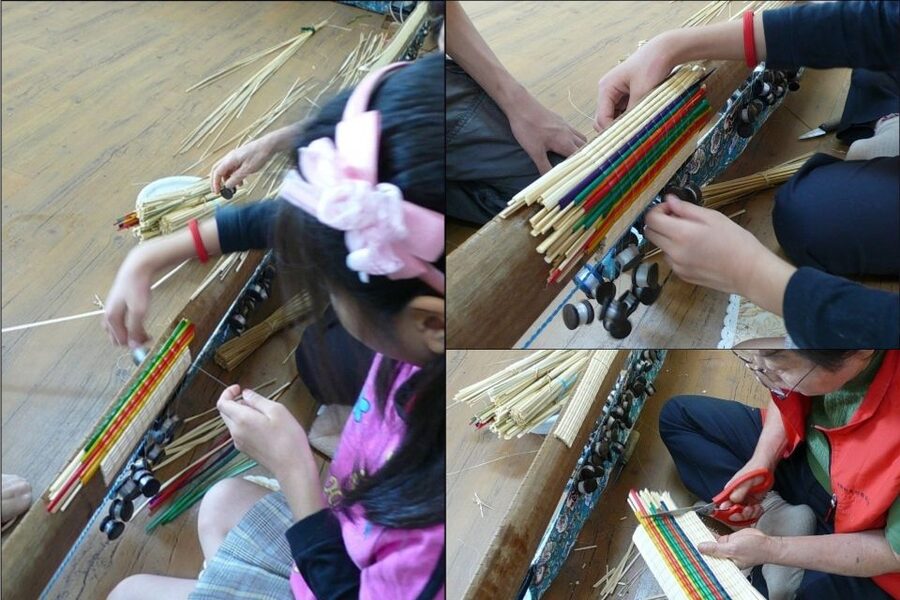
The Ganghwa Hwamunseok Culture Center and the stop listed as Ganghwado Hwamunseok introduce a local weaving tradition. Hwamunseok refers to woven mat craft, and the center gives you a look at an island product rather than another royal or military site. The visit is a good fit if you enjoy traditional crafts and want to buy something with a local connection.
Joyang Bangjik, also called Joyang Textile, is one of the more distinctive stops. The former textile setting now includes an atmospheric cafe, giving you a break from formal history sites. The exact time spent there depends on the route, but it adds a more relaxed, contemporary note to the day.
You may also sample Korean seaweed snacks. Any snacks offered for purchase at the end are optional. You do not need to buy them to take part.
Dongmak Beach and the island’s coastal finish
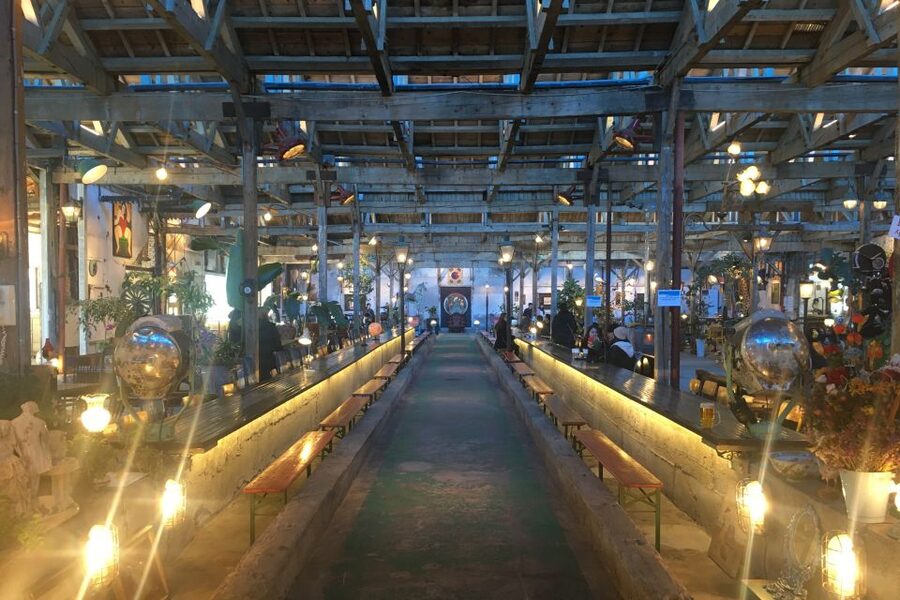
Dongmak Beach provides the natural side of Ganghwa. After a day of historic sites, the shore gives you open space and a change in texture. It is a simple stop, but that is part of its appeal.
Do not expect a full beach holiday. The tour includes a visit, not a long swim or extended time for sunbathing. Your guide may need to balance the beach with the many other stops, and weather will affect how pleasant the shore feels.
I like having Dongmak Beach in the route because the day could otherwise become a string of ruins and explanations. The coast reminds you that Ganghwa is a lived-in island with scenery as well as history.
How the 10-hour schedule works in practice
The day begins with pickup in Seoul and ends with return to the same city. You wait in your hotel lobby 10 minutes before the scheduled pickup time. Pickup and drop-off must be within Seoul city and at the same location.
Round-trip air-conditioned transportation, toll fees, a professional driver and guide, and hotel transfer are included. That is a meaningful part of the tour’s value. You are not paying only for admission and commentary. You are also paying to cover a large area without arranging several separate rides.
The listed plan includes roughly 45 minutes at the Peace Observatory, 30 minutes at the dolmen site, an hour for lunch, and about 4.5 hours around Ganghwa Island, followed by stops such as Gwangseongbo Fortress, Joyang Textile, the Hwamunseok site, and Dongmak Beach. The route is not a rigid checklist. The guide can help shape the order and pace.
That flexibility is useful, but it has limits. You cannot linger everywhere and still return to Seoul on time. Weekend traffic can also eat into sightseeing hours. I would choose a weekday if your schedule allows, particularly if you care more about historical sites than simply seeing the island’s highlights.
Weather can change the plan. In serious conditions such as blizzards, the same-day decision may be to cancel, with a full refund for a weather-related cancellation.
Is $180 per person a fair price?
At $180 per person, this is not the cheapest way to see Ganghwa Island. The price makes more sense for couples, families, or small private groups who value a dedicated vehicle, hotel transfers, an English-speaking guide, tolls, and a route that covers many scattered sites.
The cost is harder to justify if you only want one or two attractions. In that case, an independent visit or a simpler excursion may offer better value. But if you want the Peace Observatory, UNESCO dolmens, royal sites, fortresses, temple, craft center, textile cafe, and beach in one day, the private arrangement saves planning time and transport trouble.
Lunch, drinks, personal expenses, insurance, and optional snack purchases are extra. Factor those costs into your budget before booking. The tour offers free cancellation up to 24 hours in advance and a reserve-now, pay-later option, which gives you some flexibility while finalizing Seoul plans.
Which kind of traveler will enjoy this most?
I would choose this tour if you want:
- A private day outside Seoul with a guide who can answer questions
- Korean history that reaches from prehistoric monuments to modern division
- A mix of culture, military sites, religion, crafts, cafes, and coastal scenery
- Hotel pickup and a comfortable vehicle instead of several transport connections
- The ability to adjust the route and pace for your group
I would hesitate if you dislike long day trips, want a slow visit at only one site, or need complete control over lunch. Families should also give the company the exact number of participants, since the vehicle must fit the whole party. Children under two years old are free if they do not occupy a seat, but you need to mention them when booking.
The strongest part of the experience is the guide. Peter received especially strong praise for explaining the sites, finding good photo spots, and suggesting restaurants and other places to see. Charlie was also praised for his energy and preparation. Guide quality can vary by assignment, but the private format gives you a better chance to ask questions and keep the day personal.
Should you book the Ganghwa Island private tour?
Book it if you want to understand Korea through several eras in one well-filled day. The combination of the Peace Observatory, dolmens, Goryeo sites, fortress, temple, textile culture, and beach gives you far more range than a standard Seoul sightseeing loop.
I would book on a weekday, bring water and comfortable shoes, and plan for lunch to cost extra. Tell the company your exact group size and any dietary or mobility needs before the day begins.
Skip it if you want a relaxed beach outing or a single-site visit. For everyone else, especially first-time visitors who want to see a quieter side of Korea, the $180 price is reasonable for the transport, guide, flexibility, and sheer amount of ground covered.
FAQ
How long is the Ganghwa Island private tour?
The tour lasts 10 hours, including transportation from Seoul, sightseeing on Ganghwa Island, and the return journey.
Is hotel pickup included?
Yes. Pickup and drop-off are included for locations within Seoul city, and both must be at the same location. Wait in your hotel lobby 10 minutes before the scheduled pickup time.
Is lunch included in the tour price?
No. The guide recommends a local restaurant, but lunch and drinks cost extra. Options may be limited, so you may want to bring your own meal if you have dietary restrictions.
What language does the guide speak?
The live tour guide service is provided in English.
Is the tour private?
Yes. It is offered as a private group tour, with a professional driver and guide.
Can the itinerary be adjusted?
Yes. You can choose from recommended attractions and set your own path and pace with the guide. The available time may still be affected by traffic, weather, and the number of places you want to visit.
What happens if bad weather cancels the tour?
If the company cancels the trip because of weather-related conditions, you receive a full refund. The final decision is made on the day of the tour.
Just added in Seoul
- Seoul: Korean & English Language Exchange Global Party★ 5.0 · 28 reviews
- Your Personal Seoul Photographer!★ 4.1 · 15 reviews
- You’re Invited to Our Home in Seoul: The Only Cooking Class!★ 5.0 · 8 reviews
- From Seoul: Yongpyong Ski Day Tour with Transportation★ 4.9 · 40 reviews
- From Seoul: Hwacheon Ice Fishing and Lighting Festival Tour★ 4.5 · 4 reviews
- Seoul: Gangneung BTS K-Pop & K-Drama Filming Locations Tour★ 4.6 · 14 reviews
- Unique Native Experience : Han River Picnic, Board game, BBQ★ 5.0 · 3 reviews
- Seoul: Euljiro Gastroventure Tour★ 4.0 · 1 review
UNESCO World Heritage Tours, compared.
Gyeongju UNESCO World Heritage Guided Day Tour
Read our review →
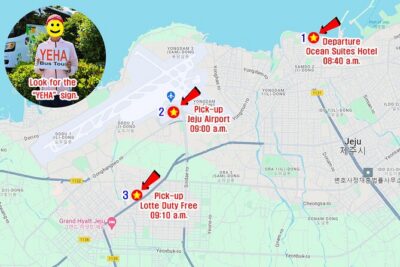
East Jeju Essentials – Seongsan Ilchulbong (UNESCO) & Haenyeo
Read our review →
Gyeongju UNESCO World Heritage Guided Day Tour from Busan
Read our review →
Jeju Southern UNESCO Full Day Tour with Mt.Halla
Read our review →
Gyeongju UNESCO sites Private tour with licensed tour guide
Read our review →
Private Gyeongju Tour – Explore Gyeongju UNESCO Sites
Read our review →Browse the lists this tour appears in