
Reviewed · TRADITIONAL PERFORMANCES
SEOUL: Gugak – Korean Traditional Music Museum&Concert Tour
Listen closely to Korea’s old musical voice. This 140-minute experience pairs the Korean Traditional Music Museum with a live Gugak concert, giving you both the background and the sound itself. I like that the tour does not stop at museum displays. You first learn what the instruments mean, then hear them used by skilled performers. I also like the small-group format, limited to 10 people, which should make questions easier and the guide’s explanations more useful.
The main drawback is practical: transportation to and from the museum is not included. You must also confirm the exact meeting details before setting out, since the starting information is sent before the tour. If you want a broad sightseeing day, this is too focused. If you want one clear, cultural activity, it offers good value for $49.
In This Review
- Key points to know before booking
- Why Gugak makes a good Seoul cultural stop
- The Korean Traditional Music Museum in 40 minutes
- From display cases to live sound
- How the 140-minute schedule feels
- What the small group adds
- Is $49 a fair price?
- Who will enjoy this experience most?
- Practical tips for a smoother visit
- My verdict on the Seoul Gugak tour
- FAQ
- Where does the Gugak Museum and concert tour take place?
- How long does the activity last?
- What language is the tour conducted in?
- What is included in the price?
- Is transportation included?
- Are meals and drinks included?
- Where does the activity end?
- How large is the group?
- Can I cancel the booking?
- Do I have to pay when I reserve?
Key points to know before booking
- Two-part cultural lesson: You visit the Korean Traditional Music Museum, then attend an 80-minute live Gugak concert.
- A small group of up to 10: The limited size should make it easier to hear the English-speaking guide and ask questions.
- Museum time is concise: The guided museum visit lasts about 40 minutes, so expect a focused introduction rather than a full afternoon of study.
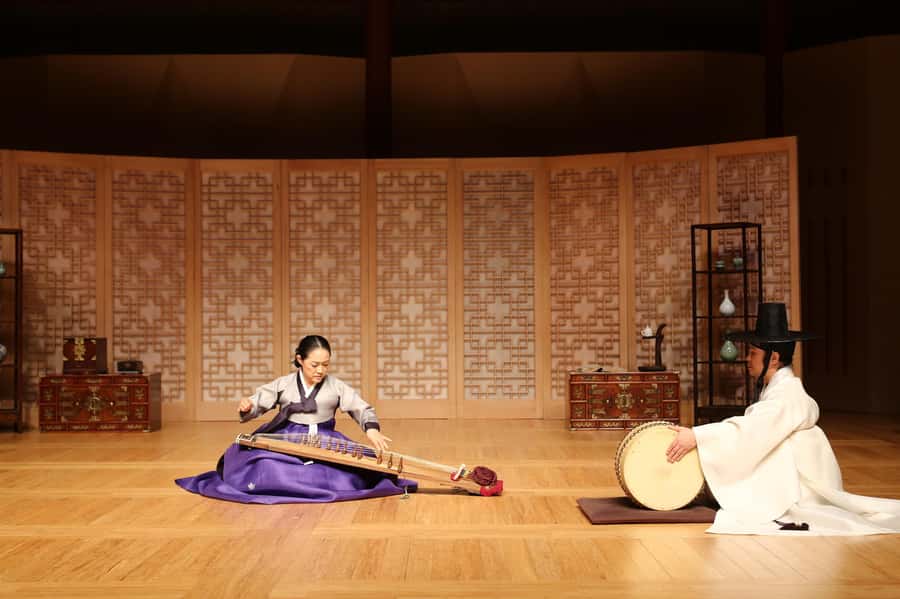
- The concert is the centerpiece: You hear traditional instruments in performance, including the soft plucking of the gayageum and larger ensemble pieces.
- Transportation is your responsibility: Travel to and from the museum is not included, and the exact starting details arrive before the tour.
- Flexible booking terms: You can cancel up to 24 hours ahead for a full refund and reserve now while paying later.
Why Gugak makes a good Seoul cultural stop
Many visitors first meet Korea through palaces, markets, food, and modern city life. Gugak gives you another way into the country’s culture. It is not simply background music for a historical site. It has its own instruments, performance styles, sounds, and long story.
That makes this tour useful for you if you want context before hearing the concert. A performance without explanation can be beautiful but hard to place. The museum visit gives you a basic map: what the instruments are, how they developed, and why they matter.
I also like the order of the experience. You begin with information, then move to the live music. The museum prepares your ears. When the gayageum begins its gentle plucking, you have already learned enough to recognize the instrument and follow what you are hearing.
The experience is conducted in English, which matters if you want more than a silent walk through display cases. The guide is there to explain the instruments and the story behind Gugak. One guide, Elisa, receives especially warm praise for explaining things clearly and making the visit feel welcoming. Guides can vary, but her approach suggests the human side of this tour is one of its strengths.
More Museum Tours in Seoul
- Seoul: War Memorial of Korea Private Guided Museum Tour
★ 4.9 · 29 reviews - DMZ Tour + The War Memorial of Korea Museum
★ 5.0 · 28 reviews - Color Pool Museum
★ 4.0 · 22 reviews
The Korean Traditional Music Museum in 40 minutes
The first major stop is the Korean Traditional Music Museum. Your guided visit lasts about 40 minutes, so the pace should be fairly brisk. That is not necessarily a weakness. You get a concentrated introduction without giving up most of your day.
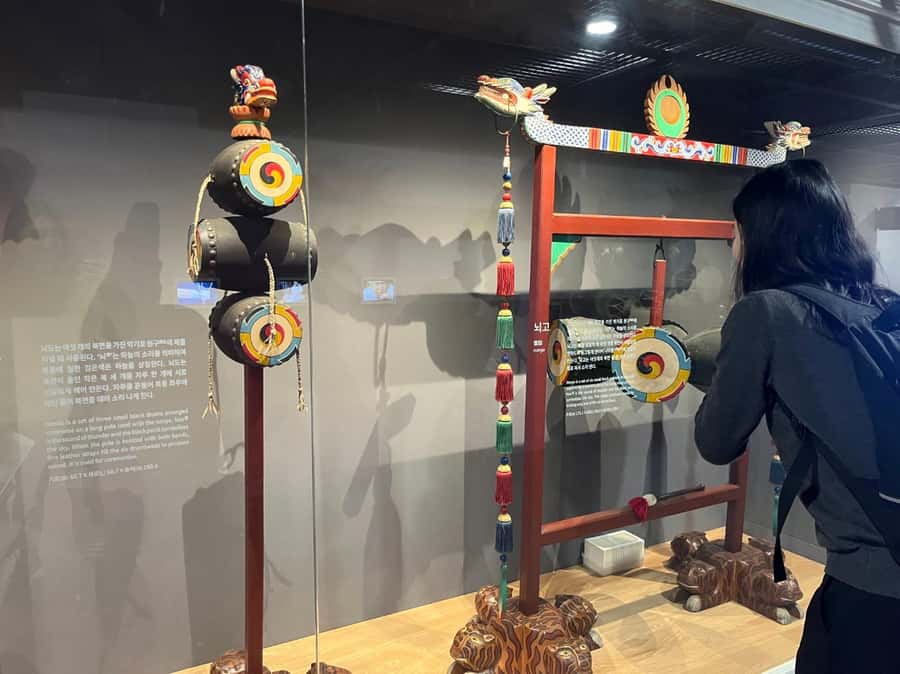
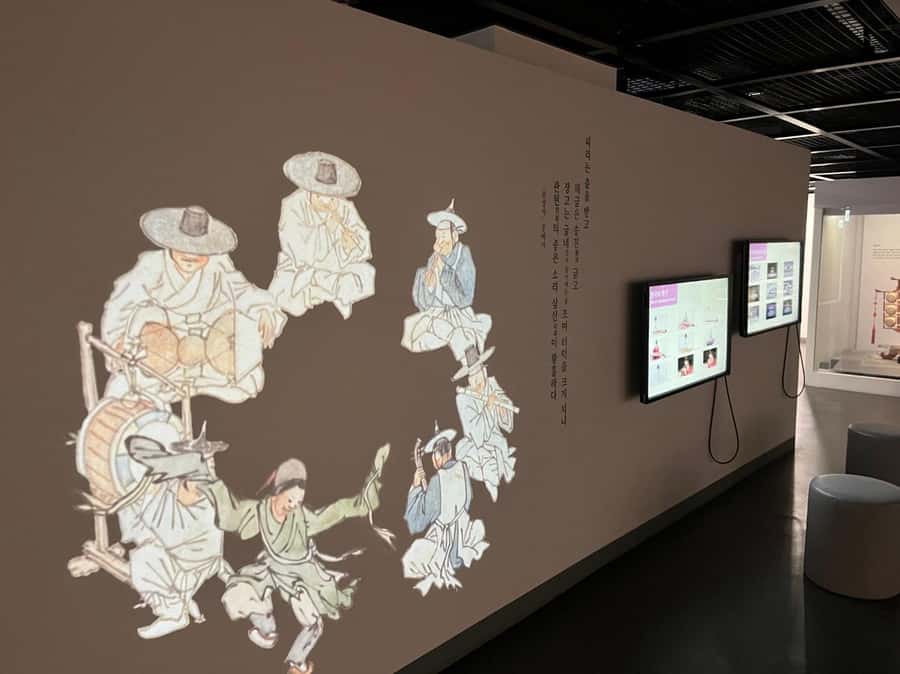
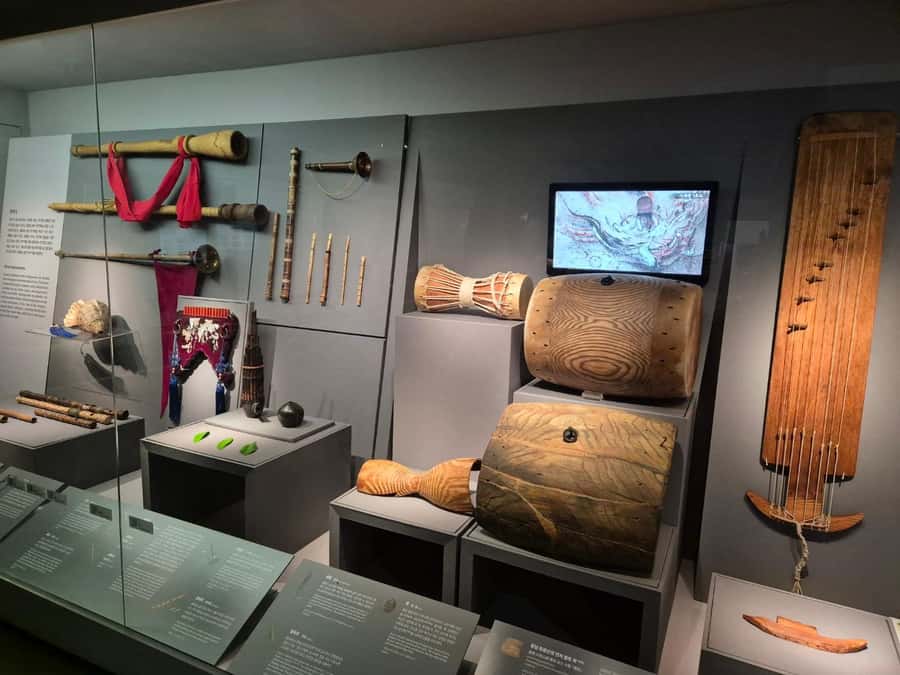
Expect the museum portion to focus on two connected subjects: the development of Korean traditional music and the instruments used to make it. The displays are intended to bring the story of Korean music to life, while the guide adds the links between objects, sound, and tradition.
I would treat this stop as preparation, not as the main event. Forty minutes is enough to learn key terms and identify several instruments, but it is unlikely to satisfy someone who wants to read every panel or study each exhibit at length. If you are curious and ask questions, the small group should help.
The museum also gives the concert more meaning. Instead of hearing a string instrument and simply thinking that it sounds unusual, you can connect the sound to the instrument’s shape and role. That small bit of preparation can change the way you listen.
Because no detailed exhibit list is provided, I would not book this expecting a particular artifact or display. The reliable promise is a guided look at Gugak, its instruments, and its past. The exact emphasis may depend on your guide and the museum visit that day.
From display cases to live sound
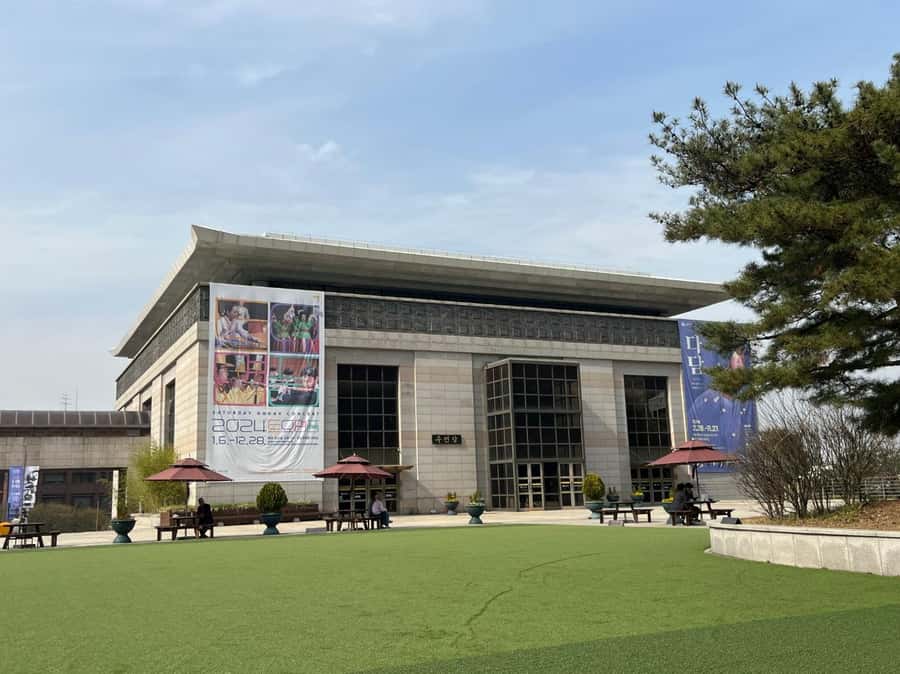
After the museum, the experience moves to the National Gugak Center’s Performance Rehearsal Hall for an 80-minute concert. This is the part that gives the tour its emotional lift. You are no longer looking at instruments in a case. You hear them working together in real time.
The program includes the gayageum, known for its soft plucked sound, along with ensemble performances that can become more dynamic. That contrast is important. Gugak is not one single mood. It can be quiet and delicate, then fuller and more forceful as more musicians join in.
An 80-minute performance is long enough to feel like a proper concert rather than a short demonstration. It also makes the $49 price easier to assess. You are paying for the museum visit, the guide, and a substantial live performance, not just a quick cultural add-on.
The concert setting is the Performance Rehearsal Hall, rather than a sightseeing attraction built around a grand historic interior. That may appeal to you if the sound matters more than decoration. The focus is the music itself. If you want a lavish stage production or a large theatrical show, this may feel more restrained.
I would listen for the changes in texture. Notice the difference between a single instrument’s tone and the combined sound of an ensemble. The museum introduction helps you identify what you are hearing, but you do not need musical training to enjoy the contrast.
How the 140-minute schedule feels
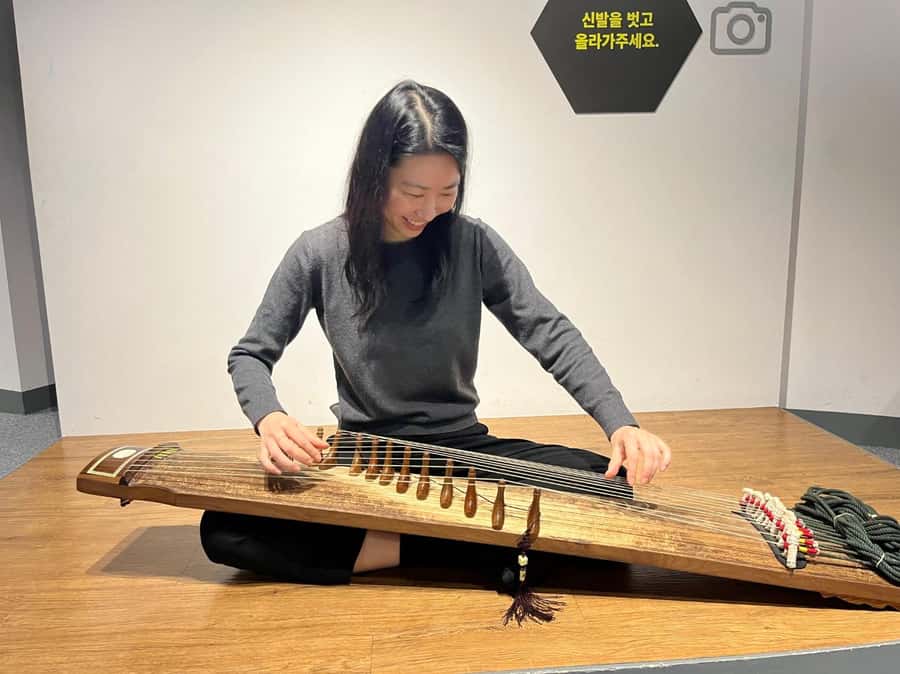
The total duration is 140 minutes. In practical terms, that means about 40 minutes at the museum and 80 minutes at the concert, with the remaining time allowing for movement and tour organization.
This is a useful length for a city break. You get a real cultural experience without committing an entire morning or afternoon. It can fit well between other plans, though you should avoid scheduling another activity too tightly. The start time varies, so check availability before you make dinner, transport, or sightseeing arrangements.
The tour begins at a meeting point identified as 2364 in the supplied details, but the full instructions are sent before the activity. Pay attention to that message. Since transportation is not included, you need to plan your route to the starting point and back from the end point yourself.
The activity returns to the meeting point. That is helpful for planning, but do not assume the tour includes hotel pickup or a ride between every part of the experience. The available information specifically excludes transportation to and from the museum.
If your schedule is packed, the fixed museum and concert structure may feel less flexible. If you prefer a tidy cultural block with a clear beginning and end, the timing works well.
More traditional performances in Seoul:
- Seoul: TOUCH FIVE Performance Show Ticket
★ 4.9 · 231 reviews - Seoul: Comic Martial Arts Performance JUMP Show Ticket
★ 4.7 · 62 reviews - Gugak Korean Traditional Music and Dance Performance in Seoul
★ 4.0 · 1 review - East Jeju: Day Tour with Seongsan Peak & Haenyeo Performance
★ 4.9 · 478 reviews
What the small group adds
The group is limited to 10 participants. That is one of the best features here. Gugak includes unfamiliar names and instruments, and a guide’s explanation can disappear in a large crowd. A small group gives you a better chance to hear the English commentary and ask about anything that catches your attention.
Small groups also tend to make museum visits less anonymous. You can stay with the guide instead of trying to follow a flag through a busy room. The experience is still a group activity, so do not expect a private lesson, but 10 people is a manageable number.
The English-language guide is another practical advantage. The tour is not merely admission to two places. The guide explains the music and instruments, which gives the visit structure. Elisa is specifically praised for being warm and clear, a useful sign for anyone who worries that a specialist music topic may feel too formal.
The guide’s role is especially important during the museum section. At the concert, the musicians carry much of the experience. Before that, the guide helps you understand what deserves your attention.
Is $49 a fair price?
At $49 per person, this tour sits in a reasonable range for a guided cultural activity with a live performance. The value depends on what you want from the concert. If you would attend a Gugak performance anyway, the museum visit and guide make the package more useful. If you only want to glance at a museum, the price may feel high.
The 80-minute concert is the strongest value point. Live music usually gives a cultural visit more weight than a standard museum walk-through, and this is a substantial performance rather than a brief sample. You also receive an English-speaking guide and a focused museum tour.
Meals and drinks are not included, but that is not a serious issue for a 140-minute activity. Plan to eat before or after, especially if the start time falls near a normal meal. The more important extra cost is transportation, since you must arrange and pay for your own journey to and from the museum.
The reserve-now, pay-later option gives you some planning flexibility. You can hold a place without paying immediately, and cancellation is free up to 24 hours before the activity for a full refund. Still, check the final meeting instructions before the day of the tour.
Who will enjoy this experience most?
I would recommend this tour to first-time visitors who want an approachable introduction to Korean traditional music. You do not need prior knowledge. The museum gives you the basics, and the concert lets you experience the music without requiring you to study it in advance.
It also suits people who enjoy cultural activities with a clear guide. If you like to understand what you are seeing and hearing, the English explanations add real value. The small group is a good fit for curious participants who may want to ask questions.
Families and older visitors may appreciate the limited two-hour-plus length, though the available information does not specify accessibility details. If accessibility is important for you, ask the provider before booking.
Music lovers have a good reason to choose it as well. The tour is not centered on a famous building or a long list of sightseeing stops. Its subject is sound, and the concert gives you enough time to hear more than one kind of performance.
I would be less likely to recommend it to someone who wants a full-day tour of Seoul or a broad introduction to Korean history. This is a narrow subject by design. That focus is its strength, but it also limits what you will see.
Practical tips for a smoother visit
First, confirm the starting point carefully. The exact meeting information is sent before the tour, and the listed start reference is 2364. Save the message and allow enough time to reach the meeting point without rushing.
Second, check the start time before booking other plans. The duration is fixed at 140 minutes, but the available starting times can vary. Add extra time around it for your own transportation.
Third, arrive ready to listen. You do not need musical knowledge, but you will get more from the experience if you remember a few instrument names from the museum. The gayageum is an obvious one to watch for during the concert.
Fourth, use the guide. Ask about the instruments, the role of the music, and anything you notice during the museum visit. With a group of no more than 10, this is exactly the kind of tour where a question can improve the whole experience.
Finally, keep your expectations realistic. The museum portion is only 40 minutes, and the tour does not include meals or transport. Think of it as a focused cultural outing, not a full entertainment package.
My verdict on the Seoul Gugak tour
I like this experience because it connects explanation with performance. You first learn what Gugak is, then hear the instruments in a live setting. That simple structure makes traditional music easier to approach, especially if you are new to it.
The best reason to book is the 80-minute concert. The best practical advantage is the small English-speaking group. The main caution is the transportation arrangement, which you must handle yourself, along with the need to confirm the exact meeting details.
Book it if you want a calm, focused look at Korean music and prefer authentic cultural content over another standard sightseeing circuit. Skip it if your schedule is tight, your interest in traditional music is low, or you need a tour that includes transportation. For $49, it is a sound choice for curious visitors who want to hear Korea’s musical traditions rather than only read about them.
FAQ
Where does the Gugak Museum and concert tour take place?
The experience is located in Gyeonggi Province, South Korea. It includes a visit to the Korean Traditional Music Museum and a concert at the National Gugak Center’s Performance Rehearsal Hall.
How long does the activity last?
The full activity lasts 140 minutes. The museum guided tour takes about 40 minutes, and the concert lasts about 80 minutes.
What language is the tour conducted in?
The live tour guide speaks English. English is the listed tour language.
What is included in the price?
The price includes entry to the Korean Traditional Music Museum, the live Gugak concert, and a friendly guide.
Is transportation included?
No. Transportation to and from the museum is not included. You receive detailed meeting information before the tour.
Are meals and drinks included?
No. Meals and drinks are not included in the $49 price.
Where does the activity end?
The activity ends back at the meeting point.
How large is the group?
The tour is limited to 10 participants.
Can I cancel the booking?
Yes. You can cancel up to 24 hours in advance for a full refund.
Do I have to pay when I reserve?
No. The reserve-now, pay-later option allows you to book your place and pay later.
Just added in Seoul
- Seoul: Korean & English Language Exchange Global Party★ 5.0 · 28 reviews
- Your Personal Seoul Photographer!★ 4.1 · 15 reviews
- You’re Invited to Our Home in Seoul: The Only Cooking Class!★ 5.0 · 8 reviews
- From Seoul: Yongpyong Ski Day Tour with Transportation★ 4.9 · 40 reviews
- From Seoul: Hwacheon Ice Fishing and Lighting Festival Tour★ 4.5 · 4 reviews
- Seoul: Gangneung BTS K-Pop & K-Drama Filming Locations Tour★ 4.6 · 14 reviews
- Unique Native Experience : Han River Picnic, Board game, BBQ★ 5.0 · 3 reviews
- Seoul: Euljiro Gastroventure Tour★ 4.0 · 1 review
Traditional Performances, compared.

East Jeju: Day Tour with Seongsan Peak & Haenyeo Performance
Read our review →
Jeju island Private Tour – UNESCO Day Tour & Haenyeo Performance
Read our review →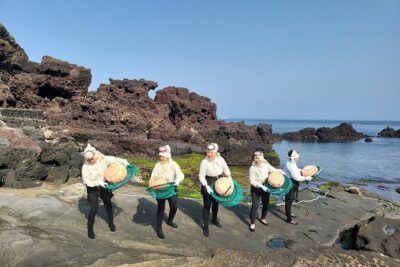
Private Tour Woman Diver Performance & stone park in Jeju Island
Read our review →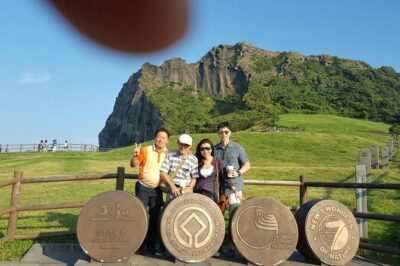
Jeju Private Day Tour- Seongsan Ilchulbong & Haenyeo performance
Read our review →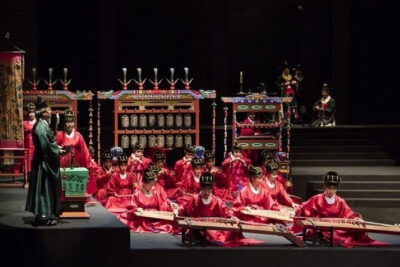
Gugak Korean Traditional Music and Dance Performance in Seoul
Read our review →Browse the lists this tour appears in