
Reviewed · MUSEUMS
Seoul: War Memorial of Korea Private Guided Museum Tour
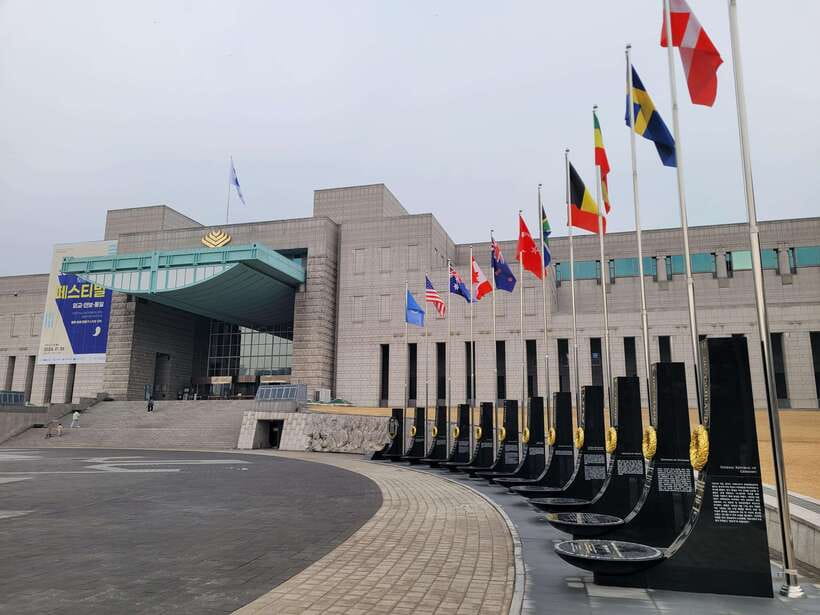
The Korean War still shapes Korea today. This two-hour private tour makes the War Memorial of Korea far easier to understand, with guides who explain the conflict as both a civil war and an international struggle. I especially like the small private format, limited to five people, and the guides’ effort to present facts from both sides of the peninsula. The main drawback is time: two hours can feel rushed across the museum’s large Korean War sections.
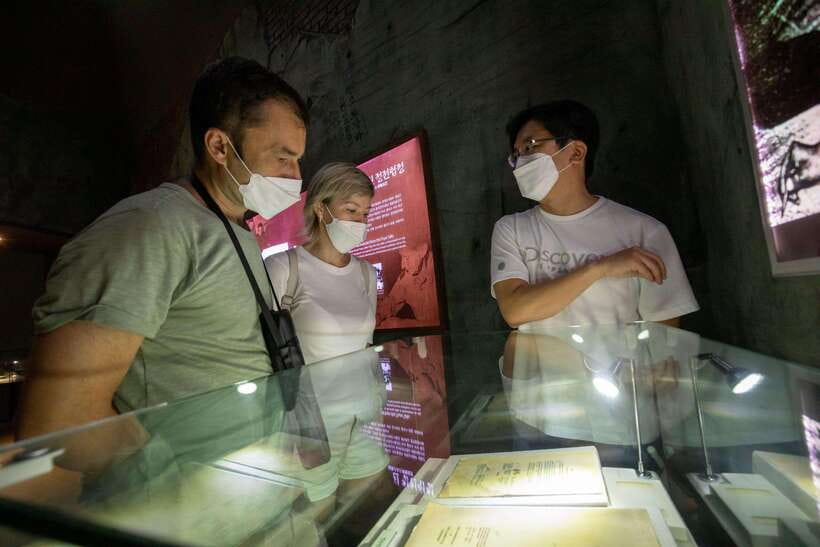
I also like the use of copied documents and photographs during the walk. Guides such as Kichan Lee connect the displays to social and political stories that are easy to miss on your own. If you prefer a quiet, self-directed museum visit, the steady commentary may feel like a lot, but for most first-time visitors it adds much-needed shape to a difficult subject.
In This Review
- Key points before you book
- Why the War Memorial matters for understanding Seoul
- Meeting at the Statue of Brothers near Samgakji Station
- Korean War Rooms I to III, the core of the visit
- The stories beyond the official display
- A private group of five changes the experience
- What the guides do especially well
- Why this works as preparation for the DMZ
- The two-hour limit, and how to use it well
- Practical details for comfort and access
- Who should book this War Memorial tour?
- Should you book it?
- FAQ
- How much does the private War Memorial tour cost?
- How long does the tour last?
- Where do I meet the guide?
- How do I find the Statue of Brothers?
- What sign will the guide carry?
- What language is the tour conducted in?
- Which museum sections are included?
- Is the tour wheelchair accessible?
- Can I cancel the booking?
Key points before you book
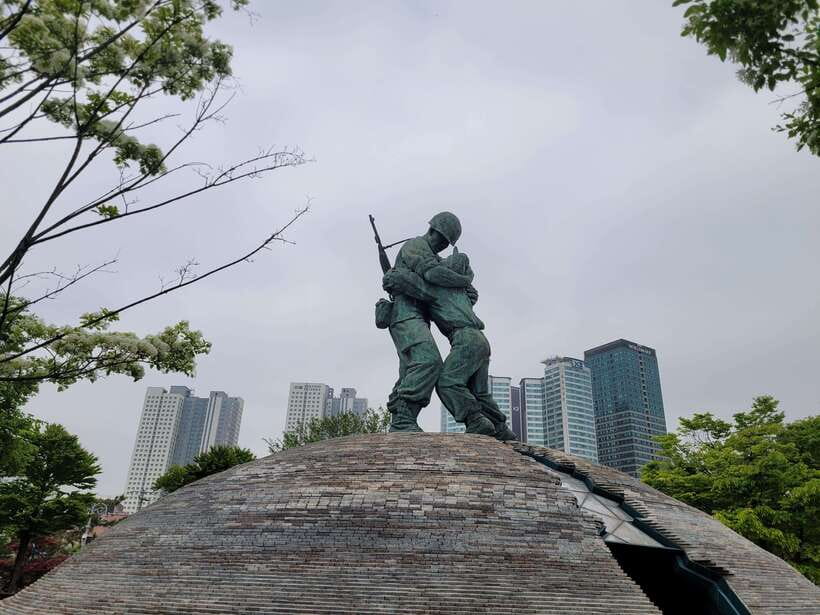
- Meet beneath the Statue of Brothers: The meeting point is at the southwest corner of the outdoor exhibit area, near Exit 12 of Samgakji Station.
- Private tour for up to five people: Your group receives the guide’s full attention rather than joining a large crowd.
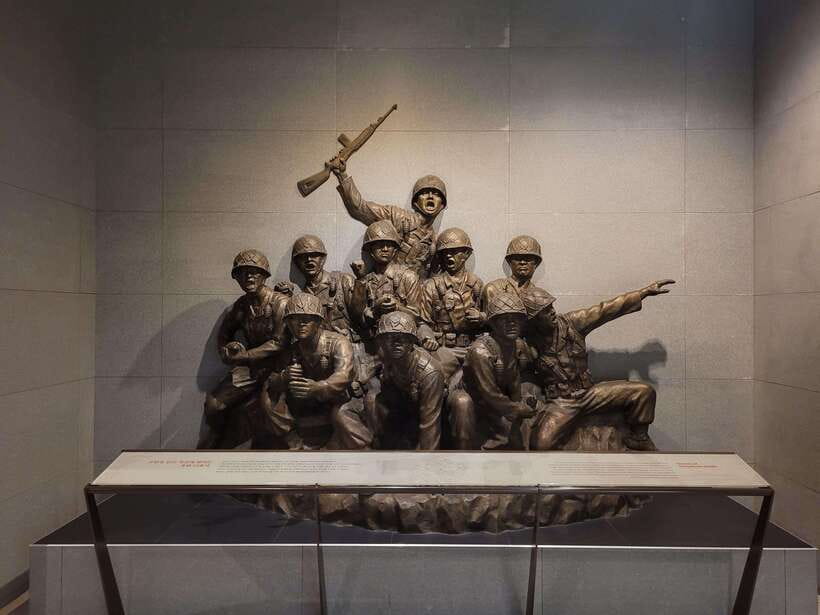
- Focused on Korean War Rooms I to III: The visit concentrates on the memorial’s main Korean War displays.
- Balanced historical approach: Guides discuss Korean, North Korean, American, and wider international roles in the conflict.
- Useful before a DMZ visit: The tour gives you the background needed to understand why the border remains so important.
- English-language walking tour: The experience lasts two hours and is wheelchair accessible.
Why the War Memorial matters for understanding Seoul
You can visit Seoul for days without fully grasping how much the Korean War still affects daily life. The peninsula remains divided, the DMZ remains active, and modern South Korean politics cannot be separated from the conflict of 1950 to 1953.
The War Memorial of Korea gives you a physical place to begin that conversation. Its displays cover military events, weapons, maps, personal stories, and the wider cost of war. Yet a museum alone cannot always explain which facts matter most, how events connect, or what may be missing from a national memorial’s presentation.
That is where this tour earns its price. Your guide does more than point to dates and equipment. The discussion covers the war as a conflict between Koreans and as a struggle shaped by outside powers. You also hear about the social effects of the war and the experiences of ordinary people, not just commanders and battles.
I find that approach especially useful because the Korean War is often reduced to a short chapter between World War II and the Cold War. In reality, it changed the Korean Peninsula, affected millions of civilians, and created the political situation that still defines North and South Korea.
More Museum Tours in Seoul
- DMZ Tour + The War Memorial of Korea Museum
★ 5.0 · 28 reviews - Color Pool Museum
★ 4.0 · 22 reviews - SEOUL: Gugak – Korean Traditional Music Museum&Concert Tour
★ 4.7 · 17 reviews
Meeting at the Statue of Brothers near Samgakji Station
The tour begins beneath the Statue of Brothers, at the south-west corner of the War Memorial’s exterior exhibit area. This is a sensible meeting place because the statue is easy to find from Exit 12 of Samgakji Station, served by Subway Lines 4 and 6.
Look for a guide holding a sign with the tour title, Korean War Memorial Guided Tour by Gangwon Peace Tours. Allow enough time to reach the statue without rushing. The meeting point is outside in the memorial grounds, not inside a ticket desk or café.
The statue itself gives the tour an appropriate beginning. It depicts two brothers meeting across a battlefield, a powerful image for a war that split a nation and families. Your guide can use that setting to introduce the human side of the conflict before leading you into the museum.
Because the tour ends at the War Memorial, you do not need to return to the starting point with the guide. This is helpful if you plan to continue exploring the memorial’s outdoor displays afterward.
Korean War Rooms I to III, the core of the visit
Most of the two-hour walk focuses on Korean War Rooms I, II, and III. These are the key sections for understanding the war, and the guide keeps the visit directed rather than sending you through every corner of the building.
Expect a walking tour with regular stops at important exhibits. Your guide explains how the conflict began, how it developed, and how international involvement changed its course. The presentation also addresses the way the war is remembered in South Korea.
The displays can give you dates and objects, but the guide supplies the connections. You may hear why a particular event mattered, how the two Korean governments viewed the struggle, and how foreign powers influenced decisions on the ground. This turns a large museum into a more readable story.
The exact balance of time depends on your questions and the pace of the group. That flexibility is one of the strengths of a private tour, but it creates a practical limit. You cannot study every case in detail within two hours. If you stop often for photographs or long discussions, you may see fewer sections.
One useful approach is to tell the guide at the start what interests you most. You might want more on civilian life, military strategy, international politics, the origins of the division, or the continuing role of the DMZ. A small group makes it easier to shape the conversation.
The stories beyond the official display
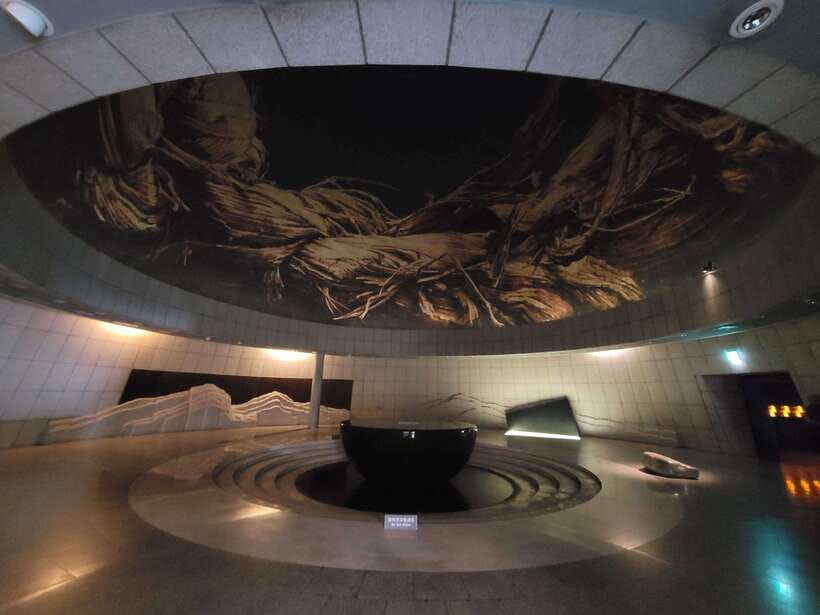
The most valuable part of this experience is the material that helps you read the museum critically. The guides have backgrounds in Korean history and politics, peace studies, peace activism, or DMZ tours. They use that experience to point out details and stories that may not receive much attention in the exhibition.
This does not mean the guide dismisses the memorial. Instead, you get help separating the museum’s national presentation from the larger historical record. The tour aims for a neutral and balanced account, including facts and incidents connected to both North and South Korea.
That balance matters with any war museum. A memorial naturally reflects the country that built it. The displays may give greater attention to sacrifice, defense, and national survival from a South Korean point of view. Your guide adds context about other perspectives and about events that are less visible in the galleries.
The tour also gives attention to the social side of the war. That was an important theme in the experience led by Kichan, who was praised for explaining how the conflict affected Korean society. You leave with more than a sequence of offensives and ceasefire talks.
During the walk, the guide provides photographs and copies of documents as complimentary materials. These handouts can make an abstract story easier to follow, especially when a document or image fills a gap in the museum’s display. Keep them with your notes if you plan to visit the DMZ or study modern Korean history afterward.
A completely different kind of day:
- Best DMZ Tour Korea from Seoul (Red Suspension Bridge Optional)
★ 5.0 · 41,422 reviews - DMZ Tour: 3rd Tunnel, Option(Suspension Bridge, Boat) from Seoul
★ 5.0 · 21,373 reviews - DMZ tour south Korea from Seoul (NK experience hall, defector)
★ 5.0 · 20,599 reviews - Seoul: DMZ Tour with Optional Suspension Bridge
★ 4.8 · 5,277 reviews
A private group of five changes the experience
The $100 price covers one group of up to five people, not one individual ticket. For a full group, that works out to $20 per person. For one or two people, the individual cost is higher, but you are paying for a private English-language guide and a focused two-hour visit.
I see the value most clearly for families, couples, friends, or small work groups who want to ask questions. You do not have to wait for a large crowd to catch up, and the guide can adjust explanations when someone already has background knowledge.
The private format also helps with a sensitive subject. The Korean War involves national identity, ideology, family separation, military loss, and disputed memories. A small group creates a more comfortable setting for careful questions than a crowded public tour.
The tradeoff is that you do not receive a lower per-person price if only one or two people book. If you are traveling alone and mainly want to glance at the displays, an independent visit may cost less. But if the museum’s history feels unfamiliar, the guide is the part that turns the admission into an informed experience.
What the guides do especially well
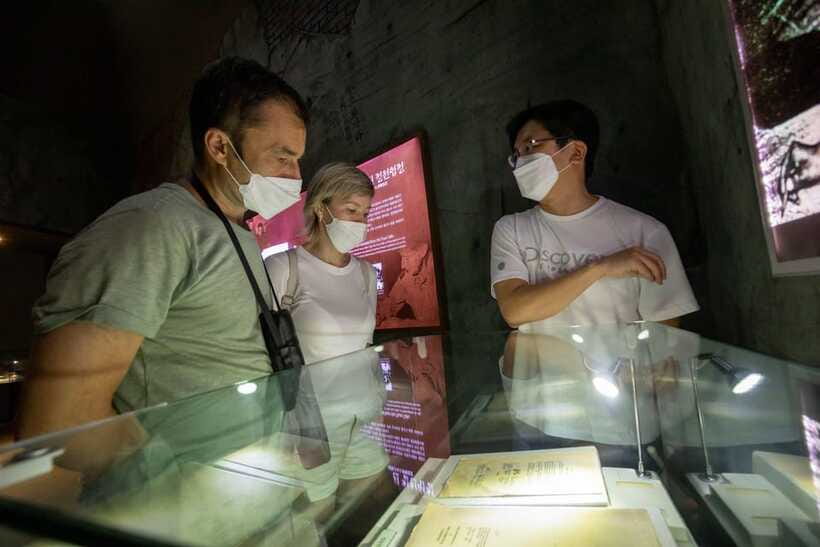
The strongest praise goes to the guides’ command of the subject and their fair presentation. Kichan Lee is named by several participants as a highly capable guide who answers follow-up questions clearly and explains the memorial in a balanced way. Other sessions have featured a guide known simply as T, as well as guides described as young, enthusiastic, funny, and careful.
That range of personalities is worth noting. This is not a silent audio guide with a fixed script. The experience depends partly on the person assigned to your group, but the repeated strengths are clear: strong preparation, clear English, patience with questions, and an effort to include both Korean perspectives.
A good guide also knows when to slow down. The museum contains a great deal of information, and a list of dates can quickly become tiring. The best moments come when a guide links a display to a larger question: how the division began, why the war became international, or how people lived with its effects afterward.
You should feel free to ask direct questions. The tour is designed for discussion, and the private format makes it easier to say when a point needs more explanation. If you are visiting the DMZ later, ask the guide to clarify any terms or events that you expect to encounter there.
Why this works as preparation for the DMZ
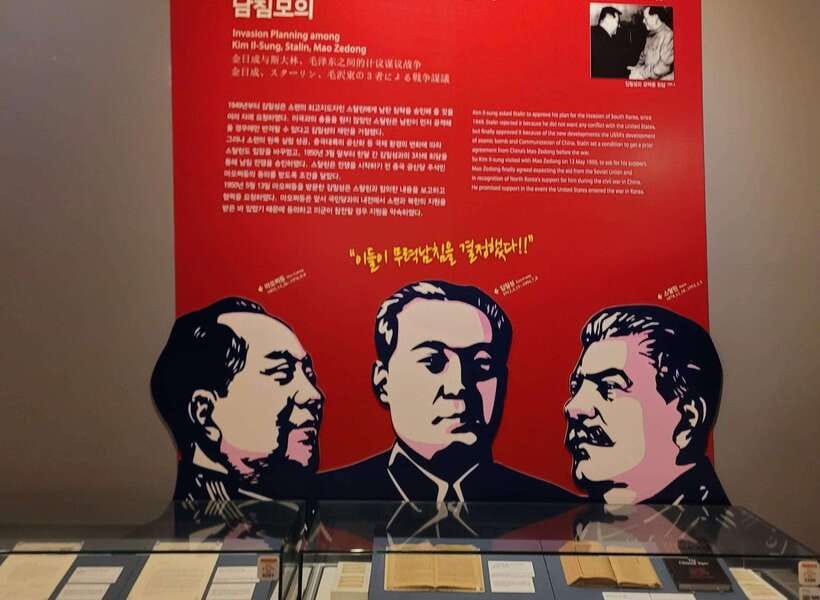
The DMZ can be visually striking, but without background it is easy to treat it as an unusual border tour with observation platforms and military stories. The War Memorial gives you the historical framework first.
After this museum visit, you are better prepared to understand why the border exists, why the division remains unresolved, and why the Korean War is often described as forgotten outside Korea. You will also have a clearer sense of the difference between the war itself and the later political tension that developed around the divided peninsula.
This tour does not replace a DMZ visit. It prepares you for one. The memorial focuses on the conflict and its causes, while a DMZ tour shows you the continuing physical and political result.
If the DMZ is a major goal of your Seoul visit, I would schedule this museum tour first. It gives the border greater meaning instead of leaving you to absorb the history in a few rushed explanations on the day.
The two-hour limit, and how to use it well
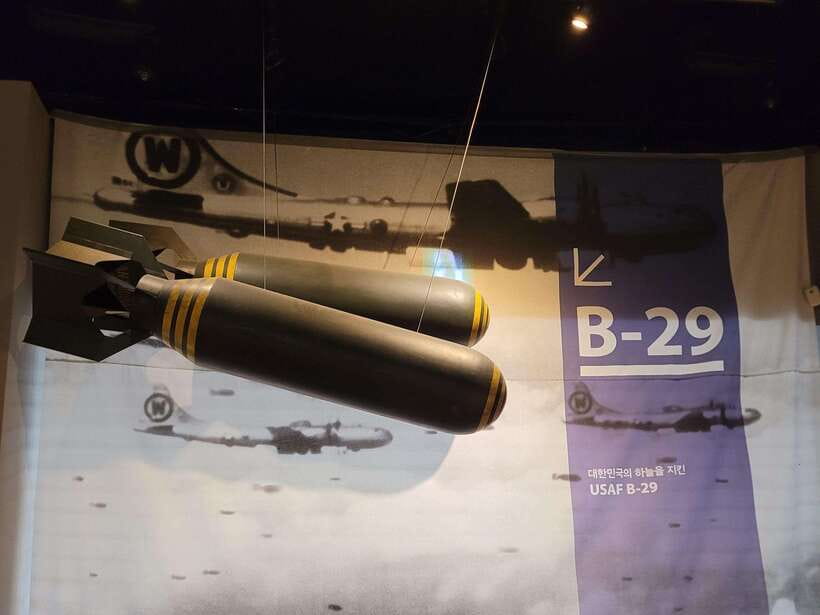
Two hours is enough for a strong introduction, but it is not enough for every display. One visitor felt the tour could easily have continued for another hour, and I understand why. The subject is broad, and the memorial itself is large.
You can make the time work by arriving ready to listen rather than trying to photograph everything. Let the guide choose the important stops. Save extra browsing for after the formal tour, if you have the energy and time.
I would also avoid packing another demanding historical attraction immediately before this visit. The topic requires attention. A rushed schedule may leave you remembering only a few dates, while a little breathing room lets the social and political points settle.
The guide can answer follow-up questions, but every question has a time cost. If someone in your group has a particular interest, mention it early. That way, the guide can give the subject proper attention without losing the main thread.
Practical details for comfort and access
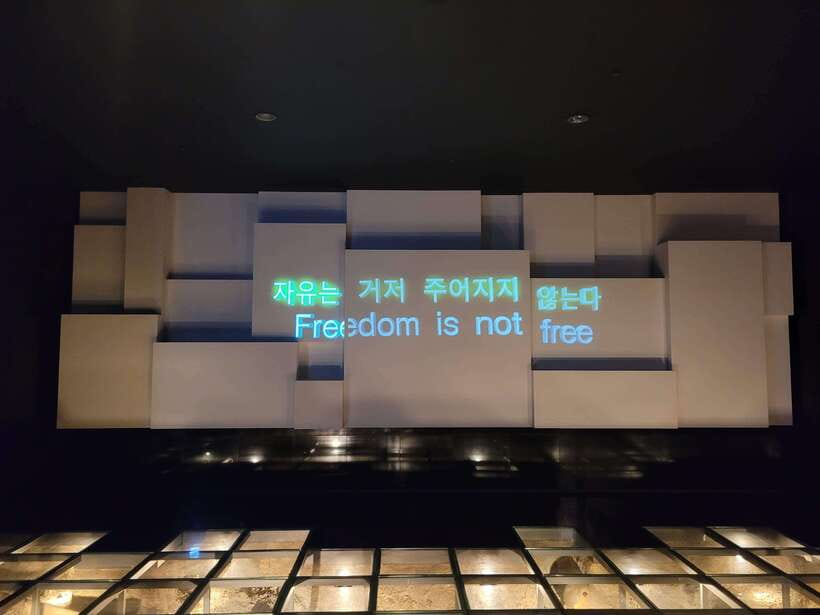
The tour is conducted in English and lasts two hours. It is a walking tour through the memorial, so comfortable footwear is sensible. Food and drinks are not included, and the experience is not described as a meal-based activity.
The meeting point is accessible from Samgakji Station, Lines 4 and 6, through Exit 12. The War Memorial itself is listed as wheelchair accessible. The experience is not considered suitable for people with visual or hearing impairments, so you should take that limitation seriously when deciding if it fits your needs.
Only one group of up to five people takes part in each booking. Alcohol and drugs are not allowed.
You can cancel up to 24 hours before the start for a full refund. The reserve-now, pay-later option lets you hold the plan without paying immediately, which is useful if your Seoul schedule is still shifting.
Who should book this War Memorial tour?
I recommend it most strongly if you are visiting Seoul for the first time and want a clear introduction to modern Korea. It is also a good choice for anyone planning a DMZ visit, studying Korean politics, or trying to understand the conflict beyond a simple North versus South explanation.
Families with older children may appreciate the private format, especially if they want to ask questions at their own pace. History-minded couples and small groups will get the best value because the $100 fee can be shared among five people.
I would hesitate only if you dislike guided museum visits, want to spend a long time reading every label, or have just a short interest in military hardware. This tour is not simply a walk past tanks and weapons. Its purpose is interpretation, context, and discussion.
Should you book it?
Book this tour if you want the War Memorial to explain modern Korea rather than merely display it. The price is fair for a private group, the guides bring strong subject knowledge and peace studies experience, and the balanced approach helps you notice what a national memorial may leave unsaid.
Keep your expectations practical. Two hours gives you a focused introduction, not a complete study of the Korean War. If you can accept that limit, this is one of the more useful history stops you can make in Seoul, especially before heading to the DMZ.
FAQ
How much does the private War Memorial tour cost?
The price is $100 per private group of up to five people.
How long does the tour last?
The walking tour lasts two hours.
Where do I meet the guide?
Meet beneath the Statue of Brothers at the southwest corner of the War Memorial of Korea’s exterior exhibit area.
How do I find the Statue of Brothers?
The statue is easy to reach from Exit 12 of Samgakji Station, served by Subway Lines 4 and 6.
What sign will the guide carry?
The guide will hold a sign reading Korean War Memorial Guided Tour by Gangwon Peace Tours.
What language is the tour conducted in?
The tour is conducted in English with a live English-speaking guide.
Which museum sections are included?
The guided visit focuses on Korean War Rooms I, II, and III, which are the main Korean War sections of the memorial.
Is the tour wheelchair accessible?
Yes, the activity is listed as wheelchair accessible.
Can I cancel the booking?
Yes. You can cancel up to 24 hours in advance for a full refund. You can also reserve now and pay later.
Just added in Seoul
- Seoul: Korean & English Language Exchange Global Party★ 5.0 · 28 reviews
- Your Personal Seoul Photographer!★ 4.1 · 15 reviews
- You’re Invited to Our Home in Seoul: The Only Cooking Class!★ 5.0 · 8 reviews
- From Seoul: Yongpyong Ski Day Tour with Transportation★ 4.9 · 40 reviews
- From Seoul: Hwacheon Ice Fishing and Lighting Festival Tour★ 4.5 · 4 reviews
- Seoul: Gangneung BTS K-Pop & K-Drama Filming Locations Tour★ 4.6 · 14 reviews
- Unique Native Experience : Han River Picnic, Board game, BBQ★ 5.0 · 3 reviews
- Seoul: Euljiro Gastroventure Tour★ 4.0 · 1 review
Museums, compared.
Gyeongju UNESCO Legacy Tour with National Museum
Read our review →
From Busan to Gyeongju UNESCO Legacy Tour with National Museum
Read our review →

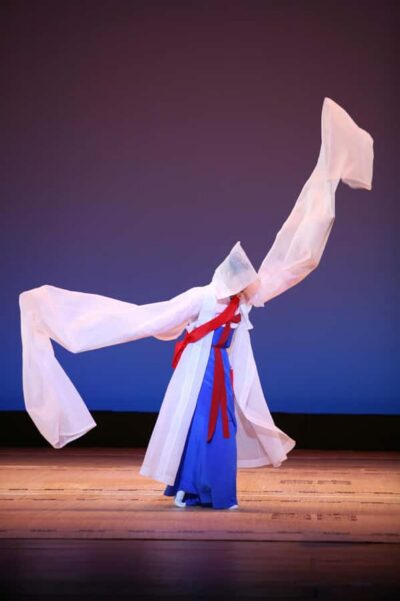
Gugak – Korean Traditional Music Museum&Concert Tour
Read our review →
Gyeongju UNESCO Sites Tour by KTX train; The Museum Without walls
Read our review →
Layover tour to Gyeongbokgung-Folk Museum-Bukchon-Insadong
Read our review →
Time Travel in Seoul: Gyeongbokgung Palace, Folk Museum & Bukchon
Read our review →Browse the lists this tour appears in