
Reviewed · 2-DAY EXPERIENCES
2-Day Busan Customized Tour
Busan rewards curious eyes. This private two-day outing links coastal scenery with working ports, old markets, temples, and neighborhoods that are easy to miss by taxi or subway alone. I especially like the local seafood stops at Daebyeon Port and Gijang Market, plus the freedom of having private transportation and a guide who can shape the pace around your group.
I also like the range of the route. One day moves from Haedong Yonggungsa Temple and Haeundae to Gwangalli’s bridge views, while the other reaches Taejongdae, Gamcheon, Nampo-dong, and Jagalchi Fish Market. The main consideration is the price: at $500 per person, this is a serious expense, and meals, lodging, and admission fees are extra. It makes more financial sense for a small private group than for a solo visitor.
In This Review
- Key points before you book
- Why this private Busan route works
- Day one: temple, fishing port, and eastern Busan
- Haedong Yonggungsa Temple
- Daebyeon Port and Gijang Market
- Dalmaji-gil, Songjeong, and Haeundae
- Dongbaekseom and Centum City
- Gwangalli after dark and Hwangnyeongsan views
- Day two: war memory, cliffs, and old Busan
- Gwangan Bridge, Igidae, and Oryukdo
- UN Memorial Cemetery
- Taejongdae Park on Yeongdo
- Songdo Beach and the sea cable car
- Gamcheon, Nampo-dong, and Busan’s markets
- Gamcheon Culture Village
- Nampo-dong, Gukje, and Jagalchi
- Busan Tower and Yongdusan Park
- Is $500 per person good value?
- Who should book this Busan tour?
- Should you book it?
- FAQ
- How long is the Busan customized tour?
- Is transportation included?
- Does the tour include hotel pickup and drop-off?
- Are meals included?
- Is accommodation included?
- Are entrance fees included?
- Is this a private tour?
- Who is the guide?
- Can I cancel for a full refund?
Key points before you book
- Daebyeon Port adds local flavor: Fresh anchovy dishes and fishing boats offer a more grounded Busan experience than a simple beach tour.
- Private transport saves time: The route covers far-flung areas, from Gijang in the east to Taejongdae and Songdo in the south.
- Frank Yi is the named guide: One five-star account specifically praises Frank Yi for a memorable two-day visit.
- The itinerary mixes famous and lesser-known sights: You get Haedong Yonggungsa, Haeundae, Gamcheon, and Jagalchi, along with the UN Memorial Cemetery and Daebyeon.
- Admission costs remain outside the tour price: Taejongdae and Busan Tower list admission charges as excluded, and other optional activities may also cost extra.
- The schedule is full: You see a lot of Busan, but some stops are short photo visits rather than long, unhurried explorations.
Why this private Busan route works

Busan is spread along the southeastern coast, and its best sights do not line up neatly in one compact center. Haedong Yonggungsa and Gijang sit well east of downtown. Taejongdae occupies the southern end of Yeongdo Island. Gamcheon, Nampo-dong, and Jagalchi form another cluster, while Haeundae and Gwangalli face the sea farther east.
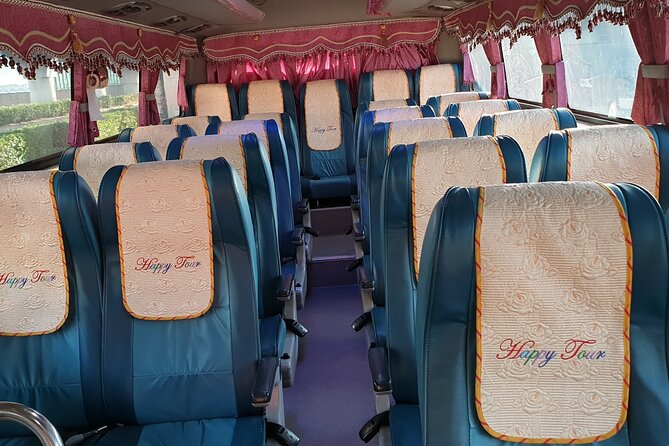
That geography gives this tour a clear advantage. Private transportation, fuel, tolls, and parking are included, so you do not have to string together several subway rides, buses, and taxis. You also get pickup and drop-off, a useful feature if you are staying outside the immediate old center.
The format is private, meaning only your own group takes part. That matters here because the day includes many stops with different levels of interest. You can spend more time at a market or temple if your group is enjoying it, although the number of planned stops means you should not expect unlimited time everywhere.
The guide may serve as both guide and driver, or you may have a separate driver. Frank Yi is the named provider, and a five-star account singled him out for making two days in Busan especially enjoyable. That is the only published rating available here, so I would treat it as an encouraging sign rather than a broad statistical record.
More Busan trips:
- Busan: Gyeongju Guided Day Trip to Three Kingdoms Capital
★ 4.8 · 1,925 reviews - Small Group Full Day Busan Tour (Max 6 Pax)
★ 5.0 · 1,464 reviews - From Busan: Gyeongju UNESCO World Heritage Guided Day Tour
★ 4.8 · 1,250 reviews
Day one: temple, fishing port, and eastern Busan
Haedong Yonggungsa Temple
The day begins with one of Busan’s most unusual religious sites. Haedong Yonggungsa is built beside the sea, unlike the mountain temples more commonly associated with Korean Buddhism. Its history reaches back more than 600 years, and the approach gives you a mix of stone steps, temple buildings, and open water.
You get about an hour here, which is enough to see the main setting and take photographs without turning the visit into a rushed stop. The admission ticket is free. Wear comfortable shoes because temple grounds involve walking and steps.
The appeal is visual as much as spiritual. Waves, cliffs, and rooflines create a scene unlike almost anywhere else in Korea. If you want a quiet, reflective visit, the schedule may feel short during a busy period, but the private format gives you a better chance to discuss timing with Frank Yi.
Daebyeon Port and Gijang Market
Daebyeon Port brings you into a working fishing area known for anchovies and seaweed. The region’s seafood tradition reaches back to the Joseon period, and fishing boats line the village entrance. You have about 40 minutes, enough to look around and consider a local meal if the timing works.
The port is particularly known for raw anchovy and anchovy stew, dishes associated with Daebyeon. An anchovy festival takes place each April, with netting demonstrations and tastings. The festival is seasonal, so do not expect those activities outside that period.
Next comes Gijang Market, another 40-minute stop. This outdoor market sells seafood, live king crab, and farm produce. Seasonal buying is part of the fun: seaweed and anchovies are associated with spring, while cutlassfish is especially noted in autumn and around the period before and after Chuseok.
I like these two stops because they show Busan as a port city, not just a collection of beaches and photo spots. The practical limit is time. You are sampling the area, not conducting a leisurely market meal or seafood shopping trip. Since meals are not included, ask about lunch timing before the day begins.
A completely different kind of day:
- Busan Private Tour with licensed tour guide + private vehicle
★ 5.0 · 1,143 reviews - Busan: Coastal Treasures Beach Train, Culture Village & More
★ 4.7 · 832 reviews - Busan’s Cultural Wonders with Beach Train & Gamcheon Village etc
★ 4.5 · 663 reviews - Gyeongju UNESCO World Heritage Guided Day Tour from Busan
★ 5.0 · 660 reviews
Dalmaji-gil, Songjeong, and Haeundae
Dalmaji-gil is often compared with Montmartre because of its sea views, wooded stretches, and artistic reputation. The route includes the Busan Green Railway walking trail, with a path linking Mipo, Dalmaji Tunnel, Cheongsapo, Gudeokpo, and Songjeong.
You get about an hour in this area. It is a good place for a walk and photographs, especially if you prefer open views to indoor attractions. The beach train may pass along the route, adding a pleasant bit of movement to the scene, but train rides are not listed as part of the tour.
Songjeong Beach receives a shorter 20-minute stop. Its shallow water and quieter mood make it a useful contrast with Haeundae. The beach stretches 1.2 kilometers, and the surrounding area is known for sliced raw fish restaurants. You will not have time for a full meal here unless the guide adjusts the plan.
Haeundae gets about 30 minutes. This is Busan’s best-known urban beach, and the stop gives you a quick sense of the city’s most famous waterfront district. I would not expect a long beach walk, swimming time, or a relaxed cafe visit. Think of it as a location visit within a larger day.
Dongbaekseom and Centum City
Dongbaekseom, beside Haeundae, offers a more wooded walk. The path leads past a mermaid statue, the Nurimaru APEC House, and a memorial to scholar Choi Chi-won. The mermaid statue connects to a local legend about a homesick princess from a distant kingdom, which gives the walk a touch of folklore.
The planned 30 minutes is enough for a brisk look, but not a thorough circuit of every path. If you prefer history and stories, ask Frank Yi to point out the main features rather than trying to cover the whole island.
The route then shifts to modern Busan at Shinsegae Centum City and the Busan Cinema Center. Shinsegae is described as the world’s largest shopping complex and includes shopping, restaurants, a spa, an ice rink, golf, and a cinema. The visit lasts about 40 minutes, so you will mainly get a quick look unless you choose one activity.
The Busan Cinema Center is tied to the Busan International Film Festival, one of Asia’s major film events. Its unusual roof and open civic setting make it worth a short stop, though the 20-minute visit is more about seeing the building than learning the full story of Korean cinema.
Gwangalli after dark and Hwangnyeongsan views
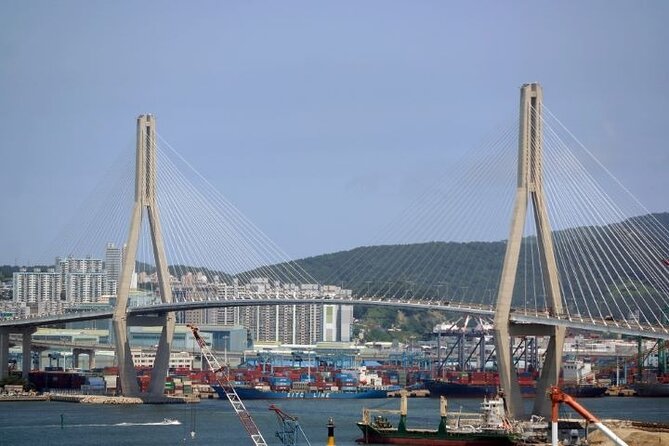
Gwangalli Beach is one of the strongest evening stops. The sandy shore faces Gwangan Bridge, whose lights become the focus after sunset. Restaurants, cafes, and shops line the area, so you can pair the view with a meal if the schedule allows.
The beach stop lasts about 40 minutes. That gives you time to walk, take photographs, and look across the water, but it may not allow for a full dinner. Meals are your responsibility, so budget for that separately.
The route also includes a short visit to Hwangnyeongsan Observatory, described here as Blue Bang Hwangnyeongsan. Sunset is the main attraction. As daylight fades, Busan’s lights appear below and the coastline takes on a different character.
Weather matters at both locations. Clouds or haze can reduce the view, and the timing of sunset changes through the year. Still, ending the first day with a city view is a smart choice after a long list of coastal stops.
Day two: war memory, cliffs, and old Busan
Gwangan Bridge, Igidae, and Oryukdo
The second day begins around the Gwangandaegyo, also called Diamond Bridge. It links Haeundae-gu and Suyeong-gu and is part of Busan’s large coastal view, with Marine City and the sea nearby.
Igidae Park provides a change of pace. Its coastal walking route stretches 4.7 kilometers from Igidae Dongsaengmal to Oryukdo Sunrise Park, though the planned visit here is only about 20 minutes. You can enjoy a short section, pause at an observation area, or look toward the pebble shore at Jalgama-dang.
The brief stop means this is not a full coastal hike. If walking is a priority, tell Frank Yi early. The private setup makes a schedule change more realistic than it would be on a fixed group excursion, but the rest of the day is packed.
Oryukdo Skywalk follows with about 30 minutes. The glass walkway sits 35 meters above the coast and extends 15 meters over the cliff. You look through transparent flooring toward the waves, making this one of the tour’s best quick photo stops.
Anyone uneasy with heights should know what to expect. The visit is short, but the open view and glass floor are the entire point. Closed shoes and steady footing are sensible for the coastal stops.
UN Memorial Cemetery
The UN Memorial Cemetery in Korea is one of the most important places on the route. It honors UN soldiers from 16 countries and UN personnel from five countries who died during the Korean War from 1950 to 1953.
The grounds cover 135,000 square meters, with lawns, ponds, memorial halls, and national monuments. About 2,300 graves remain after many families requested that the fallen be repatriated. You get approximately 40 minutes, enough for a quiet walk and a meaningful look at the memorials.
I consider this a valuable counterpoint to Busan’s beaches and shopping streets. It gives the city a human and international dimension. Keep the visit respectful and allow time to read the memorials rather than treating it as just another photograph stop.
Taejongdae Park on Yeongdo
Taejongdae is known for forested paths, sea cliffs, caves, and unusual rock formations shaped by long geological forces. You can walk through the park or use the train route to reach the observatory and Yeongdo Coastal Culture Space.
The planned stop is about 40 minutes. Admission is not included, and any train or park-related fee should be confirmed before you go. The short visit favors the main viewpoint rather than a full walk through the park.
Taejongdae is one of the places where the private vehicle helps most. The park is on Yeongdo, away from the main beach districts, and reaching several coastal points without a car can take extra effort. If you love geology and cliff views, this may be worth asking to extend, even if that means trimming a market stop later.
Songdo Beach and the sea cable car
Songdo opened in 1913 and is recognized as Korea’s first beach. After falling out of favor during the later twentieth century, it was restored and returned as a major seaside attraction.
The 30-minute stop offers views of the sand, clear water, cliffs, and the cable car crossing above the sea. A transparent crystal cabin is available as an option, but the cable car ride is not included in the tour price. You should confirm the fare and available time if you want to ride.
Songdo works well as a visual break after Taejongdae. The cable car adds a modern attraction to the older beach setting, though a short stop may force you to choose between riding and simply walking along the shore.
Gamcheon, Nampo-dong, and Busan’s markets

Gamcheon Culture Village
Gamcheon climbs the foothills in rows of homes and narrow lanes. Murals and sculptures decorate the village, which is often compared with Machu Picchu because of its stepped arrangement.
You have about 40 minutes, enough for a compact introduction and photographs. The lanes can be steep and uneven, so comfortable shoes matter. This is a living neighborhood, not a film set. Keep your voice down near homes and follow the guide’s lead through the public areas.
The stop is visually strong, but its popularity can make the narrow streets feel crowded. Your private guide can help you use the limited time well, especially if you want the main viewpoints instead of wandering without a plan.
Nampo-dong, Gukje, and Jagalchi
Nampo-dong is old downtown Busan, filled with brand shops, smaller local stores, underground shopping, and street-food alleys. The 30-minute stop is best used for a quick walk and a snack rather than serious shopping.
Gukje Market grew from Korean War refugee trading and became Busan’s largest market. Its narrow vendor lanes carry clothing, silk, linen, curtains, bags, glasses, and imported goods. Prices can be attractive, but the short 20-minute visit will only give you a taste of the area.
Jagalchi Fish Market is the grand finale for food-minded visitors. It is one of Busan’s defining places, with fresh seafood and raw fish meals. Outside the main market, you may see vendors selling mackerel, sea squirts, and other catch from wooden boxes near the road and shore.
The stop lasts about 40 minutes, but meals are not included. If eating fresh fish is important to you, discuss the plan before arrival. Otherwise, you may spend the entire visit looking around and leave without experiencing the market as a dining place.
Busan Tower and Yongdusan Park
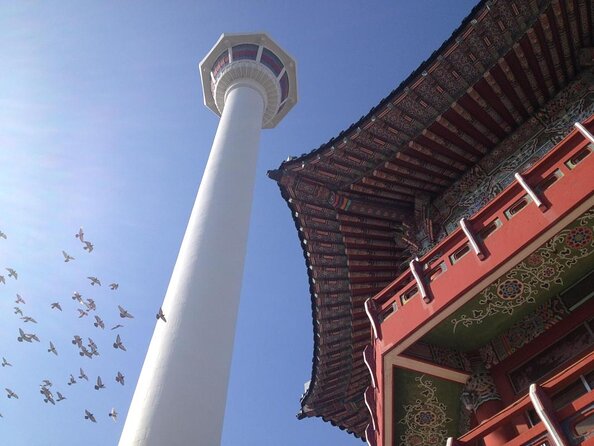
Busan Tower rises 120 meters, with its base 69 meters above sea level in Yongdusan Park. Its upper design takes inspiration from the baldaquin of Dabotap Pagoda at Bulguksa Temple in Gyeongju.
The planned visit lasts 30 minutes, and admission is not included. The tower offers a broad city view, while the park includes the statue of Admiral Yi Sun-sin, the Citizens Bell, a flower clock, and a memorial to independence activist An Hee-je.
This stop connects Busan’s present-day skyline with Korean history. If you are watching costs, the park itself may be enough, but the observation level adds the higher view. Ask about the ticket before committing, since several other expenses already fall outside the $500 price.
Is $500 per person good value?

The cost is easiest to justify when several people share the private vehicle and guiding service. You are paying for two long days, pickup and drop-off, fuel, tolls, parking, and a custom route across a large city. For a family or small group that values comfort and direct transport, the convenience can be significant.
The price is harder to defend for a solo visitor or a pair focused mainly on free sights. Many stops have no admission charge, and public transportation can reach much of Busan. You still need to add meals, accommodation, and entrance fees, including Taejongdae and Busan Tower. Optional cable car rides and other activities may also increase the total.
I would compare the tour with the cost of separate taxis, guided visits, and lost time before deciding. The value is not in cheap entry tickets. It is in the route design, local interpretation, and reduced transport hassle.
Who should book this Busan tour?
I would recommend it to families, older adults who prefer direct transportation, first-time visitors with only two days, and groups that want both famous sights and local food districts. It also suits people who want a private schedule instead of joining strangers.
You should think twice if you dislike early starts, frequent stops, or short visits. The route covers a lot, and you will spend much of the two days moving between beaches, markets, memorials, and viewpoints. It is a broad introduction, not a slow neighborhood study.
The private format gives you room to request changes, but do not assume every stop can become a long visit. Decide your priorities before the first morning. Seafood, history, beaches, markets, or night views can each shape the day.
Should you book it?
Book this experience if your ideal Busan visit includes Haedong Yonggungsa, working seafood ports, coastal cliffs, Gamcheon, and Jagalchi without managing the transport yourself. Frank Yi’s personal guiding received a five-star endorsement, and the route includes several places that fit together well across two days.
Skip it if $500 per person feels too high once meals and admissions are added, or if you prefer slow independent exploration. For a small group with limited time, the private vehicle and wide coverage make the price more reasonable. For a solo visitor, the arithmetic is less favorable.
FAQ
How long is the Busan customized tour?
The experience lasts approximately two days.
Is transportation included?
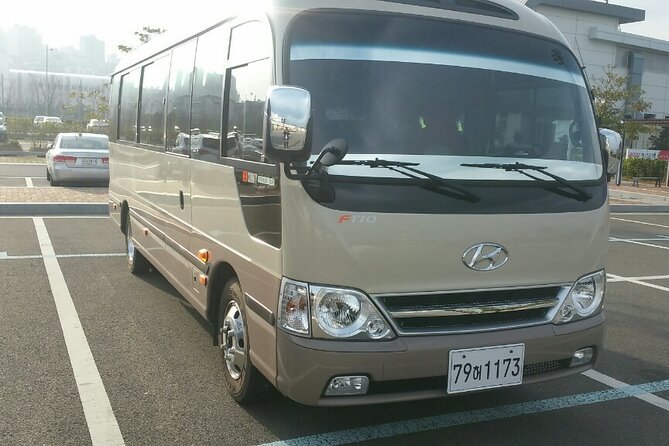
Yes. Private transportation is included, along with gas, tolls, and parking fees.
Does the tour include hotel pickup and drop-off?
Yes. Free pickup and drop-off are included.
Are meals included?
No. Meals are not included in the tour price.
Is accommodation included?
No. Hotel and accommodation costs are separate.
Are entrance fees included?
No. Entrance fees are excluded. Taejongdae Park and Busan Tower specifically list admission as not included.
Is this a private tour?
Yes. Only your own group participates in the private activity.
Who is the guide?
Frank Yi is the experience provider and named guide. The service may use a guide and driver or a driving guide.
Can I cancel for a full refund?
Yes, if you cancel at least 24 hours before the experience start time. Cancellations or changes made less than 24 hours in advance are not refunded or accepted.
Just added in Busan
- Small Group 7D Korea package Tour with Seoul Gyeongju Busan Jeju★ 4.5 · 13 reviews
- Private Transfer from Seoul to Busan(up to 12 passengers)★ 5.0 · 1 review
- Jinhae Cherry Blossom + Busan Sunrise from Seoul★ 4.5 · 5 reviews
- 7 days Flexible Tour for Major Cities(Seoul,Busan,Gyeongju etc)★ 5.0 · 5 reviews
- PREMIUM 5 Days Tour for Wonder of Korea(Mt. Seoraksan, Andong, Gyeongju, Busan)★ 5.0 · 1 review
- 5 Days Tour for Korea’s past and present(Mt.Seoraksan, Andong, Gyeongju, Busan)★ 5.0 · 1 review
- 7 Days Highlight Korea Tour(Seoul, Nami, DMZ, Andong, Gyeongju, Busan)★ 5.0 · 1 review
- 5-Day Korea Golden route by K-shuttle Tour from Seoul Including Busan, Yeosu★ 4.5 · 37 reviews
2-Day Experiences, compared.
Jeju English Private Taxi Tour(1day, 2days, 3days & 1 to 12pax)
Read our review →
Best 2 Days Guided DMZ and Seoul City Tours from Seoul
Read our review →
2 Days Jeju Island Private Taxi Tour (East/West of Jeju Island )
Read our review →
2Days Private tour in jeju island – East/West/South of Jeju
Read our review →
Private 2Days Tour Best Jeju attraction place in Jeju island
Read our review →
2 Days Jeju Private Jumbo Taxi Tour with Mr.Ko (Suhong)
Read our review →Browse the lists this tour appears in