
Reviewed · 5-DAY EXPERIENCES
5-Day Korea Golden route by K-shuttle Tour from Seoul Including Busan, Yeosu
Korea rewards a wide-angle look. This five-day road tour links royal tombs, mountain temples, old villages, seafood markets, Olympic sites, and major cities without making you arrange every train, hotel, and transfer yourself. I especially like the excellent spread of places, from Jeonju Hanok Village and Hahoe Folk Village to Bulguksa and Seoraksan, and the way a strong guide can turn a long drive into a moving history lesson.
I also like that four hotel nights and breakfast are included, which makes the $999 price easier to understand. The tradeoff is time: this is a fast-moving trip with plenty of hours on the road, and some stops can feel more like a first look than a full visit. Guide quality has been a major strength, with Justin Choi, Mina, Andy, Cooper, and Brandon all praised for their care, humor, and command of Korean history.
In This Review
- Key points to know before booking
- What the $999 price really buys
- Day 1: Baekje tombs, a fortress, and Jeonju roofs
- Day 2: Memory, gardens, and Admiral Yi in the south
- Day 3: Jinju’s fortress and Busan’s working waterfront
- Day 4: Granite Buddha, Bulguksa, and Hahoe Village
- Day 5: Olympic Pyeongchang and Seoraksan
- The guide can make or break the journey
- Hotels: useful convenience with uneven standards
- Who will enjoy this route most
- Booking, cancellations, and small practical matters
- Should you book the Korea Golden Route?
- FAQ
- Where does the tour start and end?
- Is hotel pickup included?
- Are meals included?
- Are admission fees included?
- How much luggage can I bring?
- Is the tour suitable for children?
- What happens if bad weather affects the tour?
Key points to know before booking
- A full cross-country route: You cover Gongju, Jeonju, Suncheon, Yeosu, Jinju, Busan, Gyeongju, Andong, Pyeongchang, and Seoraksan in five days.
- Guides make a big difference: Justin Choi received especially warm praise for his historical storytelling, practical help, and ability to manage a mixed group.
- Expect long drives: The route covers a lot of ground, with some days involving many hours in the vehicle.
- Hotels are mixed: Several stays were described as comfortable, but the Commodore and some older properties drew complaints about cleanliness, air conditioning, and upkeep.
- Bring modest luggage: The stated allowance is one carry-on measuring about 24 by 16 by 11 inches.
- The tour begins and ends in central Seoul: Meet at 8:00 a.m. beside Dongwha Duty Free near exit 6 of Gwanghwamun Station, with return around 6:00 p.m. on the final day.
What the $999 price really buys
At $999 per person, this is not a cheap hop-on, hop-off outing. It is a packaged route with transportation, an English-speaking guide, four nights of lodging, and four breakfasts. You are paying for the ability to cross South Korea without booking intercity trains, comparing hotel locations, or working out how to reach rural historic sites.
That convenience matters here. The route reaches places that are awkward to combine independently in five days, including Gongju, Hahoe Folk Village, Seokguram, and Seoraksan. You also avoid the mental work of moving luggage between several cities.
Lunch and dinner are not included. You will need money for meals, snacks, drinks, and optional admissions. Extra charges can include entry to Seokguram Grotto, the Pyeongchang ski jump monorail, the Gwongeumseong Fortress cable car, temple entry, and a ferry surcharge at Goransa Temple if that option is part of the day’s arrangements.
The value is strongest if your priority is seeing many regions quickly. It is less convincing if you prefer slow mornings, long meals, or several nights in each city. Independent visitors can save money in some cases, but they will spend more time planning and transferring.
More Busan trips:
- Small Group 7D Korea package Tour with Seoul Gyeongju Busan Jeju
★ 4.5 · 13 reviews - 3-Days 2-Nights Gyeongju UNESCO Sites & Busan City [Private Tour from Seoul]
★ 4.5 · 11 reviews - Jinhae Cherry Blossom + Busan Sunrise from Seoul
★ 4.5 · 5 reviews
Day 1: Baekje tombs, a fortress, and Jeonju roofs
The tour leaves Seoul at 8:00 a.m. from the parking area beside Dongwha Duty Free at Gwanghwamun. Hotel pickup is not included, so you need to reach the meeting point yourself. This is an easy central location near the subway, but allow time for finding the correct parking area, since the meeting point can look less obvious than a normal storefront.
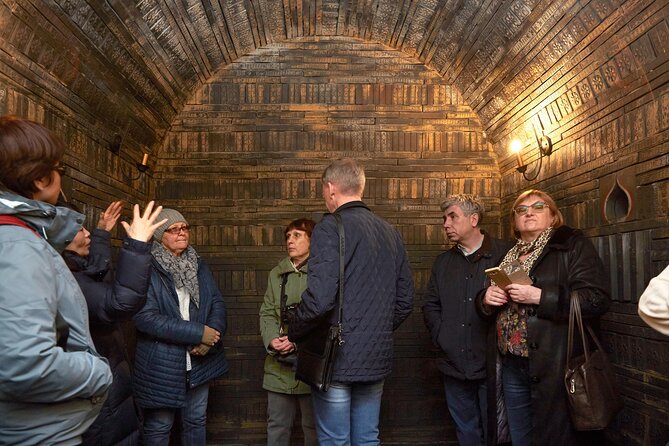
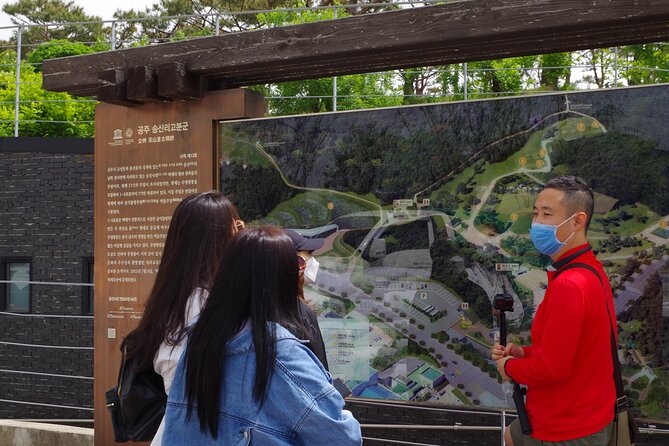
The first major stop is the Songsan-ri Tombs and the Royal Tomb of King Muryeong in Gongju. These burial sites connect you with the Baekje kingdom, which ruled parts of the Korean peninsula from 234 to 678. The stop lasts about two hours and gives useful background before you visit other historic places later in the week.
Next comes Gongsanseong Fortress, a one-hour visit on a mountain castle site above the Geumgang River. The river views are one reason this stop works well after the tombs. You get a sense of both military geography and the setting around Gongju, although the limited time means you will not fully explore every trail.
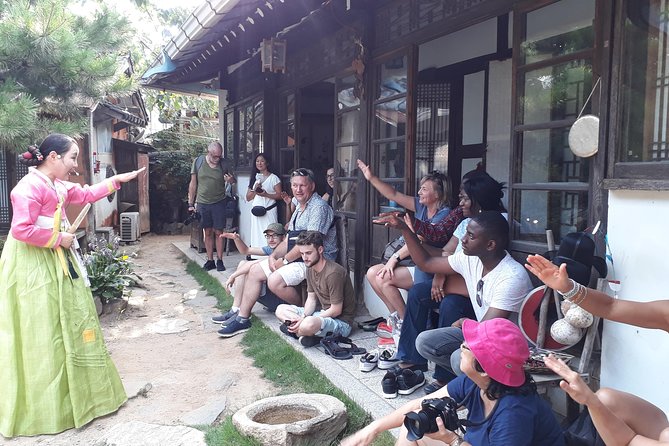
Jeonju Hanok Village is the day’s most visual stop. Its traditional houses have distinctive roof edges that curve slightly upward, and the neighborhood has held onto old architectural forms while the rest of the city modernized. You have about two hours here, enough to walk, take photographs, and sample food if you manage your time carefully.
This is also where the pace becomes clear. Jeonju invites lingering, but the group must leave on schedule. I would use the stop for a focused walk rather than trying to see every lane.
Day 2: Memory, gardens, and Admiral Yi in the south
The second day begins at the May 18th National Cemetery in Gwangju. This is a serious and important place, not a quick photo stop. The cemetery honors victims of the May 1980 pro-democracy movement and presents a direct connection to South Korea’s modern political story.
Two hours here may feel long to some people, but the time allows the guide to explain the setting instead of reducing it to a passing reference. A good guide is especially valuable at this stop because the meaning is tied to events rather than grand architecture.
Suncheon Bay Garden follows, with two hours among a large conservation area containing more than 505 tree species and 113 kinds of flowers. The garden offers a change of mood after the cemetery. You move from modern history into open green space, with paths and planted areas that help break up the road schedule.
The route then reaches the statue and memorial area associated with Admiral Yi Sun-sin. During the Japanese invasion of 1592 to 1598, Admiral Yi used this area as a headquarters. Artifacts and displays honor his role, and this visit helps explain why he remains such a central figure in Korean memory.
The official route includes Yeosu, and the southern coast is one of the most scenic parts of the trip. One practical warning comes from the schedule: a fish market visit can run late, and it is important to stay with the group and confirm the meeting point before wandering off. This is not the kind of tour where you can assume the bus will wait at every corner.
Day 3: Jinju’s fortress and Busan’s working waterfront
Jinjuseong Fortress opens the third day with another site tied to the Japanese invasions. The fortress was first known as Geoyeolseong during the Three Kingdoms period and later as Chokseokseong. You have about an hour, enough to walk along part of the grounds and understand the city’s defensive position.
The tour then moves to Busan and Jagalchi Market for two hours. This is Korea’s largest seafood market, with live and dried fish sold along the shore road in Jung-gu. It is one of the trip’s more everyday experiences. Instead of looking at a preserved monument, you see a working part of the city’s food culture.
Bring an appetite, but remember that meals are your own responsibility. A guide who gives practical food advice can make this stop much better, and several guides have been praised for helping people choose Korean dishes and understand how to order.
Haeundae Beach and Nurimaru APEC House provide a very different Busan. The area combines a famous beach with modern conference architecture and sea views. Two hours gives you time to walk and take in the contrast between Busan’s port identity and its polished international side.
Busan is one of the places where I would like more free time. The itinerary gives you a broad introduction, not a city break. You see the market and the Haeundae area, but you do not have a full evening to explore neighborhoods at your own pace.
A few more options to weigh up in Seoul
- Best DMZ Tour Korea from Seoul (Red Suspension Bridge Optional)
★ 5.0 · 41,422 reviews - DMZ Tour: 3rd Tunnel, Option(Suspension Bridge, Boat) from Seoul
★ 5.0 · 21,373 reviews - DMZ tour south Korea from Seoul (NK experience hall, defector)
★ 5.0 · 20,599 reviews - Seoul: DMZ Tour with Optional Suspension Bridge
★ 4.8 · 5,277 reviews
Day 4: Granite Buddha, Bulguksa, and Hahoe Village
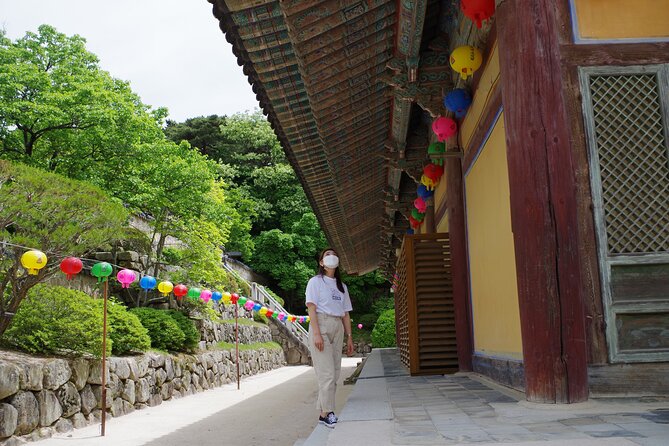
Day four brings some of the tour’s strongest historic stops. Seokguram is an artificial granite grotto built in connection with Bulguksa Temple and designated a UNESCO World Heritage site in 1995. The setting on the mountain and the sculptural work make this a major reason to choose the route.
Entry to the grotto is not included, so check the day’s optional costs before setting out. The visit lasts about two hours, but access arrangements and weather can affect the experience.
Bulguksa follows with about an hour on site. This is one of Gyeongju’s best-known monuments, celebrated for its temple buildings and stone pagodas. Even with a short visit, the paired stops at Seokguram and Bulguksa give you a clear look at the artistic and religious achievements of the Silla period.
The schedule then shifts to Andong Hahoe Folk Village. The village sits beside the Nakdong River, below Buyongdae Cliff, with sandy riverbanks and old pine trees around it. Its traditional layout makes it a useful companion to Jeonju Hanok Village, though the two places feel different: Jeonju is a lively urban historic district, while Hahoe presents a more rural setting.
Two hours is enough for a walk and photographs, but not for a slow, detailed study of every house. Good walking shoes matter throughout the trip, and especially here, where uneven paths and outdoor walking are part of the visit.
Day 5: Olympic Pyeongchang and Seoraksan
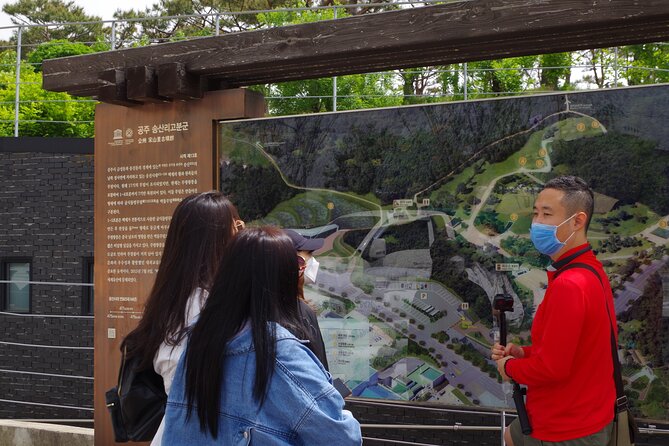
The final day begins at the Alpensia Ski Jump Lounge, connected with the 2018 Winter Olympic Games. The stop is at the ski jumping stadium, not a tower. A monorail ride to the ski jump may cost extra.
The advertised time is about two hours, but the schedule has sometimes been shortened by traffic or other delays. Treat this stop as a chance to see an Olympic venue and the mountain setting, not as a guaranteed extended visit.
Seoraksan National Park is the last major attraction. The route includes the Sinheungsa area and views of Seorak Mountain, where high peaks rise above valleys and streams. The park provides a welcome outdoor finish after several days of temples, museums, fortresses, and urban stops.
Admission to Seoraksan is not included. The Gwongeumseong Fortress cable car and temple entry can also involve extra charges. If you want to ride the cable car, ask the guide about timing and cost early in the day. Mountain weather can change the plan, and this experience requires suitable conditions.
The bus returns to Dongwha Duty Free in Seoul at about 6:00 p.m. That makes the final day long, so avoid scheduling a flight or important evening appointment too close to the expected return.
The guide can make or break the journey
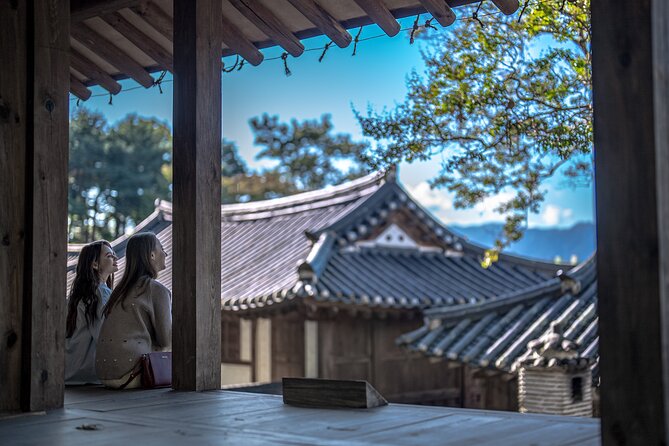
The most praised part of this tour is the guiding. Justin Choi is repeatedly singled out for clear English, humor, historical storytelling, and practical help. Mina is described as patient and caring, while Andy, Cooper, and Brandon also received praise for explaining Korean culture and looking after the group.
That matters because the route contains difficult subjects, unfamiliar place names, and many transitions. A good guide connects the Baekje tombs to later Korean kingdoms, explains the May 1980 cemetery with care, and turns Admiral Yi from a statue into a meaningful historical figure.
You should not assume that every departure will have the same guide. The named guides are examples of the strong service associated with this tour, not a promise that you will receive a particular person. Still, the repeated praise suggests that guide service is central to the product’s value.
The vehicle and driver matter just as much. Several people found the bus clean, air conditioning effective, and bottled water helpful. One serious complaint described an uncomfortable school-bus-style vehicle, a slow drive, unsecured luggage, and a last-day Olympic stop reduced to a very short photo break.
The group can reach 50 people, although the vehicle size depends on the number booked. A smaller departure will usually feel easier at busy markets and village sites. You should expect some waiting, fixed departure times, and limited freedom to change the plan.
Hotels: useful convenience with uneven standards
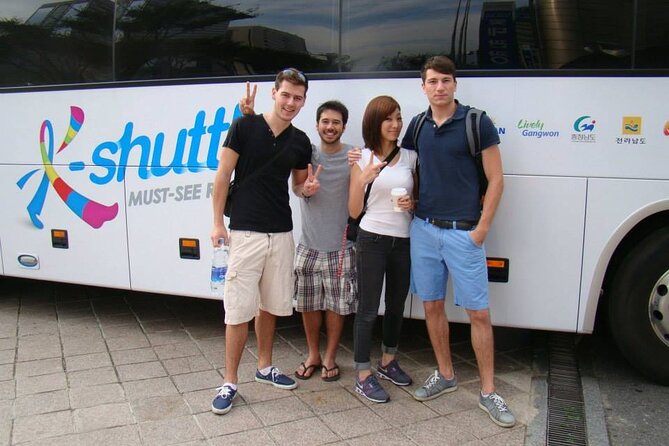
Four nights of accommodation and four breakfasts remove a major planning burden. Some stays were described as clean and comfortable, including one Holiday Inn and other solid properties.
The hotel standard is not fully consistent. Complaints included an older Commodore property with dated carpets and poor air conditioning, an Ocean View hotel with an air-conditioning problem, and housekeeping concerns such as hair in a bathroom. One breakfast was described as much simpler than the buffets at other hotels.
Hotel locations can also be outside the central restaurant areas. That means dinner may require a taxi or a walk, rather than a quick step out into a lively downtown street. If room quality is very important to you, ask about the possibility of a hotel upgrade before paying. The tour information does not promise an upgrade option, but it is worth raising the question.
Single and double rooms are available at checkout. If three people book a double room, a pullout bed can be arranged at no extra charge, but you must tell the operator when booking. For a more comfortable five-day trip, I would avoid sharing a room with three adults.
Who will enjoy this route most
This tour suits you if you have only five days, want to see beyond Seoul, and prefer a guide-led trip to independent rail planning. It is especially useful for a first visit, for anyone uneasy about language barriers, and for people who want a broad introduction to Korean history and regional culture.
It also works well for fans of Korean historical dramas. The tombs, fortresses, temples, and traditional villages give real places and political periods behind the stories seen on screen.
You should think twice if you dislike early starts, long bus rides, older hotels, or strict schedules. The route covers roughly 1,600 kilometers according to one account, and some days can include up to eight hours of driving. You will see a lot, but you will not always have time to sit with a place.
The tour requires a moderate amount of walking. Most people can take part, but comfortable shoes are essential. Winter visitors should bring warm clothing, while everyone should pack light because the luggage limit is one carry-on-sized bag.
Booking, cancellations, and small practical matters
A single person can book, but at least two people are required for the tour to operate. If the minimum is not met, the operator may cancel after confirmation and offer another date or a full refund.
You need to provide each participant’s passport name, number, expiry date, and country of issue at booking. Children aged three to five can receive the child price only when sharing an adult’s bed. If a child needs a separate bed, the adult price applies.
You can cancel for a full refund at least six full days before the start time. Cancellation two to six days ahead brings a 50 percent refund, while cancellation less than two days before departure is nonrefundable. Poor weather can also lead to a changed date or full refund.
Should you book the Korea Golden Route?
I would book this tour if I wanted a fast, organized introduction to South Korea beyond Seoul. The route is unusually broad for five days, and the combination of Jeonju, Busan, Gyeongju, Andong, Yeosu, and Seoraksan gives you much more than a capital-city visit.
I would book with realistic expectations about speed and hotels. The guide is likely to be the highlight, especially if you are assigned someone with the warmth and skill shown by Justin Choi or Mina. The best value comes from transportation and context, not luxury lodging or leisurely free time.
Choose it for reach, structure, and history. Skip it if you want to settle into one region and explore slowly. For a first visit with limited time, it is a strong sampler, provided you can handle long days and accept that some stops will leave you wishing for another hour.
FAQ
Where does the tour start and end?
It starts at the parking lot beside Dongwha Duty Free near exit 6 of Gwanghwamun Subway Station in Seoul at 8:00 a.m. It ends at the same general location, Dongwha Duty Free, at about 6:00 p.m. on day five.
Is hotel pickup included?
No. Hotel pickup and drop-off in Seoul are not included. You need to make your own way to the Gwanghwamun meeting point.
Are meals included?
Four breakfasts are included. Lunch, dinner, snacks, drinks, and other food are not included unless specifically stated.
Are admission fees included?
Some admissions are included, but optional fees may apply. Listed examples include Seokguram Grotto entry, the Pyeongchang ski jump monorail, the Gwongeumseong Fortress cable car, temple entry, and a ferry surcharge at Goransa Temple.
How much luggage can I bring?
The stated allowance is one carry-on bag measuring approximately 24 by 16 by 11 inches.
Is the tour suitable for children?
Children aged three to five receive the child price when sharing an adult’s bed. A child using a separate bed must pay the full adult price. If one adult travels with one child, the child must book at the adult price.
What happens if bad weather affects the tour?
The tour requires good weather. If poor weather causes cancellation, you will be offered a different date or a full refund.
Just added in Seoul
- Seoul: Korean & English Language Exchange Global Party★ 5.0 · 28 reviews
- Your Personal Seoul Photographer!★ 4.1 · 15 reviews
- You’re Invited to Our Home in Seoul: The Only Cooking Class!★ 5.0 · 8 reviews
- From Seoul: Yongpyong Ski Day Tour with Transportation★ 4.9 · 40 reviews
- From Seoul: Hwacheon Ice Fishing and Lighting Festival Tour★ 4.5 · 4 reviews
- Seoul: Gangneung BTS K-Pop & K-Drama Filming Locations Tour★ 4.6 · 14 reviews
- Unique Native Experience : Han River Picnic, Board game, BBQ★ 5.0 · 3 reviews
- Seoul: Euljiro Gastroventure Tour★ 4.0 · 1 review
5-Day Experiences, compared.
5 Days Essential Tour for Korea’s past and present(Seoul, DMZ, Gyeongju, Busan)
Read our review →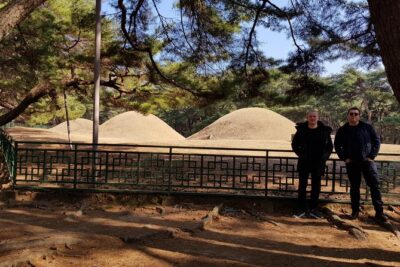
5 Days Tour for Korea’s past and present(Mt.Seoraksan, Andong, Gyeongju, Busan)
Read our review →
PREMIUM 5 Days Tour for Wonder of Korea(Mt. Seoraksan, Andong, Gyeongju, Busan)
Read our review →Browse the lists this tour appears in