
Reviewed · HANOK VILLAGE TOURS
Bulgogi Kimbap & Korean Fried Chicken with Chef Hakyung In Hanok
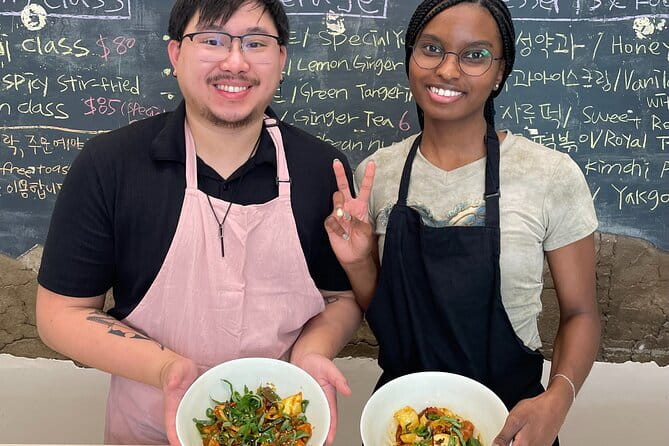
Roll rice, then eat Seoul by the palace. This private cooking class pairs hands-on Bulgogi Kimbap with a chef-led demonstration of boneless Korean fried chicken, all inside a traditional hanok near Gyeongbokgung Palace. I like the personal instruction from Chef Hakyung and the chance to turn the meal into a picnic box for the palace grounds. The main consideration is the $140 price, which is easier to justify for a private class than for a simple meal.
The roughly three-and-a-half-hour format gives you time to cook, eat, ask questions, and learn about the traditional house itself. I also like the thoughtful extras, including a chef-made welcome drink and vanilla ice cream with a Korean honey cookie. If you want a quick demonstration or a low-cost food stop, this may feel too long and expensive.
In This Review
- Five things to know before you book
- A cooking class with Seoul character
- Starting at 66-1 Jahamun-ro
- Inside the traditional Korean hanok
- Rolling Bulgogi Kimbap from scratch
- Boneless Korean fried chicken, shown by the chef
- Dessert in the hanok
- What the three-and-a-half-hour schedule means
- Is $140 per person fair value?
- Who should choose this class?
- Practical booking advice
- Should you book Studio Hakyung?
- FAQ
- Where does the cooking class meet?
- How long does the experience last?
- Is the class private?
- What food will I prepare?
- Can I attend if I cannot eat beef?
- Are drinks and dessert included?
Five things to know before you book
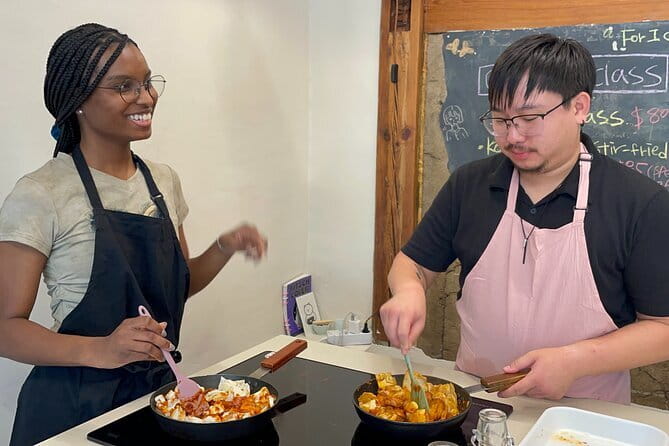
- You make Bulgogi Kimbap from scratch: Follow Chef Hakyung’s instructions as you prepare a Korean picnic staple with beef, with another ingredient available if you have a beef restriction.
- The fried chicken is demonstrated by a professional chef: You learn the method for boneless Korean fried chicken, a natural match for kimbap at a picnic or party.
- The class takes place in a traditional hanok: The setting adds a cultural layer that a modern cooking school cannot provide.
- Your food can become a palace picnic: Ask Chef Hakyung to pack the meal in a picnic box, useful since the studio is near Gyeongbokgung Palace.
- The class is private: Only your group participates, making it easier to ask questions and work at a comfortable pace.
A cooking class with Seoul character
This experience is more than a recipe lesson. You spend time in a traditional Korean house, prepare familiar Korean foods, and sit down to eat what you made. That combination makes the class useful for people who want a cultural activity with a meal attached.
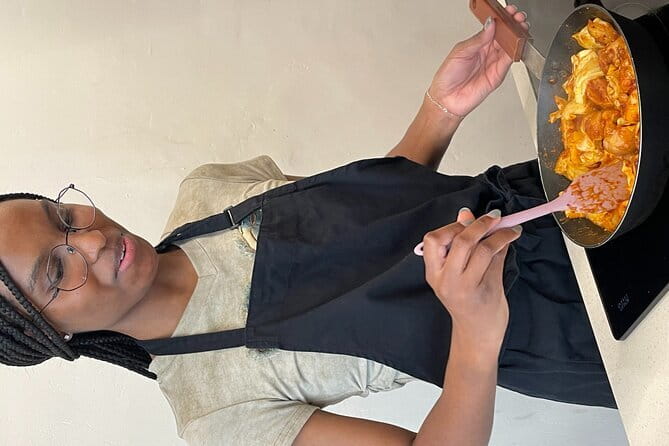
Chef Hakyung brings professional experience in Korean cuisine and an educational background. The teaching style is meant to be practical. You are not just watching food appear on a counter. Each participant cooks from scratch and follows the chef’s instructions through the process.
That matters if you want to repeat the recipes at home. Kimbap can look simple when you see it already rolled and sliced, but the class gives you a chance to understand the steps behind it. You learn by doing, which is usually more memorable than taking notes during a demonstration.
The class also has a warm, personal feel. One participant specifically praised the personalized session with Chef Kim and appreciated learning about the hanok as well as the food. The chef’s listed name is Hakyung, so you may see both names used in comments about the class, but the experience is provided by Studio Hakyung.
More Hanok Village Tours in Seoul:
- Seoul: Gyeongbok Palace, Bukchon Village, and Gwangjang Tour
★ 4.9 · 2,321 reviews - Seoul City Sightseeing Tour Including Gyeongbokgung Palace, N Seoul Tower, and Namsangol Hanok Village
★ 5.0 · 1,423 reviews - Seoul: Gyeongbok Palace, Bukchon Village, and Gwangjang Tour
★ 5.0 · 1,044 reviews
Starting at 66-1 Jahamun-ro
The meeting point is 66-1 Jahamun-ro in Seoul’s Jongno District. The area is near public transportation and easily accessible to Gyeongbokgung Palace, one of the most useful parts of the plan. You can combine the cooking class with a palace visit without crossing the city for another appointment.
The experience begins and ends at the same meeting point. That keeps the logistics simple, especially if you are planning the class around sightseeing in central Seoul. A mobile ticket is provided, and confirmation arrives when you book.
Exact transit instructions are not supplied, so check the meeting address and local route before setting out. Give yourself enough time to find the studio. A cooking class is not a good place to arrive flustered, particularly when the meeting point is on a street with traditional buildings and busy sightseeing areas nearby.
Inside the traditional Korean hanok
The building is a major part of the experience. A hanok is a traditional Korean house, and the studio keeps that sense of place at the center of the class. You get a cooking lesson in a setting that connects the food to Korean domestic life and hospitality.
The house is also designed to be photographed. You can take pictures during the preparation and after the meal, so bring a phone or camera if documenting the setting matters to you. The room provides a more memorable backdrop than a plain teaching kitchen.
The hanok is not just decoration. It changes the pace of the activity. Instead of rushing through a commercial kitchen, you have time to notice the space, hear about the house, and enjoy the meal where it was prepared. One of the strongest compliments given to the class was that the participant learned about the traditional hanok along with the cooking.
Still, expectations matter. The information does not describe the size of the kitchen, seating arrangement, or the exact facilities. If you need specific equipment or have mobility concerns, ask Studio Hakyung before booking.
Rolling Bulgogi Kimbap from scratch
The main recipe is Bulgogi Kimbap, a version of kimbap built around Korean-style beef. Kimbap is often thought of as Korean picnic food, and this class keeps that practical purpose in view. You make something suited to a packed lunch, a day outdoors, or a special party.
Chef Hakyung first guides you through the process, then each participant prepares the dish. That hands-on format is useful because rolling is a skill you understand better after trying it yourself. You can follow the chef’s pace, see how the ingredients are handled, and ask questions as you work.
The beef element gives the class its main distinction. If you have a beef food restriction, another substitution is available, but you should let the chef know in advance. The supplied details do not name the replacement, so contact Studio Hakyung before arrival if this is important to your meal.
I would choose this class if you enjoy learning recipes that can be made again at home. You are not simply sampling kimbap from a shop. You are learning a complete dish and taking part in every stage of its preparation.
The meal also has a useful connection to the rest of your day. Since the studio is near Gyeongbokgung Palace, you can ask for the kimbap to be packed in a picnic box. That turns lunch into part of your sightseeing plan rather than another separate restaurant stop.
A few more options to weigh up in Seoul
- Best DMZ Tour Korea from Seoul (Red Suspension Bridge Optional)
★ 5.0 · 41,422 reviews - DMZ Tour: 3rd Tunnel, Option(Suspension Bridge, Boat) from Seoul
★ 5.0 · 21,373 reviews - DMZ tour south Korea from Seoul (NK experience hall, defector)
★ 5.0 · 20,599 reviews - Seoul: DMZ Tour with Optional Suspension Bridge
★ 4.8 · 5,277 reviews
Boneless Korean fried chicken, shown by the chef
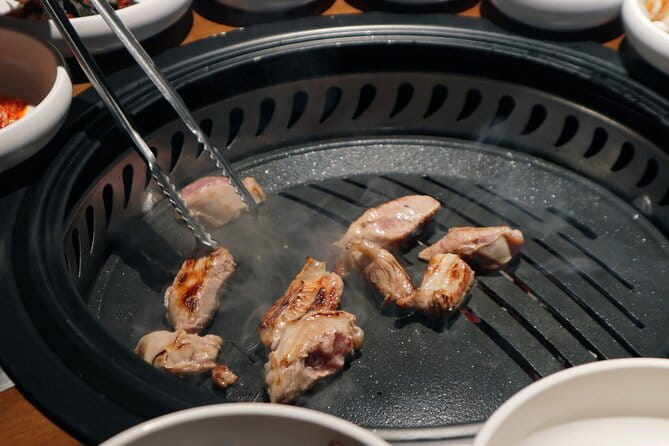
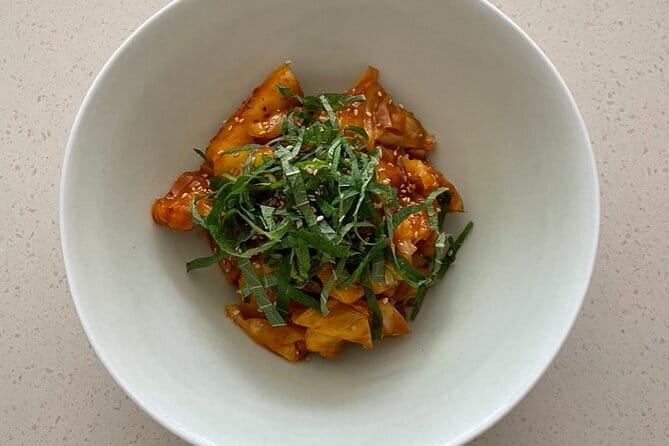
The second food is boneless Korean fried chicken. Chef Hakyung demonstrates how to make it, and the dish is presented as a good partner for kimbap at a picnic or party.
The wording is important here. The chef demonstrates the fried chicken, while each participant cooks their own dish from scratch. The supplied details do not say that every participant personally prepares the chicken, so you should think of this part as a chef-led lesson and tasting rather than assume it has the same hands-on format as the kimbap.
Boneless chicken is also a practical choice for a picnic. It is easier to eat without dealing with bones, and it fits naturally beside rolled kimbap. If you are collecting ideas for a Korean-themed gathering at home, the two dishes give you a useful pairing rather than a single recipe.
The class does not include alcoholic drinks. Soda, coffee, and tea are included, so you have nonalcoholic choices with the meal. A beverage made by the chef is also offered as a welcome drink, adding a small personal touch at the start.
Dessert in the hanok
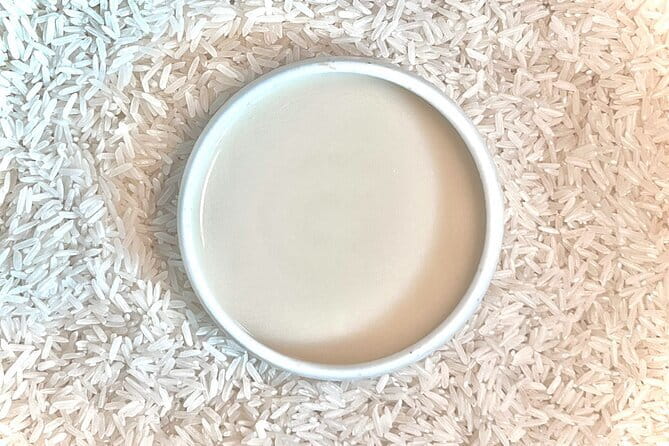
After the savory food, the class ends with vanilla ice cream topped with a traditional Korean honey cookie. This is a simple dessert, but it gives the meal a clear finish and adds another Korean food detail beyond the main recipes.
The dessert is included in the experience, as are soda, coffee, and tea. Alcohol is not included, and the provided information does not indicate that it is available for purchase. If you want a drink with alcohol, plan accordingly rather than expecting it to be part of the class.
The dessert also helps make the class feel like a full hosted meal, not just a cooking appointment. You prepare food, sit down in the hanok, and finish with something sweet. For a private group, that slower ending may be one of the more enjoyable parts of the afternoon.
What the three-and-a-half-hour schedule means
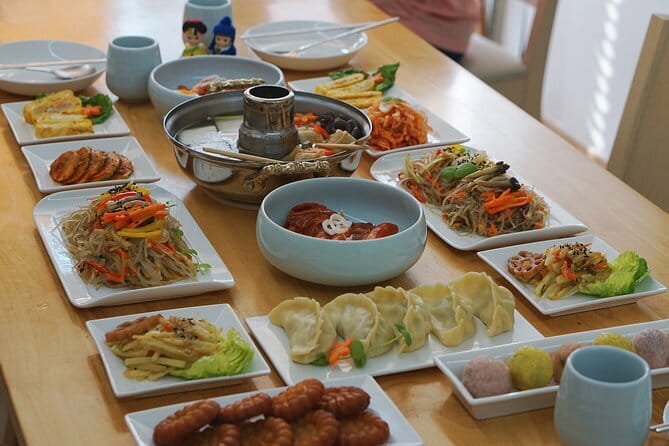
The stated duration is approximately three hours and thirty minutes. That is a substantial block of time, but it suits the format. You need time for the welcome drink, chef demonstrations, hands-on cooking, questions, the meal, photographs, and dessert.
I would not schedule a tight palace tour immediately afterward. Cooking times can vary, especially when a group includes people with different levels of kitchen experience. The class ends back at the meeting point, so you have a fixed place to continue your day, but leave room in your itinerary.
The length works best for people who want an activity rather than a quick food tasting. It may be a good choice on a day when you want to slow down and spend an afternoon in one neighborhood. It is less suitable if you are trying to see as many Seoul sights as possible in a short visit.
The private format adds to the value of the time. Only your group participates, so you do not share the class with strangers. That can make it easier to ask about substitutions, cooking methods, the hanok, or how to repeat the recipe at home.
Is $140 per person fair value?
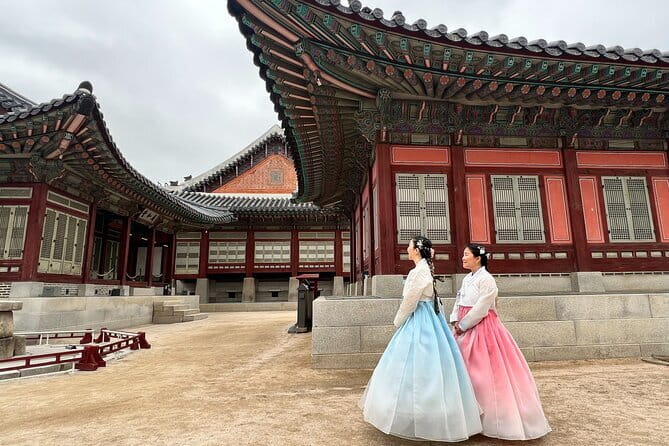
At $140 per person, this is not a bargain meal. You could spend far less on kimbap and fried chicken in Seoul. The price needs to be judged as a private cooking experience with instruction, a traditional setting, a full meal, drinks, dessert, and the time of a professional chef.
The value is strongest if you care about participation. You are paying for the chance to cook from scratch, receive guidance, learn a repeatable recipe, and enjoy the food in a private hanok. You also avoid the uncertainty of a large group class where individual attention may be limited.
The value is weaker if your main goal is simply to eat Korean food. In that case, a restaurant or market stall will cost much less and take less time. You should book this because you want the lesson and setting, not because it is the cheapest way to have lunch.
The private arrangement is especially useful for a small family group, couples, or friends who want a shared activity. It can also suit people who enjoy food photography, since the studio is set up for photos and the traditional house provides the visual appeal.
Who should choose this class?
I would recommend it to you if you meet several of these conditions:
- You want a private activity rather than a shared group tour.
- You enjoy cooking and want to make Korean food at home later.
- You are interested in traditional Korean architecture as well as cuisine.
- You plan to visit Gyeongbokgung Palace and like the idea of a picnic box.
- You prefer a relaxed, hosted meal to a fast food stop.
- You have enough time for a three-and-a-half-hour appointment.
Families and friend groups may like the format because everyone takes part. The chef’s personal guidance can also help people who are new to Korean cooking. The class has earned full marks from the two available ratings, with particular praise for Chef Hakyung’s welcoming help and personalized instruction.
I would be more cautious if you have a strict schedule, want a large menu, or are paying mainly for food quantity. The experience focuses on Bulgogi Kimbap, boneless fried chicken, and dessert. It is not presented as a broad survey of Korean cuisine.
Practical booking advice
Tell the chef about a beef restriction before the class so a substitution can be arranged. The information confirms that another option is available, but it does not specify what that option will be.
Check the starting address, 66-1 Jahamun-ro, before leaving. The studio is near public transportation and Gyeongbokgung Palace, but the listing does not provide step-by-step directions or details about accessibility.
If you want to eat outdoors, ask Chef Hakyung to pack the food in a picnic box. This is one of the smartest ways to connect the class with the nearby palace area. You can also eat in the studio or take the food to go.
Free cancellation is available if you cancel at least 24 hours before the start time. Cancellations made less than 24 hours before the experience, along with late changes, are not refunded. Cutoff times use Seoul local time, so check your booking carefully if you are arranging the class from another time zone.
Should you book Studio Hakyung?
Book this class if you want food, instruction, and a traditional Seoul setting in one private experience. The strongest reasons are the hands-on Bulgogi Kimbap lesson, Chef Hakyung’s personal guidance, and the chance to turn the finished meal into a Gyeongbokgung Palace picnic.
Skip it if you only want an inexpensive lunch or if your itinerary cannot spare three and a half hours. At $140 per person, the class earns its price through the private format, chef instruction, hanok setting, welcome drink, dessert, and relaxed meal rather than through the food alone.
For the right kind of visitor, this is a thoughtful way to spend an afternoon in Jongno. You leave with a full meal, a recipe you can repeat, and a better sense of how Korean food fits into everyday gatherings and picnics.
FAQ
Where does the cooking class meet?
The class begins at 66-1 Jahamun-ro in Jongno District, Seoul, South Korea.
How long does the experience last?
The experience lasts approximately three hours and thirty minutes.
Is the class private?
Yes. Only your group participates in the activity.
What food will I prepare?
You will make Bulgogi Kimbap from scratch. Chef Hakyung will also demonstrate boneless Korean fried chicken.
Can I attend if I cannot eat beef?
Yes. A substitute is available for participants with a beef food restriction, but you should inform the chef in advance.
Are drinks and dessert included?
A chef-made welcome drink is offered, and soda, coffee, or tea are included. Dessert is vanilla ice cream topped with a traditional Korean honey cookie. Alcoholic beverages are not included.
Just added in Seoul
- Seoul: Korean & English Language Exchange Global Party★ 5.0 · 28 reviews
- Your Personal Seoul Photographer!★ 4.1 · 15 reviews
- You’re Invited to Our Home in Seoul: The Only Cooking Class!★ 5.0 · 8 reviews
- From Seoul: Yongpyong Ski Day Tour with Transportation★ 4.9 · 40 reviews
- From Seoul: Hwacheon Ice Fishing and Lighting Festival Tour★ 4.5 · 4 reviews
- Seoul: Gangneung BTS K-Pop & K-Drama Filming Locations Tour★ 4.6 · 14 reviews
- Unique Native Experience : Han River Picnic, Board game, BBQ★ 5.0 · 3 reviews
- Seoul: Euljiro Gastroventure Tour★ 4.0 · 1 review
Hanok Village Tours, compared.
Gyeongbok Palace, Bukchon Village, and Gwangjang Tour
Read our review →
Seoul City Sightseeing Tour Including Gyeongbokgung Palace, N Seoul Tower, and Namsangol Hanok Village
Read our review →Gyeongbok Palace, Bukchon Village, and Gwangjang Tour
Read our review →
Gyeongbok Palace and Bukchon Hanok Walking Tour
Read our review →
Best Walking Tour to Gyeongbok Palace Bukchon Hanok Village
Read our review →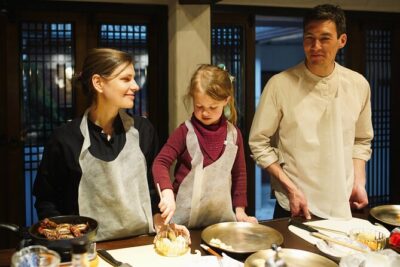
Royal Seoul Cooking Class in a 100-Year-Old Hanok
Read our review →
Jeonju Hanok Village Full-Day Tour:Jangtaesan Autumn Foliage
Read our review →
Afternoon Seoul: Hanok Vibes, Netflix Street Food & N Seoul Tower
Read our review →Browse the lists this tour appears in