
Reviewed · TRADITIONAL CRAFT WORKSHOPS
Korean Pottery Town Tour with the pottery class from Busan
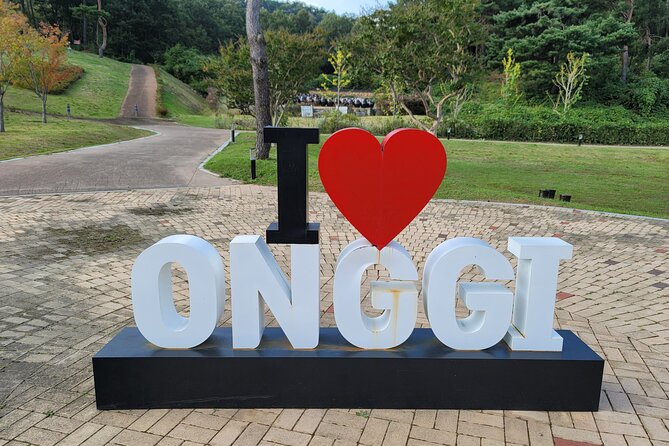
Old Korea is still shaping clay. This six-hour trip from Busan takes you to Onggi Village, a place where Korean pottery traditions remain part of daily craft rather than a display behind glass. I like the small maximum group of 15, which should make the subway ride and pottery lesson easier to manage. I also like the mix of hands-on work, local food, and a traditional market visit.
The main drawback is the long ride from Bujeon Station, about one hour by subway, and the pottery class is not available on Mondays or Wednesdays. The $170 price is not cheap, but it includes train fare, lunch, bottled water, and the pottery session, so the value is stronger than the headline price first suggests.
In This Review
- Key points to know before you go
- Why Onggi Village makes a good day trip from Busan
- The subway ride from Bujeon Station
- Exploring the pottery town for about 90 minutes
- Making your own Korean pottery
- The market stop and its changing schedule
- Lunch: small octopus and a Korean choice
- Is the $170 price fair?
- Who should book this Busan pottery tour?
- Final call: book it for the activity, not just the village
- FAQ
- Where does the tour begin and end?
- How long does the tour last?
- How large is the tour group?
- How do you reach the pottery town?
- Is lunch included?
- Is the pottery class available every day?
- When does Namchang Market open?
Key points to know before you go

- Onggi Village offers a side of Korea most visitors miss: You leave central Busan for a pottery town known for traditional Korean vessels and artisan work.
- The pottery class gives you something personal to take home: Your own piece adds a hands-on element that a museum visit cannot provide.
- The market visit changes with the date: Namchang Market opens on the 3rd, 8th, 13th, 18th, 23rd, and 28th of each month. On other dates, the outing includes Gijang Market instead.
- Lunch is part of the tour price: You get stir-fried small octopus and dumpling soup or noodles.
- The group stays fairly small: A maximum of 15 people allows more room for questions and help during the pottery class.
- Plan around the pottery schedule: The class is unavailable on Mondays and Wednesdays.
Why Onggi Village makes a good day trip from Busan
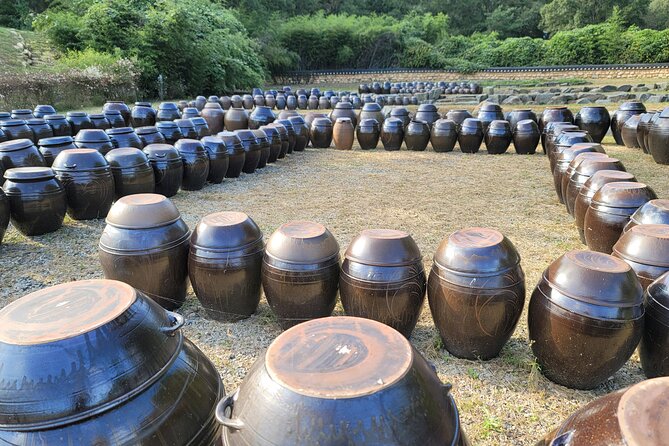
Busan gives you beaches, markets, seafood, and city energy. Onggi Village offers something quieter and more connected to Korean craft. The village brings together artisans who make Onggi, traditional Korean pottery known for its practical use as well as its handmade character.
You will see finished works, pottery displays, and the village setting where the craft is practiced. The point is not only to look at beautiful objects. Your guide explains how Onggi is made and what it is used for, giving the pottery a place in Korean life rather than treating it as decoration.
I like this change of pace. You are not spending six hours moving between major attractions with a camera in hand. Instead, you are visiting a specialized place near Busan, learning about a local tradition, and making an object yourself.
The village also suits anyone who wants to get beyond the usual city route. Since many foreign visitors focus on Busan’s central sights, this excursion gives you a different view of the area. You see a neighboring part of Korea and spend time in a traditional village environment.
The setting is especially useful if you enjoy crafts, food, local markets, or cultural activities that involve doing something rather than simply listening. Families and couples can both find appeal here, although the class may be less comfortable for someone who does not enjoy hands-on activities.
More Busan trips:
- Busan: Gyeongju Guided Day Trip to Three Kingdoms Capital
★ 4.8 · 1,925 reviews - Small Group Full Day Busan Tour (Max 6 Pax)
★ 5.0 · 1,464 reviews - From Busan: Gyeongju UNESCO World Heritage Guided Day Tour
★ 4.8 · 1,250 reviews
The subway ride from Bujeon Station
The tour begins at Bujeon Station in Busan and ends back at the same meeting point. The subway journey to the pottery town takes about one hour, so transportation is a meaningful part of the day rather than a quick transfer between sights.
That ride has two sides. First, it lets you see how easily Busan connects with nearby communities. You are not paying for a private vehicle, and the public transportation route gives the outing a more everyday feel. The guide helps make the trip straightforward, which is useful if you do not want to work out the route yourself.
The tradeoff is time. A six-hour tour includes the trip out, the village visit, the market, lunch, and the ride back. If you have only a short stop in Busan, the schedule may feel full. If you have several hours to spare, the longer ride is a fair price for reaching a place that is not part of the standard downtown sightseeing circuit.
The group limit is 15 people. That is large enough to keep the price from becoming a private-tour rate, but small enough to make the guide’s explanations more personal than they would be on a large coach outing.
Exploring the pottery town for about 90 minutes
You spend about one hour and 30 minutes looking around the pottery town. This is the heart of the trip, and the guide helps you understand the connection between the village, the artisans, and the objects on display.
Expect to see pottery works and Korean artifacts that are not commonly displayed in busy city areas. The focus is on Onggi and the way Korean pottery has been shaped by practical needs. Your guide explains the making process, the technique, and the uses of the finished vessels.
A previous tour guest specifically praised learning how Onggi is made and what it is used for. That is a useful clue about the best way to approach this stop. Do not treat the village as a quick photo stop. Ask questions about the clay, the technique, and the role of the pottery in Korean culture.
The village and museum visit work well together. The village shows you the setting and the working tradition, while the museum gives you a chance to look more closely at the objects and their place in Korean life. The available details do not promise a large museum complex or a long formal lecture, so you should expect a focused visit rather than a full-day museum program.
The guide is one of the tour’s most important assets. The available feedback praises the guide for making the day easy, sharing local knowledge, and helping with food and transportation. No guide name is provided, but the personal approach is clear. You should expect a hosted outing rather than a self-guided village walk.
Making your own Korean pottery
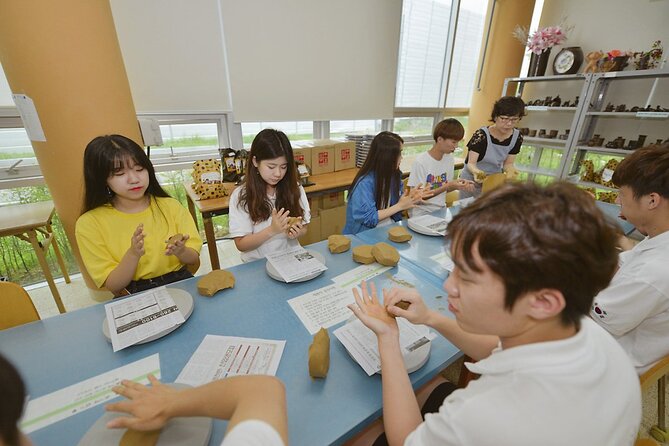
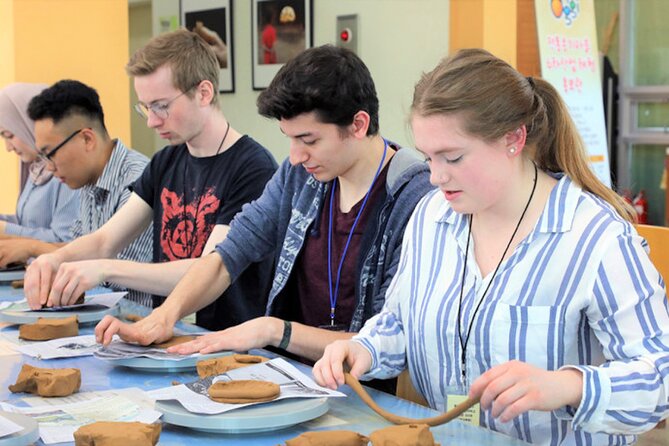
The pottery class is the part that turns this from a sightseeing trip into an activity. You make a piece of pottery and take it home with you, adding a personal reminder of the day.
The class is not available on Mondays or Wednesdays, so check the day before booking. This is not a minor detail. If the pottery lesson is your main reason for choosing the tour, a Monday or Wednesday departure would remove the central hands-on feature.
The class should appeal to you if you like making things, even if your finished piece is not perfect. Handmade pottery has more character when it shows the maker’s touch. The value is in learning the process and leaving with something connected to your own visit.
International shipping is not included. The listed cost is KRW 40,000 per person, or KRW 50,000 for the United States. You should include that extra charge in your budget if you cannot carry the pottery home yourself. The supplied information does not specify the shipping time or the exact delivery method, so ask the guide about those details before the class if they matter to your travel plans.
This extra fee is worth considering alongside the $170 tour price. The class itself is included, but taking the finished item home internationally adds a separate expense. If you are comfortable arranging transport for the pottery yourself, the total cost may be lower.
More traditional craft workshops in Busan:
- Busan: Join a Tea Ceremony & Create a Calligraphy Memento
★ 5.0 · 1 review - Carve Your Personal Korean Stone Seal with Jeongju in Insadong
★ 5.0 · 134 reviews - Learn and Make Your Very Own Craft Makgeolli
★ 5.0 · 94 reviews - Handmade Noodles with Korean Grandma
★ 5.0 · 53 reviews
The market stop and its changing schedule
Near Onggi Village, you visit a regular market for about one hour and 30 minutes, including lunch. This gives the day a useful second focus. The pottery town shows you a specialized craft community, while the market brings you closer to ordinary shopping and local food.
Namchang Market opens on dates ending in 3 and 8: the 3rd, 8th, 13th, 18th, 23rd, and 28th of each month. If your tour falls on one of those dates, the market visit is scheduled around Namchang Market. On other dates, you visit Gijang Market instead.
That schedule matters because a market day can change the feel of a place. You might see more stalls, more food, and more local activity when Namchang Market is open. On other days, Gijang Market keeps the market element in the itinerary, but the exact atmosphere will differ.
You also try traditional Korean snacks at the market. The information does not list every snack, so you should treat this as a chance to sample local food rather than a fixed tasting menu. The guide has also helped participants try local food and drinks, which makes the stop more than a simple walk past stalls.
This part is a good reason to bring a little flexibility. The market schedule is fixed by the calendar, not by personal preference. If your heart is set on Namchang Market, check the date carefully before you book.
Lunch: small octopus and a Korean choice

Lunch is included and features stir-fried small octopus with either dumpling soup or noodles. That is a filling, distinctly Korean meal, and it makes practical sense after the subway ride and village visit.
The meal also adds value to the price. Train fare and lunch are included, according to the tour details and the guide’s explanation to past participants. You are not paying $170 and then adding the main meal and transportation costs on top.
Food preferences may be manageable, but you should communicate them before the tour rather than waiting until lunch. The guide has arranged lunch to suit dietary needs in the past, though the available information does not promise a particular substitute or menu for every restriction.
If you dislike seafood or cannot eat small octopus, ask what alternatives are possible before booking. The listed lunch is specific, and it should not be treated as a general promise of unlimited menu choices.
The included bottled water is a small benefit, but a welcome one. You will spend much of the day moving between places, and having water covered means one less basic purchase to handle.
Is the $170 price fair?

At $170 per person, this is a premium half-day outing. You can visit markets and ride the subway independently for much less. The price makes more sense if you value the guide’s help, the pottery class, the organized transport, and the included meal.
The strongest value comes from the combination. You are not buying a single museum ticket. You get a guided trip from Bujeon Station, subway transportation, about 90 minutes in the pottery town, a pottery-making class, a market visit, lunch, and bottled water.
The small group also matters. With no more than 15 people, the day should feel more manageable than a large organized excursion. That is especially helpful during the class, where questions and individual assistance are more useful than a guide speaking to a crowd.
The price is harder to justify if you only want to see Onggi Village from the outside or if you already know the area well. Independent visitors who are comfortable using the subway, arranging meals, and finding the pottery town may prefer to plan their own day.
For many people, the value lies in removing the friction. The guide handles the route, explains the village, introduces the market, and keeps the day moving. One past participant with a short stop in Busan found the organized plan useful, with train fare and lunch already handled. That is particularly helpful if you are in port for a limited time and do not want to risk getting delayed while navigating alone.
Who should book this Busan pottery tour?
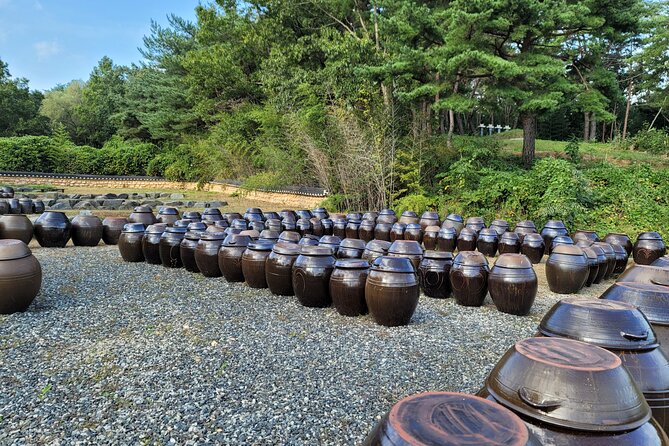
I would choose this tour if you want a cultural activity that feels different from downtown Busan. It suits you best if you enjoy:
- Traditional crafts and making something by hand
- Local markets and Korean food
- Small-group touring
- Public transportation with a guide
- Visiting places outside the main tourist route
- A structured six-hour outing from Busan
It is also a good choice for couples and families who want a shared activity. The handmade pottery gives you a physical reminder of the day, unlike a standard walking tour that ends when you leave the final sight.
You may want to skip it if your Busan schedule is tight, if you dislike long subway rides, or if you are looking only for major city attractions. The pottery class is unavailable on Mondays and Wednesdays, and the international shipping fee could surprise you if you are not prepared for it.
Weather is another practical issue. The tour requires good weather. If poor weather forces cancellation, you are offered another date or a full refund. However, your own cancellation policy is strict: the experience is non-refundable and cannot be changed for personal reasons after booking.
Final call: book it for the activity, not just the village
You should book this tour if you want to understand Korean pottery by seeing it, hearing about it, and making it yourself. The market, snacks, and included lunch give the day a welcome local flavor, while the guide’s help makes the long subway trip easier.
Before paying, confirm three things: your date is not Monday or Wednesday, the market schedule suits your expectations, and you have a plan for the pottery’s KRW 40,000 international shipping fee, or KRW 50,000 to the United States. If those points work for you, this is a thoughtful, well-rounded way to spend six hours beyond central Busan.
FAQ
Where does the tour begin and end?
The tour begins at Bujeon Station in Busan and ends back at the same meeting point.
How long does the tour last?
The tour lasts approximately six hours.
How large is the tour group?
The maximum group size is 15 people.
How do you reach the pottery town?
The group uses the subway from Busan, and the trip to the pottery town takes about one hour.
Is lunch included?
Yes. Lunch includes stir-fried small octopus and a choice of dumpling soup or noodles. Bottled water is also included.
Is the pottery class available every day?
No. The pottery-making class is not available on Mondays and Wednesdays.
When does Namchang Market open?
Namchang Market opens on the 3rd, 8th, 13th, 18th, 23rd, and 28th of each month. If it is not open on your tour date, the itinerary includes a visit around Gijang Market instead.
More Workshops in Busan
- Korean cooking class in Haeundae, Busan
★ 5.0 · 92 reviews - Busan Tailored Korean cooking class (Vegan OK)with market tour
★ 5.0 · 66 reviews - Busan: Small-Group Traditional Korean Food Cooking Class
★ 4.9 · 58 reviews - Busan Local Food Cooking Class with Market Tour
★ 5.0 · 53 reviews
Just added in Busan
- Small Group 7D Korea package Tour with Seoul Gyeongju Busan Jeju★ 4.5 · 13 reviews
- Private Transfer from Seoul to Busan(up to 12 passengers)★ 5.0 · 1 review
- Jinhae Cherry Blossom + Busan Sunrise from Seoul★ 4.5 · 5 reviews
- 7 days Flexible Tour for Major Cities(Seoul,Busan,Gyeongju etc)★ 5.0 · 5 reviews
- PREMIUM 5 Days Tour for Wonder of Korea(Mt. Seoraksan, Andong, Gyeongju, Busan)★ 5.0 · 1 review
- 5 Days Tour for Korea’s past and present(Mt.Seoraksan, Andong, Gyeongju, Busan)★ 5.0 · 1 review
- 5-Day Korea Golden route by K-shuttle Tour from Seoul Including Busan, Yeosu★ 4.5 · 37 reviews
- 7 Days Highlight Korea Tour(Seoul, Nami, DMZ, Andong, Gyeongju, Busan)★ 5.0 · 1 review
Traditional Craft Workshops, compared.
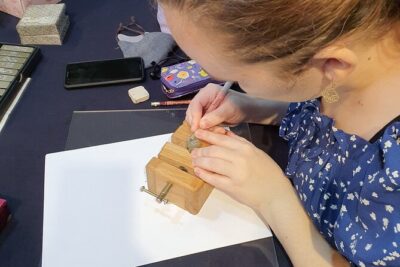
Carve Your Personal Korean Stone Seal with Jeongju in Insadong
Read our review →

Write a Meaningful Korean Calligraphy Scroll in Insadong
Read our review →
Traditional Korean Mother-of-Pearl Craft Workshop
Read our review →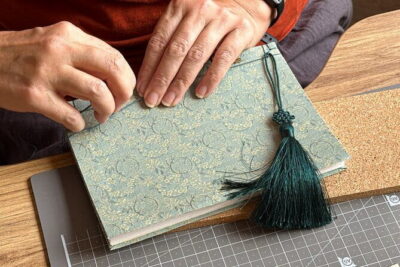
Traditional Korean Bookbinding Experience in Seoul, Hongdae
Read our review →
Learn and Craft Makgeolli in a Traditional Brewery
Read our review →
Create a Handmade Traditional Korean Notebook in Insadong
Read our review →Browse the lists this tour appears in