
Reviewed · TRADITIONAL CRAFT WORKSHOPS
Traditional Korean Bookbinding Experience in Seoul, Hongdae
Make a book that remembers Seoul. This two-hour class lets you work with Hanji, the handmade Korean paper used for Joseon-era records, then bind it with silk woven in Korean patterns. I like the choice of 22 silk covers, and I like that you finish with a Norigae knot and take home a useful souvenir. The main drawback is the fixed 10:30 am start at a Mapo studio, which may not fit every sightseeing plan.
At $49 per person, the class costs more than a casual craft activity, but the materials, instruction, and finished notebook make it a fair value for anyone who wants a hands-on cultural keepsake. The studio accepts only reserved participants, allows a maximum of 12 people, and requires you to be at least 17 years old.
In This Review
- Key points about this Seoul bookbinding class
- Why Hanji gives this class its character
- Choosing silk patterns and colorful threads
- Learning the Korean binding method
- Adding the Norigae finishing touch
- What the two-hour schedule feels like
- Is $49 a fair price?
- Who will enjoy this activity most
- What I like, and what deserves caution
- Booking, cancellation, and useful planning notes
- Should you book the Korean bookbinding experience?
- FAQ
- Where does the Korean bookbinding class meet?
- What time does the class begin?
- What is included in the price?
- Do I need to bring my own paper or craft supplies?
- Can children join the experience?
- Can I cancel for a refund?
Key points about this Seoul bookbinding class
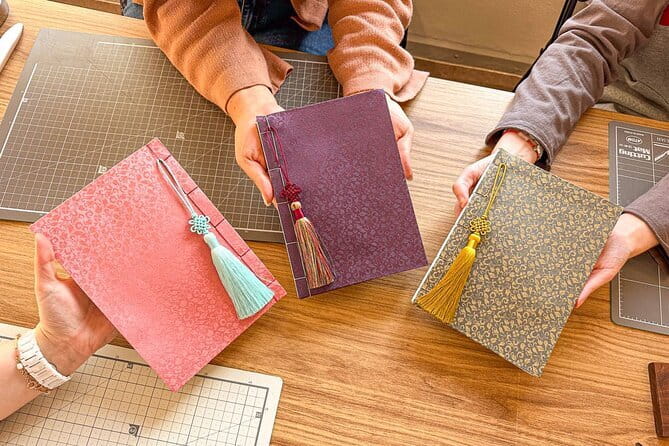
- Choose from 22 silk covers: Each cover uses a Korean traditional pattern, giving you real control over the look of your notebook.
- Work with historic Hanji: You learn why this handmade paper is prized and how it was used for important Joseon records.
- Use Korean binding methods: The class focuses on making the notebook, not simply decorating a preassembled souvenir.
- Finish with a Norigae knot: This traditional Korean ornament adds a distinctive final touch.
- Take home a gift-ready notebook: Your finished work is packed so you can carry it home immediately.
- Small, focused group: With no more than 12 participants, the class should feel more personal than a large workshop.
Why Hanji gives this class its character
The paper is the heart of the activity. Hanji is traditional Korean handmade paper, and it has a long connection with writing, record keeping, and study. The Annals of the Joseon Dynasty, now listed in the UNESCO Memory of the World register, were made with Hanji. Joseon royalty, Confucian scholars, and intellectuals used it for diaries, notes, and written records.
That background changes how you see the notebook you are making. You are not simply covering blank pages with pretty fabric. You are handling a material tied to Korean scholarship and government records, then using it in a practical object of your own.
The class also shares an old Korean saying: silk lasts 500 years, while Hanji lasts 1,000 years. Treat that as cultural wisdom rather than a laboratory guarantee, but it neatly explains the appeal of the materials. Your notebook is designed to be more lasting than the usual disposable souvenir.
I especially like the balance between learning and making. You get enough cultural context to understand the paper, but the session remains active. You spend the time choosing, folding, binding, decorating, and finishing rather than sitting through a long talk.
More traditional craft workshops in Seoul:
- Carve Your Personal Korean Stone Seal with Jeongju in Insadong
★ 5.0 · 134 reviews - Learn and Make Your Very Own Craft Makgeolli
★ 5.0 · 94 reviews - Handmade Noodles with Korean Grandma
★ 5.0 · 53 reviews
Choosing silk patterns and colorful threads
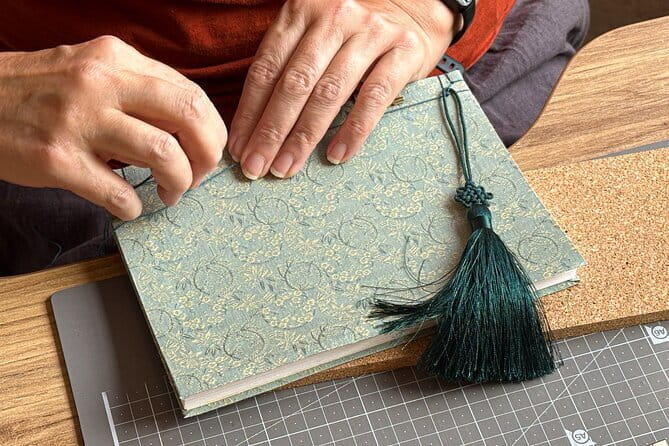
The first decision is your silk cover. You can pick from 22 covers featuring Korean traditional patterns. That is a useful range, since your final notebook will reflect your taste rather than looking identical to everyone else’s.
The silk gives the notebook its polished appearance. Hanji provides the paper and structure, while the woven cover adds color and texture. The combination feels more special than a paper-only craft, and it gives you a souvenir that looks finished enough to use or give as a present.
You also select the thread color. Dozens of colorful threads and silk options are available, so this is another chance to shape the notebook’s appearance. If you care about matching colors, take a moment before class to think about whether you want something restrained, bright, or closely coordinated with your cover.
There is no indication that you need previous craft experience. The activity is designed as a guided class, and most people can participate. Still, bookbinding is a hands-on process, so you should expect to follow instructions carefully and spend time on small details.
Learning the Korean binding method
The central part of the class is binding the silk and Hanji together using a Korean traditional binding method. This is where the activity earns its place on a Seoul itinerary. You are making the notebook itself, not simply adding a Korean-style label to a ready-made object.
The class includes binding tools and materials, so you do not need to bring a kit. A licensed guide leads the session and explains the process as you work. The guide’s role matters here because the value is not only in the finished notebook. You are also learning how the materials fit together and why Hanji has such a strong place in Korean culture.
The pace is described as relaxed and well suited to crafting. That matters because rushing a notebook can turn a pleasant activity into a contest with the clock. At about two hours, the session is long enough for the process to feel substantial without taking up an entire day.
You should expect some concentration. Choosing a cover is easy, but binding and thread work demand attention. The result will reflect your own hands, which is part of the charm. A perfectly uniform factory-made notebook may look neat, but it would not carry the same sense of personal involvement.
The small maximum group of 12 is another advantage. You are less likely to disappear in a crowd, and the guide can offer help when you need it. The studio rule is strict: only the number of people named in the reservation may enter. Do not plan to bring an unbooked friend or family member to watch.
Adding the Norigae finishing touch
The final decoration is a Norigae knot. Norigae are traditional Korean ornaments, and here one is tied to the notebook as a finishing detail.
This small addition gives the object a clear Korean identity. Without it, the notebook could resemble a general silk-covered journal. With the knot, the craft connects more directly to Korean decorative traditions.
You select your Norigae along with the thread. That choice lets you decide how much decoration you want. Some people will enjoy making the notebook colorful and ornamental. Others may prefer a simpler silk cover with a modest accent.
The Norigae is also practical as a visual marker. It makes the notebook easy to recognize in a bag and gives the cover a tactile feature. The class ends by packing your creation in a gift-ready package, so you can take it home without needing to find wrapping supplies.
The completed notebook works well as a personal journal, scrapbook, or travel notebook. One especially appealing use is to fill it with notes and memories from your time in Korea. The finished object then becomes both a craft souvenir and a record of the trip.
A few more options to weigh up in Seoul
- Best DMZ Tour Korea from Seoul (Red Suspension Bridge Optional)
★ 5.0 · 41,422 reviews - DMZ Tour: 3rd Tunnel, Option(Suspension Bridge, Boat) from Seoul
★ 5.0 · 21,373 reviews - DMZ tour south Korea from Seoul (NK experience hall, defector)
★ 5.0 · 20,599 reviews - Seoul: DMZ Tour with Optional Suspension Bridge
★ 4.8 · 5,277 reviews
What the two-hour schedule feels like
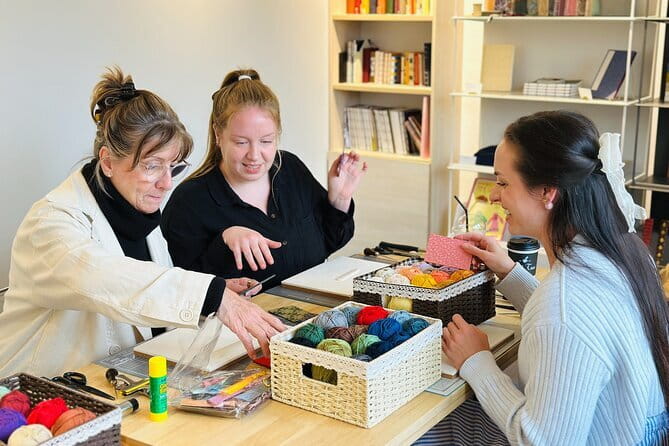
The experience begins at 10:30 am and lasts approximately two hours. The listed meeting point is Danchoodan, at 100 Daeheung-ro, third floor, in Daeheung-dong, Mapo-gu, Seoul. The activity ends at the same studio.
The schedule has a clear sequence:
- You choose your silk cover.
- You select a Norigae and thread color.
- You learn about Hanji and its cultural importance.
- You bind the silk and paper.
- You decorate the notebook with the Norigae knot.
- You pack the finished creation.
That order makes sense. You begin with design choices, learn about the main material, then move into construction and decoration. By the end, you have something complete rather than a half-finished project to collect later.
The morning start can work well if you want a calm activity before lunch. It is less convenient if you prefer late mornings or plan to start with a faraway attraction. Since the workshop has a set start time, give yourself enough time to reach Daeheung-ro without hurrying.
The experience is listed near public transportation, but no specific subway station, travel time, or route is provided. Check the exact address before leaving and allow extra time for finding the third-floor studio. The title connects the activity with Hongdae, but the formal meeting address is in Daeheung-dong, Mapo-gu, so use the address rather than relying only on the neighborhood label.
Is $49 a fair price?

At $49, this is not the cheapest way to buy a notebook in Seoul. You could purchase stationery or a decorative journal for much less. The comparison is not quite fair, though, because this price includes a guided two-hour class, all binding tools, all materials, the silk cover, Hanji, thread, Norigae decoration, and final packaging.
The value comes from the process. You leave with a notebook that you helped design and bind, plus a better understanding of a Korean paper tradition. If you are looking only for a low-cost souvenir, the class may feel expensive. If you want an activity and a keepsake together, the price is easier to justify.
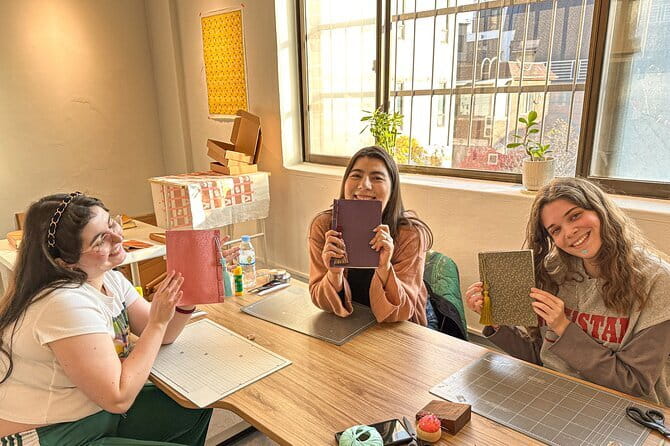
The finished notebook also has practical value. It can become a scrapbook for your Korean journey, a personal diary, or a present. Several strong comments about the class focus on the notebook’s beauty and usefulness, while also praising the patient, kind instruction and the laughter during the craft session.
I would consider the class particularly good value for book lovers, stationery fans, craft enthusiasts, and anyone who prefers souvenirs with a story. It also gives you a break from Seoul’s busy sightseeing rhythm without wasting a full day.
Who will enjoy this activity most

This class suits adults and older teenagers, but the minimum age is 17. It is a good match for you if you enjoy making things with your hands and like the idea of learning a traditional technique instead of just observing one.
It should also appeal to visitors interested in Korean culture beyond palaces, food, and pop culture. Hanji connects the class to writing, scholarship, and royal records, while the silk patterns and Norigae add a decorative side.
Couples and friends can make different design choices and compare the results. Solo participants may appreciate the focused format and the chance to leave with a souvenir made entirely during the session. The maximum group size of 12 keeps it from feeling like a mass-market workshop.
Families with younger children should note the age rule. The experience is not open to anyone under 17, and the reservation policy does not allow extra people into the studio. If you are booking for a group, include every participant in the reservation.
What I like, and what deserves caution
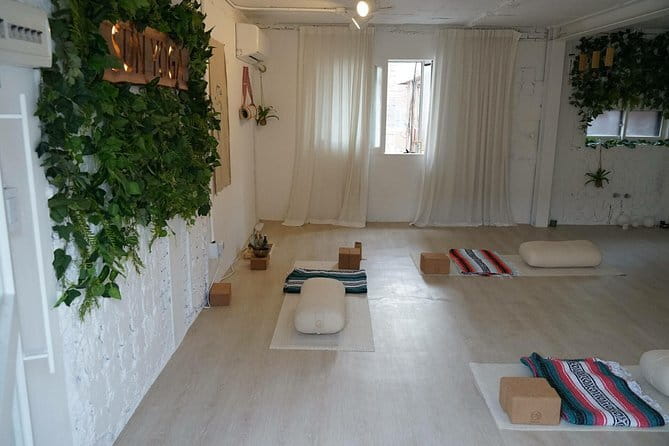
The strongest part is the finished notebook. It is attractive, useful, and linked to a real Korean material tradition. You are not simply buying a souvenir made somewhere else. You are part of the process from silk selection through final knot.
The instruction also receives high praise for kindness, patience, and helpfulness. That is important in a craft class, especially when thread and binding require careful handling. The guide is licensed, and the format includes cultural information without losing sight of the making.
The main caution is that the activity has a narrower appeal than a sightseeing tour. If you do not enjoy crafts, two hours of detailed notebook work may feel slow. You should also avoid expecting a large historical presentation. The available information points to cultural explanation woven into the craft, not a full lecture on Joseon Korea.
Another practical point is that the experience has only one listed start time, 10:30 am. That limits flexibility. The class also takes place indoors, but no air-conditioned vehicle is included. Since transportation is not part of the activity, you handle your own journey to and from the studio.
Booking, cancellation, and useful planning notes
Confirmation is normally sent when you book. If you book within one day of the activity, confirmation arrives as soon as possible and depends on availability.
You can cancel for a full refund up to 24 hours before the local start time. Cancellations made less than 24 hours before 10:30 am are not refunded, and changes inside that same period are not accepted. This is worth noting because the class has limited capacity and only reserved participants may enter.
Service animals are allowed, and the studio is near public transportation. Most people can participate, but the minimum age remains 17. The experience has a maximum of 12 participants, which helps preserve the personal nature of the instruction.
I would save the confirmation and address on your phone. The ticket is mobile, and the exact meeting point is more useful than a broad reference to Hongdae or Mapo.
Should you book the Korean bookbinding experience?
Book it if you want a quiet, creative Seoul activity with a strong cultural link and a souvenir you make yourself. The Hanji background, silk pattern choices, colorful threads, Norigae knot, and gift-ready packaging give the class more substance than a basic craft stop.
Skip it if your schedule cannot accommodate a 10:30 am start, if you are under 17, or if you would rather spend your time at major sights. At $49, this is a choice for meaningful participation, not bargain shopping.
For the right person, the notebook is the best reason to go. It can hold your Korean memories long after the trip, and its materials connect your small handmade object to a much older Korean writing tradition.
FAQ
Where does the Korean bookbinding class meet?
It meets at Danchoodan, 100 Daeheung-ro, third floor, Daeheung-dong, Mapo-gu, Seoul. The activity ends back at the same meeting point.
What time does the class begin?
The listed start time is 10:30 am, and the activity lasts approximately two hours.
What is included in the price?
The price includes binding tools and materials, as well as instruction from a licensed guide.
Do I need to bring my own paper or craft supplies?
No. The binding tools and materials are included. You choose the silk, thread, and Norigae during the class.
Can children join the experience?
Participants must be at least 17 years old. Only the number of people included in the reservation may enter the studio.
Can I cancel for a refund?
Yes. You can receive a full refund if you cancel at least 24 hours before the experience start time. Cancellations or changes made less than 24 hours before the start are not accepted for a refund.
Just added in Seoul
- Seoul: Korean & English Language Exchange Global Party★ 5.0 · 28 reviews
- Your Personal Seoul Photographer!★ 4.1 · 15 reviews
- You’re Invited to Our Home in Seoul: The Only Cooking Class!★ 5.0 · 8 reviews
- From Seoul: Yongpyong Ski Day Tour with Transportation★ 4.9 · 40 reviews
- From Seoul: Hwacheon Ice Fishing and Lighting Festival Tour★ 4.5 · 4 reviews
- Seoul: Gangneung BTS K-Pop & K-Drama Filming Locations Tour★ 4.6 · 14 reviews
- Unique Native Experience : Han River Picnic, Board game, BBQ★ 5.0 · 3 reviews
- Seoul: Euljiro Gastroventure Tour★ 4.0 · 1 review
Traditional Craft Workshops, compared.
Carve Your Personal Korean Stone Seal with Jeongju in Insadong
Read our review →
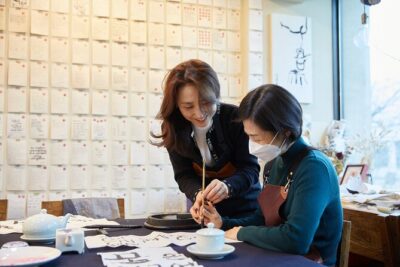
Write a Meaningful Korean Calligraphy Scroll in Insadong
Read our review →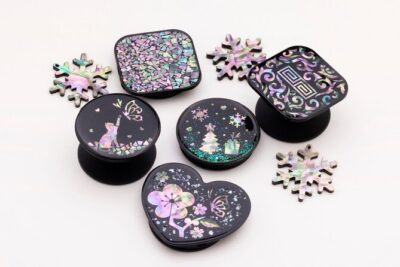
Traditional Korean Mother-of-Pearl Craft Workshop
Read our review →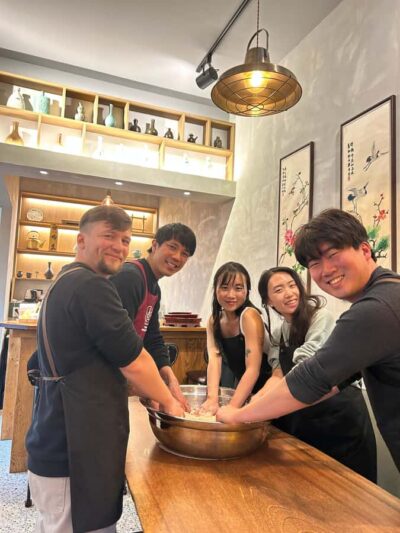
Learn and Craft Makgeolli in a Traditional Brewery
Read our review →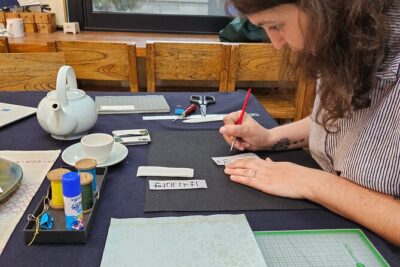
Create a Handmade Traditional Korean Notebook in Insadong
Read our review →
Korean Pottery Town Tour with the pottery class from Busan
Read our review →Browse the lists this tour appears in