
Reviewed · COOKING CLASSES
Seoul : Taste of Korea, Authentic Home-Style Cooking Class
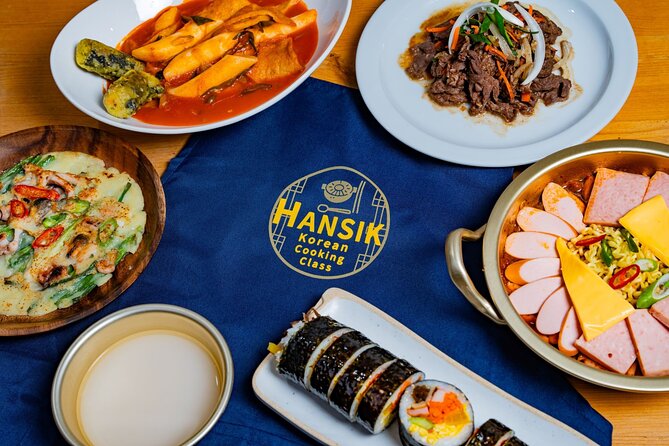
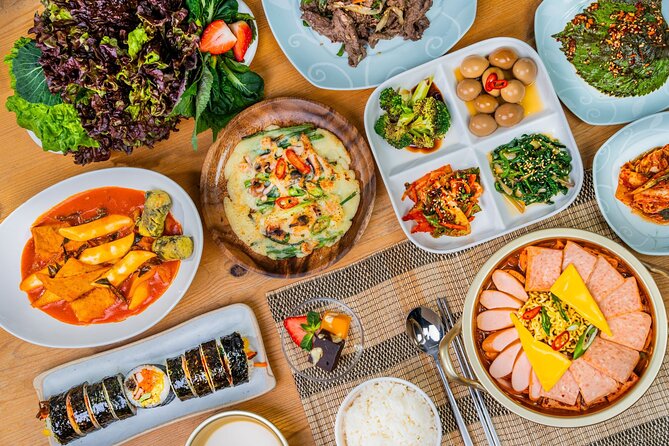
Korean food is better when you make it yourself. This three-hour class in Seoul takes you beyond restaurant ordering, giving you a hands-on way to prepare four classic home-style dishes with instructor Jennifer. You cook gimbap, tteokbokki, haemulpajeon, and budae jjigae, then sit down to enjoy the meal with Korean tea, snacks, sikhye, makgeolli, and dessert.
I especially like the small maximum group of 10, which leaves room for personal help, and the generous portions. The class costs $89 per person, so it is not a budget meal, but you receive instruction, food, drinks, recipes, and a cultural lesson in one sitting. The main drawback is simple: three hours of cooking four dishes can feel busy if you prefer a slow, relaxed workshop.
The class begins and ends at 31-5 Jahamun-ro in Seoul’s Jongno District. It is near public transportation, and morning and evening sessions make it easier to fit around sightseeing. Because the class is often reserved about 34 days ahead, I would not leave this one until the last minute.
In This Review
- The four dishes you make
- Arriving at the Jongno teaching kitchen
- Cooking gimbap, tteokbokki, haemulpajeon, and budae jjigae
- Jennifer’s teaching style adds the cultural context
- Come hungry, because the meal is substantial
- Is $89 a fair price in Seoul?
- Who will enjoy this cooking class most?
- Practical planning for your Seoul schedule
- Should you book the Hansik Korean Cooking Class?
- FAQ
- Where does the Korean cooking class begin and end?
- How long does the experience last?
- Which Korean dishes will I prepare?
- Are drinks and dessert included?
- Can dietary restrictions be accommodated?
- What is the cancellation policy?
The four dishes you make
- Gimbap from scratch: Roll seasoned rice and fillings into one of Korea’s best-known portable foods.
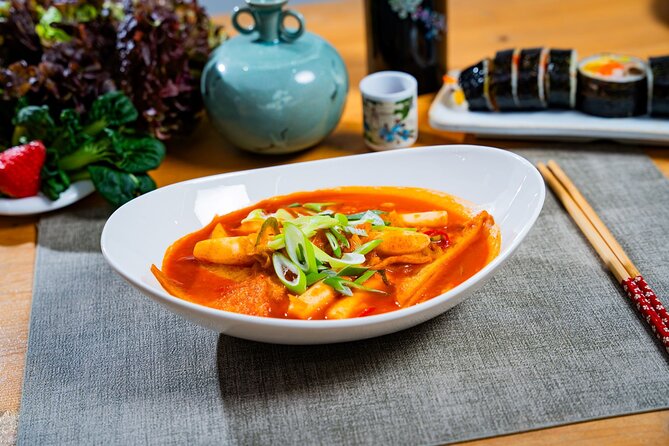
- Tteokbokki with gochujang: Prepare chewy rice cakes in a spicy red chili paste sauce.
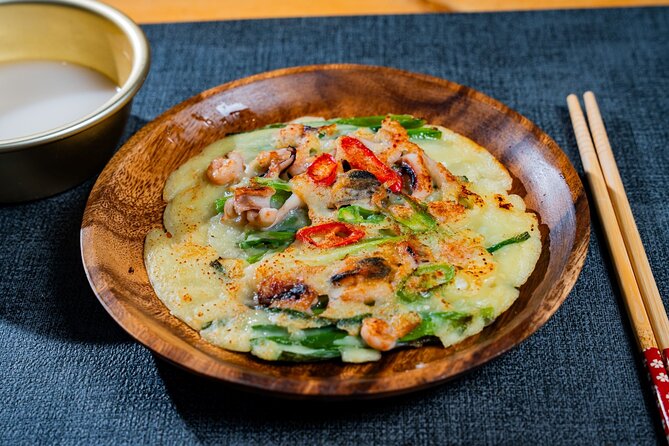
- Haemulpajeon: Cook a seafood and green onion pancake, a simple dish that rewards careful attention to heat and timing.
- Budae jjigae: Make Korean army stew, a hearty shared dish with a distinctive modern Korean story.
- A full Korean spread afterward: Enjoy side dishes, snacks, tea, sikhye, makgeolli, and dessert with the food you prepare.
- A friendly, practical teaching style: Jennifer guides you step by step, while also sharing food history and Korean language tips.
Arriving at the Jongno teaching kitchen
The meeting point is 31-5 Jahamun-ro in Jongno District, in the center of Seoul. Since the class is near public transportation, you can reach it without arranging a private transfer. Check the address carefully before setting out, especially if you are coming from another part of the city.
The class ends where it starts, which is useful if you have a dinner reservation, an evening walk, or another planned activity. The morning session can work well before an afternoon of sightseeing. The evening option makes a good change from simply eating at another restaurant.
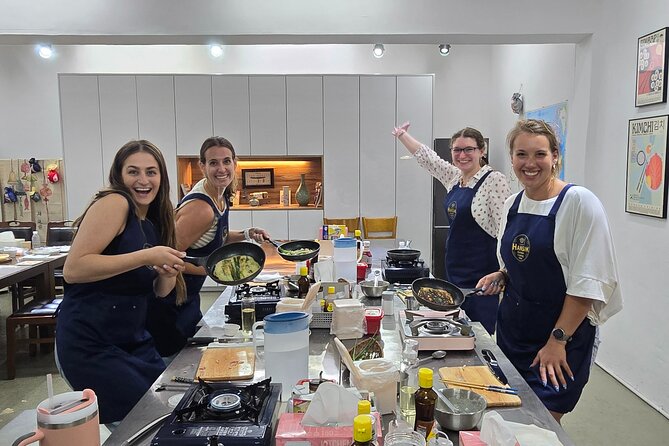
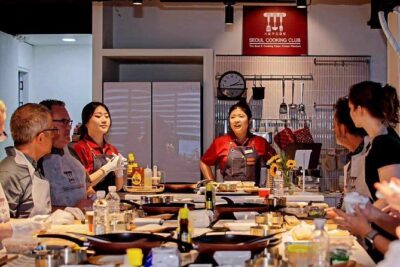
The cooking area is described as clean, professional, and set up with dedicated stations. That matters more than it may sound. In a class with four dishes, an organized work surface keeps ingredients and instructions from becoming confusing. It also gives you a proper place to take part instead of watching an instructor do everything.
The group limit is 10 people. That is large enough for a social atmosphere, but small enough for Jennifer and her team to offer help when you need it. If you are nervous about cooking in front of strangers, this is a more manageable size than a large demonstration class.
More Cooking Classes in Seoul:
- Local Home Korean Cooking Class & Market Adventure in Seoul
★ 5.0 · 1,024 reviews - Master Korean traditional cooking with a Kimchi chef
★ 5.0 · 385 reviews - Seoul: Korean Cooking Class at a Local Home and Market Tour
★ 5.0 · 348 reviews
Cooking gimbap, tteokbokki, haemulpajeon, and budae jjigae
The appeal here is variety. You are not making four versions of the same dish. Instead, the menu covers rice, rice cakes, a pancake, and stew, giving you a useful introduction to several Korean cooking methods.
Gimbap is a good first lesson because it involves preparation, seasoning, and rolling. The finished rice roll looks simple, but getting a neat shape takes some care. Making it yourself helps you understand why the balance of rice and filling matters. It is also one of the easiest dishes to remember later, since it works well for lunches and picnics.
Tteokbokki brings the class’s spicy element. The key flavor comes from gochujang, Korean red chili paste. You can expect a sauce with sweet, savory, and hot notes around chewy rice cakes. If you usually order tteokbokki in Seoul, learning how the sauce comes together gives you a better sense of the dish than simply eating it from a street-food stall.
Haemulpajeon is a seafood and green onion pancake. This part of the class teaches a different kind of attention. You need to manage the batter, vegetables, seafood, and cooking heat so the pancake cooks through without losing its texture. It is a familiar format in some ways, but the ingredients and dipping flavors make it distinctly Korean.
Budae jjigae, or Korean army stew, rounds out the menu with a hearty communal dish. It is filling and informal, and it shows how Korean cooking includes both long-standing traditions and dishes shaped by more recent history. The stew also makes sense as part of a shared meal because it is meant to be enjoyed at the table rather than treated as a tiny tasting portion.
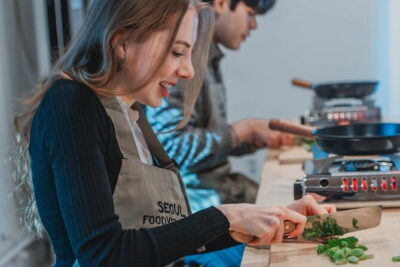
Jennifer teaches each recipe step by step. You are not simply watching a chef prepare dinner while holding a camera. The aim is for you to do the work yourself, with help when a technique feels unfamiliar. That balance is important. You can learn from small mistakes instead of having every difficult step taken away from you.
Past participants have found the recipes clear and the pace comfortable. Jennifer is also praised for being patient and willing to adjust the food to dietary restrictions and preferences. Those changes should be discussed when booking or before the class, since the exact alternatives are not listed.
Jennifer’s teaching style adds the cultural context
Jennifer is the central strength of this experience. She teaches the food, but she also explains the story behind the dishes and adds small lessons in Korean history and language. That turns the class into more than a recipe lesson.
I like this kind of teaching because food makes cultural details easier to remember. You may recall the background of budae jjigae while eating it later, or recognize gochujang when you see it in a Korean market. Those connections give the dishes meaning beyond their ingredients.
Jennifer’s approach also appears well suited to families. Children aged 10 and 12 have taken part successfully, and her instruction can be adjusted to different skill levels. That does not mean every child will enjoy every step, but the class offers enough hands-on work to keep young cooks involved.
Ms Lee also helps host the class. The atmosphere is described as friendly and easy to settle into, with attention given to the people at each station. If you need guidance with rolling, mixing, chopping, or timing, the class is designed to provide it.
The social side should not be overlooked. You cook alongside a small group, share a meal afterward, and have the chance to compare results. For solo visitors, couples, and families, this can be a pleasant way to meet people without the forced structure of a formal group tour.
Come hungry, because the meal is substantial
The food is not limited to a few samples. After cooking, you sit down to a full home-style meal that includes the dishes prepared during the class. Korean tea, snacks, side dishes, sikhye, makgeolli, and desserts are also included.
Sikhye is a sweet Korean rice punch, often served chilled. Makgeolli is Korean rice wine with a milky appearance and lightly sweet taste. Alcohol is served only to people aged 21 and older. Anyone under 21 receives non-alcoholic drinks instead.
Portions are one of the strongest reasons the $89 price can make sense. The meal is described as generous enough to leave some people completely full, with leftovers available to take away. You should not plan a large meal immediately before the class. Arriving hungry is practical advice here, not sales talk.
The leftover food is useful too. It lets you enjoy the dishes again later and gives you a chance to compare the fresh class meal with your own attempt at home. Bring that possibility into your planning, especially if you have access to a refrigerator where you are staying.
The menu also gives you more than a standard restaurant meal. At a restaurant, you taste finished dishes. Here, you learn how the rice roll holds together, how the pancake cooks, and how the stew develops as a shared dish. For anyone who wants food to be part of the trip rather than just fuel, that added value is real.
More workshops in Seoul:
- Yongpyong Ski Resort from Seoul with Optional Lesson and Packages
★ 5.0 · 217 reviews - Korean Cooking Class with Grocery Shopping at Seoul Local Market
★ 5.0 · 107 reviews - Royal Seoul Cooking Class in a 100-Year-Old Hanok
★ 5.0 · 81 reviews - K-pop Dance Class in Seoul (Incl. video shooting & editing)
★ 5.0 · 52 reviews
Is $89 a fair price in Seoul?
At $89 per person, this class is a midrange to premium food activity. You are paying more than you would for an ordinary Korean lunch, but the comparison is not quite fair. The price covers about three hours, instruction, a dedicated cooking station, four dishes, snacks, drinks, dessert, and a large meal.
It is especially good value if you would otherwise book a separate food tour and a restaurant dinner. You get a meal and a lesson in one appointment, plus recipes sent digitally afterward. Those recipes help the class continue after your trip, assuming you have access to the ingredients and equipment needed at home.
The value is weaker if you dislike group activities, avoid cooking, or mainly want a quick taste of Korean food. You may find the three-hour commitment too long for a meal you could order in less time. This is an experience purchase, not simply a dinner reservation.
The class is also a sensible choice for repeat visitors to Seoul. If you have already seen palaces, markets, and major city sights, cooking offers a different way to spend part of the day. The Jongno location can also fit neatly into a sightseeing plan because it is near public transportation and returns you to the same meeting point.
Who will enjoy this cooking class most?
I would recommend it most strongly to:
- Food-focused visitors who want to understand Korean dishes by preparing them.
- Families with older children, especially children interested in cooking and eating what they make.
- Couples and friends looking for a shared activity with a proper meal afterward.
- People with dietary restrictions, provided they contact the host in advance to discuss alternatives.
- Visitors who want take-home skills, since digital recipes are provided afterward.
- Anyone who values generous portions, since leftovers may be available.
It is less suitable if you want a quiet private lesson, a short demonstration, or a highly specialized focus on one dish. The menu is broad, and the group setting means you will share the instructor’s attention.
The class does appear welcoming to beginners. You do not need to arrive as an experienced cook. Jennifer’s role is to explain each recipe, demonstrate the technique, and help you as you work. Still, you should expect to participate actively rather than sit back.
Practical planning for your Seoul schedule
Morning and evening start times are available, so you can choose based on your itinerary. A morning class leaves the rest of the day open. An evening class can replace a standard dinner and may suit you after a day spent sightseeing around Seoul.
Plan extra time to reach 31-5 Jahamun-ro. The meeting point is near public transportation, but Seoul is a large city and journeys can take longer than the map suggests. Arrive ready to cook, with comfortable clothing and an appetite.
The class requires good weather and a minimum number of participants. If poor weather causes cancellation, you are offered another date or a full refund. If the minimum group size is not reached, you can also choose another date or experience, or receive a full refund.
For normal cancellations, you can receive a full refund if you cancel at least 24 hours before the start time. Changes or cancellations made less than 24 hours ahead are not accepted for a refund. Since the class is often booked 34 days ahead, reserve early, but keep that 24-hour deadline in mind.
The current rating is 4.9 from 64 reviews, with 97 percent recommending the experience. The strongest praise centers on Jennifer’s patience, the clean setup, clear recipes, flexible handling of food preferences, generous portions, and the fact that you cook all four dishes yourself.
Should you book the Hansik Korean Cooking Class?
Book it if you want a friendly, practical introduction to Korean home cooking and have three hours to spare. The combination of four dishes, cultural background, drinks, dessert, and leftovers gives the $89 fee solid value for a food-centered activity.
I would choose this class over a simple restaurant meal if you want to bring part of Seoul home with you. Jennifer’s warm teaching style and the manageable group size are strong advantages. Just schedule it carefully, discuss dietary needs ahead of time, and do not eat a big meal beforehand.
FAQ
Where does the Korean cooking class begin and end?
The class begins at 31-5 Jahamun-ro in Seoul’s Jongno District and ends back at the same meeting point.
How long does the experience last?
The cooking class lasts approximately three hours.
Which Korean dishes will I prepare?
You will learn to make gimbap, tteokbokki with gochujang sauce, haemulpajeon, and budae jjigae.
Are drinks and dessert included?
Yes. The experience includes Korean tea, snacks, sikhye, makgeolli, side dishes, and desserts. Alcoholic drinks are served only to people aged 21 and older. Younger participants receive non-alcoholic drinks.
Can dietary restrictions be accommodated?
Alternative recipes can be offered for dietary restrictions and preferences. Contact the provider before the class to discuss what you need.
What is the cancellation policy?
You can cancel at least 24 hours before the start time for a full refund. Cancellations or changes made less than 24 hours before the start time are not accepted for a refund. Weather or minimum-group cancellations offer another date or a full refund.
Just added in Seoul
- Seoul: Korean & English Language Exchange Global Party★ 5.0 · 28 reviews
- Your Personal Seoul Photographer!★ 4.1 · 15 reviews
- You’re Invited to Our Home in Seoul: The Only Cooking Class!★ 5.0 · 8 reviews
- From Seoul: Yongpyong Ski Day Tour with Transportation★ 4.9 · 40 reviews
- From Seoul: Hwacheon Ice Fishing and Lighting Festival Tour★ 4.5 · 4 reviews
- Unique Native Experience : Han River Picnic, Board game, BBQ★ 5.0 · 3 reviews
- Seoul: Gangneung BTS K-Pop & K-Drama Filming Locations Tour★ 4.6 · 14 reviews
- Seoul: Euljiro Gastroventure Tour★ 4.0 · 1 review
Cooking Classes, compared.
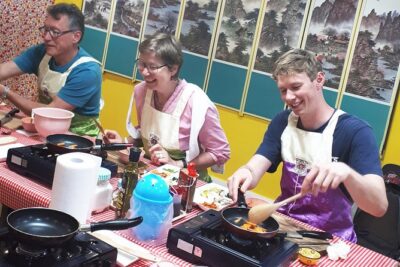
Local Home Korean Cooking Class & Market Adventure in Seoul
Read our review →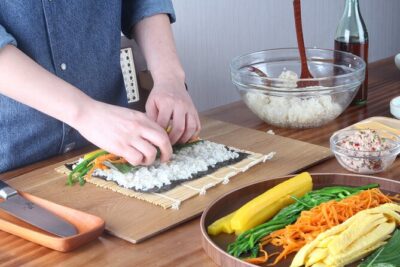
Master Korean traditional cooking with a Kimchi chef
Read our review →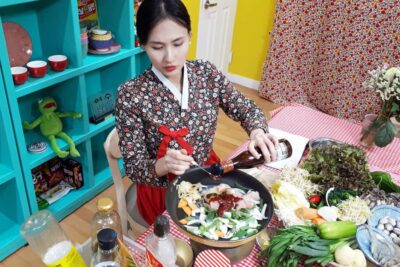
Korean Cooking Class at a Local Home and Market Tour
Read our review →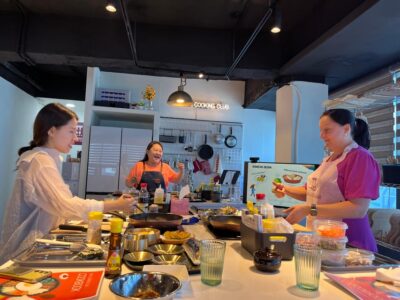
Korean Cooking Class with Grocery Shopping at Seoul Local Market
Read our review →
Korean Kimchi Making Day Experience with a Local Market Tour
Read our review →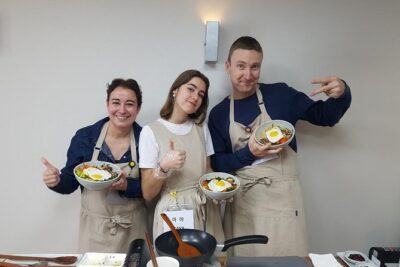
Browse the lists this tour appears in