
Reviewed · COOKING CLASSES
Seoul: Korean Cooking at Seoul Cooking Club!
Seoul tastes better when you make it. At Seoul Cooking Club, you spend 150 minutes preparing a broad Korean meal, from small jeon pancakes and bulgogi to japchae, bibimbap, banchan, dessert, and traditional drinks. I like the generous variety and the clear English instruction, especially when chefs such as Sally, Olivia, Elly, and Grace explain where each dish comes from.
I also like the practical setup: ingredients are prepared in advance, each person has a cooking station, and the class ends with a proper meal rather than a few samples. The main consideration is the $109 price, which is not cheap for a cooking class, and the amount of food can be hard to finish if you have plans immediately afterward.
- Seven dishes in about two and a half hours: You prepare a full spread rather than one showcase recipe.
- Three or four kinds of jeon: The small Korean pancakes may include meatballs, pollack, seafood, beef, tofu, or sesame leaf.
- Ten Korean tastings: Kimchi, egg-roll, anchovies, seasoned vegetables, cucumber, and other banchan add useful variety.
- A central Jongno location: Jonggak Station is only about 15 metres from the building entrance.
- Recipes and takeaway supplies: Depending on the session and leftovers, you may receive a recipe booklet, bag, and containers for food to take away.
- A welcoming English-speaking team: Sally, Olivia, Elly, and Grace receive repeated praise for patience, warmth, and clear explanations.
In This Review
- What You Actually Cook at Seoul Cooking Club
- Jeon: Small Pancakes With a Big Range of Flavors
- Bulgogi and Japchae Build the Main Course
- Jeonju Bibimbap and the Logic of a Korean Meal
- Ten Tastings, Traditional Drinks, and a Sweet Finish
- The Chefs Make the Difference
- A Clean, Central Base Near Jonggak Station
- Is $109 a Fair Price?
- Who Will Enjoy This Class Most?
- Small Practical Details That Matter
- Should You Book Seoul Cooking Club?
- FAQ
- How long does the Seoul Cooking Club class last?
- Where is Seoul Cooking Club located?
- What food do you make in the class?
- Are drinks included?
- Can children join the cooking class?
- Is the experience wheelchair accessible?
What You Actually Cook at Seoul Cooking Club
This is not a class built around one famous Korean dish. It is closer to a compact tour of the Korean table, with several small preparations leading to a large shared meal.
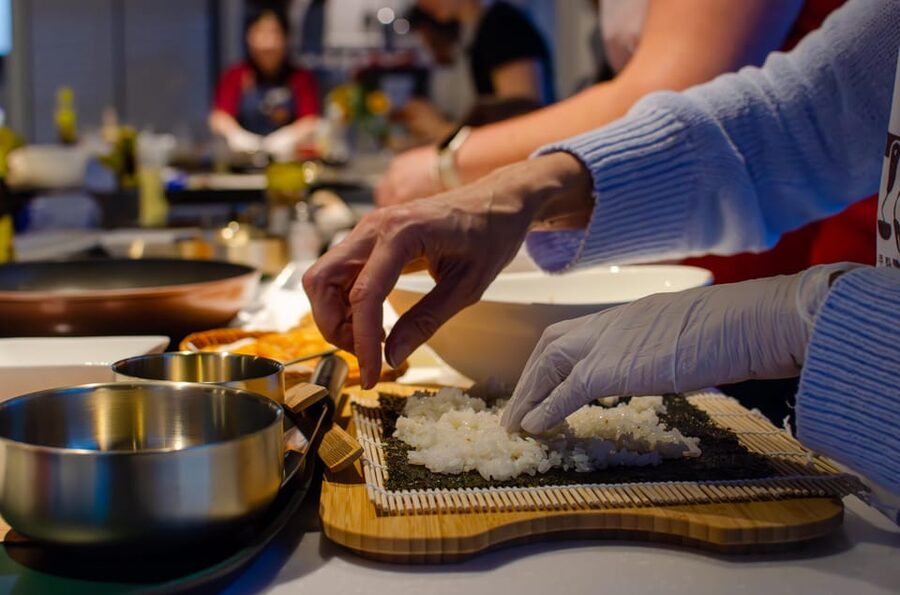
The exact selection can vary, but the core dishes include japchae, bulgogi, and Jeonju bibimbap. You also prepare three or four kinds of jeon and sample a group of banchan. Some sessions have included gimbap, and several participants describe making around seven dishes in total.
That variety is the chief reason to book this class. If you only want to learn bibimbap, a shorter demonstration may suit you better. If you want to understand how Korean meals combine noodles, meat, rice, pancakes, pickles, vegetables, and small side dishes, this class gives you much more to work with.
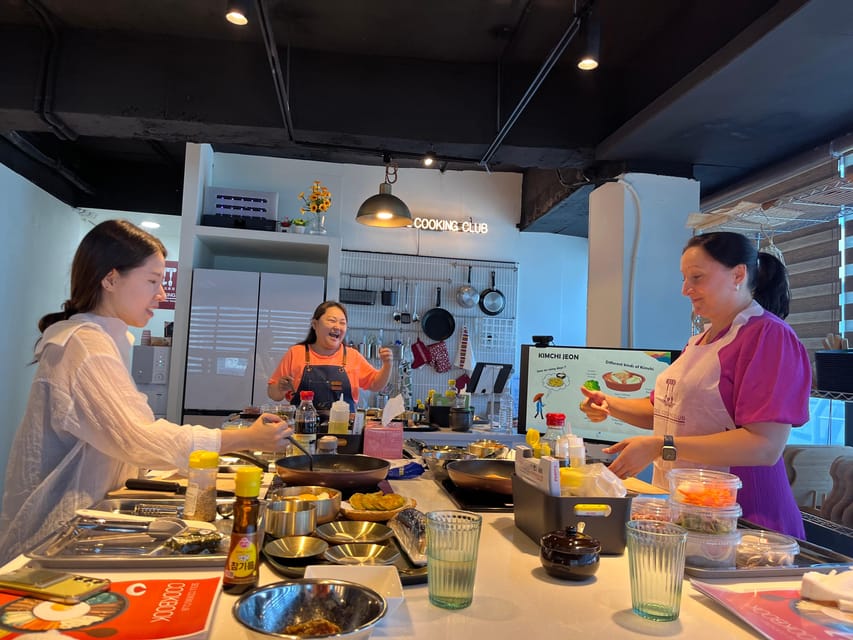
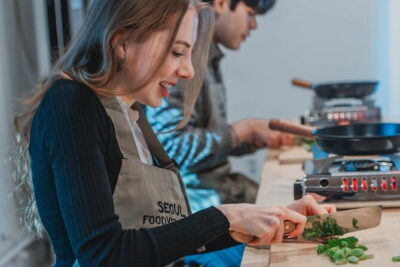
The food is prepared in a tidy, organized cooking room. Ingredients and utensils are set out at each station, and much of the chopping and advance preparation is already done. That keeps the class moving and prevents you from spending half your time peeling garlic or waiting for a cutting board.
The tradeoff is that you do not see every step from raw ingredient to finished plate. This is a practical class designed to let you cook and eat several dishes in one sitting, not a professional kitchen course.
Jeon: Small Pancakes With a Big Range of Flavors
The class begins with jeon, Korean pan-fried pancakes that can be made with meat, seafood, vegetables, tofu, or leaves. You prepare three or four varieties from a changing list:
- Donggrangttaeng, small battered and pan-fried meatballs
- Pollack pancake
- Pajeon, a seafood and green onion pancake
- Beef pancake
- Tofu pancake
- Sesame leaf pancake
This part is especially useful for beginners because jeon looks more complicated than it is. You learn how ingredients are coated, seasoned, and pan-fried, while the chef keeps an eye on heat and timing.
It is also a good introduction to the Korean habit of serving several kinds of food at once. A pancake is not simply an appetizer here. It can be part of a larger meal, shared with sauces and side dishes.
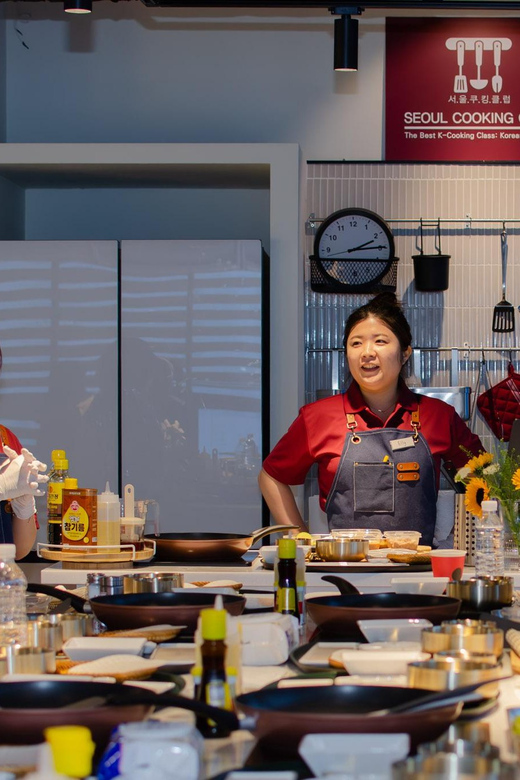
Your instructor explains the dishes in English and adds stories about their origins and place in Korean food culture. Grace, Sally, Olivia, and Elly have all been praised for taking questions seriously and giving step-by-step guidance.
The class is hands-on, but it is not a high-pressure test. People with little kitchen experience can manage it, and the preparation work done in advance makes the process easier. You should still wear closed-toe shoes, as required.
More Cooking Classes in Seoul:
- Local Home Korean Cooking Class & Market Adventure in Seoul
★ 5.0 · 1,024 reviews - Master Korean traditional cooking with a Kimchi chef
★ 5.0 · 385 reviews - Seoul: Korean Cooking Class at a Local Home and Market Tour
★ 5.0 · 348 reviews
Bulgogi and Japchae Build the Main Course
Next comes the heart of the meal: bulgogi and japchae.
Bulgogi is thinly sliced beef seasoned with soy sauce and other Korean flavors before being cooked. The dish is approachable for home cooks because the basic idea is easy to understand, yet the result depends on getting the seasoning and cooking time right.
Japchae combines glass noodles with stir-fried vegetables. It teaches a different rhythm from bulgogi, since you are balancing noodles, vegetables, texture, and seasoning rather than simply cooking meat.
These dishes make the class useful after your Seoul visit. You are not just watching a chef assemble a plate. You are learning a few broad Korean cooking ideas: prepare sauces carefully, balance sweet and savory flavors, and combine different textures in one meal.
One helpful point comes through in the class design: the recipes are not presented as difficult restaurant tricks. The ingredients are prepared for you, and the chef explains the process in plain English. That makes the dishes realistic for home cooking, even if you do not have every Korean ingredient in your kitchen.
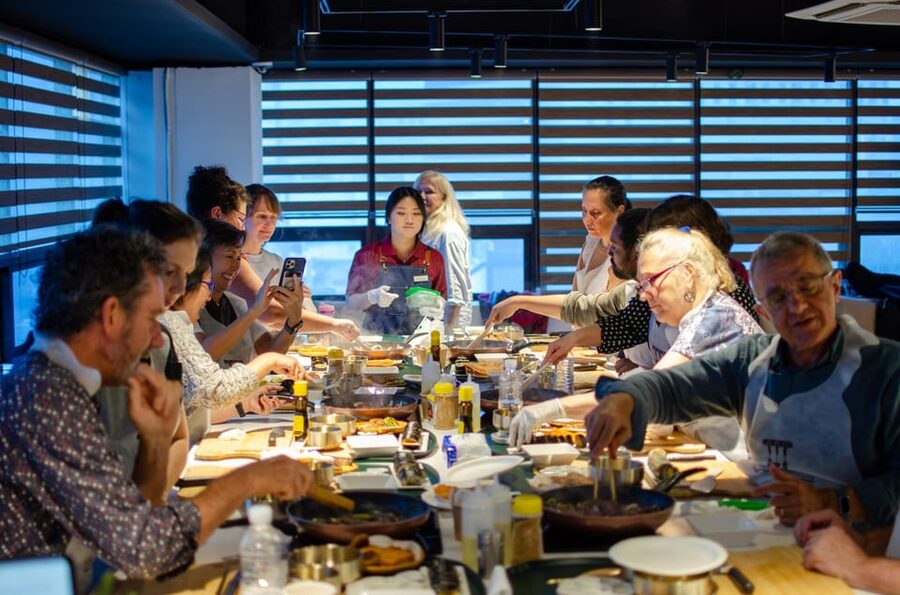
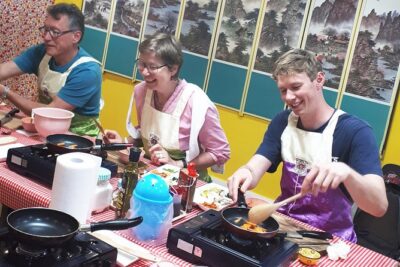
The cooking is collaborative. You may work alongside other people at individual stations, then sit down to enjoy the food together. For solo visitors, this can be a pleasant way to meet people without the forced feeling of a formal group outing.
Jeonju Bibimbap and the Logic of a Korean Meal
Bibimbap gives the class its rice-based centerpiece. The Jeonju style is associated with a particularly elaborate approach to the dish, with rice, vegetables, seasoning, and other toppings arranged so that each bite offers a different combination.
The point is not just to make a colorful bowl. The class shows how several modest ingredients can become a complete meal when combined with the right sauce and arrangement.
This is where the side dishes matter. You may taste about ten items, including kimchi, radish kimchi, Korean egg-roll, stir-fried anchovy, seasoned soybean sprouts, seasoned spinach, and spicy cucumber. The list can change, but the lesson stays the same: Korean meals are built around contrast.
You get sour and spicy kimchi, mild vegetables, chewy or crisp textures, and small portions that refresh your palate between bites. These side dishes are not filler. They are a central part of how Korean food is served and enjoyed.
I would pay close attention to the banchan section if you want to recreate Korean meals at home. Main dishes often receive all the attention, but the side dishes are what make a simple bowl of rice feel like a full table.
Ten Tastings, Traditional Drinks, and a Sweet Finish
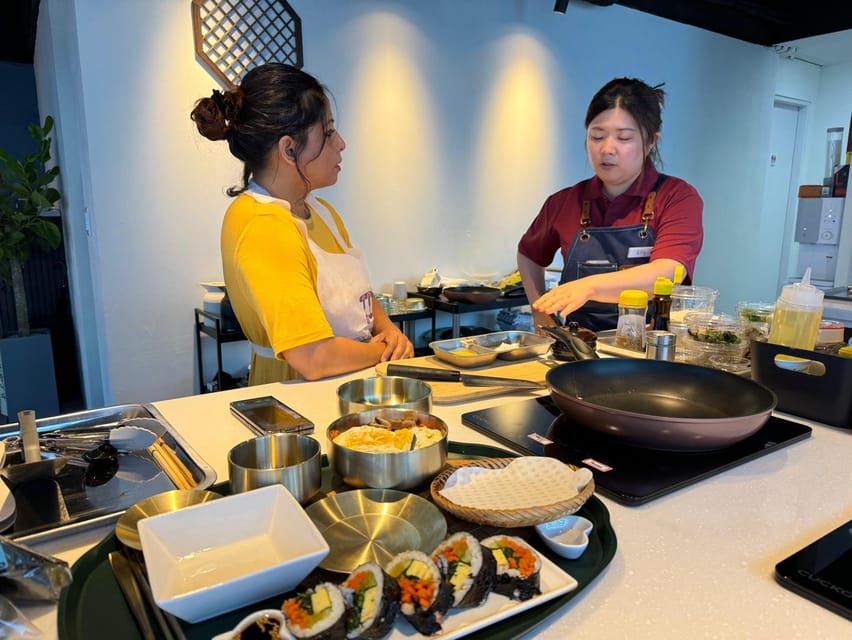
The food keeps coming after the main cooking is done. Along with the dishes you prepare, the class includes a welcome drink and Korean beverages such as sikhye, a sweet rice drink, plus Korean tea and water.
Sikhye is a useful taste to encounter in a cooking class because it is not simply another soft drink. Its gentle sweetness and rice flavor offer a small look at Korean food traditions beyond barbecue, fried chicken, and spicy noodles.
Dessert changes from day to day. Bing-su may be served, a popular Korean shaved-ice dessert often topped with sweet ingredients. Since the dessert is not fixed, you should think of it as a pleasant extra rather than booking the class for one specific sweet.
By the time you sit down to eat, you may have a three-course meal, roughly seven prepared dishes, and around ten side-dish tastings in front of you. The portions are generous enough that several people have needed takeaway containers.
That is good value if you can use the leftovers. It is less convenient if you are heading straight to a show, another meal, or an evening walk with no room in your bag. Come hungry, but leave a little time and space for the final feast.
A few more options to weigh up in Seoul
- Best DMZ Tour Korea from Seoul (Red Suspension Bridge Optional)
★ 5.0 · 41,422 reviews - DMZ Tour: 3rd Tunnel, Option(Suspension Bridge, Boat) from Seoul
★ 5.0 · 21,373 reviews - DMZ tour south Korea from Seoul (NK experience hall, defector)
★ 5.0 · 20,599 reviews - Seoul: DMZ Tour with Optional Suspension Bridge
★ 4.8 · 5,277 reviews
The Chefs Make the Difference
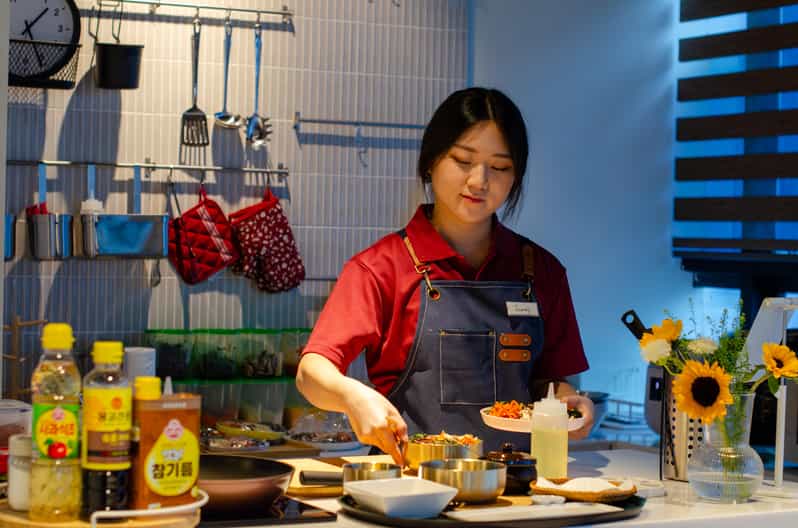
The food list is appealing, but the instructor is what can make or break a cooking class. Here, the strongest pattern is the teaching.
Sally is repeatedly praised for being friendly, patient, and clear. Olivia receives similar praise for making people comfortable, answering questions in detail, and keeping the cooking easy to follow. Elly is described as engaging and helpful, while Grace is praised for explaining the origins of dishes with warmth and enthusiasm.
The names matter because the class appears to use more than one chef, so your exact experience depends on the session. Still, the teaching approach is consistent in the details that count: good English, simple explanations, help when needed, and a relaxed tone.
One useful detail is the level of assistance around the workstations. An assistant may clear tools as you finish with them, helping keep the cooking area organized. That sounds minor, but it matters when seven dishes are moving through the room at once.
The class also handles dietary needs with some flexibility. Gluten-free and coeliac-friendly arrangements have been provided, and instructors have worked with people who avoid certain foods. You should state your needs when booking or before the class, since the available substitutions are not specified.
A Clean, Central Base Near Jonggak Station
Getting there is unusually simple. The cooking club is in central Jongno, about 15 metres from Jonggak Station on Line 1, Exit 12.
From the exit, walk straight, then take the immediate first right around the corner of Pascucci. The entrance is in the same building as the Good Game Zone, recognizable by its orange facade. The class is on the seventh floor.
This location works well with a day of sightseeing. Insadong, Ikseondong, Gwangjang Market, Myeongdong, and Gyeongbokgung Palace are all close by, with some listed as reachable within about ten minutes on foot. Check your route and timing before adding those walks, since Seoul blocks can feel longer than they look on a map.
There is no hotel pickup or drop-off. That is not much of a problem here because the metro stop is so close, but you should allow enough time to find the correct building and floor. Arriving late may mean missing part of a dish, though one person who arrived late was still helped after the main class.
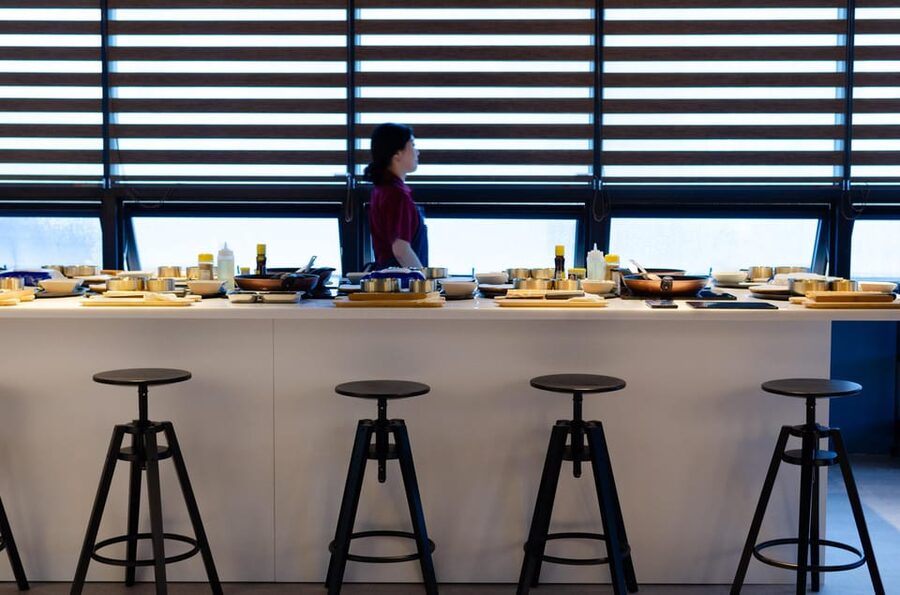
The studio is described as modern, clean, and well prepared. That suits this kind of activity: you want a comfortable place to handle food, ask questions, and sit down afterward without worrying about a rushed cleanup.
Is $109 a Fair Price?
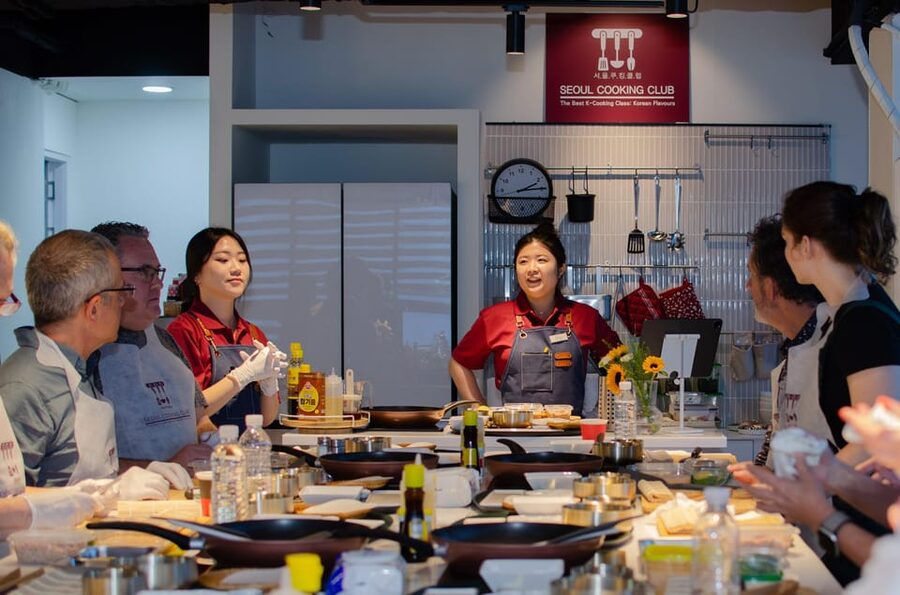
At $109 per person, this is a premium cooking class. You can eat Korean food more cheaply in Seoul, and a single market meal will cost far less.
The value comes from the amount packed into the session. You receive English instruction, a welcome drink, several cooking projects, three main dishes, jeon, about ten tastings, dessert, traditional drinks, and a sit-down meal. Many sessions also include a small recipe book, a tote-style bag, and containers for leftovers.
The recipe book improves the value because it lets you continue the experience at home. A cooking class is far more useful when you can remember the sauce ratios and preparation steps later, rather than relying on a few photographs.
I would consider the price reasonable for food-focused visitors who want both a meal and a cultural activity. It is harder to justify if you are mainly looking for a cheap lunch or if you already plan several other food tours.
The class also saves time. In 150 minutes, you sample a wide range of dishes and learn enough technique to try them again. For a short Seoul visit, that concentration may be worth paying for.
Who Will Enjoy This Class Most?
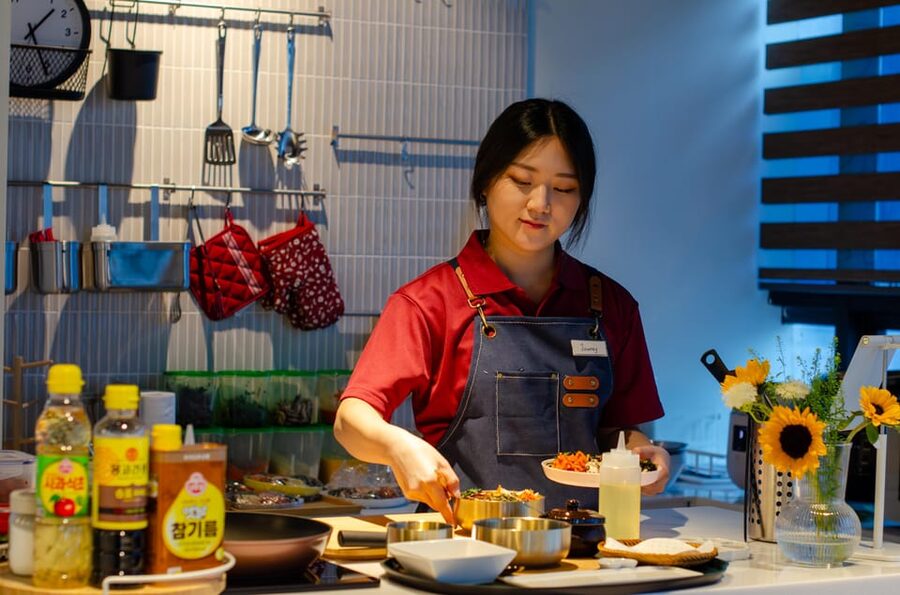
This is a strong choice for food-focused visitors, first-time Korean cooks, solo visitors, couples, and families with older teenagers. The age limit is 16, so younger children cannot join.
It suits you if you like doing something active instead of only visiting sights. It also works well for people who want a social activity, since the cooking stations and shared meal create natural chances to talk.
You do not need advanced kitchen skills. The pre-prepared ingredients and clear instructions keep the workload manageable. Still, you should enjoy tasting many different foods, since the class is built around abundance.
People with dietary restrictions may also find it workable, particularly because gluten-free accommodations have been provided before. Confirm your needs in advance rather than assuming every dish can be changed.
I would be more cautious if you have a tight schedule afterward. The class runs for 150 minutes, and the meal can be substantial. It is best placed where you can take your time rather than squeeze it between two fixed appointments.
Small Practical Details That Matter
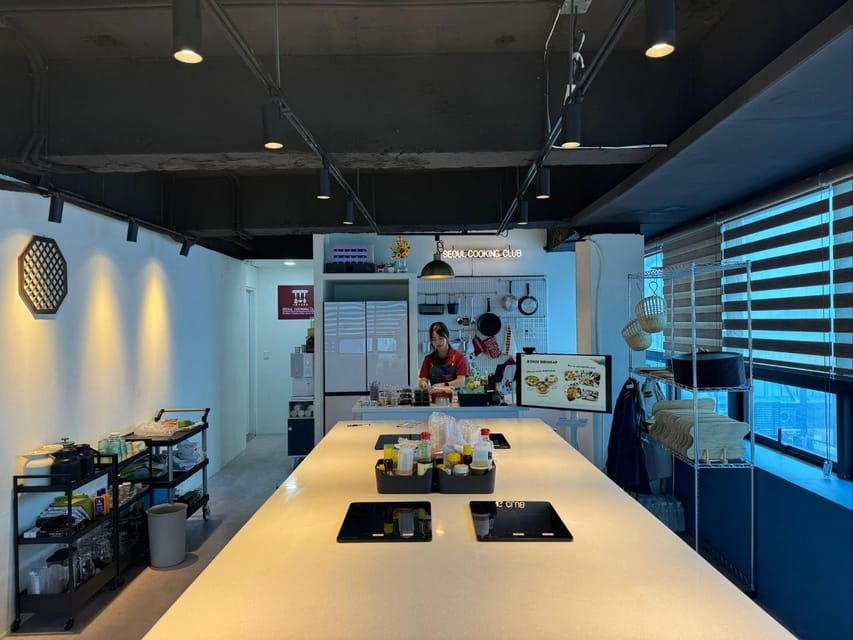
There are three sessions each day from Monday through Sunday, allowing you to choose a brunch, lunch, or early dinner time. Starting times vary, so check availability for your dates.
Free cancellation is available up to 24 hours before the class for a full refund, and you can reserve now and pay later. The experience is wheelchair accessible.
Bring closed-toe shoes. You should also arrive ready to eat a lot, since the cooking leads to a full meal rather than a token taste.
If you receive takeaway containers, use them. Several sessions produce more food than one sitting can comfortably handle, and taking leftovers away reduces waste while giving you another meal later.
Should You Book Seoul Cooking Club?
Book it if you want a hands-on introduction to Korean food with plenty to eat and a recipe collection to take home. The mix of jeon, japchae, bulgogi, bibimbap, banchan, drinks, and dessert gives you a broader picture than a class focused on one recipe.
The strongest reasons to go are the patient English-speaking chefs, the tidy preparation, the large range of dishes, and the easy Jonggak Station location. The main reasons to hesitate are the high price and the sheer amount of food.
For a short stay in Seoul, I think the class earns its place on the schedule, especially if you are traveling solo or want a break from sightseeing. Book it with an empty stomach, closed shoes, and no immediate appointment afterward.
FAQ
How long does the Seoul Cooking Club class last?
The class lasts 150 minutes, or two and a half hours.
Where is Seoul Cooking Club located?
It is near Jonggak Station on Seoul Subway Line 1. Use Exit 12, walk straight, then take the immediate first right around Pascucci. The entrance is beside the orange Good Game Zone facade, in the same building, on the seventh floor.
What food do you make in the class?
The class includes three or four kinds of jeon, japchae, bulgogi, and Jeonju bibimbap. Some sessions have also included gimbap. You also taste about ten Korean side dishes, followed by dessert.
Are drinks included?
Yes. Water, sikhye, Korean tea, and a welcome drink are included.
Can children join the cooking class?
No. The class is not suitable for children under 16.
Is the experience wheelchair accessible?
Yes, the activity is listed as wheelchair accessible. You should bring closed-toe shoes.
Just added in Seoul
- Seoul: Korean & English Language Exchange Global Party★ 5.0 · 28 reviews
- Your Personal Seoul Photographer!★ 4.1 · 15 reviews
- You’re Invited to Our Home in Seoul: The Only Cooking Class!★ 5.0 · 8 reviews
- From Seoul: Yongpyong Ski Day Tour with Transportation★ 4.9 · 40 reviews
- From Seoul: Hwacheon Ice Fishing and Lighting Festival Tour★ 4.5 · 4 reviews
- Seoul: Gangneung BTS K-Pop & K-Drama Filming Locations Tour★ 4.6 · 14 reviews
- Unique Native Experience : Han River Picnic, Board game, BBQ★ 5.0 · 3 reviews
- Seoul: Euljiro Gastroventure Tour★ 4.0 · 1 review
Cooking Classes, compared.
Local Home Korean Cooking Class & Market Adventure in Seoul
Read our review →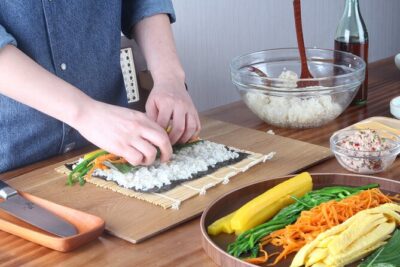
Master Korean traditional cooking with a Kimchi chef
Read our review →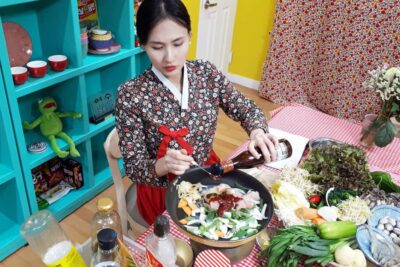
Korean Cooking Class at a Local Home and Market Tour
Read our review →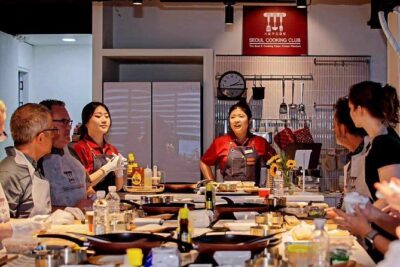
Korean Cooking Class with Grocery Shopping at Seoul Local Market
Read our review →
Korean Kimchi Making Day Experience with a Local Market Tour
Read our review →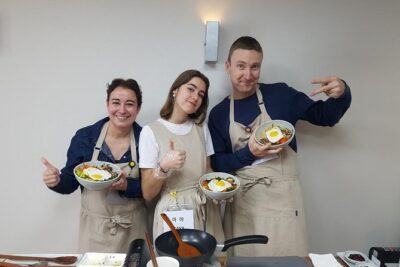
Royal Seoul Cooking Class in a 100-Year-Old Hanok
Read our review →Browse the lists this tour appears in